An independent guide to Paris, its culture, and where to stay.
The Paris Atlas brings together art, literature, and travel. We help you discover the museums, cafés, bookshops, and streets that make a trip your own, then find a hotel close to the places you want to explore.
We began with literary Paris — the writers of the 1920s, the books they wrote, and the cafés, apartments, bookshops, and salons where their lives crossed. But the map did not stay there for long. Literature led to painting, painting to photography, photography to film, and film to the stage.
Paris is in the title because it is where we began, not because it is where we plan to stop.
How the atlas works
Everything in the atlas belongs to the same growing map. A novel leads to its author, its publisher, the apartment where it was written, the people who read the manuscript, and the movements it helped shape. A painting might lead to a studio, a model, an exhibition, or another artist working a few streets away.
Those connections are built from individual, sourced claims. Some are firmly documented. Others are probable, disputed, or simply part of the folklore. We try not to flatten those differences. A good story is not automatically a true one, though it may still deserve to be told.
We care about the physical places, too. Addresses and coordinates are researched by hand, buildings are illustrated, and maps bring the history back onto the streets where it happened.
The atlas is built one entry and one connection at a time.
Plan a trip around the Paris you love
The places you want to visit shape where you stay. A trip built around Saint-Germain cafés might call for a different base from a week exploring Montmartre. Our travel guides connect cultural interests with neighbourhoods, walks, and hotels.
Our hotel pages bring together room types, amenities, practical trade-offs, and places to explore nearby. We research current details from hotel websites and other cited sources, and keep the history of an address distinct from the hotel operating there today.
Start by comparing Paris neighbourhoods, browse our hotel guides, or follow a writer through the city with one of our cultural travel guides. The aim is to help you choose a place to stay that fits the trip you want to take.
What belongs here
The atlas follows connections rather than a checklist. We add a work, person, or place when it helps tell a larger story or makes another part of the map clearer.
Publishers, galleries, archives, and estates are welcome to send us books, images, records, and corrections. What enters the atlas remains an editorial decision.
Team
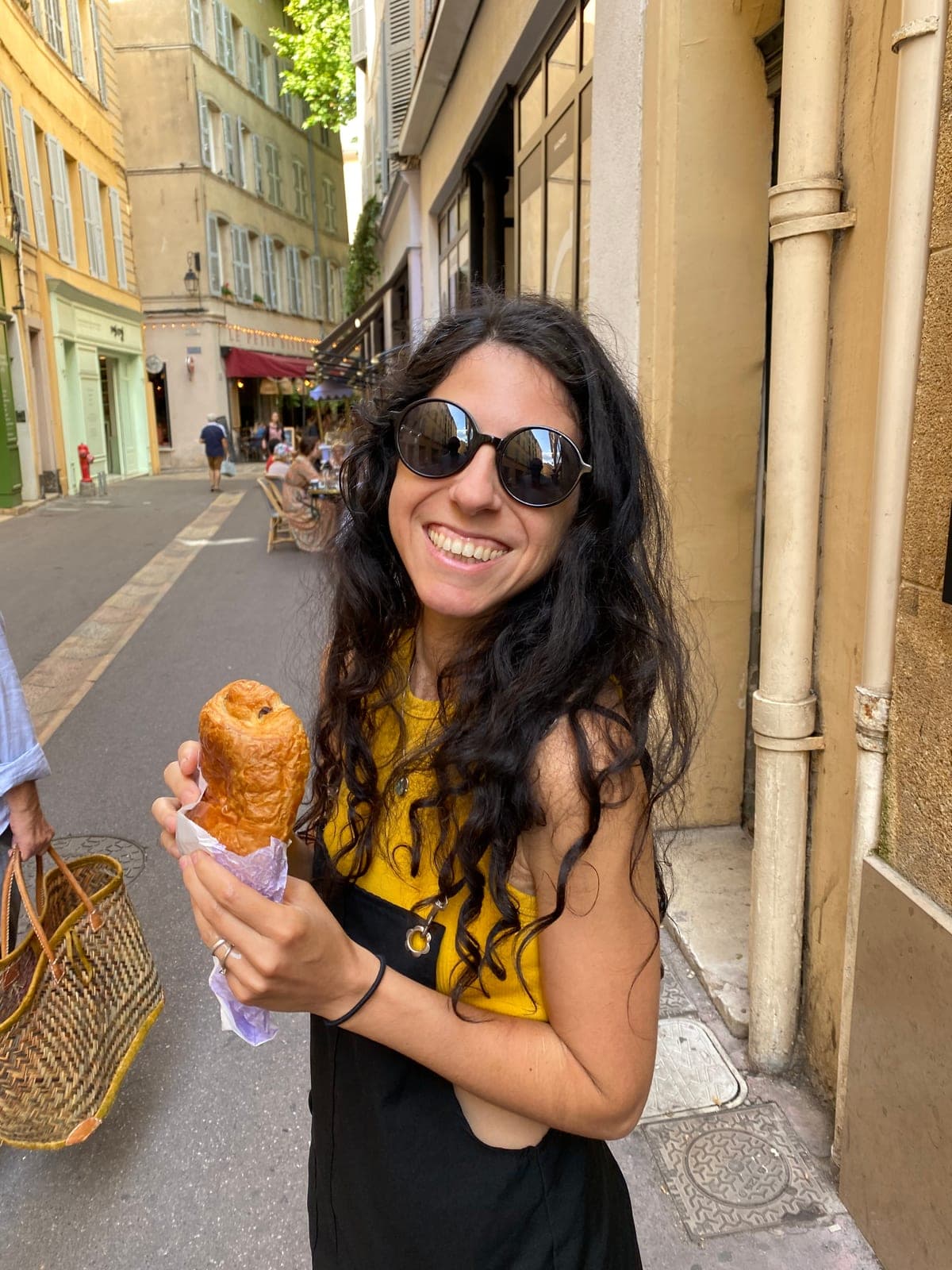
Adriana Pope
Adriana founded The Paris Atlas from the Mojave Desert, about as far from a Left Bank café as geography allows. She studied modern literature at UC Santa Cruz, where she received a Presidential Scholarship, and is the author of Of Triumph and Solitude. Her territory is the literature of the American expats in France, and she holds that there is no wrong hour of the day to walk the Seine. Every entry in the atlas passes across her desk.
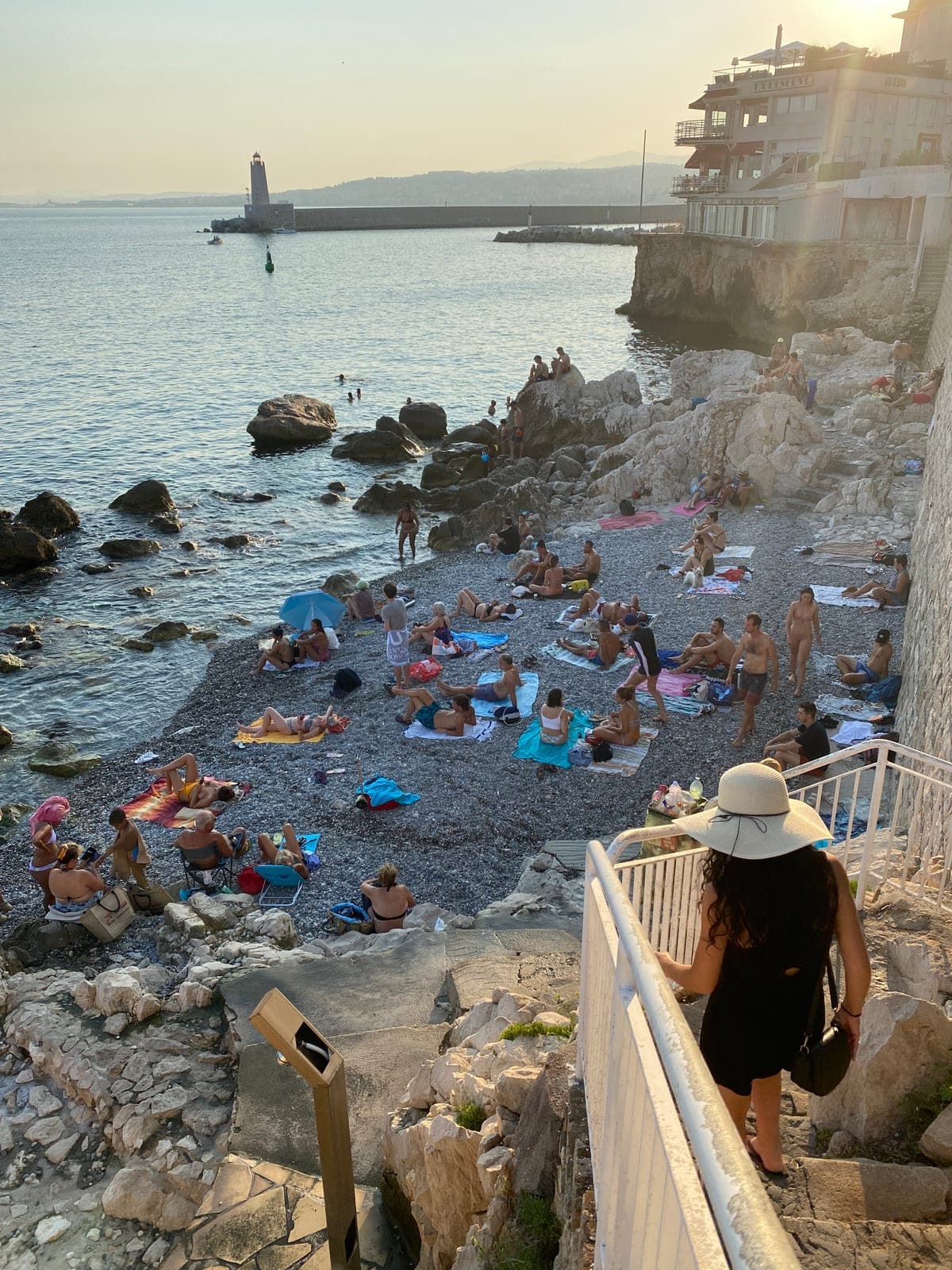
When we can, we go ourselves.
Affiliate disclosure
Some links on The Paris Atlas are affiliate links. If you book a hotel, reserve a tour or ticket, or buy something through one of them, we may earn a commission at no additional cost to you.
Hotel booking links take you to external booking providers, where you can check current prices, availability, and cancellation terms before making a reservation.
Commissions help support the atlas. They do not decide what appears in it or what we recommend.
Corrections
Dates get confused. Buildings disappear. Memoirs contradict one another. Even reputable sources repeat stories that do not survive a closer look.
If we get something wrong, tell us. We'll check it against the record and correct the page.
Privacy and terms
The Paris Atlas is owned and operated by Ongoing LLC.
We use analytics and advertising tags — Google Analytics, the Meta Pixel, and the Pinterest Tag — to understand which parts of the atlas people read and to measure the advertising that brings readers here. Anything you save remains connected to your account, and we do not sell account information or newsletter lists.
You can unsubscribe from the letter whenever you like. If you have a question these lines don't answer, write to us.
As an Amazon Associate, The Paris Atlas earns from qualifying purchases. Tour and ticket links earn The Paris Atlas a commission from GetYourGuide, at no extra cost to you.
Say hello
Found a mistake? Have an argument to make? Know a work, person, or place that ought to be on the map? The inbox is read by a person.
hello@theparisatlas.com
For a slower conversation, join the letter and hit reply.