
The Ineffable Frances Steloff
How Herta appears in its pages: The photographer whose visit and images organize the book.
Photographer whose sustained visits made images of Frances Steloff, her bookshop world, and other difficult subjects of illness and mortality.
Herta Hilscher-Wittgenstein worked as a photographer in New York in the 1970s, sometimes in collaboration with Nina Alexander. Her pictures approached their subjects through repeated, intimate observation rather than a single ceremonial sitting.[1]
Her photographs organize The Ineffable Frances Steloff: A Photographic Visit, with comments by Henry Miller and Anaïs Nin. The book makes the photographer—not the famous writers—the author of its visual structure.[2]
How Herta appears in its pages: The photographer whose visit and images organize the book.
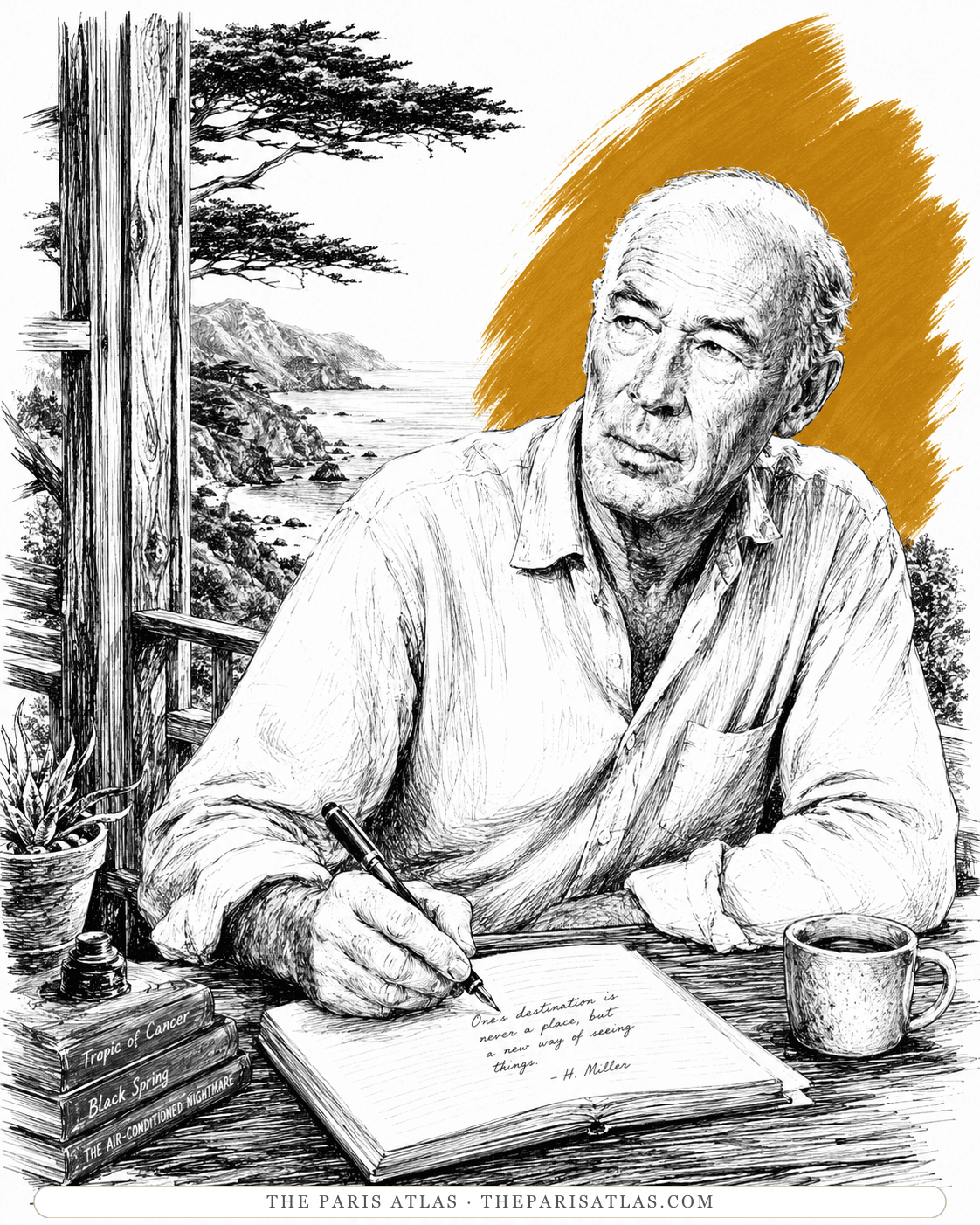
Collaborated with
Herta Hilscher-Wittgenstein's photographs were published with comments by Henry Miller and Anais Nin in The Ineffable Frances Steloff.
Collaborated with
Herta Hilscher-Wittgenstein's photographs were published with comments by Henry Miller and Anais Nin in The Ineffable Frances Steloff.
The sources below include biographies, scholarly essays, interviews, and primary materials that informed this page. They reflect both the historical record and ongoing critical conversations about Herta Hilscher-Wittgenstein and their work.

Contemporary reporting or criticism used to document the historical reception and context of Herta Hilscher-Wittgenstein.

Web source consulted for documented facts and historical context presented on the Herta Hilscher-Wittgenstein page.
Biographical evidence used to verify chronology, relationships, and historical context connected to Herta Hilscher-Wittgenstein.
Archival evidence used to document the historical record connected to Herta Hilscher-Wittgenstein.
These references anchor the page in the documented record and in the scholarly conversations around Herta Hilscher-Wittgenstein. Every claim on this page traces back to one or more of the works listed here.
 Explore more resources