Movements
The movements that changed how art was made — each one mapped through its people, its works, and the rooms where they met.
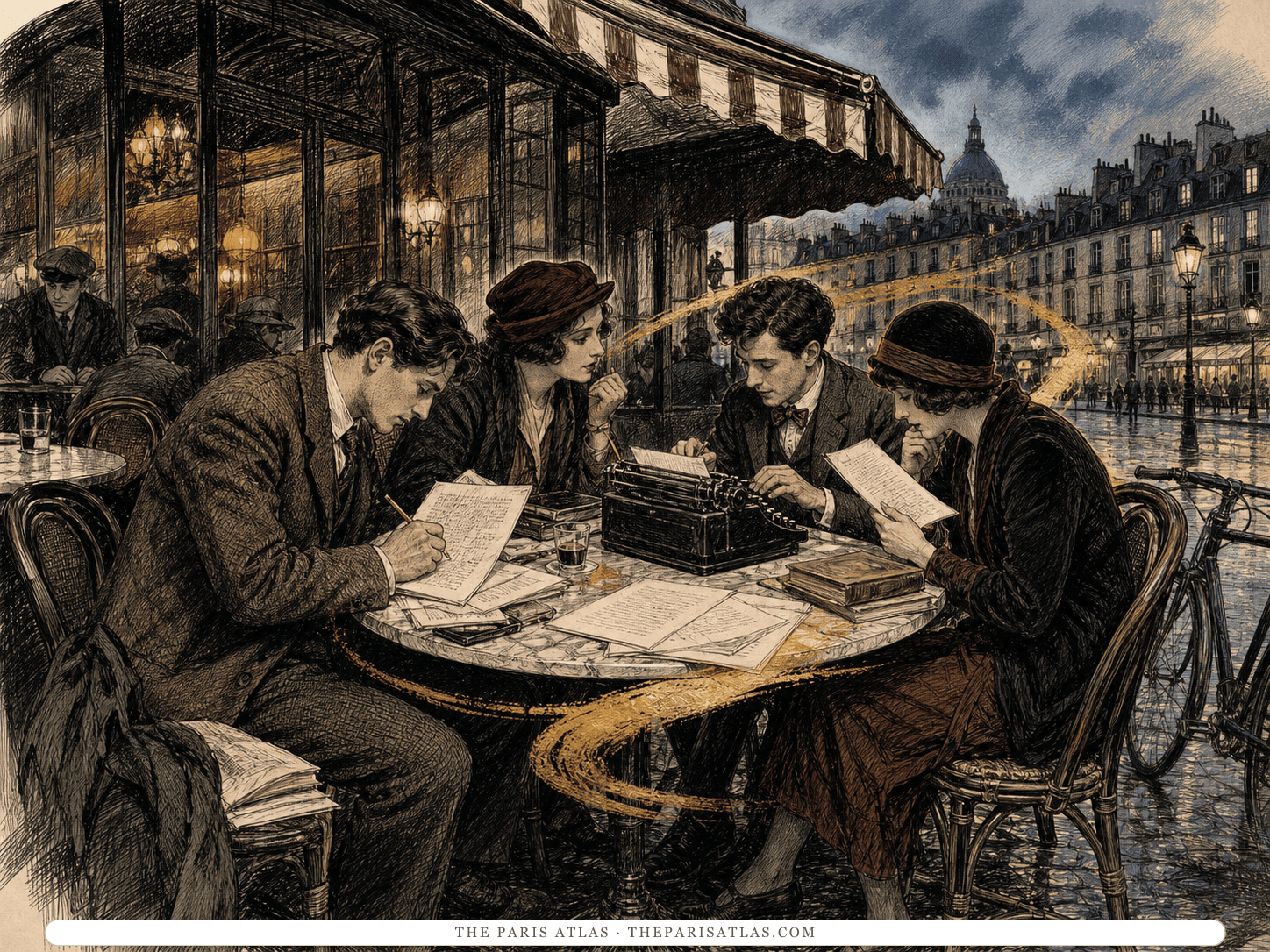 Literary generation · Paris · c. 1921–1929The Lost GenerationThe writers remade by war and expatriate Paris — Hemingway, Fitzgerald, Stein, Pound, and the rooms, presses, and bookshops that turned their encounters into literature.Enter the generation
 Art movement · Paris · 1907–1914CubismThe Paris movement that broke the single viewpoint and rebuilt painting from fragments — Picasso and Braque's private experiment, seen early on Gertrude Stein's walls.Enter the movement
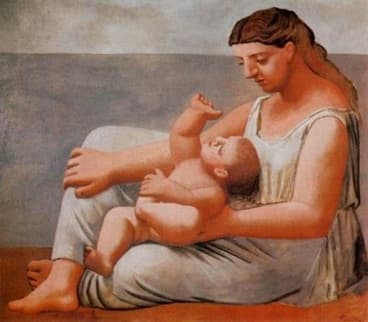 Art movement · Paris · c. 1918–1930Return to OrderThe postwar swing back to classical calm — Picasso's monumental figures, a shaken Europe's appetite for order, and the tendency Jean Cocteau's essays gave a name.Enter the movement
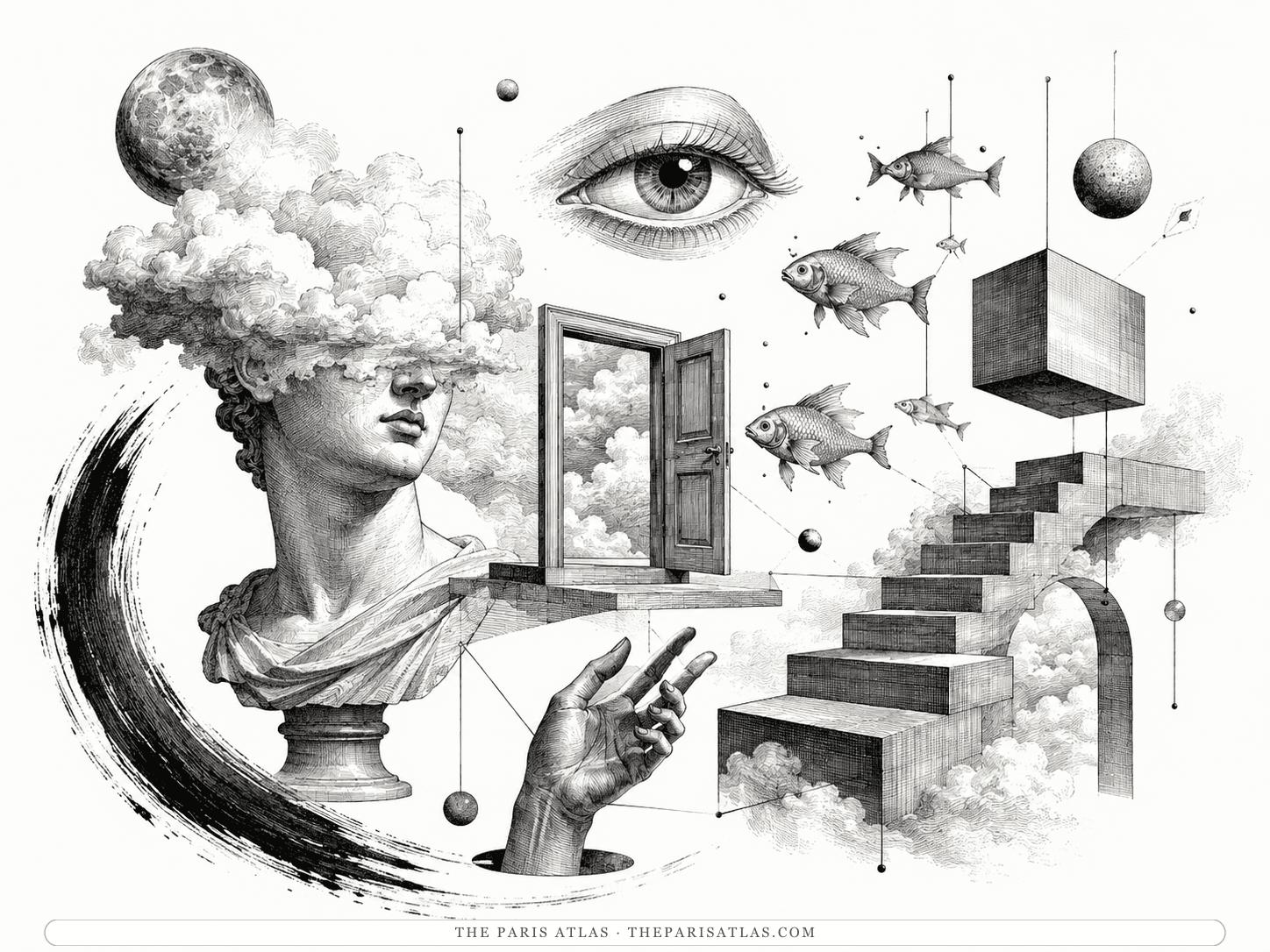 Art & literary movement · Paris · 1924–1966SurrealismThe dream given a manifesto — Breton's Paris movement of automatic writing, sleeping fits, and marvelous images, whose orbit touched most of the city's avant-garde.Enter the movement
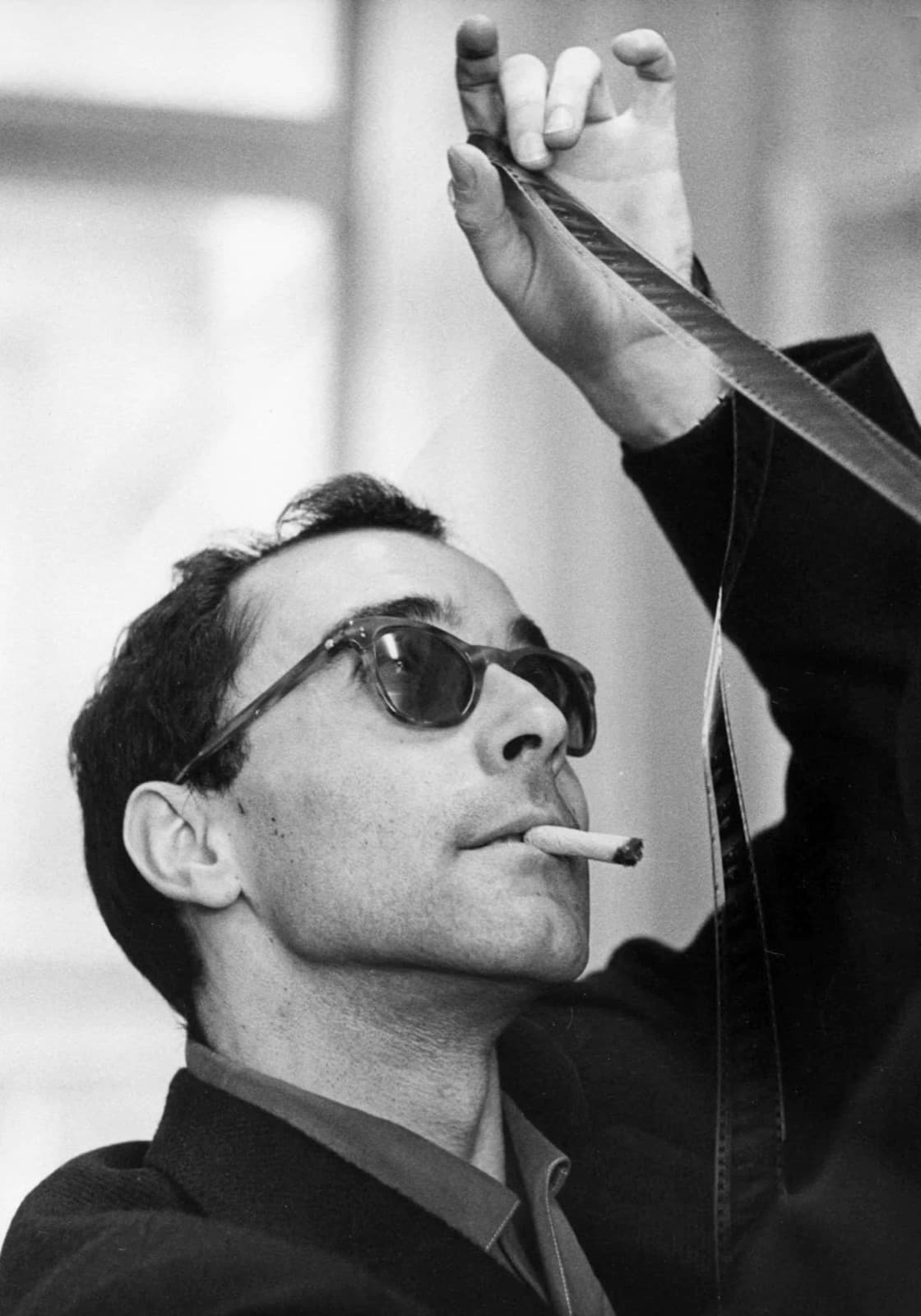 Film movement · Paris · c. 1958–1968The French New WaveThe young Paris critics who became directors after 1959 — Godard, Truffaut, Varda, Resnais — and the fast, cheap, personal filmmaking that changed world cinema.Enter the movement
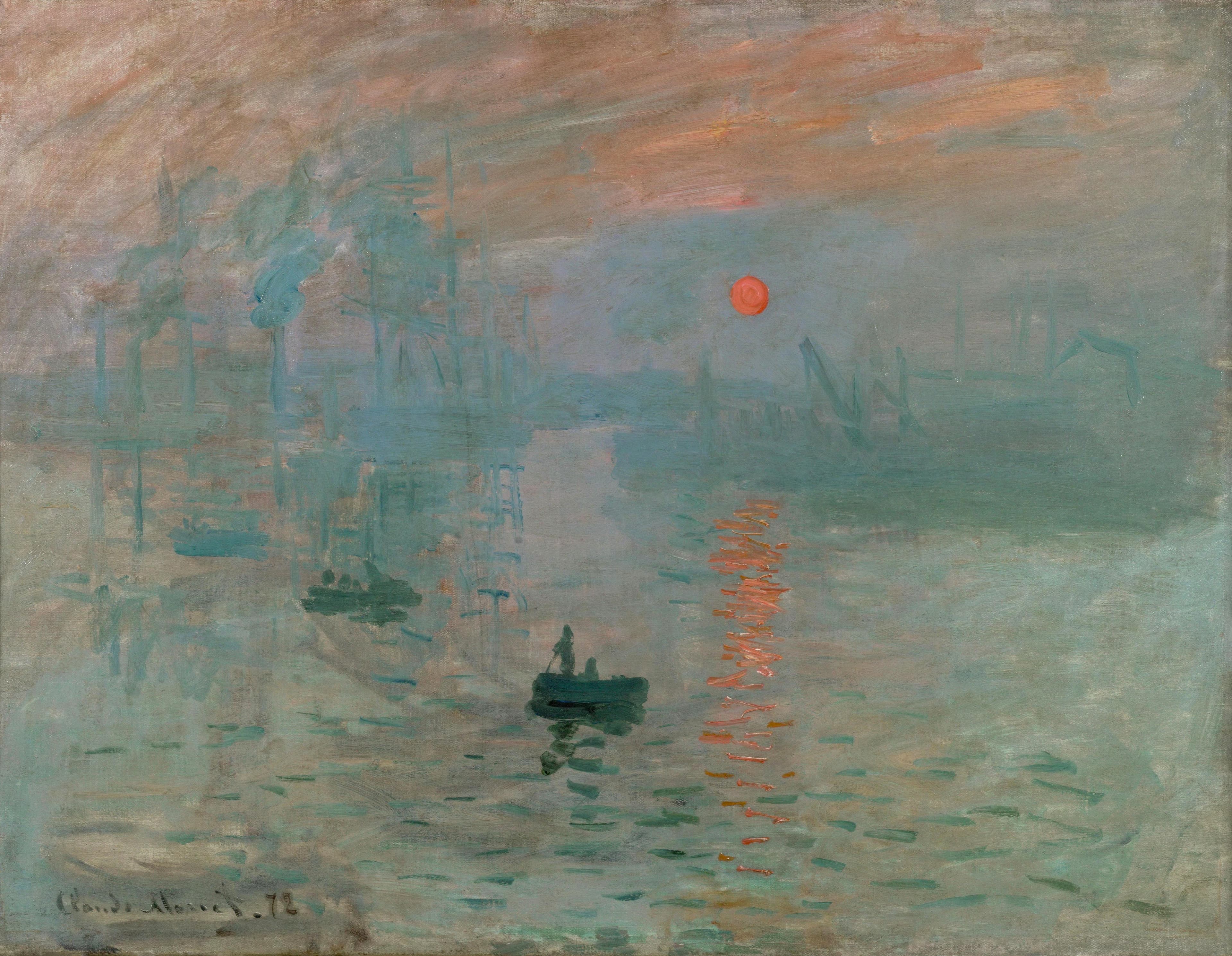 Art movement · Paris · 1874–1886ImpressionismNot one style but an alliance: eight independent exhibitions, 1874 to 1886, that took modern painting out of the Salon's hands — and were named, by way of an insult, after Monet's Impression, Sunrise.Enter the movement
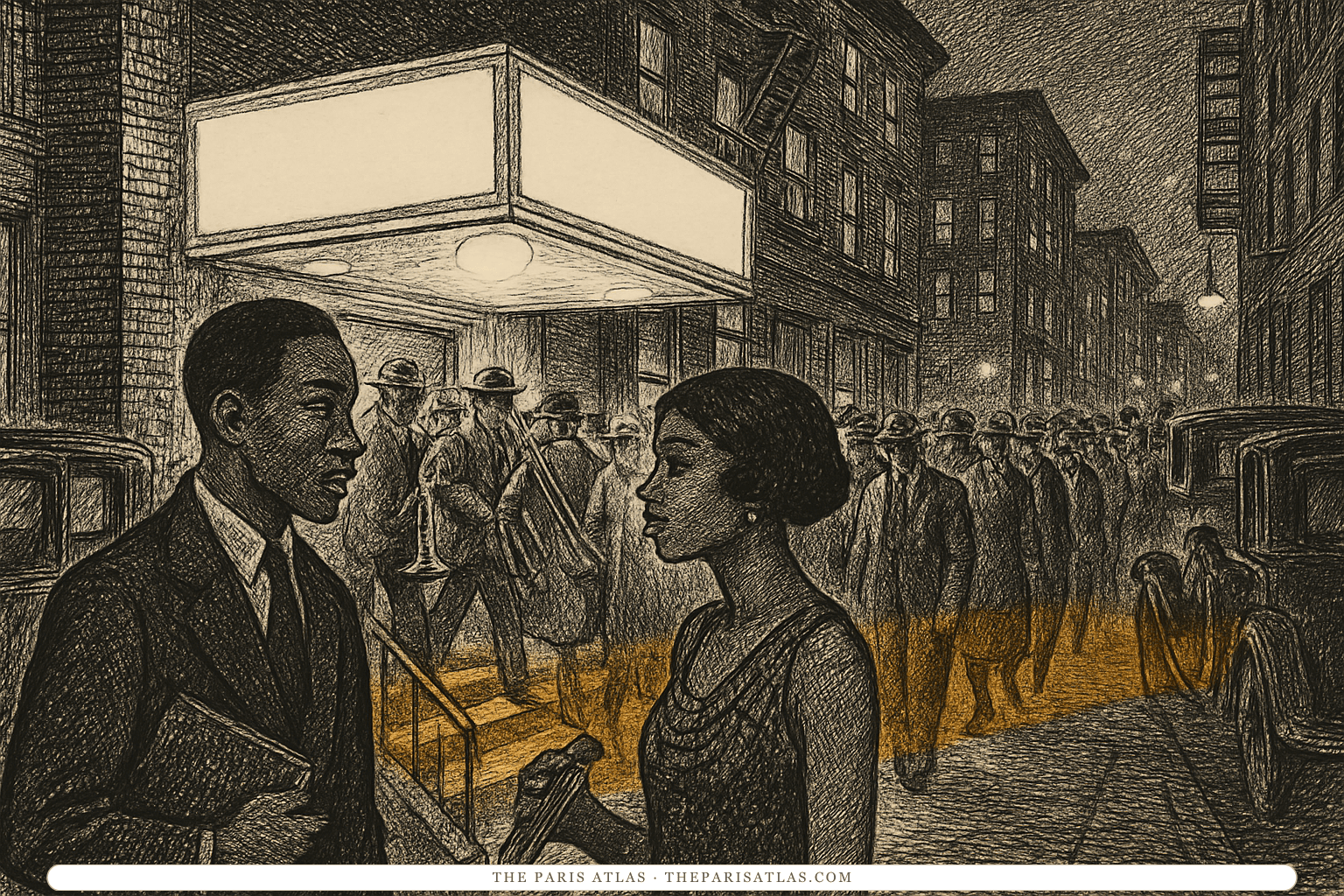 Cultural movement · Harlem, New York · c. 1918 – mid-1930sThe Harlem RenaissanceThe flowering of Black American literature, music, and art centered on Harlem between the world wars — Langston Hughes, Zora Neale Hurston, Duke Ellington, Aaron Douglas — with an outpost in Montmartre that can be traced street by street.Enter the movement
 Art & literary movement · Europe · c. 1790–1850RomanticismThe argument that feeling, imagination and freedom belong at the centre of art rather than at its edges — settled in Paris, in the 1830s, in a theatre riot and at the Salon.Enter the movement
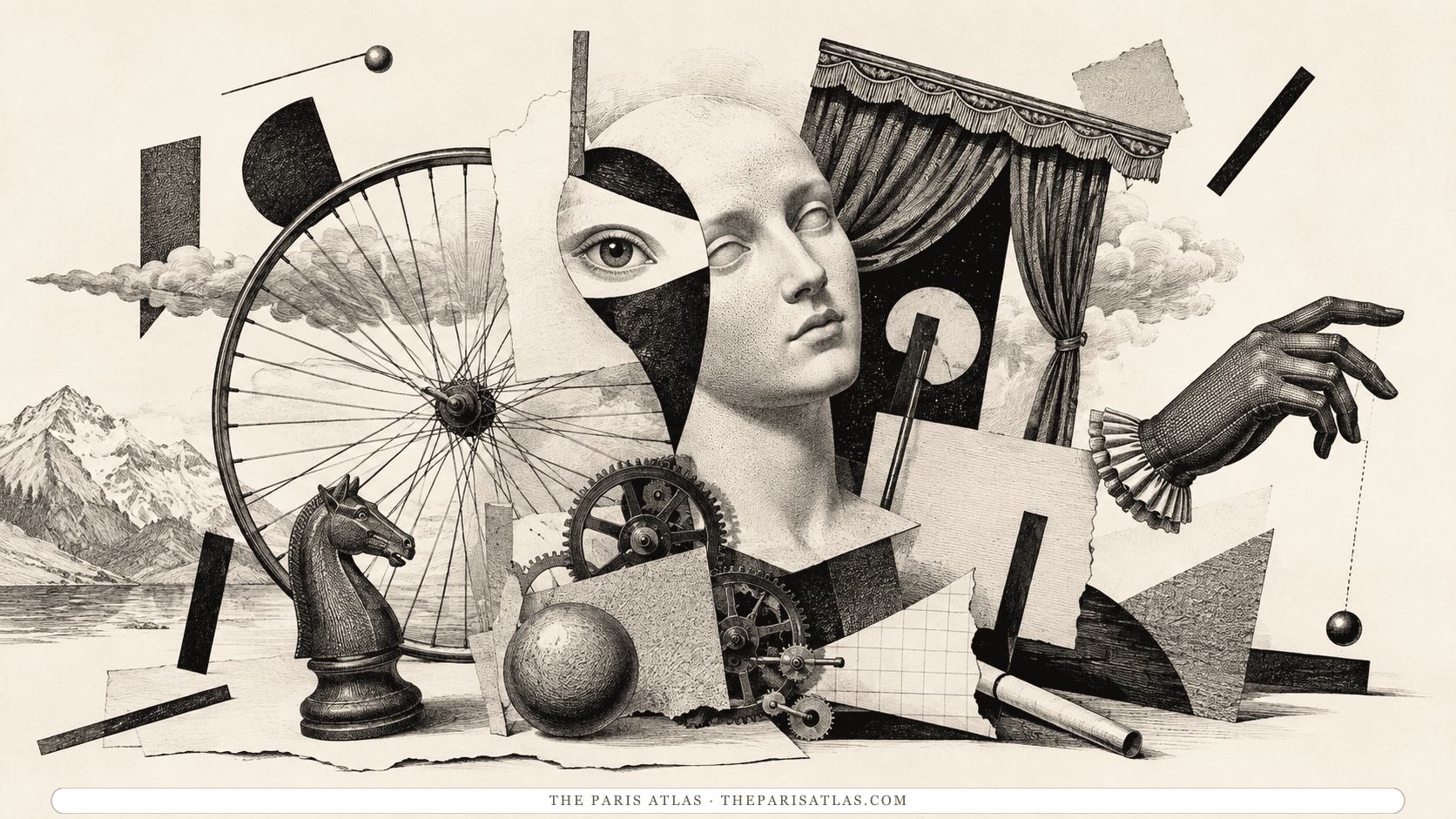 Art movement · International · c. 1916–1924DadaThe anti-art movement born in Zurich's Cabaret Voltaire in 1916 amid the slaughter of the First World War, carried to Paris by Tristan Tzara in 1920, and dissolved into Surrealism by 1924.Enter the movement
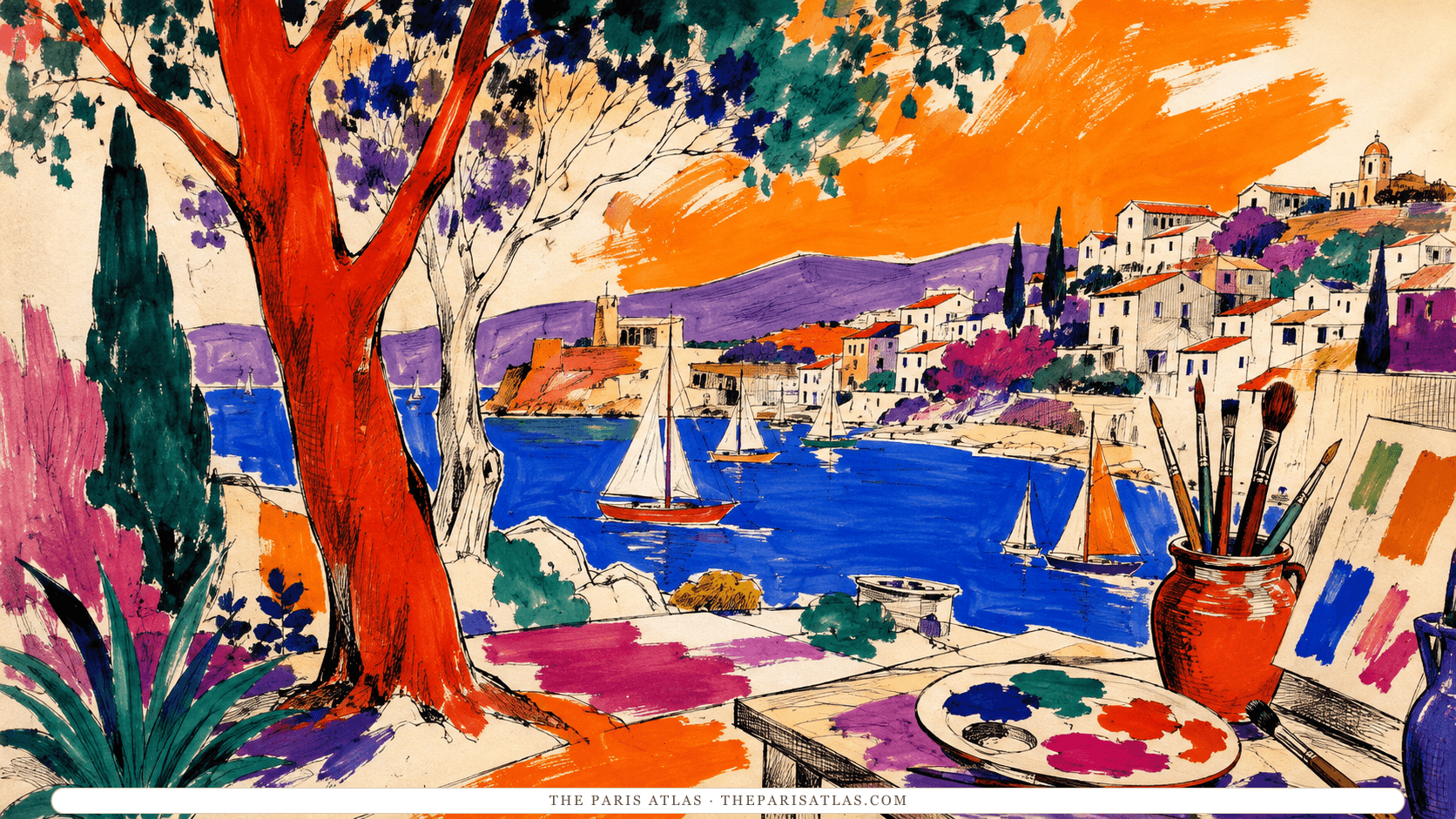 Art movement · France · c. 1905–1908FauvismThe short, loud Paris movement that freed colour from description — Henri Matisse and André Derain's blazing canvases of 1905, named 'wild beasts' by a mocking critic at the Salon d'Automne.Enter the movement
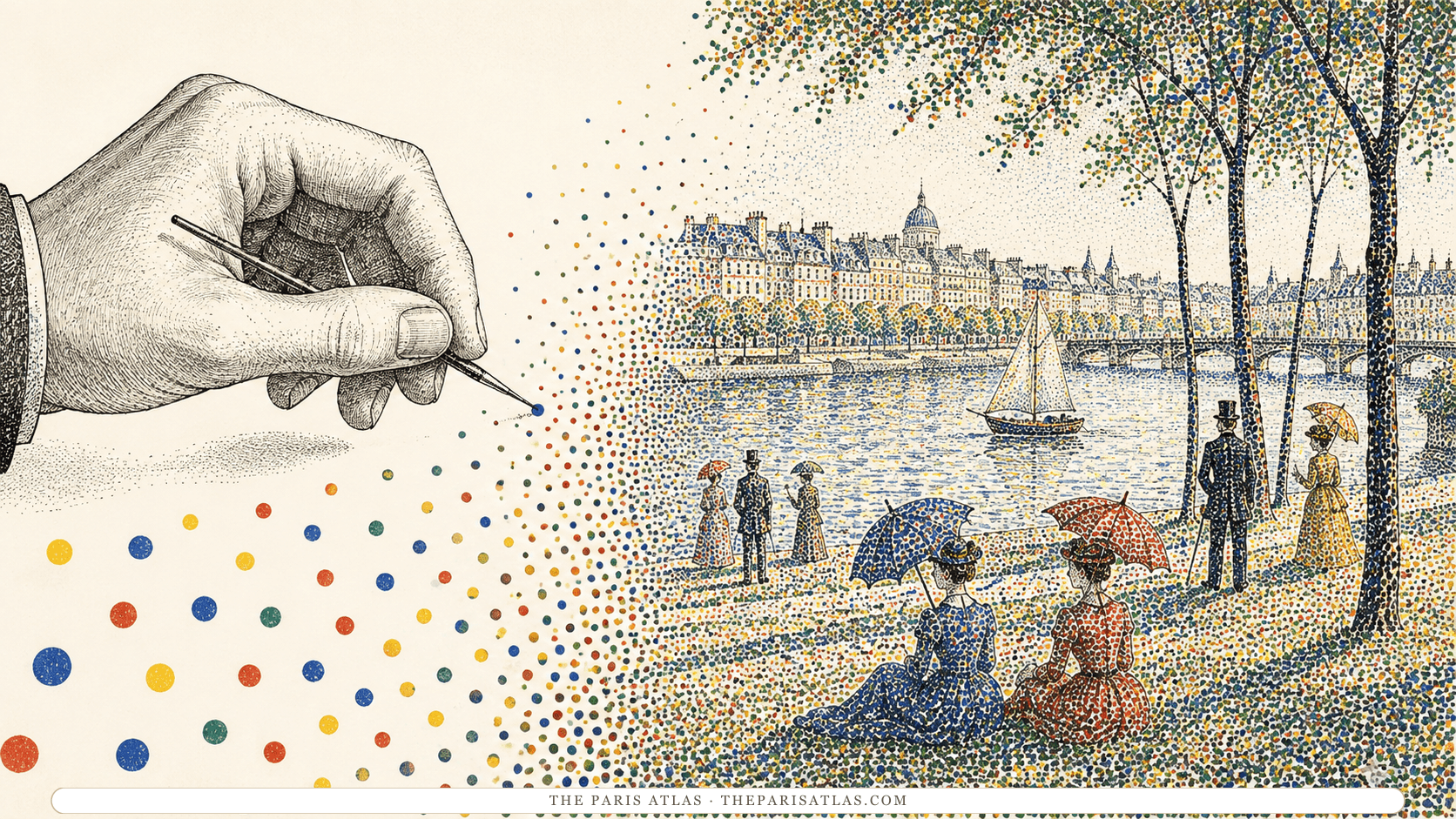 Painting technique and movement · Paris · 1886–circa 1906PointillismThe Paris technique of painting in small separate dots of pure color, invented by Georges Seurat, championed by Paul Signac, and unveiled with A Sunday on La Grande Jatte in 1886.Enter the movement
 Art & design movement · Paris · circa 1910–1939Art DecoThe international design style of geometric pattern, rich surfaces and modern life, named after the 1925 Paris decorative arts exhibition and built into everything from Ruhlmann's cabinets to the Chrysler Building.Enter the movement
 Art movement and historical period · Rome · circa 1600–1750Baroque ArtThe seventeenth-century style of dramatic light, twisting movement and direct address to the viewer — Caravaggio and Bernini in Rome, Rembrandt and Vermeer in the Dutch Republic, Velázquez in Madrid, Poussin in Paris and Rome.Enter the period
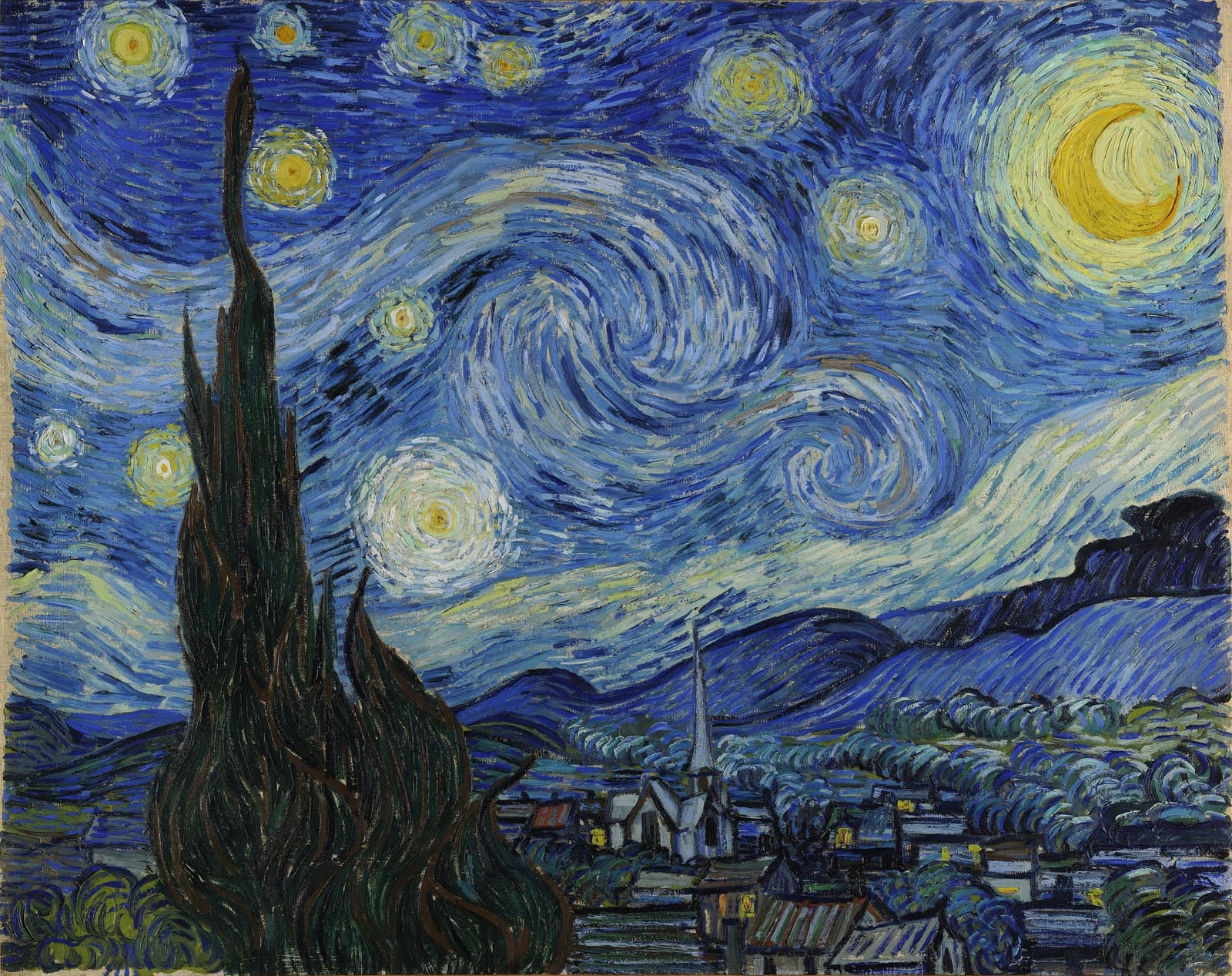 Historical period and art category · Paris · circa 1860s–1970sModern ArtThe broad category holding the experimental art movements from Realism and Impressionism to Pop and Conceptual art — not one movement, but the historical formation many opposing movements belong to.Enter the category
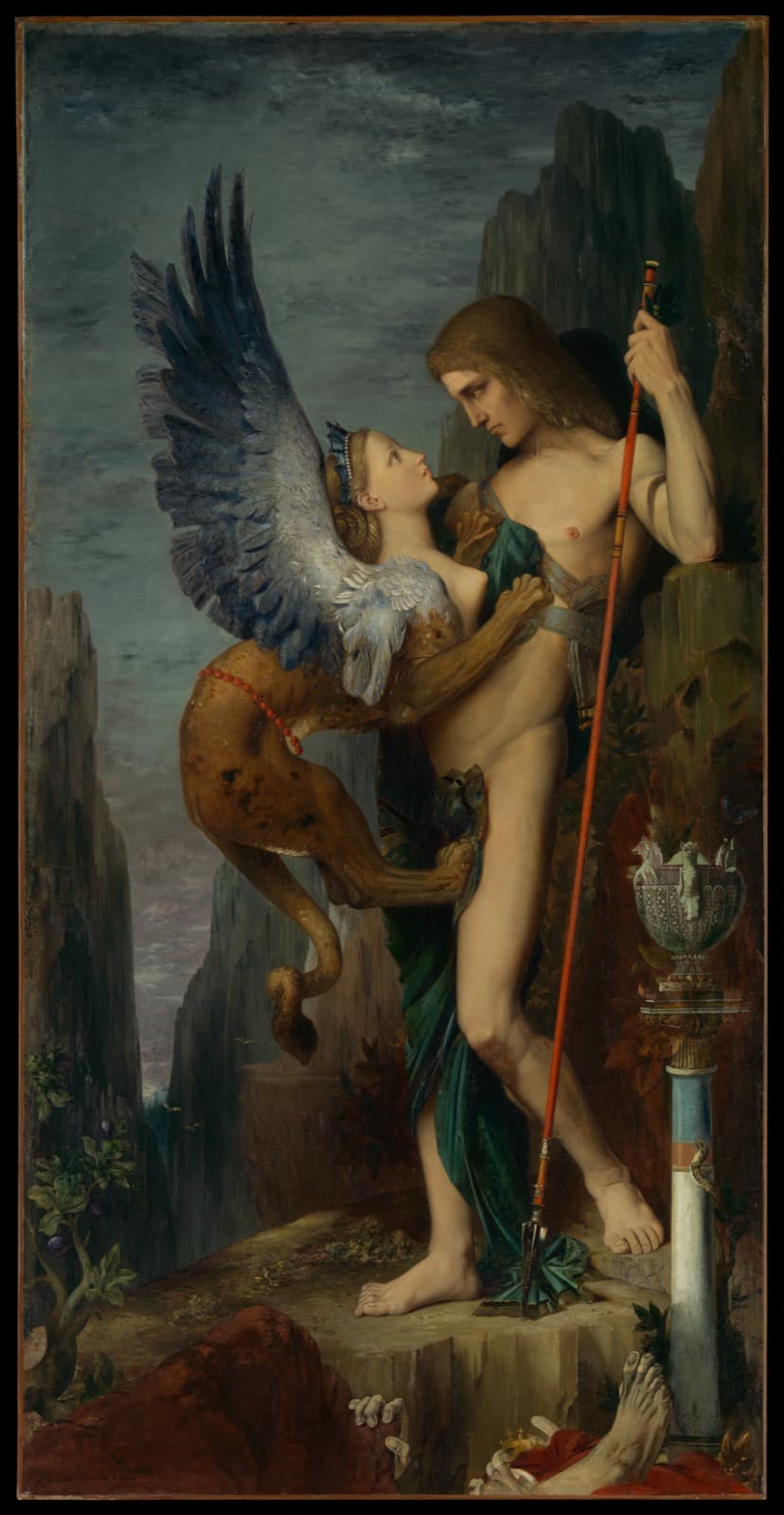 Art & literary movement · Paris · circa 1860–1910SymbolismSymbolism gave form to dreams, ideas and inner experience. Its artists, poets, paintings, music, history and Paris collections.Enter the movement
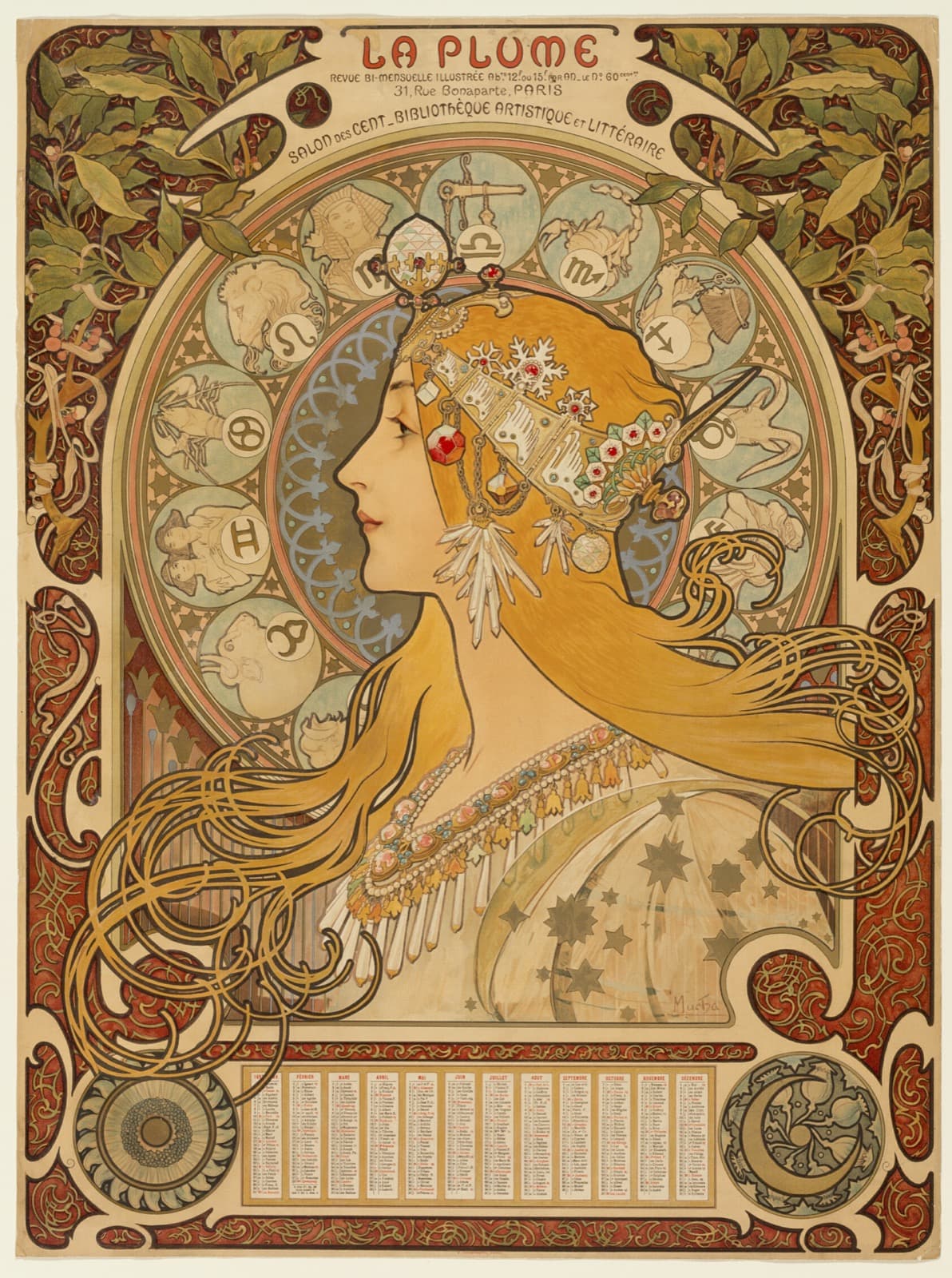 Art & design movement · Europe · circa 1890–1914Art NouveauArt Nouveau brought flowing natural forms to architecture and design around 1900. Its artists, buildings, posters, objects and surviving Paris interiors.Enter the movement
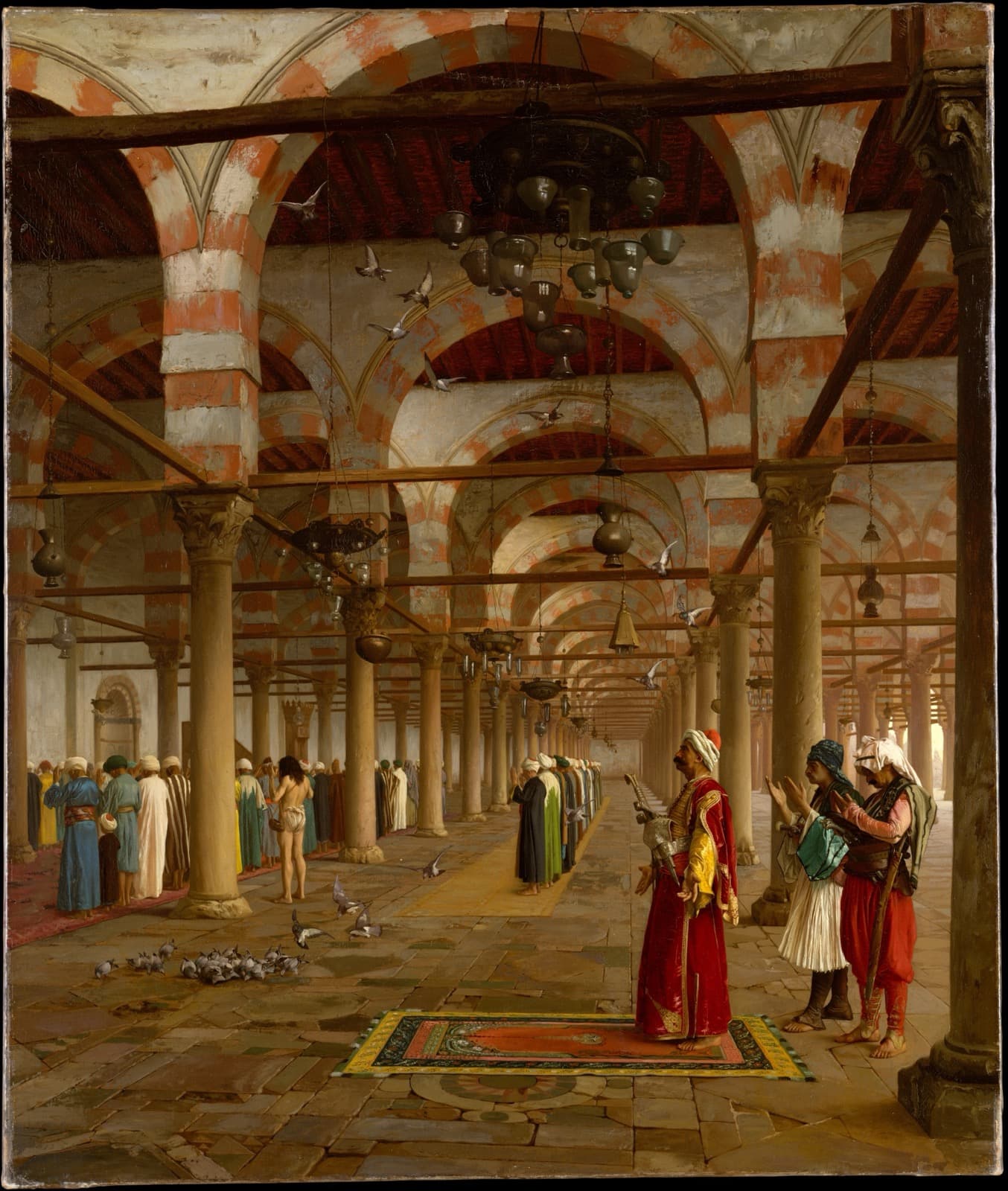 Art movement · Paris · circa 1800–1900OrientalismOrientalist painting depicted North Africa and the Middle East. Its artists, major works, travel, empire, critical debates and Paris collections.Enter the movement
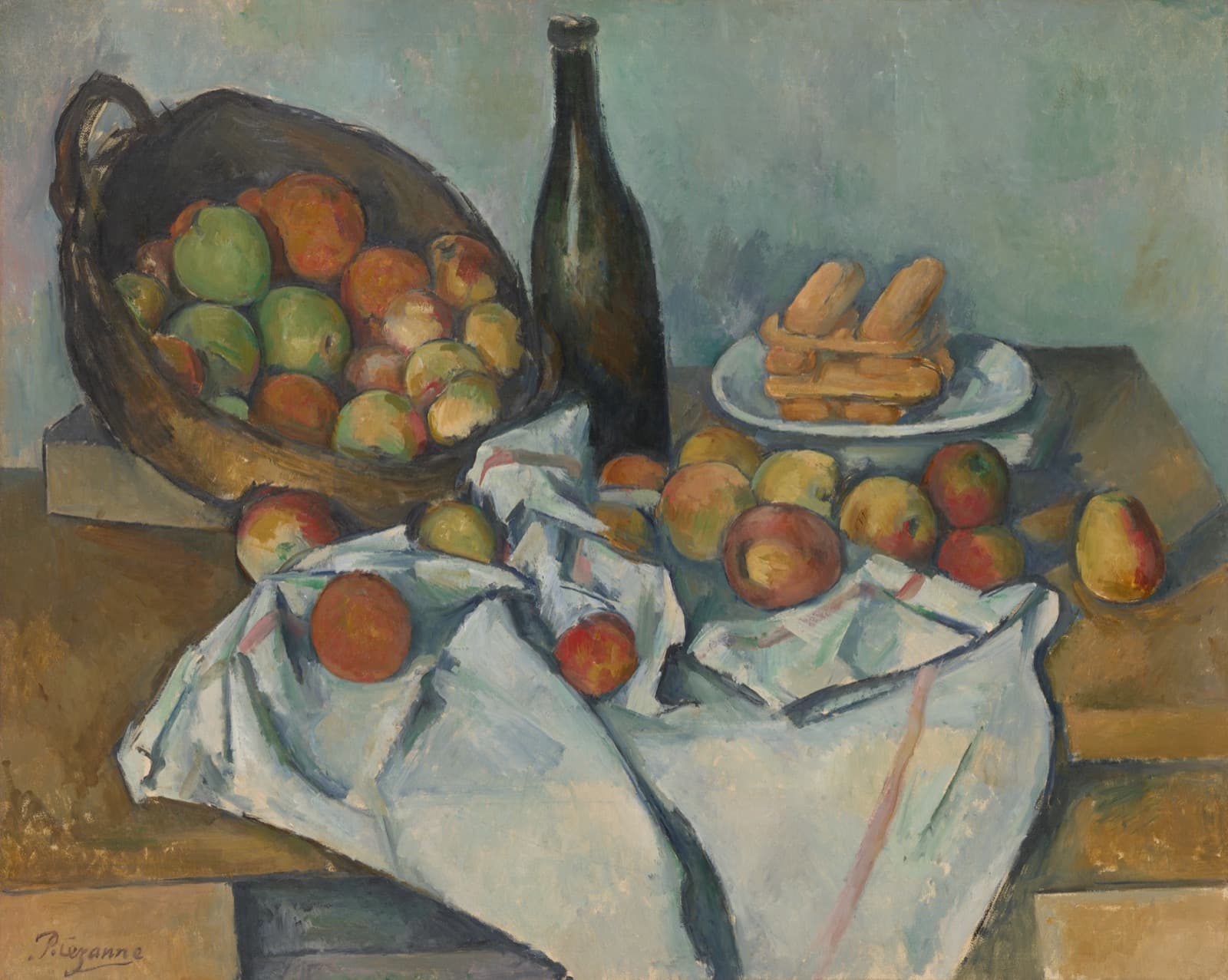 Art movement · Paris · circa 1886–1905Post-ImpressionismPost-Impressionism grew from Impressionism in the 1880s. Cézanne, Van Gogh, Gauguin and Seurat: their paintings, methods, history and Paris collections.Enter the movement
 Historical period · Europe · 5th century to the 15thMedieval ArtMedieval art across a thousand years: Byzantine, Romanesque and Gothic traditions, manuscripts, sculpture, stained glass, makers and Paris collections.Enter the period