The Lost Generation
The writers remade by war and expatriate Paris — and the rooms, presses, bookshops, and friendships that made their work possible.
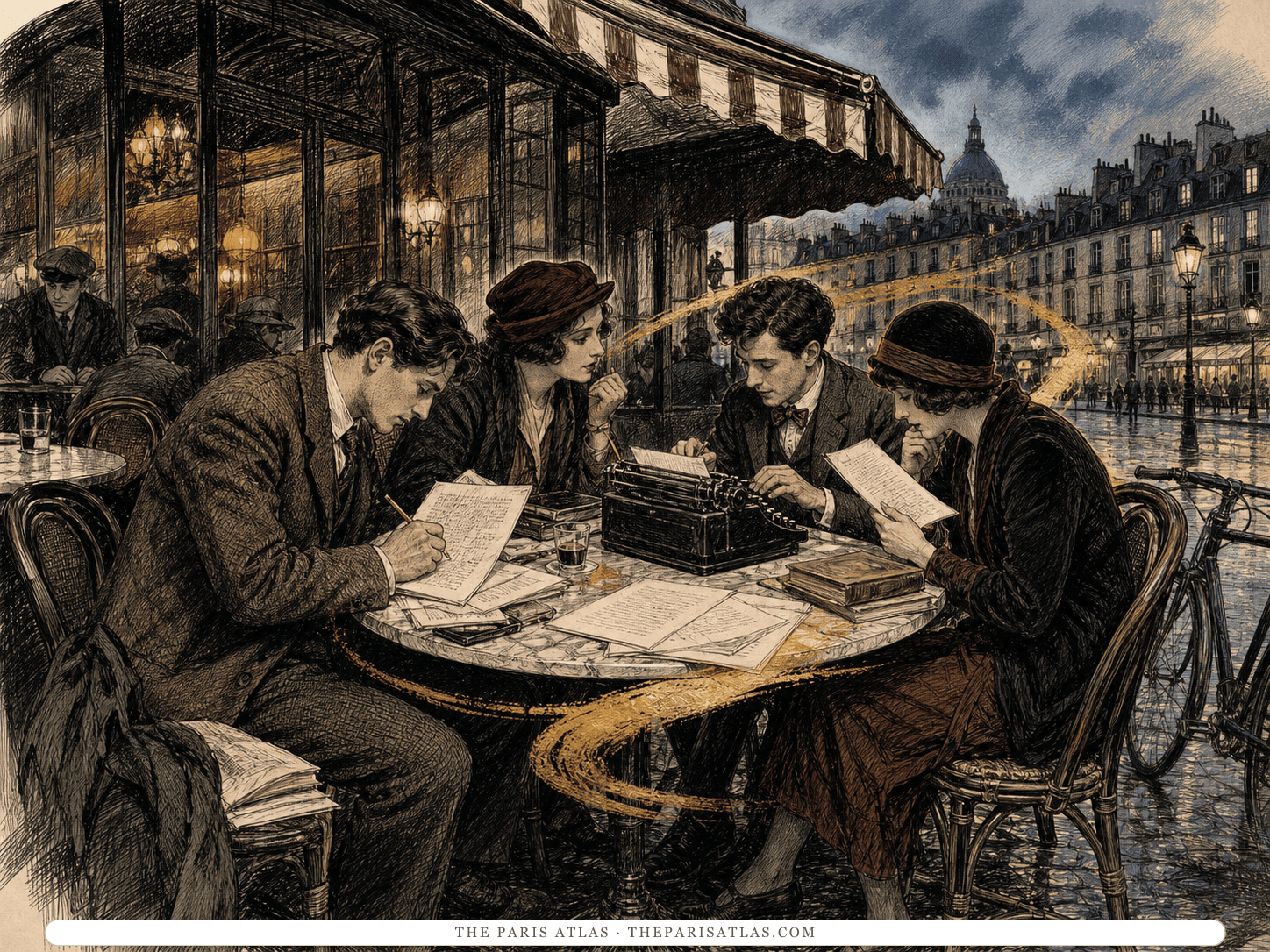
They were not lost in the way the legend suggests
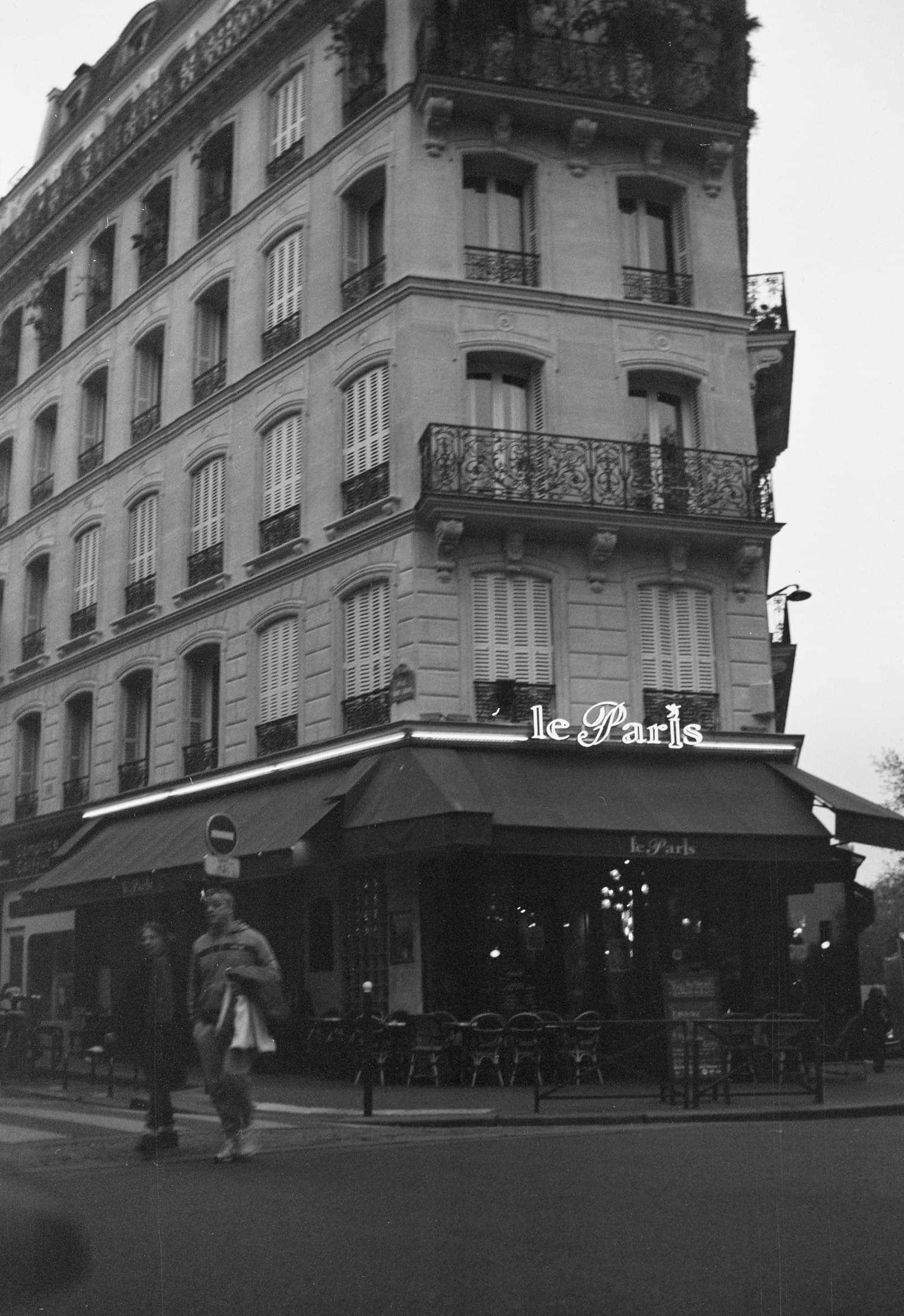
The Lost Generation had no manifesto, membership roll, or agreed literary style. The name was applied to a generation marked by the First World War and, more narrowly, to the American writers who gathered in postwar Paris. They were never a club and seldom agreed about who belonged.
Some had served. Some had been wounded. Some had watched from a distance as the inherited language of honor, progress, and civilization collapsed under industrial warfare. What united their writing was not one technique but a common problem: how could the old forms remain credible after the old assurances had failed?
They answered differently. Hemingway cut sentences down until emotion survived largely through omission. Fitzgerald wrote the seduction and moral vacancy of wealth. Dos Passos fractured public life into headlines, biography, popular song, and private consciousness. Stein repeated words until their familiar meanings loosened. Barnes turned exile into something darker, stranger, and less consoling.
They were called lost. They were also unusually productive, ambitious, connected, and alert to the machinery by which literature entered the world.
The phrase that escaped the room
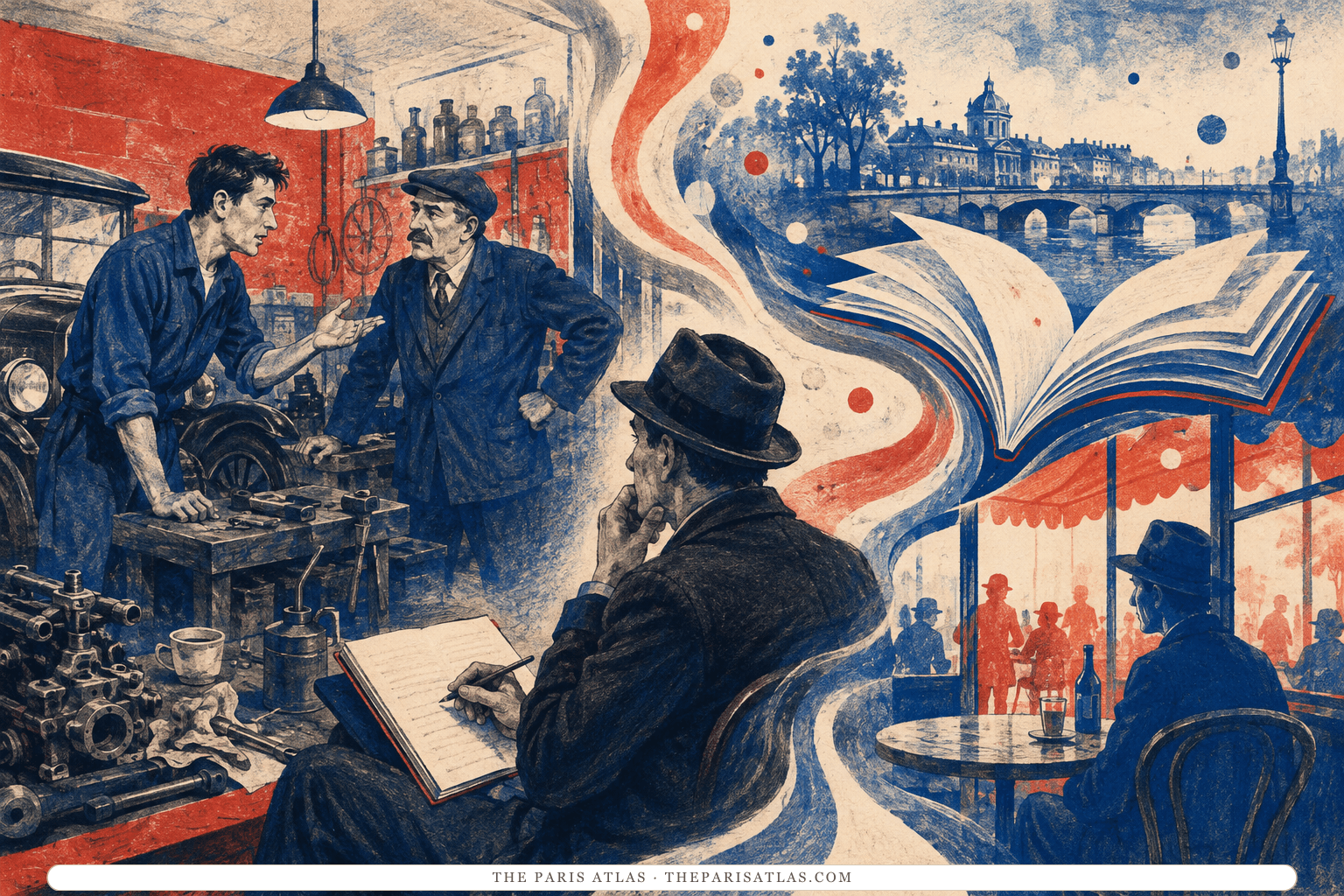
According to Hemingway's later account, Gertrude Stein heard the expression une génération perdue from a Paris garage owner complaining about a young mechanic whose training had been interrupted by the war. Stein repeated the judgment to Hemingway: "You are all a lost generation."[1][2]
Hemingway placed the sentence at the front of The Sun Also Rises in 1926, opposite a passage from Ecclesiastes declaring that one generation passes while the earth remains. The tension between those epigraphs matters. The novel's characters are wounded, restless, and often drunk, but the book does not simply dismiss them as ruined.[3][2]
A complaint about poor workmanship had become the name of a literary generation.[2]
The story survives through Hemingway, who wrote it decades afterward in A Moveable Feast. It should therefore be read as both history and literary self-construction: a writer recounting the origin of the phrase that helped define him.[1][4][2]
What was lost?
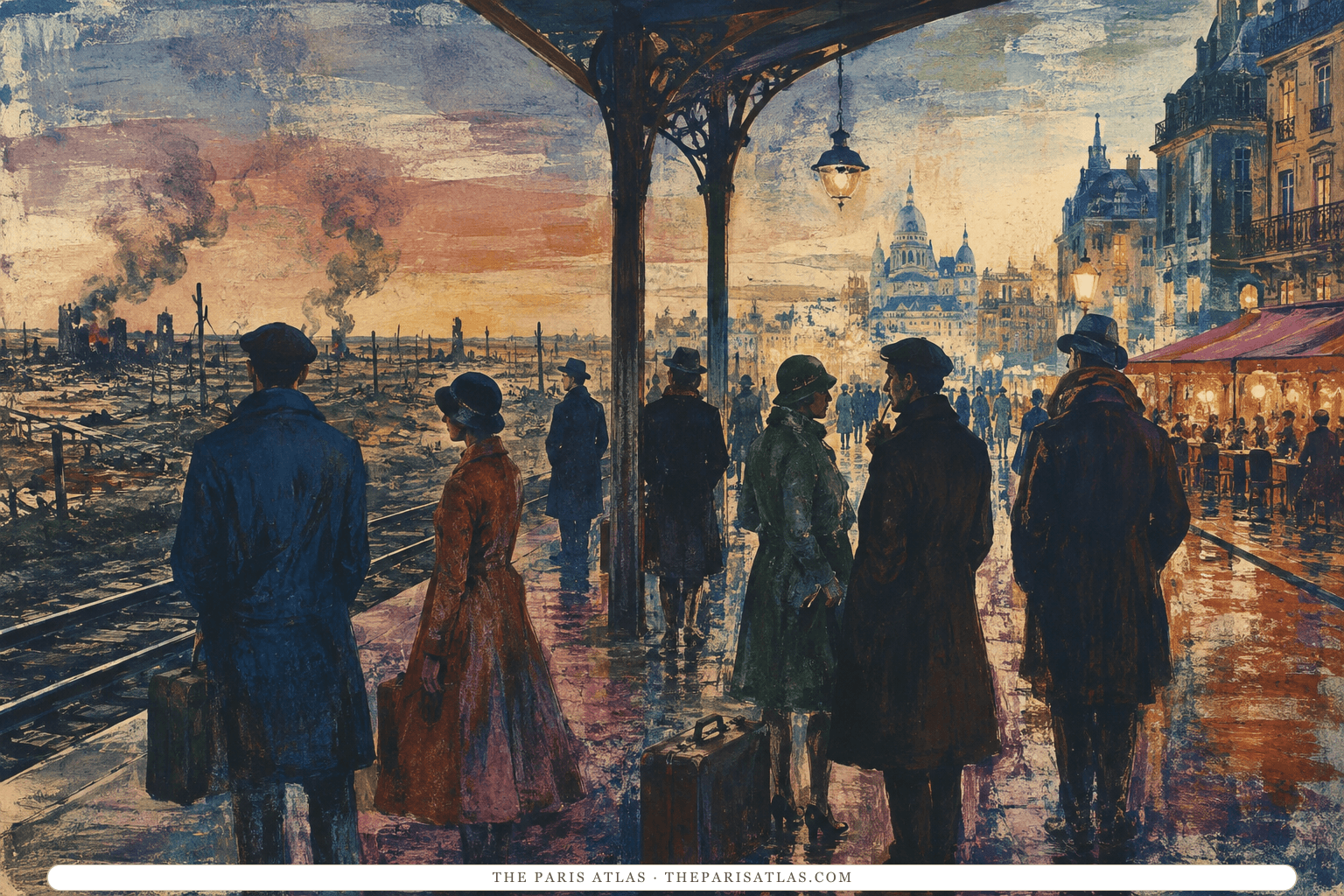
Faith in inherited language
The First World War had made certain public words difficult to trust. Glory, courage, honor, sacrifice, and civilization had survived in speeches while millions died through artillery, machine guns, gas, disease, and administrative error.
The writers who followed often became suspicious of abstraction. Their strongest work returned to concrete things: a wound, a drink, a hotel bill, a train time, a meal that could not be afforded.
Continuity with home
Expatriation provided distance from American convention, Prohibition, provincial respectability, and the expectation that a successful life should follow an approved course.
Distance did not mean indifference. These writers remained preoccupied with America. Paris gave them somewhere from which to examine it.
The stable self
War, migration, changing sexual conventions, and modern urban life made identity appear less fixed. Their characters perform confidence, masculinity, sophistication, wealth, or freedom while privately doubting the part.
A common future
The generation's famous parties conceal an anxiety: if the old future had ended in the trenches, what came next?
Some sought meaning in craft. Some sought it in politics, religion, art, travel, sex, money, or drink. Their books return repeatedly to the difficulty of living after certainty.
Why Paris?
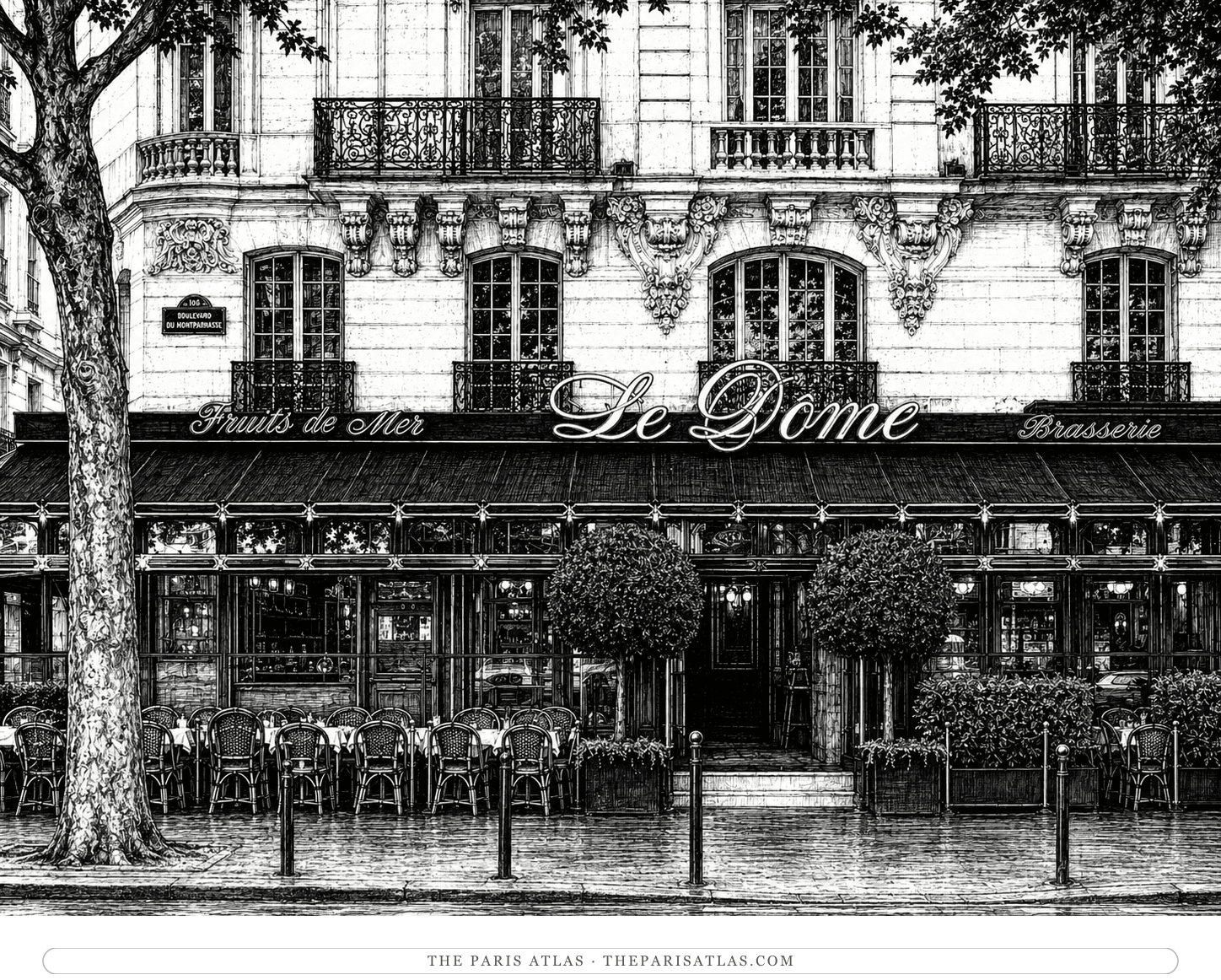
The city made a literary life affordable
The favourable exchange rate of the 1920s allowed Americans with dollars to live more cheaply in France than they could in New York. A modest income could purchase time: time to write, revise, translate, argue, and remain unpublished.[5][6][7]
The legend exaggerates the ease. Poverty was real, especially for writers without private money or secure employment. But Paris offered inexpensive rooms, cafés tolerant of long occupation, public parks, used books, and a dense network of people attempting the same improbable life.[1][8]
Paris offered distance
For American writers, the city provided temporary release from Prohibition and from many — though certainly not all — of the social restrictions they associated with home.[7]
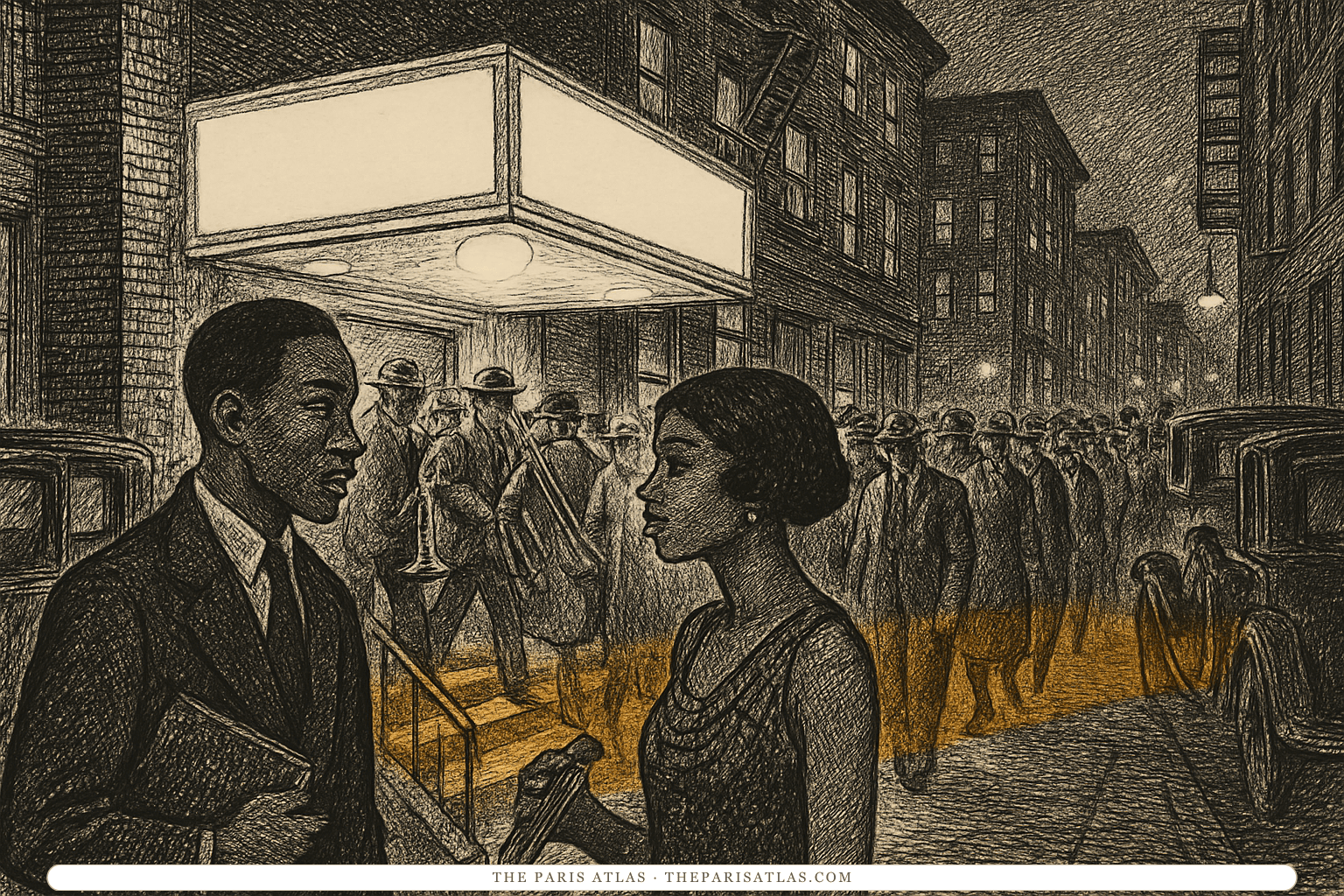
For Black American artists and performers, Paris could offer freedoms denied under American segregation, although France's own colonial system and racial assumptions remained present. For women and queer writers, the city sustained communities and forms of life often omitted from the familiar male expatriate legend.
Everyone seemed to pass through
Paris brought American expatriates into proximity with Irish, British, French, Spanish, Russian, and other modernists. Writers encountered painters, composers, dancers, booksellers, translators, patrons, and small publishers.[9][8]
The generation was less a circle than an overlapping series of addresses.
How the books were made
The salon
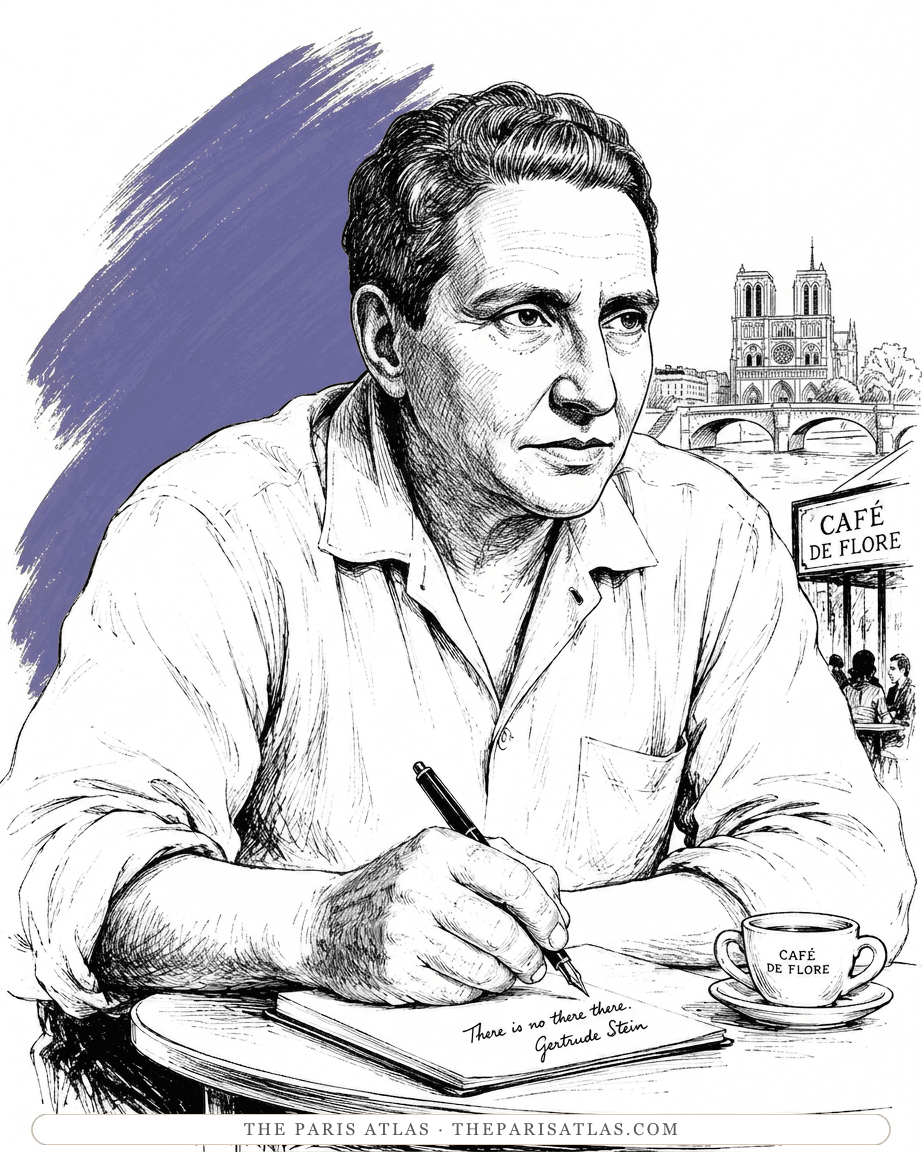
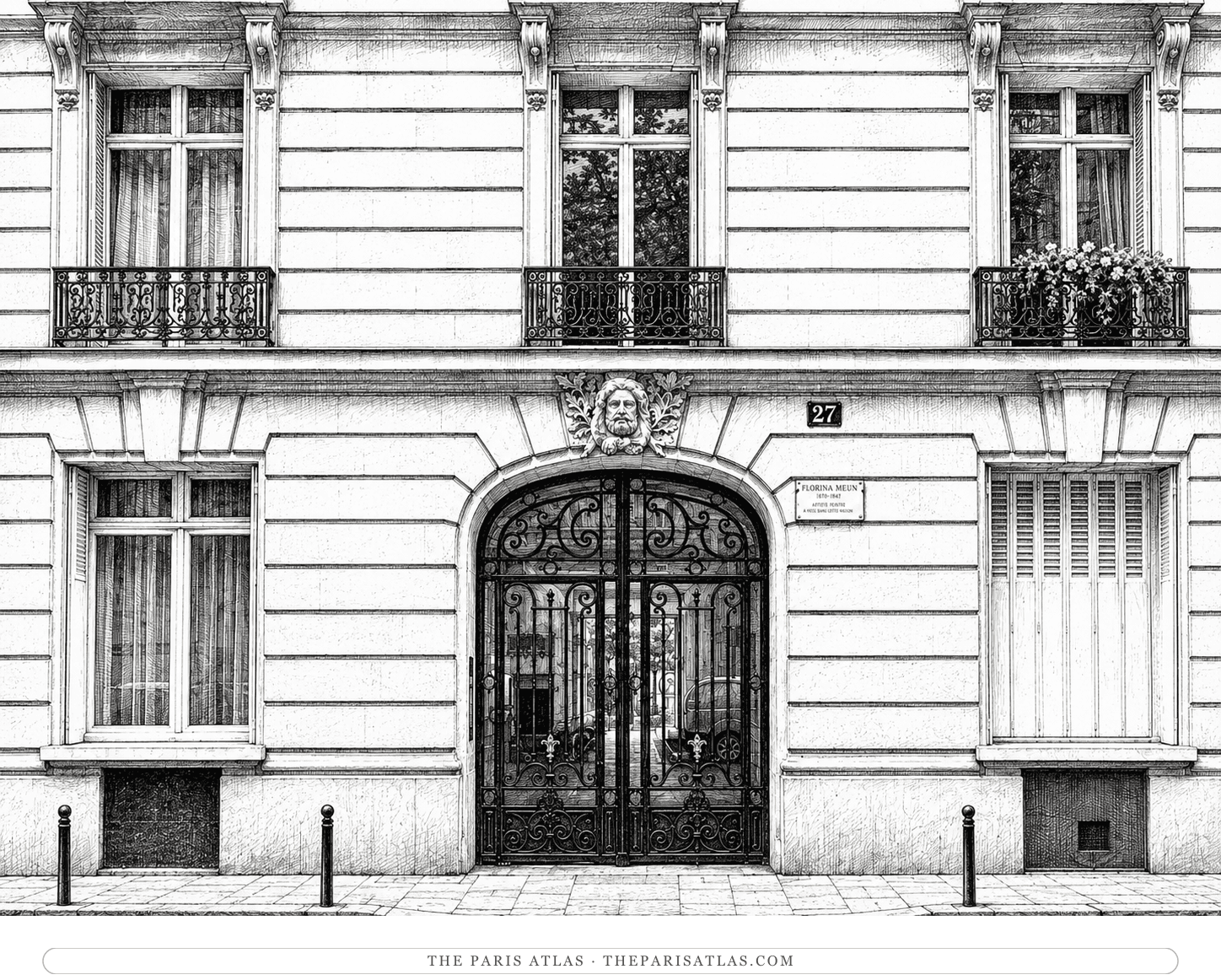
At 27 rue de Fleurus, Gertrude Stein read manuscripts, delivered judgments, displayed Picasso and Cézanne, and introduced younger writers to a modernism that had already remade painting.[10][11]
Her authority was real, but never neutral. The salon could encourage, exclude, instruct, and wound. Friendships formed there and later broke spectacularly.[10][1]
The bookshop
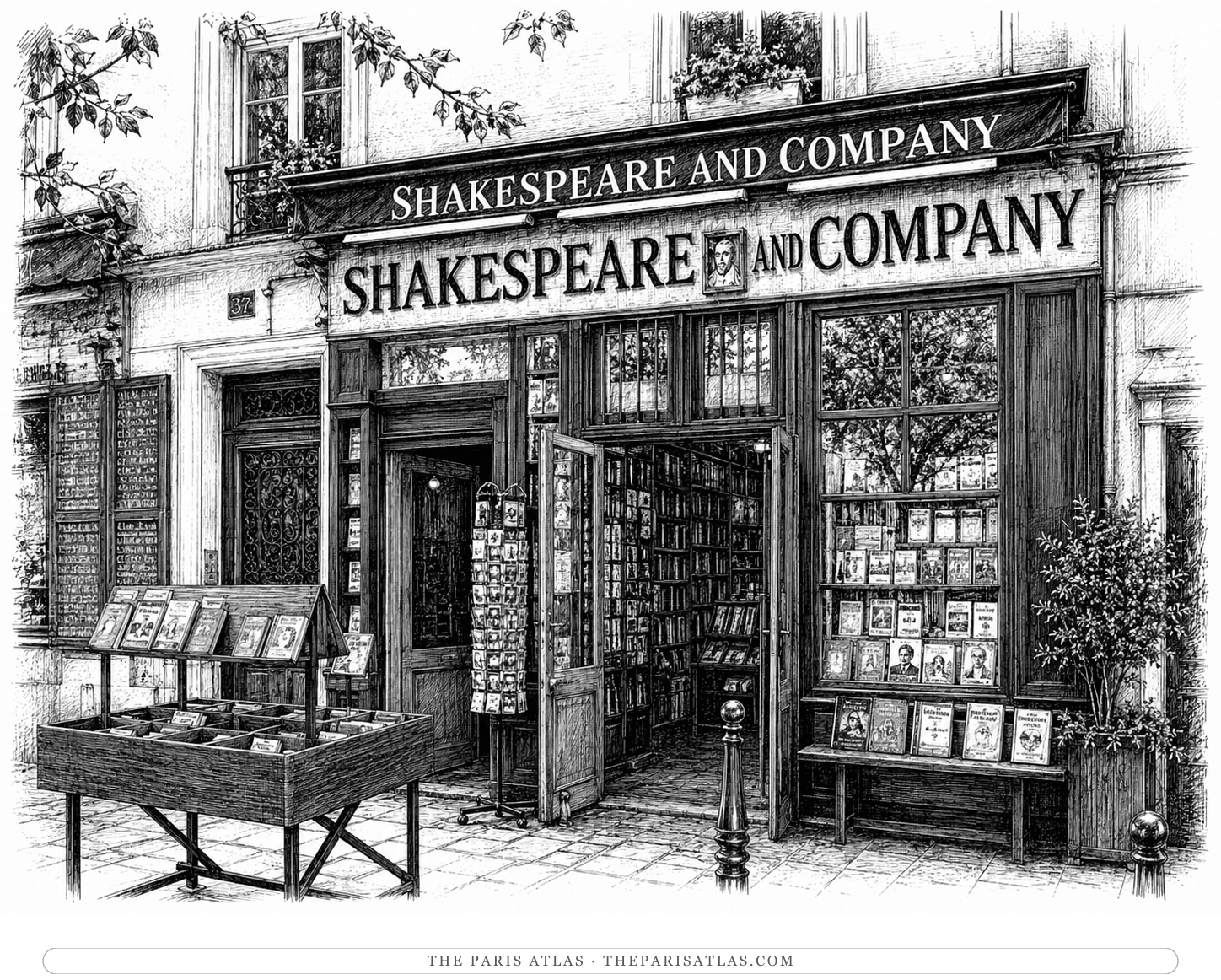
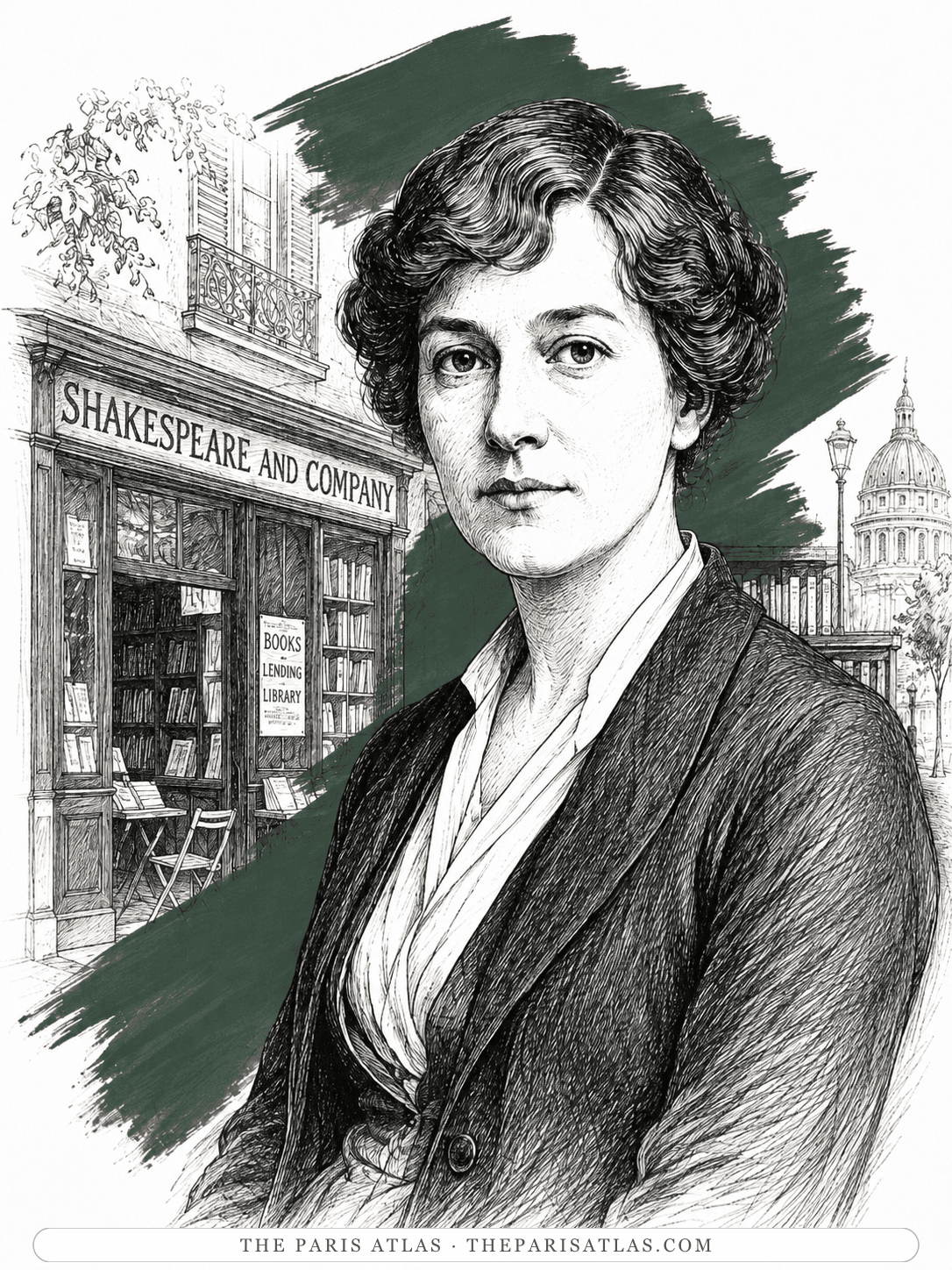
Sylvia Beach's Shakespeare and Company at 12 rue de l'Odéon was a bookshop, lending library, post office, bank, refuge, and meeting place.[12][13][14]
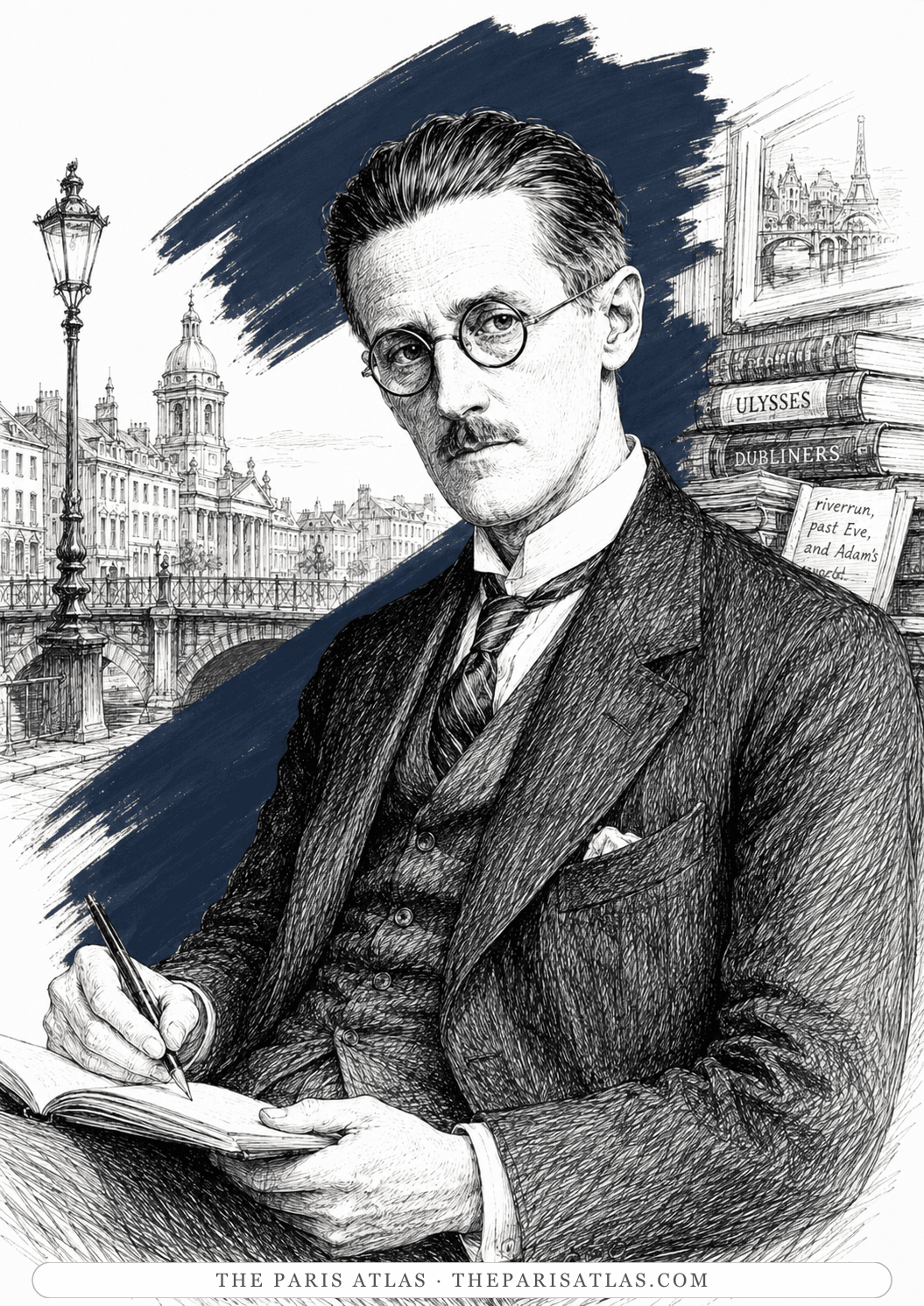
When publishers considered James Joyce's Ulysses unprintable, Beach published it herself in 1922. Her intervention demonstrated that a small Paris institution could alter world literature.[13][12][15]
The little magazine
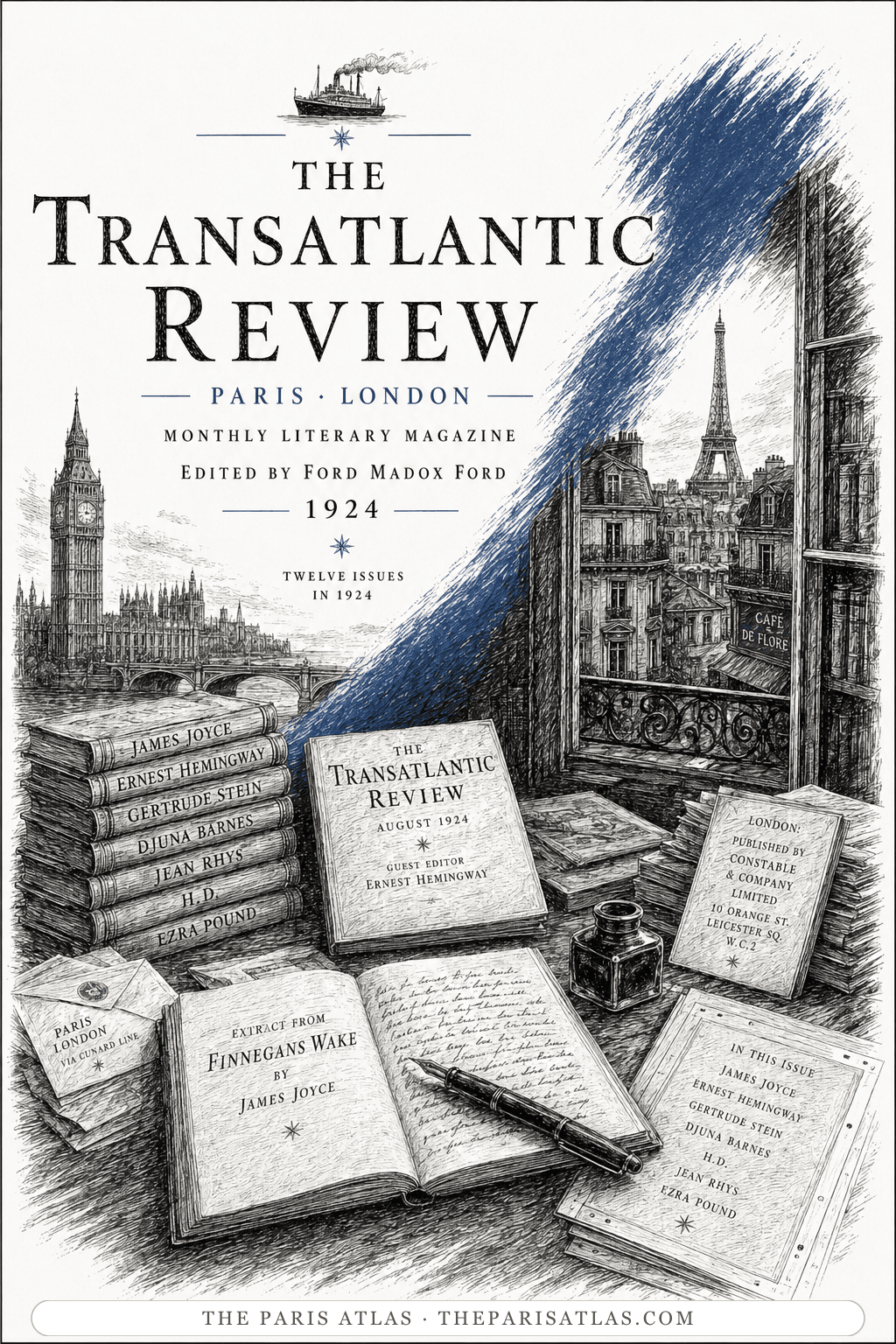
Magazines such as the transatlantic review placed experimental work before readers without waiting for established publishers to approve it.[16][15]
They provided income inconsistently, prestige unevenly, and opportunity indispensably. Stories, chapters, criticism, and rivalries moved through their pages before entering books.[17][18]
The small press
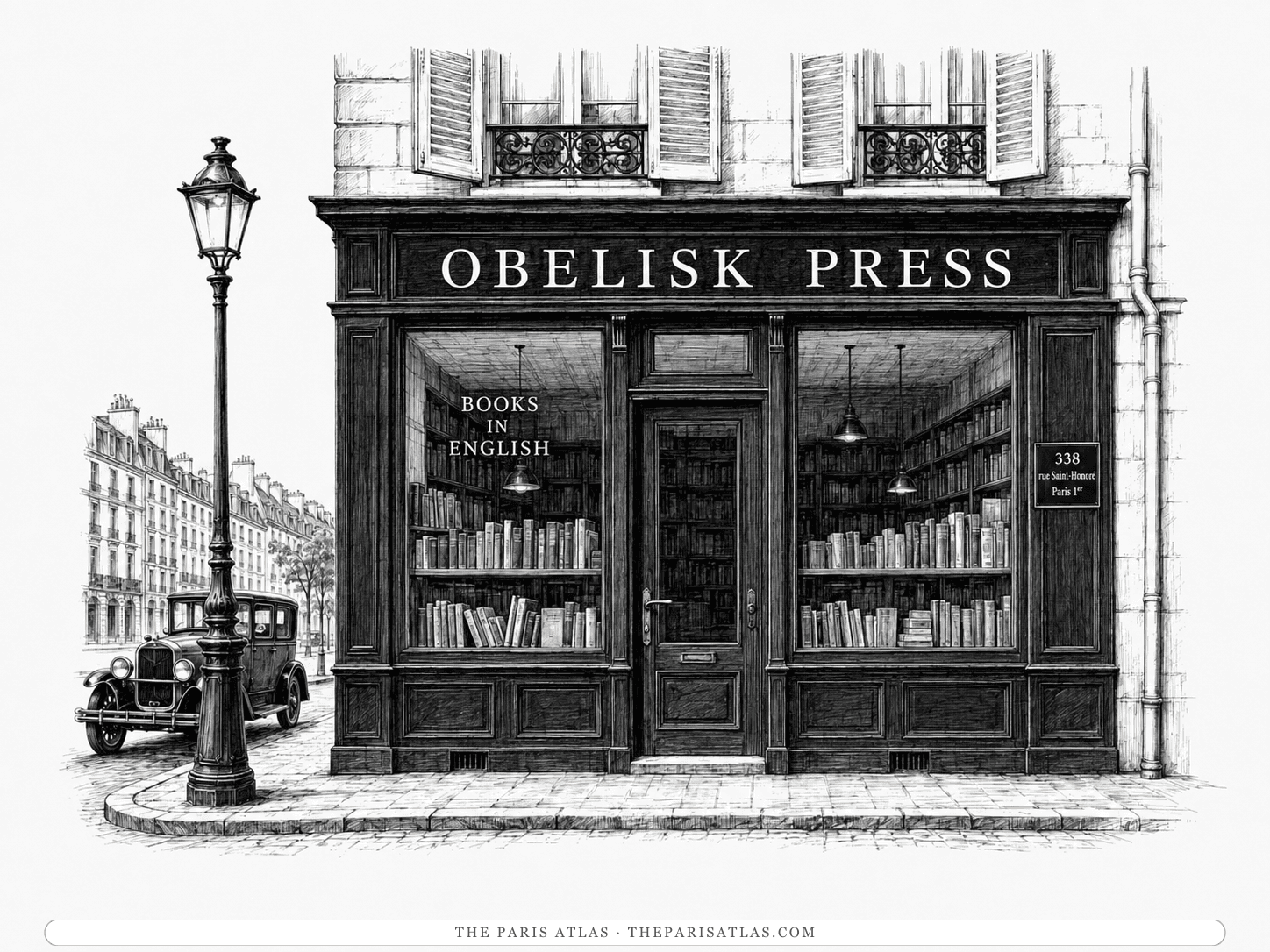
William Bird's Three Mountains Press on the Île Saint-Louis, Robert McAlmon's Contact Editions, the Black Sun Press, and Obelisk Press could publish work considered too experimental or legally dangerous elsewhere.[19][20]
Parisian modernism did not arise from inspiration alone. It required typesetting, paper, money, translation, distribution, borrowed rooms, unpaid labor, and people prepared to print what larger institutions refused.[21][20]
The café
Cafés supplied heat, light, tables, witnesses, and the possibility of remaining alone while surrounded by others.[8]
Their role has been romanticized, especially by Hemingway. Most great books were not composed entirely over drinks. But the café was genuine infrastructure: office, meeting room, waiting room, and stage.[1][8]
Who belongs?
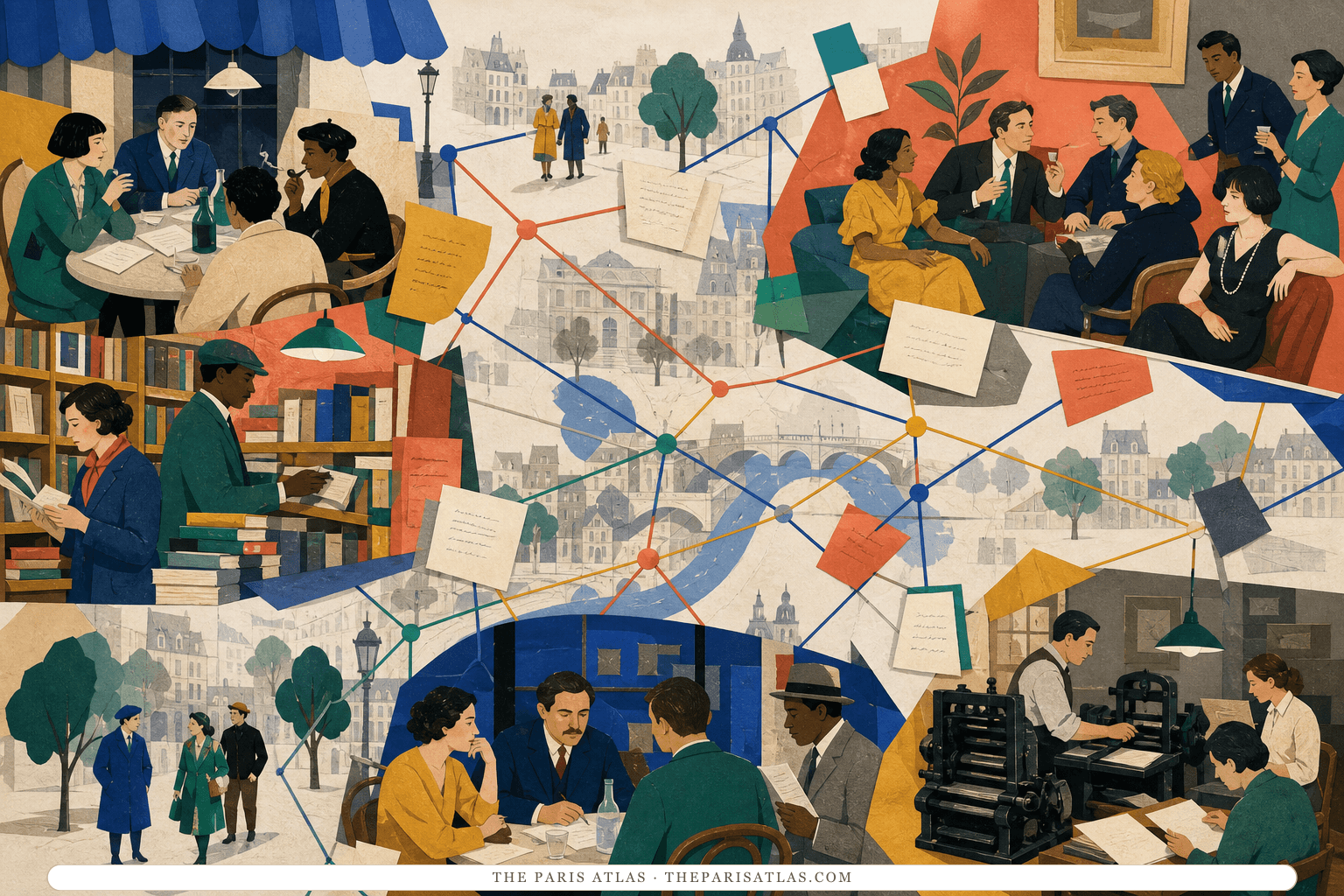
"The Lost Generation" works best as a description of an historical network — not as a strict roster. The name carries two overlapping meanings: an entire war-marked cohort, and the narrower expatriate literary network that Hemingway's work made famous.
At its center
Ernest Hemingway, the writer who made the phrase famous and converted expatriate Paris into literary mythology. F. Scott Fitzgerald, the great diagnostician of American wealth, aspiration, performance, and collapse — though he visited and lived intermittently in France rather than belonging to daily Paris in quite the same way. John Dos Passos, a veteran and formal experimenter whose writing moved from individual disillusionment toward a panoramic critique of American power. Archibald MacLeish, poet, veteran, and expatriate whose Paris years placed him inside the publishing and social network.
Mentors and makers
Gertrude Stein, older than the war generation she named: writer, collector, host, teacher, and one of its most important interpreters. Ezra Pound, poet, editor, connector, and uncompromising literary mechanic — he left Paris for Italy in 1924, but his editorial influence ran through the network. Sylvia Beach, bookseller and publisher whose labor made other people's modernism physically possible. Ford Madox Ford, editor of the transatlantic review, which published Hemingway and connected established modernists with younger writers.
Overlapping modernists
James Joyce, central to modernist Paris and to Shakespeare and Company, though not usually best understood as a Lost Generation writer. Djuna Barnes, expatriate journalist and novelist whose Paris belonged to women, queer communities, night life, and forms of modernism obscured by the Hemingway-centered version.[14][22]
The distinction matters. Not everyone who lived in literary Paris belonged to the Lost Generation, and not everyone associated with the generation lived there continuously.
The people
Ernest Hemingway — the apprentice who became the legend
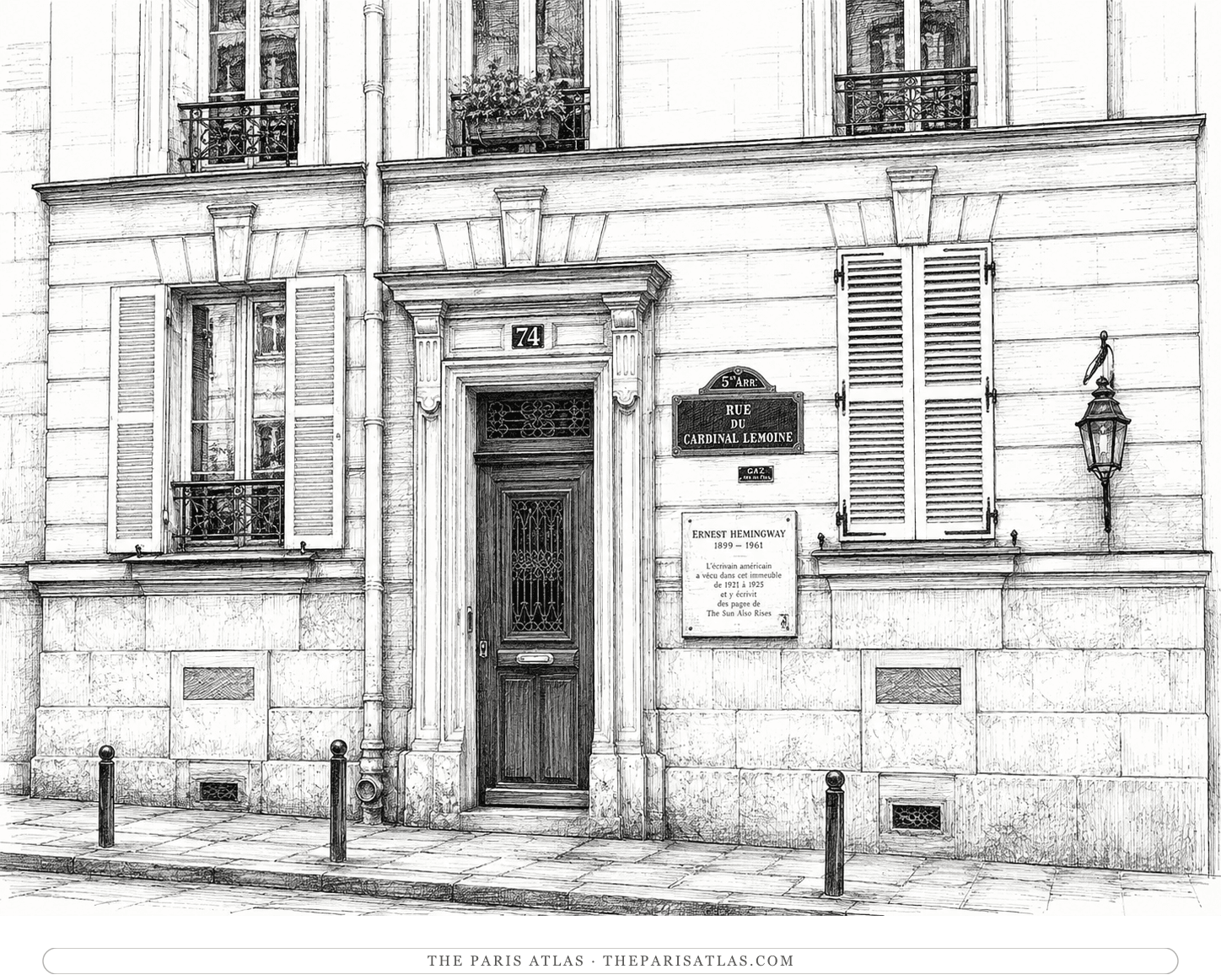
Hemingway arrived with Hadley Richardson in December 1921. He brought journalism, a war wound, a letter of introduction to Stein, and unfinished ambitions. Paris gave him teachers, rivals, subjects, and distance from America. In Our Time established the method; The Sun Also Rises gave the generation its defining novel; A Moveable Feast later supplied its most seductive memory.[1]
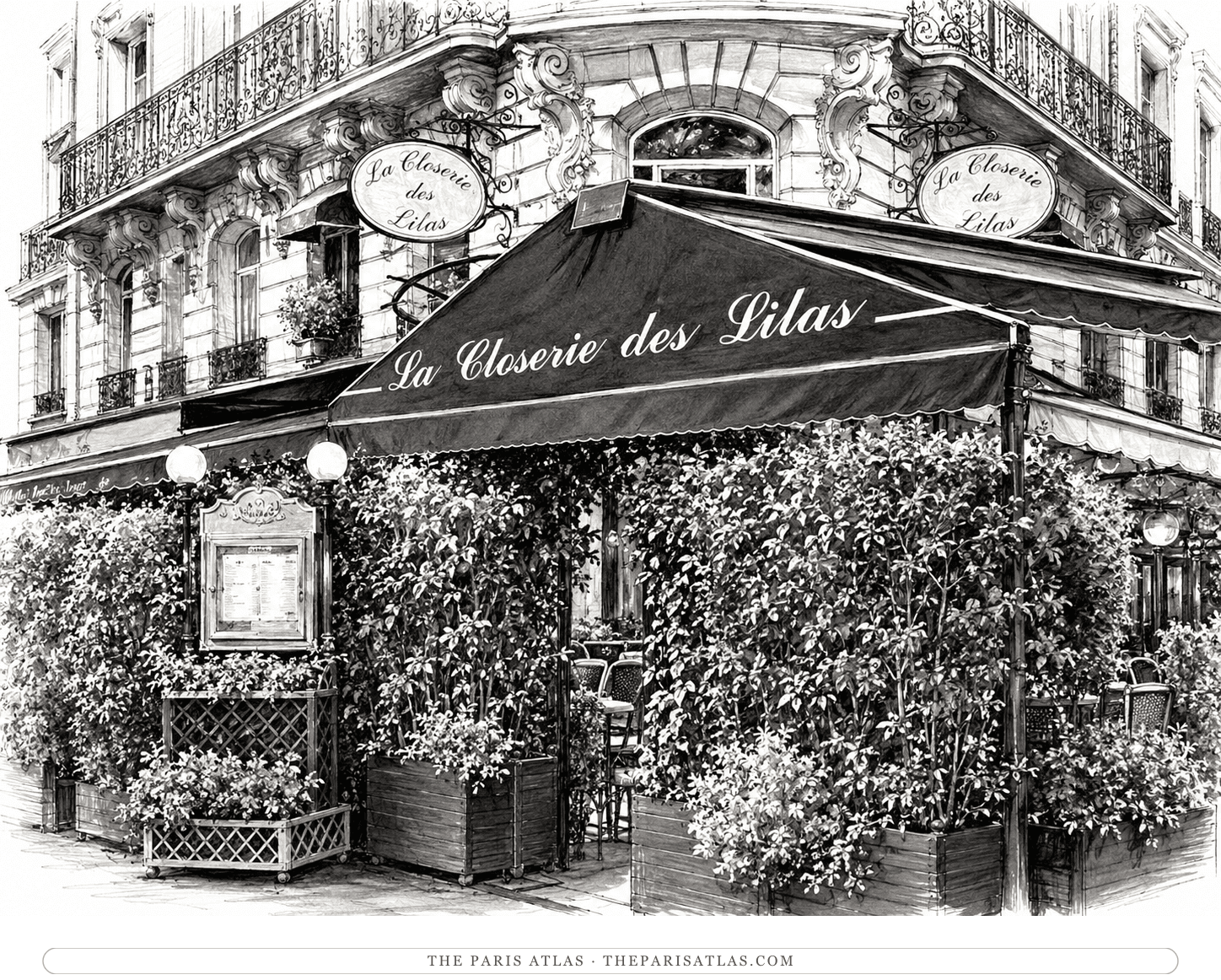
Start with The Sun Also Rises. Follow through: 74 rue du Cardinal Lemoine, 27 rue de Fleurus, La Closerie des Lilas.
Gertrude Stein — the writer who supplied the name
Stein had been in Paris since 1903. By the time Hemingway arrived, she was already a formidable writer, collector, and judge of talent. She read Hemingway's work, criticized his prose, explained modern painting, and gave him a phrase he would make famous. Their friendship ended badly; its influence did not.[10][1]
Start with The Autobiography of Alice B. Toklas. Follow through: 27 rue de Fleurus, Pablo Picasso, Ernest Hemingway.
F. Scott Fitzgerald — the novelist of the party after the victory
Fitzgerald had already become famous in America before his friendship with Hemingway began. In France he completed and revised The Great Gatsby, struggled with money and alcohol, and watched Zelda Fitzgerald's health deteriorate. His connection to the Paris circle was intermittent but consequential. Hemingway's later portrait of him helped shape the mythology, sometimes at Fitzgerald's expense.
Start with The Great Gatsby. Follow through: Ernest Hemingway, the Hôtel de Crillon, the Ritz.
Ezra Pound — the editor behind the writers
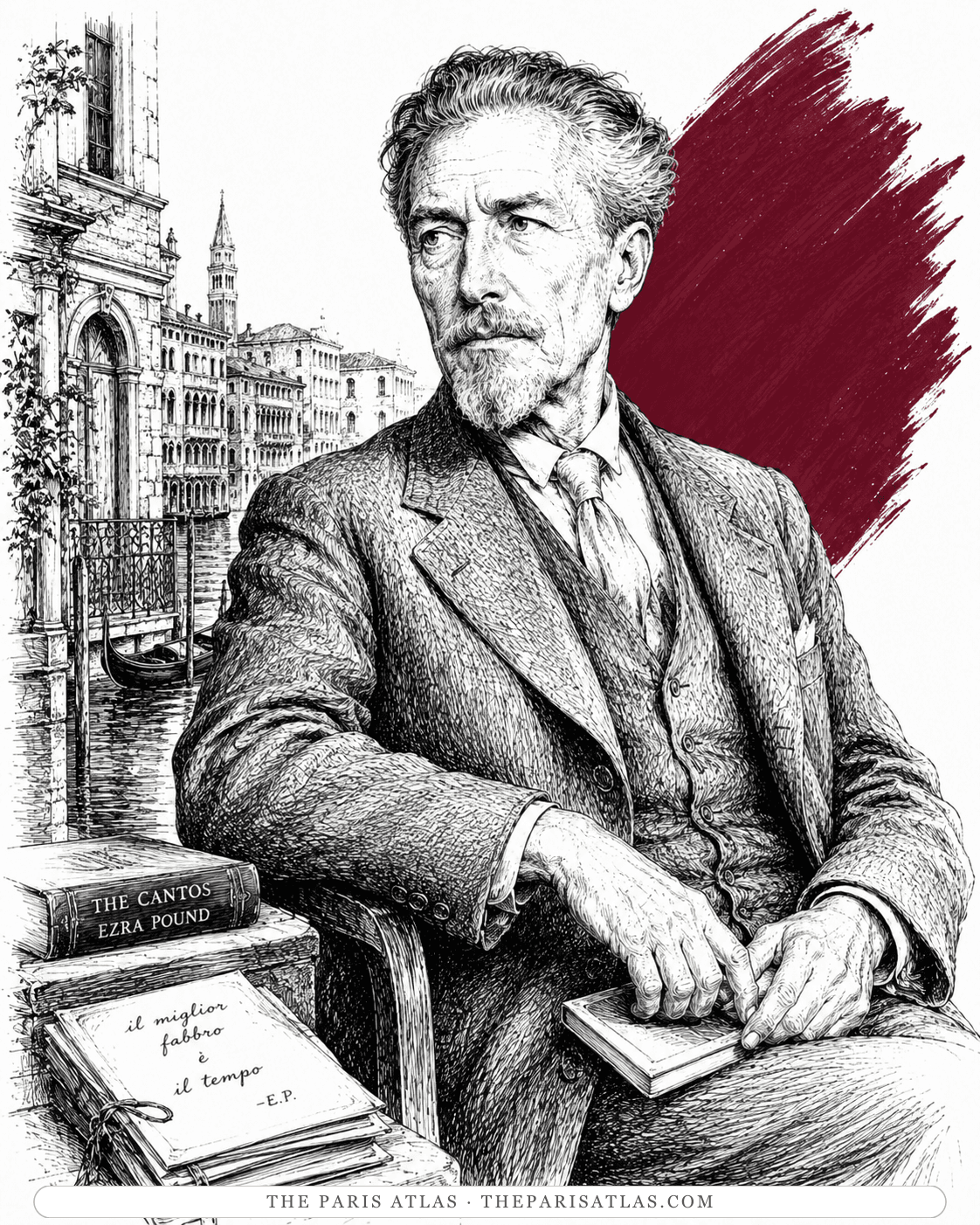
Pound corrected manuscripts, arranged introductions, promoted Joyce, and taught Hemingway about compression; no one did more to move modernism into print. His later history — wartime broadcasts from Mussolini's Italy, a 1945 treason arrest, twelve years in a Washington hospital — belongs to the decades after these Paris years.
Start with the selected early poems before The Cantos. Follow through: Shakespeare and Company, Ernest Hemingway, James Joyce.
Djuna Barnes — the Paris the familiar legend leaves out
Barnes wrote from another expatriate Paris: theatrical, nocturnal, queer, and resistant to the clean masculine myth of cafés, boxing, and apprenticeship. Her later novel Nightwood transformed those lives into one of modernism's strangest and most enduring books.[22]
Start with Nightwood. Follow through: Montparnasse, Natalie Clifford Barney, The Little Review.
Essential books
In Our Time — Ernest Hemingway, 1925
Short stories and interchapters arranged around war, violence, sport, marriage, and aftermath. The laboratory in which Hemingway's method became visible.
The Great Gatsby — F. Scott Fitzgerald, 1925
Not a Paris novel, but one of the generation's defining diagnoses: desire converted into display, self-invention, and money.
The Sun Also Rises — Ernest Hemingway, 1926
The book that fixed the Lost Generation in the public imagination: expatriates moving through cafés, trains, hotels, drink, sex, injury, and ritual.[3]
Manhattan Transfer — John Dos Passos, 1925
New York assembled from intersecting lives, advertisements, headlines, popular speech, and abrupt cuts — the modern city without a single protagonist.
The Autobiography of Alice B. Toklas — Gertrude Stein, 1933
Stein narrates her own world through the supposed voice of Alice B. Toklas, turning the salon's history into criticism, comedy, score-settling, and self-canonization.[10]
Nightwood — Djuna Barnes, 1936
Published after the central Paris decade but formed from its expatriate and queer worlds. A darker afterlife of the generation's freedom.[22]
Juan Belmonte, Killer of Bulls — Manuel Chaves Nogales, 1935
The view from outside. The generation made Spain its proving ground and the corrida its favorite metaphor — and this is that world answering in its own voice: the matador the expatriates watched at Pamplona (he appears in The Sun Also Rises under his own name) telling his life to Spain's greatest reporter. Not a member of the movement; its indispensable witness from across the sand.
A Moveable Feast — Ernest Hemingway, 1964
The memoir that made 1920s Paris immortal — and made memory look simpler, poorer, younger, and more coherent than it had been. Read it as literature, memoir, and argument: Hemingway wrote after friendships had failed and several of the people portrayed could no longer answer him.[1]
The places between the places
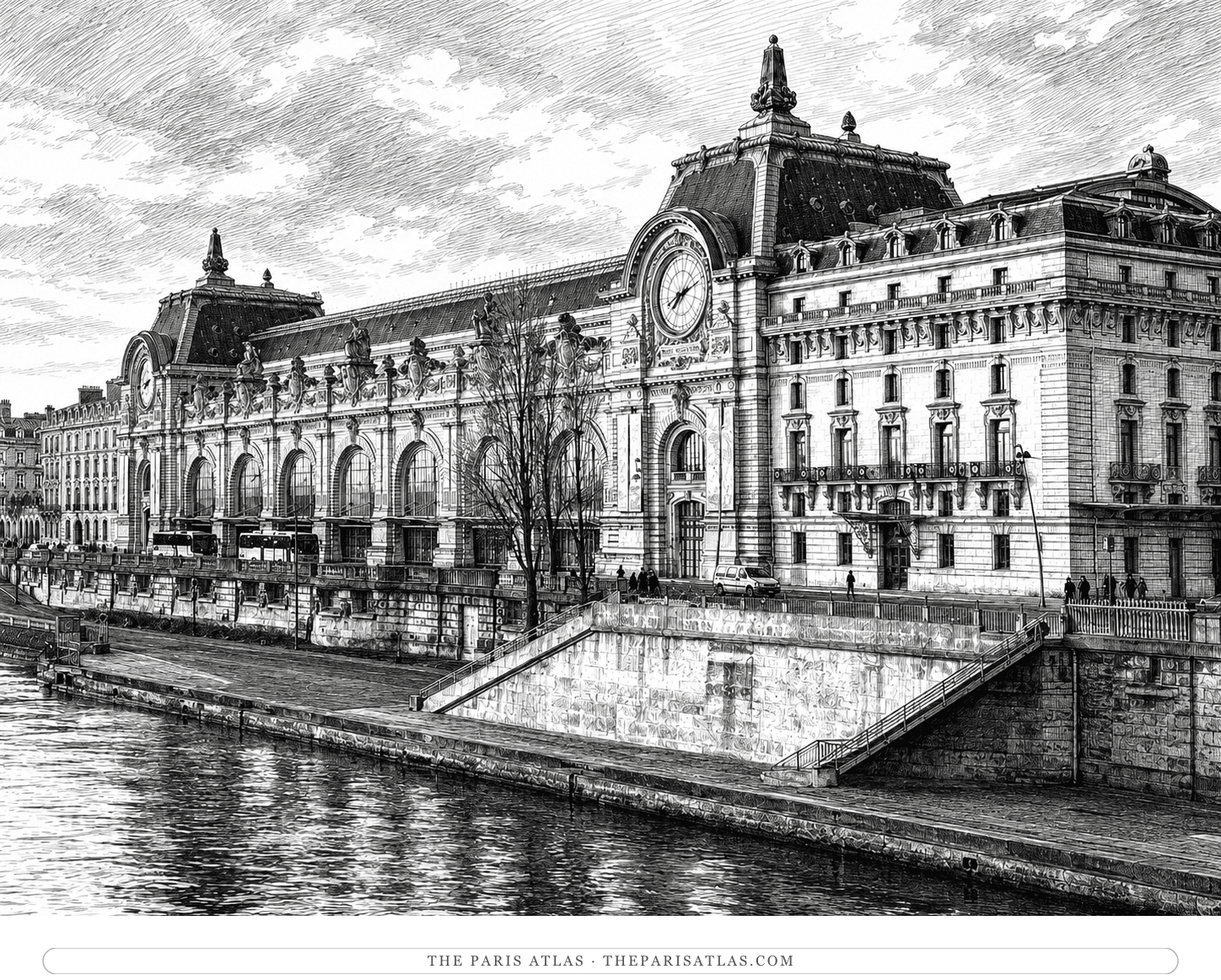
The Lost Generation is usually pictured at café tables. The addresses tell a more useful story.
Their Paris was a walkable production system. A manuscript could travel from an apartment to a mentor's salon, from the salon to a café, from the café to a magazine office, from the office to a small press, and from the press to the shelves of Shakespeare and Company.
The distances were short. The consequences were not.
Connections
The Lost Generation and Cubism
The writers entered a room painting had already overturned. Cubism's central experiment preceded the expatriate literary decade: by the time Hemingway arrived at 27 rue de Fleurus, Picasso and Braque's founding collaboration had ended. But the paintings remained. The writers encountered a visual culture that had abandoned the single stable viewpoint, compressed space, and required the viewer to reconstruct meaning from fragments.[23][11]
The literary parallels are suggestive rather than mechanical. Hemingway did not turn Cubism directly into prose. Yet both movements belonged to a modernism increasingly comfortable with omission, juxtaposition, fragmentation, and active interpretation.
The Lost Generation and modernism
The Lost Generation was one network within the larger history of modernism. Joyce, Stein, Pound, Eliot, Picasso, Stravinsky, and others had already begun transforming their respective forms. The younger expatriates inherited that revolution and adapted it to the aftermath of war, American money, mass culture, journalism, and the social freedoms of Paris.
The Lost Generation and the Jazz Age
The terms overlap but are not interchangeable. The Jazz Age names the wider culture of the 1920s: popular music, consumer credit, automobiles, advertising, Prohibition, changing sexual conventions, and spectacular wealth. The Lost Generation describes a war-marked cohort and, more narrowly, its expatriate writers.
Fitzgerald belongs decisively to both. Hemingway's relationship to the Jazz Age was more antagonistic, even when his work shared its parties and restlessness.
The Lost Generation and the First World War
The war is the generation's negative center. Hemingway was wounded while serving with the Red Cross in Italy. Dos Passos drove ambulances. MacLeish served in artillery and lost a brother. Fitzgerald entered the army but never reached combat.
Their experiences were not equivalent. What they shared was life inside the war's historical shadow.
Who the legend leaves out
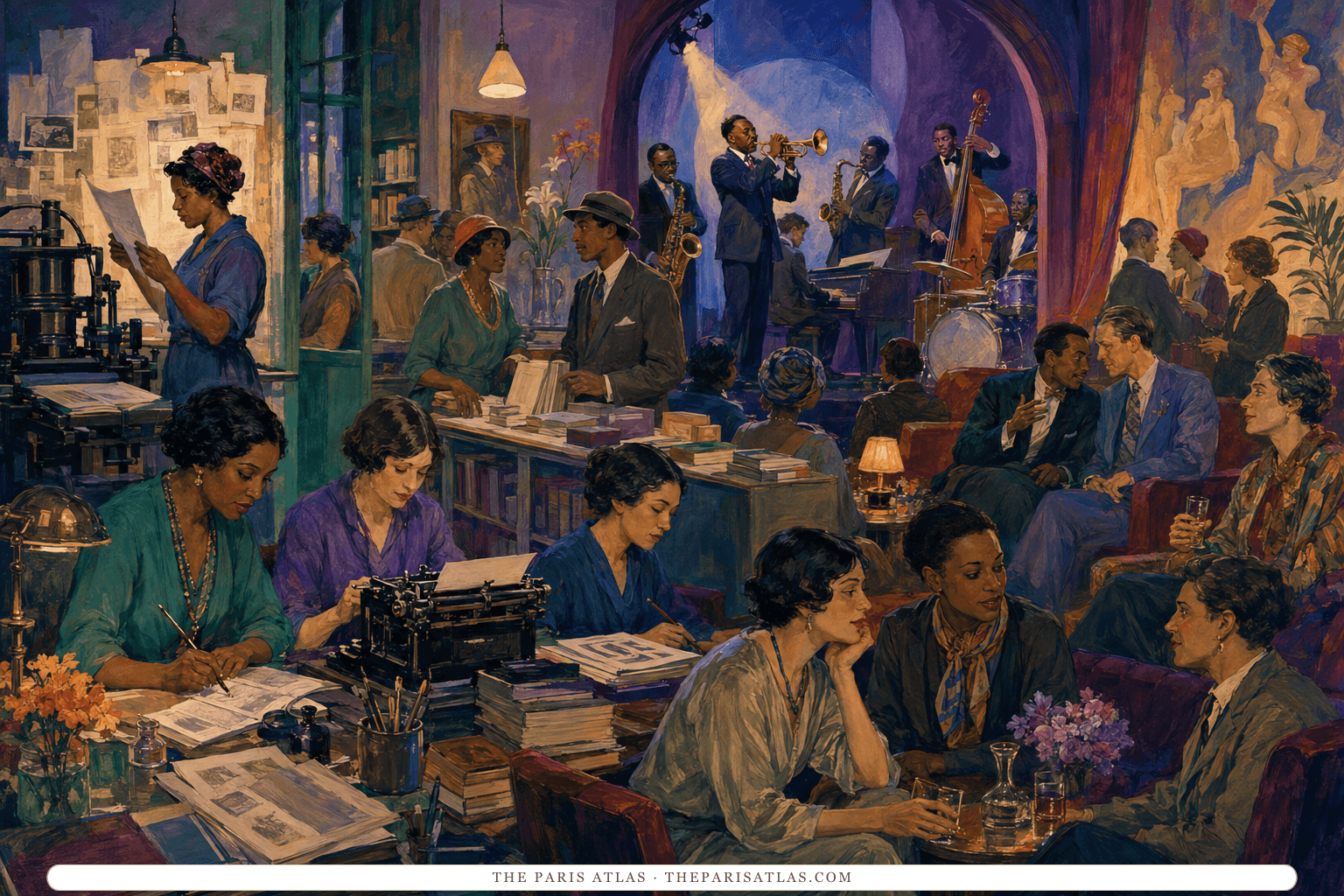
The familiar story narrows literary Paris to a small company of white American men drinking in Montparnasse. That company existed, but it was never the whole city.[24]
Women wrote, edited, published, financed, hosted, translated, and operated the institutions on which the literature depended. Sylvia Beach published Ulysses. Adrienne Monnier ran La Maison des Amis des Livres. Margaret Anderson and Jane Heap sustained The Little Review. Nancy Cunard founded the Hours Press. Caresse Crosby co-founded the Black Sun Press. Gertrude Stein and Alice B. Toklas made 27 rue de Fleurus an institution.[12][15][21][20][10]
Black American writers, musicians, and performers created another essential expatriate Paris. Their relationship with France was shaped by both relative freedom from American segregation and continued encounters with racial exoticism and French colonial power.[24]
Queer communities also occupied a Paris partly hidden from the Hemingway memoir: Natalie Clifford Barney's salon, Djuna Barnes's night world, and the bookshops, apartments, and clubs in which other versions of expatriation became possible.
Expanding the map does not weaken the Lost Generation story. It makes the city around it visible.
How to read the Lost Generation
Begin with the defining novel: The Sun Also Rises
Read it for the distance between performance and injury — and for the phrase that escaped its epigraph.
Then read the counterweight: The Great Gatsby
The expatriate generation looking back at America: beauty, self-invention, class, and the violence beneath wealth.
Enter the workshop: In Our Time
The short stories in which omission became a method.
Widen the city: Manhattan Transfer
Modern life assembled from crowds rather than centered upon one hero.
Read beyond the familiar circle: Nightwood
The expatriate city after midnight, outside the masculine version of the legend.
Finish with the memory: A Moveable Feast
Return to Paris after reading the books it produced. Notice how beautifully Hemingway arranges the past — and ask what the arrangement excludes.
What the Lost Generation changed
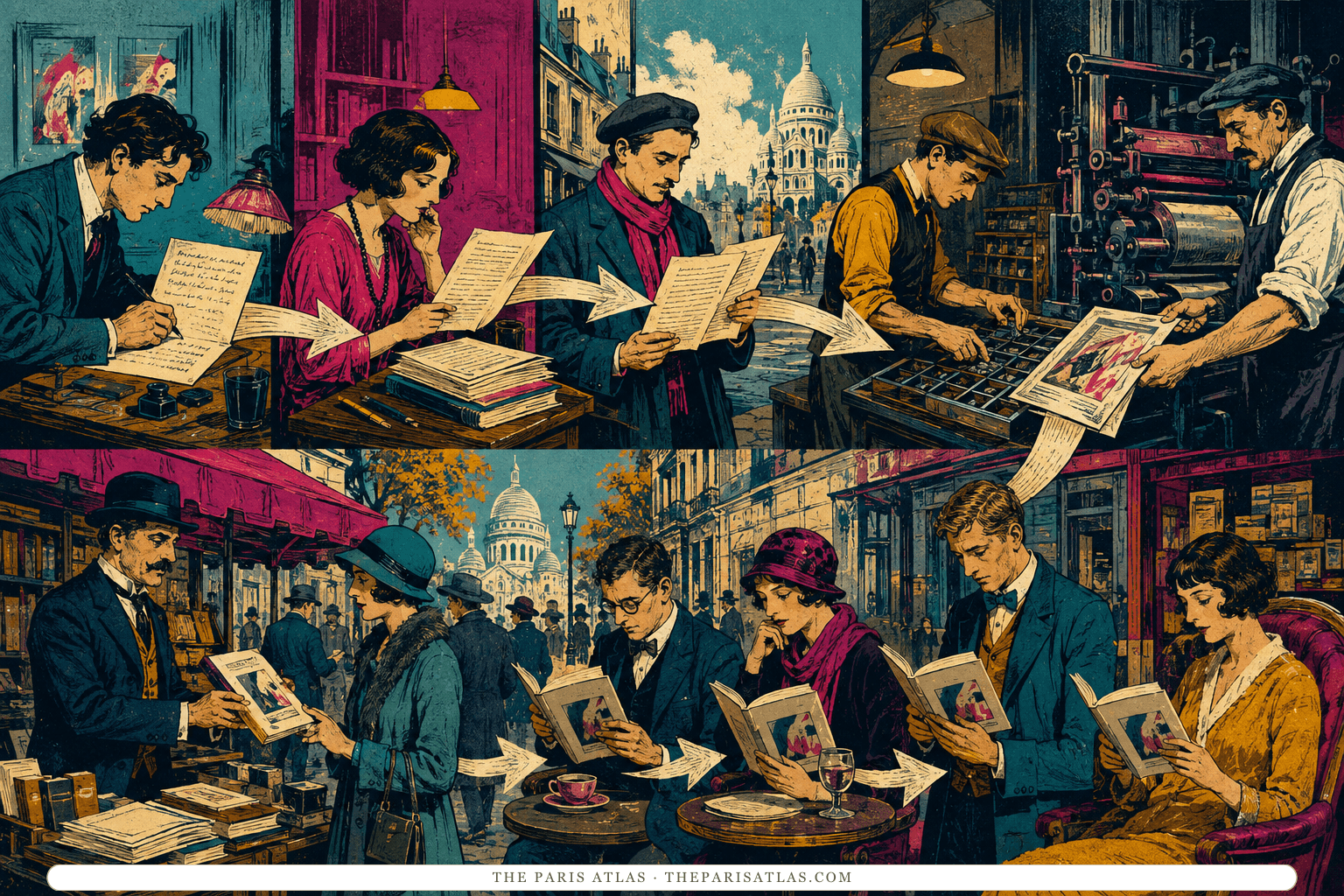
The Lost Generation did not invent modernism, but it gave modern disillusionment some of its most durable forms. Its writers made omission expressive, exposed wealth as performance, turned journalism into literary method, fractured the city into simultaneous voices, and treated exile as both liberation and loss.
Its institutions also demonstrated how literature actually changes: not through solitary genius alone, but through readers, editors, partners, printers, patrons, booksellers, translators, introductions, loans, spare rooms, and arguments.
The legend is young writers drinking cheaply in Paris. The history is a network that made books.
Lost Generation connections
Writers and artists
Author · Journalist
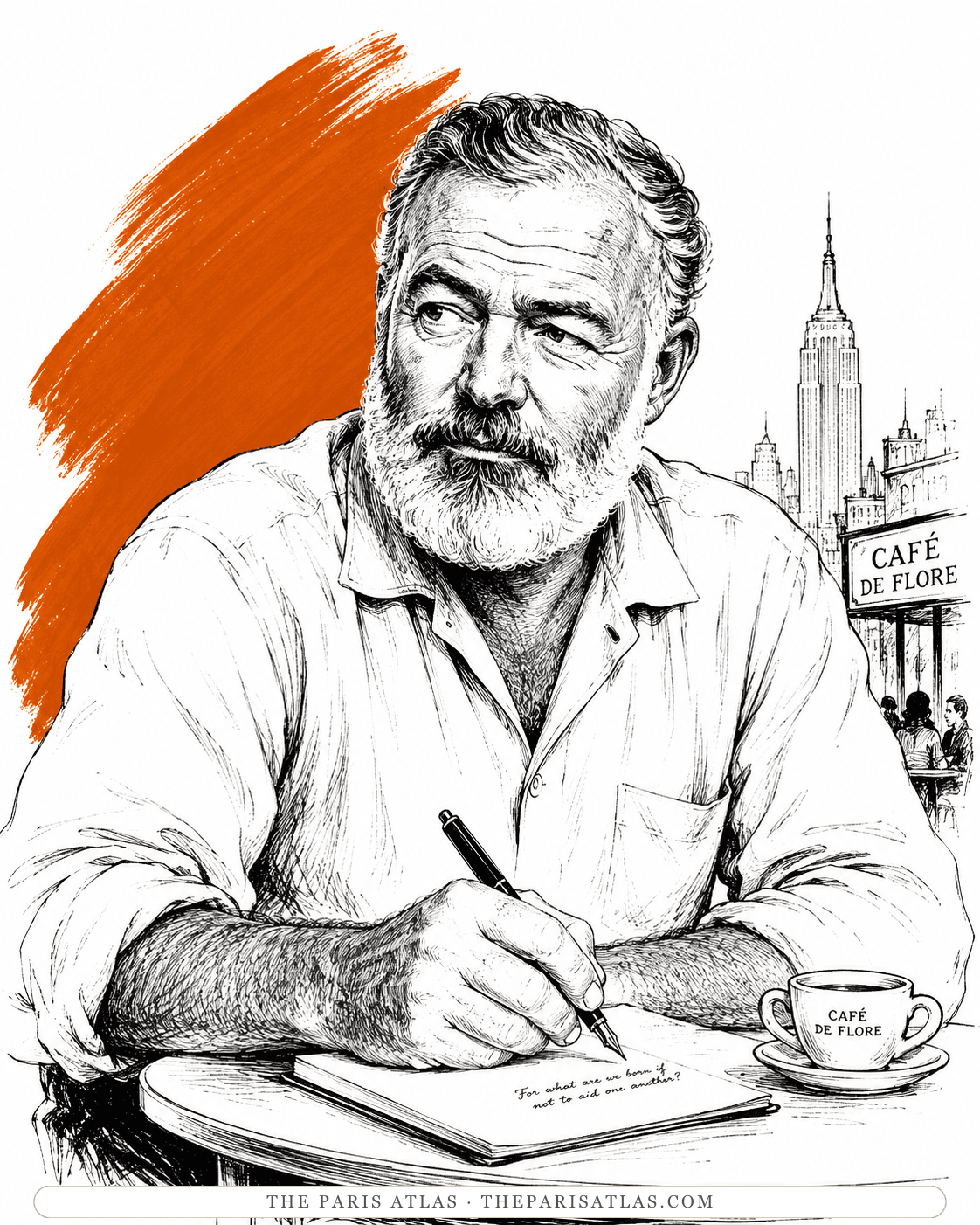
Ernest Hemingway
Author
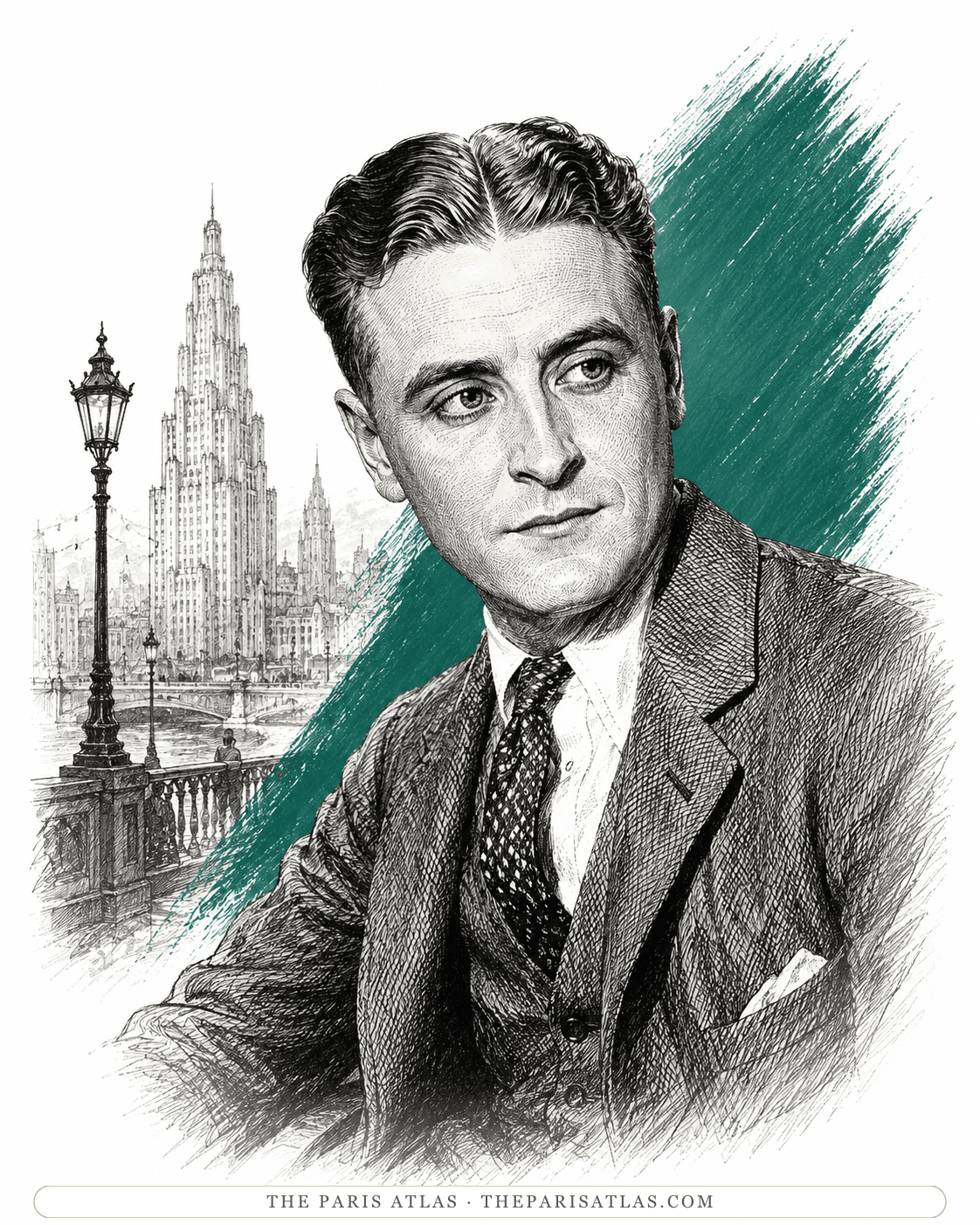
F. Scott Fitzgerald
Author · Salon host
Gertrude Stein
Author · Poet
Ezra Pound
Author · Editor
Ford Madox Ford
Author · Poet
James Joyce
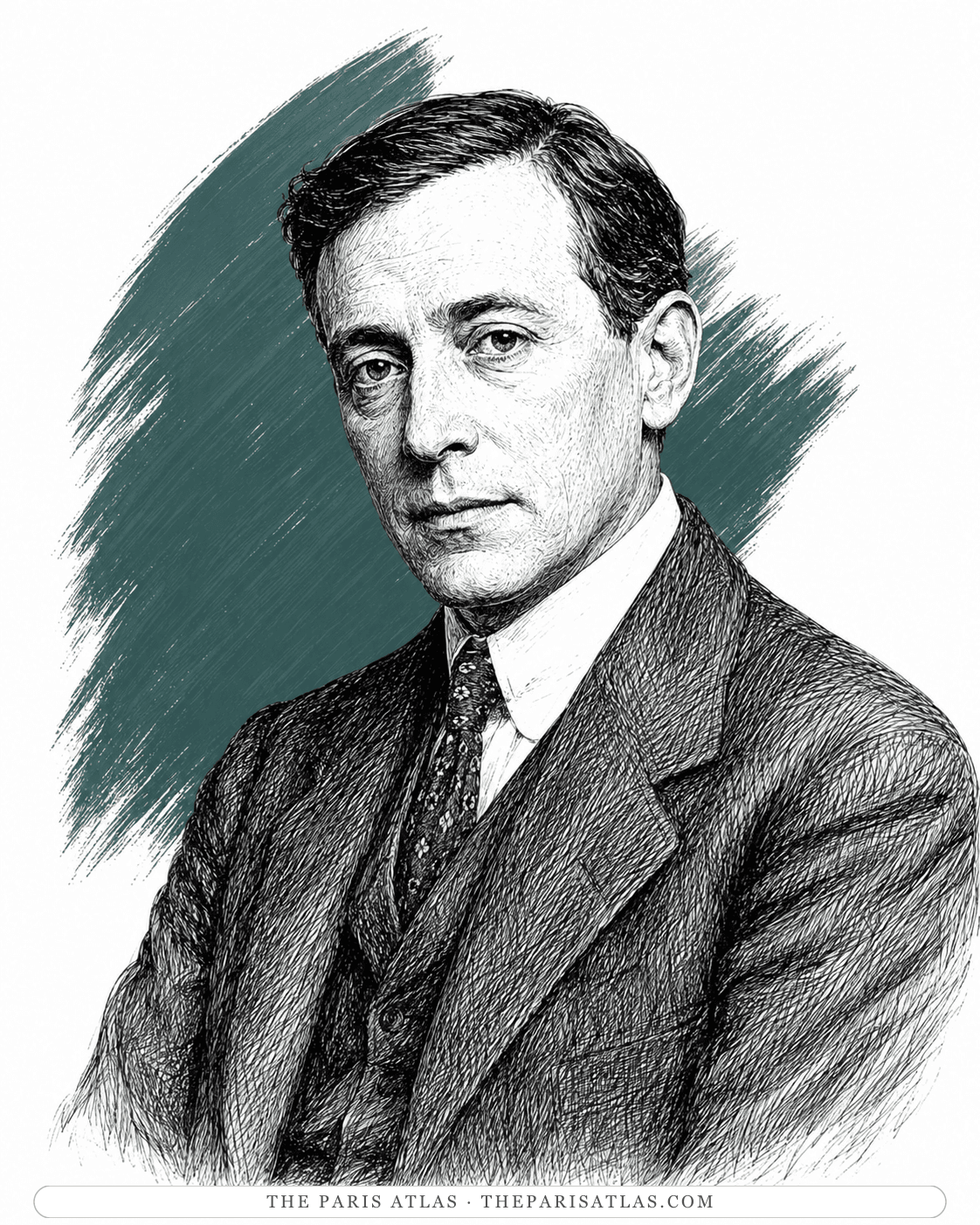
Critic · Editor
Harold Stearns
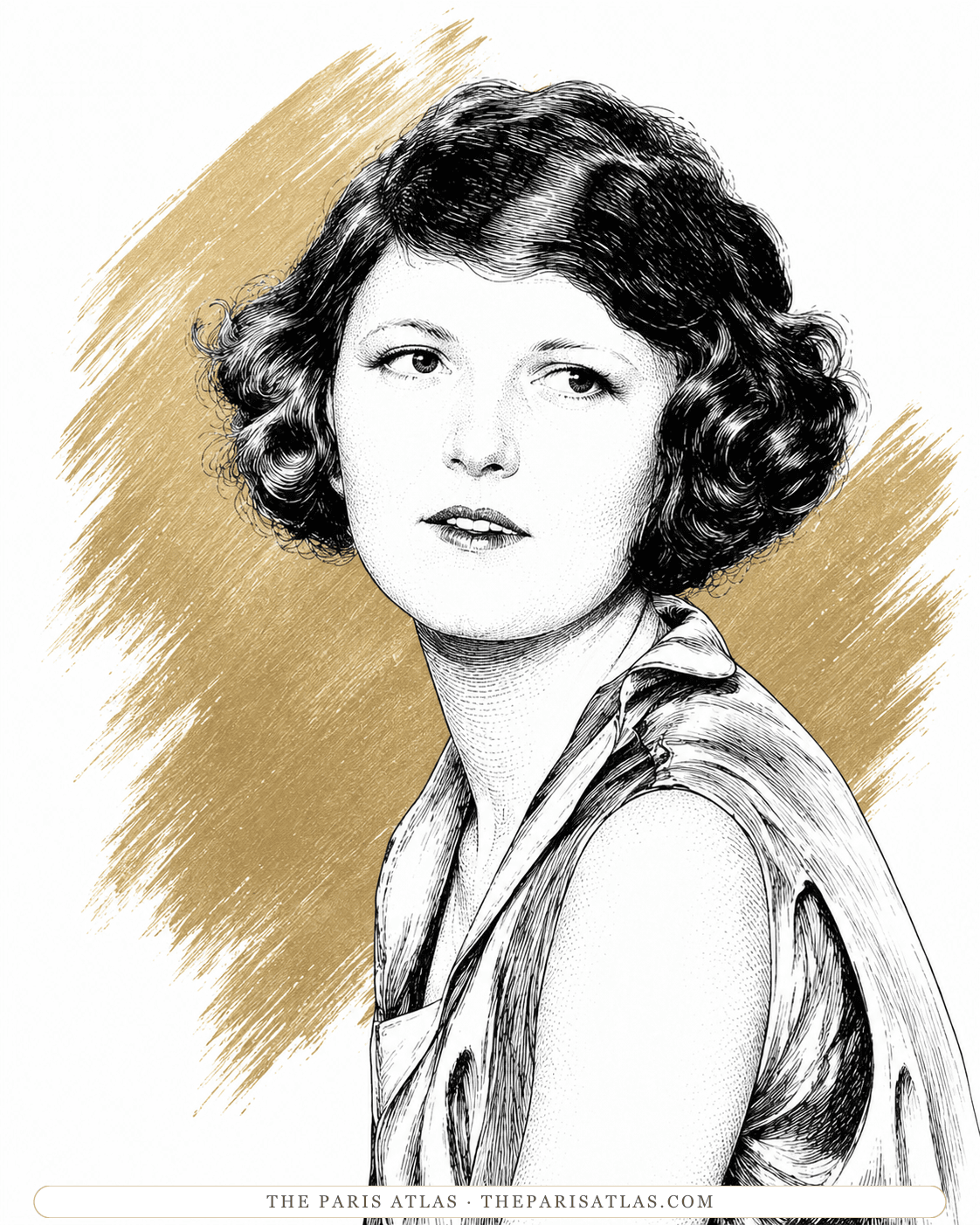
Author · Painter
Zelda Fitzgerald
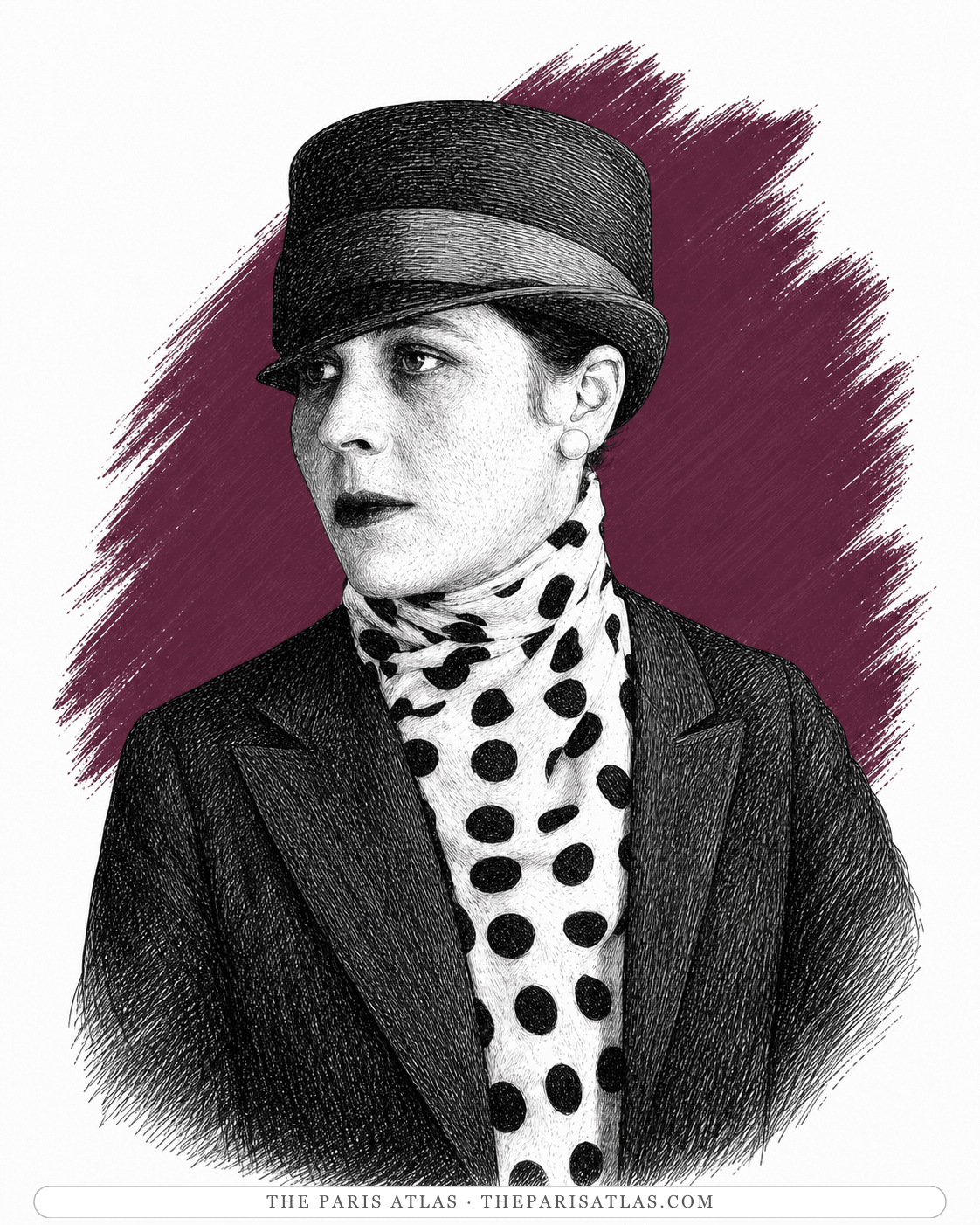
Journalist · Illustrator
Djuna Barnes
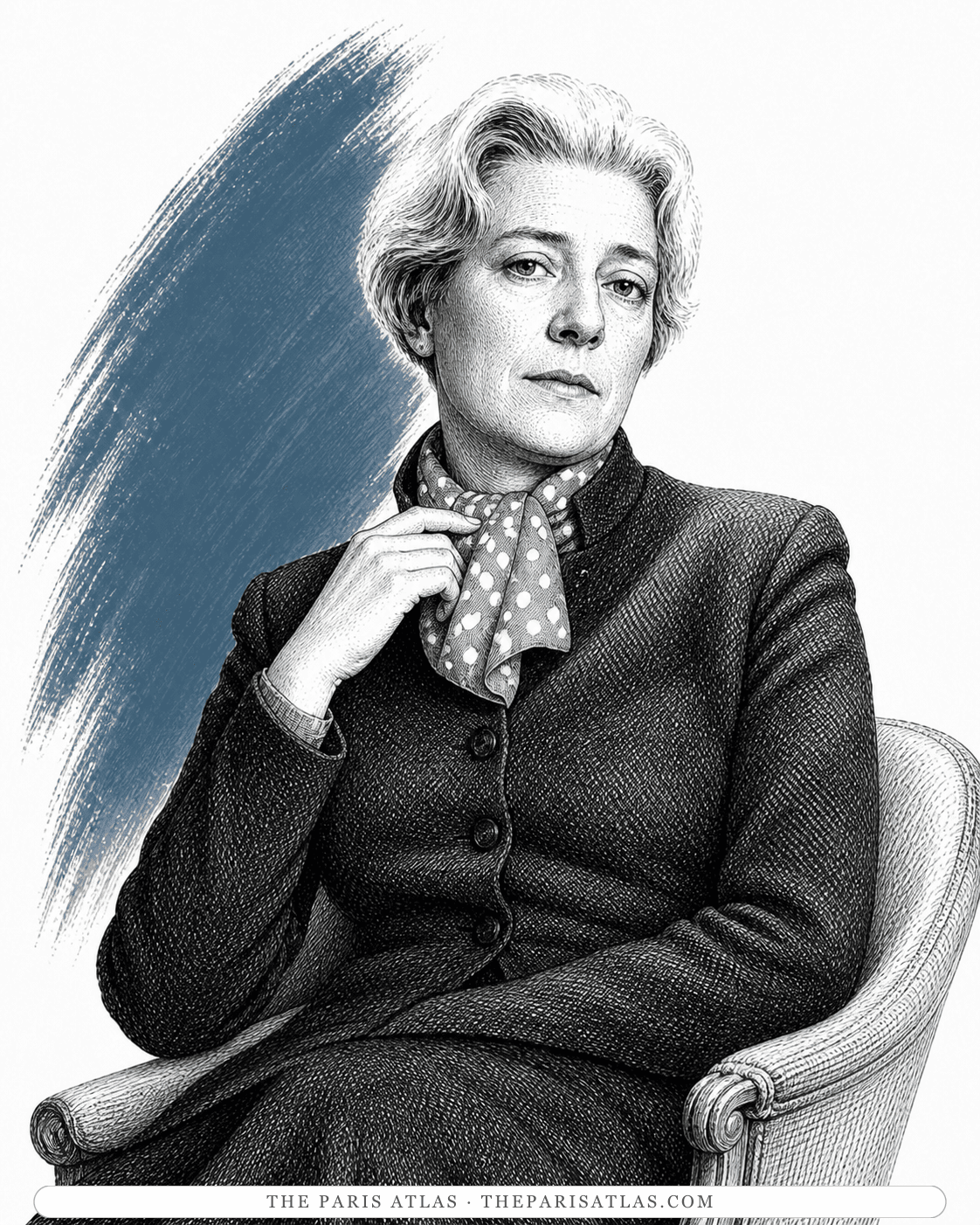
Journalist · Author
Janet Flanner
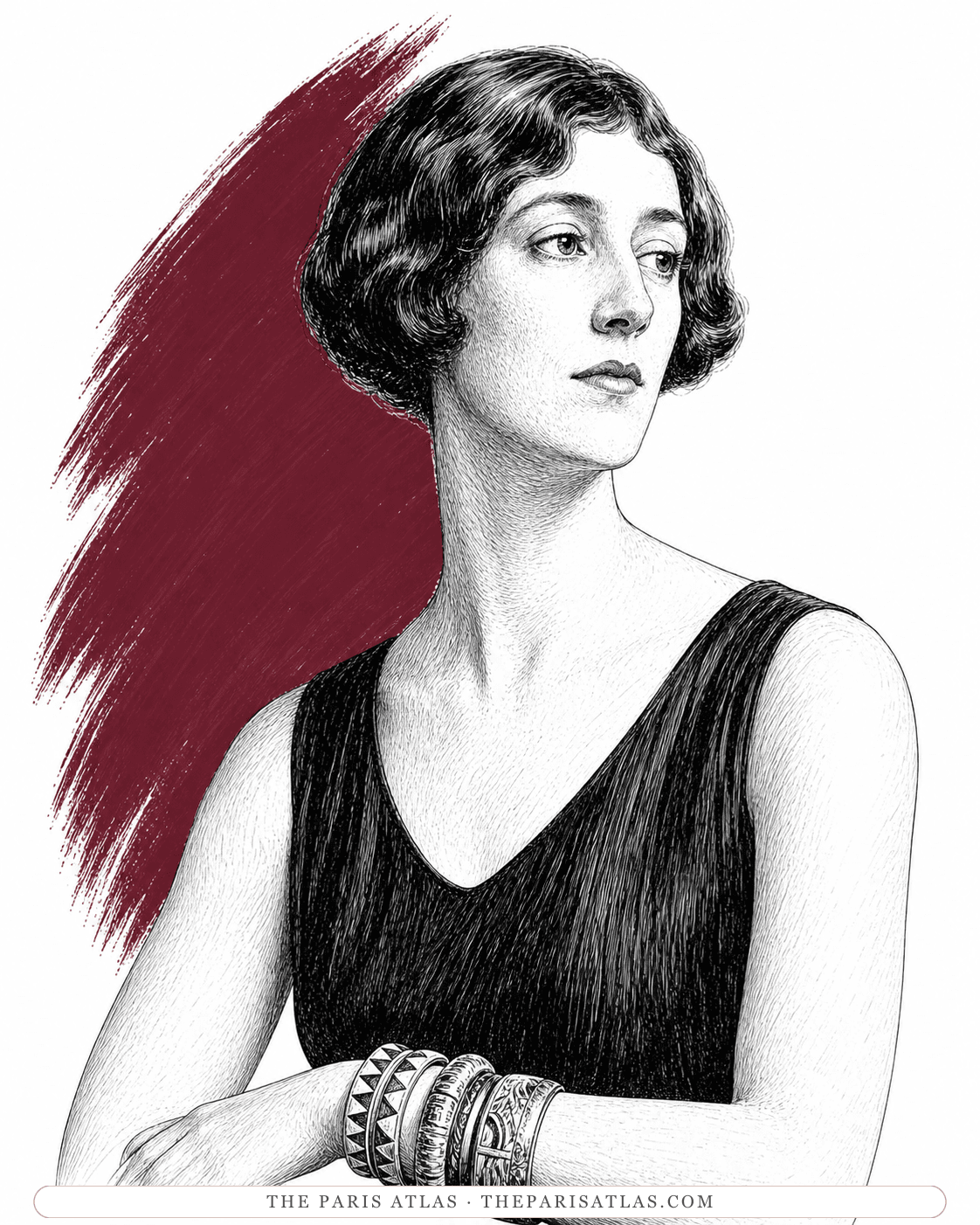
Poet · Publisher
Nancy Cunard
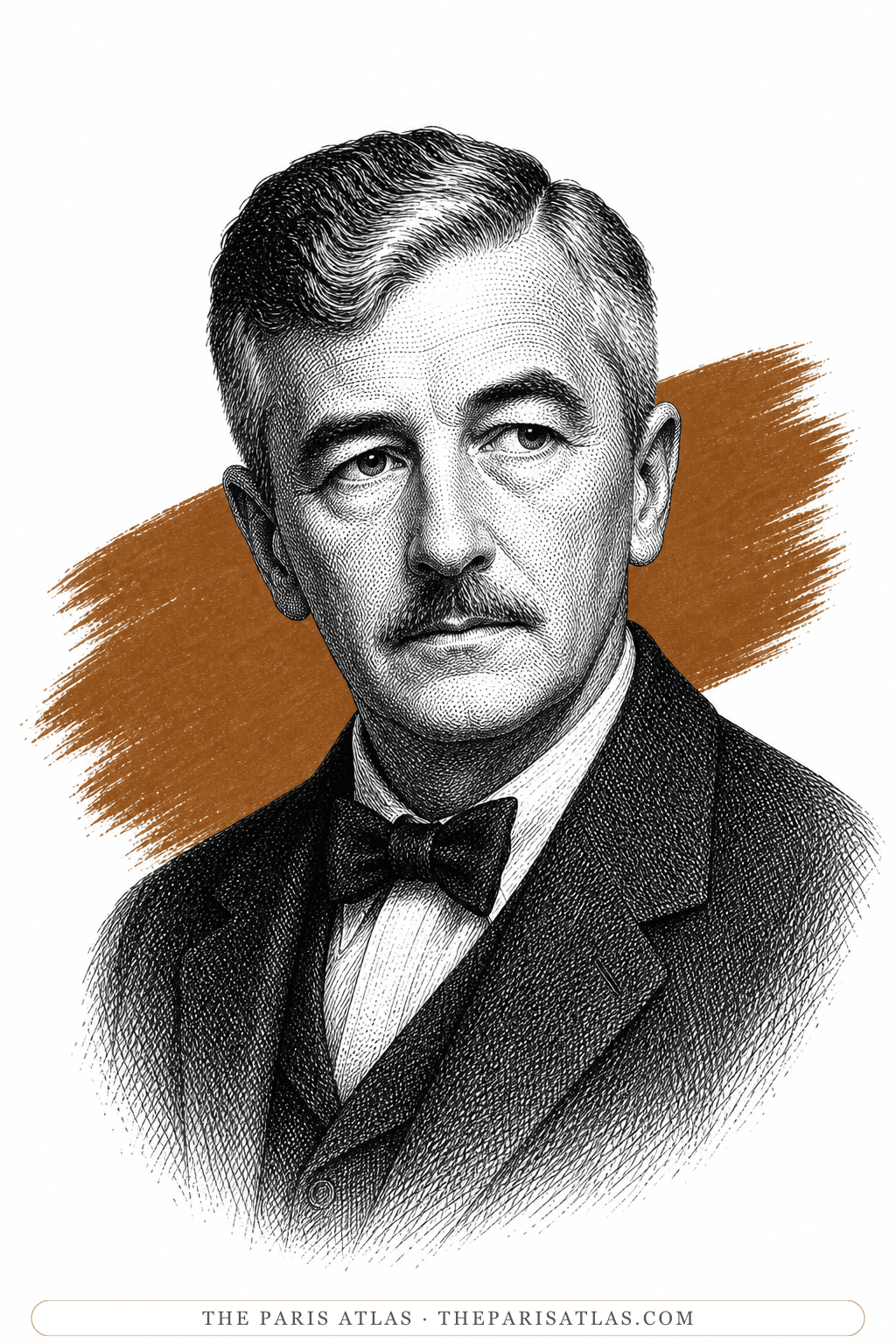
Author · Poet
William Faulkner
Places
Organizations and publications
Timeline
1914–18
The First World War destroys lives, borders, political confidence, and the credibility of inherited heroic language.
1919
The Treaty of Versailles formally ends the conflict with Germany. Paris becomes the center of both the settlement and its discontents.
1920
American Prohibition begins, sharpening Paris's appeal to travelers and expatriates with dollars.
1921
Ernest and Hadley Hemingway arrive in Paris in December.
1922
Hemingway visits Gertrude Stein at 27 rue de Fleurus. Sylvia Beach publishes James Joyce's Ulysses on 2 February.
1923
Robert McAlmon's Contact Editions publishes Hemingway's Three Stories and Ten Poems. Hemingway and Hadley leave Paris temporarily for Toronto.
1924
The Hemingways return. William Bird's Three Mountains Press prints in our time. Ford Madox Ford launches the transatlantic review. Ezra Pound leaves Paris for Italy.
1925
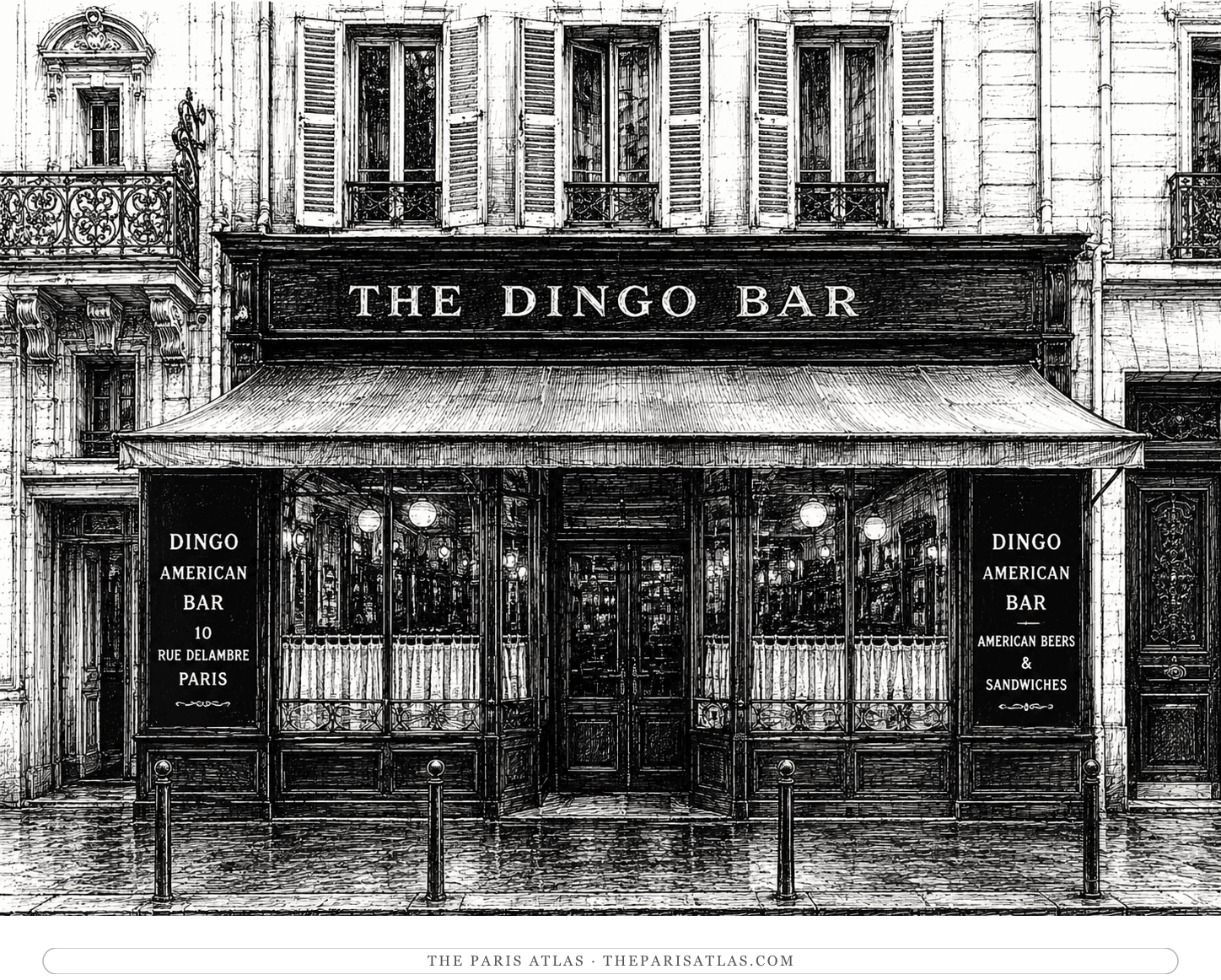
In Our Time, The Great Gatsby, and Manhattan Transfer appear. Hemingway meets Fitzgerald at the Dingo Bar.
1926
Hemingway publishes The Sun Also Rises, placing Stein's "lost generation" remark at its entrance.
1927
Hemingway divorces Hadley and marries Pauline Pfeiffer. Fitzgerald's work slows as personal and financial pressures intensify.
1929
Hemingway publishes A Farewell to Arms. The Wall Street crash ends the economic mood that sustained the expatriate decade.
1930s
The Depression, political extremism, and the approach of another war replace the conditions of the 1920s. Some expatriates return home; others move elsewhere or remain.
1964
A Moveable Feast is published after Hemingway's death, fixing one version of literary Paris in cultural memory.
The Lost Generation: frequently asked questions
What was the Lost Generation?
The writers marked by the First World War, and more narrowly the American writers who gathered in Paris in the 1920s — Hemingway, Fitzgerald, Stein, Pound, Dos Passos, and others. They had no manifesto, membership roll, or shared style; the name describes a historical network, not a club.
Who coined the term "Lost Generation"?
By Hemingway's account, Gertrude Stein heard "une génération perdue" from a Paris garage owner complaining about a young mechanic, and repeated it to him: "You are all a lost generation." Hemingway made it famous by placing it as an epigraph in The Sun Also Rises (1926). The story survives only through his later memoir, A Moveable Feast.
Why are they called "lost"?
The war had made words like glory, honor, and civilization hard to trust after they had survived in speeches while millions died. The writers were called lost for that loss of inherited certainty — though they were also unusually productive, ambitious, and well connected.
Why did they move to Paris?
The favorable 1920s exchange rate let Americans with dollars live cheaply and buy time to write. Paris also offered distance from Prohibition and provincial convention, and a dense network of writers, painters, booksellers, and small publishers attempting the same life.
Who were the main Lost Generation writers?
Ernest Hemingway, F. Scott Fitzgerald, John Dos Passos, and Gertrude Stein sit at the center, with Ezra Pound, Sylvia Beach, and Ford Madox Ford as its mentors and makers. Djuna Barnes represents the queer, nocturnal Paris the familiar legend leaves out.
What is the difference between the Lost Generation and the Jazz Age?
The Jazz Age names the wider 1920s culture of popular music, consumer credit, Prohibition, and spectacular wealth. The Lost Generation names a war-marked cohort and, more narrowly, its expatriate writers. Fitzgerald belongs to both; Hemingway's relationship to the Jazz Age was more antagonistic.
References
The sources below include histories, manifestos, scholarly research, and primary materials that informed this page. They document The Lost Generation, its development, and the artists and works associated with it.

4↑Everybody's Autobiography
MemoirRandom House, 1937Used forStein's own account of the remark, published eleven years after The Sun Also Rises carried it.

5↑Banking and Monetary Statistics, 1914-1941
Official recordFRASER, Federal Reserve Bank of St. Louis, 1943Used forThe Federal Reserve compilation those monthly exchange rates come from.
6↑Archival Currency Converter 1916–1940
Official recordUniversity of MelbourneUsed forFranc-per-dollar rates month by month, 1916 to 1940.
9↑Shakespeare and Company Project
ArchivePrinceton UniversityUsed forSylvia Beach's lending-library records: who belonged, what they borrowed, and where in Paris they lived.

16↑The Transatlantic Review (1924) — Index of Modernist Magazines
WebsiteUsed forFord Madox Ford's 1924 monthly, its twelve issues, its contributors, and Hemingway's month as guest editor.
17↑This Quarter — Index of Modernist Magazines
WebsiteUsed forErnest Walsh and Ethel Moorhead's quarterly, its money troubles, and Hemingway's work in it.
18↑transition — Index of Modernist Magazines
WebsiteUsed forEugene Jolas's monthly and its serialization of Joyce's Work in Progress.
19↑Modernist Works Produced by Small Presses/Publishers — Modernist Writers in Special Collections
ArchiveUniversity of Maryland LibrariesUsed forThe presses themselves: Three Mountains, Contact, Black Sun, Obelisk, Hours.
23↑Cubism
WebsiteTateUsed forPicasso and Braque's invention around 1907-08, the analytical and synthetic phases, and the several viewpoints held in one picture.
These references provide the documented foundation for this movement's history and interpretation. Claim-level citations remain attached to the specific claims they support.
 Explore more resources