Employed · 1924
Ernest Hemingway
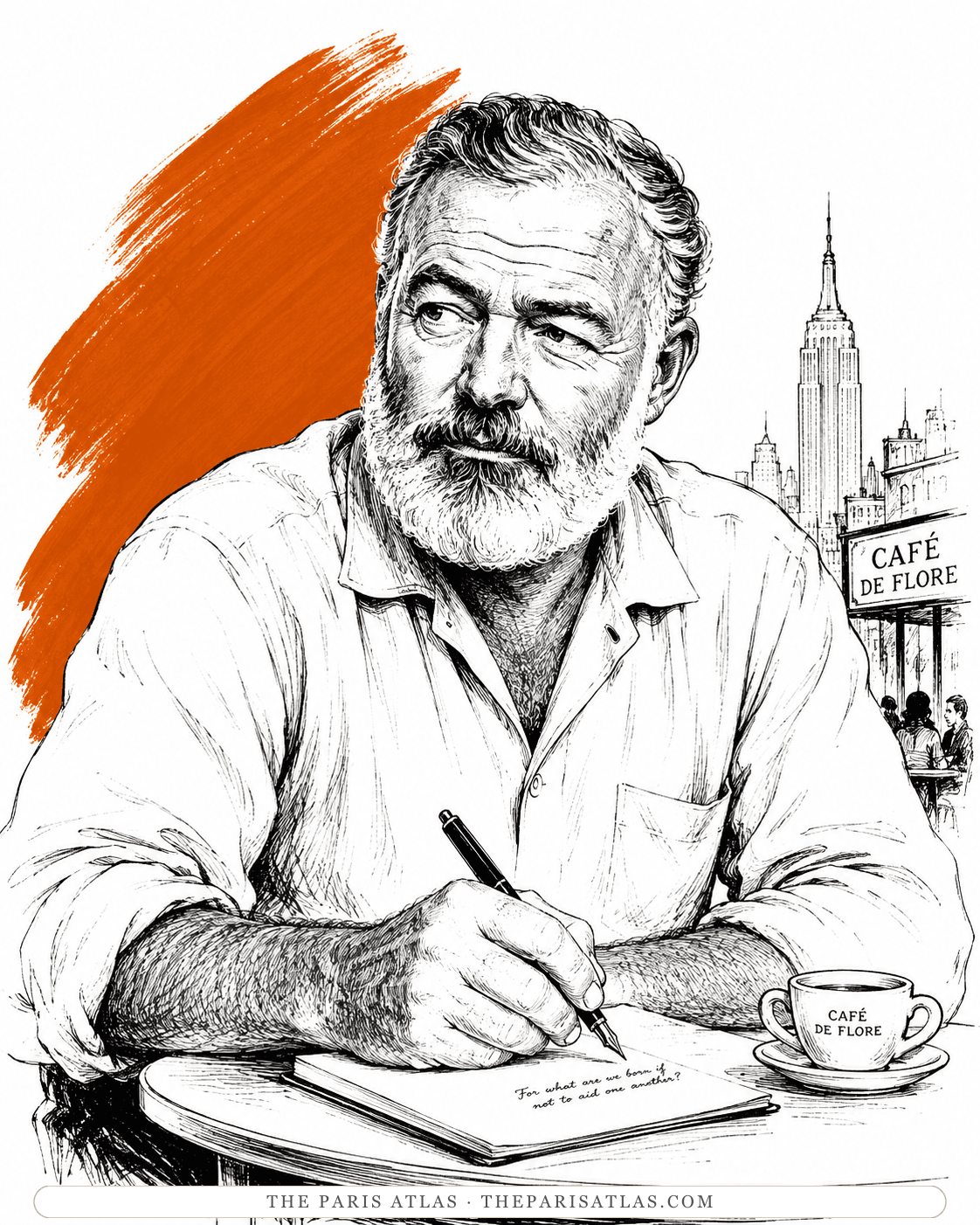
Sub-editor on Pound's recommendation — and guest editor of the August 1924 number while Ford was in New York, which he packed with his own crowd.
Twelve issues, one year, half the modern canon — Ford Madox Ford's 1924 magazine burned fast and lit everything.
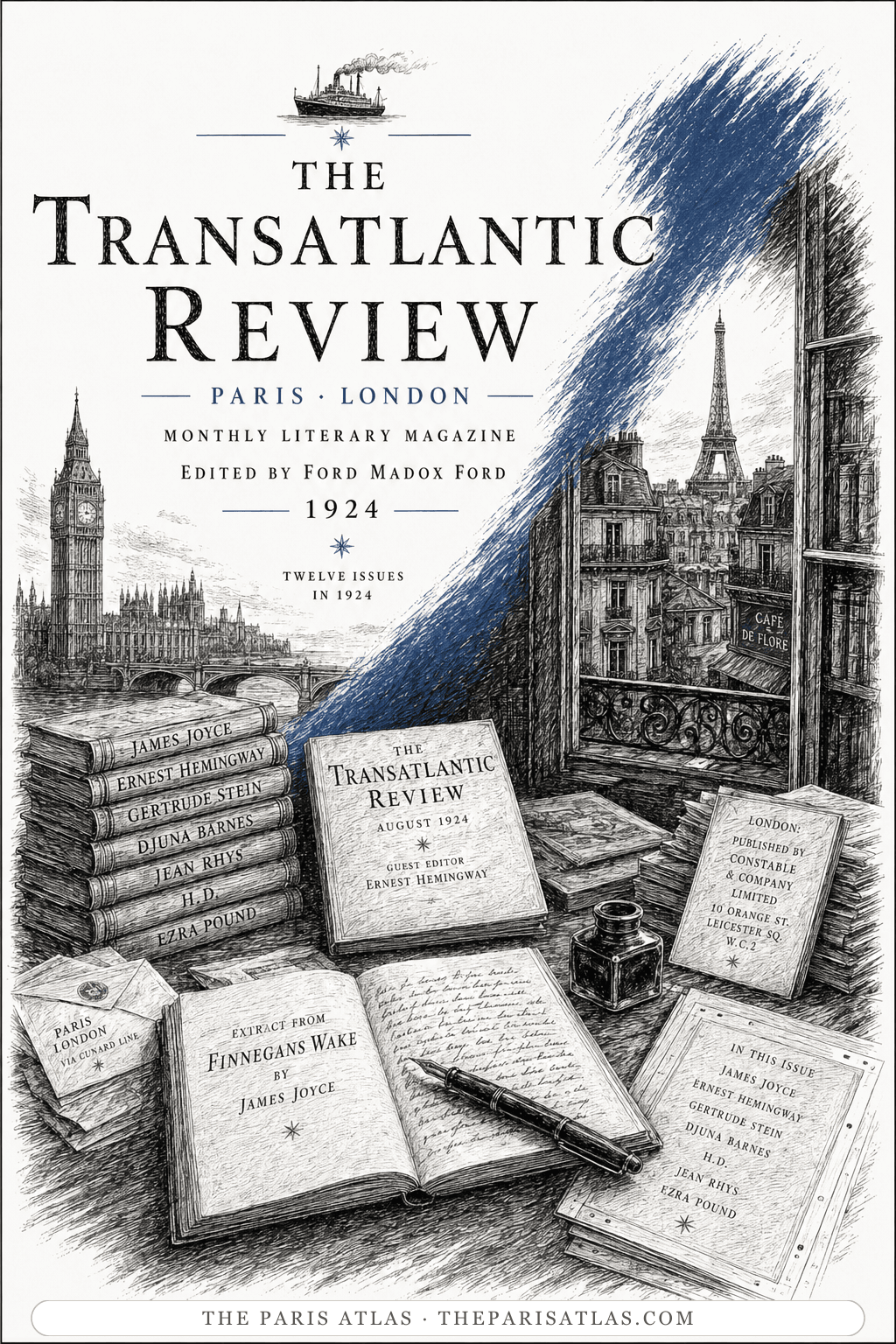
Most literary magazines last long enough to be forgotten. The transatlantic review — Ford Madox Ford liked it lowercase — did the opposite: it lasted twelve monthly issues, January to December 1924, and became permanent. Issue for issue, no magazine of the century printed a higher density of writers who mattered.[1]
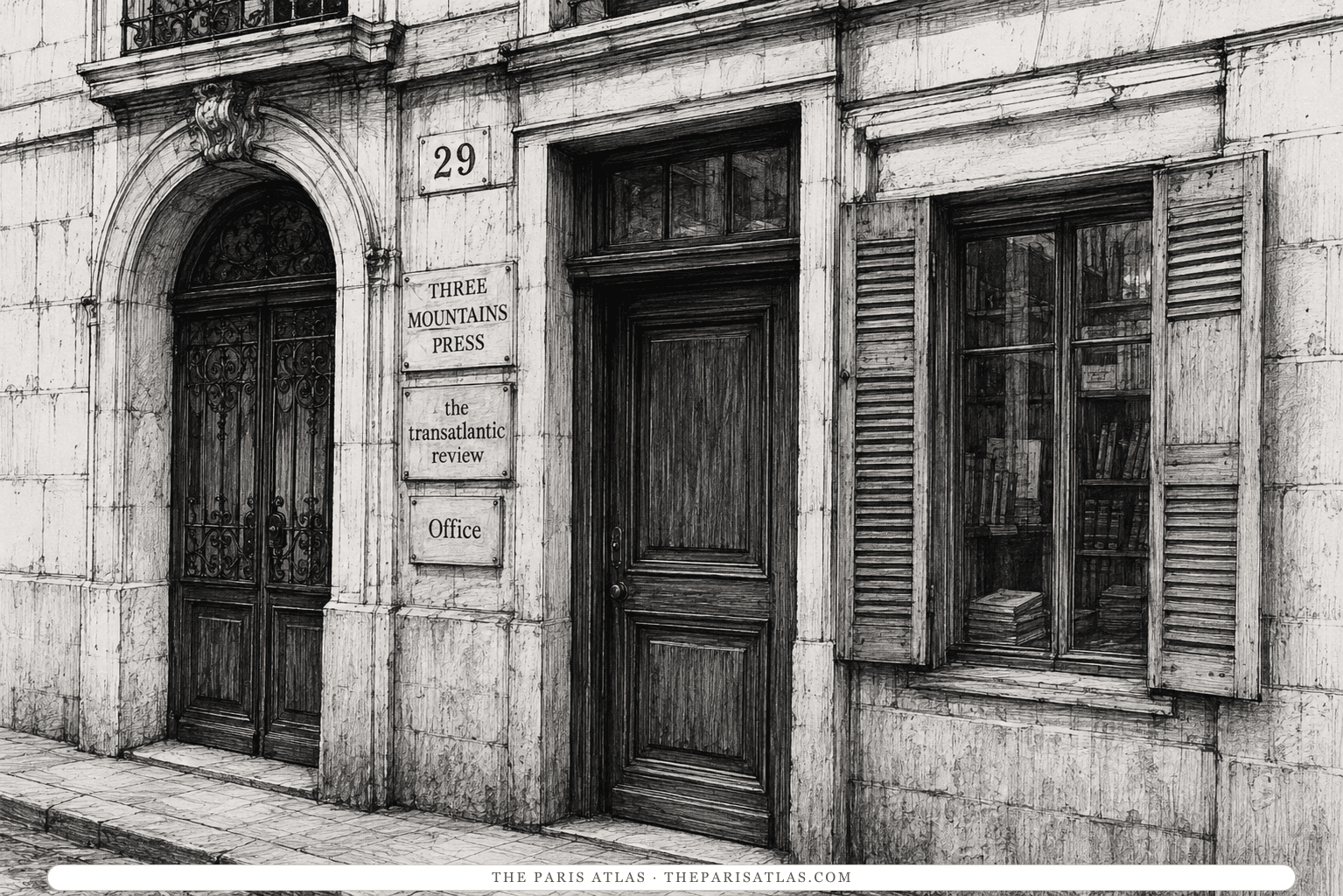
The operation was gloriously improvised. Ford — the English novelist who had already co-written with Conrad and would soon produce Parade's End — edited from a cramped office at 29 quai d'Anjou on the Île Saint-Louis, renting a share of the premises from Bill Bird's Three Mountains Press, the hand-operated outfit then printing Pound's first Cantos installment. The money came from John Quinn, the New York lawyer and modernism's great checkbook, whom Ezra Pound — the movement's tireless fixer, here as everywhere — had talked into backing Ford. The magazine was printed and distributed through Gerald Duckworth in London, giving the whole enterprise its two shores and its name.[2]
Few failures have ever succeeded so completely.
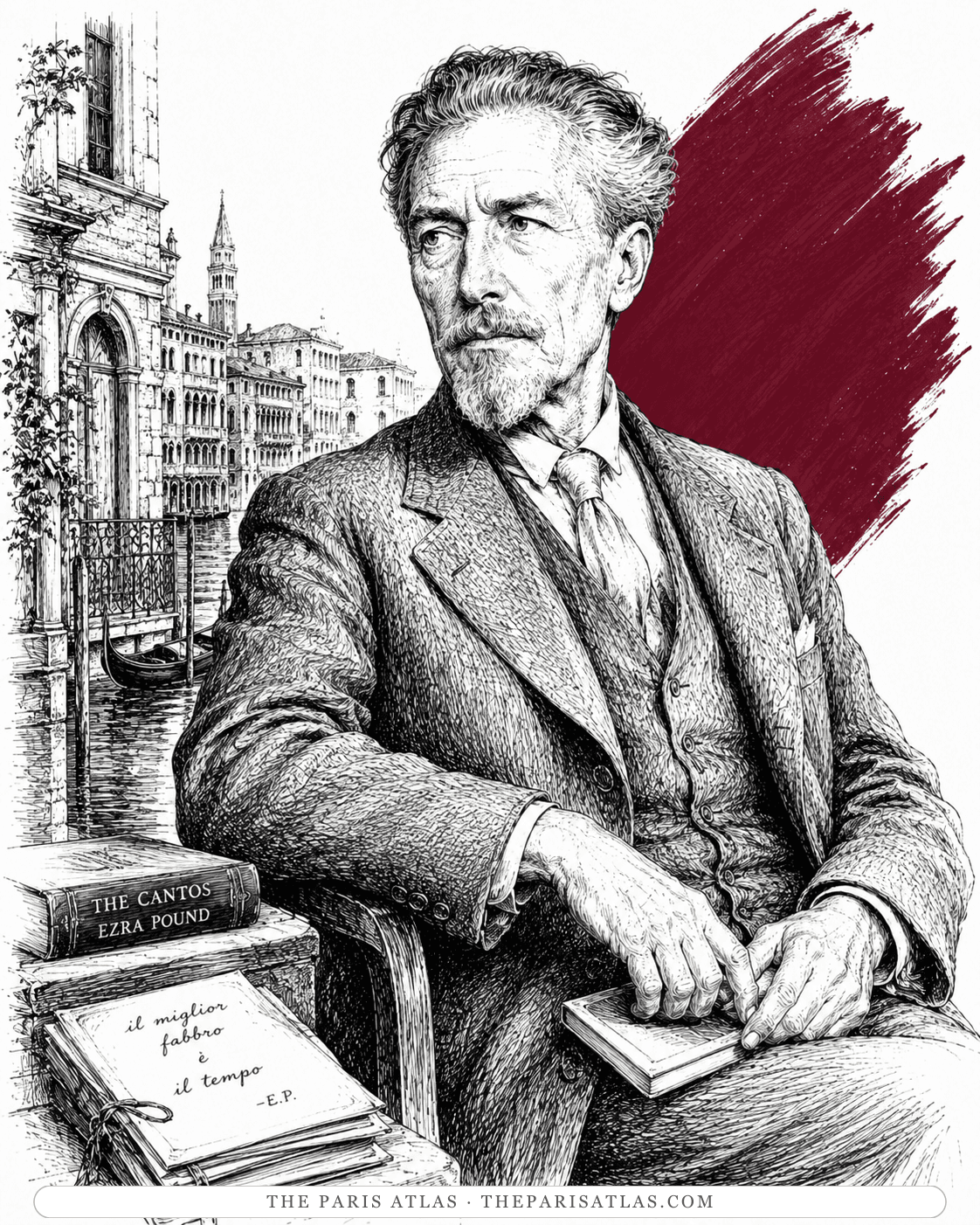
What Ford printed justified every franc. An extract from James Joyce's mysterious new project appeared under the label 'Work in Progress' — the working title that stuck to Finnegans Wake for the next fifteen years. Gertrude Stein's enormous The Making of Americans began its first serialization there, championed by her young admirer Hemingway. The list ran on: Djuna Barnes, H.D., Jean Rhys at the very start of her career, the Nobel laureate Selma Lagerlöf, the Baroness Elsa von Freytag-Loringhoven at the movement's wildest edge — and Ford's habit of printing unknowns beside monuments is precisely what made the magazine matter.[3][4]
The best subplot involves the sub-editor. Ford had hired the young Ernest Hemingway on Pound's recommendation, and when the editor sailed for New York in the summer of 1924, Hemingway ran the August number as guest editor — promptly stuffing it with his own crowd and his own tastes, to Ford's partly amused, partly genuine horror on return. The apprenticeship cut both ways: Ford gave Hemingway pages and standing; Hemingway repaid him, years later, with one of the crueler portraits in A Moveable Feast. Editing the young, Ford might have observed, is a form of arming them.[2]
The end was bookkeeping, not aesthetics. John Quinn died in July 1924, the funding died with him, and the December issue was the last. But the magazine's afterlife argues that longevity is overrated: its twelve issues form a nearly complete map of where English-language literature was headed, and in 1959 an American editor, Joseph McCrindle, founded a new Transatlantic Review purely to honor the name. Few failures have ever succeeded so completely.[2]
29 quai d'Anjou, 4th arr.
A share of Bill Bird's Three Mountains Press premises on the Île Saint-Louis, rented for the magazine's twelve issues.
Ezra Pound persuades New York patron John Quinn to bankroll a Ford-edited magazine; offices open on the Quai d'Anjou, shared with the Three Mountains Press.
First issue appears — edited in Paris, published in London by Duckworth.
Begins serializing Gertrude Stein's The Making of Americans, at Hemingway's urging.
Prints an extract of Joyce's 'Work in Progress' — the future Finnegans Wake's first public outing under that name.
John Quinn dies; the magazine's funding dies with him.
Hemingway guest-edits the August number while Ford is in New York — and packs it with his own circle.
The twelfth and final issue closes the run.
Joseph McCrindle founds a new Transatlantic Review in tribute to Ford's original.
Founder & editor
The generous eminence of English letters in Paris — mocked in the memoirs, indispensable in the record.
Visit their pageInstigator
Matched the editor to the money, as he matched everyone to everything in that decade.
Visit their page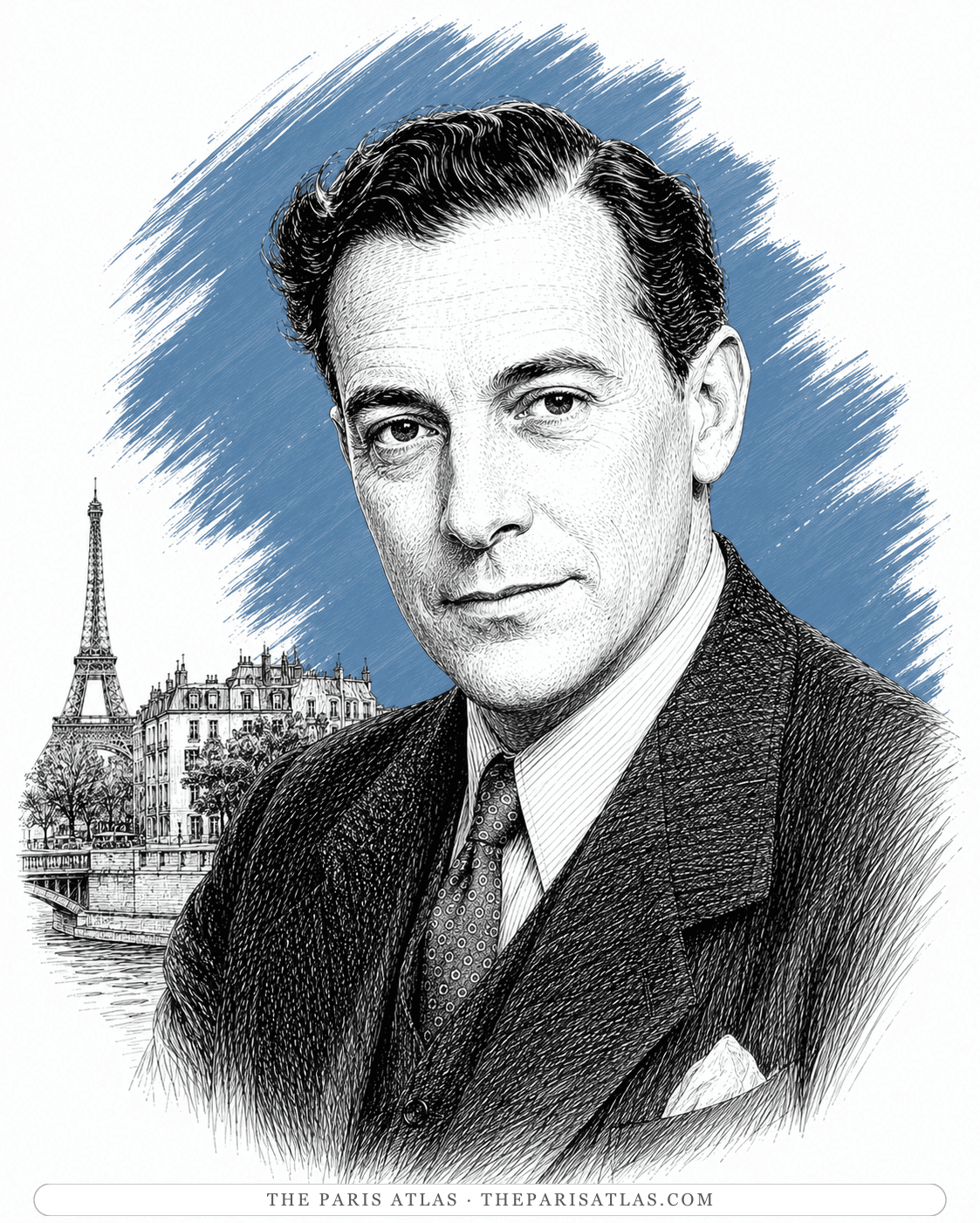
Patron
The New York lawyer whose checkbook underwrote modernism — and whose death ended the magazine within months.
Sub-editor
Hired young, trusted with the August issue, and never entirely forgiven for what he did with it.
Visit their pageThe first published fragment of Joyce's seventeen-year project, under the name Ford coined for it.
Stein's thousand-page epic finally reached print in installments here — Hemingway hand-copied pages for the typesetter.

Work from the In Our Time period ran in its pages while the sub-editor was still unknown.
On our shelves
Ford discovered and printed Rhys at the start of a career that would run five more decades.
The magazine's range in one line — from Imagist precision to Dada at full shriek.
Employed · 1924
Sub-editor on Pound's recommendation — and guest editor of the August 1924 number while Ford was in New York, which he packed with his own crowd.
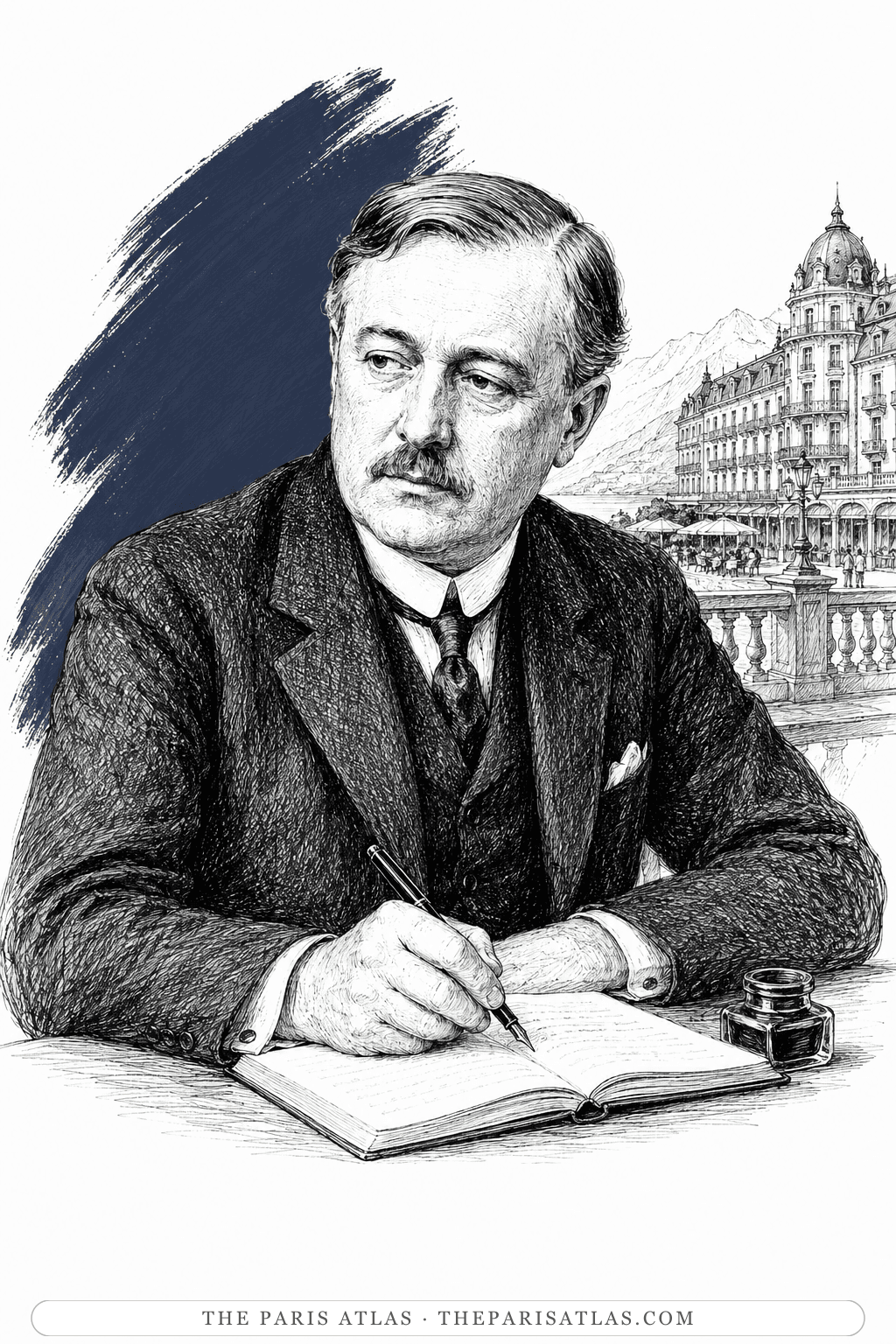
Founded by · 1924
Twelve monthly issues from the Quai d'Anjou, bankrolled by John Quinn after Pound matched the editor to the money.
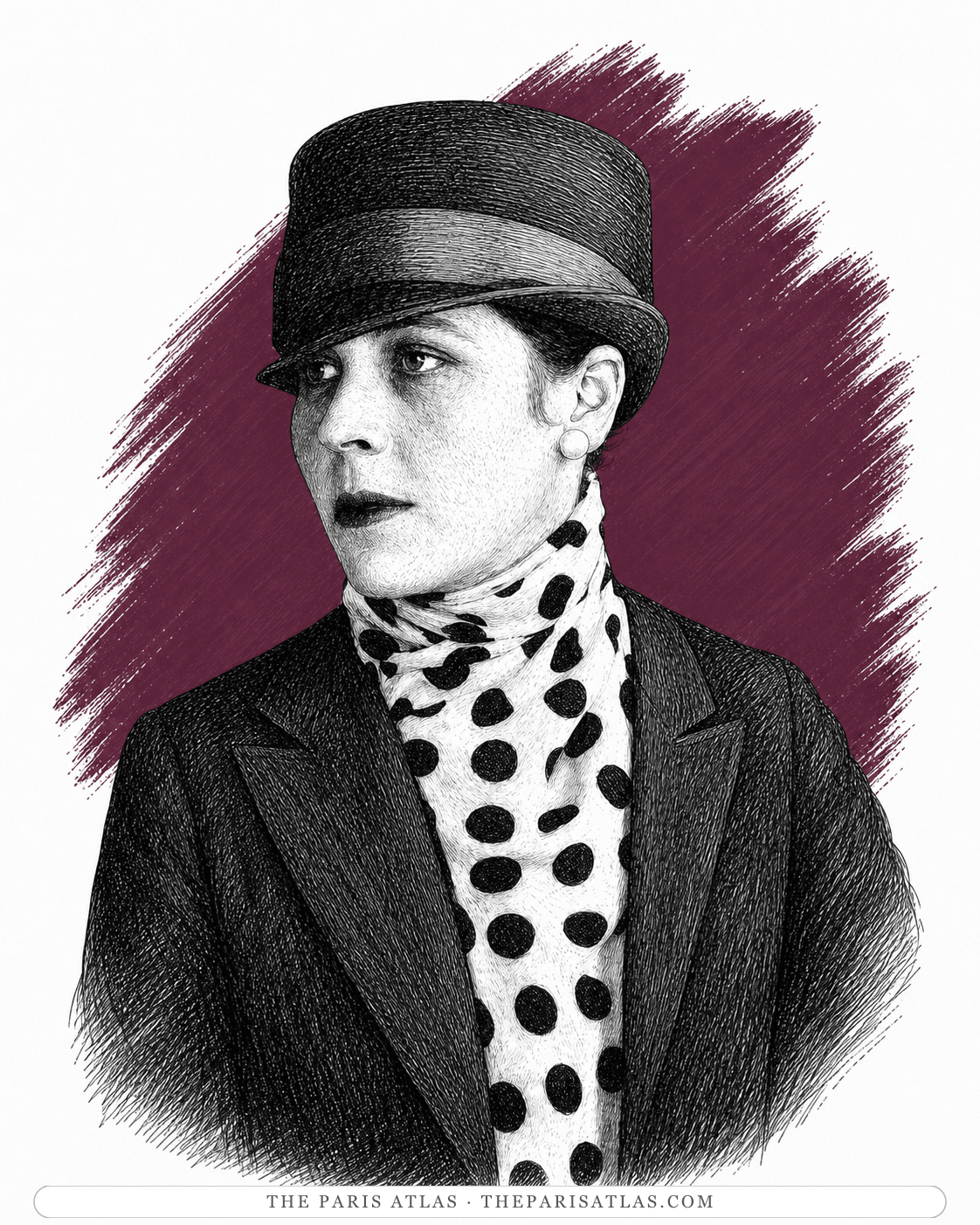
Published work by · 1924
Ford Madox Ford printed two Djuna Barnes stories in the magazine's twelve-issue run of 1924: 'Aller et Retour' and 'Gertrude Donovan'. The Index of Modernist Magazines lists both under her name. The magazine never employed her; she was a contributor.
The sources below include institutional histories, archival materials, scholarly research, and primary records that informed this page. They document The Transatlantic Review, the people connected to it, and its cultural history.
Serial archive record confirming Ford’s editorship and the magazine’s twelve-issue 1924 run.

Web source consulted for documented facts and historical context presented on the The Transatlantic Review page.
University-hosted facsimile and bibliographic record for the first 1924 volume.
These references provide the documented foundation for this organization's history and context. Claim-level citations remain attached to the specific claims they support.
 Explore more resources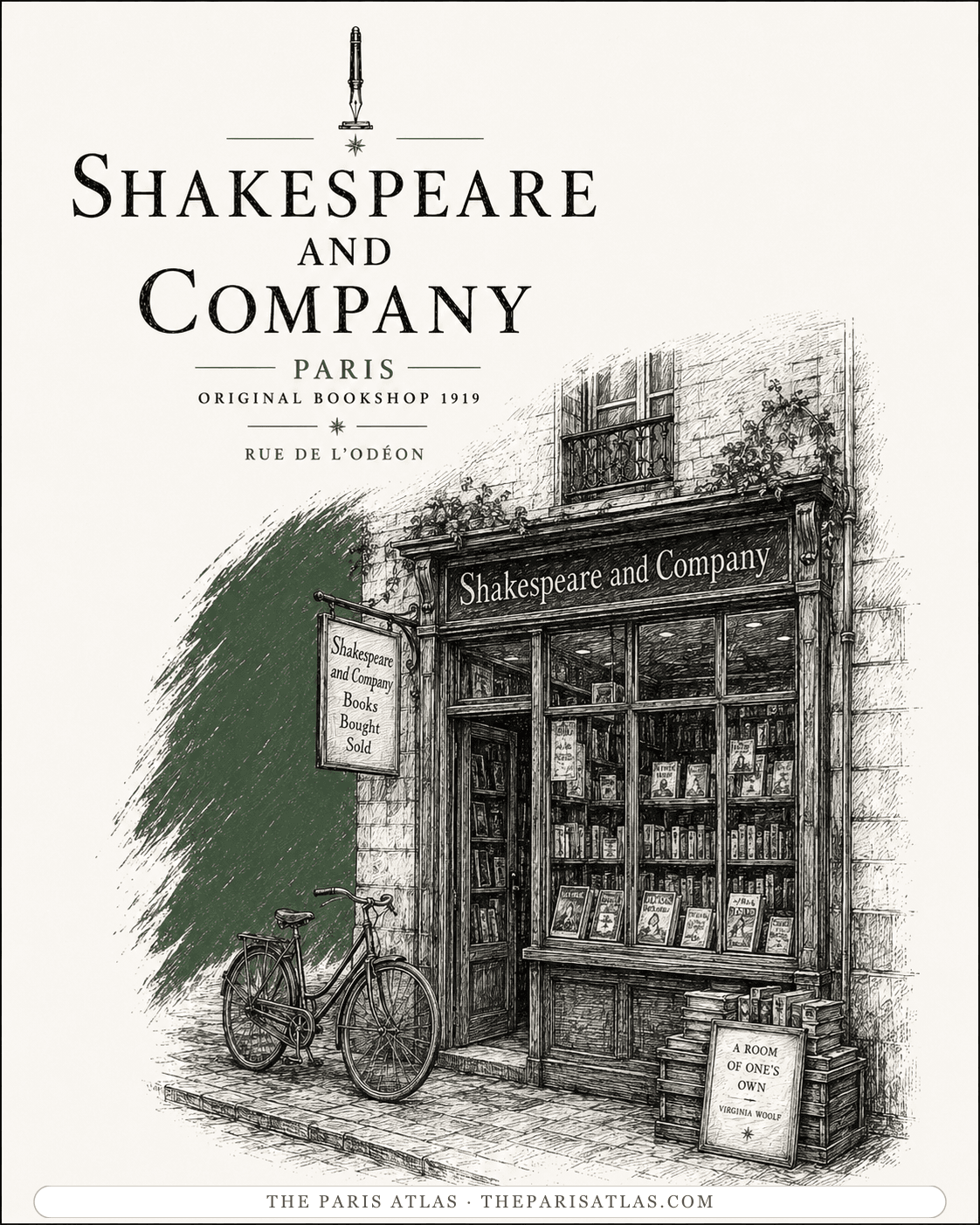
Sylvia Beach's lending library published Ulysses and fed the Lost Generation's reading habit; a decade after it closed, George Whitman's separate shop took up the name and never stopped.
Visit the page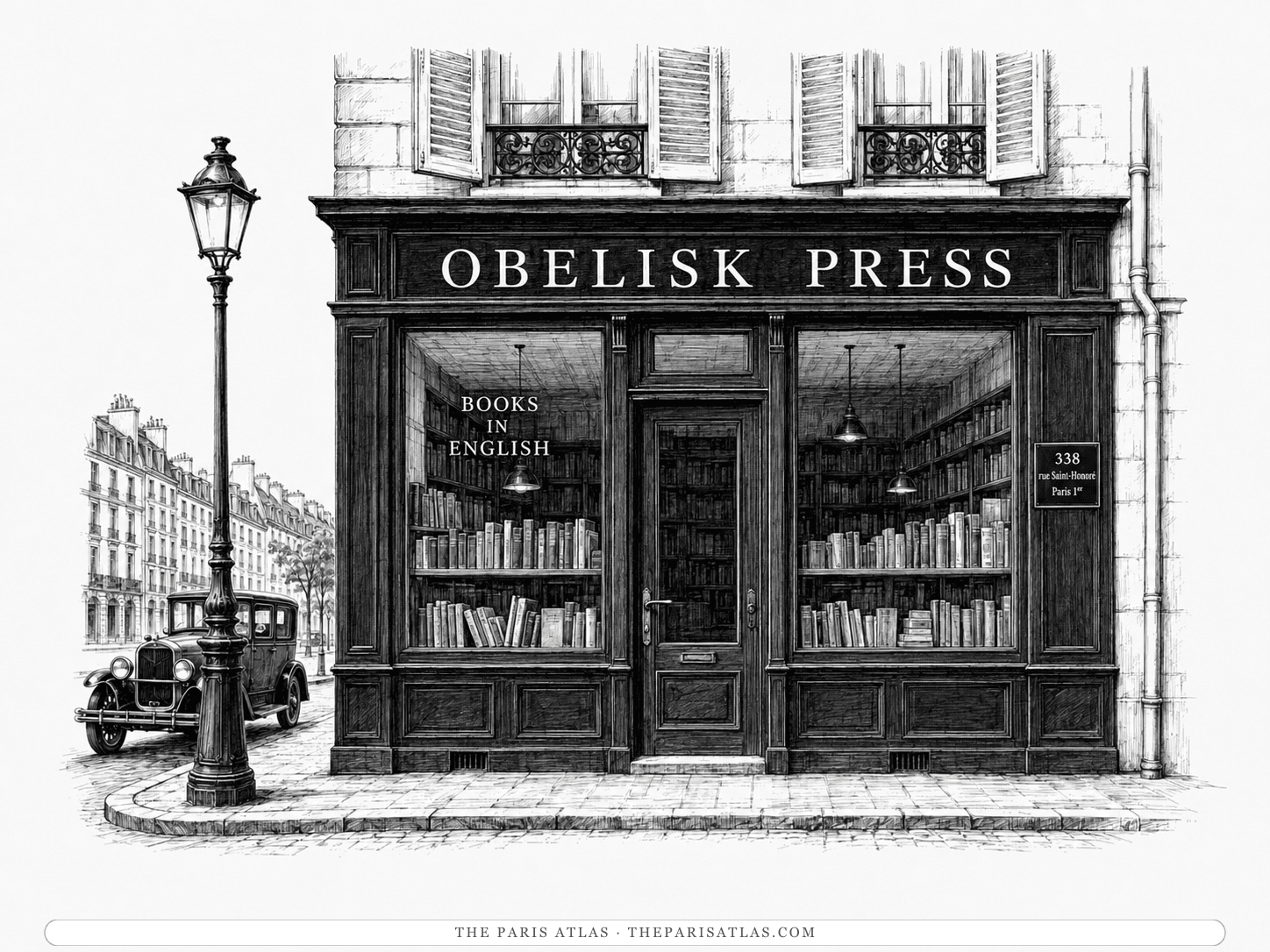
Jack Kahane's English-language press printed the banned books of the 1930s from Paris — Tropic of Cancer first among them — funding the masterpieces with cheerful smut.
Visit the pageNewsletter
Presses, magazines, bookshops, and the writers who haunted them — one story from the Paris ecosystem in every letter.


