
Discusses
The Great Gatsby
Hemingway recounts reading Fitzgerald's novel and recognizing the scale of his talent, setting that judgment against the personal and financial pressures he believed obstructed Fitzgerald's work.

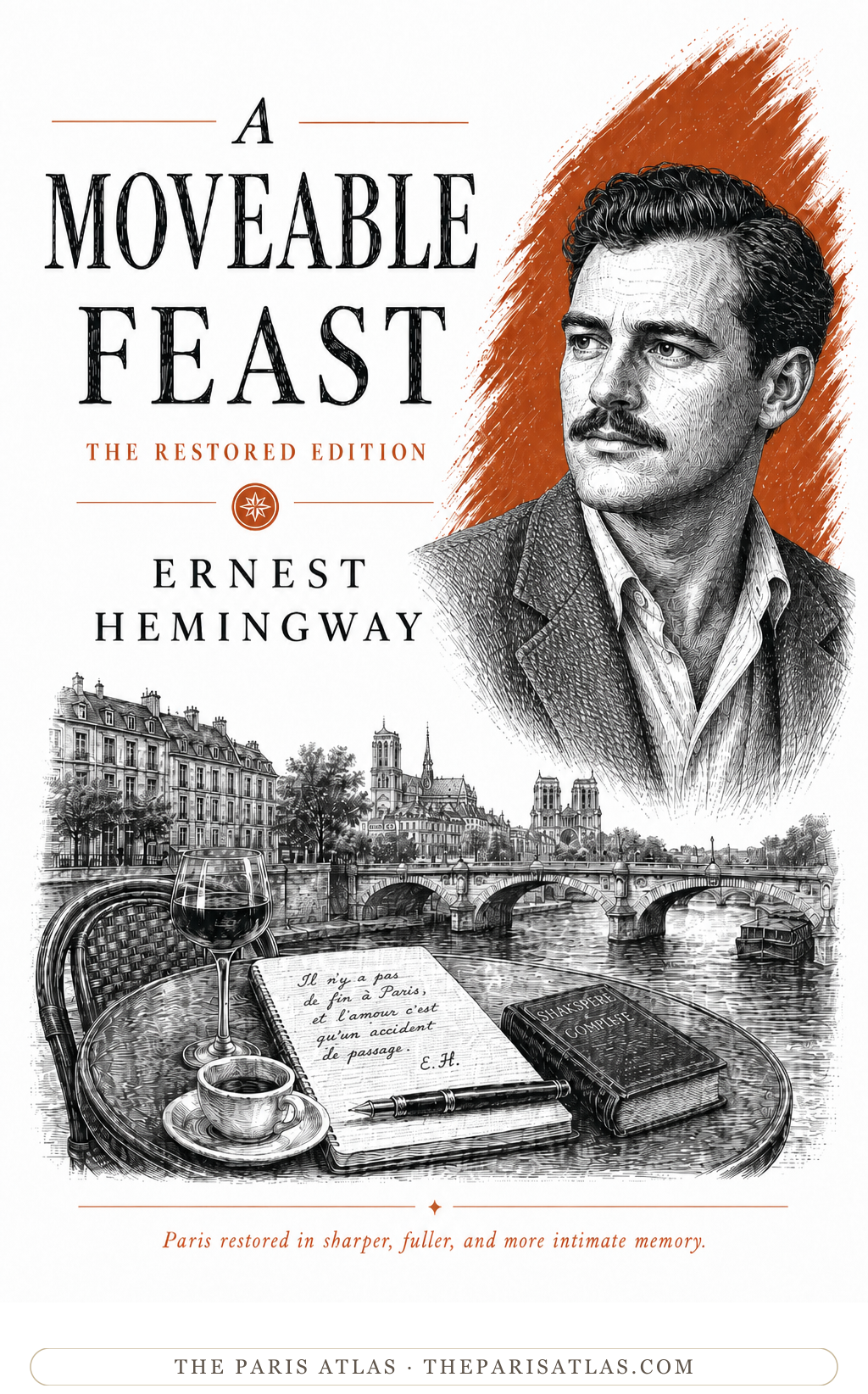
Hemingway's memoir of being young, poor, and absurdly talented in 1920s Paris — the most seductive book ever written about writing.
Written in his last years from notebooks rediscovered in a Ritz Hotel trunk, this is Hemingway's Paris: the flat above the sawmill, writing in cafés on an empty stomach, racetrack schemes, skiing winters, and indelible — often merciless — portraits of Gertrude Stein, Ezra Pound, Sylvia Beach's bookshop, and above all the Fitzgeralds. It is a memoir of apprenticeship, a settling of scores, and an elegy for a first marriage, all disguised as sketches.
The book began, as Hemingway told it, with two small trunks he had left in the basement of the Ritz in 1928 and recovered in 1956 — notebooks and papers from the Paris years, waiting three decades. Whatever the truth of the trunks (biographers argue), he began writing the Paris sketches in 1957, in Cuba and Ketchum, a sick and depressed man in his late fifties reconstructing the mornings when he was twenty-two, poor, and certain.[1]
He worked on it until nearly the end, and did not live to publish it. Mary Hemingway, his fourth wife, edited the sketches after his death in 1961, chose an order, and published the book in 1964; the title came from a remark A. E. Hotchner said Hemingway had made to him — that Paris, if you were lucky enough to have lived there young, stays with you, a moveable feast. The prose is late-Hemingway at its cleanest; the score-settling — Stein, Ford, poor Scott — is the sharpest of his career, aimed at people who could no longer answer.[1]
In 2009 his grandson Seán published a 'Restored Edition' reordering the chapters and softening the treatment of Pauline, the second wife, setting off a genuine argument about which text is the real book. Either way, its influence won out: this memoir created the popular image of 1920s Paris — the garret, the cafés, the hunger that was good discipline — and it is still the book most visitors read before looking for Hemingway's old addresses in the Latin Quarter.[1]
Twenty sketches of being young, married, poor, and working in Paris between 1921 and 1926. Hemingway writes in the cafés because the flat is cold, teaches himself to stop when the writing is going well, and studies everyone: Gertrude Stein instructing from beneath the Cézannes, Sylvia Beach lending books and money from Shakespeare and Company, Ezra Pound being generous, Ford Madox Ford being insufferable, and — in the three chapters that tower over the rest — F. Scott Fitzgerald being brilliant, fragile, and impossible, beginning with a hypochondriac road trip to Lyon that is the funniest thing Hemingway ever wrote.[1]
Around the portraits runs the marriage: Hadley and the racetracks, the winters skiing at Schruns, the shared poverty the book insists was happiness. The reader senses early that a loss is coming — the memoir names it only in the final chapter. Every address in it is a real one, and most of them still stand.[1]
The last chapter, 'There Is Never Any End to Paris,' names the loss. The Hemingways' happiest place — the winter village of Schruns in the Austrian mountains — is discovered by the rich, led in by a figure the memoir calls the pilot fish; and among the new friends comes an unmarried young woman who attaches herself to the household and, using what the book calls the oldest trick there is, sets out to marry its husband. She was Pauline Pfeiffer, who became Hemingway's second wife in 1927, though the memoir never names her. The book ends with the marriage's end and the old man's verdict on his young self: remorse, tenderness for Hadley — the wish that he had died before ever loving anyone else — and the closing insistence that this is how Paris was in the early days, when they were very poor and very happy.
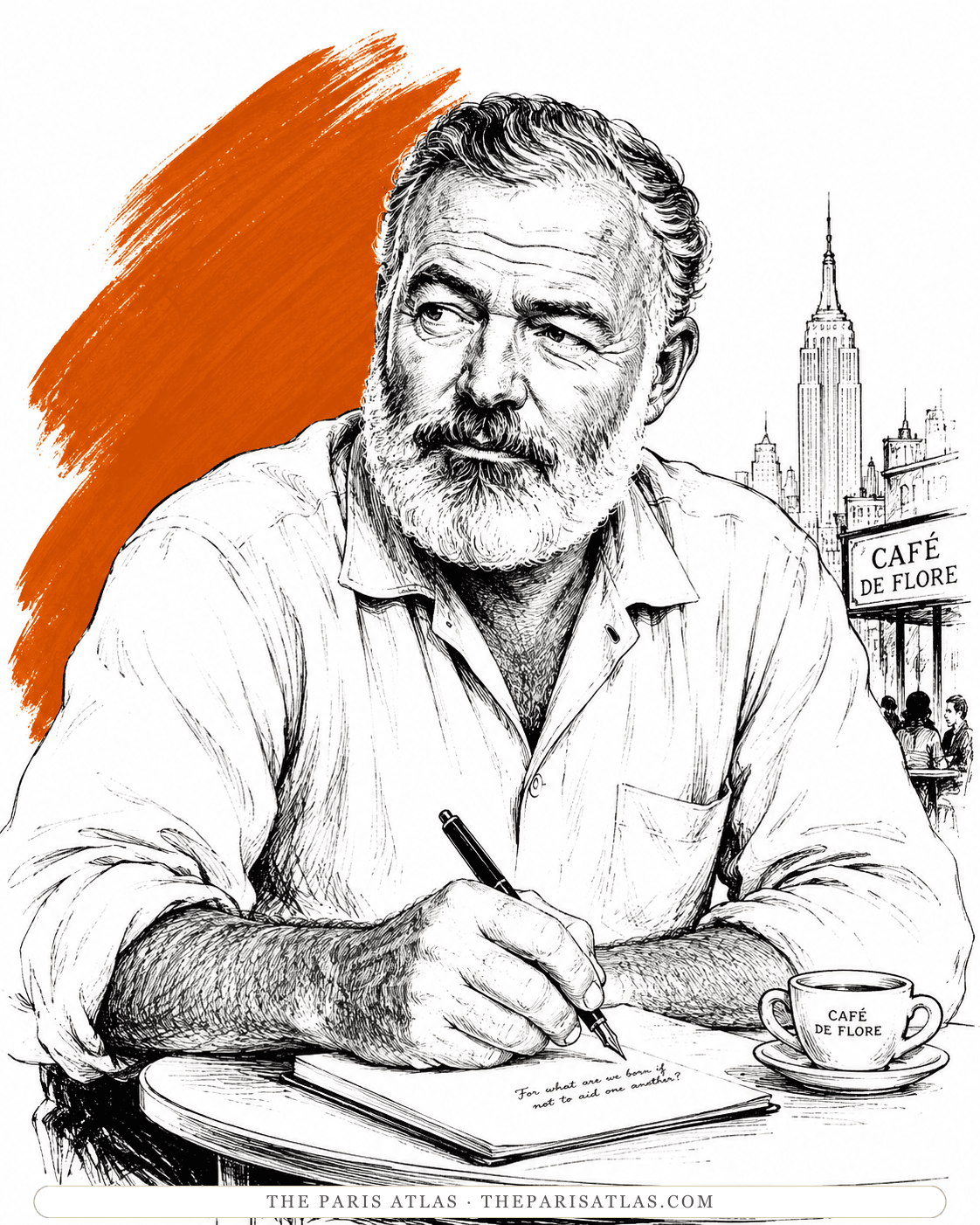
The illustration combines settings that the memoir separates: its welcoming café is warm, while the instruction to write one true sentence belongs to the rented workroom in the following chapter. Both scenes show concentration being made, not simply possessed. In the café, a stranger briefly attracts the narrator's attention before the story absorbs him so completely that he misses her departure. The confidence with which he claims Paris gives way to his dependence on the notebook. Writing transforms what he notices, but it also means losing contact with the life continuing around him.
Sylvia Beach offers more than access to books: she lets a stranger belong before he can prove that he will pay. The young narrator repeatedly returns to the deposit, while her responses keep turning the encounter toward reading and companionship. That difference makes his embarrassment visible without making her generosity a spectacle. At home, the borrowed books enter the couple's plans for walking, eating and travelling. Literature becomes part of an ordinary shared future. The final retrospective comment about their luck quietly unsettles the confidence with which they imagine it.
If you are lucky enough to have lived in Paris as a young man, then wherever you go for the rest of your life, it stays with you, for Paris is a moveable feast.
All you have to do is write one true sentence. Write the truest sentence that you know.
There is never any ending to Paris and the memory of each person who has lived in it differs from that of any other.
Discusses
Hemingway recounts reading Fitzgerald's novel and recognizing the scale of his talent, setting that judgment against the personal and financial pressures he believed obstructed Fitzgerald's work.

Discusses
Hemingway identifies Three Lives as the published Stein book readers could obtain when he first knew her, within his account of her conversation, instruction, and experiments with repetition.

Discusses
The memoir treats Joyce's novel as a central fact of Sylvia Beach's bookstore and as one of the standards against which the young writers around Shakespeare and Company measured themselves.
Every address is real, most still stand, and the walking route from the rue du Cardinal Lemoine to the Closerie des Lilas has been a literary pilgrimage for sixty years because of this book.
'Write one true sentence' — the working habits, the rules, the discipline of stopping while it's going well. Half the writing advice in circulation is this book, diluted.
The knife-work on Stein and Fitzgerald gets the attention, but the book's real subject is the marriage and the poverty he was happiest in — and threw away. The last chapter is as sad as anything he wrote.
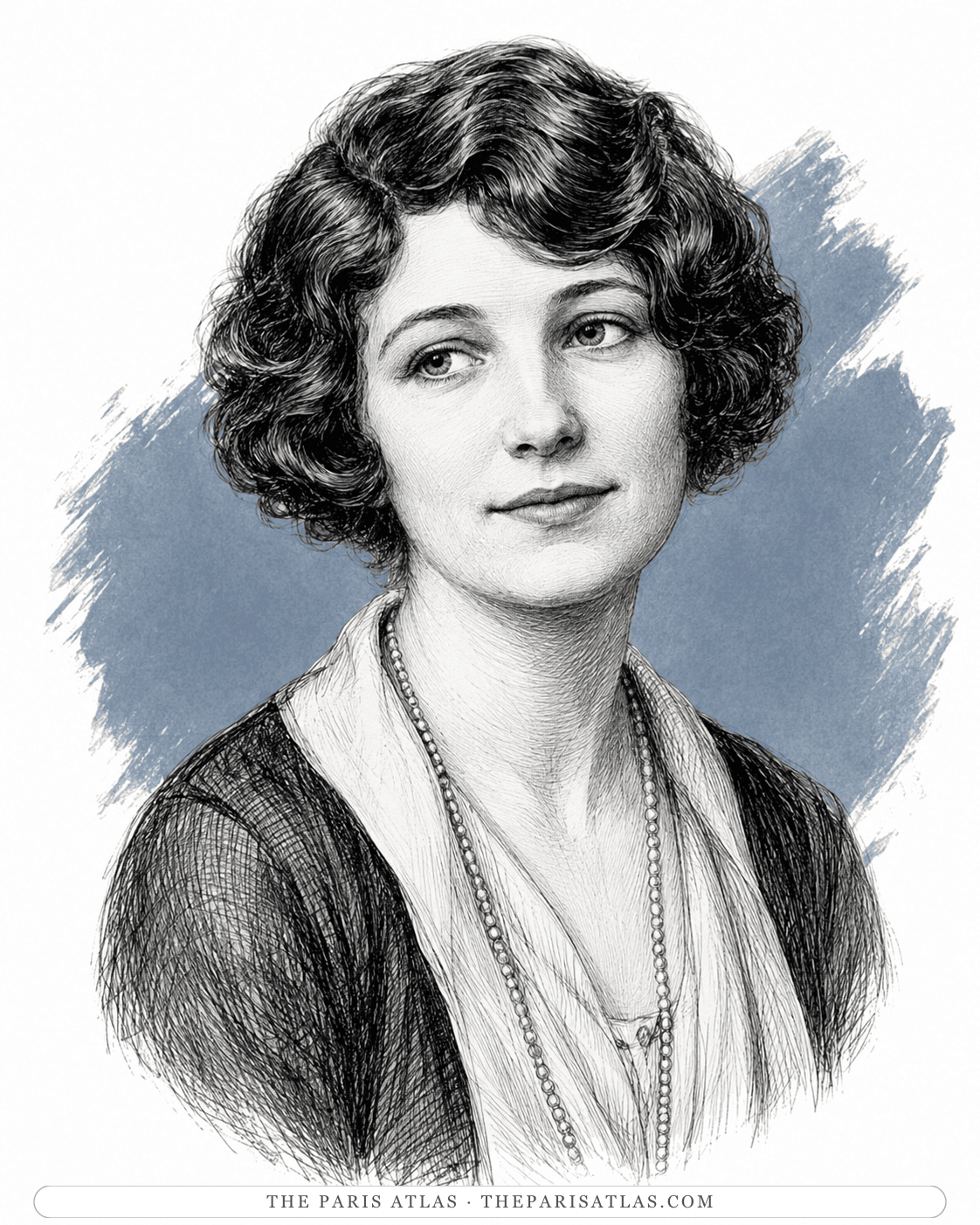
Hemingway's first wife and the book's 'we' — the racetrack picnics, the winters at Schruns, and the last chapter's regret are hers.
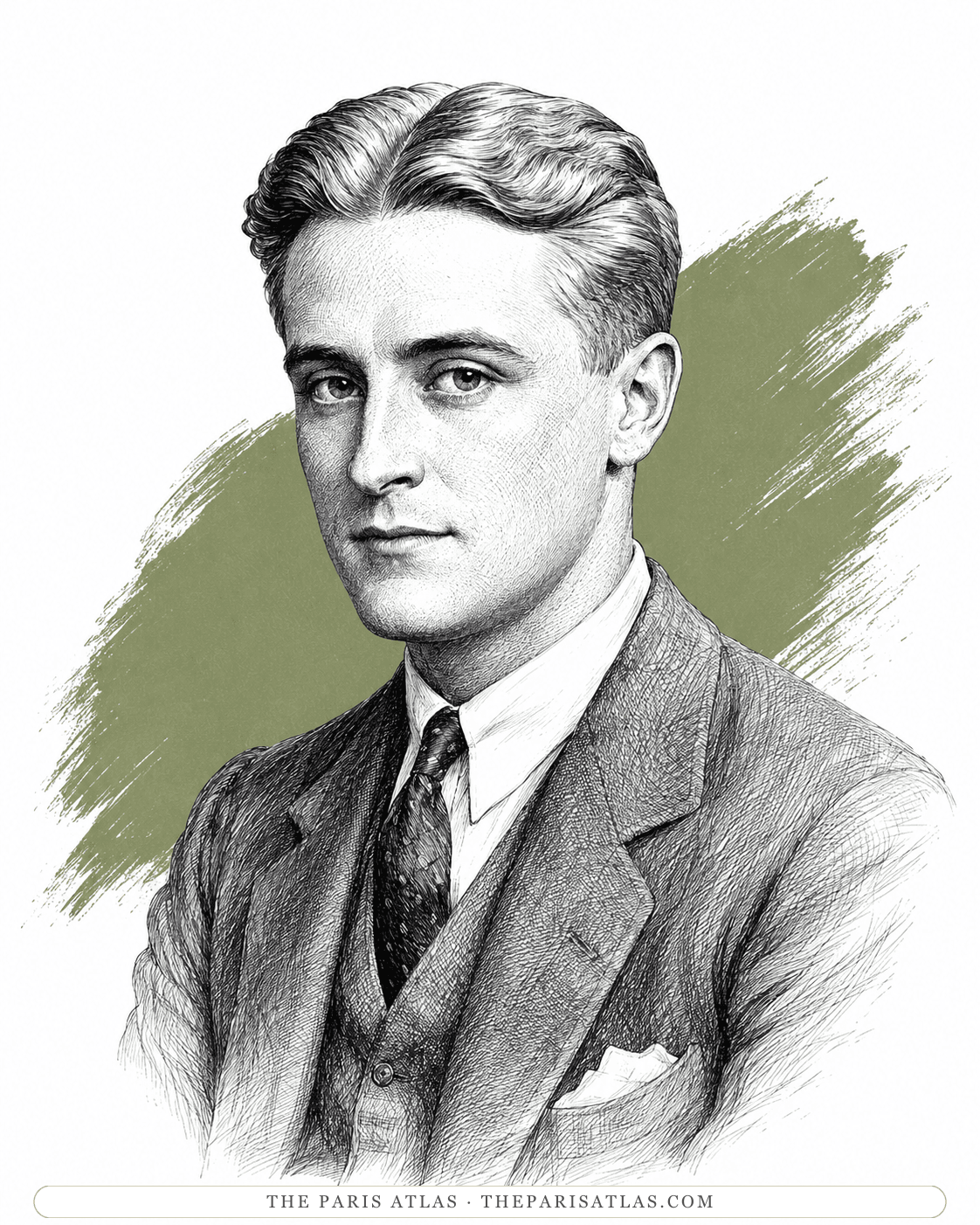
The subject of three chapters, beginning with a rain-soaked drive up from Lyon and ending with a question about measurements settled at the Louvre.
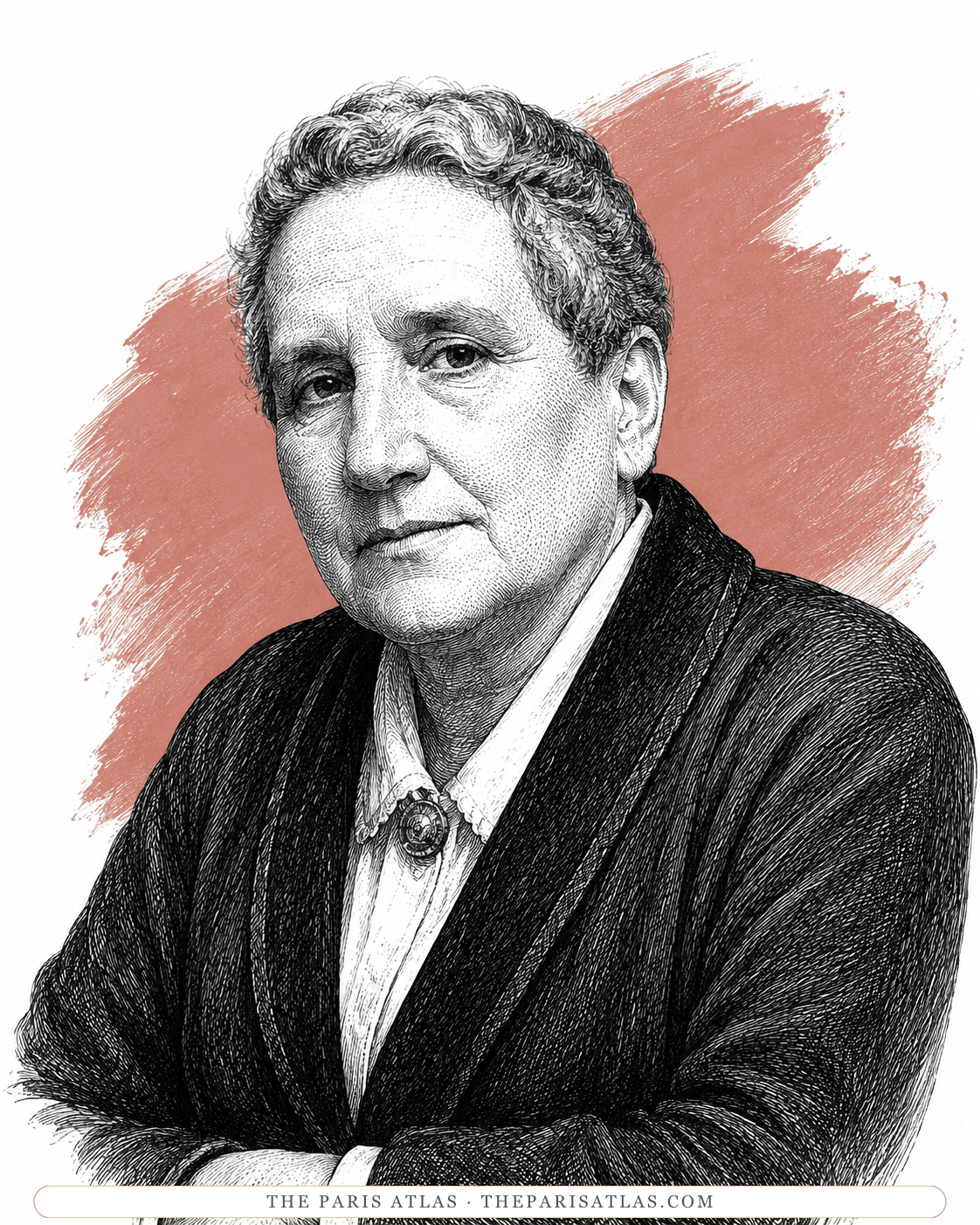
Hostess of 27 rue de Fleurus, where he was instructed on writing, painting, and much else — and the relay for the epigraph's 'lost generation.'
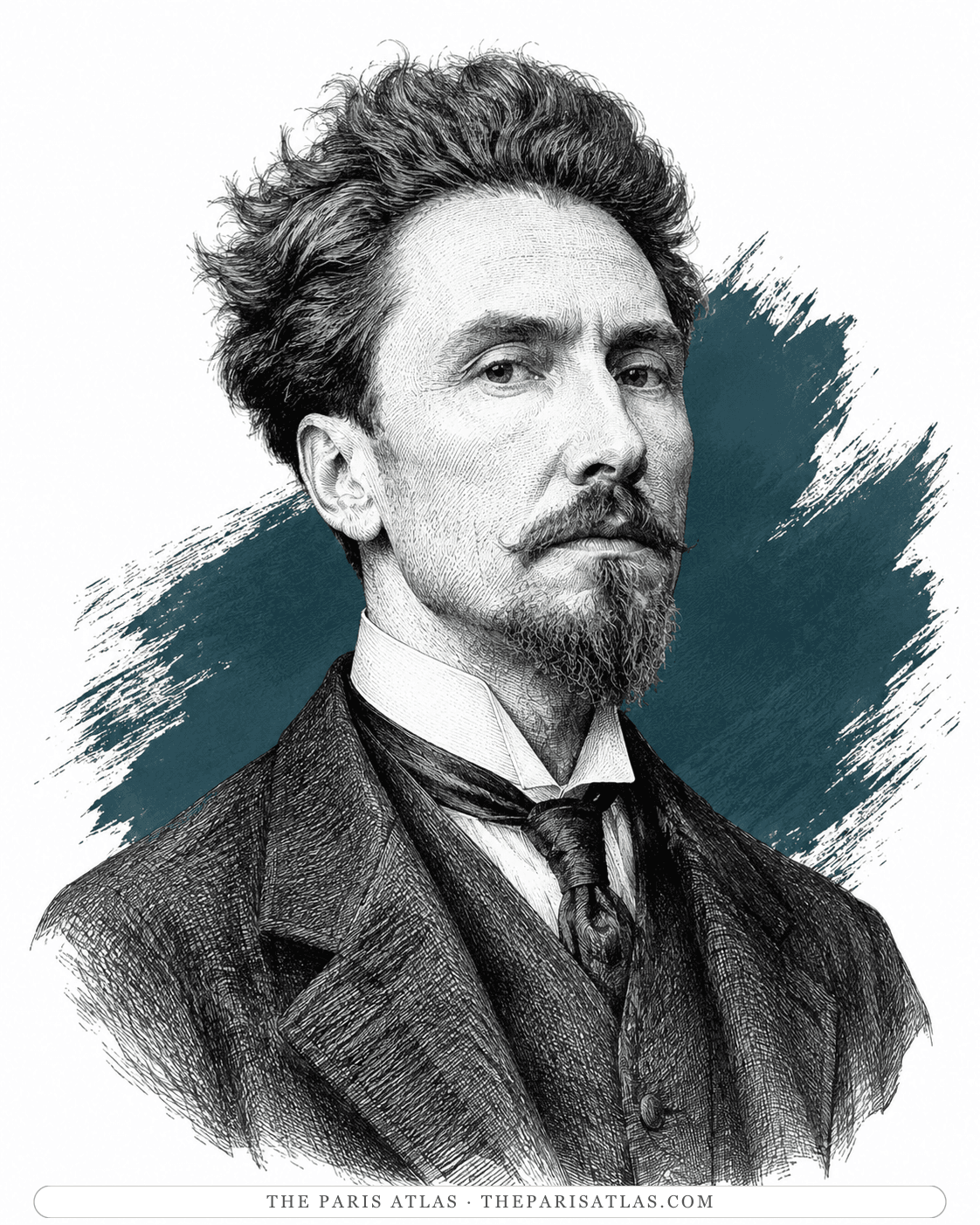
The most generous writer in the book — founder of Bel Esprit, the subscription fund meant to free T. S. Eliot from his bank job.
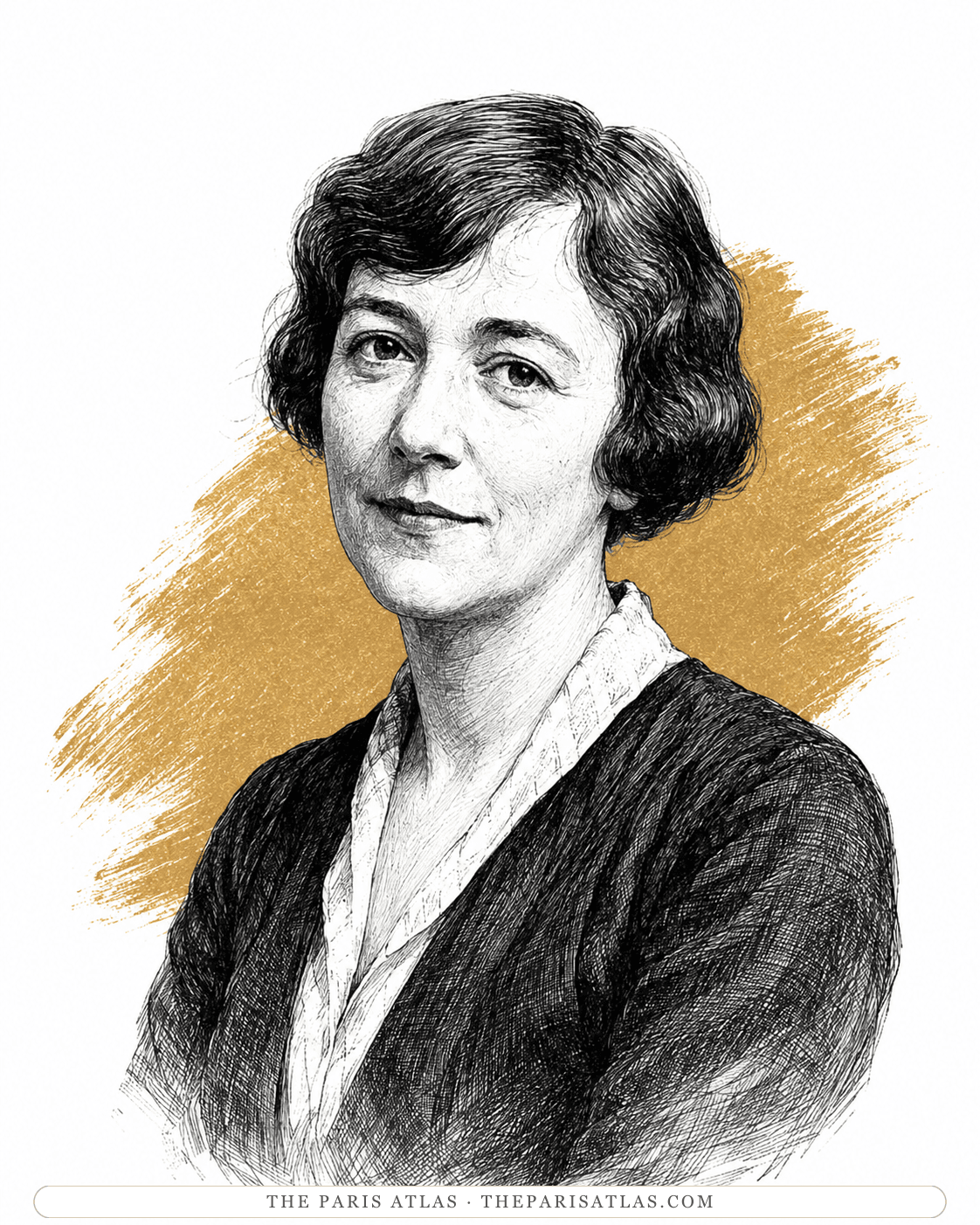
Proprietor of the Shakespeare and Company lending library, who let him borrow books on trust when he couldn't cover the deposit.
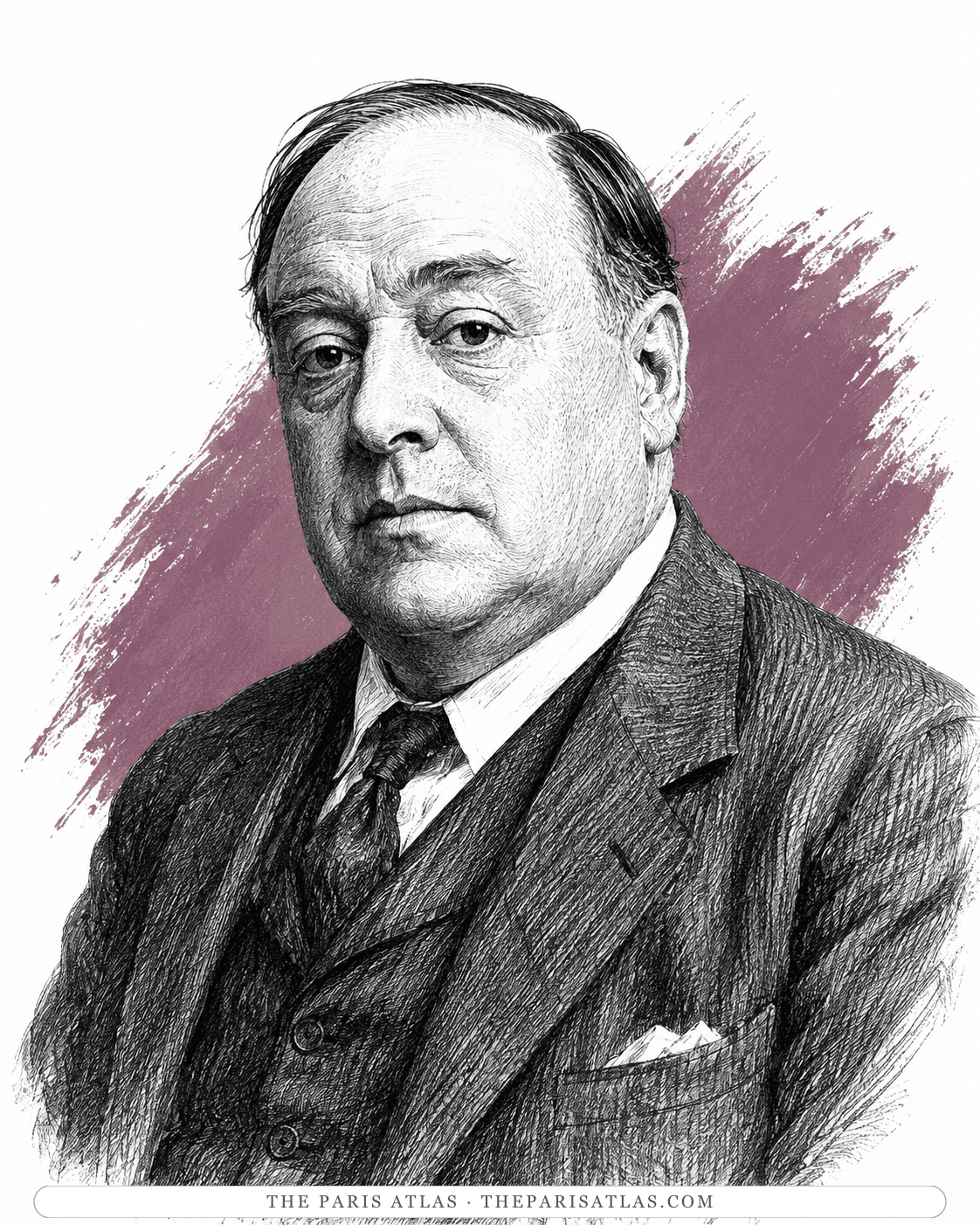
Editor of the transatlantic review, encountered over an evening at the Closerie des Lilas spent 'cutting' the wrong man.
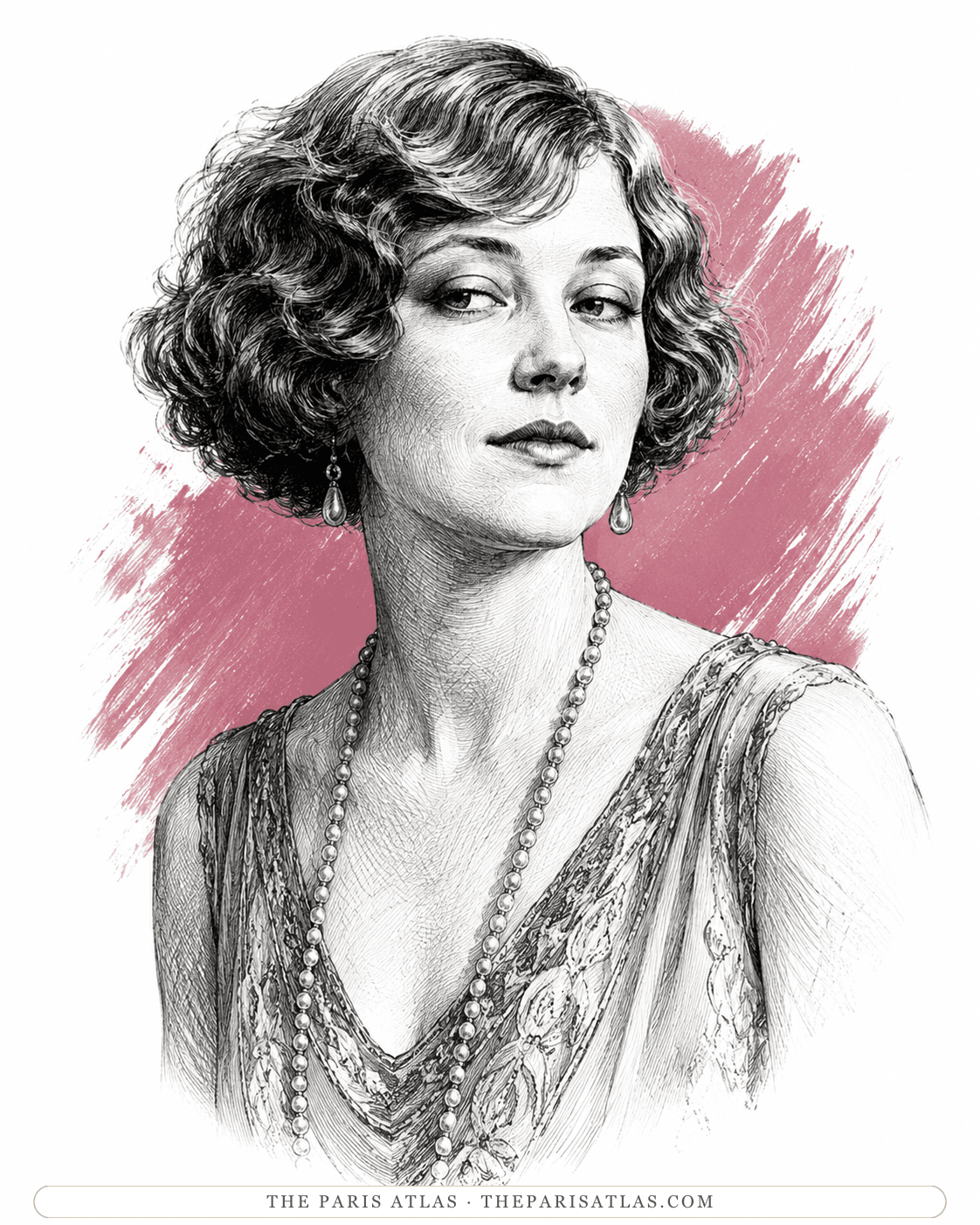
Scott's wife, present at the parties and at the center of 'Hawks Do Not Share' — the memoir's most disputed portrait.
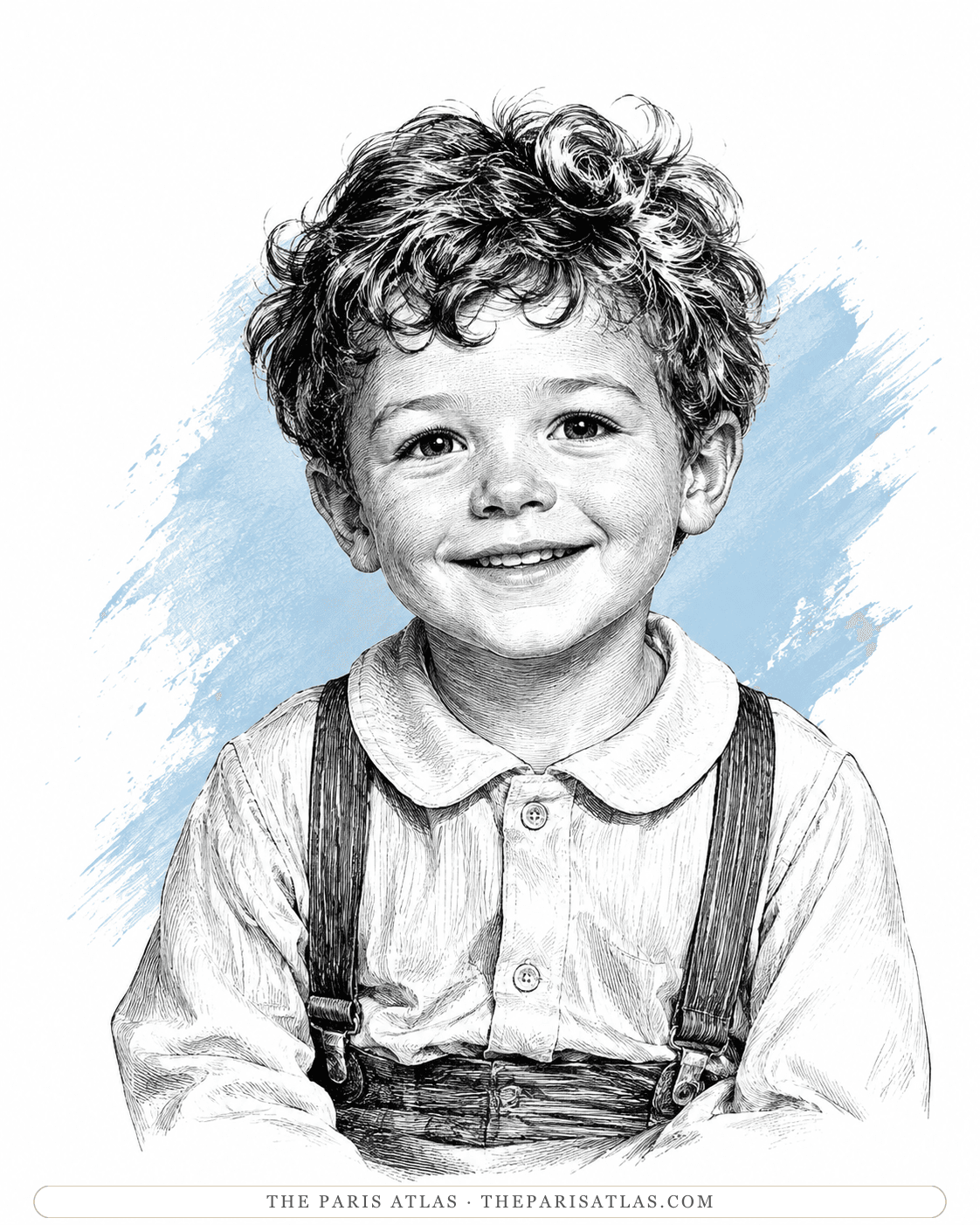
John Hemingway, the baby of the book — happy in his tall cage bed under the watch of F. Puss, the big cat who served as babysitter.
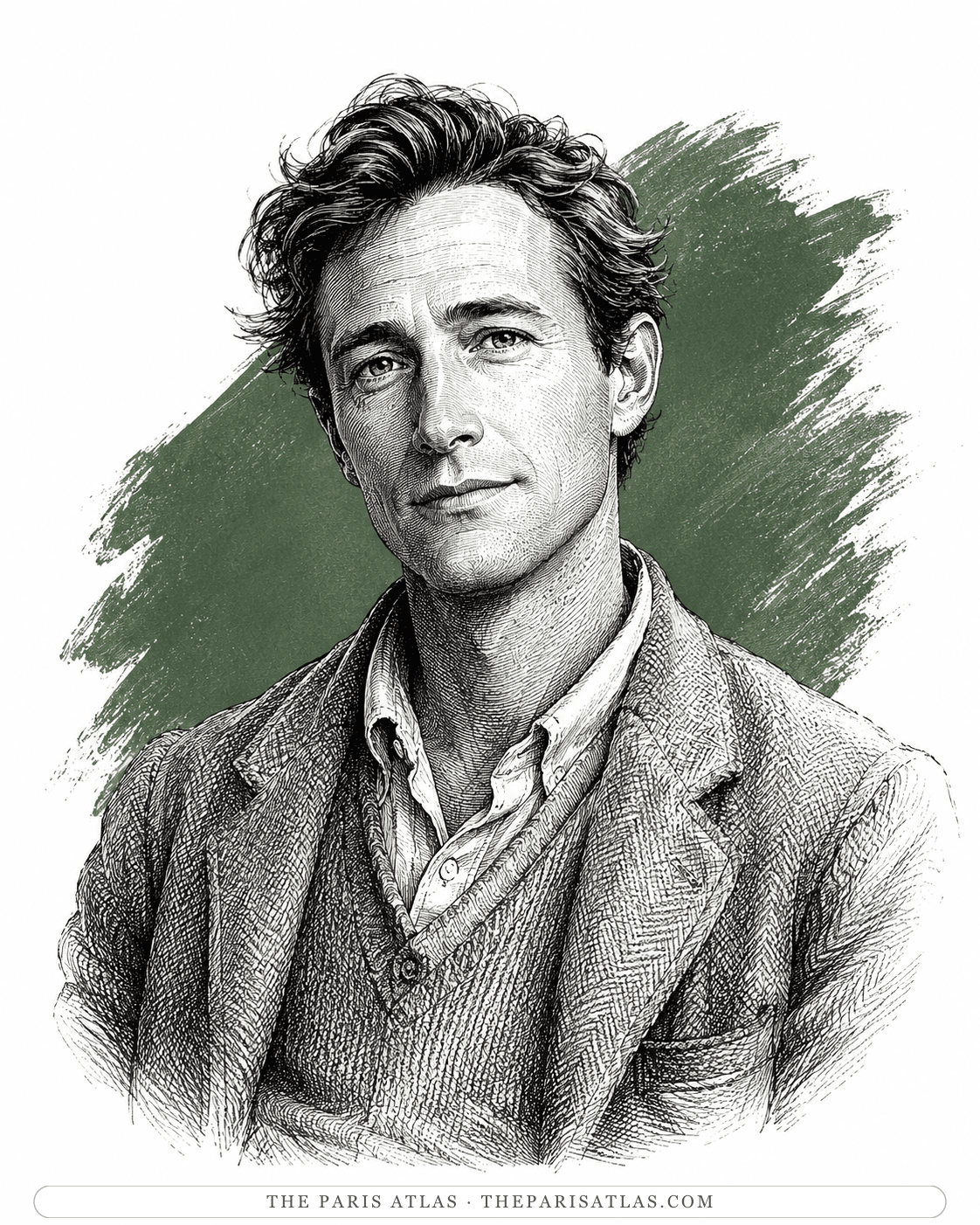
Poet, racetrack scholar, and the gentlest presence in the book — his chapter is an afternoon of beer with the old waiters at the Lilas.
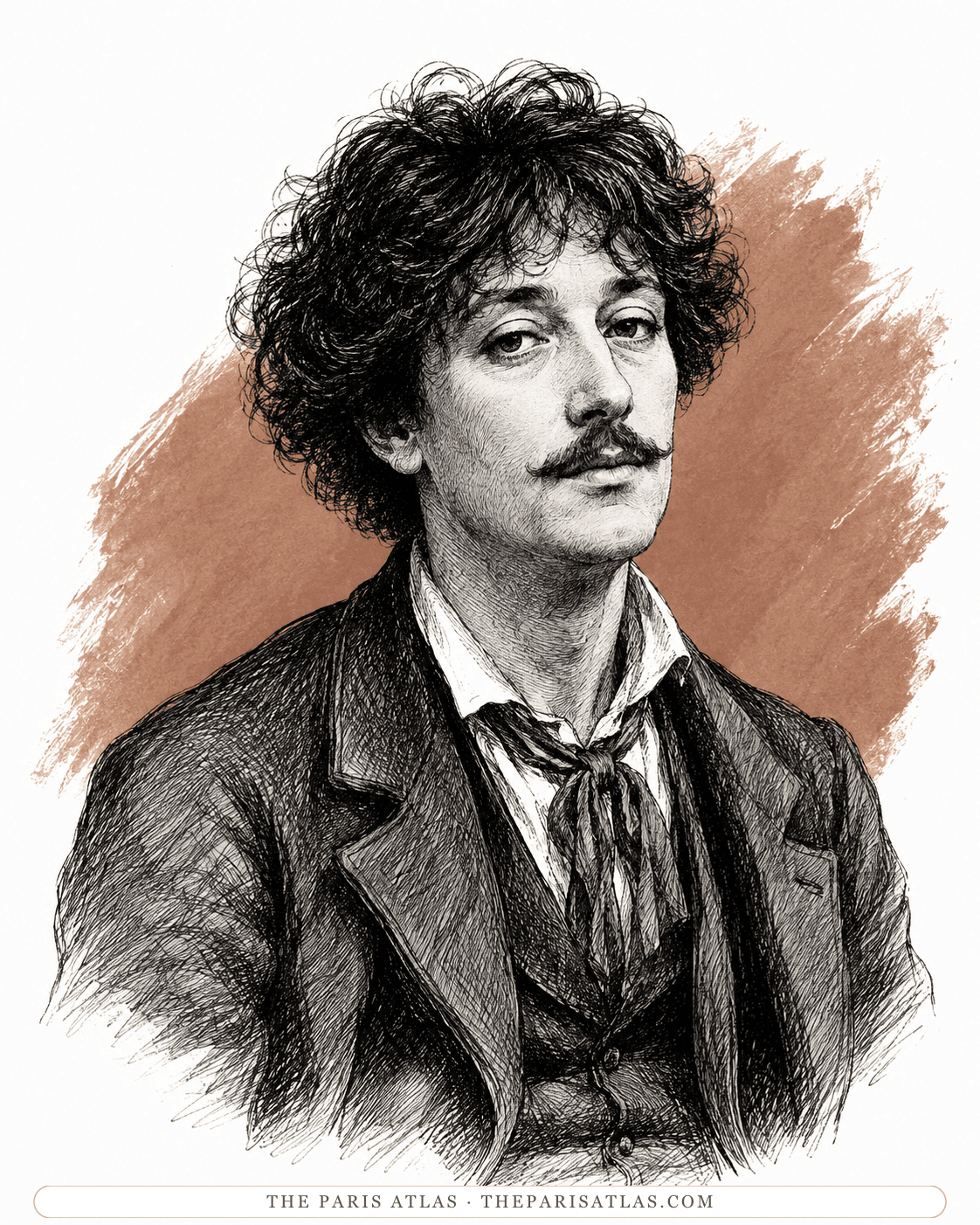
The painter holding court at the Dôme with his two models, on the good evening Hemingway chose to remember him by.
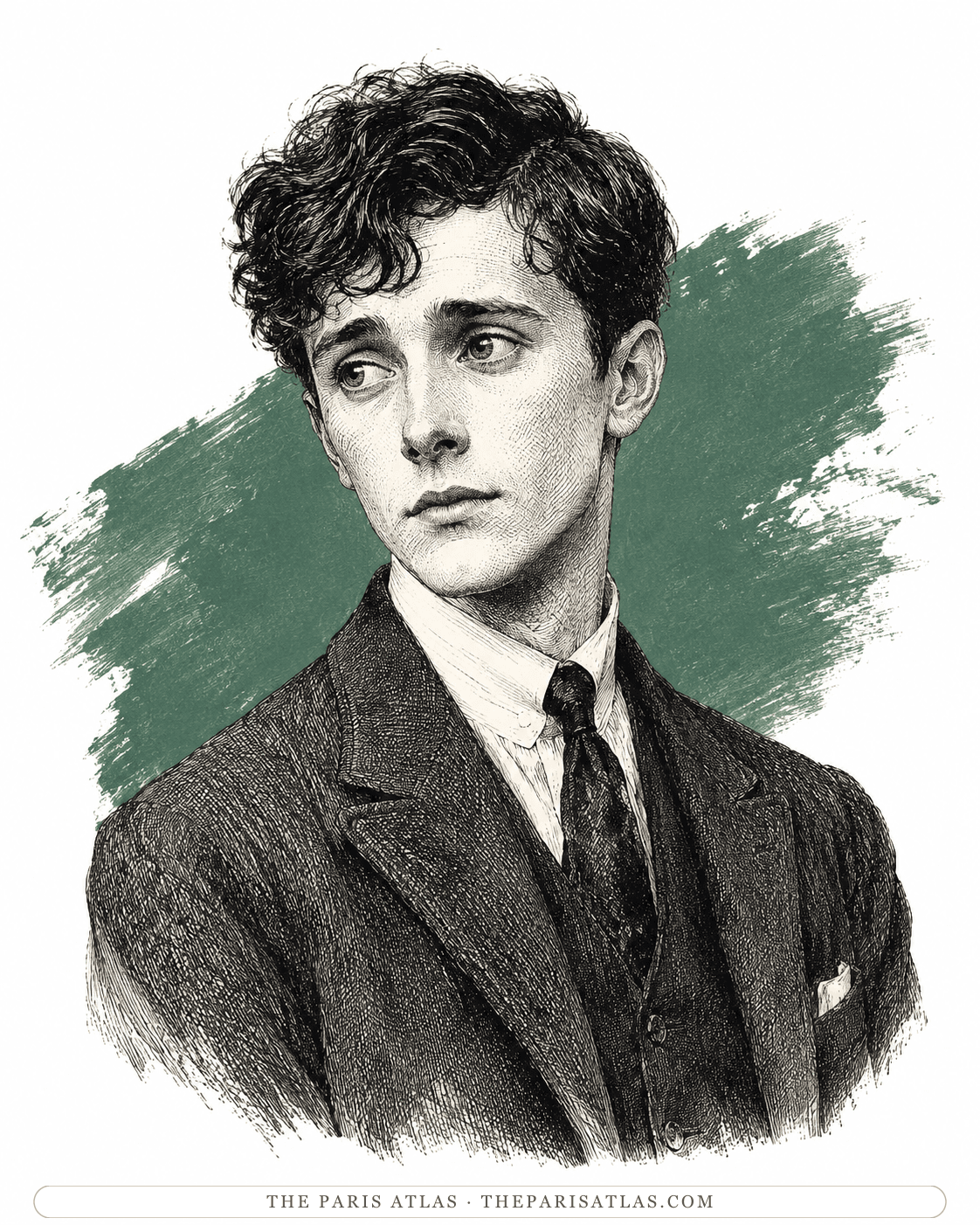
Co-editor of the magazine This Quarter — the young poet of 'The Man Who Was Marked for Death.'
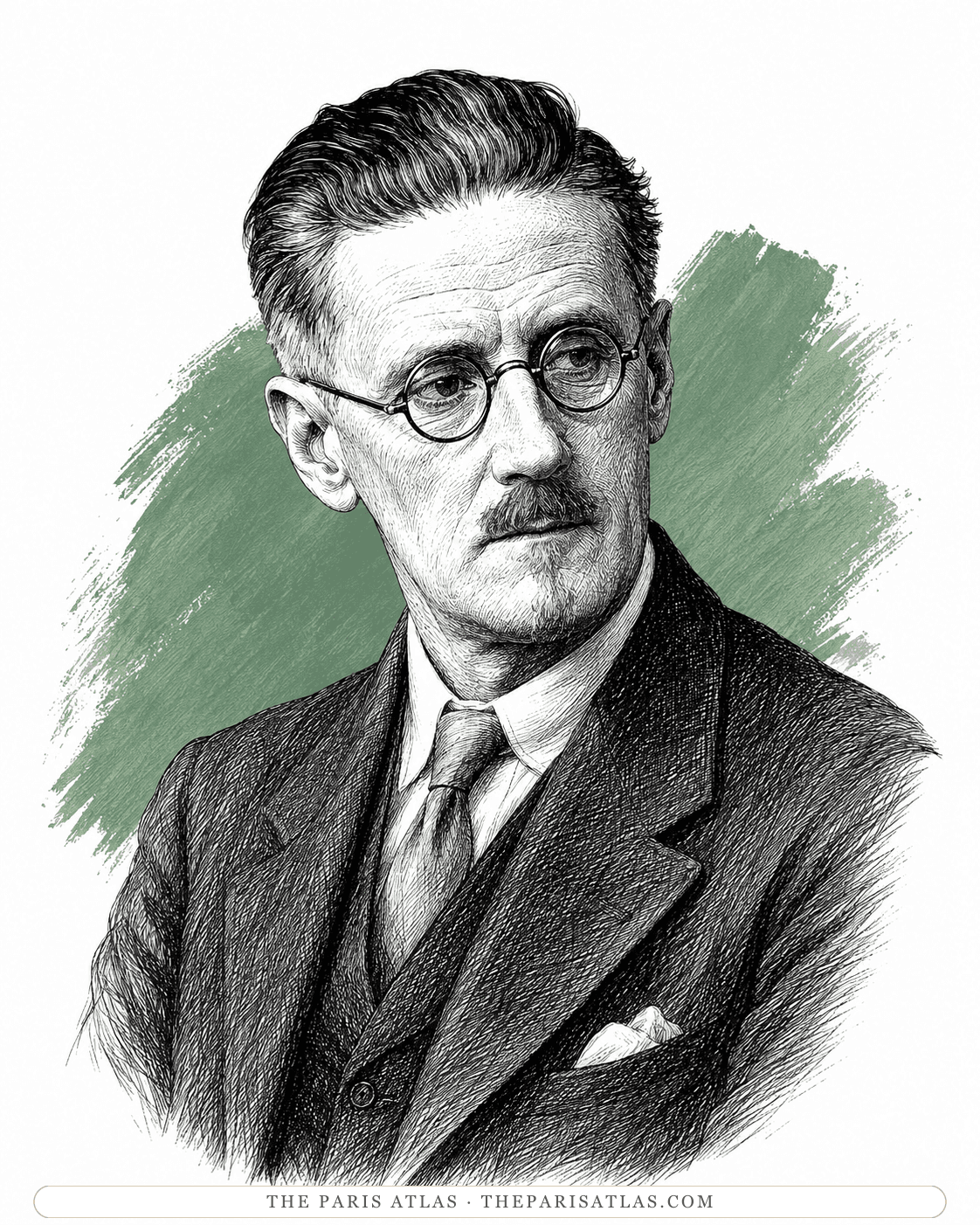
Never a scene partner, only a sighting — glimpsed dining with his family at Michaud's back when the Hemingways couldn't afford to join him.
The flat at 74 rue du Cardinal Lemoine, Stein's salon at 27 rue de Fleurus, Shakespeare and Company's lending library — every address checks out, and most of them you can still stand in front of.
Read the full story in the journalFitzgerald vouched for Hemingway before he'd met him and edited him better than he edited himself. Hemingway outlived him and wrote the eulogy crooked. The friendship, round by round.
Summer reading is a matching problem, not a ranking problem. Our seasonal guide pairs the moderns to the July you're actually having.
The iceberg theory is writing by informed omission: most of the writer’s knowledge stays below the surface, while selected actions and details let the reader feel it.
The Hemingway daiquiri grew from Ernest Hemingway’s real association with El Floridita in Havana, but the name now covers several different drinks.
1956
By Hemingway's account he recovers two trunks of Paris-years notebooks and papers, left in the basement of the Ritz in 1928.
1957
He begins writing the Paris sketches in Cuba and Ketchum, reconstructing the mornings when he was twenty-two and poor.
1961
He dies without publishing the book.
1964
Mary Hemingway edits the sketches, chooses an order, and publishes it; the title comes from a remark Hemingway had made to A. E. Hotchner.
2009
His grandson Seán publishes a “Restored Edition,” reordering chapters and softening the portrait of Pauline — setting off an argument over which text is the real book.



The novel he was writing in these very cafés — fiction and memoir of the same year, best read together.
Read our take
Paris-on-no-money a decade later, from a man who thought Hemingway's poverty was a rich kid's costume.
Read our take
By the 'Ezra' of these pages — the friend who taught him to distrust adjectives.
Read our take
A Paris childhood from the other side of the counter — the city's poor before the expatriates arrived.
Read our takeErnest Hemingway's memoir of his years in 1920s Paris, assembled in his last years and published posthumously in 1964.
Hemingway's apprenticeship: writing in cafés on an empty stomach, the flat above the sawmill, racetrack schemes and skiing winters, and portraits of Gertrude Stein, Ezra Pound, Sylvia Beach's bookshop, and the Fitzgeralds.
In the Paris years of roughly 1921 to 1926, during Hemingway's first marriage, to Hadley Richardson.
It is memoir written three decades later — part elegy, part settling of scores — and several of the people it portrays could no longer answer him. It is best read as literature and argument rather than neutral history.
From a remark of Hemingway's that if you were lucky enough to live in Paris as a young man, it stayed with you wherever you went afterward — "a moveable feast."
Explore authors with a similar voice, perspective, and influence.
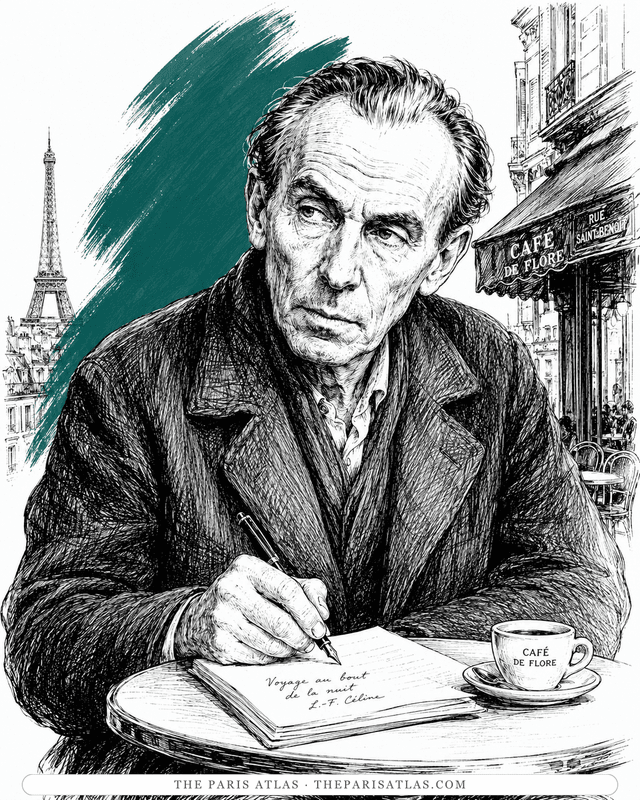
The other great stylist the Great War produced — where Hemingway cut the language down, Céline set it on fire. The same wound, opposite treatments.
View author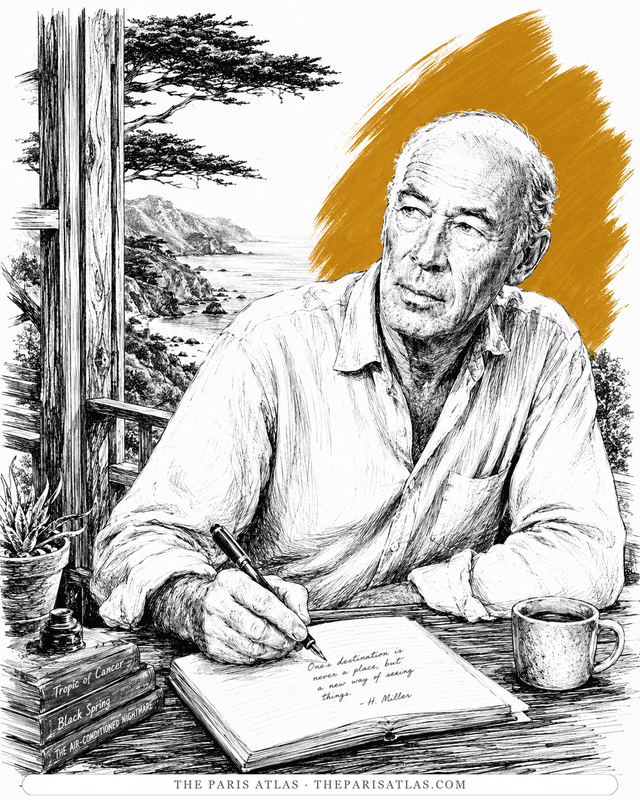
Paris on no money a decade later, with the restraint removed. Miller called Hemingway's Paris a tourist's Paris; readers get to referee.
View author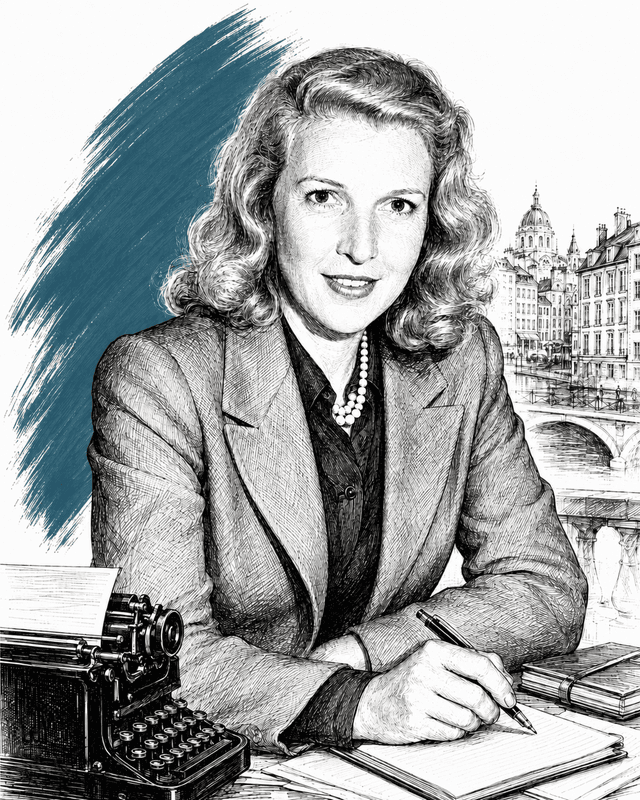
War correspondent who covered the Spanish Civil War, D-Day, and conflicts across five more decades; Hemingway's third wife, 1940–1945.
View author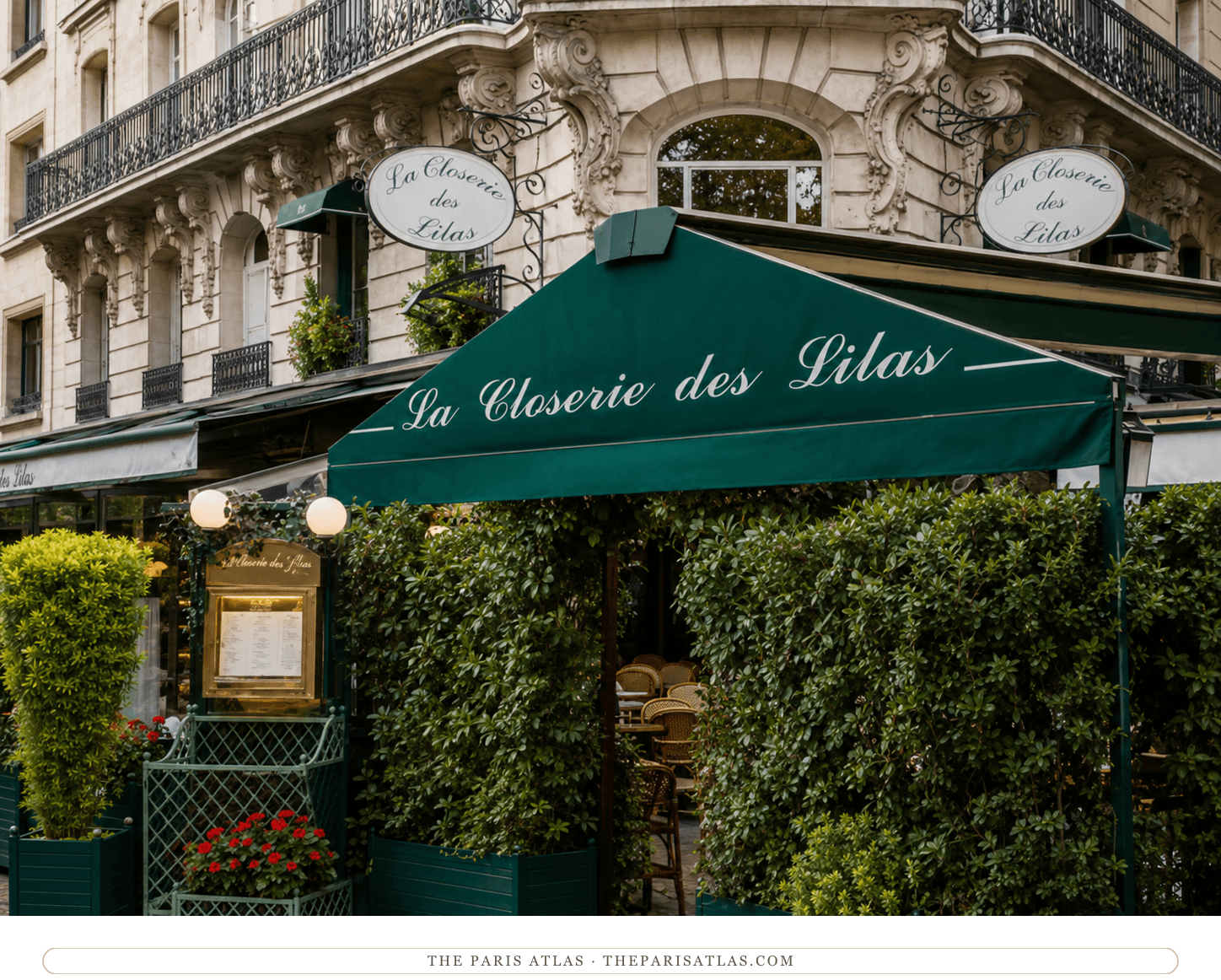
Recalled
Hemingway's favorite writing spot, where he drafted much of The Sun Also Rises. Quieter than the other cafes, which was the point.
Visit the place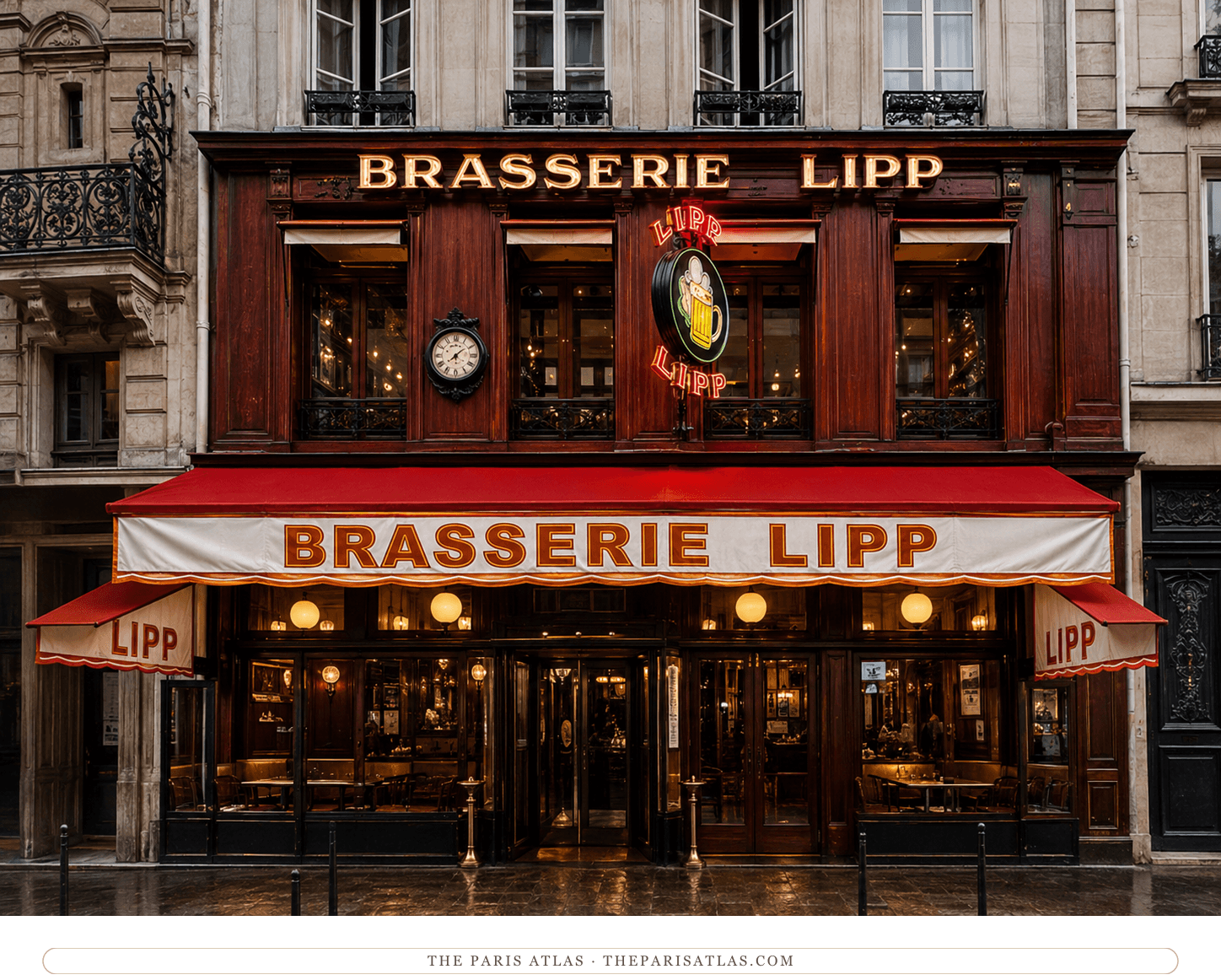
Recalled
Beer, potato salad, and choucroute after a day's work. Hemingway considered it one of the best places in Paris.
Visit the place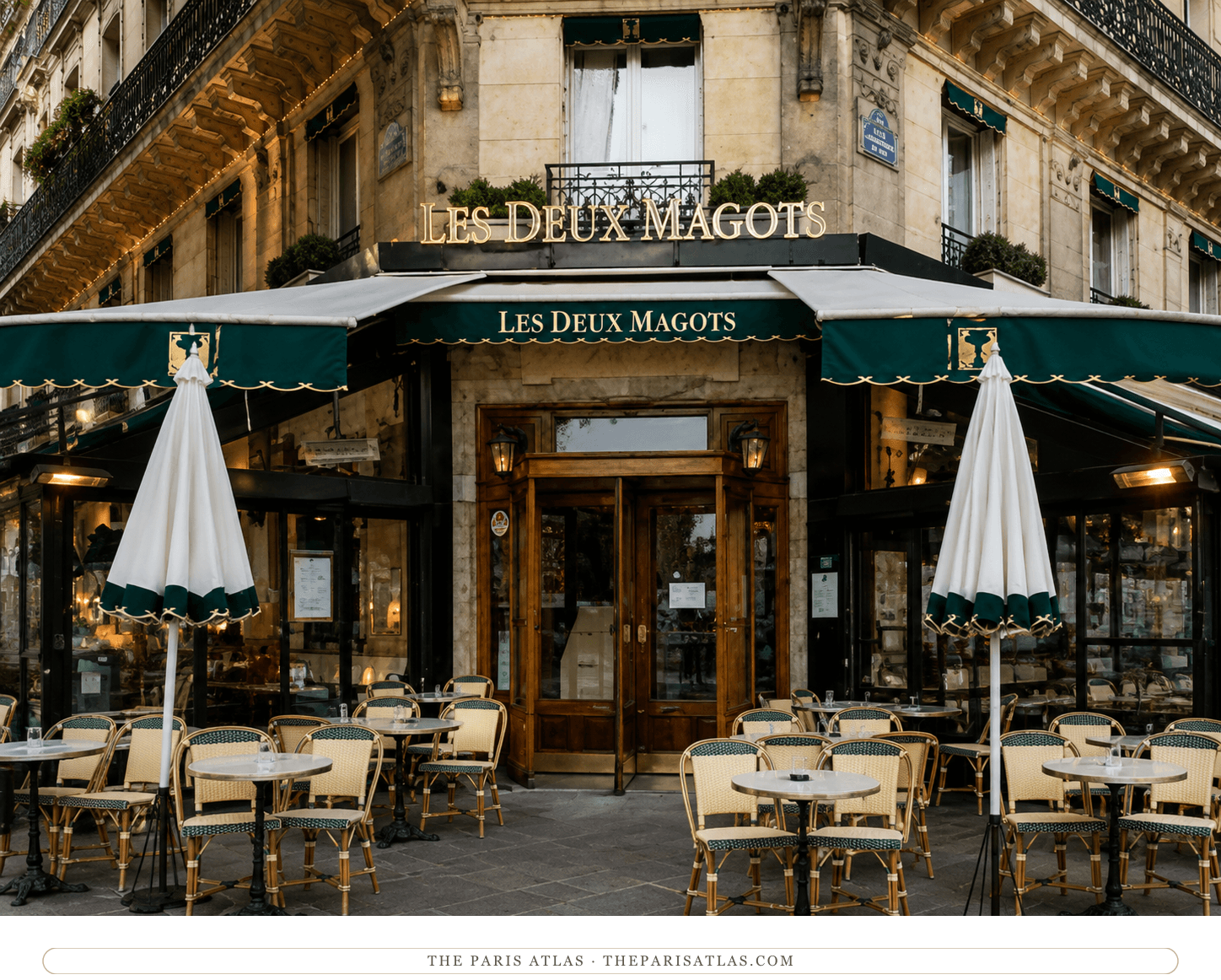
Recalled
The famous literary terrace where the expat crowd gathered. Hemingway came here, though he preferred La Closerie for actual work.
Visit the place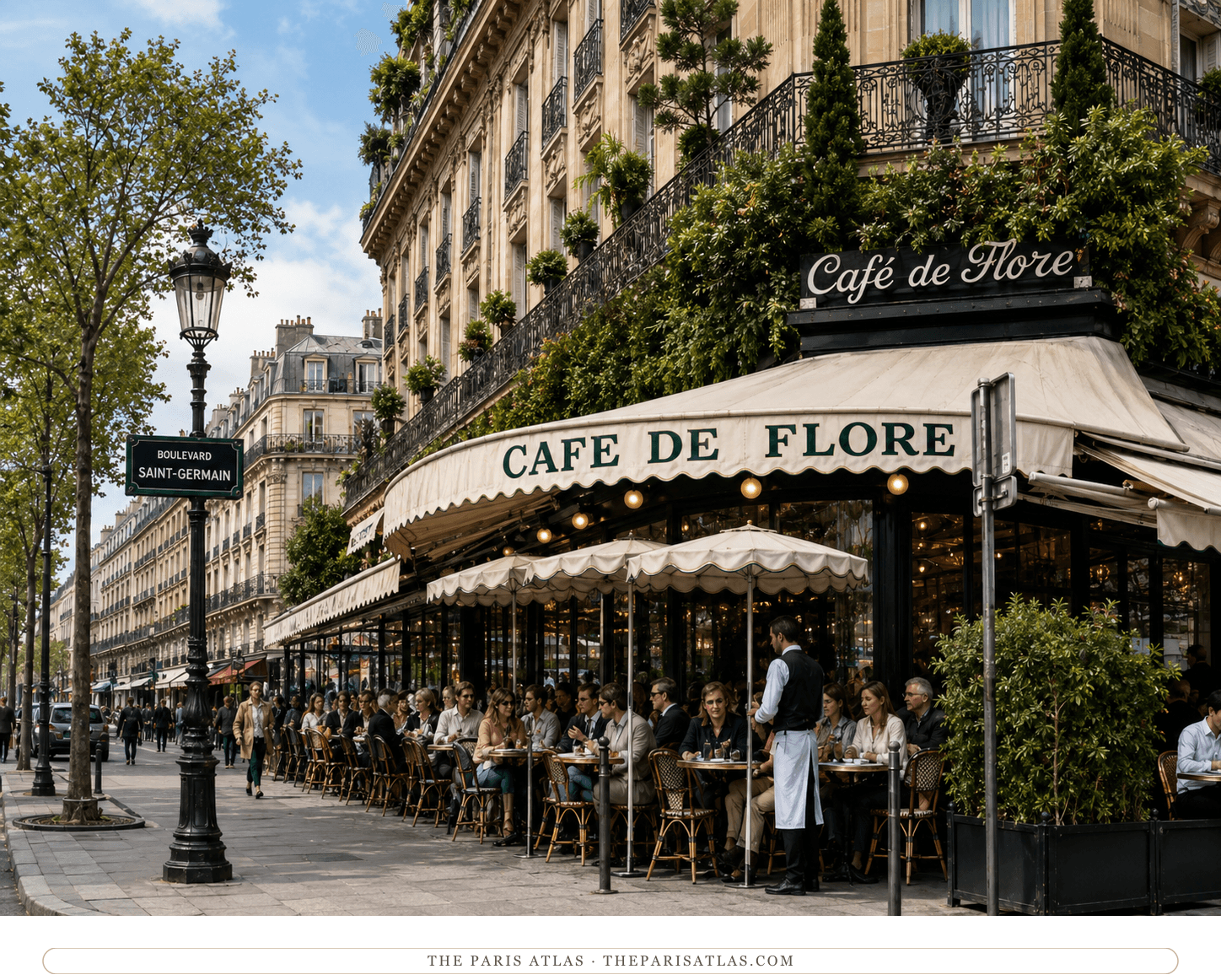
Recalled
A few doors from Les Deux Magots and part of the same Left Bank circuit. Later became more associated with Sartre and de Beauvoir.
Visit the place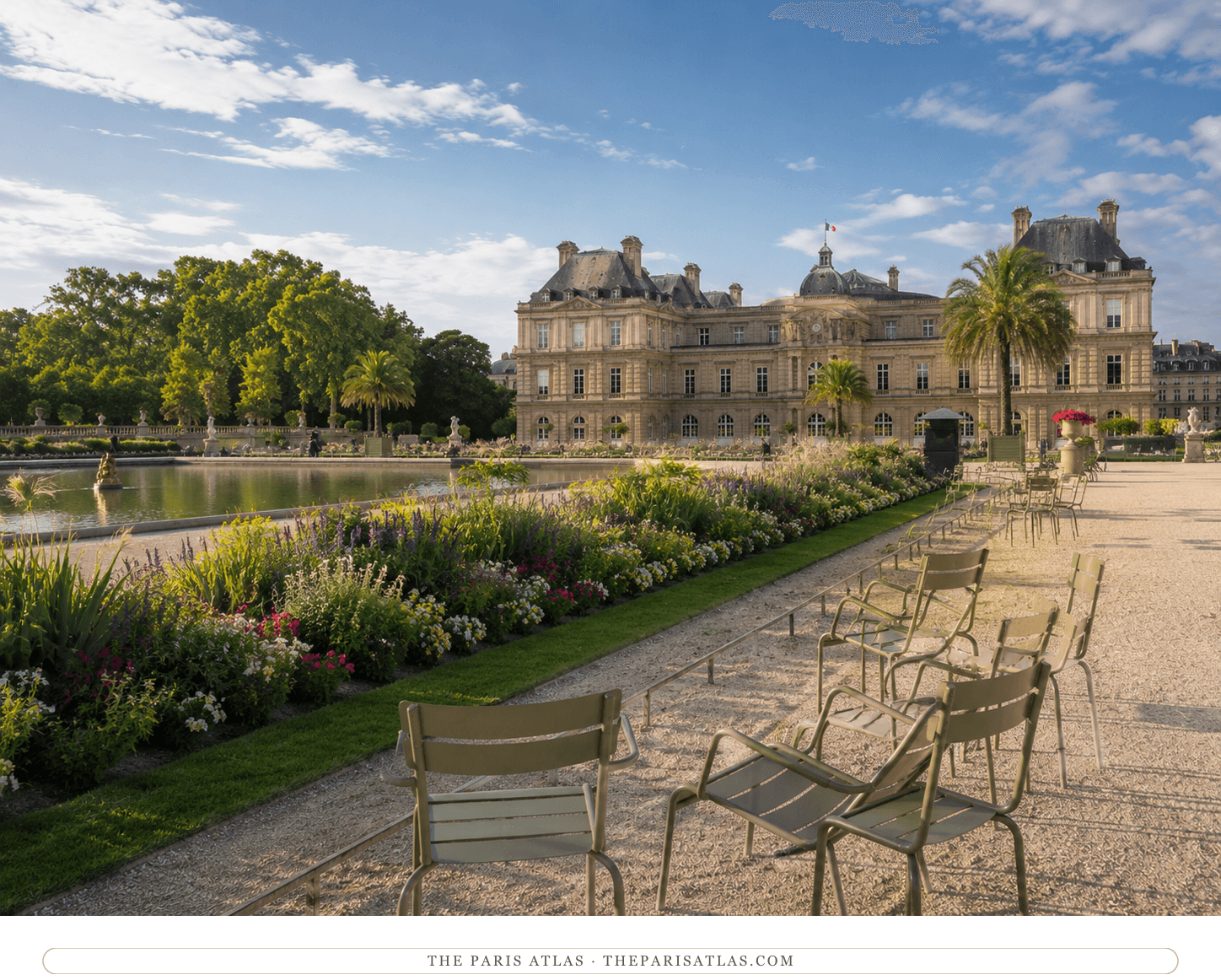
Recalled
His daily walking route and hungry-day refuge — the gardens where he studied the Cézannes on an empty stomach and learned to see like one.
Visit the place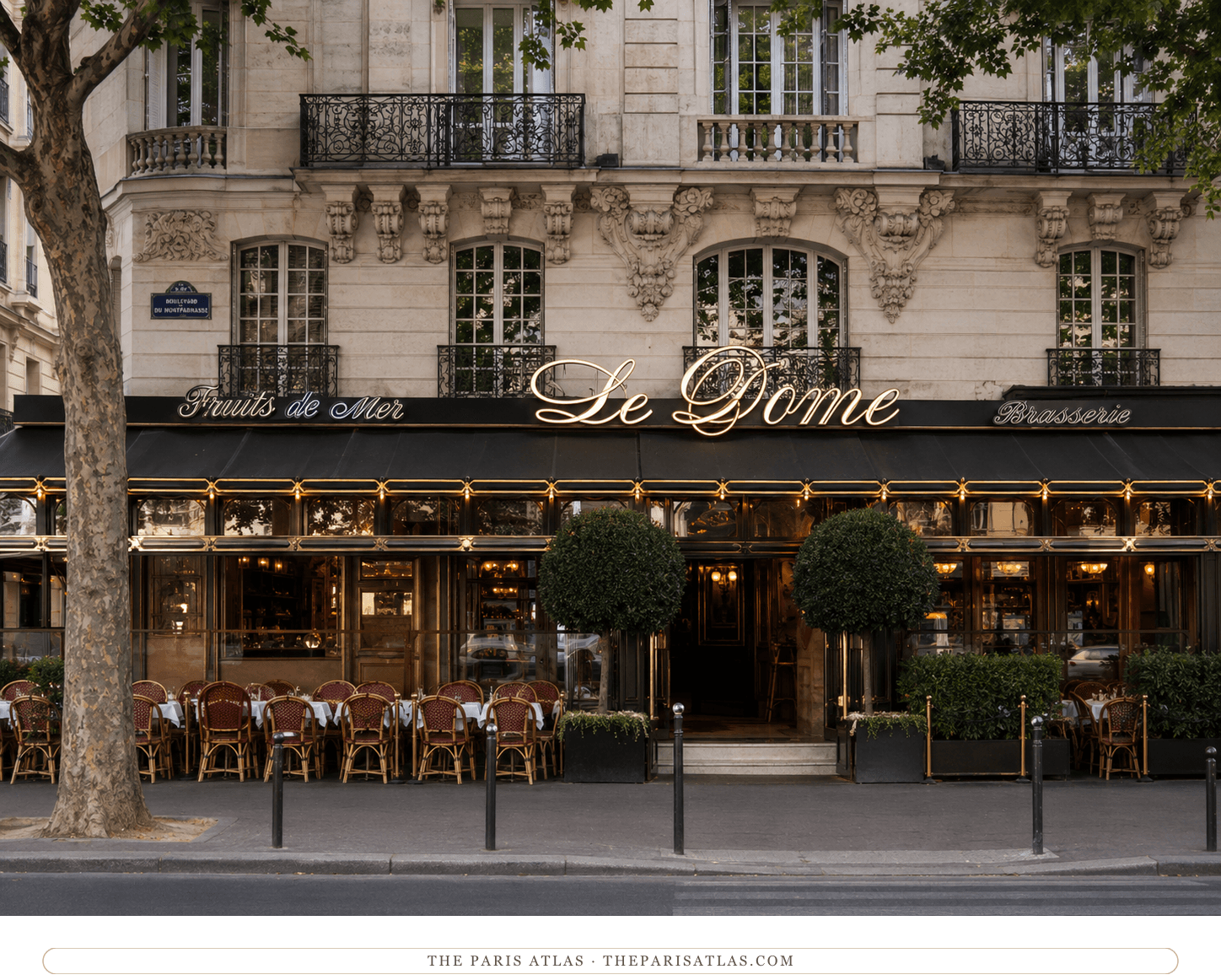
Recalled
The noisy heart of Montparnasse café life and the setting of 'With Pascin at the Dôme.' Visually iconic — neon sign, corner terrace — and still open.
Visit the place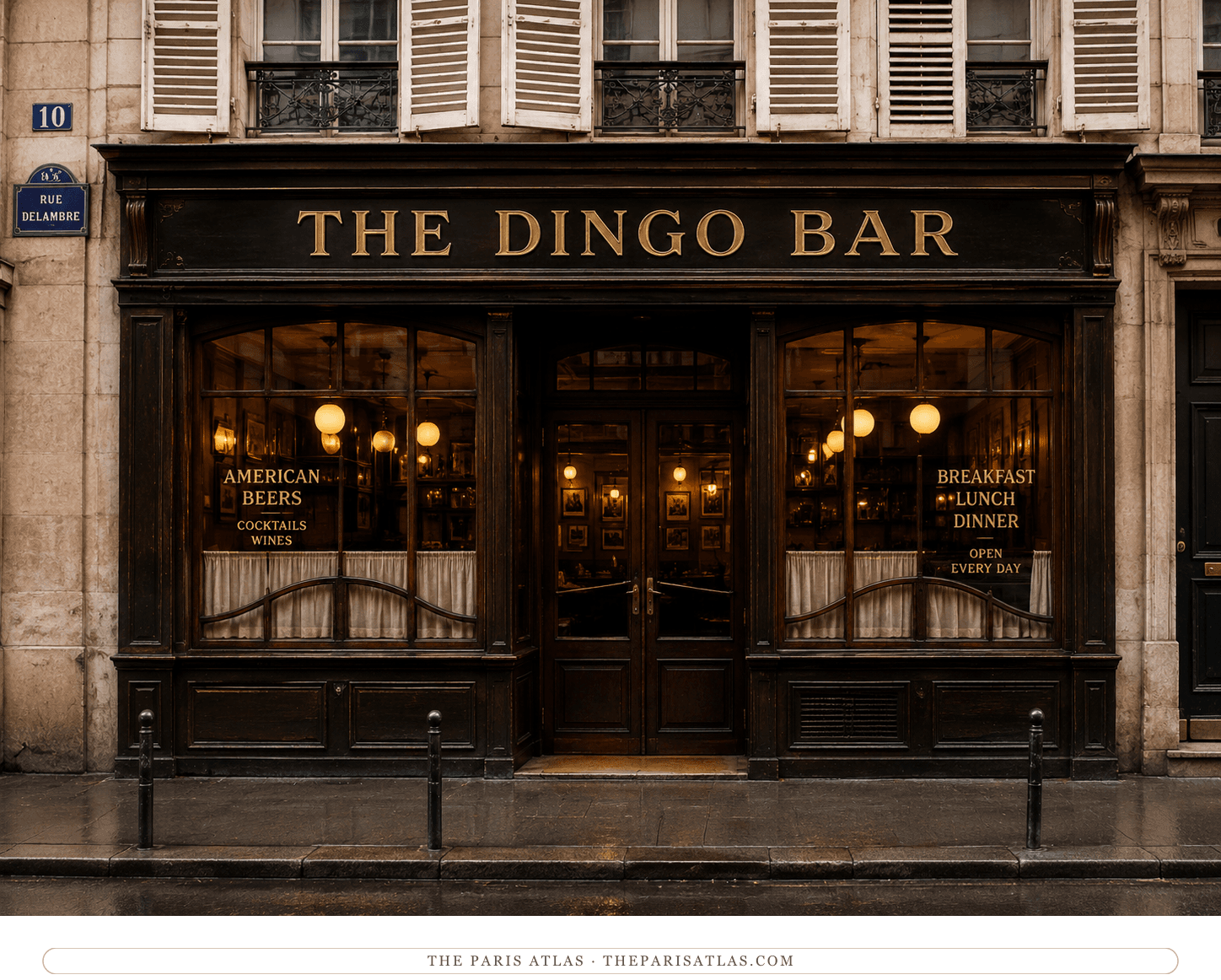
Recalled
Where Hemingway met F. Scott Fitzgerald for the first time in April 1925 — two weeks after Gatsby was published. The friendship — and its comedy — starts here.
Visit the place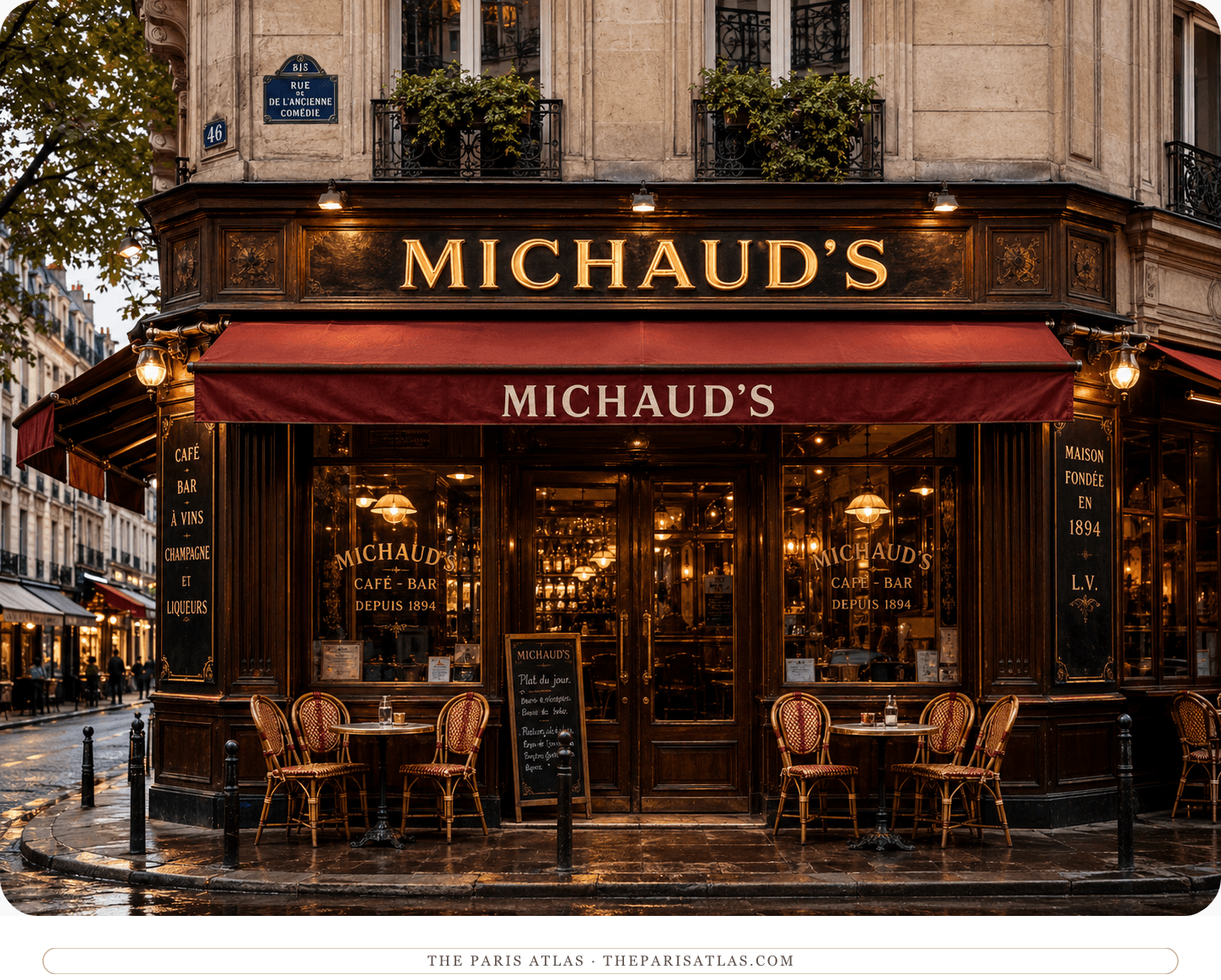
Recalled
The restaurant where the Hemingways watched the Joyce family dine when they couldn't afford to, and the scene of the infamous “A Matter of Measurements” lunch with Fitzgerald.
Visit the place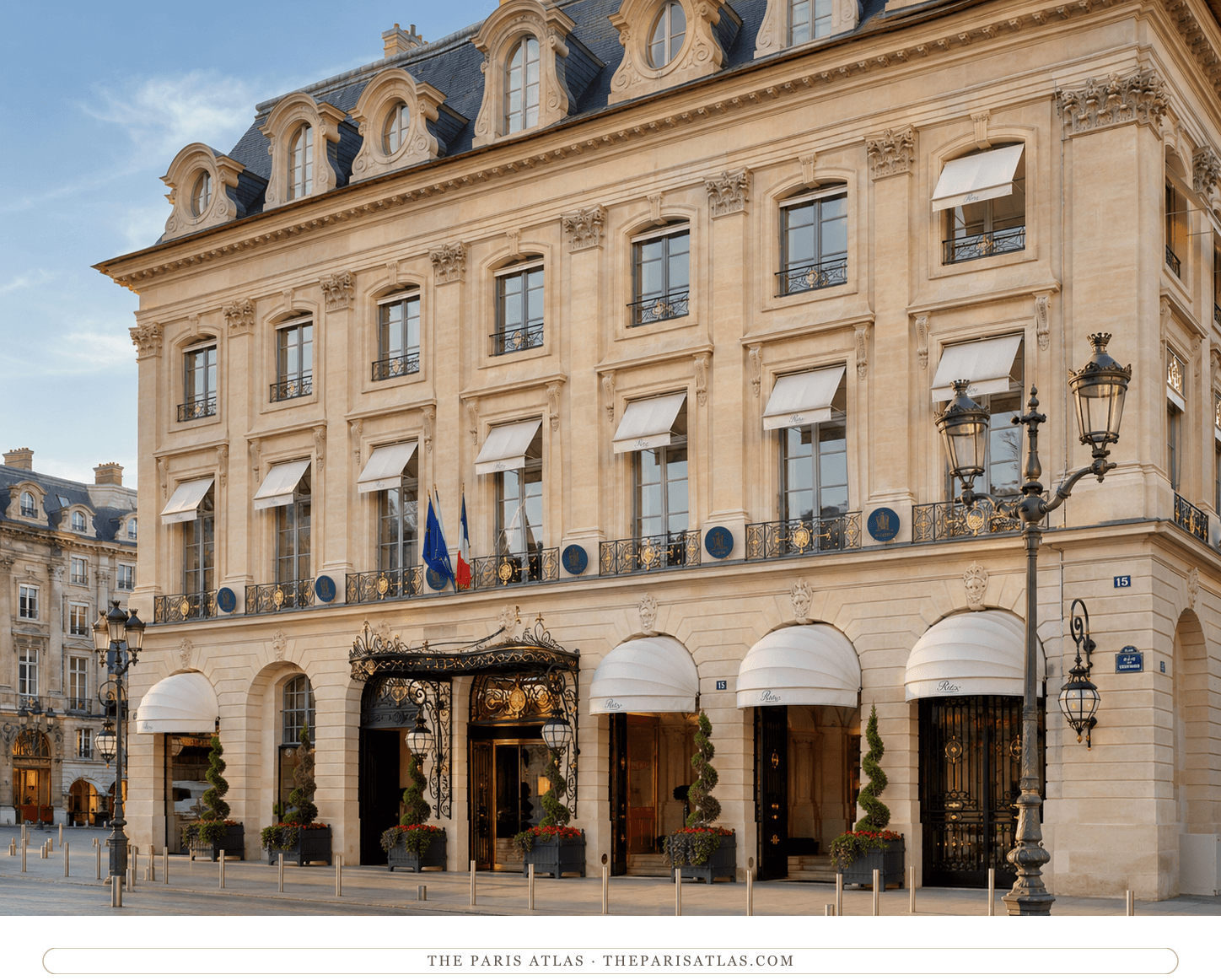
Recalled
The Fitzgerald chapters close at the Ritz bar — Georges the barman asking, years later, who this Monsieur Fitzgerald was — and by Hemingway's own telling, the memoir began in the hotel's basement, in two trunks left in 1928 and recovered in 1956.
Visit the place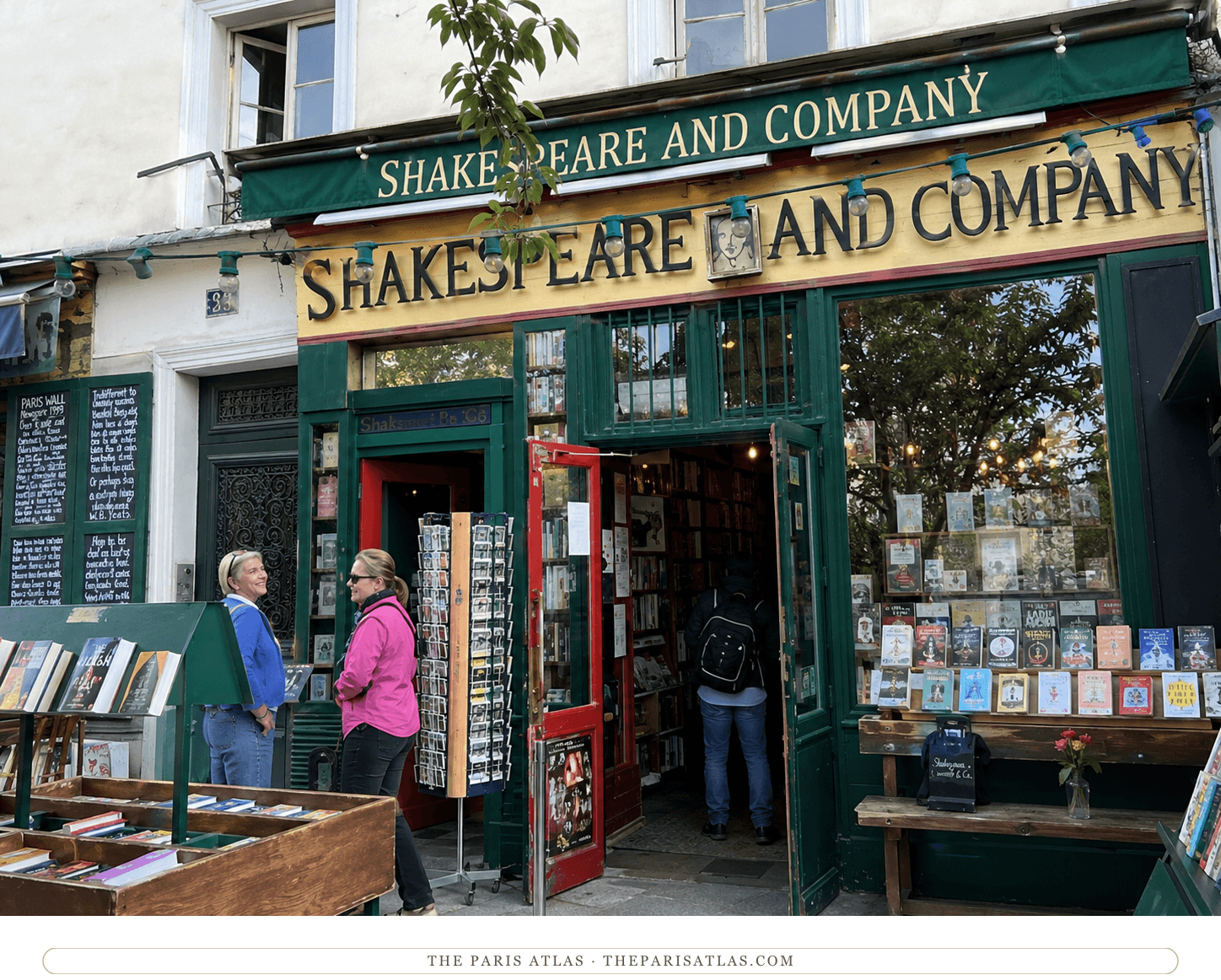
Recalled
Sylvia Beach's original bookshop and lending library — Hemingway's home away from home, and where Joyce's Ulysses was first published. The shop closed in 1941; the current Shakespeare and Company is a successor at a different address.
Visit the place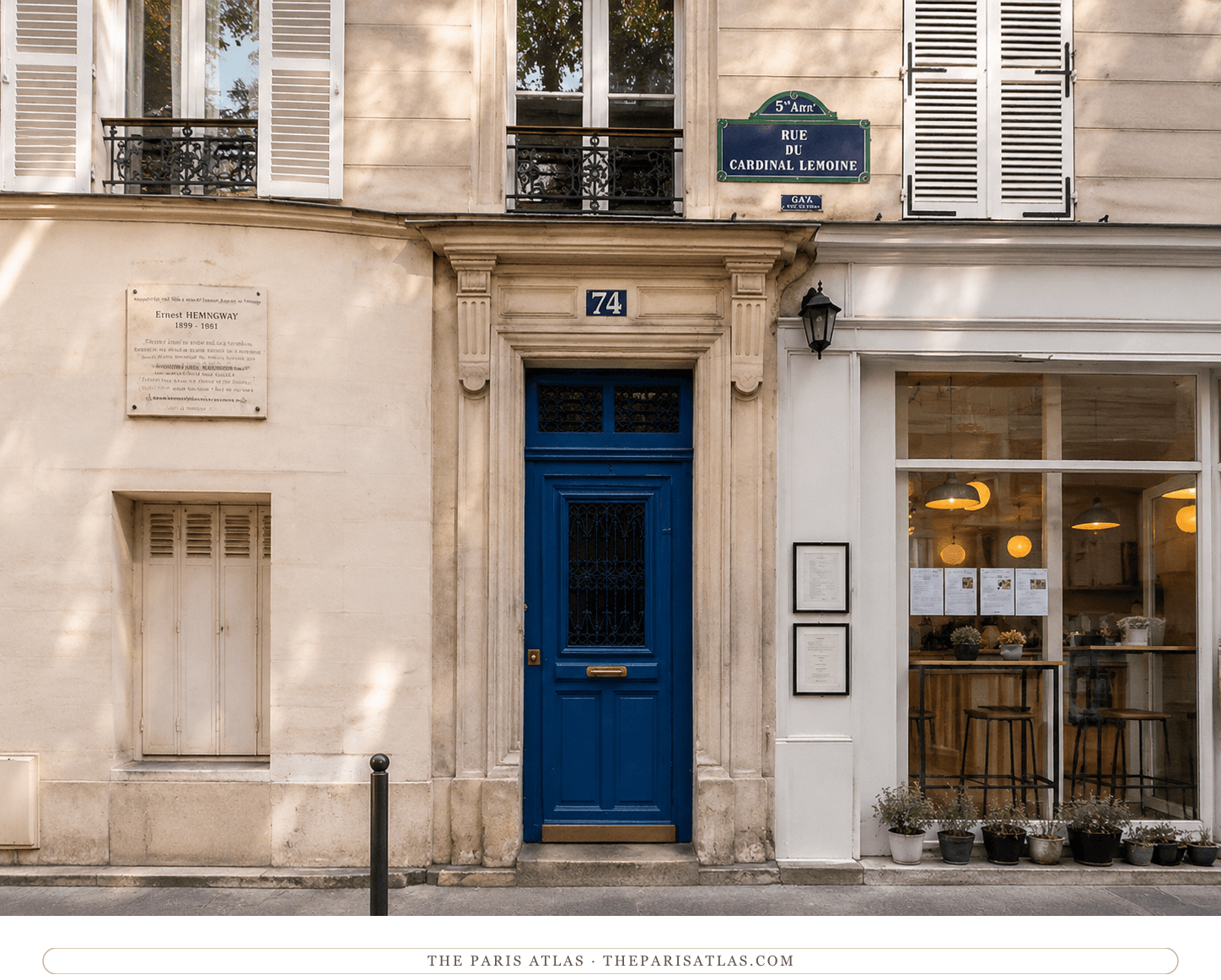
Recalled
Hemingway and Hadley's first Paris apartment, on the fifth floor with no running water. He describes it in the opening pages of the book.
Visit the place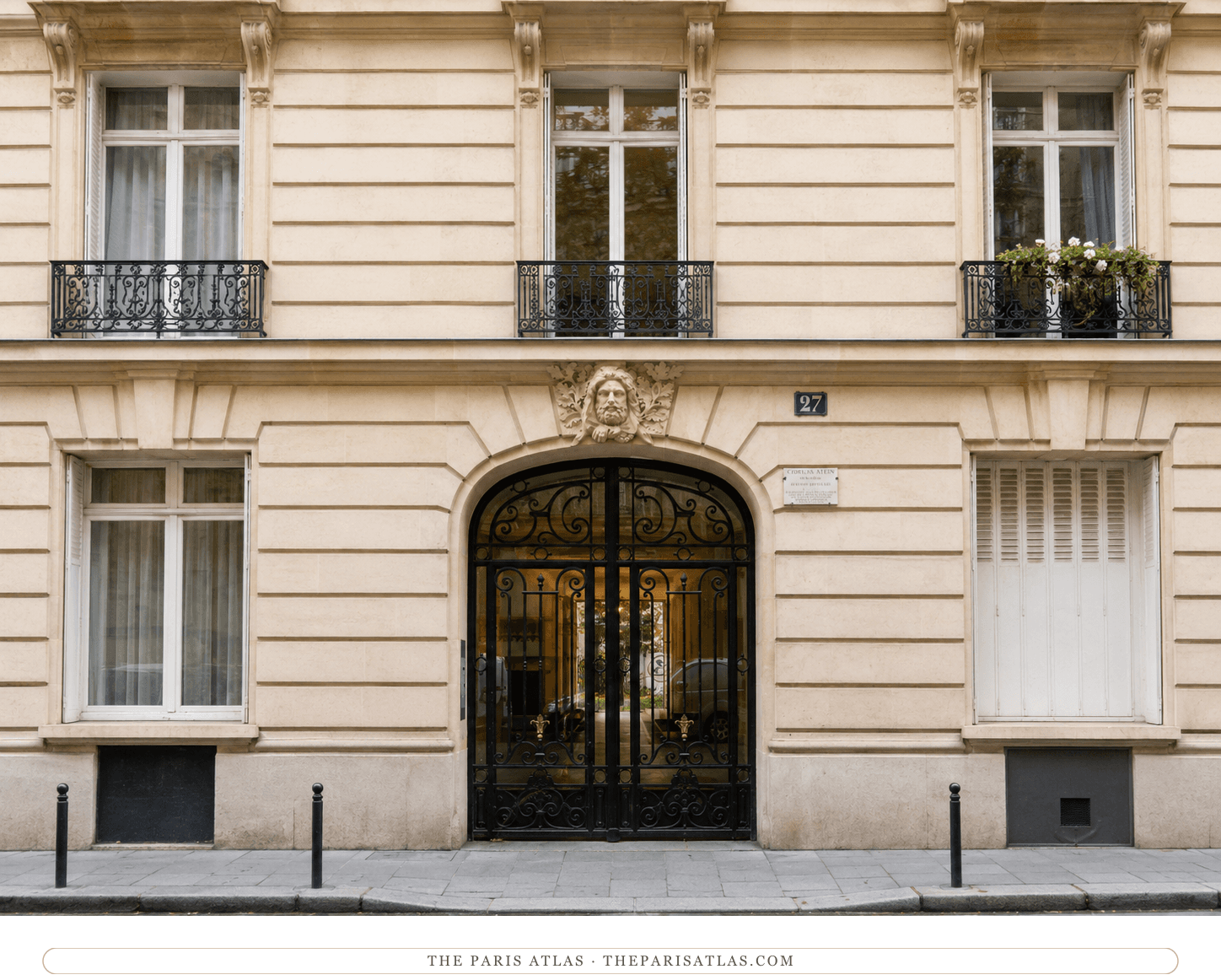
Recalled
Gertrude Stein's apartment and salon, where Hemingway was instructed, encouraged, and eventually told he belonged to a lost generation.
Visit the place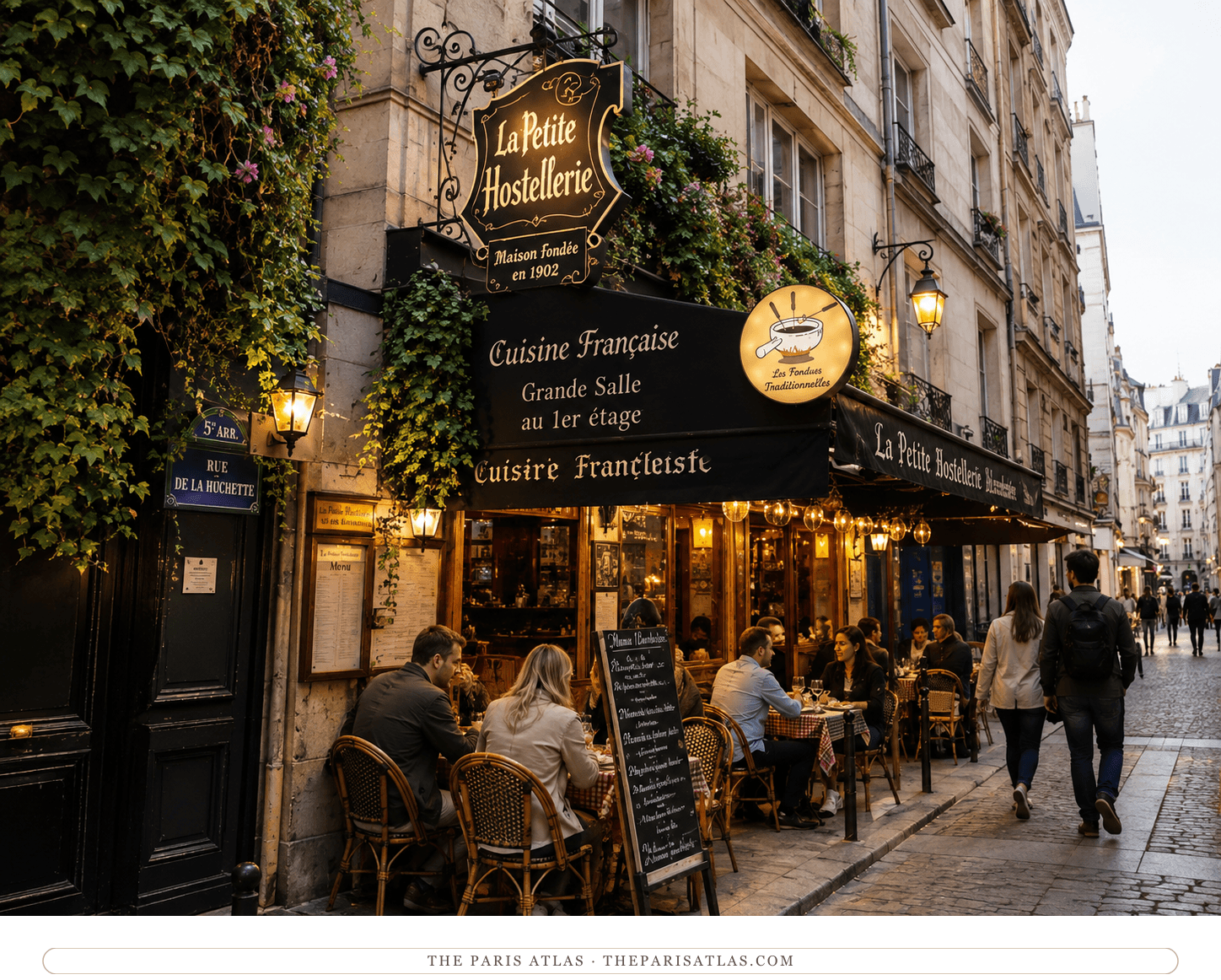
In the story
Hemingway's first Paris is this hill: the flat at 74 rue du Cardinal Lemoine, the writing room on the rue Descartes, the place de la Contrescarpe at the top of the street and the market on the rue Mouffetard running down from it.
Visit the place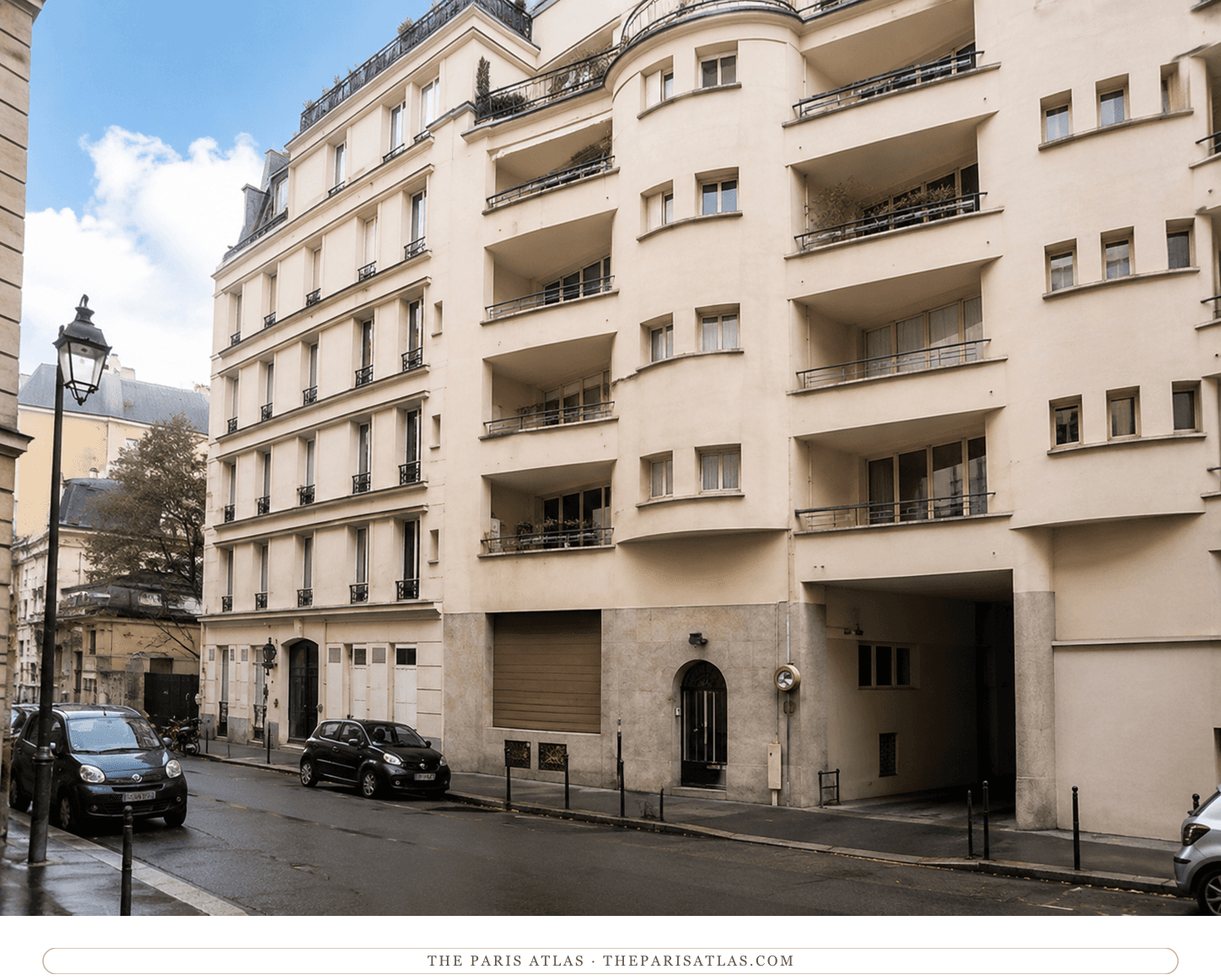
Recalled
The second Hemingway apartment (1924–26), above a working sawmill — the “sawmill flat” where Bumby was raised. The Sun Also Rises was finished here — and the first marriage ended here too.
Visit the place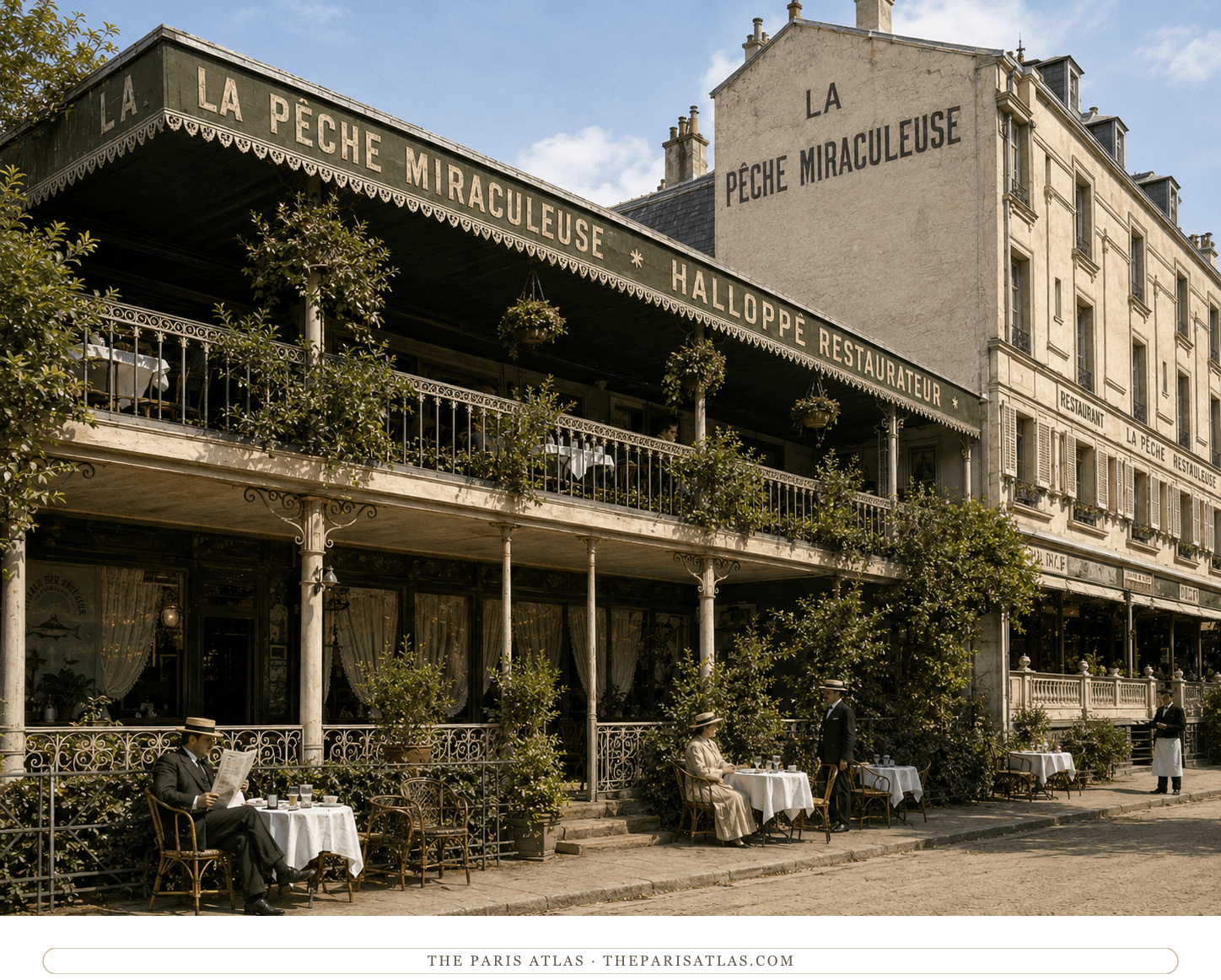
In the story
Named in 'People of the Seine' as the best place to eat the goujon the river fishermen caught — an open-air restaurant built out over the water at Bas-Meudon.
Visit the place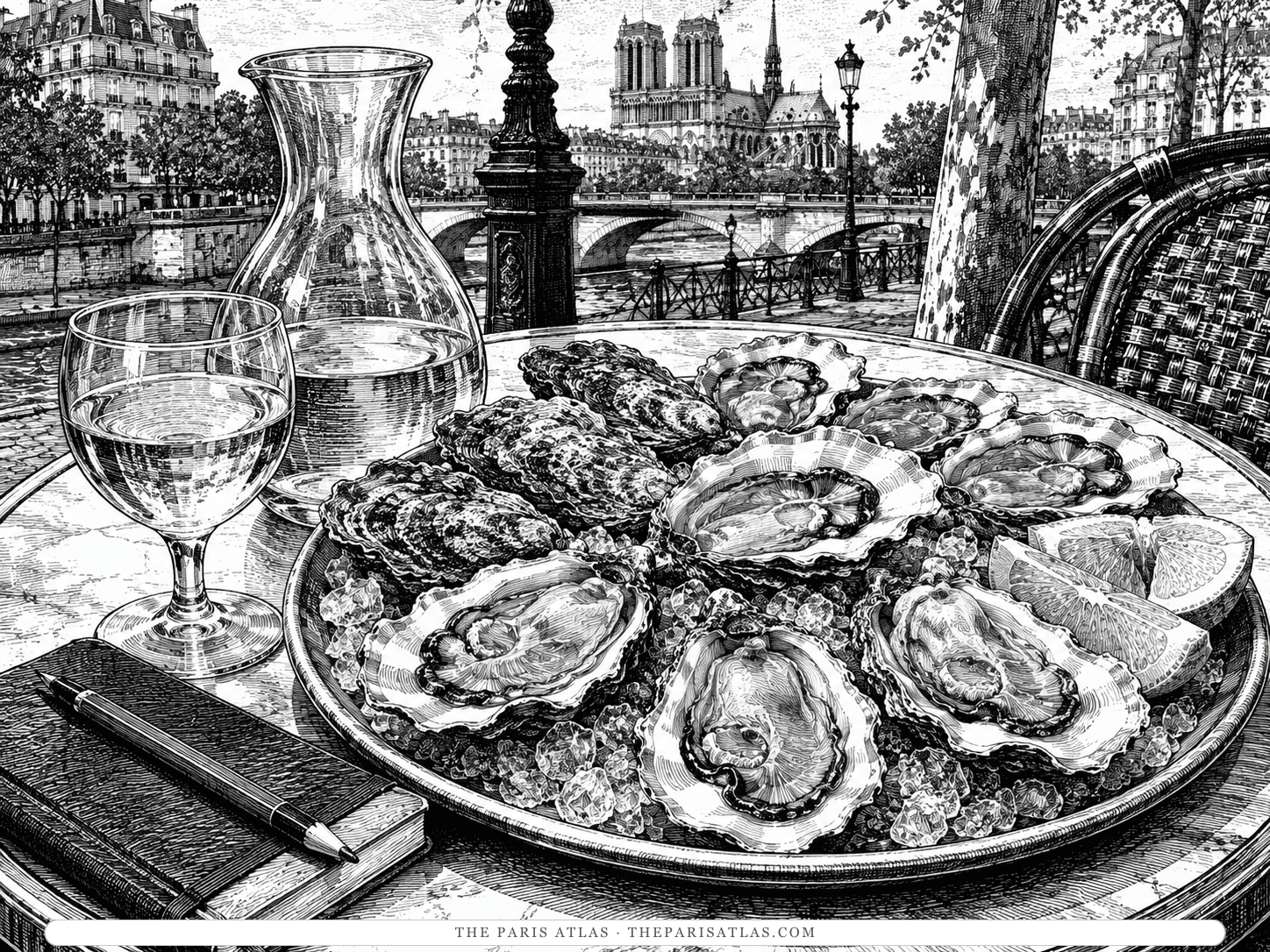
'A Good Café on the Place St.-Michel' — the story finished, the waiter called over
I closed up the story in the notebook and put it in my inside pocket and I asked the waiter for a dozen portugaises and a half-carafe of the dry white wine they had there.
Portugaises were the cheaper oyster a Paris café sold by the dozen, deep-shelled and strong-tasting. He is working in the café because the weather outside has turned bad and the room is warm and clean. The order is what a finished story buys.
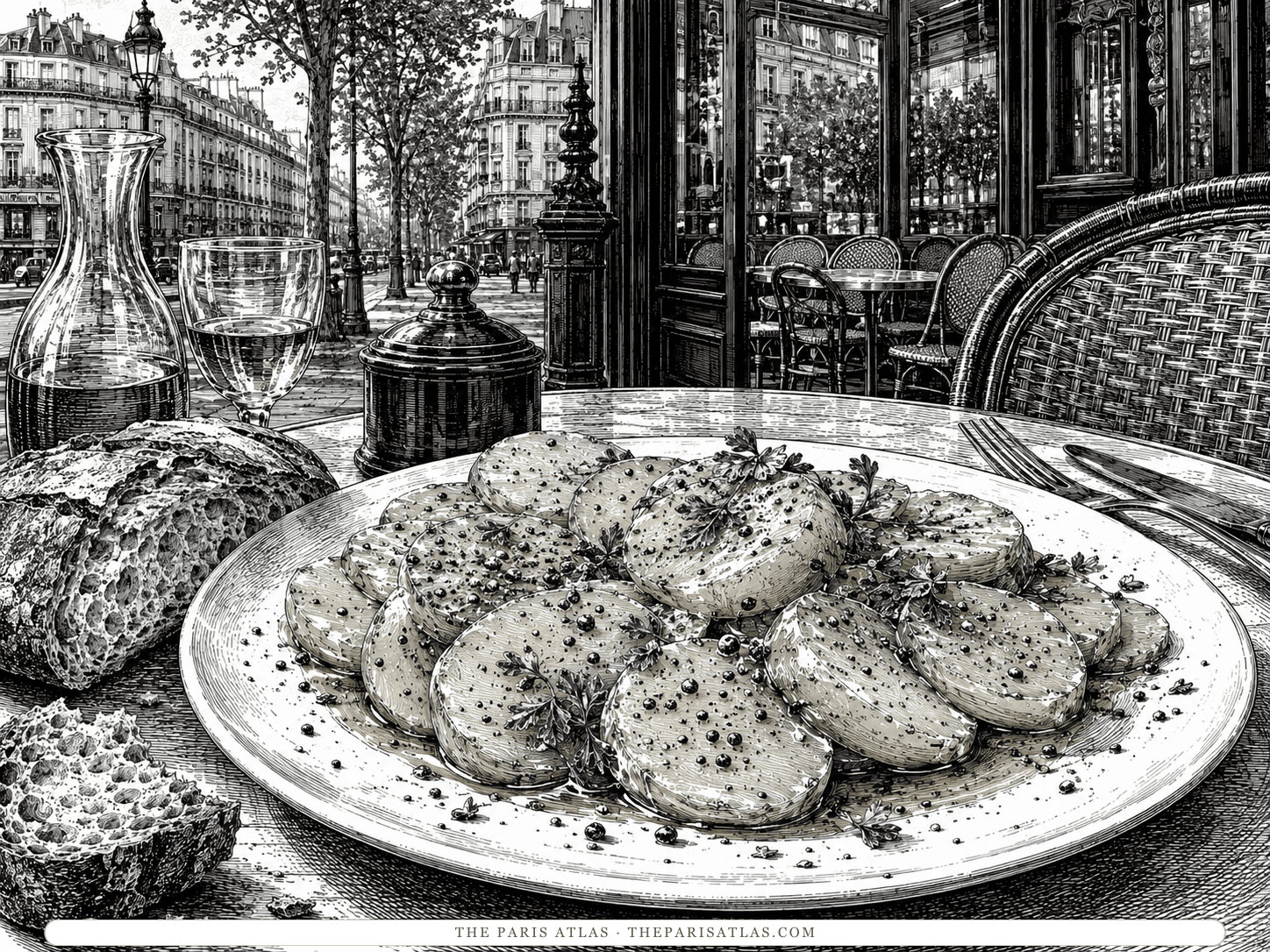
'Hunger Was Good Discipline' — lunch on the Boulevard Saint-Germain
The beer was very cold and wonderful to drink. The pommes à l'huile were firm and marinated and the olive oil delicious. I ground black pepper over the potatoes and moistened the bread in the olive oil.
Potato salad in the French manner, dressed with oil instead of mayonnaise. He has walked to Lipp's after a morning of skipping lunch on purpose, which is the discipline the chapter is named for.
Visit Brasserie Lipp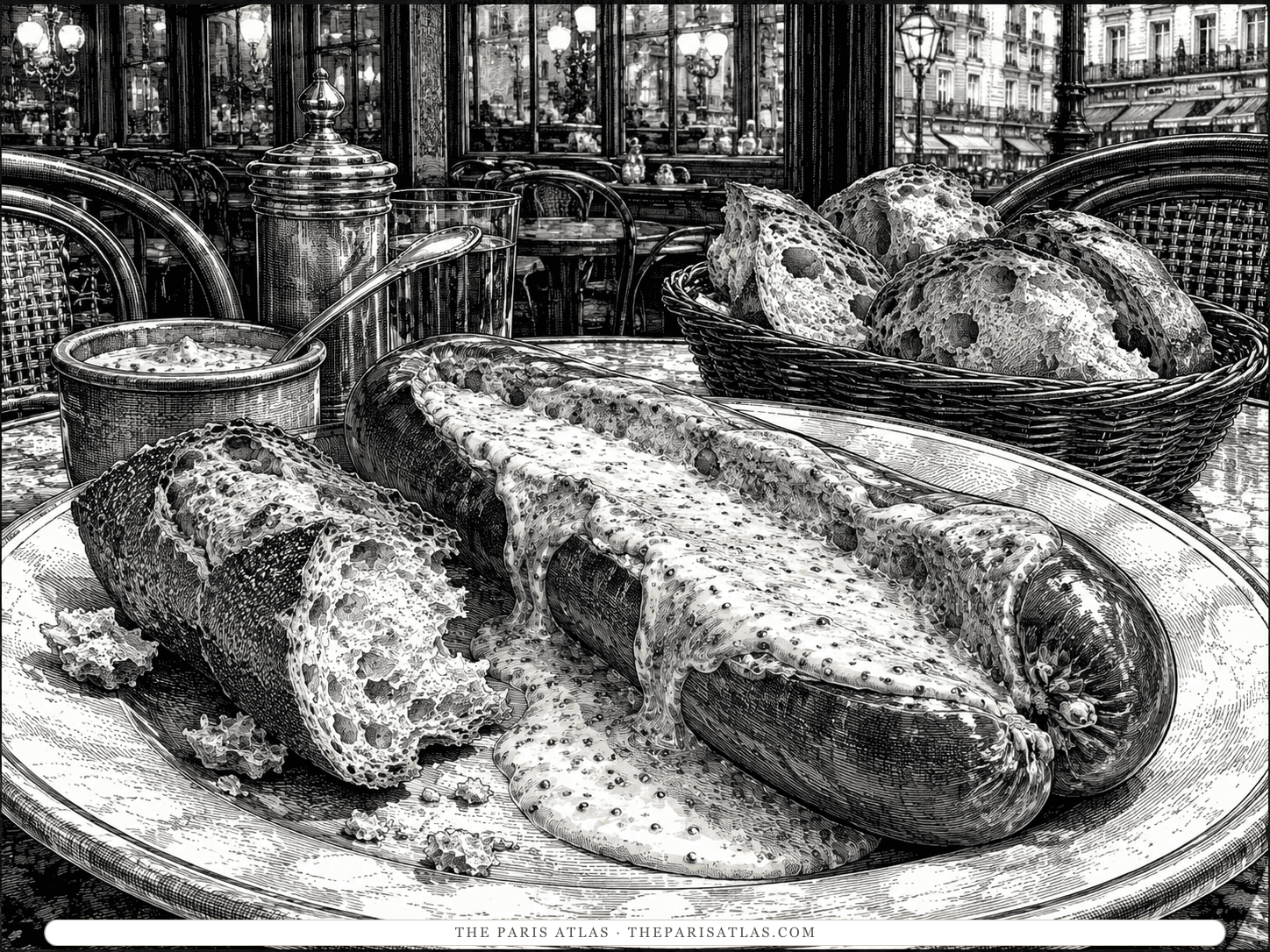
'Hunger Was Good Discipline' — the second course at Lipp's
When the pommes à l'huile were gone I ordered another serving and a cervelas. This was a sausage like a heavy, wide frankfurter split in two and covered with a special mustard sauce.
Cervelas is a fat, mildly smoked pork sausage — brasserie food, cheap and filling. It follows the potato salad, and the two of them together end the walk he had spent talking himself out of eating.
Visit Brasserie Lipp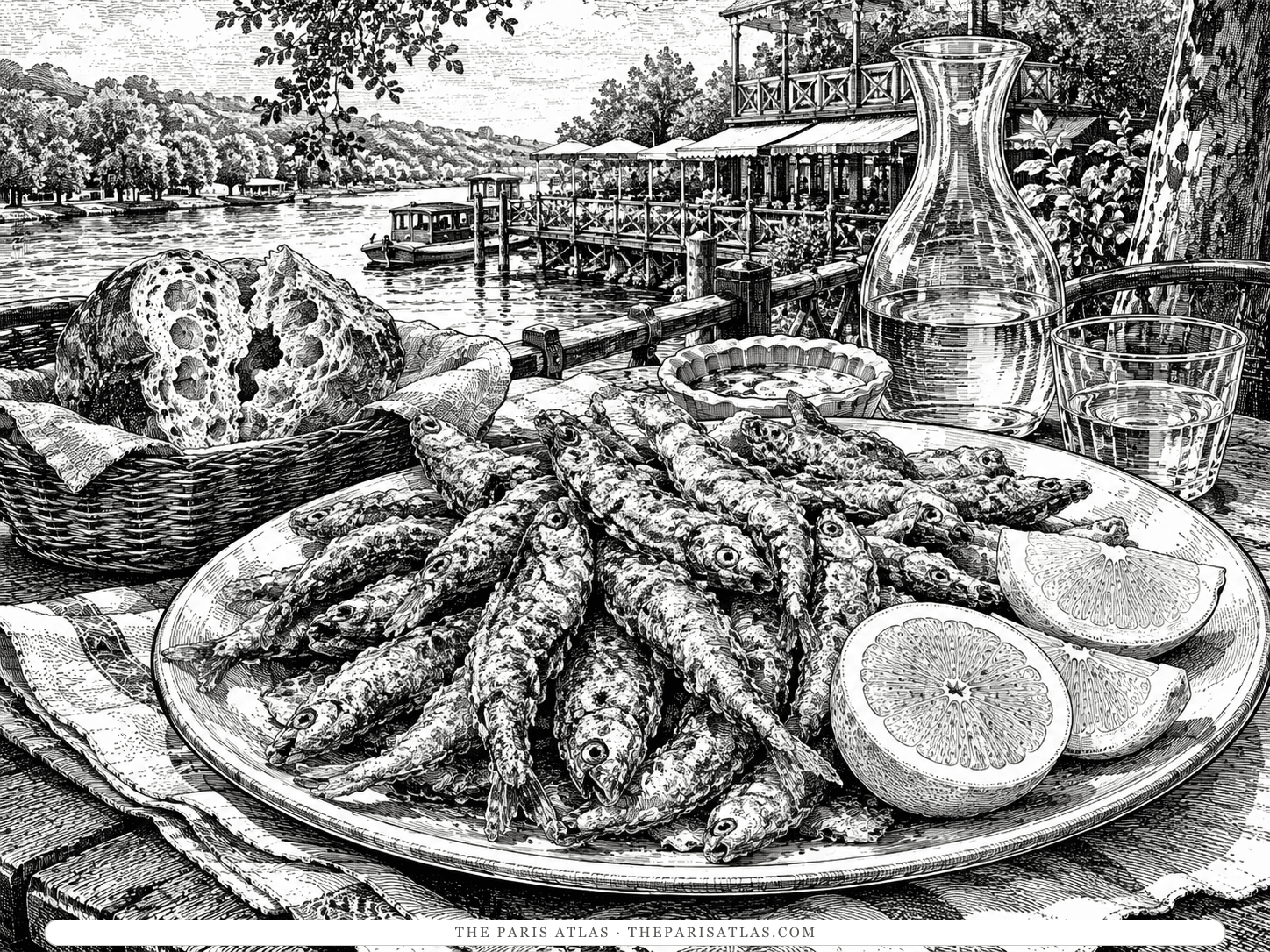
'People of the Seine' — the fishermen's catch, and where to eat it
They always caught some fish, and often they made excellent catches of the dace-like fish that were called goujon. They were delicious fried whole and I could eat a plateful. They were plump and sweet-fleshed with a finer flavor than fresh sardines even, and were not at all oily, and we ate them bones and all.
Goujon is the gudgeon, a small bottom-feeding river fish the Seine men caught from the quais with long cane poles. The best of them were eaten downriver at Bas-Meudon, at an open-air restaurant built out over the water.
Visit La Pêche Miraculeuse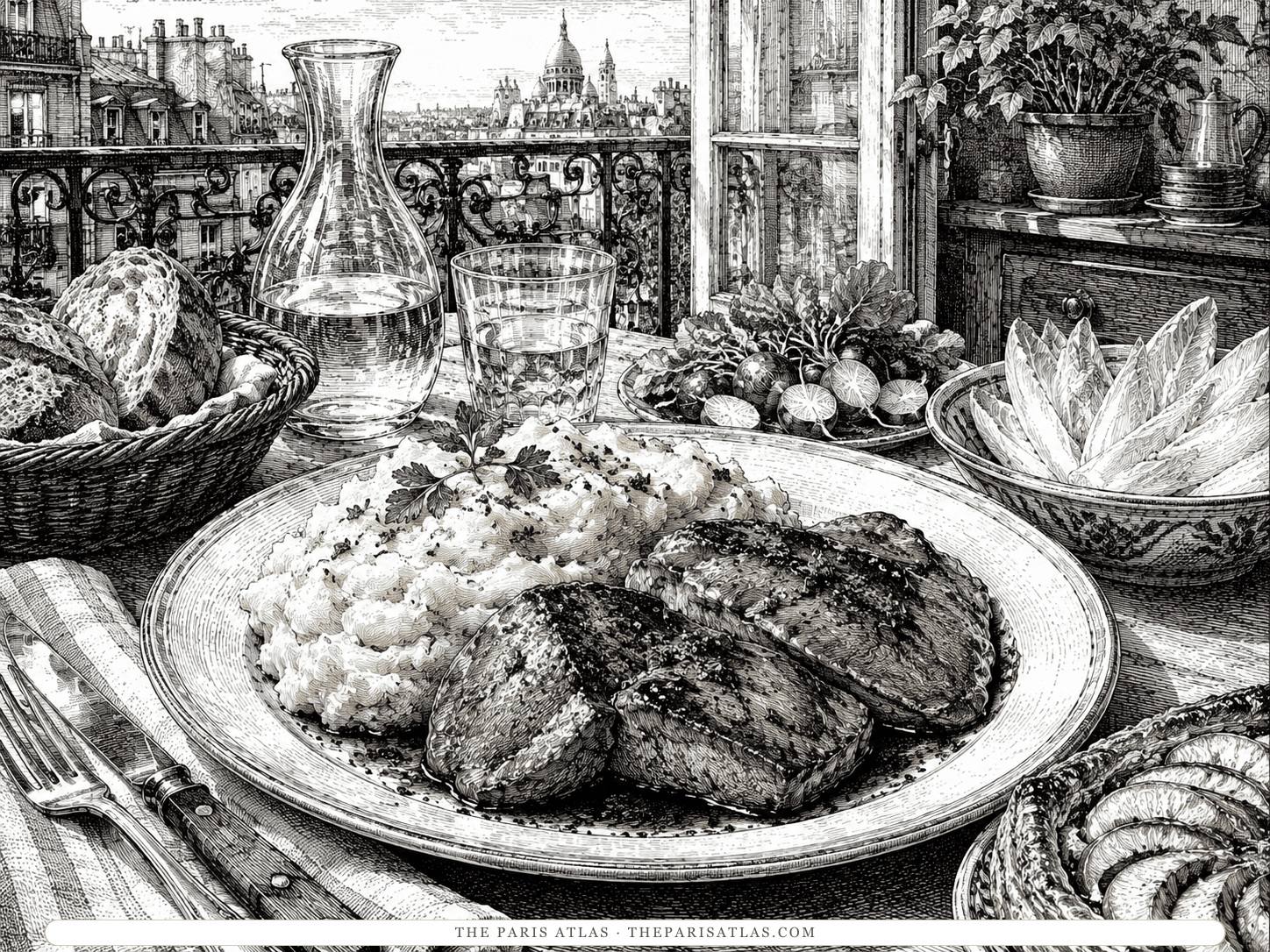
'Shakespeare and Company' — Hadley, asked what there is for lunch
“Little radishes, and good foie de veau with mashed potatoes and an endive salad. Apple tart.”
Hadley Richardson answers when her husband comes home and asks what there is. He has walked back from Sylvia Beach's shop with an armful of books she lent him without the deposit he could not pay.
Visit 74 Rue du Cardinal Lemoine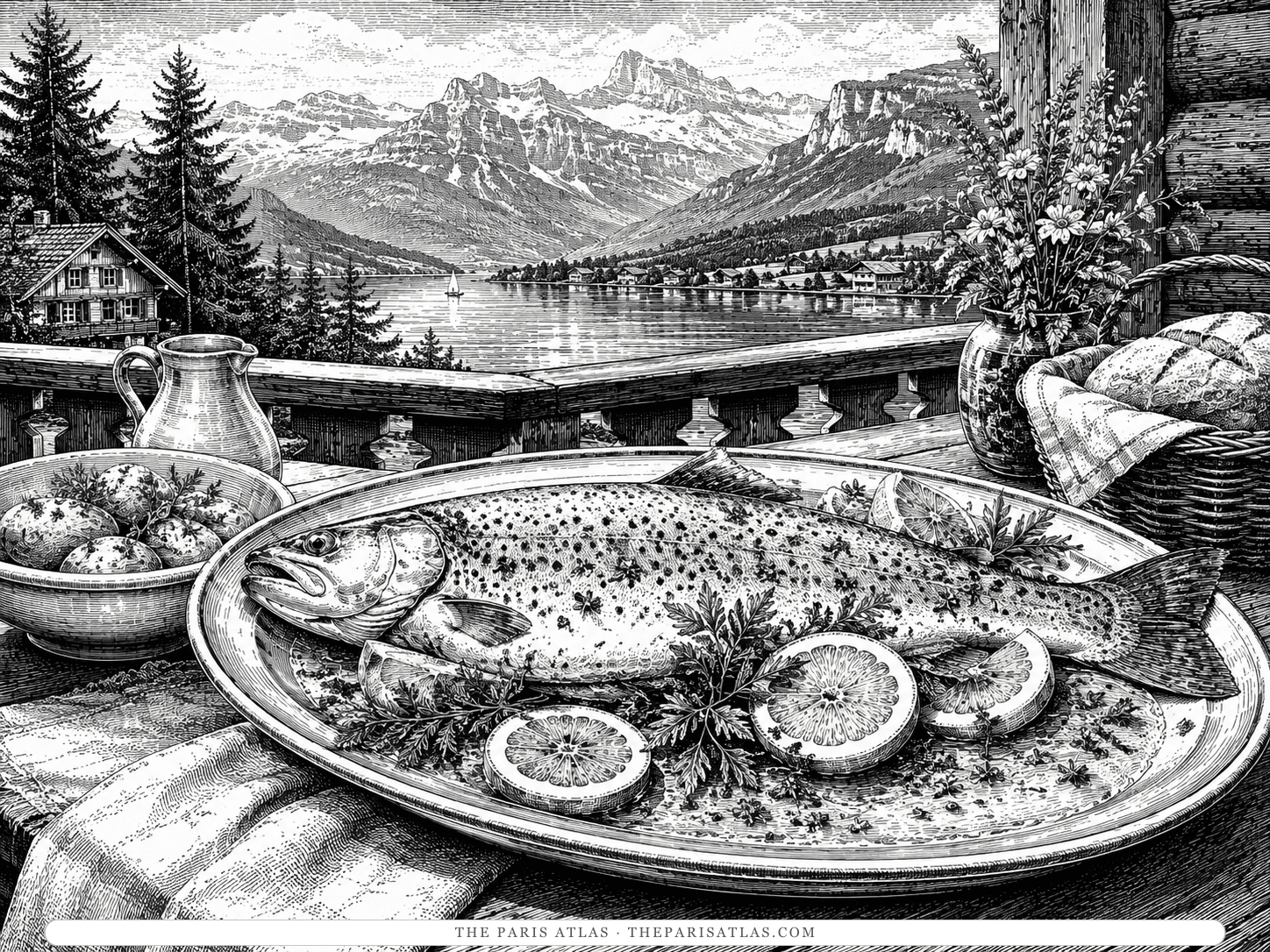
'A False Spring' — Hadley, remembering the chalet above the lake
“Do you remember how Mrs. Gangeswisch cooked the trout au bleu when we got back to the chalet? They were such wonderful trout Tatie, and we drank the Sion wine and ate out on the porch with the mountainside dropping off below and we could look across the lake and see the Dent du Midi with the snow half down it and the trees at the mouth of the Rhône where it flowed into the lake.”
Au bleu is the method for a trout cooked within the hour of being caught: the skin takes a blue cast in the poaching, which is the proof of its freshness. Hadley is remembering the meal from Paris, in a chapter named for a spring that does not hold.
'Scott Fitzgerald' — the road north, in the rain
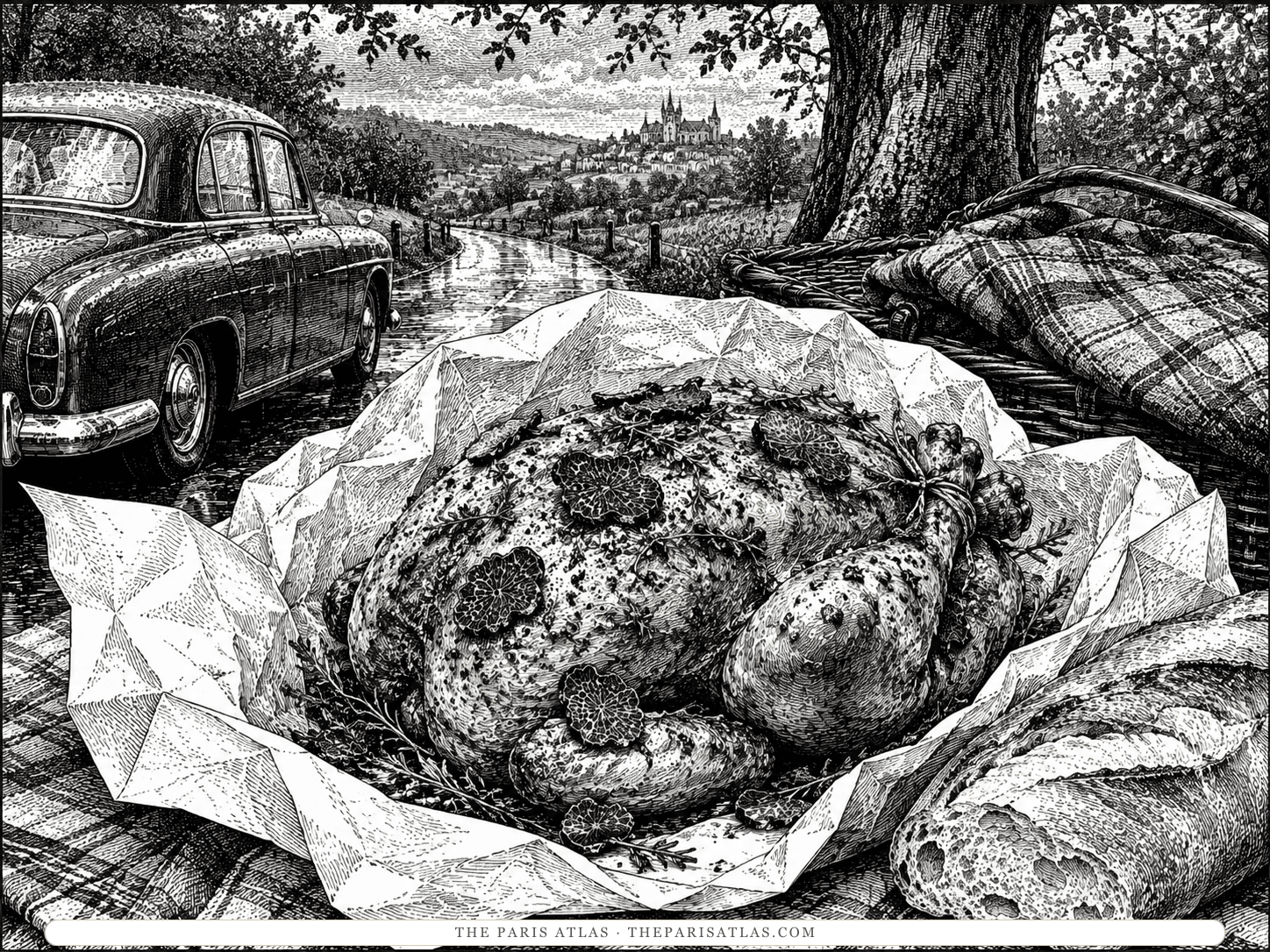
We had a marvelous lunch from the hotel at Lyon, an excellent truffled roast chicken, delicious bread and white Macon wine and Scott was very happy when we drank the white Maconnais at each of our stops.
The lunch belongs to the Lyon errand that opens the Fitzgerald chapters, when Hemingway went south to help retrieve a car the Fitzgeralds had abandoned. It had no top, and the drive back took two days of rain.
'Scott Fitzgerald' — dinner on the way back to Paris
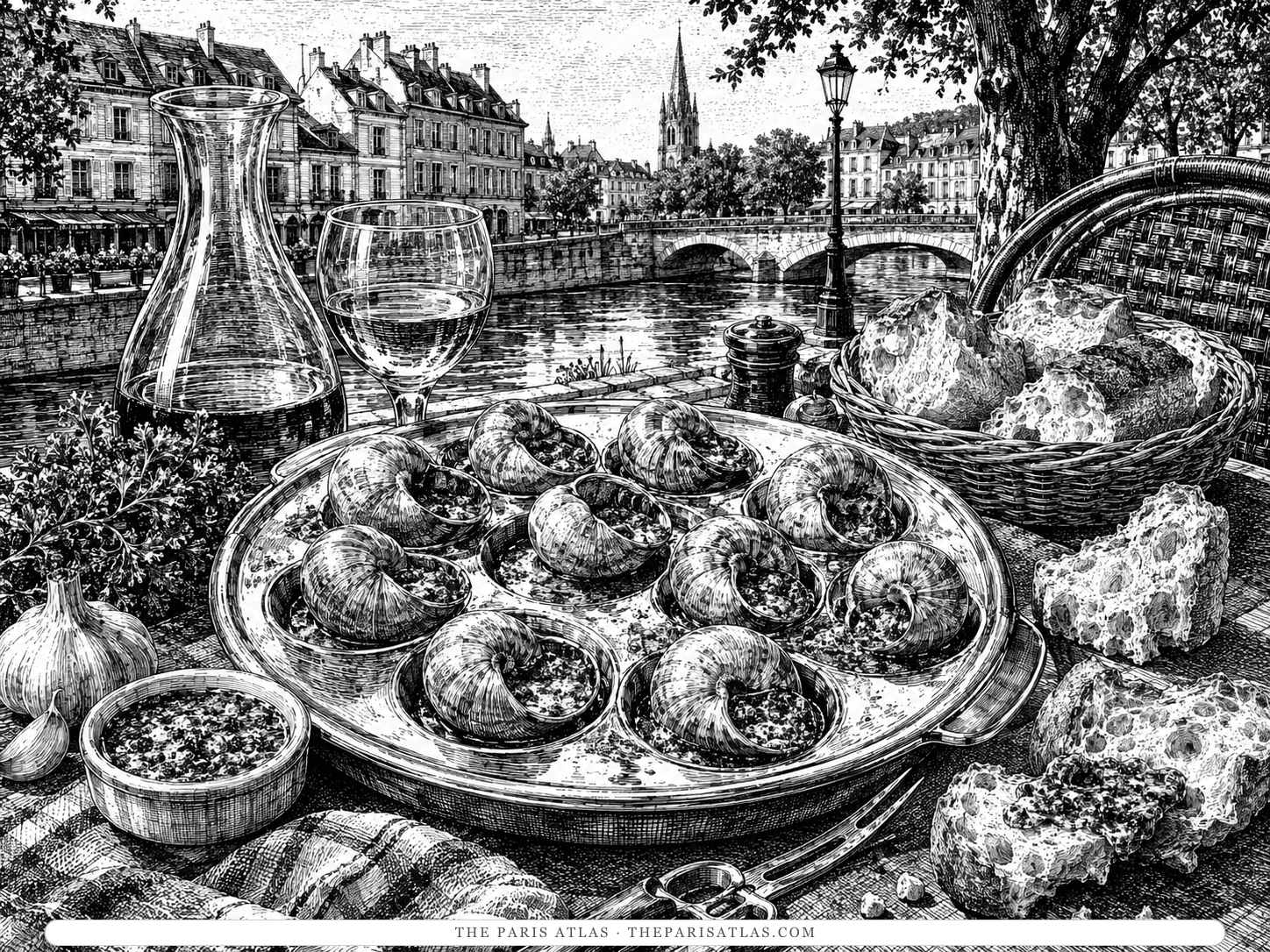
We had very good snails, with a carafe of Fleurie to start with and while we were about halfway through them Scott's call came. He was gone about an hour and I ate his snails finally, dipping up the butter, garlic and parsley sauce with broken bits of bread, and drank the carafe of Fleurie.
They had broken the drive for the night at Chalon-sur-Saône. Fitzgerald had spent much of the day certain he was fatally ill, and left the table when his call finally came through.
The sources below include the primary text, editions, scholarship, archival materials, and other records that informed this page. They document A Moveable Feast, its publication, and its place in literary history.


Public 2014 transcription of the Scribner text bearing the 1964 copyright. Complete displayed A Good Café on the Place St.-Michel and Shakespeare and Company read, plus the workroom passage opening Miss Stein Instructs. No 2009 Restored Edition comparison or whole-volume collation.
Used to verify the memoir's place in Hemingway's life and posthumous publication history.
Used for independent biographical context surrounding Hemingway's career and later years.
Used to cross-check Hemingway's publishing relationships and the book's broader literary context.

Used to verify Ernest Hemingway's bibliography and place A Moveable Feast within the broader chronology of Ernest Hemingway's career.
The primary text is the baseline reference for every book page. Additional references document publication history, interpretation, and historical context where that evidence is available.
 Explore more resources


