
The Sun Also Rises
Hemingway repaid Ford's editing patronage by putting him in the novel as Braddocks, host of the bal musette dancings.
Read our take
'This is the saddest story I have ever heard' — told, perfectly, by the one man in it who understands it least.
Two wealthy couples — one American, one English — meet every season at a German spa, nine years of civilized friendship. Then the narrator, the American husband, sits down to tell you what was actually happening the whole time, in the order he understood it rather than the order it occurred. Ford called it his best book, and constructed it so that every revelation rearranges everything you thought you had already been told. It is the novel that taught the century how much a narrator can fail to know.
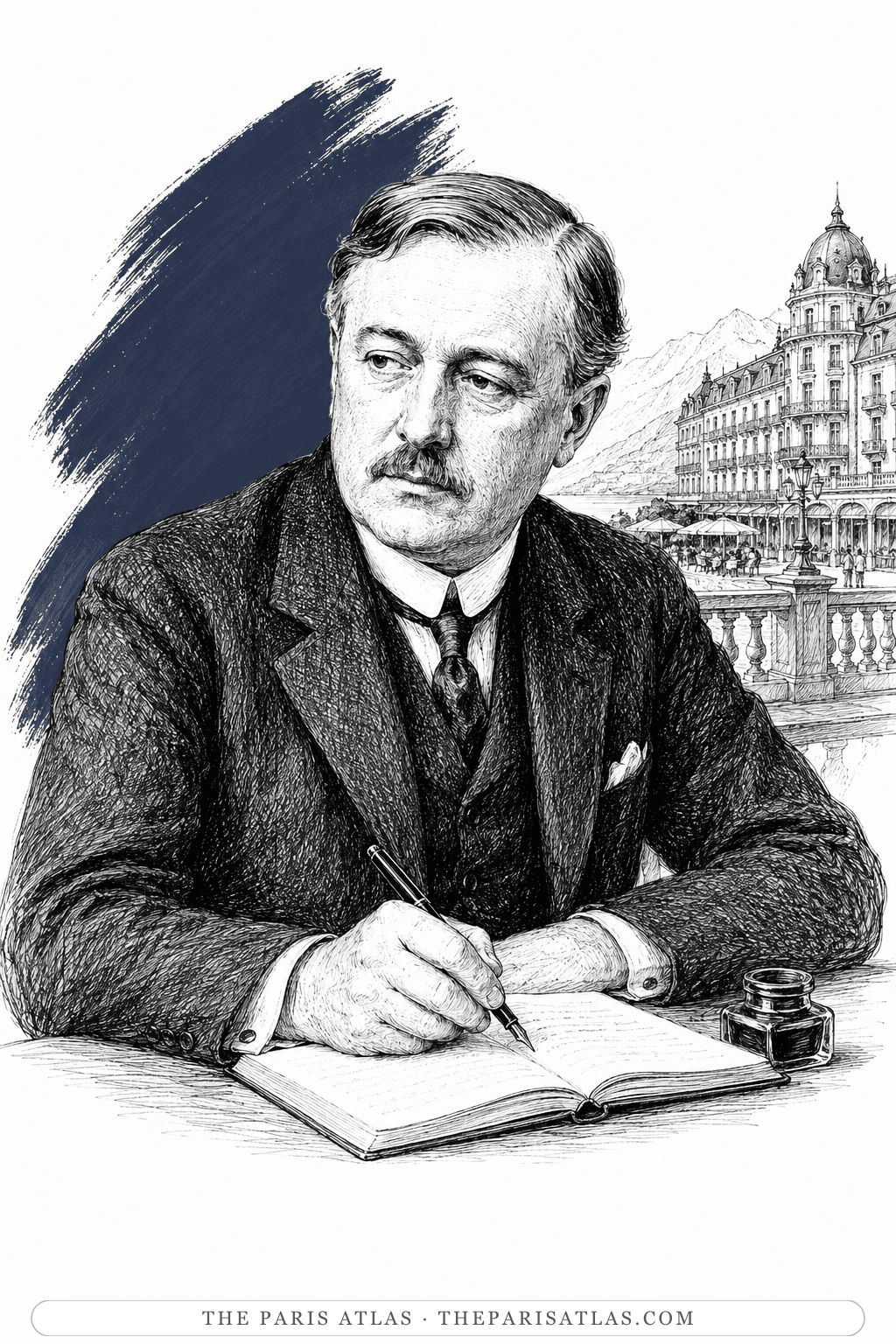
Ford liked to say he began it on his fortieth birthday — December 17, 1913 — to show, after a decade of literary midwifery for other people, 'what I could do.' He called it The Saddest Story: two leisured couples, English and American, circling for years through spas and good manners while everything underneath rots, the whole told by Dowell, the American husband who understood none of it at the time and is not much better informed now. The opening chapters ran in Blast, the Vorticists' hot-pink magazine, in June 1914 — six weeks before the war.
By publication in March 1915 no one would buy a book called The Saddest Story; his publisher begged for another title, and Ford, in uniform and bitterly joking, offered The Good Soldier. The irony has confused browsers ever since: there is no battlefield in it — the violence is entirely domestic, and administered in drawing rooms.
The publisher John Rodker's verdict became the book's permanent tagline: the finest French novel in the English language — meaning its Flaubertian control, the time-shifted telling Ford called impressionism. It was also a rehearsal: a decade later, from Paris, Ford would publish the young Hemingway in the transatlantic review, and the unreliable narration he perfected here became one of the modern novel's standard instruments. It remains the book that proves the quietest story can be the saddest.
For nine years two couples meet each August at the German spa town of Nauheim: John Dowell, a rich, passive American, with his wife Florence, whose delicate heart forbids — she says — both travel home and marital intimacy; and Captain Edward Ashburnham, the model English soldier-landlord, with his capable Catholic wife Leonora. Dowell narrates the whole novel from the far side of catastrophe, circling in time, correcting himself, assembling what he has learned in the order he learned it — which is to say, years too late.
What he learned is that the symmetry was a stage set. Florence's heart condition was an invention that regulated her marriage; Edward, a hopeless sentimentalist, moved through a career of expensive passions — a kissed servant girl in a railway carriage, a brother officer's wife, a ruinous grande dame — each managed and financed, with gritted teeth, by Leonora; and for the last nine years Florence and Edward were lovers under Dowell's unseeing eye. The novel's fixed point is a date, August 4 — birthday, wedding day, and every turn of the tragedy — ticking through the story like a bomb.
The end arrives in a chain of small devastations. Florence, seeing Edward with the young girl he truly loves and believing her past exposed by a hotel guest, poisons herself with the prussic acid she has carried for years in a heart-medicine vial; Dowell, told it was her heart, does not learn it was suicide — or that she was Edward's mistress — until long after. Edward's last passion is the worst: Nancy Rufford, his and Leonora's young ward, whom he loves too honorably to touch and therefore ships to her father in India. Her cheerful telegram from the journey breaks him, and he cuts his throat with a pen-knife, apologizing to Dowell for the mess. Nancy, learning of his death in Ceylon, goes permanently mad; and Dowell ends the saddest story as her caretaker at Edward's old estate — in love, he admits, with a woman who can no longer speak, the fool of the tale left to tell it.
Dowell first gives the friendship the measured steps of a minuet, rejects that image as a prison, then insists that the music and sunshine were real. The reversal is not simply a correction in which truth replaces a lie. It asks whether discovering betrayal cancels the pleasure of having felt secure. His appeal to shared tastes preserves one kind of intimacy while exposing its limits: people can move together beautifully without knowing one another. The reader must hold that remembered ease beside the suffering it failed to reveal.
Before settling how to order his story, Dowell supplies himself with a sympathetic listener beside a cottage fire. The imagined setting promises quiet companionship, but his later complaint about the listener's silence makes that comfort uncertain. He wants someone to help him decide whether he is digressing, yet supplies no reply that could guide or challenge him. The reader occupies that empty place without being obliged to grant the sympathy he requests. The broken chronology thus involves a second uncertainty: what kind of understanding, or reassurance, is the telling meant to obtain?
Not invented here, but never before sustained with this much control — Dowell's blind spots are the plot, and Ford keeps every gap load-bearing for two hundred pages.
Ford collaborated with Conrad, then moved to Paris and published Joyce, Stein, and the first Hemingway in his transatlantic review. This 1915 novel is the craft those younger writers studied.
Once you know what Dowell didn't, every early scene changes meaning — the rare novel where the second reading is the real one.
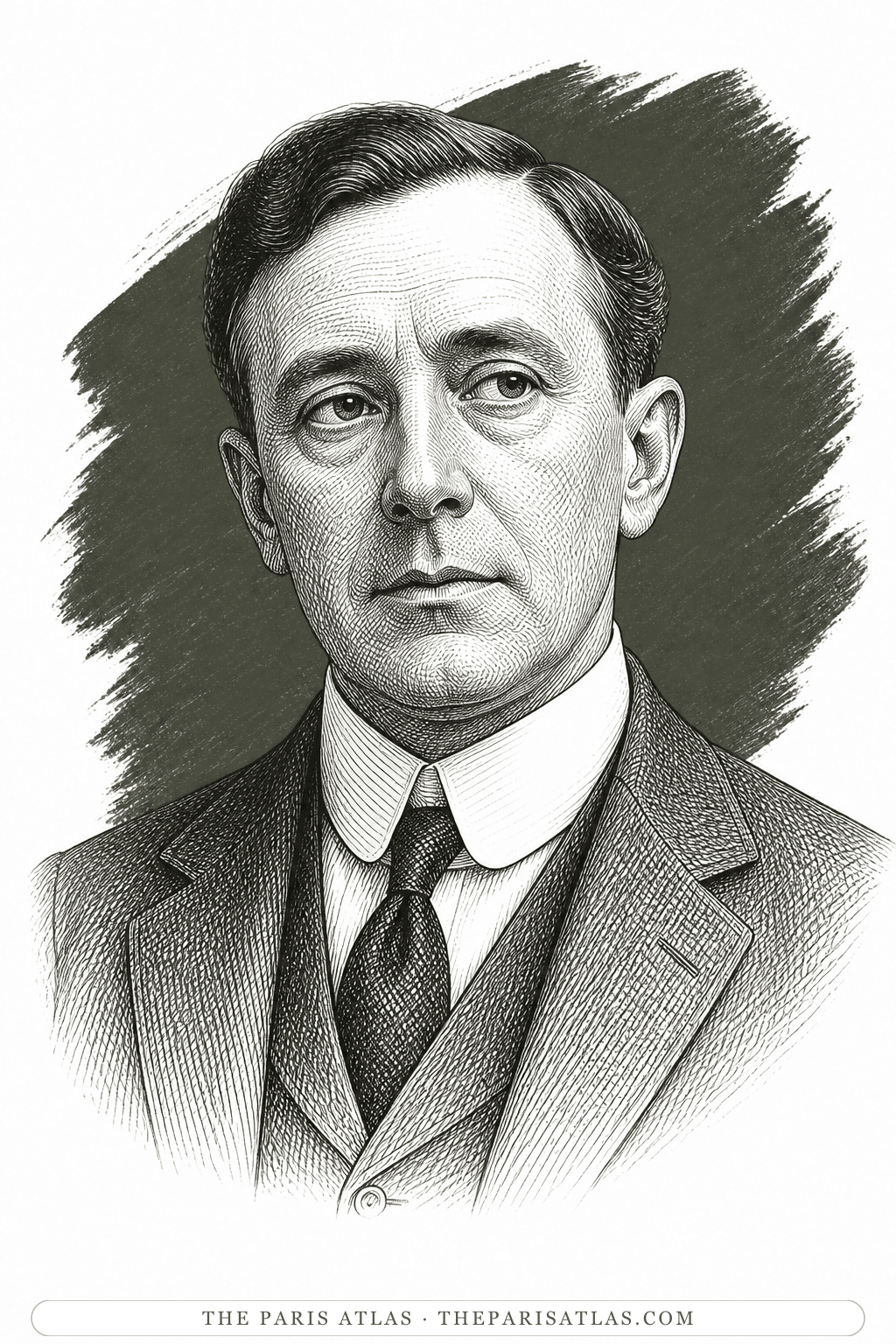
The American who narrates the book: a rich, idle Philadelphian who spent nine years beside these people and understood almost nothing of what he was looking at.
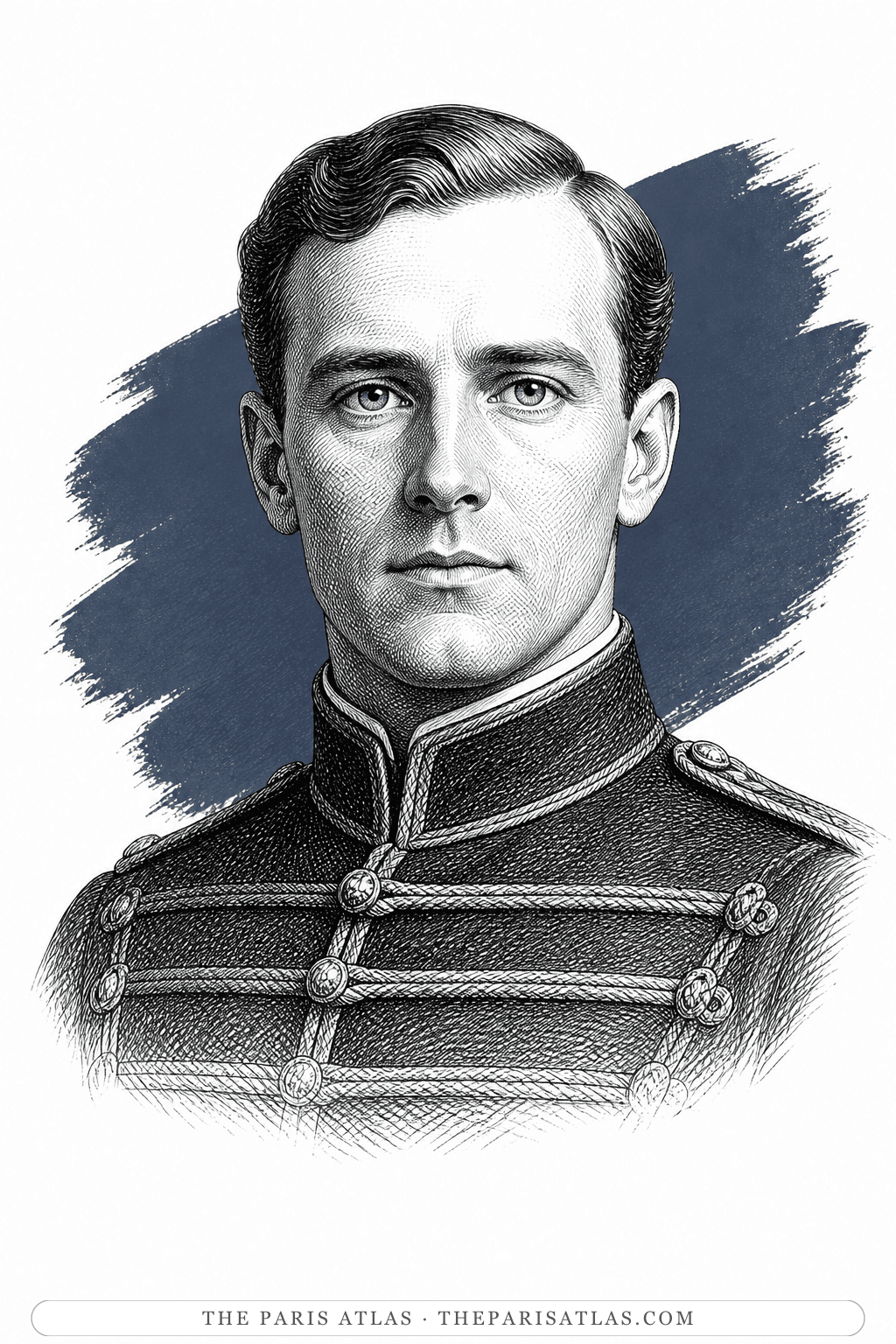
The English soldier and landowner of the title — a decorated captain, a county magistrate, and by every outward sign the best man in three counties. The narrator spends the novel finding out what else he was.
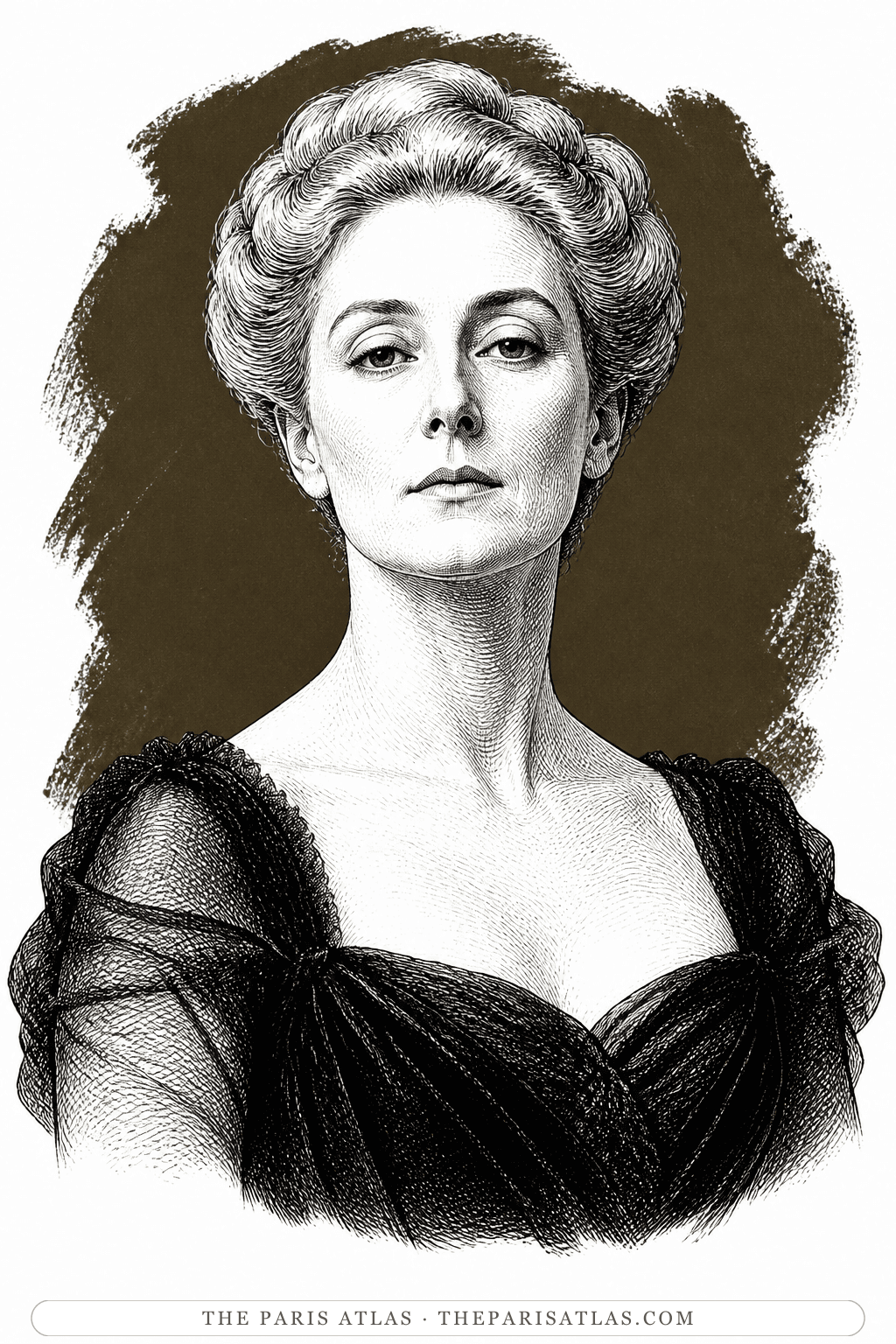
Edward Ashburnham's wife — an Irish Catholic colonel's daughter, married off to him at nineteen, who has spent the years since managing his estate, his debts and his affairs with other women.
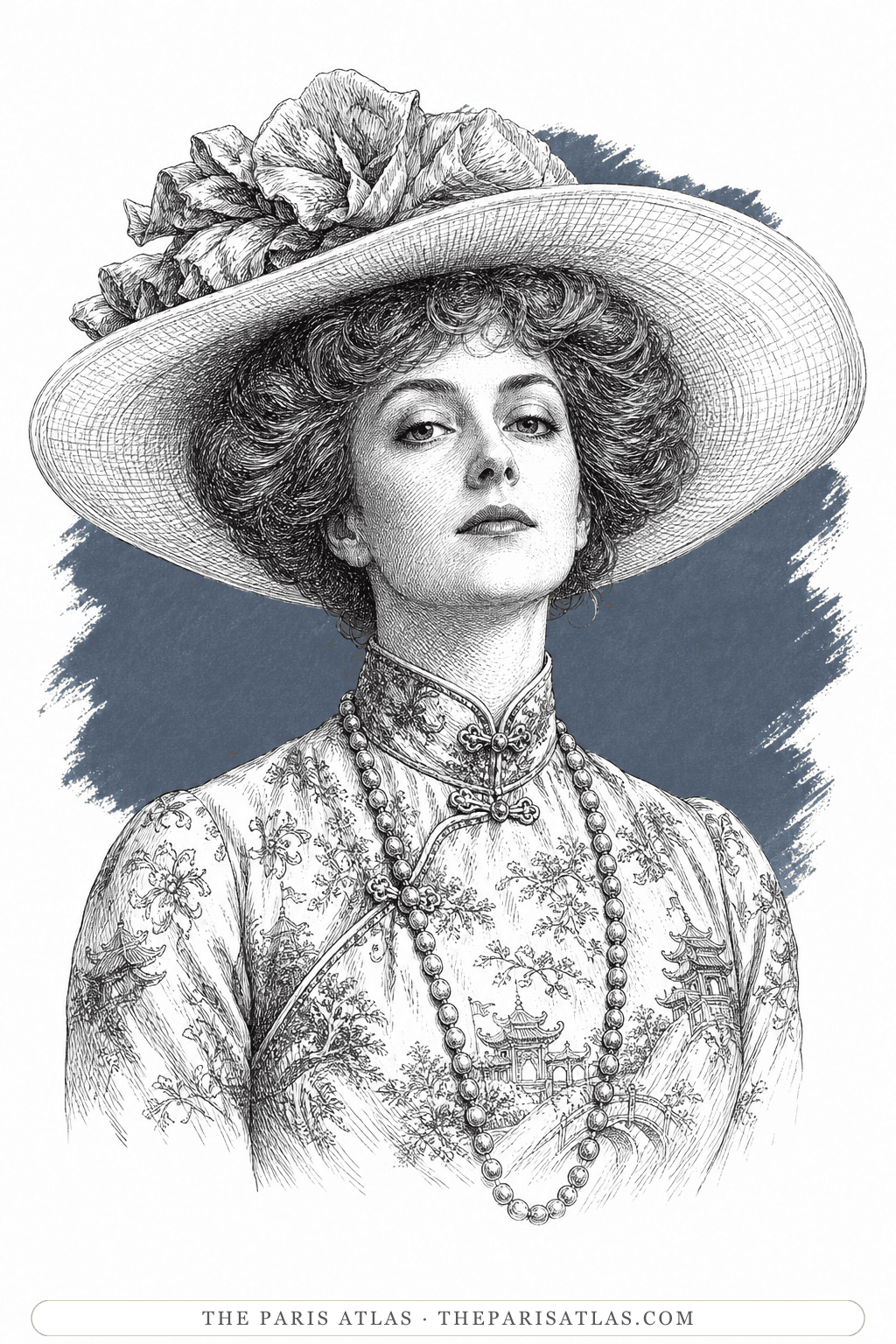
The narrator's wife — an American heiress from Connecticut whose weak heart sets every rule of the marriage, and who wants a place in English county society more than she wants anything else.

The Ashburnhams' ward — a convent-educated girl of twenty-one who has lived in their house since she was thirteen and calls them uncle and aunt.
1913
Ford begins it on his fortieth birthday, 17 December, to show what he could do after a decade of editing other writers.
1914
The opening chapters run in Blast, the Vorticists' magazine, in June, six weeks before the war.
1915
Published in March; no one will buy a book called The Saddest Story, so Ford, in uniform, offers the ironic title The Good Soldier.
Hemingway repaid Ford's editing patronage by putting him in the novel as Braddocks, host of the bal musette dancings.
Read our take
Contains Hemingway's sharp-elbowed portrait of Ford — read The Good Soldier first and judge the elbows for yourself.
Read our take
Huddleston's memoir catches Ford live in his Paris years — the studio parties, the bal musette, the reminiscences on the Closerie terrace.
Read our takeFord Madox Ford. Published in 1915, it is the novel he considered his best.
Two wealthy couples, one American and one English, meet each season at a German spa for nine years of apparent friendship — until the American husband narrates what was really happening all along, in the order he came to understand it.
It is a landmark of the unreliable narrator. Every revelation rearranges what you thought you had already been told — the novel that taught the century how much a narrator can fail to know.
"This is the saddest story I have ever heard." Ford's original title for the book was, in fact, The Saddest Story.
It is told out of chronological order by design, circling back as the narrator understands more. The disordered telling is the point, not an obstacle to it.
Explore authors with a similar voice, perspective, and influence.

Ford published Hemingway's earliest Paris work and let him subedit the transatlantic review; Hemingway put him in The Sun Also Rises as Braddocks and settled accounts again in A Moveable Feast.
View author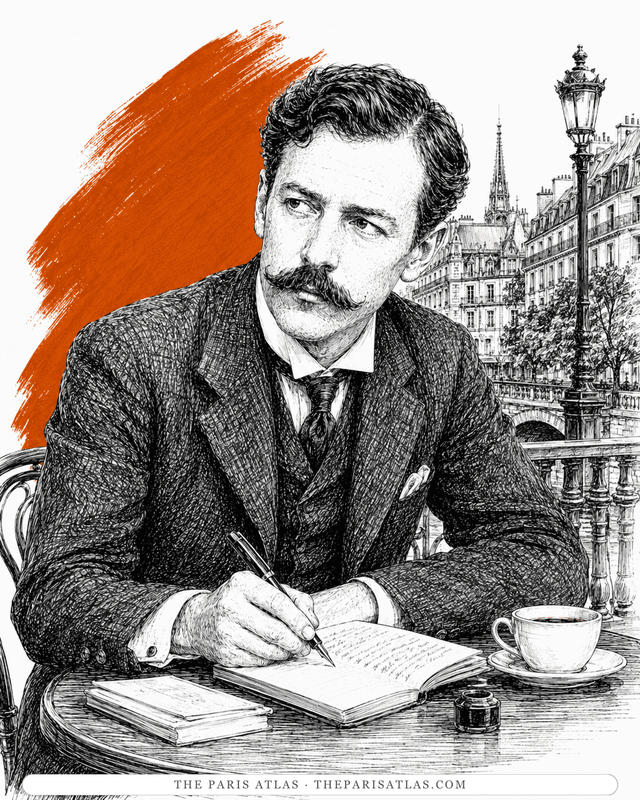
Fellow witness and friend — Huddleston's memoir catches Ford live: the studio parties, the bal musette, Conrad reminiscences on the Closerie terrace.
View author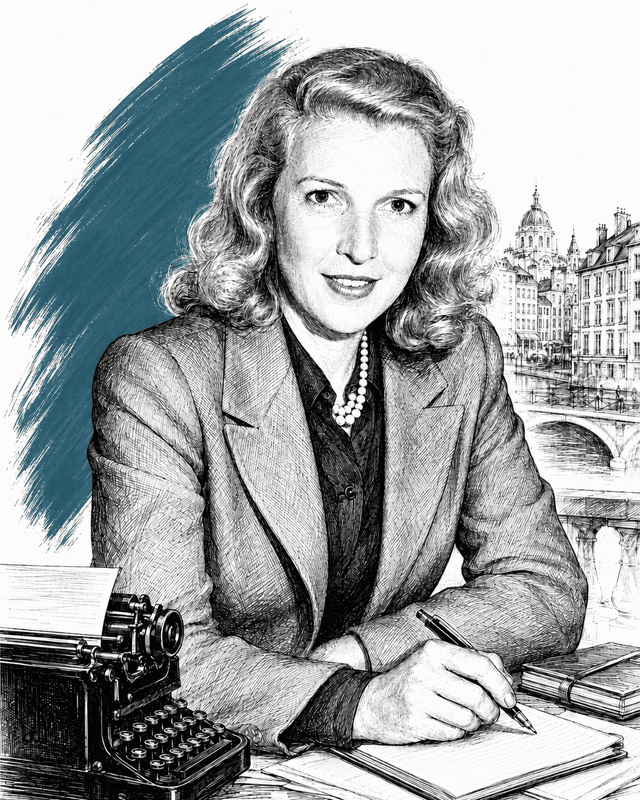
War correspondent who covered the Spanish Civil War, D-Day, and conflicts across five more decades; Hemingway's third wife, 1940–1945.
View authorThe sources below include the primary text, editions, scholarship, archival materials, and other records that informed this page. They document The Good Soldier, its publication, and its place in literary history.


The primary text represented by this page, used for descriptions of the work’s contents and for any quoted passages shown here.
Primary text included as part of the documented record for The Good Soldier.
Used to place The Good Soldier within Ford Madox Ford's published work and verify its bibliographic context.
Used for independent biographical, archival, or historical context surrounding Ford Madox Ford's career and the period in which The Good Soldier appeared.
Used to cross-check authorship, chronology, and the work's place in Ford Madox Ford's wider catalogue.
Used to verify Ford Madox Ford's bibliography and place The Good Soldier within the broader chronology of Ford Madox Ford's career.
The primary text is the baseline reference for every book page. Additional references document publication history, interpretation, and historical context where that evidence is available.
 Explore more resources