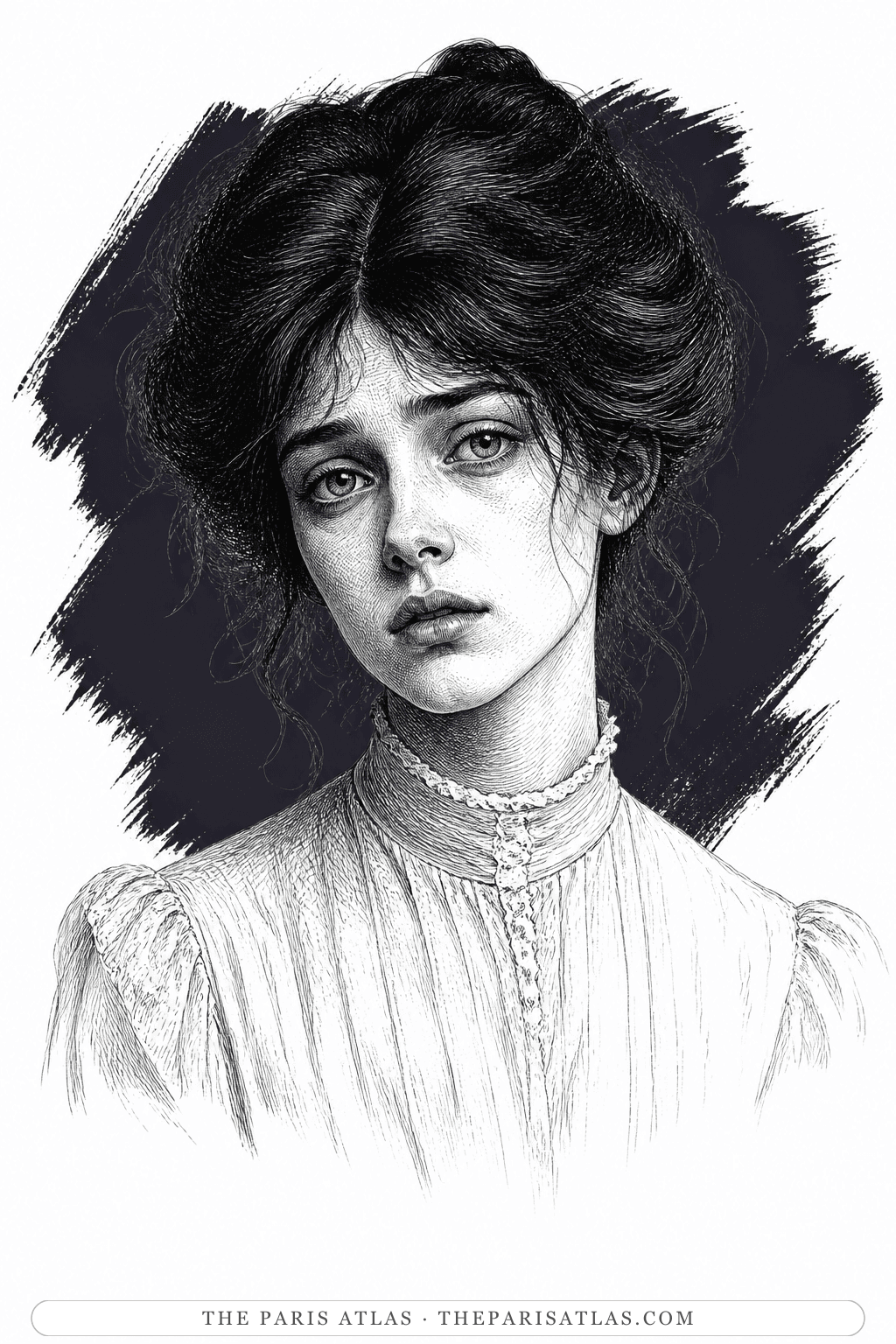
Nancy Rufford
The Ashburnhams' ward — a convent-educated girl of twenty-one who has lived in their house since she was thirteen and calls them uncle and aunt.
To stay exactly where she is. Asked by Leonora Ashburnham whether she would not like to be married, she says she would rather not: "I should like to go on living with you and Edward."
The book

At a glance
- The Ashburnhams' ward — twenty-one, and called "the girl" throughout by Edward Ashburnham
- Daughter of Major Rufford of a Highland regiment, and of a mother who was Leonora Ashburnham's dearest friend
- Thirteen, when her mother vanished from her life
- A convent school — the girls of the Holy Child
- Uncle Edward, and aunt; she has always thought of Leonora as her aunt
- She has ridden with the Fordingbridge hounds since the year she arrived
- To marry her. He is forty-five; she is rising twenty-two
Who they are in the book
Spoiler-freeNancy Rufford is the ward of Edward and Leonora Ashburnham in The Good Soldier, the 1915 novel by Ford Madox Ford. Her mother was Leonora's closest friend; her father, Major Rufford, was an officer of a Highland regiment with an ungovernable temper. She came to the Ashburnhams' Hampshire house at thirteen, was educated by nuns, and has spent every holiday there since — riding to hounds, sitting with Leonora through her headaches, going round the tenants with the man she calls Uncle Edward. She is twenty-one when the last part of the novel begins.
The narrator, John Dowell, has watched her grow up during the Ashburnhams' fortnights at the German spa, and finds her difficult to describe. She is tall and very thin, with the heaviest head of black hair he has ever seen; at one moment she seems as old as the hills and at the next about sixteen. He calls her a miracle of patience who could be almost miraculously impatient, and puts it down to the convent.
The childhood behind that is bad, and the book gives it plainly. The first thing she can remember is her father knocking her mother sideways off her chair at breakfast. At twelve she tried to get between the two of them and he struck her on the forehead hard enough to leave her unconscious for three days. She was sent south to the convent school without warning, and a fortnight later Leonora arrived to tell her that her mother was dead. She is allowed a light in her bedroom at night, and the sound of her father's voice, arriving unexpectedly, still shuts her eyes and stops her speaking.
How Nancy Rufford Is Portrayed
- How the narrator describes her"She was tall and strikingly thin; she had a tortured mouth, agonized eyes, and a quite extraordinary sense of fun." At times, he adds, she was exceedingly grotesque, and at times extraordinarily beautiful.
- The convent, and the sixpencesThere was a rule against talking on the walk from chapel to refectory. Nancy thought it idiotic and broke it every day on purpose, then confessed every evening and paid the sixpenny fine. Asked why she confessed: "Oh, well, the girls of the Holy Child have always been noted for their truthfulness. It's a beastly bore, but I've got to do it."
- What she is like around the houseShe rides to hounds hard, rolls about the lawn with the St Bernard puppy, talks about the lives of the saints, sits motionless for hours steeping handkerchiefs in vinegar and water when Leonora Ashburnham has a headache, and kisses Edward Ashburnham goodnight on the forehead.
- How much she has been told about the worldAlmost nothing. Reading a divorce case in the newspaper she cannot work out why the barristers care so much about a locked drawing-room door, and takes adultery for a technical offence of some kind: "It was probably something like catching salmon out of season—a thing one did not do."
- What her father's voice does to herIn the spa gardens at eighteen she hears him behind her in the arcades and goes whiter than her dress, with her eyes shut and her hand groping for Dowell's arm. "Never speak of it." Her nightmares, she tells him, always announce themselves with that sound first.
- The one glass of whiskyAlone one evening in Edward Ashburnham's gun room, she pours a wineglass from the decanter and drinks it off, then lies in the dark with her face burning and lets herself imagine she is in his arms. "She never touched alcohol again." The shame of it was more than she could hold in her head.
- What she believed marriage wasPermanent, and the end of the subject. When people were married, she had assumed, there was an end of loving; you were married or not married the way you were alive or dead. Finding out otherwise, from a newspaper report, is what sets the last part of the novel moving.
What is happening around her: Edward Ashburnham has fallen in love with her, and his wife has decided the girl must be used to save him. On a bench in the dark park at the spa Edward tells her she is the person he cares most for in the world; she is simply pleased, hearing it as praise from a man she thinks of as a cross between a father and a priest, and neither of them mentions it again for months. Then Leonora Ashburnham tells her, over several nights, that Edward is dying of love for her — and afterwards tells her everything about every affair, in order to kill the girl's feeling for him.
Nancy's answer to Leonora is flat and complete: "I know it," she said. "And I am dying for love of him." She goes to Edward's bedroom in the night, stands at the foot of his bed and offers herself to save his life, telling him in the same breath that she can never love him now she knows what he is. He sends her back to bed. He then puts her on a ship to her father in India, timed so precisely that the whole departure runs like clockwork, and Dowell — summoned across the world to sit in the back of the dog-cart — watches the two of them say "So long" on the platform without a flicker on either face.
Her father, by then a tea planter in Ceylon, writes to ask whether someone from the house might come and soothe her; Leonora will not go, and sends Dowell and an old nurse instead. The novel closes with Nancy installed at Branshaw, very well dressed, quite quiet, and saying two things: "Credo in unum Deum omnipotentem," and, once at lunch, the word "shuttlecocks" — which Leonora says was Nancy's own word, from before, for being tossed back and forth between Edward and his wife.
If you like The Good Soldier


If you like Ford Madox Ford
Explore authors with a similar voice, perspective, and influence.
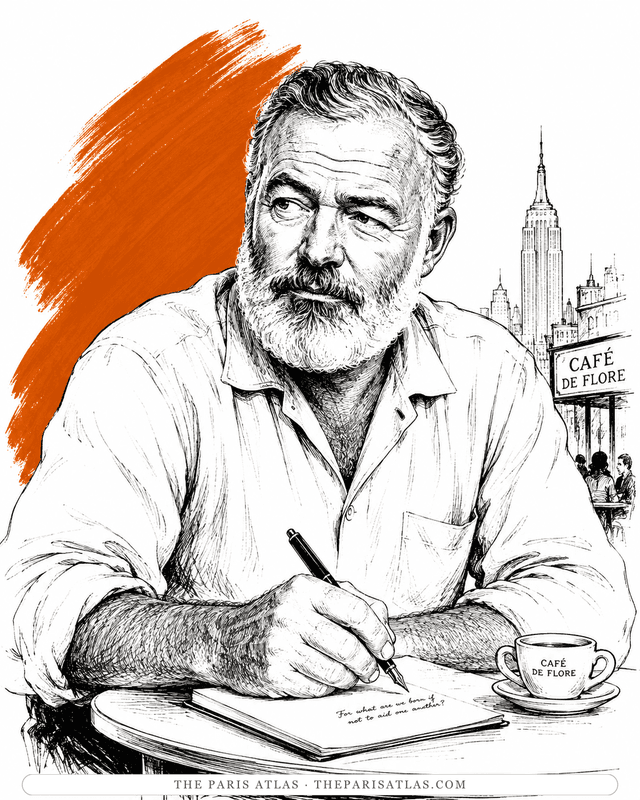
Ernest Hemingway
Ford published Hemingway's earliest Paris work and let him subedit the transatlantic review; Hemingway put him in The Sun Also Rises as Braddocks and settled accounts again in A Moveable Feast.
View author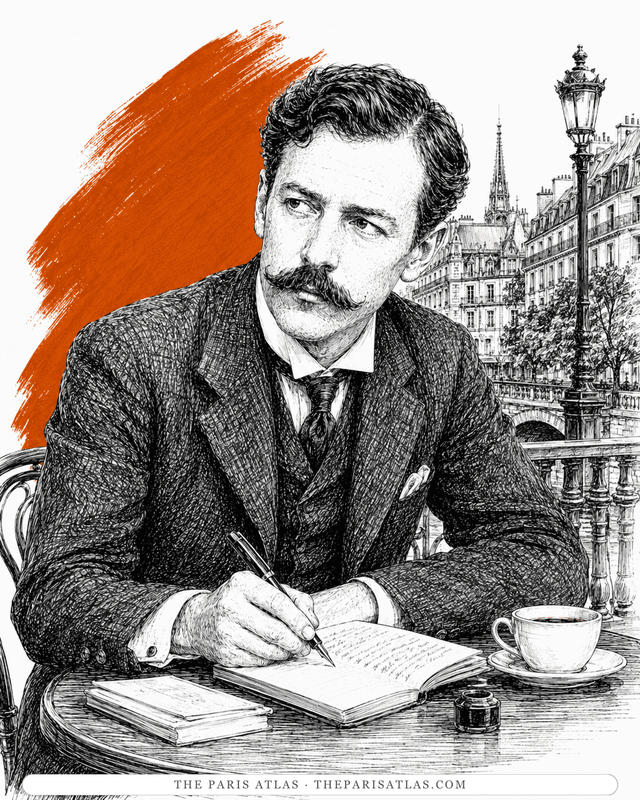
Sisley Huddleston
Fellow witness and friend — Huddleston's memoir catches Ford live: the studio parties, the bal musette, Conrad reminiscences on the Closerie terrace.
View author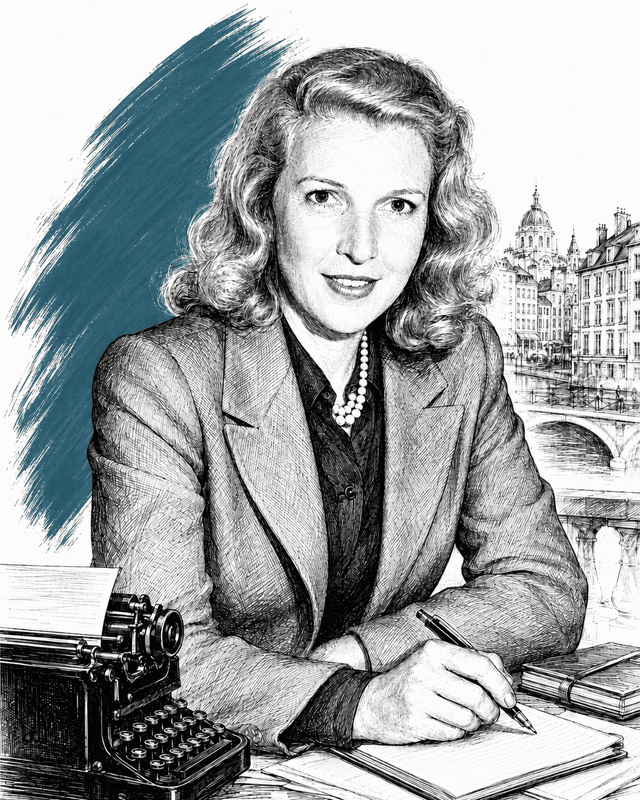
Martha Gellhorn
War correspondent who covered the Spanish Civil War, D-Day, and conflicts across five more decades; Hemingway's third wife, 1940–1945.
View author