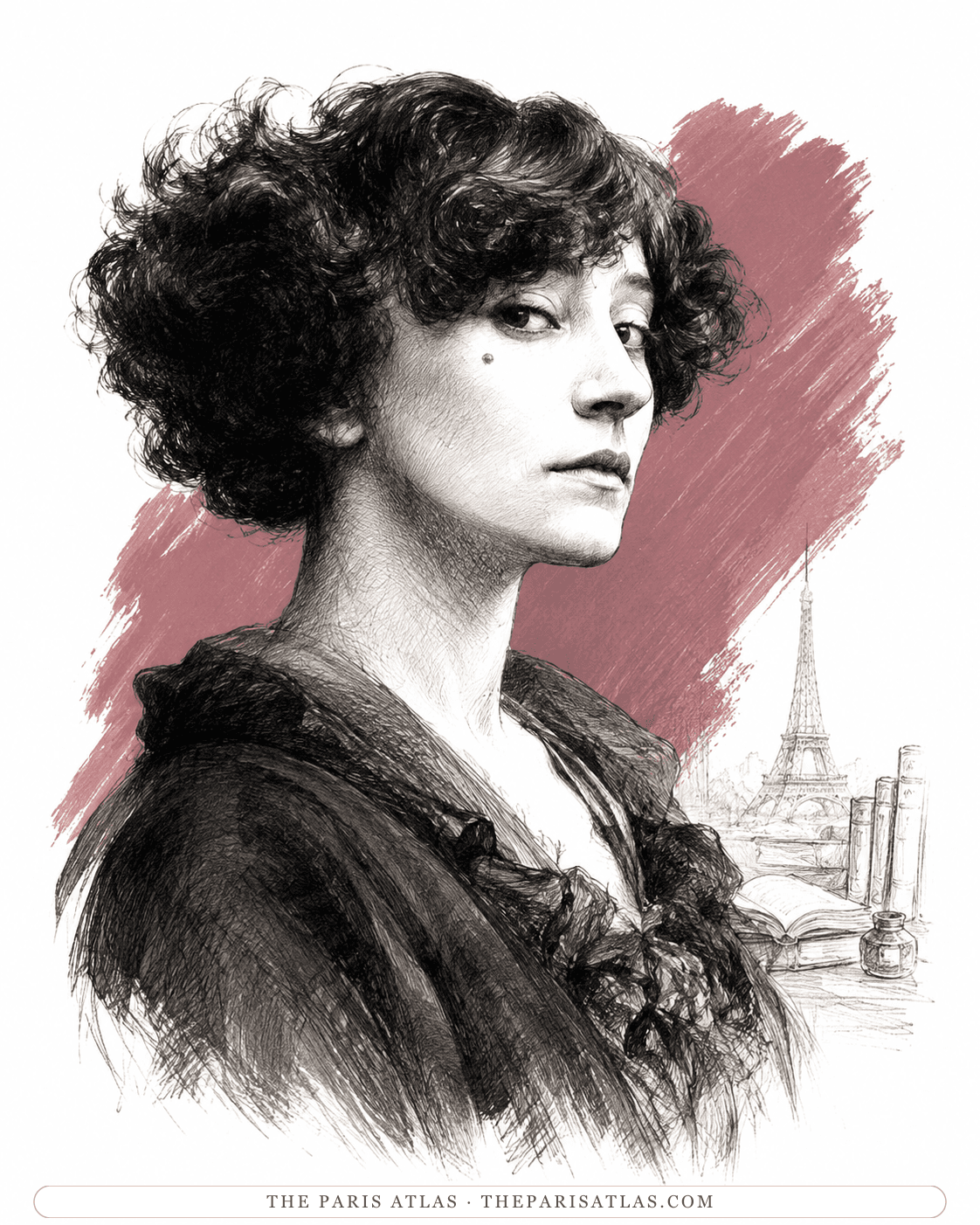

Le Toutounier
The direct sequel, which follows Alice back to her sisters after the events of this novel.
Read our take
by Colette
A husband learns of his wife's old, brief affair, and a close marriage comes apart over a few days in the country.
Duo is a chamber piece: a married couple, Michel and Alice, alone at their country house, and the slow damage done when Michel discovers that Alice once had a short affair. The infidelity is long past and was never serious, but Michel cannot absorb it, and the novel follows his jealousy corroding a marriage that had seemed happy. Almost nothing happens except conversation and silence between two people, which is the point. Published in 1934, it is one of Colette's most concentrated studies of how love and jealousy occupy the same house. (The full plot, including the ending, is below.)
Colette strips the novel down to two people and a few days. Michel and Alice are a devoted couple staying at their house in the French countryside when Michel, almost by accident, learns that Alice had a brief liaison some time before. The affair meant little and is over, and Alice says so plainly, but the knowledge lodges in Michel and will not dissolve.
What follows is a duet, as the title promises: two voices circling the same wound, Michel unable to stop probing and Alice unable to make the fact weigh as little as it truly did. Colette is precise about the asymmetry — how a small, closed episode for one partner becomes an open, spreading injury for the other, and how jealousy feeds on the very reassurances meant to end it.
Duo is a short, tightly bounded book, admired for its economy and its close attention to the texture of a marriage under strain. It has a sequel, Le Toutounier (1939), which follows Alice afterward, though Duo stands complete on its own.
Michel and Alice, a settled and affectionate married couple, are staying at their country house in the southwest of France. By chance Michel comes upon evidence of a brief affair Alice had in the past — an episode that was short, unserious, and long finished. Alice does not deny it and does not think it important, because to her it was not.
For Michel it becomes everything. Unable to let the discovery rest, he returns to it again and again, questioning Alice, reinterpreting their life together, and finding that each reassurance only sharpens the pain. The novel confines itself almost entirely to the two of them over a handful of days, tracing how jealousy hollows out a marriage that neither of them wanted to lose.
Michel cannot recover his footing, and the corrosion proves fatal. Unable to live with a knowledge he cannot reduce to its real, small size, he drowns himself in the river near the house. The marriage that the affair never truly threatened is destroyed instead by his inability to forgive a thing that scarcely needed forgiving. Colette ends without consolation, and the sequel, Le Toutounier, takes up Alice's life in the wake of his death.
The discovered letter puts Alice and Michel in different versions of the present. What she considers finished has only just become real to him; reading the same page cannot give them the same experience. Colette sharpens the division through repeated words and mirrored gestures that resemble agreement without producing it. When the meal interrupts them, Michel's familiar attentiveness becomes a public performance that Alice resents. Conversation therefore carries two conflicts at once: the affair itself and the effort to control what their ordinary behavior will allow another person to see.
The next morning, the countryside retains its beauty but no longer offers Alice a simple escape: she cannot imagine walking there either alone or with Michel. Relief instead comes through the sounds of Maria's household work and their unexpected ease over a meal. This temporary companionship complicates the title's apparent confinement to two people. Alice can briefly inhabit a social world outside the marriage, but the telephone interrupts it. The symbolic empty chair belongs to that unstable freedom, not to a securely chosen life apart.
Two people, a few days, one wound — Colette's economy makes the slow damage almost unbearably close.
The novel is exact about how a closed, trivial episode for one partner becomes an open, spreading injury for the other.
A short, tightly bounded book from her mature period, admired for saying a great deal with very little event.
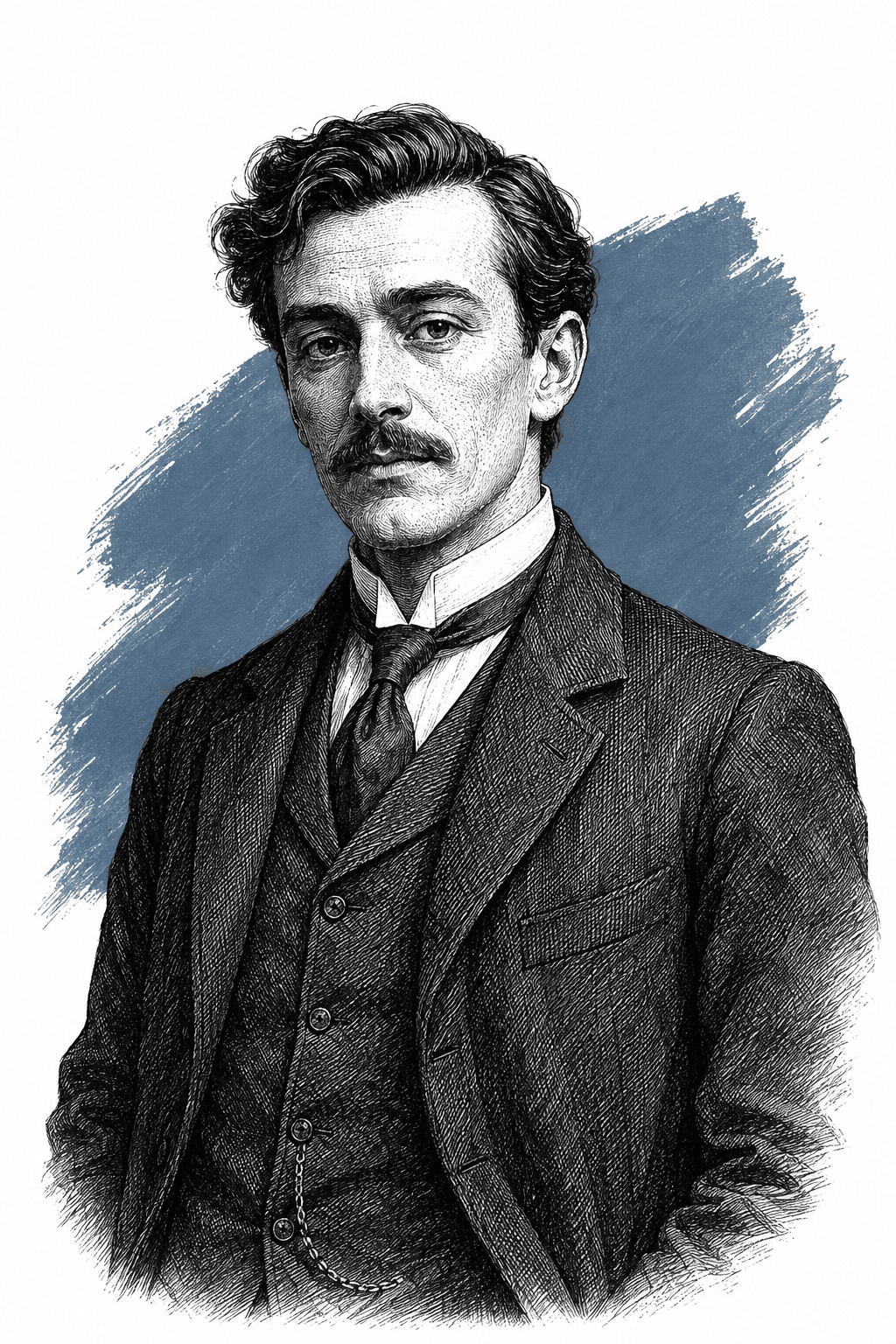
The husband, who discovers his wife's old, brief affair and cannot reduce it to its true small size — jealousy hollowing him out over a few days.
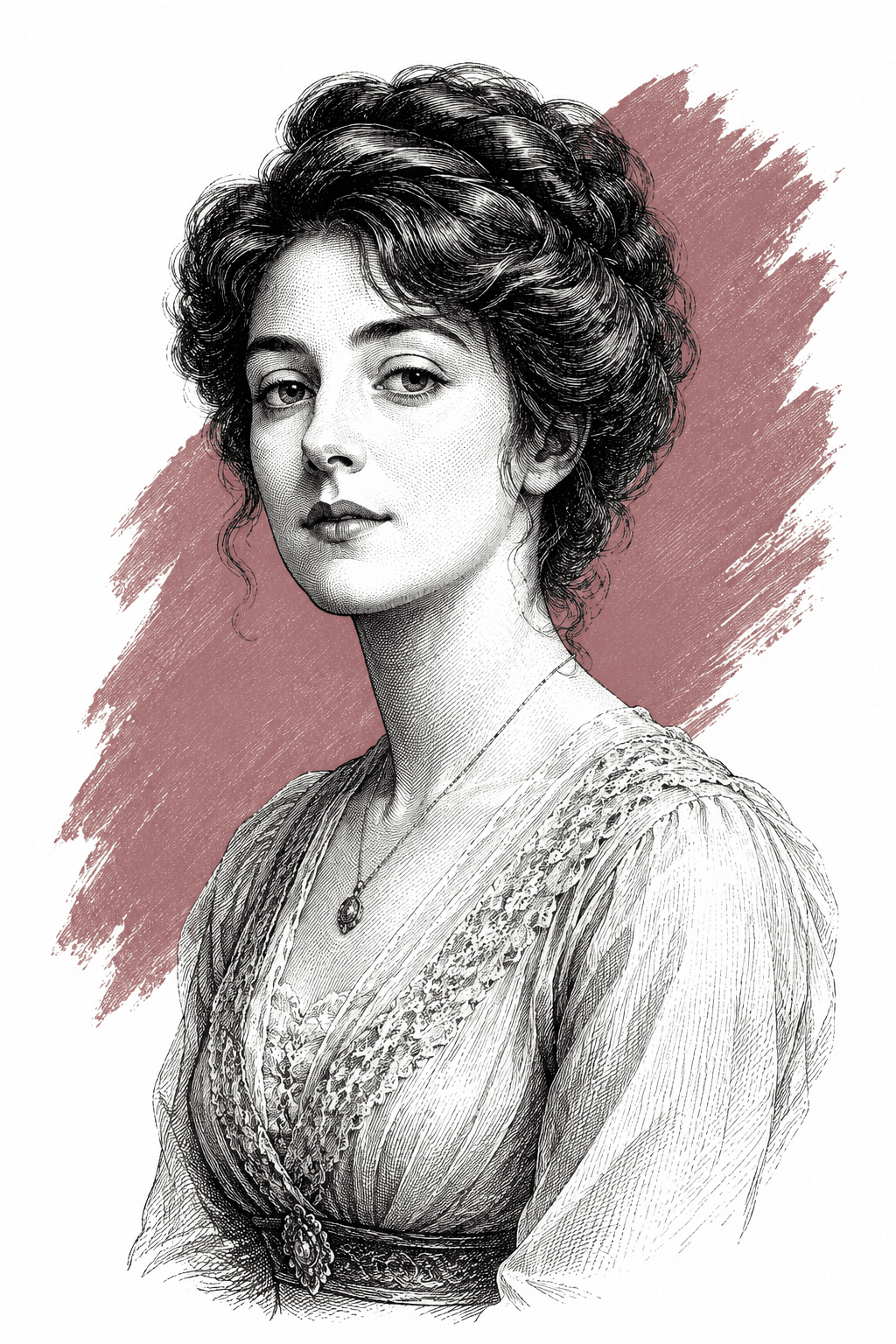
The wife, whose long-past liaison meant little to her and everything to Michel — unable to make a closed episode weigh as lightly as it truly did.
1934
Duo is published — Colette's concentrated study of a marriage destroyed by jealousy over a long-past affair.
1935
Farrar & Rinehart publishes Frederick A. Blossom’s English translation.
1939
The sequel, Le Toutounier, follows Alice in the aftermath.
The direct sequel, which follows Alice back to her sisters after the events of this novel.
Read our take
Its companion in Colette's mature marriage fiction, published five years earlier — the same subject, a cooler outcome.
Read our take

The nearby book in which Colette weighs love against renunciation, in a very different key.
Read our takeColette. Duo was published in 1934, during her mature period, and was followed by a sequel, Le Toutounier, in 1939.
A married couple, Michel and Alice, alone at their country house; when Michel discovers a brief affair Alice had in the past, his jealousy destroys a marriage the affair itself never seriously threatened.
The novel is essentially a two-person piece — a duet — confined almost entirely to the husband and wife circling the same wound over a few days.
Tragically. Unable to live with a discovery he cannot cut down to its real, small size, Michel dies by suicide, drowning himself in the river near the house.
Yes. Le Toutounier (1939) follows Alice after the events of Duo, though Duo stands complete on its own.
Explore authors with a similar voice, perspective, and influence.

The Brooklyn dropout who arrived in Paris broke at thirty-eight and wrote the exuberant, banned books that ended American censorship.
View author
The doctor of the Paris slums who wrote the century's blackest, funniest novel — and changed the sound of French prose.
View author
War correspondent who covered the Spanish Civil War, D-Day, and conflicts across five more decades; Hemingway's third wife, 1940–1945.
View authorThe sources below include the primary text, editions, scholarship, archival materials, and other records that informed this page. They document Duo, its publication, and its place in literary history.


The primary text represented by this page, used for descriptions of the work’s contents and for any quoted passages shown here.
Selected French passages in chapters I and II support the added readings; the illustrations remain interpretive, not literal reconstructions.

The 1935 bibliographic record verifies the first English edition's publisher and translator.
The Société des amis de Colette bibliography verifies the original edition's publisher and publication date.
Used to place Duo within Colette's published work and verify its bibliographic context.
Used for independent biographical, archival, or historical context surrounding Colette's career and the period in which Duo appeared.
Used to cross-check authorship, chronology, and the work's place in Colette's wider catalogue.
Used to verify Colette's bibliography and place Duo within the broader chronology of Colette's career.
The primary text is the baseline reference for every book page. Additional references document publication history, interpretation, and historical context where that evidence is available.
 Explore more resources