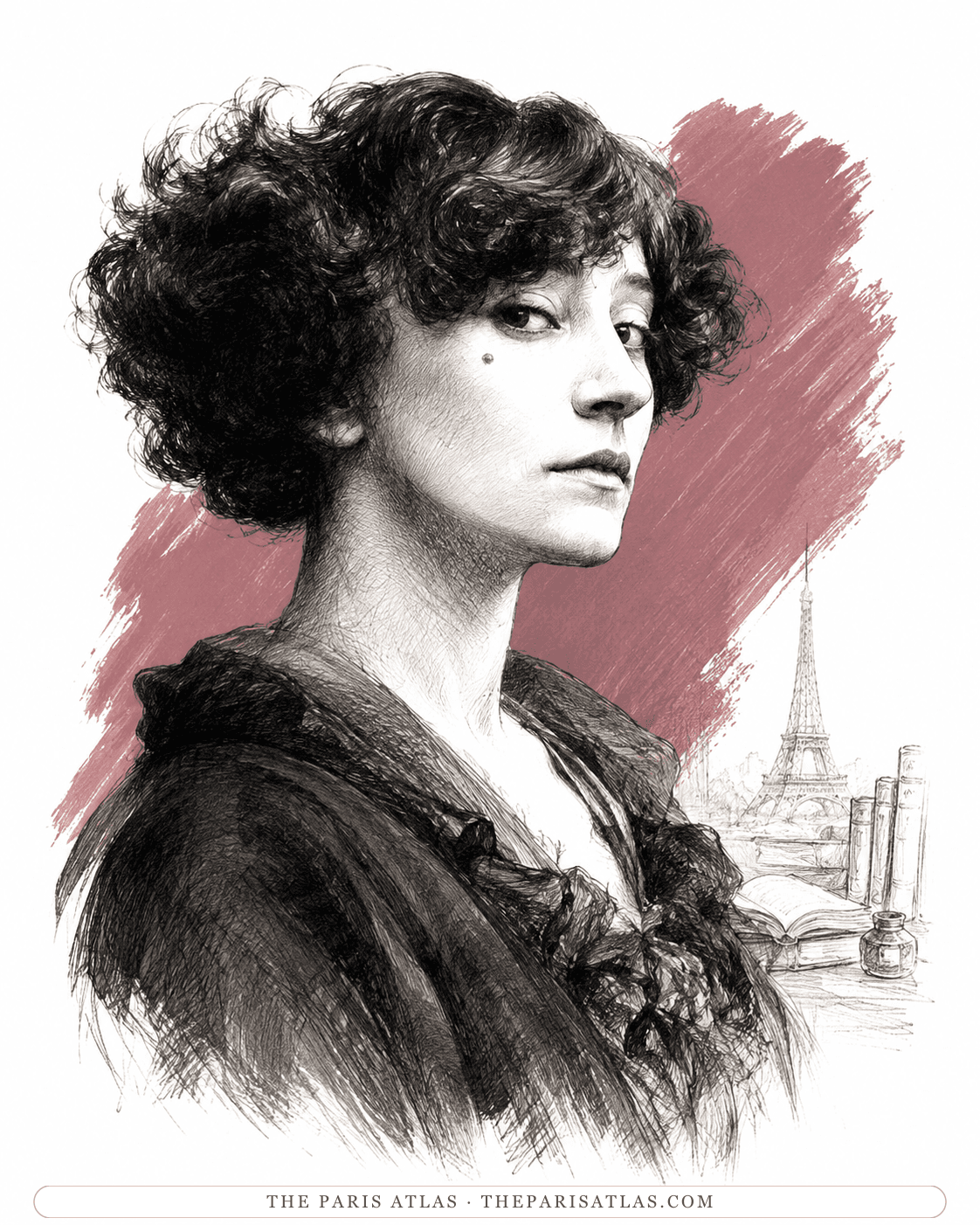

Chéri
Aging and renounced desire again — dramatized there in the demi-monde, meditated on here in the first person.
Read our take
by Colette
A woman past fifty, alone in a Provence summer, decides what a life no longer organized around love can be.
A hybrid of novel, memoir, and meditation, Break of Day is narrated by a writer named Colette spending a summer in a house on the Mediterranean coast. In her early fifties, she weighs a possible last love affair against the freedom of relinquishing it, and measures herself against the memory of her mother, Sido, whose letters run through the book. Published in 1928, it is one of Colette's central works of late self-writing — less a story than a reckoning with aging, desire, and what to want after desire. (What's inside is described below.)
Break of Day is one of Colette's deliberate blurrings of fiction and autobiography. The narrator bears her name and much of her life, sits in a house much like the one Colette kept at Saint-Tropez, and thinks aloud about the questions Colette was living: what a woman's life becomes when she stops arranging it around sexual love, and whether that relinquishment is a loss or a homecoming.
The book has very little plot. Its action is inward — a summer of self-assessment, garden and sea observed with Colette's sensory exactness, and a decision taken quietly rather than dramatized. A younger man is drawn to the narrator, and the book's real event is her turning away from the affair and toward a differently ordered life.
Threaded through the meditation are letters from the narrator's mother, Sido. Colette shaped and rewrote her mother's real correspondence for the book, so the letters are literature rather than transcription — Sido as Colette needed her, presiding over a book about how to grow old.
The narrator — a writer named Colette — is spending a summer alone in a house on the Mediterranean coast, in her early fifties. The book is her account of that season: the garden, the heat, the animals, the neighbors, and above all the question of what she now wants. A younger man, Valère Vial, is attached to the household and drawn to her; a younger woman, Hélène Clément, is drawn to him. The narrator watches the possibility of a late affair open in front of her and considers, without hurry, whether to take it.
Around this runs the presence of her mother, Sido, quoted through letters that Colette reworked from the real correspondence. Sido becomes the book's measure of how to live and how to relinquish — a woman who loved the world's particulars fiercely and let go of them without bitterness. The narrator tests her own aging against that example. The result is less a plot than a meditation: on desire, maturity, solitude chosen rather than suffered, and the daybreak the title promises — the start of a life no longer organized around being loved.
The garden's routines give the narrator a way to measure time without making a lover's arrival its central event. Young trees need watering, meals approach, and tomorrow's light promises another sequence of work and pleasure. Yet this order is not presented as effortless detachment. An old romantic grievance interrupts a waking thought about watering aubergines, and the second place setting recalls earlier dependence even as she distinguishes solitude from abandonment. The chapter makes change audible in these competing thoughts: attention is being redirected toward the material world, not emptied of memory.
The dawn conversation distinguishes refusing a relationship from becoming incapable of feeling. The narrator still responds to Vial's presence and worries about her own uncertainty; what she wants is a life whose happiness and distress no longer require romance as their explanation. Vial cannot readily accept that distinction, hearing possible encouragement where she seeks another kind of understanding. Their farewell remains awkward rather than triumphant. His departure leaves her cold and exhausted, turning toward ordinary bodily care instead of a grand declaration that the struggle with old habits is finished.
It faces aging and the end of romantic love without either dread or consolation, and finds a daybreak on the far side of them.
One of her clearest experiments in autofiction, decades before the term — a narrator named Colette, invented and true at once.
Her mother's presence, built from reworked letters, gives the book its measure of how to love the world and how to let it go.
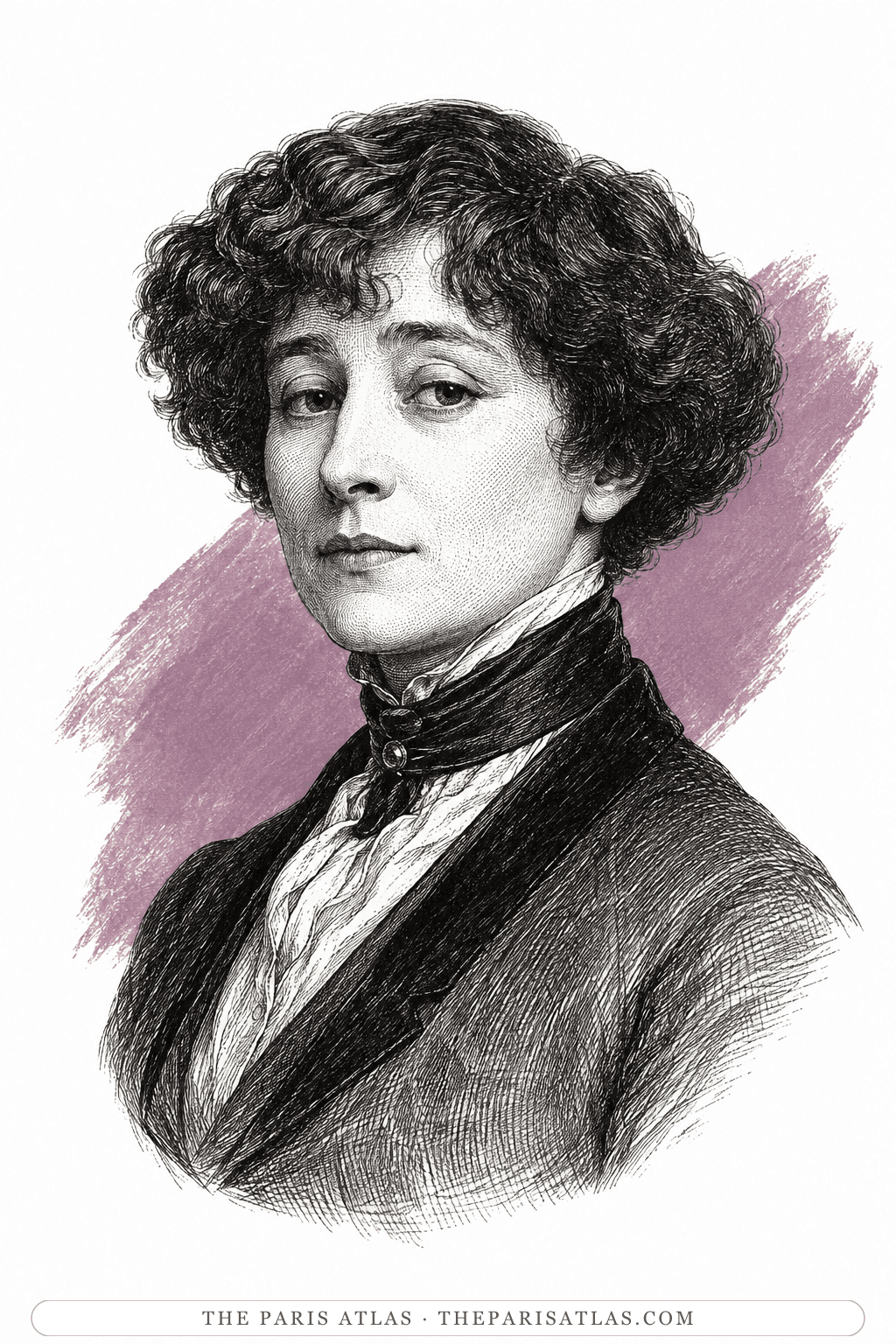
A writer named Colette, in her early fifties, spending a summer in Provence and deciding what to want after desire — invented and autobiographical at once.
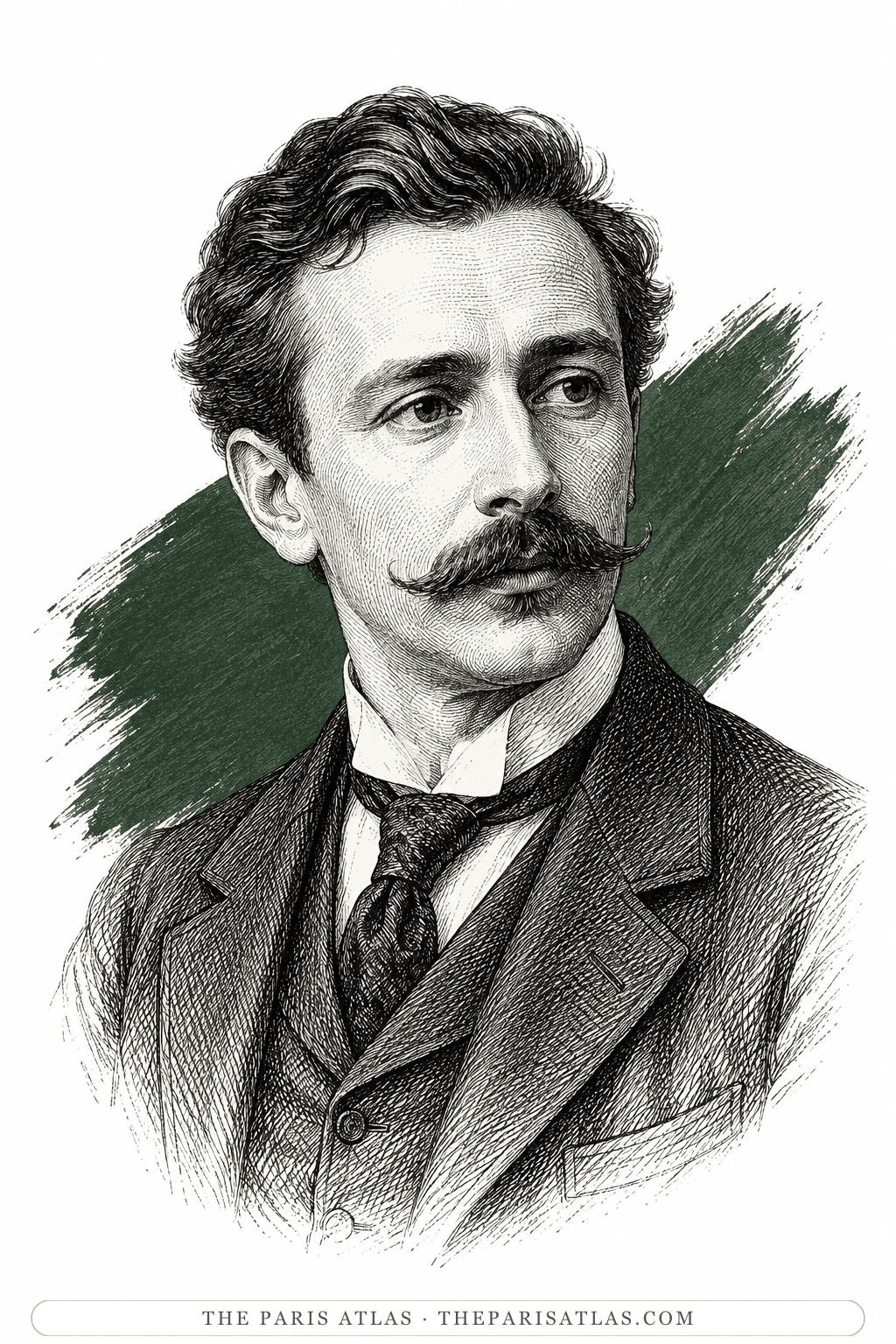
The younger man attached to the household and drawn to the narrator — the last love affair she considers and lets go.
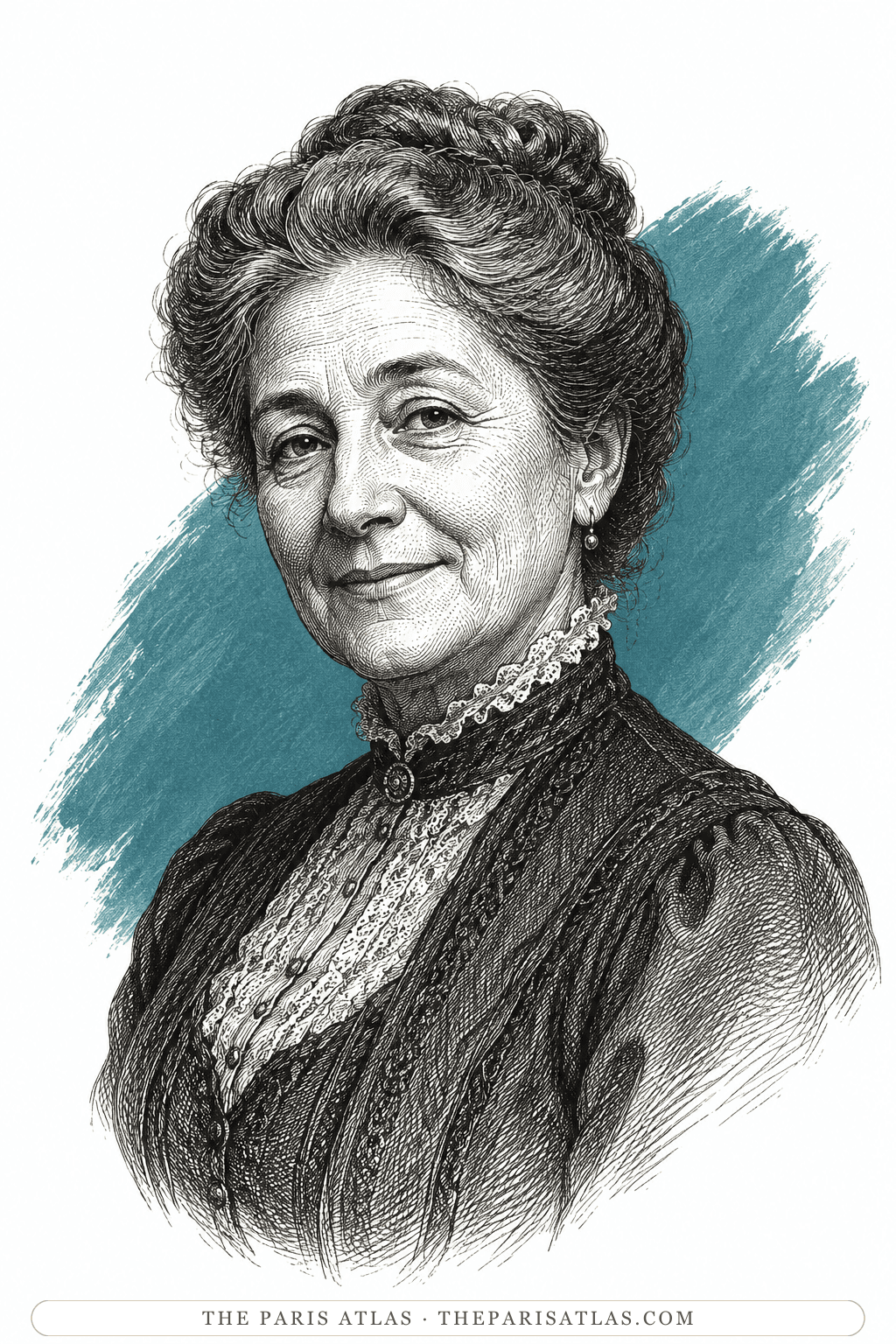
The narrator's mother, present through reworked letters — the book's measure of how to love the world's particulars and how to relinquish them.
July 1927
Colette rereads her mother’s letters while developing the book’s treatment of Sido.
1928
Break of Day is published, a central work of Colette's late self-writing.
1980
La Naissance du jour is adapted for the screen.
Aging and renounced desire again — dramatized there in the demi-monde, meditated on here in the first person.
Read our take
The earlier first-person reckoning with independence, before age made the question different.
Read our take
The Belle Époque courtship plot she could still write straight, set against this book's turn away from love entirely.
Read our takeThe French novelist Colette. La Naissance du jour was published in 1928.
Both, by design. The narrator is named Colette and shares much of her life, but the book invents and shapes freely. It is best described as autobiographical fiction, or autofiction.
A writer named Colette, in her early fifties, spends a summer alone on the Mediterranean coast and weighs a possible last love affair against the freedom of giving it up. It is a meditation on aging, desire, and solitude more than a plotted story.
Sido is the narrator's mother, present through letters. Colette built them from her real mother's correspondence, reworking the letters into literature rather than quoting them verbatim.
The narrator is named Colette and shares her circumstances, but she is a literary construction, not a straightforward self-portrait. The book plays deliberately with the line between author and character.
Explore authors with a similar voice, perspective, and influence.
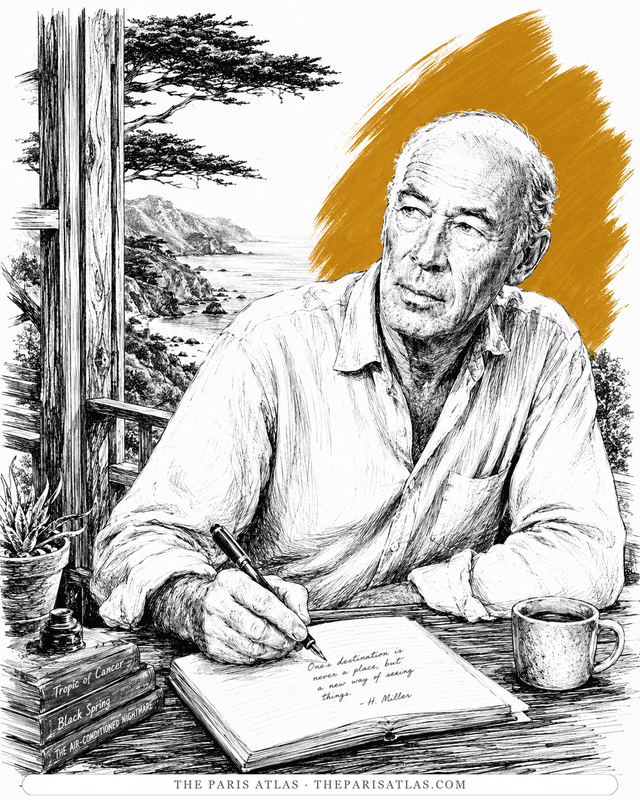
The Brooklyn dropout who arrived in Paris broke at thirty-eight and wrote the exuberant, banned books that ended American censorship.
View author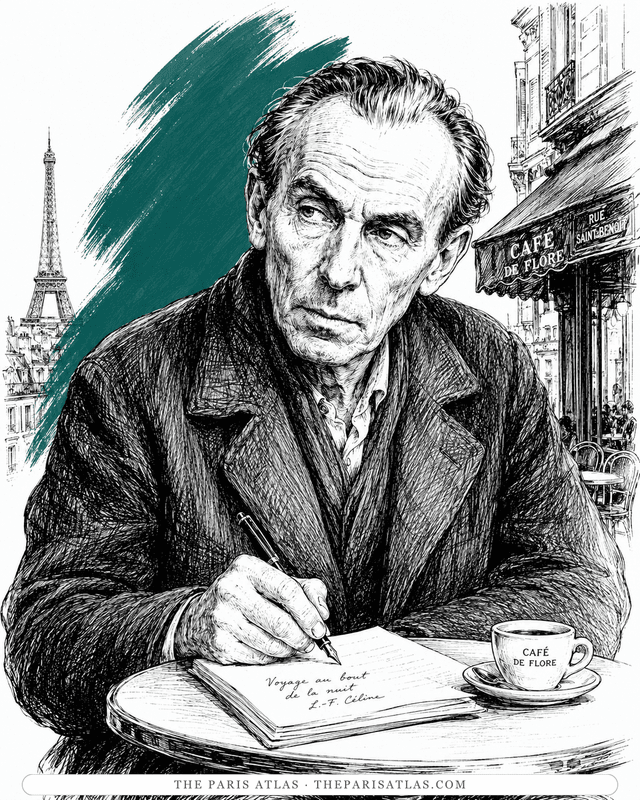
The doctor of the Paris slums who wrote the century's blackest, funniest novel — and changed the sound of French prose.
View author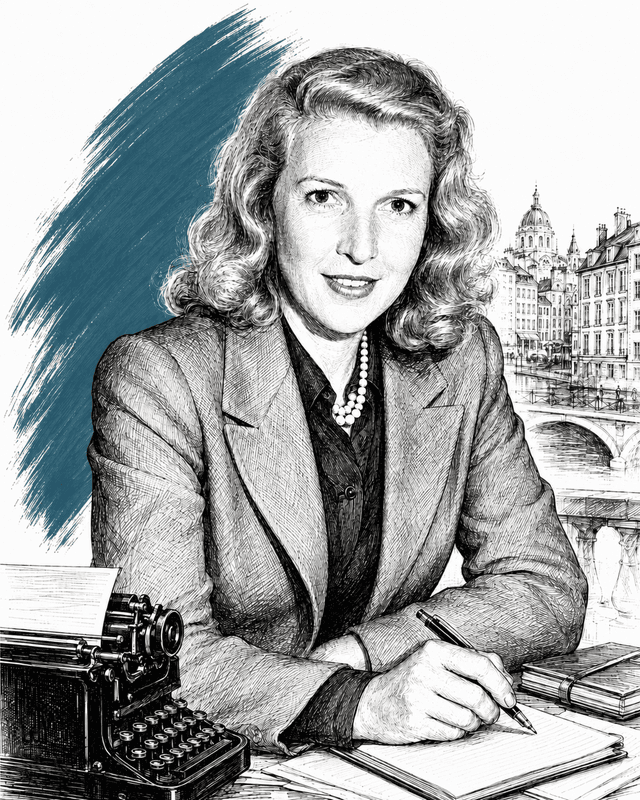
War correspondent who covered the Spanish Civil War, D-Day, and conflicts across five more decades; Hemingway's third wife, 1940–1945.
View authorThe sources below include the primary text, editions, scholarship, archival materials, and other records that informed this page. They document Break of Day, its publication, and its place in literary history.


The primary text represented by this page, used for descriptions of the work’s contents and for any quoted passages shown here.
French primary text used for Chapter II's domestic and garden meditation and Chapter VII's conversation ending in Vial's dawn departure. The narrator is not treated as an independently verified biographical record; the existing illustration remains a symbolic reconstruction. No English-translation comparison is claimed.
Used to place Break of Day within Colette's published work and verify its bibliographic context.

Used for independent biographical, archival, or historical context surrounding Colette's career and the period in which Break of Day appeared.
Used to cross-check authorship, chronology, and the work's place in Colette's wider catalogue.
Used to verify Colette's bibliography and place Break of Day within the broader chronology of Colette's career.
Publication and revision history used for the timeline.
The primary text is the baseline reference for every book page. Additional references document publication history, interpretation, and historical context where that evidence is available.
 Explore more resources