
My Mother's House
The companion memoir this book completes, set in the same Burgundy household.
Read our take
by Colette
Colette's portrait of her mother — and, around her, her father and wild siblings — often called the finest thing she wrote.
Sido is Colette's memoir of her mother, Sidonie Colette. The book is careful about the name in its title: Colette writes that one person in the world called her mother Sido, and that person was her father. Everyone else, neighbours included, said Madame Colette. Written in her late fifties, long after her mother's death, it is a portrait in three parts — Sido, then the father, then the siblings — of the household in Burgundy where Colette grew up. Its subject is above all her mother's rare attention to the living world: to weather, gardens, animals, and the people around her. Published in 1930, it is the companion to My Mother's House and, for many readers, the summit of Colette's work. (What's inside is described below.)
Sido deepens the memory-writing Colette began in My Mother's House, but it is a more considered and more elegiac book. Where the earlier collection gathered scattered sketches, Sido is organized around three figures — the mother, the father, the children — and returns to them with the confidence of a writer who has found her greatest subject. Sido had been dead for years when Colette wrote it, and the distance shows as tenderness rather than grief.
The portrait of Sido is the book's heart: a provincial mother of unusual intelligence and feeling, alive to the garden and the sky, impatient with convention, and bound to her children and her plants with the same fierce attention. Around her, the reserved father — a wounded former army officer whose devotion to his wife the book gradually reveals — and the siblings Colette called les sauvages, the wild ones, fill in the world she came from.
Sido is short and dense, closer to a prose poem than a conventional memoir, and it is the book most often named when readers argue for Colette as one of the major French writers of the century. It is best read with My Mother's House, which it completes.
The book is a portrait rather than a narrative, built in three movements. The first and longest is Sido herself — Colette's mother, watching her barometer and her garden, writing letters, tending animals and children with a restless, loving attention that the whole book takes as its measure of how to be alive to the world. Colette recovers her not through anecdote alone but through the quality of her looking.
The second movement turns to the father, the quiet, one-legged former soldier whose deep attachment to Sido the family only half understood, and the third to the siblings — les sauvages, the 'savages' — the older half-brother and the others who ran wild through the same house and countryside. Together the three parts assemble the world of Colette's childhood around the mother at its center. There is no plot to spoil; the book's movement is one of memory and love, closing the portrait Colette began in My Mother's House.
The gold cord passes almost instantly from a parcel to a broken stem, changing from decoration into support for something still alive. Sido's quick repair condenses the wider movement of her return: she notices and attends to several needs without separating them into grand and trivial concerns. The daughter's response takes longer to understand. What she first calls jealousy is reinterpreted in the telling as a response to the beauty of effective care. Remembering therefore does more than preserve an action; it revises the meaning of the witness's own feelings.
The scarecrow records one intention, while Sido's absorbed watching reveals another. Her delight follows the bird's movements so closely that the daughter's reminders about the fruit sound briefly irrelevant. The adult narrator reads this interruption as a leap beyond everyday obligations, but admits that her interpretation may be mistaken. That qualification matters in a portrait built from admiration: the mother is not entirely available to the daughter's explanation. Nor does the moment permanently release her from ordinary life. She returns to its concerns after allowing attention, for a while, to outweigh ownership.
Sido is the work most cited when readers make the case for Colette as one of the major French writers of the century.
Its subject is less events than Sido's rare attention to weather, garden, and living things — attention Colette inherited and made into prose.
It returns to the household of My Mother's House with greater depth and elegy, closing Colette's portrait of where she came from.
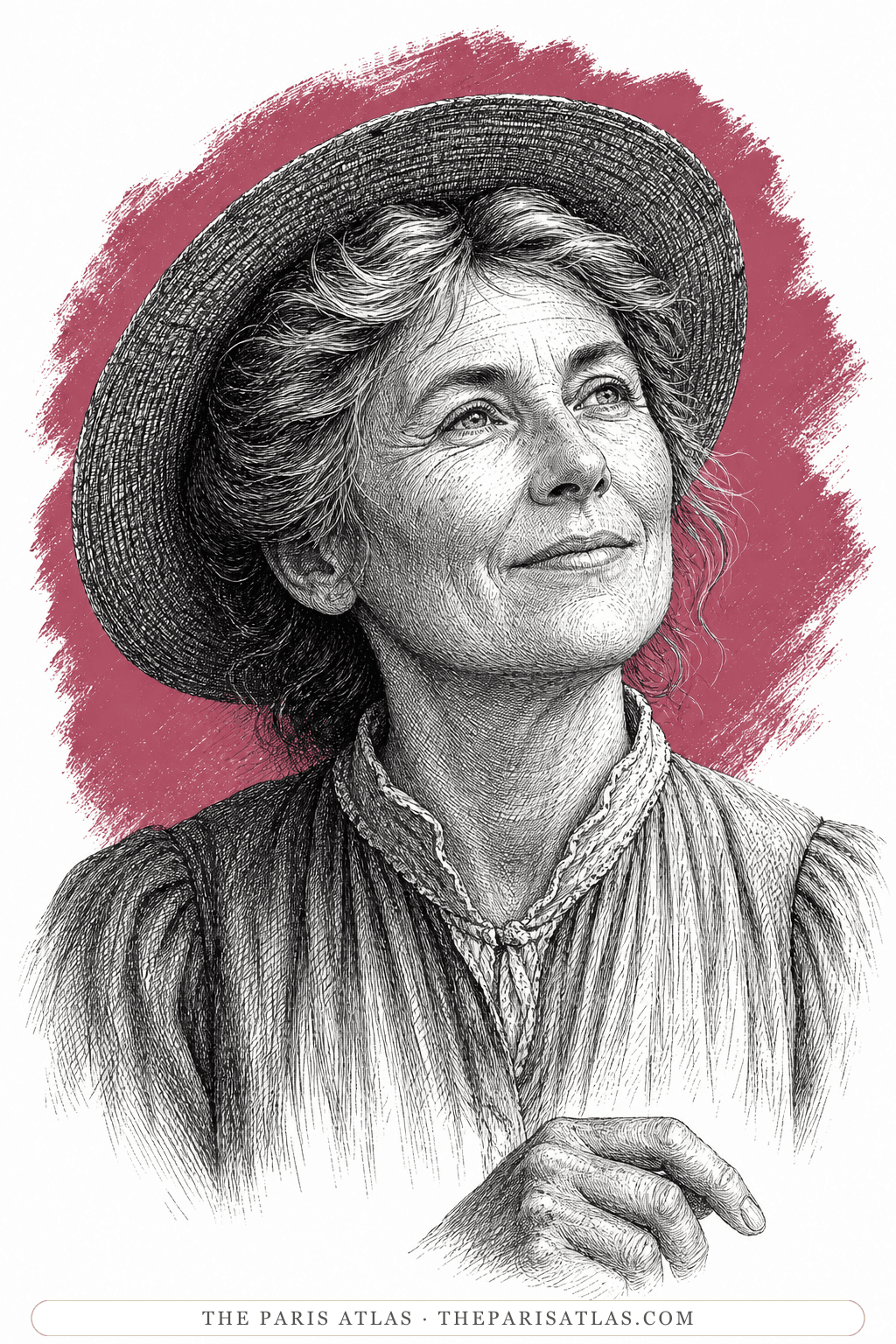
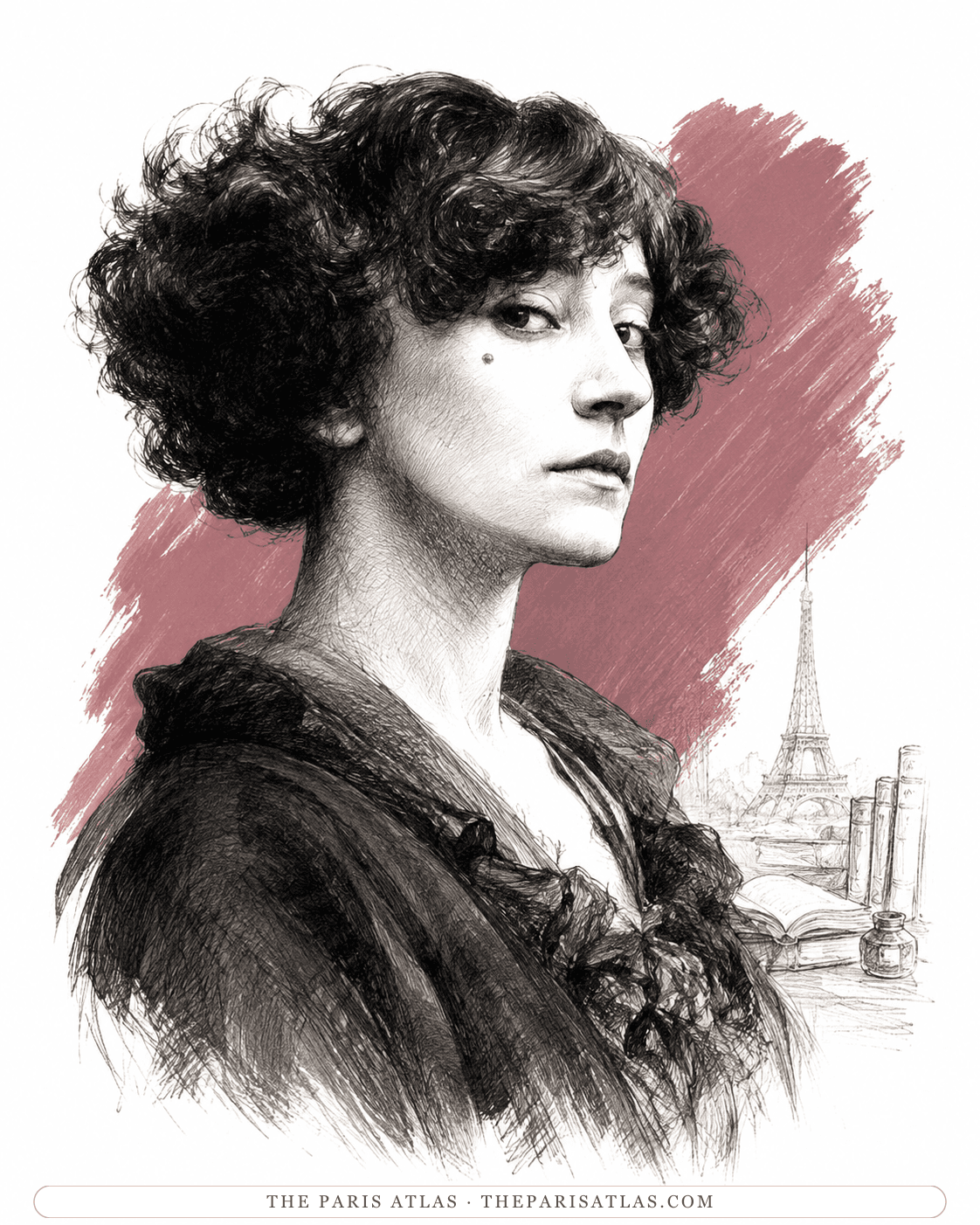
Colette's mother, Sidonie — intelligent, unconventional, alive to garden and sky and the people around her. The book's center and its measure of how to live.
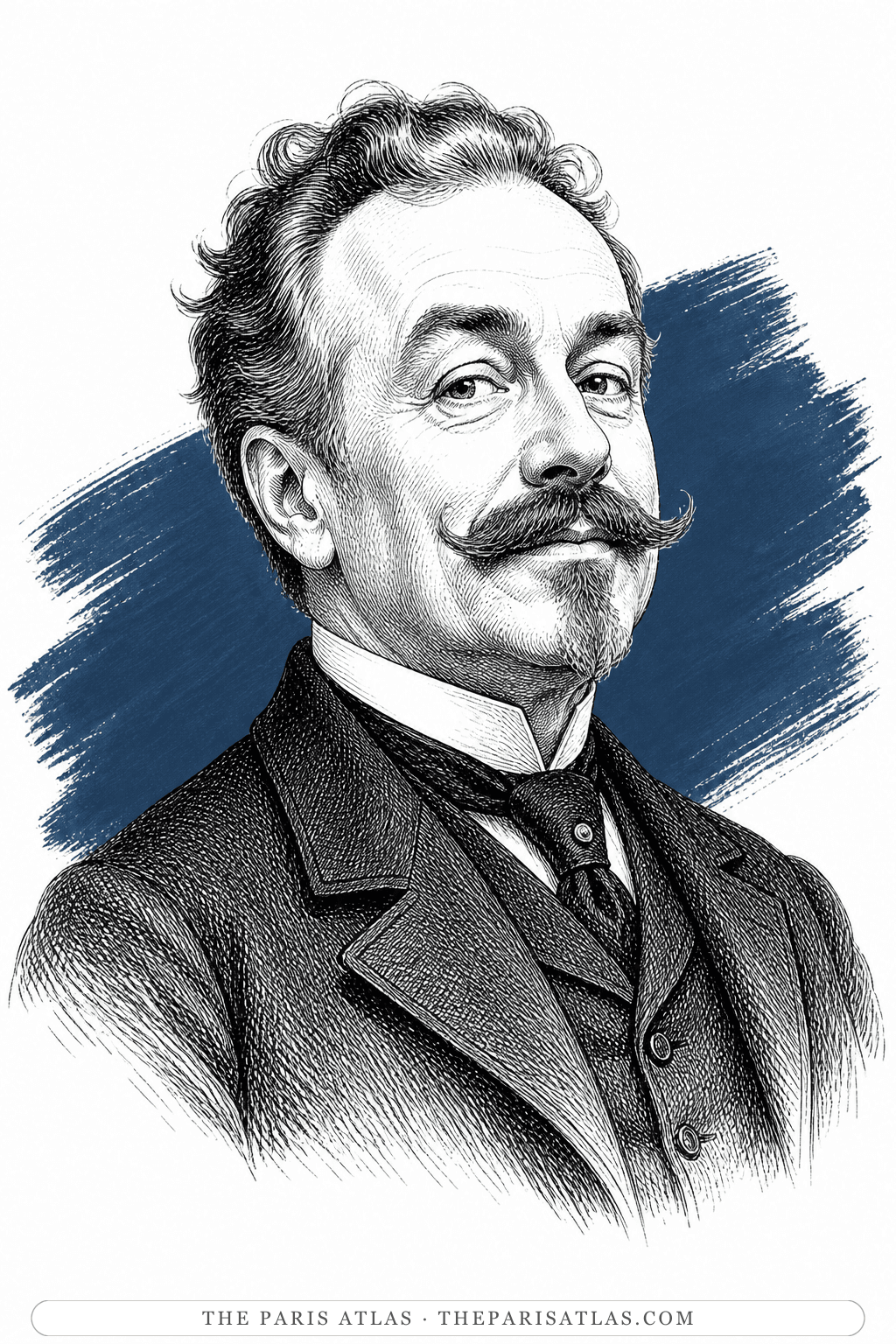
Colette's father, a one-legged former army officer whose quiet, deep devotion to Sido the book slowly uncovers.
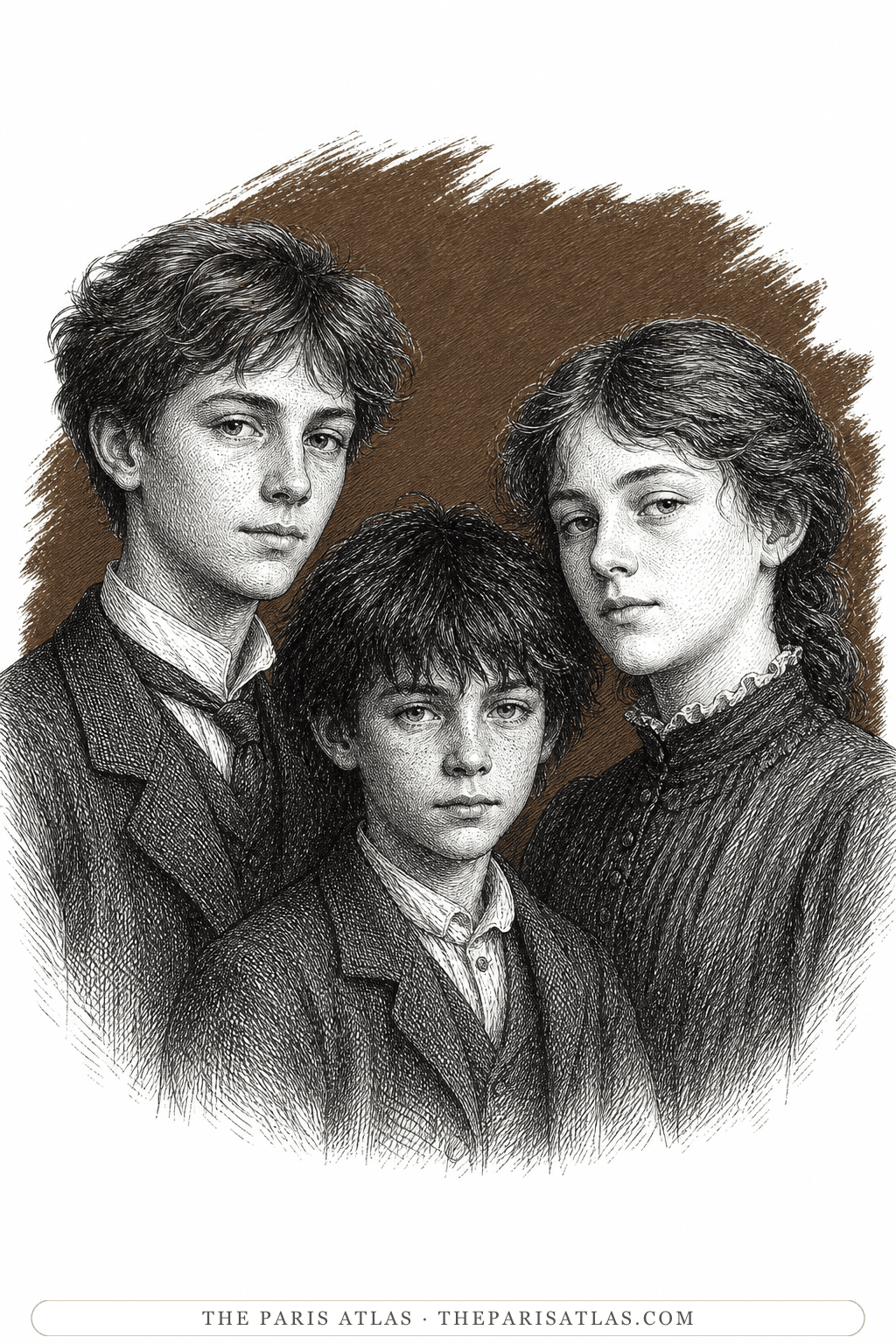
The siblings — the 'wild ones' — who ran loose through the same house and countryside, filling out the world of Colette's childhood.
1922
My Mother's House introduces the figure of Sido, Colette's mother.
1930
Sido is published — Colette's fuller portrait of her mother, father, and siblings, often called her finest work.
2002
Farrar, Straus and Giroux issues Sido together with My Mother’s House, preserving the pairing of the two family memoirs.

The companion memoir this book completes, set in the same Burgundy household.
Read our take
The novel built around Sido's own letters, in which the mother becomes a model for renunciation.
Read our take
Colette's fiction of youth and the natural world, close in tenderness to these memoirs.
Read our takeColette. Sido was published in 1930, when she was in her late fifties, as a memoir of her mother and her Burgundy childhood.
Sido was Colette's father's name for his wife, Sidonie Colette — the writer records that he was the only person in the world who used it. She was a provincial Burgundy woman of unusual intelligence and feeling, and the presiding figure of Colette's memory-writing.
It is a portrait in three parts — the mother, the father, and the wild siblings — of the household Colette grew up in, centered on her mother's rare attention to the natural world.
Sido is the companion to My Mother's House (1922), returning to the same house and family with greater depth and elegy. The two memoirs are usually read, and often published, together.
Many readers and critics think so. It is the work most often named in the case for Colette as one of the major French writers of the twentieth century.
Explore authors with a similar voice, perspective, and influence.

The Brooklyn dropout who arrived in Paris broke at thirty-eight and wrote the exuberant, banned books that ended American censorship.
View author
The doctor of the Paris slums who wrote the century's blackest, funniest novel — and changed the sound of French prose.
View author
War correspondent who covered the Spanish Civil War, D-Day, and conflicts across five more decades; Hemingway's third wife, 1940–1945.
View authorThe sources below include the primary text, editions, scholarship, archival materials, and other records that informed this page. They document Sido, its publication, and its place in literary history.


The primary text represented by this page, used for descriptions of the work’s contents and for any quoted passages shown here.
French primary text in the 1961 reprint used for the geranium repair and blackbird passages in “Sido.” The readings distinguish the remembered actions from the narrator's later interpretations; no first-edition or English-translation comparison is claimed.

The Macmillan bibliographic record verifies the 2002 combined edition, its ISBN, and Enid McLeod's translation of Sido.
The Société des amis de Colette bibliography verifies the original edition's publisher and publication date.
Used to place Sido within Colette's published work and verify its bibliographic context.
Used for independent biographical, archival, or historical context surrounding Colette's career and the period in which Sido appeared.
Used to cross-check authorship, chronology, and the work's place in Colette's wider catalogue.
Used to verify Colette's bibliography and place Sido within the broader chronology of Colette's career.
The primary text is the baseline reference for every book page. Additional references document publication history, interpretation, and historical context where that evidence is available.
 Explore more resources