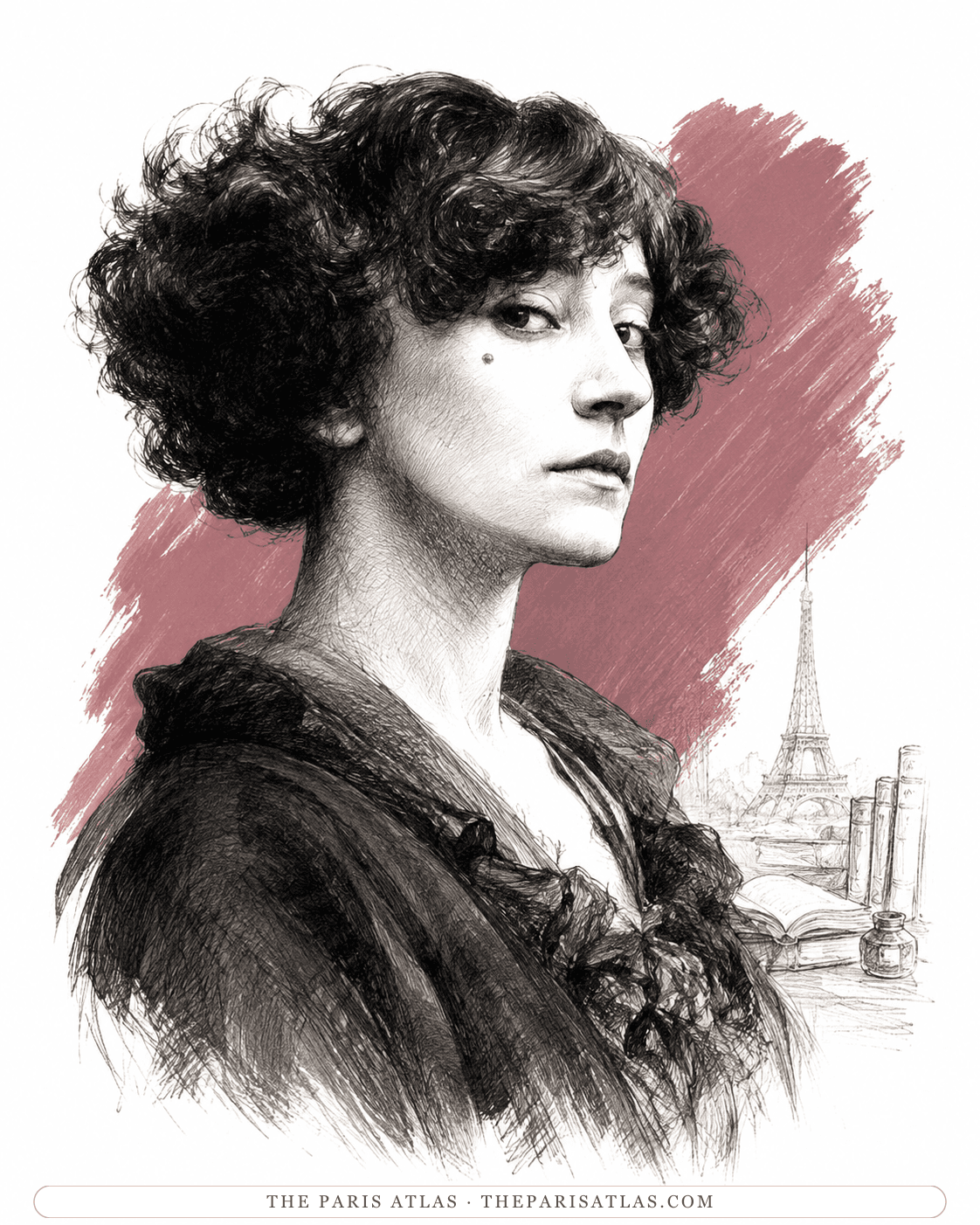

Sido
The companion memoir, returning to the same house and family with more depth and elegy.
Read our take
by Colette
Short, luminous memories of a Burgundy childhood, gathered around the mother who presides over them.
My Mother's House is a collection of autobiographical sketches about Colette's childhood in the Burgundy village of Saint-Sauveur-en-Puisaye. Despite its French title, La Maison de Claudine, it has nothing to do with the Claudine novels; it is Colette writing directly, in short luminous pieces, about her mother Sido, her father, her siblings, the animals, and the garden of her early years. Published in 1922, it began the strand of memory-writing that many readers consider Colette's finest, continued eight years later in its companion, Sido. (What's inside is described below.)
The book gathers brief, self-contained sketches rather than telling a single story. Each returns to the household and garden of Colette's provincial childhood: her mother moving among her plants and animals, her reserved father, the cats and dogs, the daily texture of a family and a place that had already vanished by the time she wrote. The pieces are short, exact, and unsentimental about a subject that could easily have turned soft.[1]
The misleading title is a publisher's echo of Colette's early fame — La Maison de Claudine trades on the Claudine name — but the book belongs to a different project entirely: not invented fiction but recovered memory, and the beginning of Colette writing openly as herself. Its center of gravity is Sido, the mother whose attention to weather, garden, and living things shapes every sketch and would become one of the great figures in Colette's work.[1]
My Mother's House is best read as the first half of a pair. Sido (1930) returns to the same people and the same house with more depth and a stronger sense of elegy; together the two books are Colette's portrait of where she came from.[1]
There is no continuous plot. The book is a sequence of short autobiographical pieces set in and around the family house at Saint-Sauveur-en-Puisaye: the garden and its seasons, the animals, the routines of a country household, and above all the presence of Colette's mother, Sido, who watches over plants, weather, and children with the same close attention. Colette recovers her childhood in fragments — a remembered afternoon, a family habit, a scene between mother and child — each rendered with precision and restraint.[1]
The pieces circle a handful of figures: Sido at the center; the quiet, one-legged father, a former army officer; the older siblings; and the child Colette, whom her mother called Minet-Chéri. What holds the collection together is not story but atmosphere and love — a vanished house and family brought back through concrete detail rather than nostalgia. It is the first of Colette's two memoirs of childhood, and the ground from which the fuller, more elegiac Sido would grow.[1]
The remembered homecoming brings mother, garden and animals into view together, answering the young visitor's frustration with rooms full of unresponsive objects. Touch and movement make belonging something she can experience physically. Yet the sketch does not leave the garden in perfect harmony: Sido protects a caterpillar even as it destroys plants she also values. Her care cannot preserve everything at once. The closing recollection carries that difficulty beyond the garden, linking her repeated concern for vulnerable creatures with concern for children, women and households in need.
The library is remembered through bindings, smells and familiar positions before it becomes a list of literary influences. Some volumes matter without ever being opened; others invite repeated reading or resistance. Sido's questions encourage judgment rather than unquestioning admiration, especially when romantic plots exclude the ordinary work of raising children and tending gardens. But the later encounter with a forbidden Zola novel unsettles this confidence. The sketch allows books to be both reassuring household presences and disturbing strangers, whose effects neither a parent's prohibition nor a reader's experience can fully control.
After the invented Claudines and the music-hall novels, this is Colette turning directly to her own childhood and the mother at its center.
The sketches recover a vanished household through concrete detail — garden, animals, weather — rather than nostalgia.
It introduces the figure of Sido, Colette's mother, and opens the strand of memory-writing many readers consider her finest.
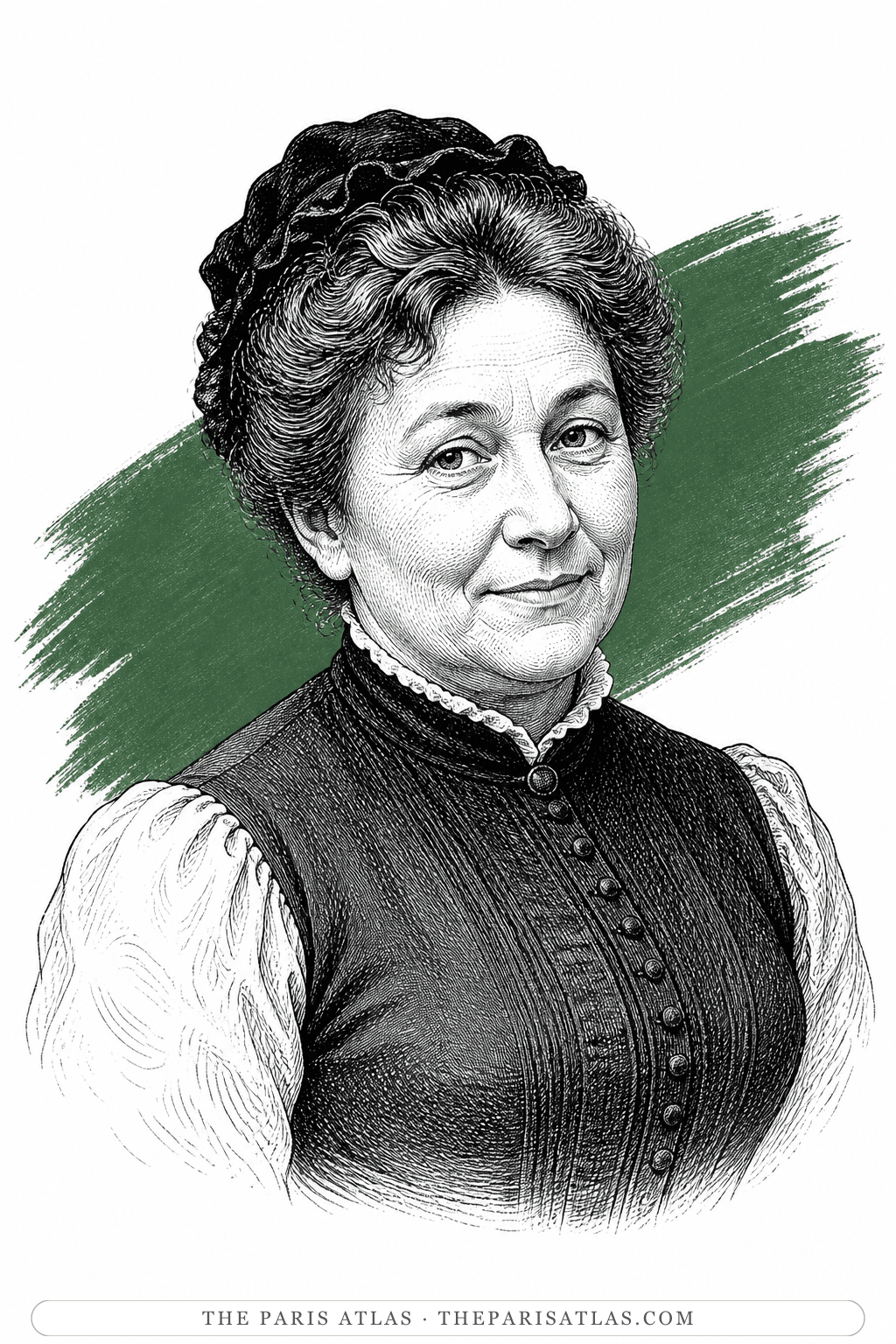
Colette's mother, Sidonie — the presiding figure of the book, attentive to garden, weather, and children alike, and the origin of Colette's greatest subject.

Colette's father, a reserved former army officer who lost a leg in war — a quiet presence at the edge of the household.
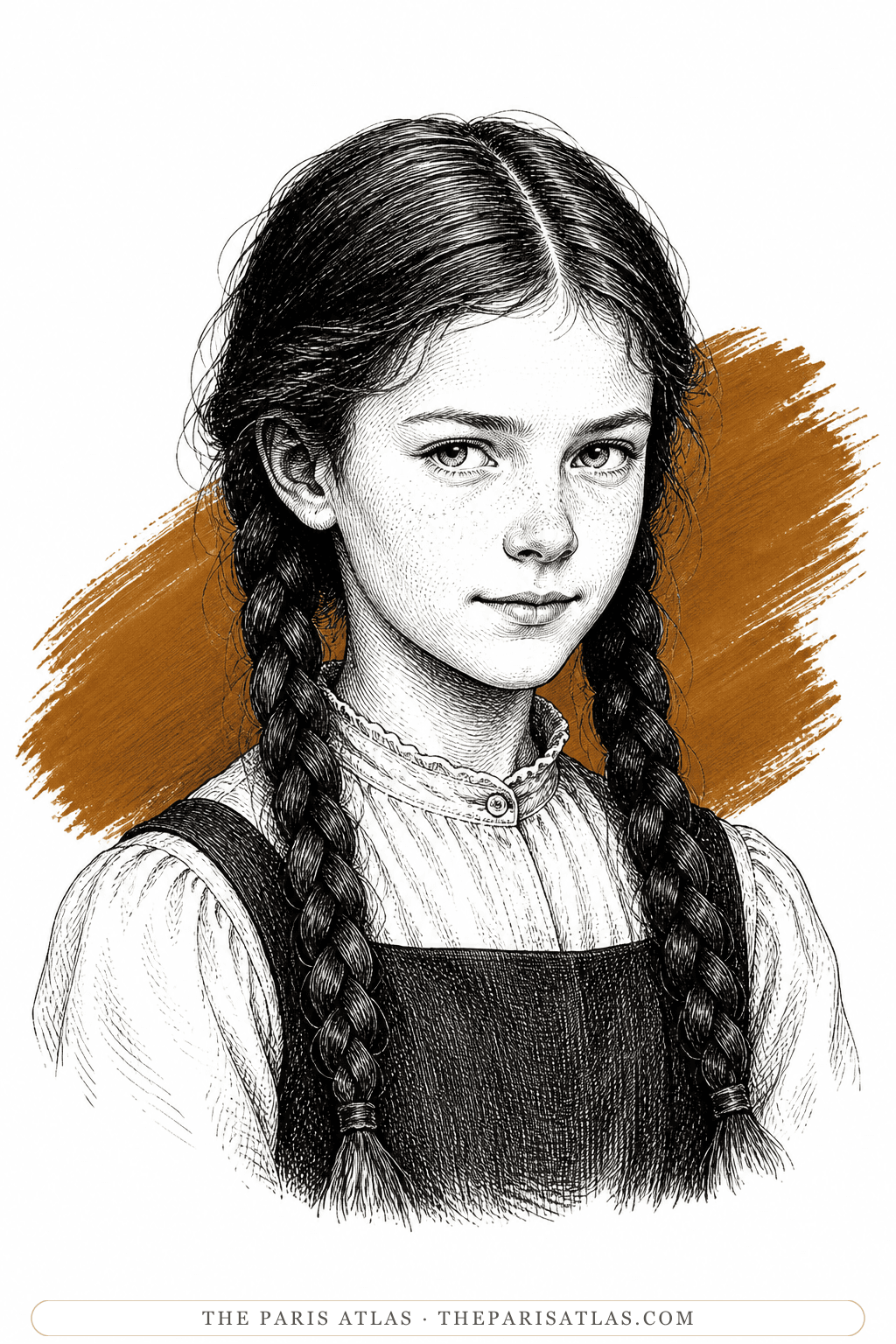
The child Colette, called by her mother's pet name — the watching, remembering center from which the sketches are recovered.
1922
My Mother's House (La Maison de Claudine) is published — Colette's first memoir of her Burgundy childhood.
1930
The companion memoir, Sido, returns to the same house and family.
1953
Secker & Warburg publishes the English translation associated with Una Troubridge and Enid McLeod, subsequently used in the New Windmills edition.


The companion memoir, returning to the same house and family with more depth and elegy.
Read our take
The later novel built around Sido's letters, where the mother becomes a guide to renunciation.
Read our take
Colette's fiction of youth and first love, close in tenderness and in its attention to the natural world.
Read our takeColette. La Maison de Claudine was published in 1922; it is autobiographical, despite a title that borrows the name of her Claudine novels.
No. The French title La Maison de Claudine trades on the Claudine name, but the book is a collection of autobiographical sketches about Colette's own childhood, unrelated to the novels.
It gathers short memories of Colette's childhood in the Burgundy village of Saint-Sauveur — the garden, the animals, the family, and above all her mother, Sido.
No. It is a sequence of brief, self-contained autobiographical pieces held together by place, family, and mood rather than a continuous plot.
Sido (1930) is its companion, returning to the same house and people with greater depth and a stronger sense of elegy. The two are often read, and published, together.
Explore authors with a similar voice, perspective, and influence.

The Brooklyn dropout who arrived in Paris broke at thirty-eight and wrote the exuberant, banned books that ended American censorship.
View author
The doctor of the Paris slums who wrote the century's blackest, funniest novel — and changed the sound of French prose.
View author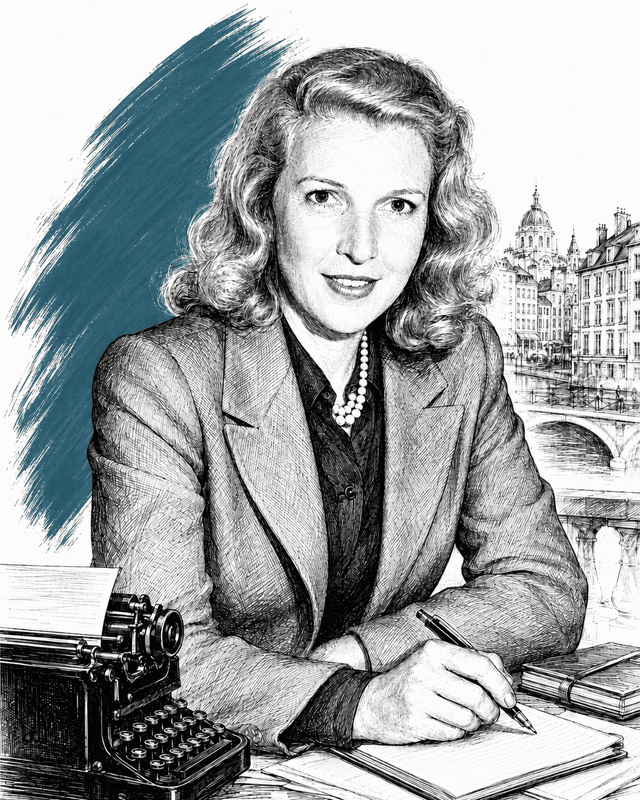
War correspondent who covered the Spanish Civil War, D-Day, and conflicts across five more decades; Hemingway's third wife, 1940–1945.
View authorThe sources below include the primary text, editions, scholarship, archival materials, and other records that informed this page. They document My Mother's House, its publication, and its place in literary history.


French primary text used for “Ma mère et les bêtes” and “Ma mère et les livres,” including their endings. This is the 1922 edition, not a collation with the 1930 version or the listed English translations; memories are read as narrated recollections, not independently established biography.

The British national bibliography verifies the 1969 Heinemann Educational edition, its translators, and the edition's translation history.
The Société des amis de Colette bibliography verifies the original edition's publisher and publication date.
Used to place My Mother's House within Colette's published work and verify its bibliographic context.
Used for independent biographical, archival, or historical context surrounding Colette's career and the period in which My Mother's House appeared.
Used to cross-check authorship, chronology, and the work's place in Colette's wider catalogue.
Used to verify Colette's bibliography and place My Mother's House within the broader chronology of Colette's career.
The primary text is the baseline reference for every book page. Additional references document publication history, interpretation, and historical context where that evidence is available.
 Explore more resources