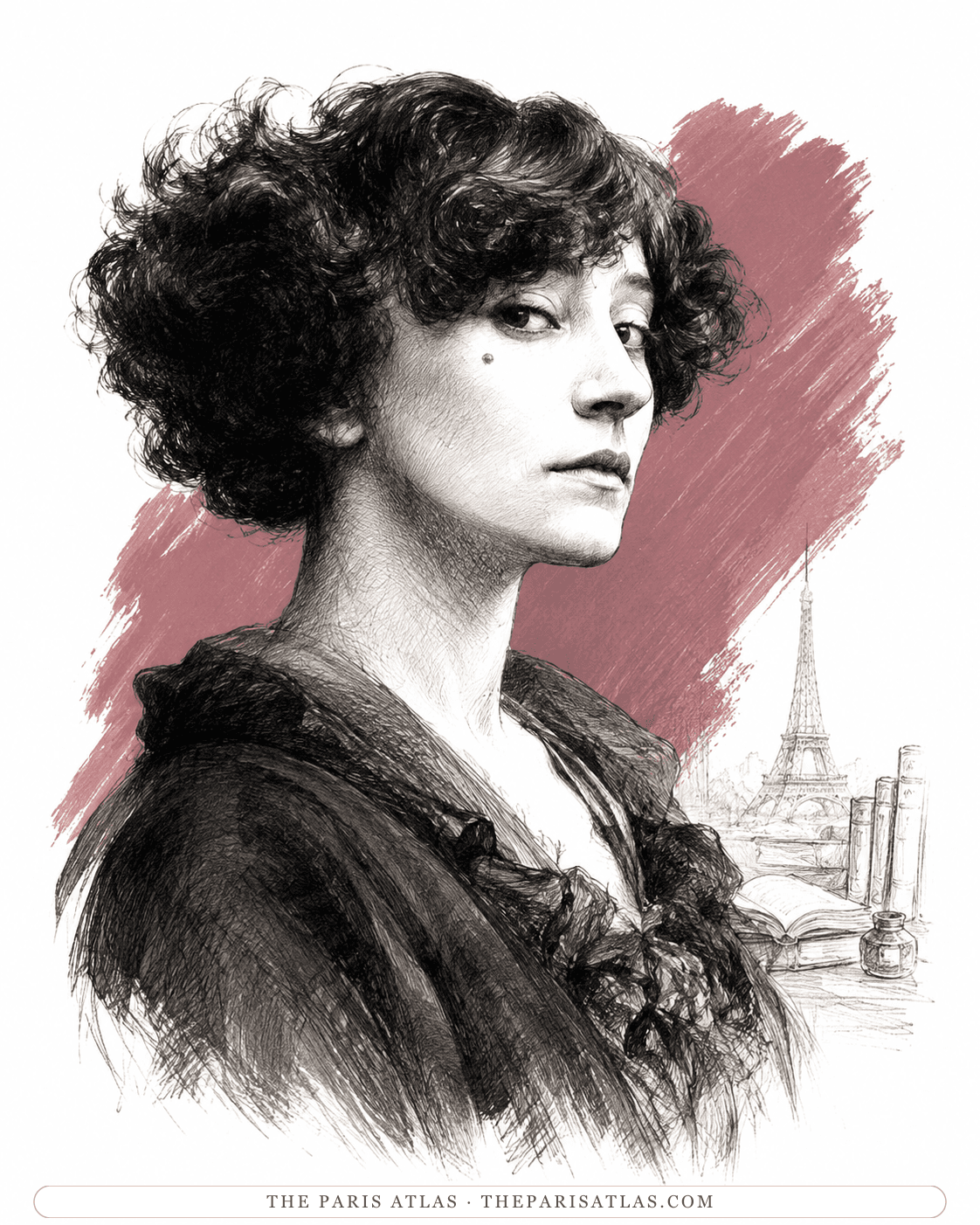

Claudine at School
The novel this memoir stands behind — the first Claudine book, written in the marriage it describes.
Read our take
by Colette
Colette's cold, exact memoir of her first marriage — the writing factory in which the Claudine novels were made and signed by another man.
My Apprenticeships is Colette's unsparing account of her first marriage, to the writer and impresario Willy, and of the years in which she wrote the wildly successful Claudine novels that appeared under his name. Its French subtitle — Ce que Claudine n'a pas dit, 'what Claudine did not say' — points to its purpose: to tell the truth behind the books that made her famous. Written more than thirty years later, in 1936, it is calm, exact, and devastating about exploitation, control, and the slow education by which she became a writer in her own right. (What's inside is described below.)
By 1936 Colette was a celebrated author and Willy was long in her past, which is precisely what gives the book its cold authority. She had no need to settle scores in heat; instead she reconstructs, with a novelist's precision, the machinery of her early career — the collaborative writing factory Willy ran, in which she produced the Claudine books and he took the credit, the money, and the name on the cover.[1]
The memoir is unillusioned about her younger self as well as about Willy. It shows a provincial girl absorbed into a sophisticated, mercenary Paris literary world, kept working and kept dependent, and it traces the long, uneven process by which she learned her craft and recognized her own captivity. The title's plural — apprenticeships — covers both: an apprenticeship in writing and an apprenticeship in seeing her marriage clearly.[1]
My Apprenticeships is essential context for the Claudine novels and for Colette's whole career. It is the document in which she reclaims the authorship that was taken from her, written in the restrained, exact prose of a woman who no longer needs to raise her voice to be believed.[1]
The book is a memoir, not a novel. Colette looks back on her first marriage, to Henry Gauthier-Villars — the writer and publicity man known as Willy — and on the years around the turn of the century when she wrote the Claudine novels that were published under his name. She reconstructs the atmosphere of Willy's literary enterprise: the collaborative production line, the borrowed and bought writing, the control he kept over her work, her money, and her freedom.[1]
Against that, she traces her own slow apprenticeship — how a sheltered young woman from Burgundy learned to write, learned the Paris literary world, and learned, last and hardest, to see her marriage for what it was. The tone is measured rather than bitter; the damage is documented, not dramatized. It is the record in which Colette takes back the authorship of the Claudine books, and the indispensable companion to reading them.[1]
The good table and green lamp arrive after Willy has measured Colette's productivity. In the memoir's account, this comfort serves the work he expects from her, while her private territory remains scarcely larger than the circle of lamplight. Her attachment to pens, paper and furnishings is nevertheless real: she can love the setting without loving the life. A joke made at Willy's expense registers the confidence of someone who knows her labor is indispensable. These details distinguish growing competence from full independence, showing how small pleasures and limited bargaining power coexist with the marriage's control.
The move to the rue de Villejust resists the shape of a triumphant escape. Colette recalls wanting to leave but recoiling when Willy presents separation as his own convenient arrangement. In the new flat, the dog and cat accompany her, but so does fear: the bell startles her, and letters keep bringing the old demands across the threshold. A changed address does not instantly dissolve dependence. The closing comparison with wine changing flavor on another hillside opens a less theatrical possibility of renewal, grounded in time and human kindness rather than a single decisive gesture.
The essential companion to the Claudine novels: Colette's own account of writing them, and of the man who signed them.
Written thirty years after the fact, it has the authority of a writer who no longer needs to argue — the damage is documented, not dramatized.
It records the double apprenticeship of the title: learning to write, and learning to see a marriage clearly enough to leave it.
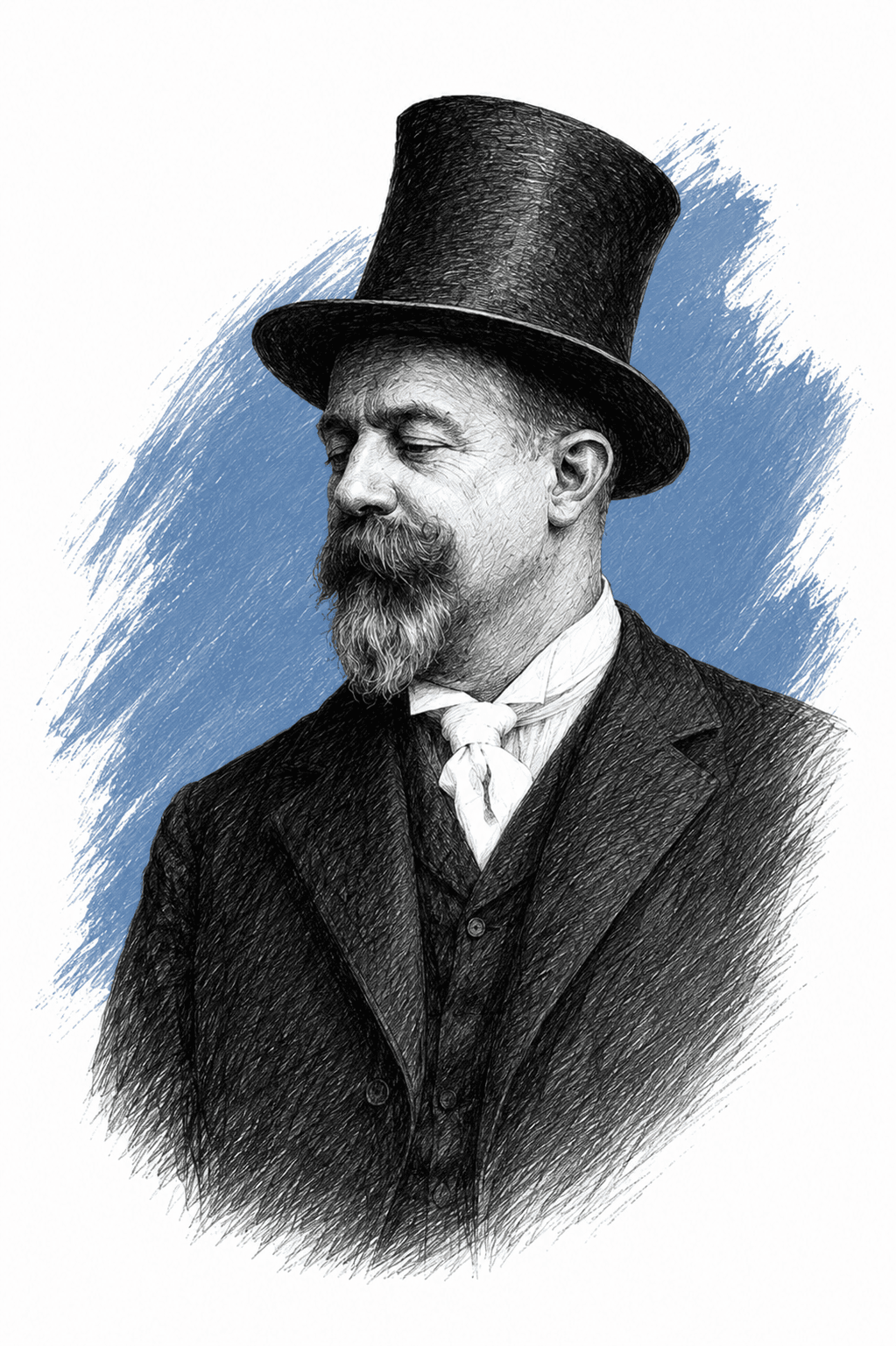
Henry Gauthier-Villars, Colette's first husband — writer, impresario, and the name under which the Claudine novels appeared, who kept her writing and kept the credit.
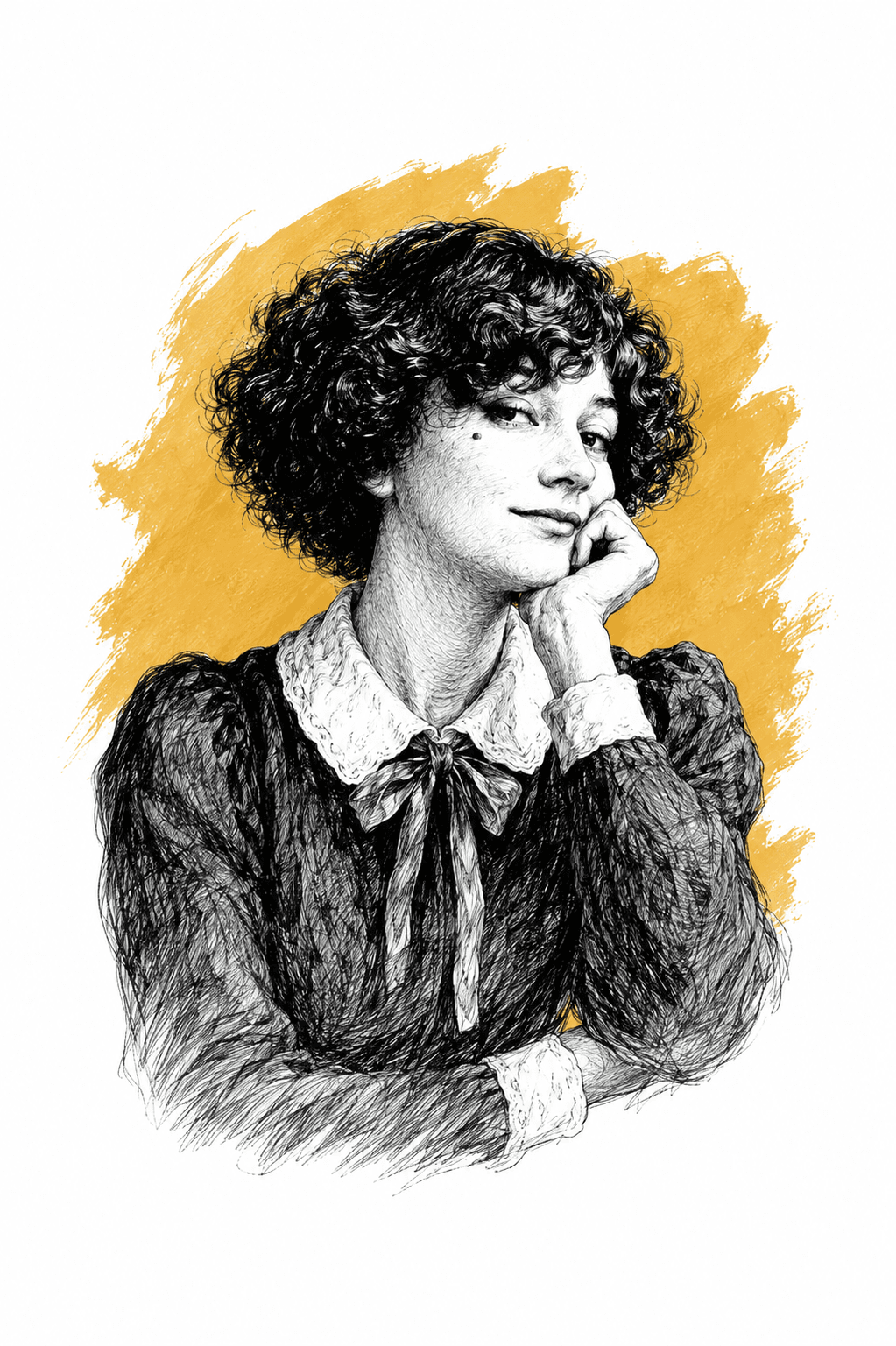
The provincial girl absorbed into Willy's Paris literary machine — learning her craft and, slowly, the shape of her own captivity.
1900
Claudine at School appears under Willy’s name, beginning the authorship dispute that Colette revisits in this memoir.
1936
My Apprenticeships (Mes apprentissages) is published — Colette's memoir of the Willy marriage and the making of the Claudine novels.
1967
Penguin publishes Helen Beauclerk’s translation with Music-Hall Sidelights.

The novel this memoir stands behind — the first Claudine book, written in the marriage it describes.
Read our take
Colette's fictional reckoning with the same emancipation, drawn from her music-hall years after Willy.
Read our take
The companion strand of her autobiographical writing, turned toward childhood rather than marriage.
Read our takeColette. Mes apprentissages was published in 1936, a memoir of her first marriage and the making of the Claudine novels.
It is Colette's account of her marriage to Willy and of the years in which she wrote the Claudine novels that were published under his name — a clear-eyed record of exploitation, craft, and her path to independence.
Yes. They were published under her husband Willy's name, but Colette wrote them. My Apprenticeships is the memoir in which she gives her own account of that authorship.
Ce que Claudine n'a pas dit means 'what Claudine did not say.' It frames the book as the truth behind the famous novels — what the fiction left out about the marriage that produced it.
It works best as their companion. The memoir gives the biographical and emotional context behind Claudine at School and its sequels, and explains how they came to be signed by someone else.
Explore authors with a similar voice, perspective, and influence.

The Brooklyn dropout who arrived in Paris broke at thirty-eight and wrote the exuberant, banned books that ended American censorship.
View author
The doctor of the Paris slums who wrote the century's blackest, funniest novel — and changed the sound of French prose.
View author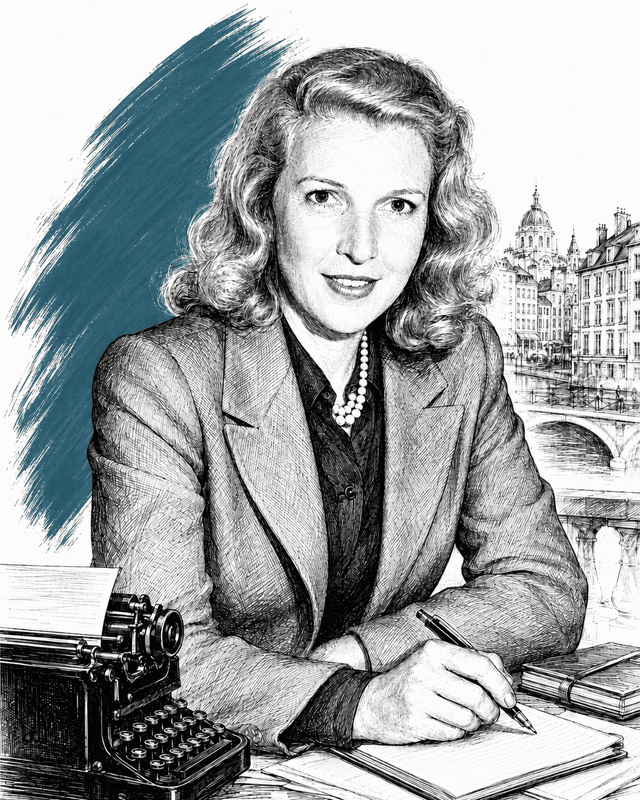
War correspondent who covered the Spanish Civil War, D-Day, and conflicts across five more decades; Hemingway's third wife, 1940–1945.
View authorThe sources below include the primary text, editions, scholarship, archival materials, and other records that informed this page. They document My Apprenticeships, its publication, and its place in literary history.

The Finnish national library catalogue verifies the 1967 Penguin edition and distinguishes Helen Beauclerk's translation of My Apprenticeships from Anne-Marie Callimachi's translation of the companion text.

French primary text: the rue de Courcelles passage near the end of chapter VI and the departure/letters passage closing chapter XV support the added readings. No English-translation or first-edition comparison.
The Société des amis de Colette bibliography verifies the original edition's publisher and publication date.
Used to place My Apprenticeships within Colette's published work and verify its bibliographic context.
Used for independent biographical, archival, or historical context surrounding Colette's career and the period in which My Apprenticeships appeared.
Used to cross-check authorship, chronology, and the work's place in Colette's wider catalogue.
Used to verify Colette's bibliography and place My Apprenticeships within the broader chronology of Colette's career.
The primary text is the baseline reference for every book page. Additional references document publication history, interpretation, and historical context where that evidence is available.
 Explore more resources