
The sardonic Burgundian schoolgirl whose diary made Colette famous — published, at first, under her husband's name.
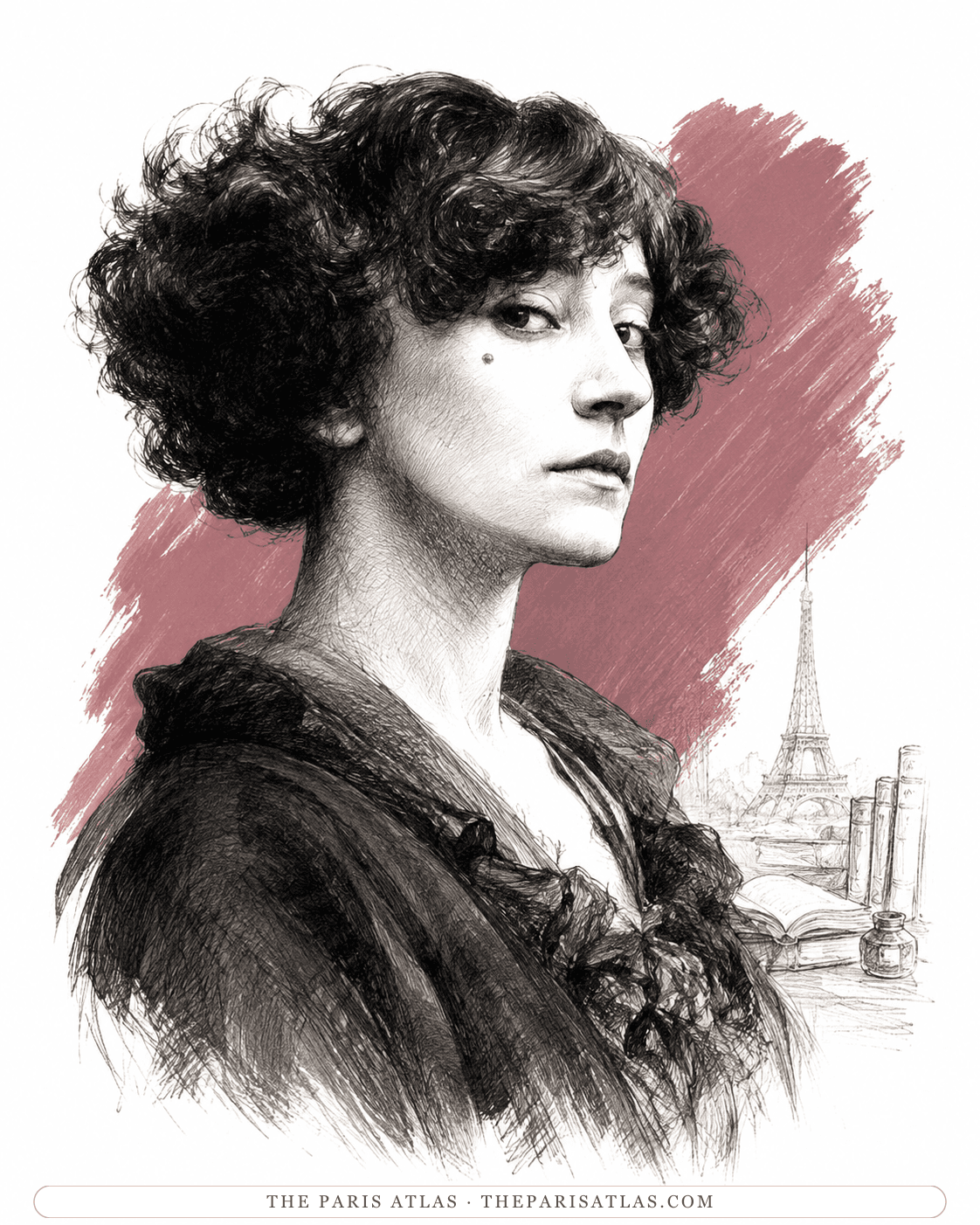
56 Colette titles: 21 novels, 8 story collections, 26 memoirs and travel books, and 1 volume of nonfiction. They are listed below by form, earliest first, and every one links to its own page.
Start with Gigi or Chéri — both are short, complete statements of what Colette does, and neither needs any introduction. The Vagabond is the natural third book. The Claudine novels are where she began, not where to begin: come back to them once you know her. Nothing has to be read in sequence except the four Claudines and the two Chéri books.
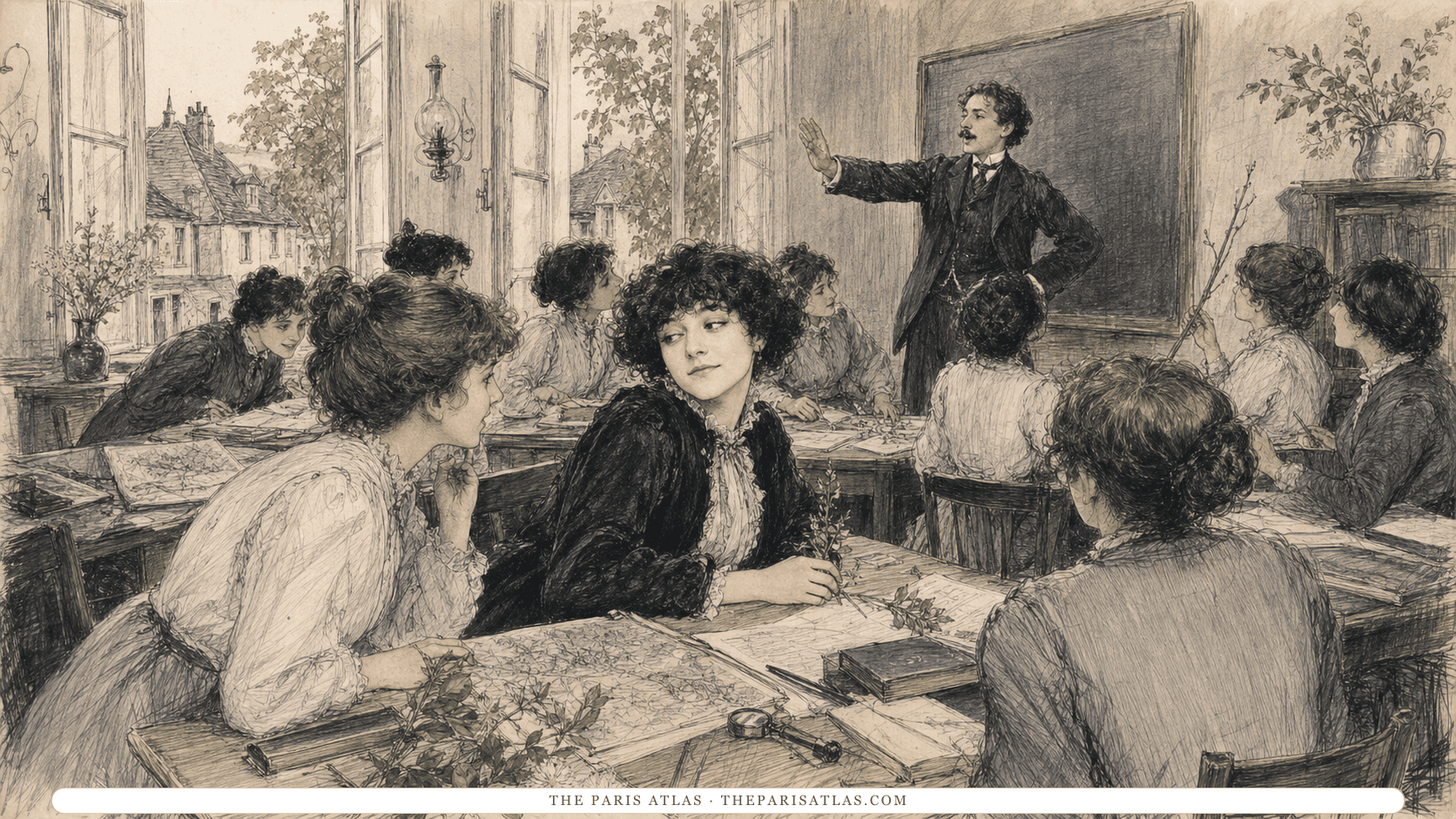
The sardonic Burgundian schoolgirl whose diary made Colette famous — published, at first, under her husband's name.

Claudine leaves Burgundy for the capital, and the schoolgirl's sharp eye is turned on Parisian society and her own heart.

Marriage does not tame Claudine — the third novel takes the series into its most openly erotic and disenchanted territory.

The fourth Claudine novel hands the story to another woman — Annie, learning to leave a husband who has always decided for her.

A sheltered Paris girl feeds on romantic fantasy until it pulls her out into the night — the first of the Minne novels.

The sequel takes Minne past sheltered fantasy into the harder education of marriage, dissatisfaction, and desire.

The fifth and final Claudine book: Claudine spends a winter in her friend Annie's country house while her husband is away being treated, and the cycle closes in a minor key.

Colette rebuilds the two Minne novels into one — a young woman whose apparent innocence coexists with the beginnings of her own liberty.

A divorced music-hall performer is offered love and security, and has to decide what her independence is worth.

The sequel to The Vagabond reverses its ending: the woman who chose freedom gives herself to a dependent, possessive love.

A music-hall performer and a young officer conduct a wartime romance by letter, and the wit the title promises turns out to be hard-won.

An aging courtesan and the beautiful young man she has kept for six years — the novel that made Colette a major writer.

Two childhood companions on a Breton shore cross into adulthood the summer an older woman intervenes.

Chéri comes home from the war to a changed Paris and an aged Léa, and cannot live in either — the harsh sequel to Chéri.

A wife and her husband's mistress discover that their bond with each other matters more than the man they share.

A new marriage and a beloved cat, and a jealousy that turns out to run the wrong way — Colette's coldest short novel.

A husband learns of his wife's old, brief affair, and a close marriage comes apart over a few days in the country.

The sequel to Duo: widowed Alice returns to her sisters and the battered old couch where the family regroups and survives.

A Colette-like narrator, alone in a provincial hotel, is drawn into the private drama of the strangers around her.

A proud, aging aristocrat, reduced but unbroken, is drawn back into the schemes of the ex-husband she still half-loves.

The girl raised to be a rich man's mistress, and the man who changes the terms himself — Colette's most adapted story.
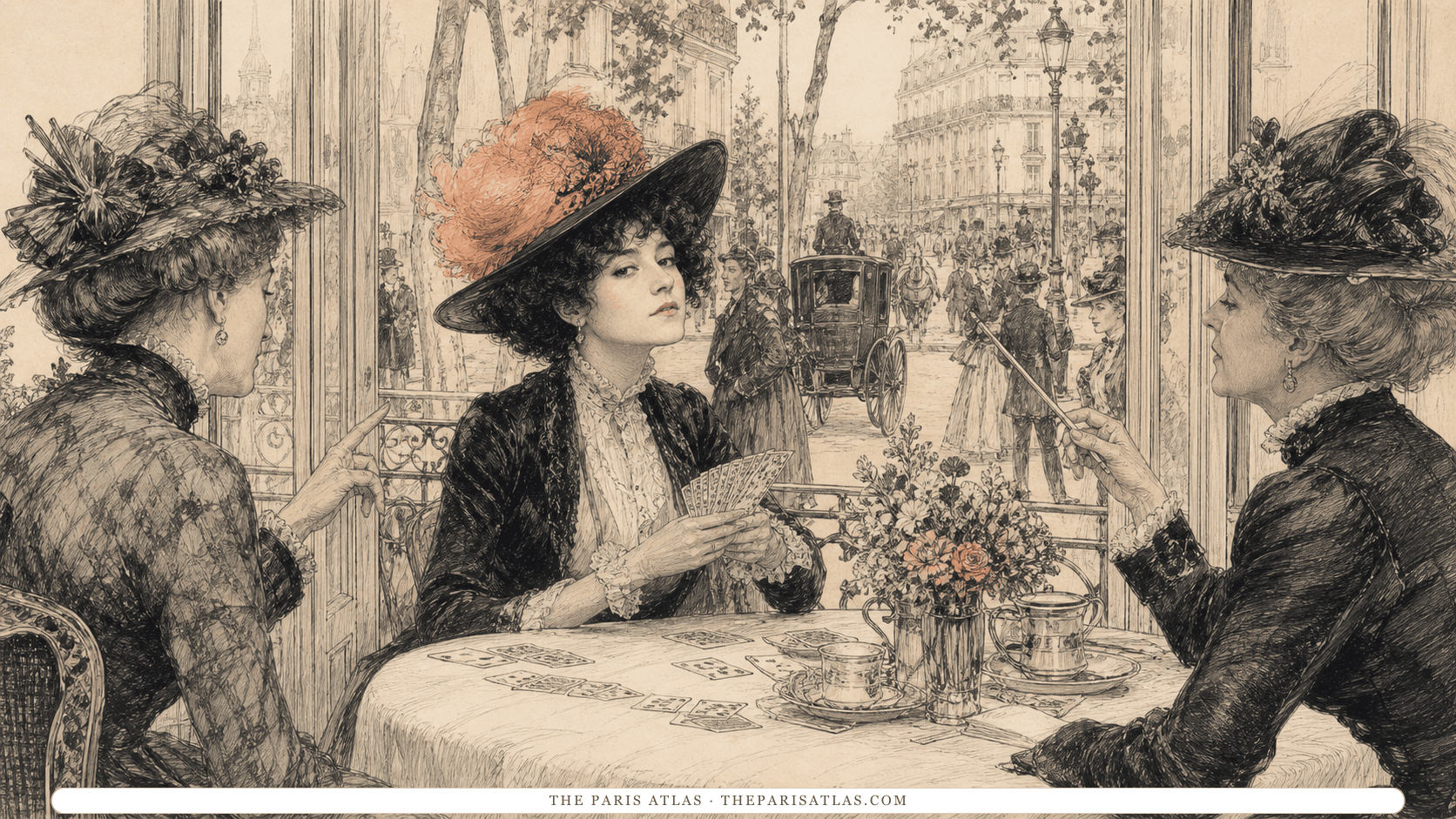
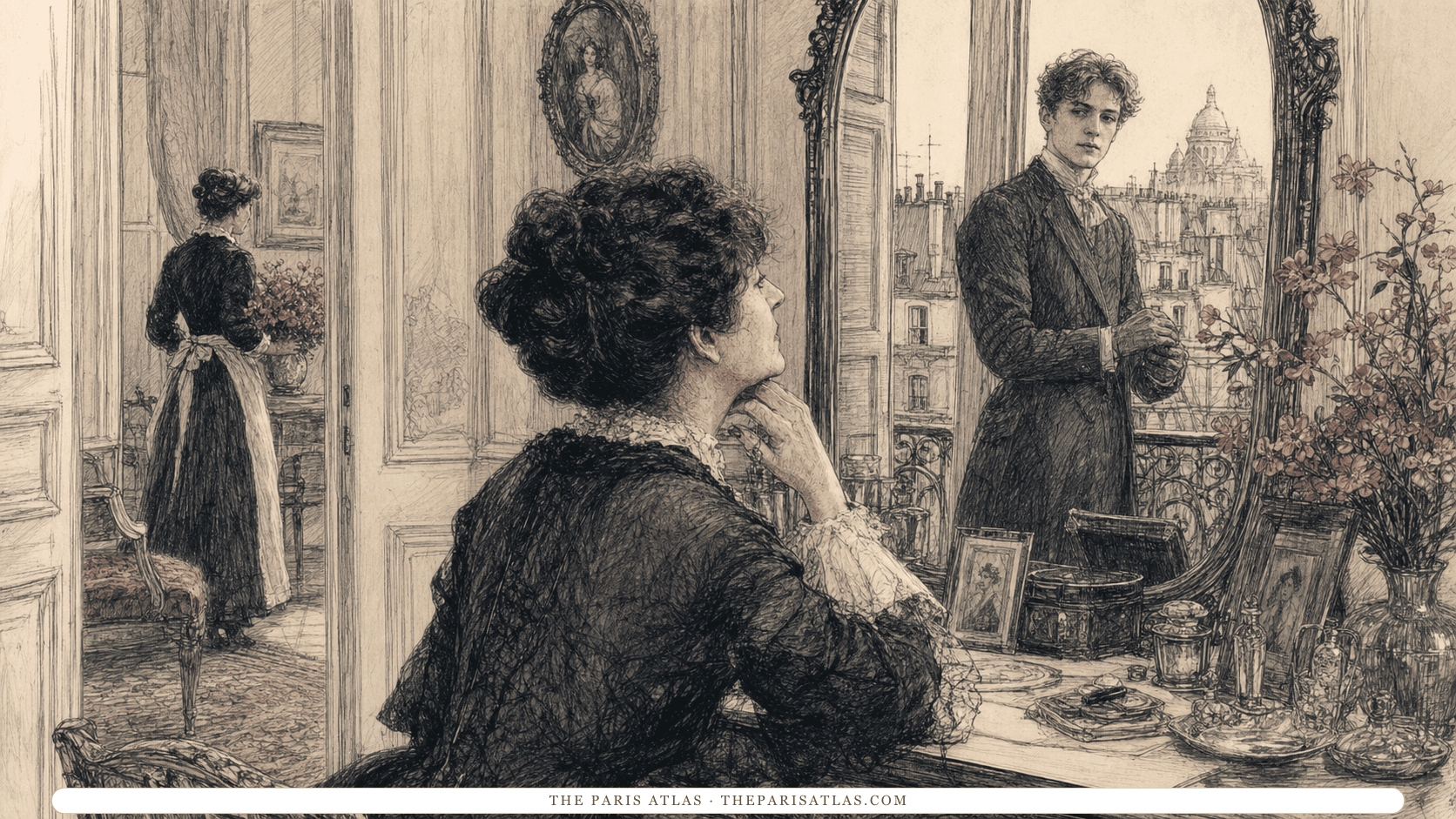
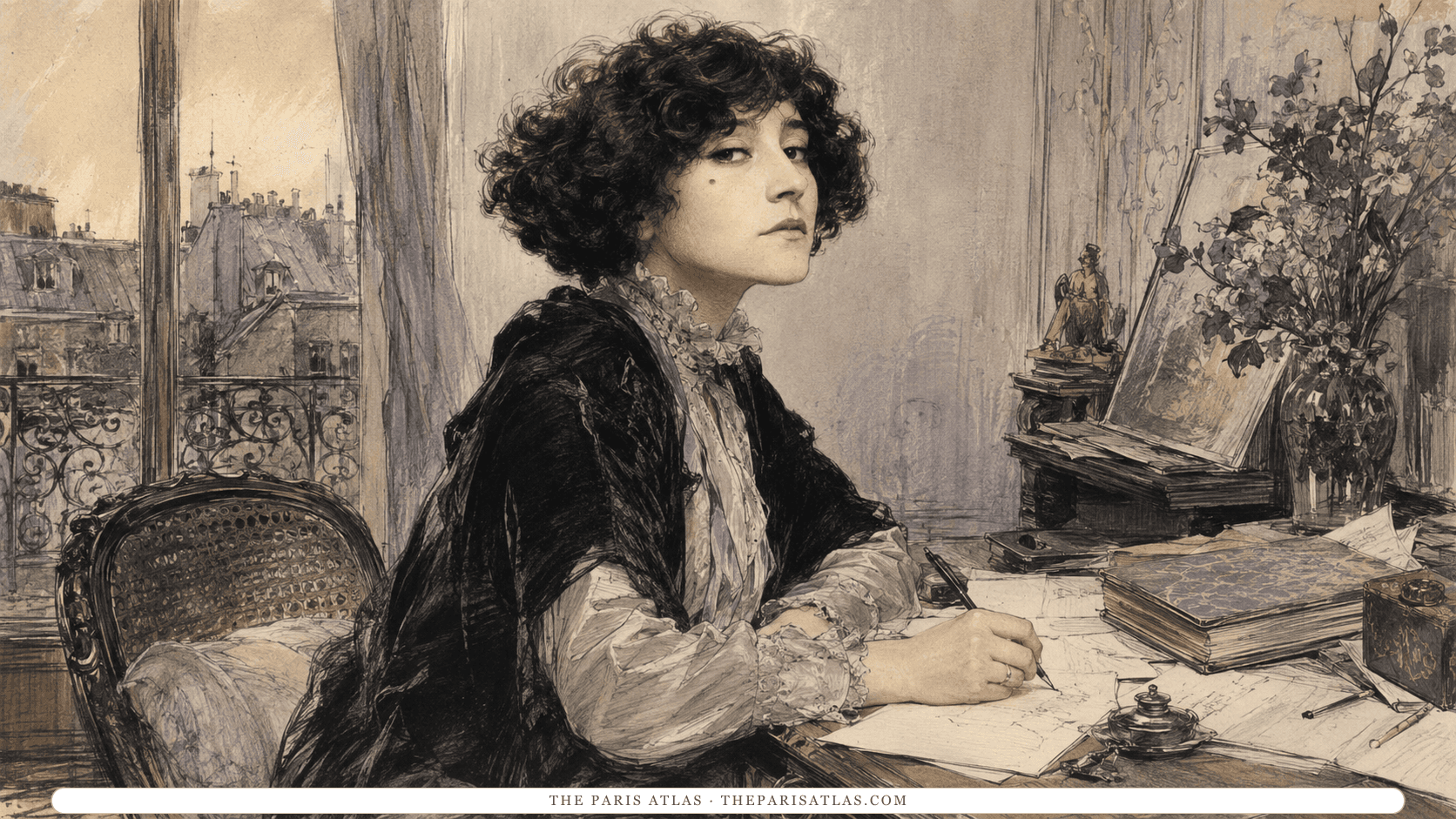

Colette's cat and dog talk over the household — the early book she counted as her first step free of the Claudine machine.

The early collection in which Colette's short prose became unmistakably her own — lyric reveries, animal pieces, and music-hall sketches side by side.

The music hall seen from behind — the tired, precarious, intimate world of performers, by a writer who had lived it.

A rare 1913 animal book — printed in just 300 copies, never reissued, and soon absorbed whole into Peace Among the Beasts.

A wartime book of animals — an imagined refuge 'where there is no war,' and one of Colette's decisive works about the otherness of beasts.

Twenty-two short, dark tales of love's hidden side — betrayal, solitude, and illusion, told in the manner of a modern Maupassant.

Four late stories that keep hard subjects under a calm surface — and a title tale built on a revelation that changes everything you have read.

Four wartime stories of frustrated love, shadowed by backward glances at the Paris circles of Colette's youth.
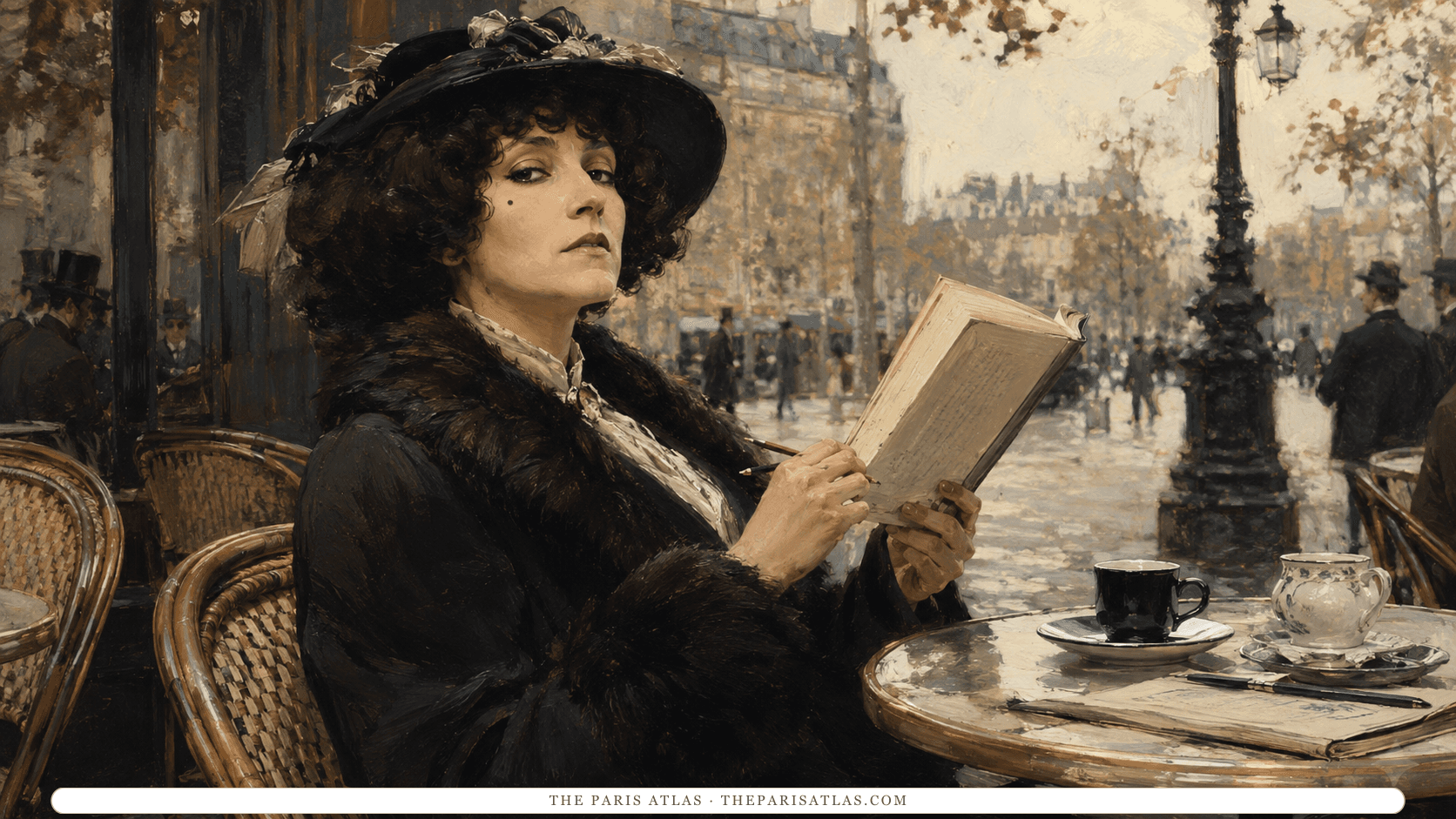

Colette's war album — the First World War seen from hospitals, the rear, and ruined ground, without a word of bombast.

Short chronicles of the street and the throng — Colette watching the anonymous life of the city pass.

Chronicles across a single year — wartime hardship and the urge to reclaim ordinary life, with the child Bel-Gazou at the edges.

Short prose of weather, illness, waiting, and travel — a mutable self-portrait Colette reworked heavily between 1922 and 1928.

Short, luminous memories of a Burgundy childhood, gathered around the mother who presides over them.

Small events turned into surprise — Colette's chronicles of the minor, and a seedbed for the books that followed.

Twelve fashionable chronicles that follow the turning year — a private printing for a patron's friends, later folded into Journey for Myself.

A woman past fifty, alone in a Provence summer, decides what a life no longer organized around love can be.

Colette's portrait of her mother — and, around her, her father and wild siblings — often called the finest thing she wrote.

Colette's animal pieces printed as a rare Swiss art book, with wood-engraved beasts by Paul Jouve — not to be confused with the 1953 photobook of almost the same name.

A wide gathering of Colette's prose on animals, the Midi, appetite, and secrecy — where confinement and ecstasy turn out to be kin.

Colette's cold, exact memoir of her first marriage — the writing factory in which the Claudine novels were made and signed by another man.

A wartime gathering of short pieces and memories — miscellaneous by design, and revealing precisely because it is unsettled.

Occupied Paris, watched and described from a single window — practical, intimate, and an irreplaceable record of the city's wartime life.

Colette tells her life through the rooms she lived in — an autobiography written as a sequence of Paris addresses.

Late reflections written from an immobile chair — memory, the war years, and lost friends, gathered under the evening star.

Twenty-two flower portraits written from memory — late Colette turning description of a rose or a poppy into a kind of self-portrait.

Late prose of landscape, memory, and homage — Colette on familiar ground, seeing it new through the eye of a painter friend.

A collectible late volume that is not, despite its title, a diary — a mixed gathering of chronicles and tales, printed in a small run.

A late book of portraits — the writers, performers, and painters Colette had known, drawn from memory in a few exact strokes.

One of Colette's last books — written from her chair as her body failed, and set against decline rather than defeated by it.

A late, deliberately mixed gathering — chronicles, tales, and prefaces bound together as one of Colette's collectible last volumes.

A late gathering of Colette's short prose — first published not as a standalone book but as a named section of her Complete Works.

Colette's prose set against fifty photographs by Izis — a late book-club photobook, and not the 1932 art book of nearly the same name.

Colette's last book — a short return to the old women of her childhood village, published in the year she died.

The life told in her own words — an autobiography assembled after her death from some forty of her books, and the English Colette most readers meet.
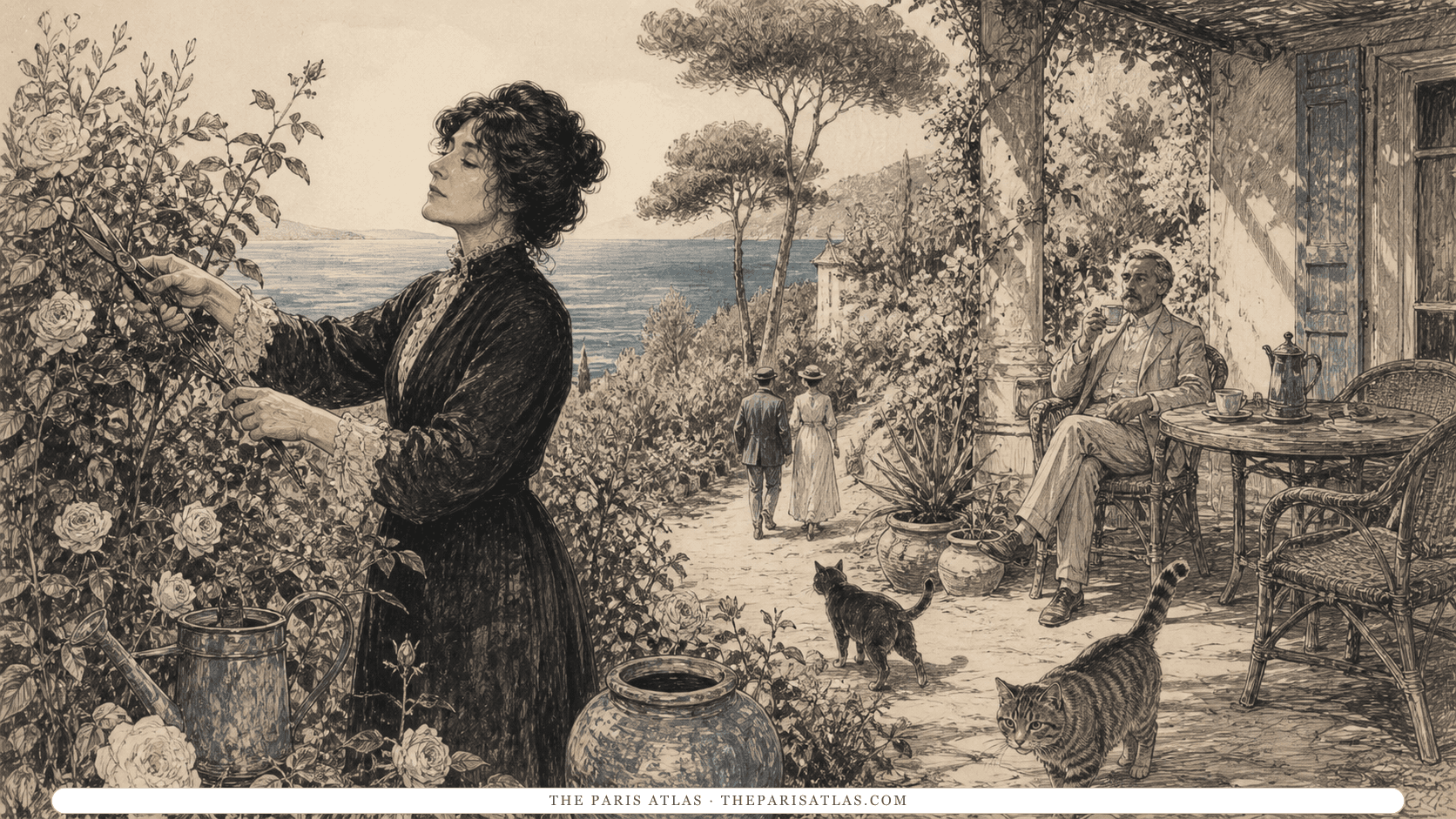

Colette's most personal book — a meditation on desire, pleasure, and the varieties of love, built from portraits rather than plot.
Your progress
Written in occupied Paris and first published in Switzerland in 1944: a Belle Époque girl trained by her grandmother and great-aunt for a courtesan's career. The songs belong to the 1958 film, not the book.
Léa de Lonval is forty-nine and near the end of a courtesan's career; her lover Chéri is twenty-five. The novel that settled Colette's reputation.
Renée Néré, thirty-three and divorced, supports herself as a mime and dancer and is offered love and security. The great novel of independence weighed against comfort.
The sequel reverses the ending: the woman who chose freedom gives herself to a dependent, possessive love.
Wartime Paris: a music-hall performer and an army officer who meet backstage and continue by letter.
The nonfiction companion — sketches from the dressing rooms and tours the novels are built on.
A narrator named Colette weighs a last love affair; her mother's real letters are threaded through, rewritten as literature.
The unsparing account of the first marriage, and of the Claudine novels that appeared under Willy's name.
A meditation on desire in its many forms. Colette thought it might be her best book.
The first of the late notebooks, written when illness had settled her in the Palais-Royal.
The last: the divan, the blue-shaded lamp, and a life narrowed to what she could still see from the window.
Claudine is fifteen, sharp-tongued, and narrating a year at a village school in Burgundy. Willy signed it; Colette wrote it.
Chéri comes home from the war to a changed Paris and an aged Léa, and cannot live in either. Harsher than the first book and just as controlled.
A young husband, his impatient wife, and Saha, the cat he cannot give up. Shorter and stranger than its reputation.
The most famous, thanks to Broadway and the film — and still, on the page, a precise little machine.
Two adolescents on the Brittany coast, and a summer that ends their childhood. The quietest of the major novels.
Published under Willy's name; the arrangement is documented in My Apprenticeships.
Posthumous: Robert Phelps's montage of an autobiography she never wrote, drawn from some forty of her books.
Gigi or Chéri. Both are short, both are complete statements of what she does, and neither assumes you have read anything else. If you want the longer route in, The Vagabond is the novel most readers name as the one that made them a Colette reader.
Claudine at School (1900), Claudine in Paris (1901), Claudine Married (1902), Claudine and Annie (1903). They follow one life in sequence and are the only Colette books, along with the two Chéri novels, where order matters.
Yes. They were published under the pen name of her first husband, the literary entrepreneur Willy, who ran a workshop of ghostwriters and put his name on the books. Colette gave her own account of the arrangement in My Apprenticeships in 1936, and the novels have been printed as hers since.
Gigi, on the strength of the 1951 Broadway adaptation and the 1958 film — though the songs and the character of Honoré belong to the film, not the novella. Among the novels, Chéri is the one her reputation rests on.
Three, and they are among her best: My Mother's House (1922), sketches of the Burgundy childhood; Sido (1930), the direct portrait; and Break of Day (1928), where her mother's real letters are rewritten into the narration.
The Pure and the Impure, published in its final form in 1941. It is not a novel but a meditation on desire in its many forms, and Colette said it might one day be recognized as her best work. Readers at the time wanted stories; its standing has risen since.
Our shelves hold fifty-six titles: twenty-one novels, eight collections of stories, and the rest memoir, journalism, and essays, including the selections editors assembled for English readers after her death. A single exact count depends on how those later compilations are treated, which is why published figures differ.
The sources below include bibliographies, archives, publisher records, and scholarship used to verify the Colette catalogue and publication order.


Archival evidence used to document the historical record connected to Colette books.

Web source consulted for documented facts and historical context presented on the Colette books page.
Web source consulted for documented facts and historical context presented on the Colette books page.
Catalogue scholarship used to verify attribution, provenance, chronology, and interpretive context for Colette books.
These references document which titles belong in the bibliography and when they appeared. The recommended reading order remains an editorial judgment by The Paris Atlas.
 Explore more resources
Newsletter
We will tell you when this guide adds a book, review, or new reading-order recommendation.