

The Last of Chéri
The sequel — the same man after the war, and the tragic completion of this novel's open ending.
Read our take
by Colette
An aging courtesan and the beautiful young man she has kept for six years — the novel that made Colette a major writer.
Léa de Lonval is forty-nine, rich, and near the end of a courtesan's career. Fred Peloux — called Chéri — is twenty-five, spoiled, and has been her lover for six years. When his mother arranges his marriage to a young heiress, both of them discover that a liaison they treated as convenient has become the center of their lives. Published in 1920, Chéri is Colette's coldest and most exact study of desire, vanity, and the value society assigns to a woman's body as it ages. It is usually read together with its 1926 sequel, The Last of Chéri. (The full plot, including the ending, is below.)
Colette had been publishing for two decades when Chéri appeared, much of it fiction closely worked from her own life on the stage and in the demi-monde. Chéri is more detached. The material — the world of kept women, their money, their rivalries, and the young men who move through it — was one she knew, but the novel treats it from a cool distance, and the result was the book that moved her from a celebrated personality to a writer critics took seriously.
The book is short and almost entirely scenes: conversations in Léa's rose-pink bedroom, at Charlotte Peloux's lunches, in the rooms Chéri cannot settle in after his marriage. Little happens in the way of plot. What Colette anatomizes instead is the slow discovery, by two people who assumed they were merely comfortable, that they are in love and that the arithmetic of age makes it impossible.
Colette adapted Chéri for the stage soon after publication, and it has been filmed several times, most recently by Stephen Frears in 2009 with Michelle Pfeiffer as Léa. The sequel, The Last of Chéri, follows the same man after the First World War and darkens everything the first novel leaves open.
Léa de Lonval, a wealthy retired courtesan approaching fifty, has kept Fred Peloux — Chéri — since he was nineteen. He is the beautiful, petulant son of her old friend and rival Charlotte Peloux, herself a former courtesan, and the arrangement has lasted six years on the understanding, held by both, that it means nothing serious. Charlotte announces that she has arranged Chéri's marriage to Edmée, the eighteen-year-old daughter of another woman of their world.
Chéri marries. Léa, telling herself she is unconcerned, leaves Paris and travels. Both perform indifference and both fail at it. Chéri, restless in his new household, cannot account for what he misses; Edmée finds herself married to a man whose attention is elsewhere. Léa, away, discovers that the loss is not the vanity-wound she expected but something closer to grief.
Chéri comes back. One night he leaves his wife and returns to Léa, and for a few hours they fall back into the old ease and talk of going away together. In the morning she reads it in his face and in a sentence he cannot finish, and says it herself before he can: he has come here and found an old woman. She sends him back to Edmée. Then she runs to the window, sees him stop in the courtyard, throws up her arms and shouts that he is coming back — and an old woman out of breath makes the same gesture in the tall mirror, and Léa wonders what she has in common with her. Chéri does not come back. He buttons his overcoat on the pavement to hide yesterday's shirt, and the last thing Léa sees before she lets the curtain fall is him raising his head to the spring sky and the chestnut trees in flower, filling his chest with air as he walks, like a man who has escaped. The sequel, The Last of Chéri, records what that escape was worth.
Chéri treats the necklace as a test of his freedom from convention: why should accepting a woman's gift become shameful merely because it contains more pearls? His confidence falters, however, when Léa warns him about future wrinkles. The beautiful young man proves as susceptible to an anxious inspection of his face as the older woman he teases. Colette lets the reader hear both their unspoken judgments, exposing the hostility inside this intimate game. The pearls connect pleasure to possession, while the mirror makes beauty a source of vulnerability for both lovers.
Léa's instructions cannot make her feelings obey the separation she has chosen. She brings Chéri his clothes but avoids helping him dress, as though practical distance might support a resolution that physical contact could undo. At the window, her raised arms expose the hope her words have tried to dismiss. The mirror returns that gesture as the action of a stranger, separating her sense of herself from the aging body she sees. Chéri's final breath of outdoor air belongs to a different experience of the same departure: apparent release beside unrelieved loss.
After twenty years of celebrity, Chéri is the novel that made critics treat Colette as a major writer rather than a famous personality.
Few novels look as steadily at what time does to a beautiful woman's leverage, and Colette refuses both self-pity and consolation.
The marriage broker, the spoiled boy, the discarded mistress — everyone behaves badly and no one is a monster. The book withholds judgment and is harder for it.
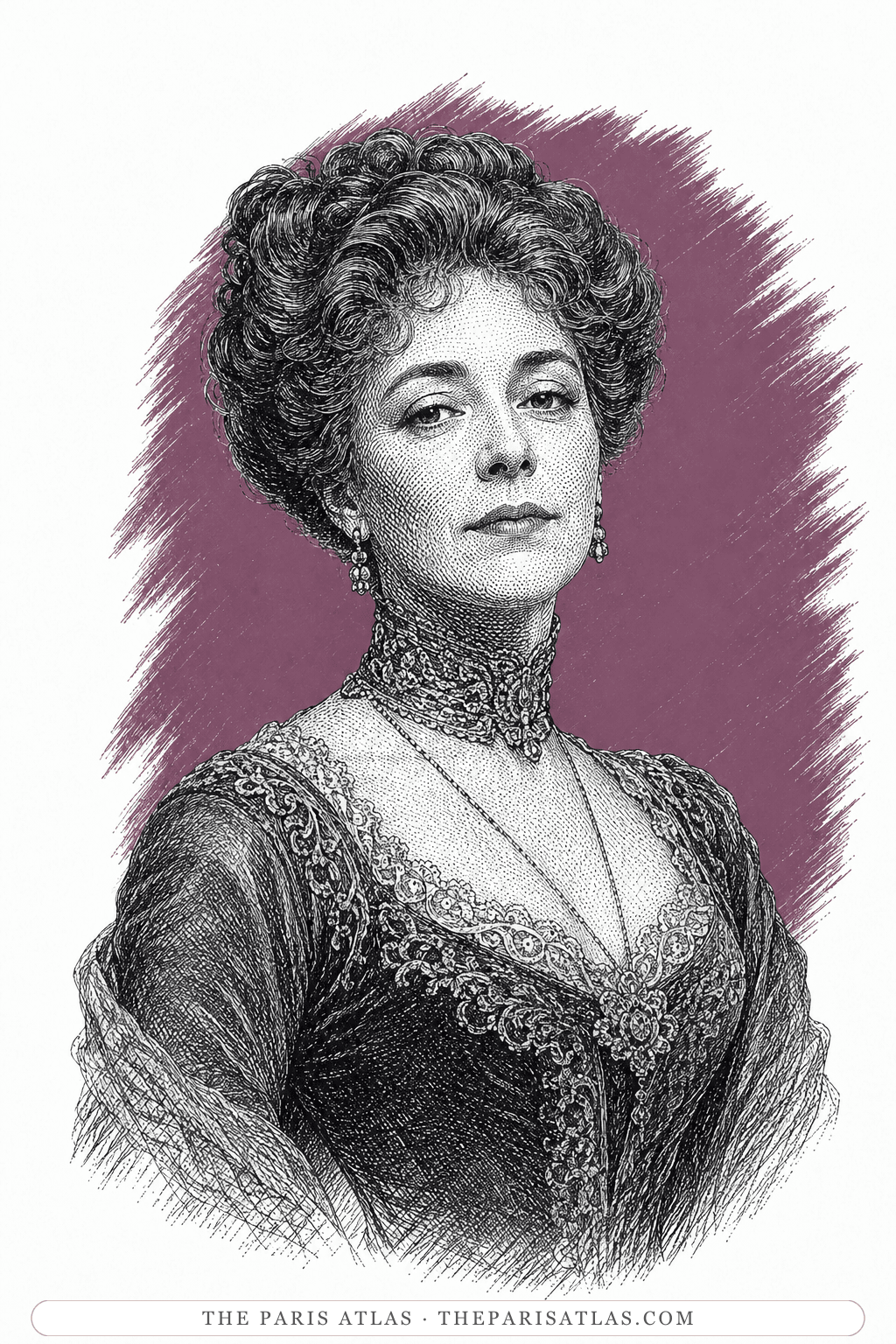
Forty-nine, wealthy, and at the close of a courtesan's career — the novel's center, and the one who has to do the renouncing. She reads a balance sheet and a mirror with the same accuracy.
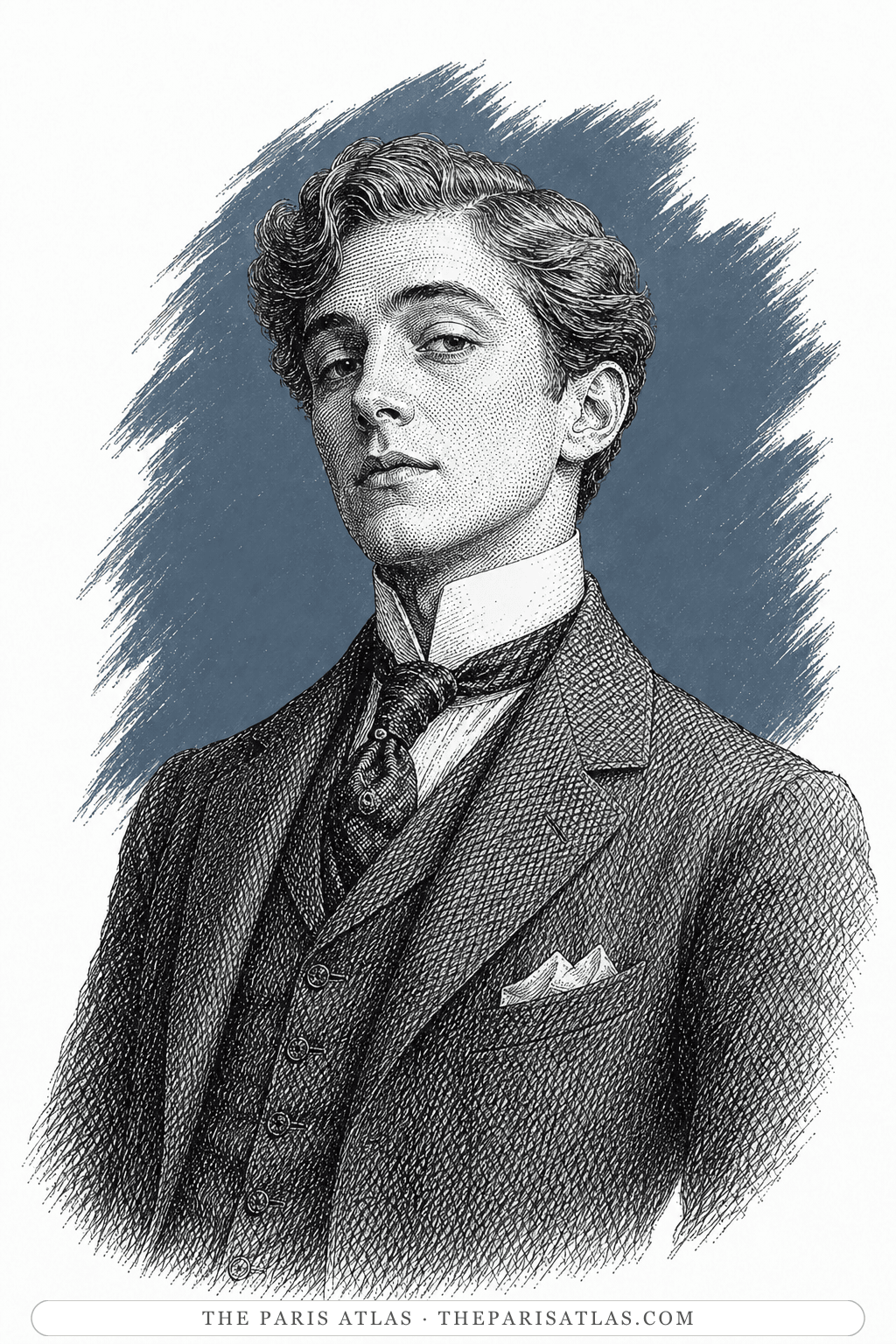
Twenty-five, beautiful, and idle — the kept young man who discovers, too late, what the arrangement meant to him. The novel's proof that immaturity can be a privilege.
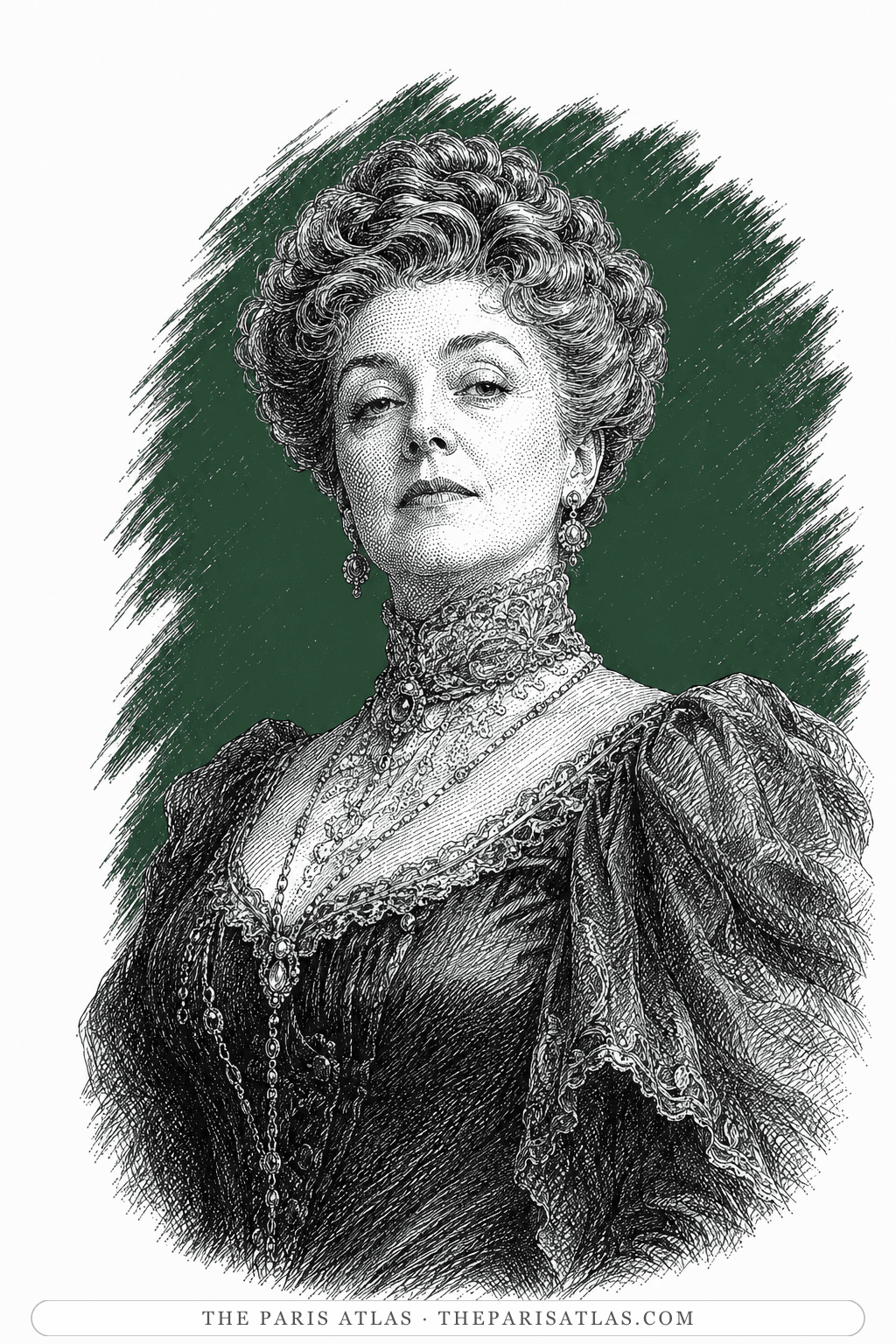
Chéri's mother and Léa's old friend and rival — a retired courtesan who arranges her son's marriage with a professional's eye.
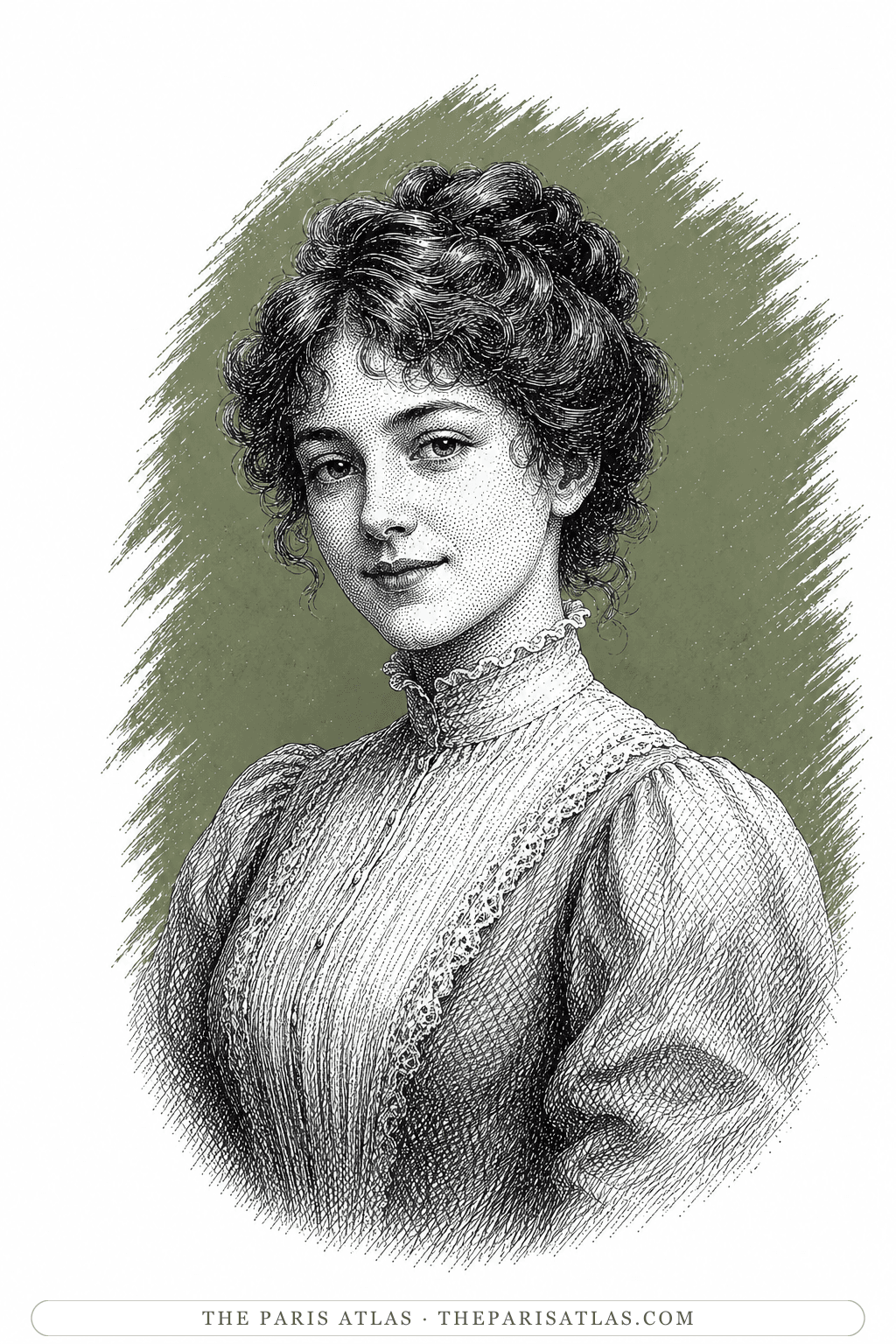
The eighteen-year-old heiress Chéri marries — young, watchful, and married to a man whose attention never arrives.
1920
Chéri is published in Paris and moves Colette's reputation from celebrity to major novelist.
1921
Colette's own stage adaptation of Chéri reaches the Paris theatre.
1926
The sequel, The Last of Chéri, appears and darkens the story after the war.
2009
Stephen Frears films Chéri with Michelle Pfeiffer as Léa.
The sequel — the same man after the war, and the tragic completion of this novel's open ending.
Read our take
The earlier novel of a woman weighing love against self-possession, from the working side rather than the kept side.
Read our take
The later meditation on desire relinquished by choice — Chéri's renunciation seen from the far end of a life.
Read our take
The same jealous triangle a decade on, with a marriage, a rival, and Colette's coldest ending.
Read our take
The Belle Époque courtesan world again, played for a happy ending instead of an elegy.
Read our takeThe French novelist Colette. Chéri was published in 1920.
A long affair between Léa de Lonval, a wealthy retired courtesan of about fifty, and Chéri, the beautiful, spoiled young man of twenty-five she has kept for six years. His arranged marriage forces both of them to see how much the affair meant.
Yes. The Last of Chéri (La Fin de Chéri, 1926) follows the same man after the First World War. The two novels are usually read and published together.
It draws on the Belle Époque demi-monde Colette knew well, but no single real couple is documented as its model. It is best read as invented fiction rooted in a world she had lived in.
Yes, several times. The best-known English-language version is Stephen Frears's 2009 film with Michelle Pfeiffer as Léa and Rupert Friend as Chéri.
Explore authors with a similar voice, perspective, and influence.

The Brooklyn dropout who arrived in Paris broke at thirty-eight and wrote the exuberant, banned books that ended American censorship.
View author
The doctor of the Paris slums who wrote the century's blackest, funniest novel — and changed the sound of French prose.
View author
War correspondent who covered the Spanish Civil War, D-Day, and conflicts across five more decades; Hemingway's third wife, 1940–1945.
View authorThe sources below include the primary text, editions, scholarship, archival materials, and other records that informed this page. They document Chéri, its publication, and its place in literary history.


The primary text represented by this page, used for descriptions of the work’s contents and for any quoted passages shown here.
Primary French text in the Grasset 1927 transcription. Chapters I and XII support the readings of the opening necklace exchange and closing farewell. Not a collation with the 1920 first edition or an English translation.

Archival evidence used to document the historical record connected to Chéri.
Web source consulted for documented facts and historical context presented on the Chéri page.
The Société des Amis de Colette chronology places Chéri within Colette's life, publication history and stage career.
The Bibliothèque nationale de France exhibition resource provides authoritative literary and biographical context for Colette's work.
The primary text is the baseline reference for every book page. Additional references document publication history, interpretation, and historical context where that evidence is available.
 Explore more resources