

Chéri
The first half of the story — the liaison whose long shadow this novel follows to its end.
Read our take
by Colette
Chéri comes home from the war to a changed Paris and an aged Léa, and cannot live in either — the harsh sequel to Chéri.
The sequel to Chéri returns to Fred Peloux after the First World War. The beautiful young man is nearly thirty now, married to a capable wife who has found purpose running a hospital, and unable to attach himself to the postwar world. When he seeks out Léa, the woman he once loved, he finds her contentedly old and stout — the vanished Belle Époque made flesh — and the discovery finishes him. Published in 1926, The Last of Chéri is Colette's reckoning with what the war destroyed, told through one man who could not survive the peace. (The full plot, including the ending, is below.)
Where Chéri is a polished elegy for a prewar liaison, The Last of Chéri is its historical reckoning. Colette sets it in the flattened, altered Paris of 1919, and makes her spoiled hero the register on which the war's break with the old world is measured. Everything that gave Chéri his value — beauty, leisure, the whole ornamental economy of the Belle Époque — has become obsolete, and he has nothing else.
The novel is bleaker and more inward than its predecessor. Chéri drifts through a city getting on with reconstruction, estranged from a wife who has grown into competence and usefulness, and pulled backward into a past he can only reach through photographs and the talk of an old woman who knew Léa young. Colette treats his nostalgia not as sentiment but as a fatal condition.
The two novels are usually read and published together, and the sequel gives the first its full weight: what looked in Chéri like a love story turns out, in retrospect, to have been the last good season of a world about to end.
Fred Peloux — Chéri — has come back from the First World War physically whole and inwardly emptied. He is married to Edmée, who has thrived: efficient, modern, absorbed in running a military hospital and in a life that no longer has much room for a decorative husband. Paris has changed around him, busy with money and reconstruction, and Chéri can find no place in it. The beauty and idleness that once made him valuable are worth nothing in the postwar world.
He goes looking for Léa. What he wants is the woman he mythologized — the Léa of the prewar bedroom — and what he finds is an old woman who has let herself grow stout, grey, and cheerfully content, a good companion at cards with no wish to be anything else. The living Léa cancels the remembered one, and Chéri cannot forgive her for aging out of his memory. He withdraws further, spending nearly every evening in the flat of an old woman from Léa's circle whose wall is papered with photographs of the demi-monde as it was, among them a large hand-tinted portrait of Léa young. That wall becomes the only thing he feels anything about.
Chéri cannot live in the present, and the past he wants no longer exists outside old photographs. Cut off from his wife, from any occupation, and from the vanished world that gave his beauty a use, he ends up in the flat he has been visiting every evening for weeks, alone in it for the first time because its owner has gone to a funeral and left him the key, lying under the photographs of the young Léa. He shoots himself there with a small flat revolver. The novel treats the suicide as the logical end of a man made entirely of a world the war destroyed — nostalgia followed to the only place it can go. It is the darkest ending in the two-novel cycle, and the point toward which Chéri was always tending.
Chéri hears the familiar laugh before he recognizes the woman at the desk. The delay makes his remembered Léa compete with the person who has continued living without him. He waits for the changed appearance to give way to something reassuring, while she talks comfortably about having loved him. Her distinction between enjoying the present and valuing the past challenges his assumption that losing their former life must mean losing everything. The scene's painful descriptions follow his bewildered attention; Léa's ease supplies another measure of what her altered life is worth.
The opening walk unsettles the promise of fresh air almost immediately: Chéri corrects his own first response to the night. Small sounds then carry traces of the war into the quiet street. His sharpened senses recall both intimate games among soldiers and the death of Pierquin, whose story he has learned to tell at dinner. That polished account implies a rescue, while his private recollection preserves the accident behind it. Moving between bodily memory and rehearsed narration, the passage shows how much remains outside the version of himself he offers other people.
Chéri and The Last of Chéri are one long work in two parts; the sequel is what makes the first novel tragic rather than merely poignant.
Colette registers the break of 1914–18 not through battle but through a beautiful idler who has no function once the old world ends.
The novel treats longing for the past not as sentiment but as something that can quietly kill, and follows it to its conclusion without flinching.

Back from the war and nearly thirty, beautiful and obsolete — a man made entirely of a world that no longer exists.
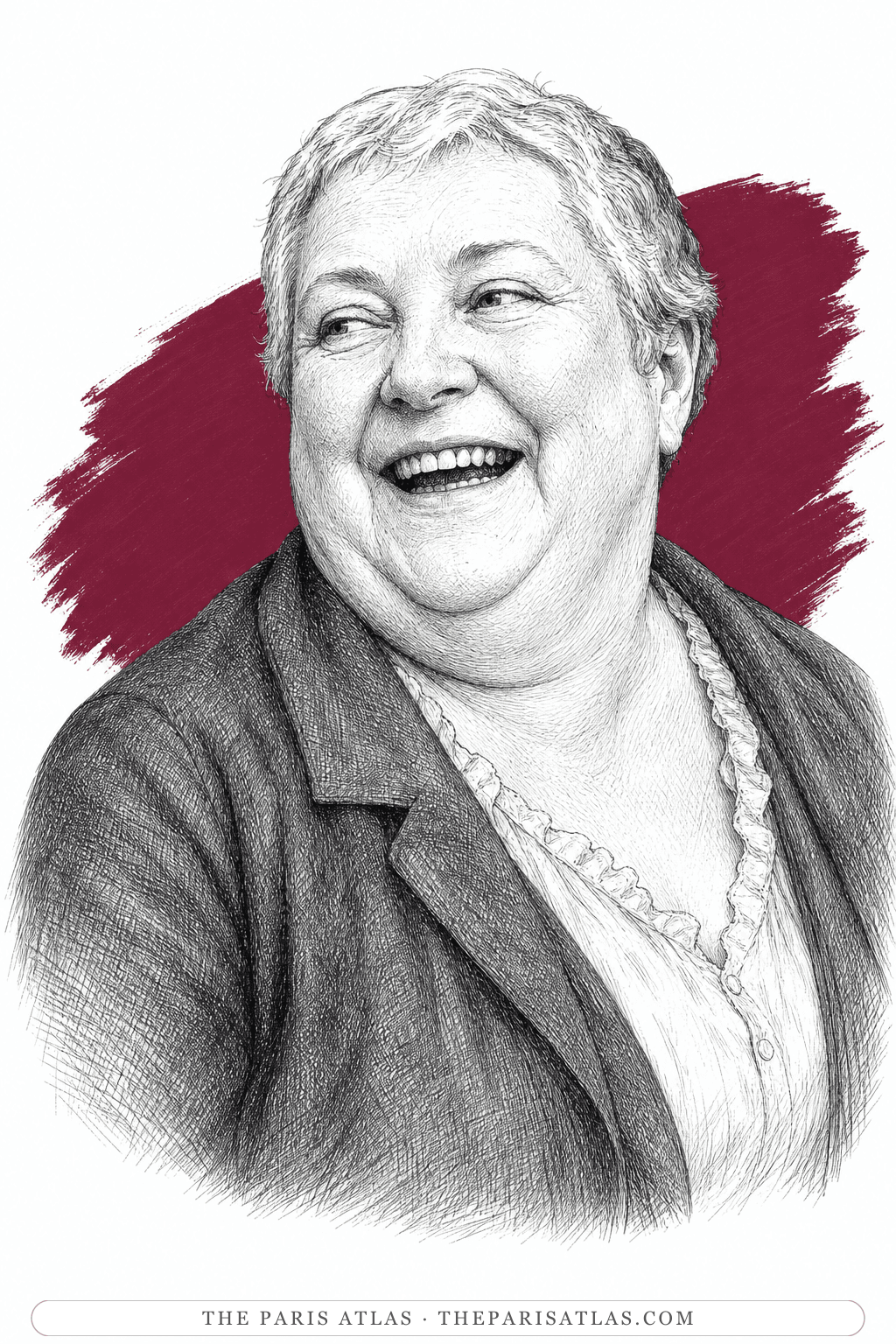
Chéri's former lover, now old, stout, and cheerfully content — the living cancellation of the woman he remembers.
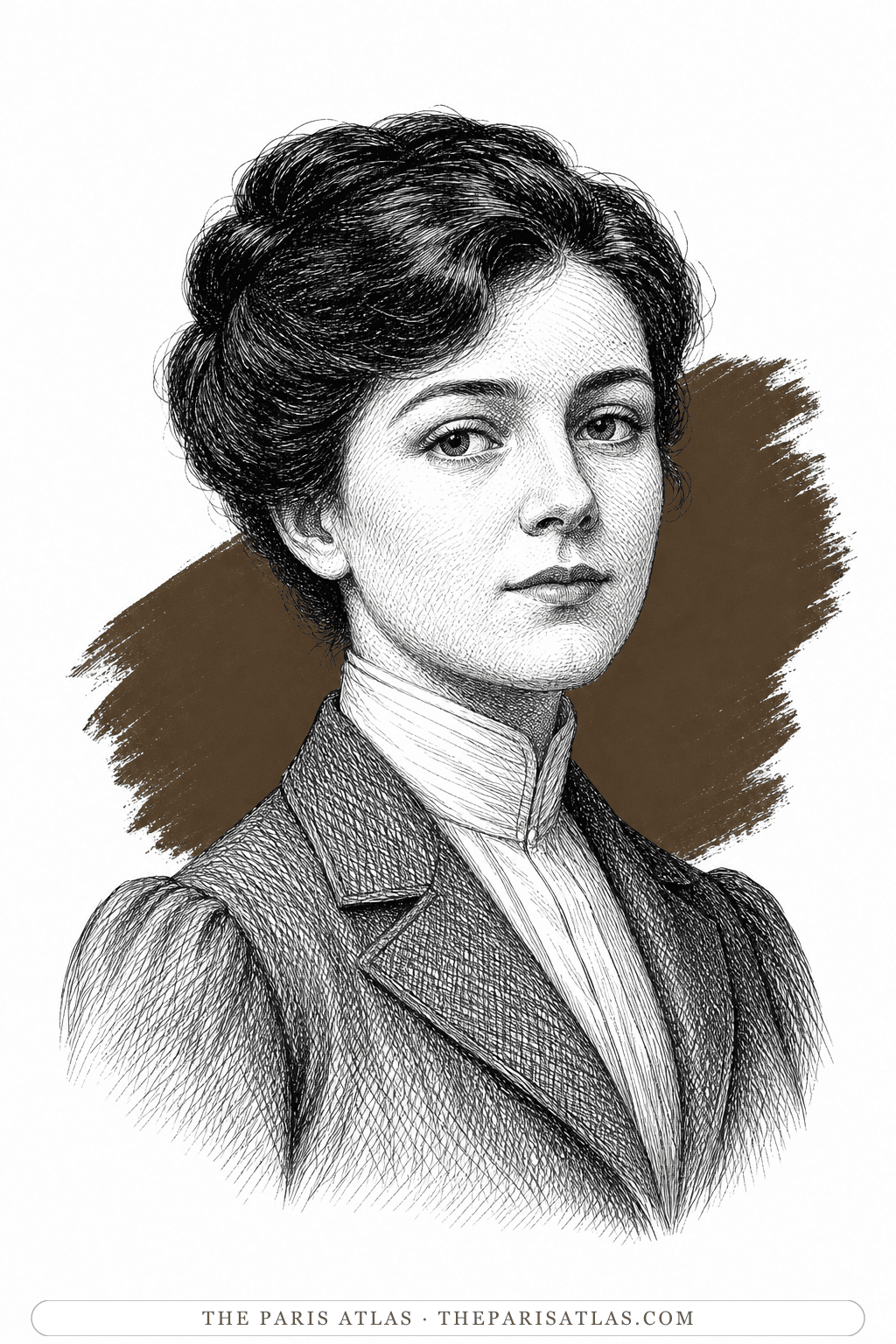
Chéri's wife, who has grown into competence and purpose running a hospital — thriving in the peace that unmoors him.
1920
Chéri introduces Fred Peloux and Léa, whose relationship supplies the history behind the sequel.
1926 — serialization
La Revue de Paris carries the sequel before its book publication.
1926 — book edition
La Fin de Chéri appears as a separate volume, completing the two-novel story.
The first half of the story — the liaison whose long shadow this novel follows to its end.
Read our take
The other side of aging: Léa's contented old age is the acceptance Chéri cannot make, meditated on directly here.
Read our take
The same demi-monde and its performers, before the war made their world obsolete.
Read our take
The Belle Époque courtesan world at its brightest — the paradise whose loss kills Chéri.
Read our takeThe French novelist Colette. La Fin de Chéri was published in 1926.
Yes. It follows Chéri (1920) and continues the story of Fred Peloux after the First World War. The two novels are usually read and published together.
Chéri returns from the war unable to attach himself to the changed postwar world. Seeking the woman he once loved, he finds her contentedly old, and the loss of his mythologized past destroys him.
Yes. The sequel depends on the first novel for its characters and emotional weight, and gives Chéri its full tragic force in return.
It ends with Chéri's suicide — the conclusion of a man who cannot live in the postwar present or recover the vanished world that gave his life meaning. The full plot is above.
Explore authors with a similar voice, perspective, and influence.

The Brooklyn dropout who arrived in Paris broke at thirty-eight and wrote the exuberant, banned books that ended American censorship.
View author
The doctor of the Paris slums who wrote the century's blackest, funniest novel — and changed the sound of French prose.
View author
War correspondent who covered the Spanish Civil War, D-Day, and conflicts across five more decades; Hemingway's third wife, 1940–1945.
View authorThe sources below include the primary text, editions, scholarship, archival materials, and other records that informed this page. They document The Last of Chéri, its publication, and its place in literary history.


The primary text represented by this page, used for descriptions of the work’s contents and for any quoted passages shown here.
Primary French text in the Flammarion 1926 transcription. The opening of Part I and the apartment visit in Part II support the analysis. Chéri’s perception of Léa is distinguished from her own assessment of her life; no clinical diagnosis or English-translation comparison is claimed.
The Société des amis de Colette bibliography verifies the original edition's publisher and publication date.
Used to place The Last of Chéri within Colette's published work and verify its bibliographic context.

Used for independent biographical, archival, or historical context surrounding Colette's career and the period in which The Last of Chéri appeared.
Used to cross-check authorship, chronology, and the work's place in Colette's wider catalogue.
Used to verify Colette's bibliography and place The Last of Chéri within the broader chronology of Colette's career.
The primary text is the baseline reference for every book page. Additional references document publication history, interpretation, and historical context where that evidence is available.
 Explore more resources