
Chéri
The other side of the demi-monde — a kept woman rather than a working one, and the same reckoning with love and independence.
Read our take
by Colette
A divorced music-hall performer is offered love and security, and has to decide what her independence is worth.
Renée Néré is thirty-three, divorced from a painter who humiliated her, and supporting herself as a mime and dancer on the Paris music-hall stage. The work is hard and precarious, and it is entirely her own. When a wealthy admirer, Maxime Dufferein-Chautel, offers marriage and comfort, Renée has to weigh love against the self-possession she has built out of exhaustion and touring. Published in 1910, the year Colette divorced Willy, The Vagabond is her closest fictional transformation of her own years on the stage. (The full plot, including the ending, is below.)
Colette wrote The Vagabond out of the six years she spent earning her living in Paris music halls after leaving her first husband. Renée Néré is not Colette in any literal sense, but the trade is exact: the dressing rooms, the touring, the tired bodies, the mixture of degradation and freedom in performing for money. The novel took the material Colette knew from the inside and turned it into a first-person study of a woman deciding what she will and will not give up.[1]
The book is written as Renée's own account, and its real subject is less the romance than the argument she conducts with herself. Maxime is decent and the offer is genuine; the question is whether love is worth surrendering an independence bought at a high price. Colette lets Renée state the case for security honestly, and then lets her refuse it.[1]
The Vagabond has a sequel, The Shackle (L'Entrave, 1913), which follows Renée into the aftermath of that decision. Colette later adapted the novel for the stage, and it was filmed more than once, first in 1917 with her friend Musidora.[1]
Renée Néré performs mime and dance at a Paris music hall, partnered on stage with Brague, a seasoned professional who treats the work as a trade. She is thirty-three and divorced from Adolphe Taillandy, a successful painter whose serial infidelities and lies wore the marriage away; she now lives alone and keeps herself on the uncertain income of the stage. She used to write novels and has stopped; she calls herself a literary woman who has gone to the bad, and says plainly that she no longer allows herself the luxury of writing. The life is tiring and insecure, and she guards it because it is hers.[1]
A wealthy admirer, Maxime Dufferein-Chautel, begins to court her seriously. He is kind, persistent, and offers what her first marriage counterfeited: love, money, an end to the grind. Renée is drawn to him and frightened of him in equal measure, because she can see that accepting means dissolving back into a man's life and losing the hard, plain autonomy she has assembled. She leaves on a long provincial tour with Brague, partly to decide at a distance.[1]
On tour, away from Maxime's presence, Renée makes her choice. In a series of letters and then a final one, she refuses him — not because she doubts his love, but because she will not trade the self she has earned for the comfort of being kept, even generously and in marriage. She stays on the road. The novel ends with Renée choosing solitude and work over security, the freedom of the vagabond over the safety of the wife. The sequel, The Shackle, tests how durable that choice proves.
Before the performance, Renée’s reflection confronts her with questions she cannot settle. The opening music changes the pressure: familiar movements take over, and she trusts that her body will negotiate the staged falls safely. Raising an artificial flower belongs to this practiced world, where an invented action can produce real relief. Yet the dusty floor and rough audience remain visible. Her ease does not depend on forgetting the conditions of the job; it comes from working within a discipline that briefly protects her from the demands of self-examination.
The sea interrupts a chapter crowded with exhausting work and anxious correspondence. Renée has been waiting for words from Max; suddenly she wants words of her own for water, sunlight and salt. The shift matters because her attention no longer answers an absent lover, even for a brief interval. Remembering him ends the absorption, but also allows her to recognize that she had forgotten him. The passing view offers no settled plan for her life. It makes another source of urgency imaginable, within the journey she is already undertaking.
The novel makes the case for love and security fairly, then refuses it — a rare book that lets its heroine choose solitude and treats it as a win.
The dressing rooms and touring are drawn from the life she was living, which gives the novel its unglamorous precision.
Renée narrates her own deliberation, and the voice — wry, exact, self-aware — is one of Colette's finest.
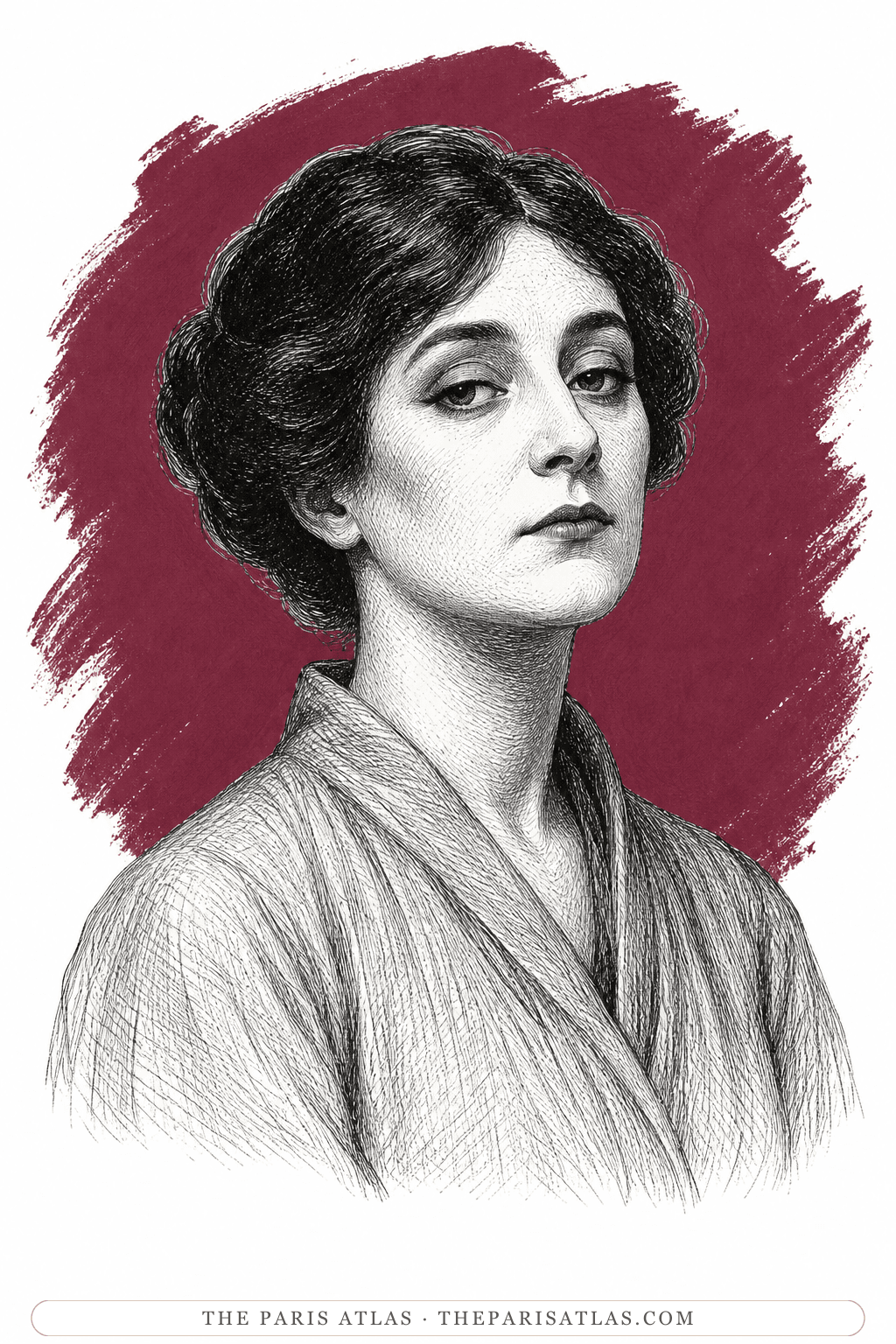
Thirty-three, divorced, and earning her living as a music-hall mime — the narrator, weighing a second marriage against the independence she has paid for.
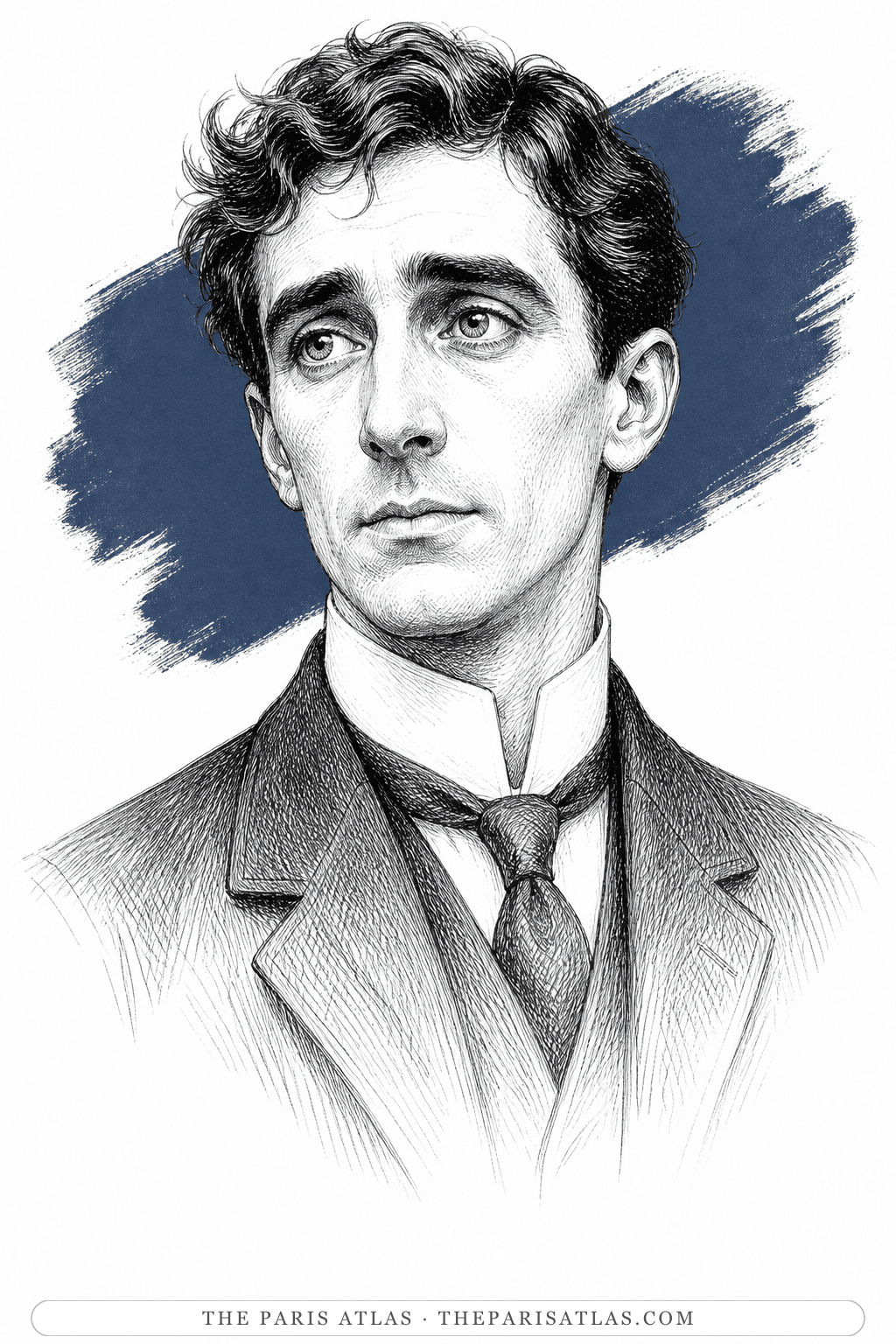
The wealthy, decent admirer who offers Renée love and security — and, without meaning to, the loss of everything she has built alone.
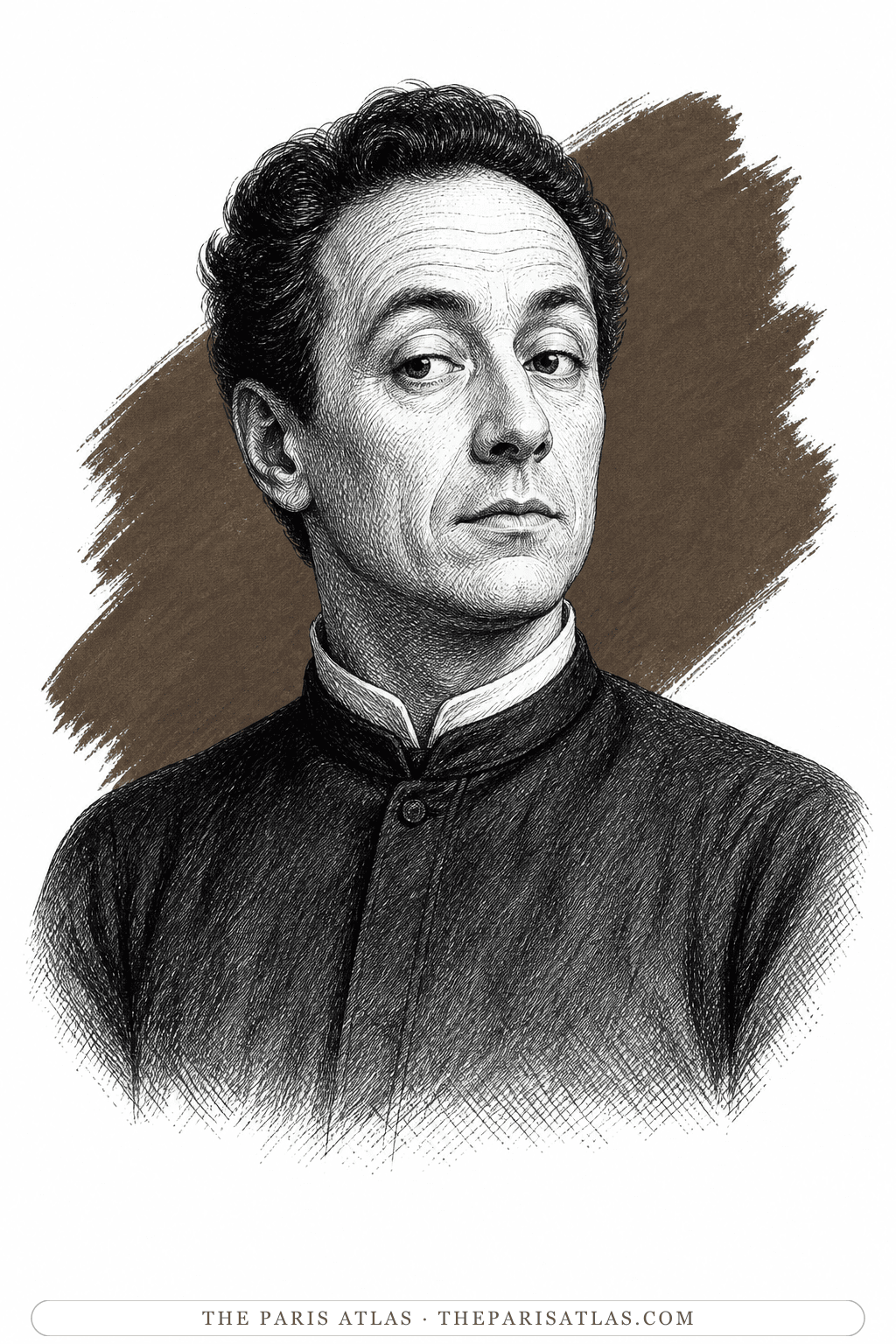
Renée's stage partner and mime teacher — a professional who treats the music hall as a trade and keeps her honest about the work.
1910
The Vagabond is published, the year Colette's divorce from Willy became final.
1913
The sequel, The Shackle (L'Entrave), continues Renée Néré's story.
1917
An early film adaptation is made with Colette's friend Musidora.

The other side of the demi-monde — a kept woman rather than a working one, and the same reckoning with love and independence.
Read our take
The later self-portrait in which the same choice — desire relinquished for autonomy — returns from the far end of a life.
Read our take
A young woman refusing the arrangement made for her, where Renée is the grown woman who already walked away.
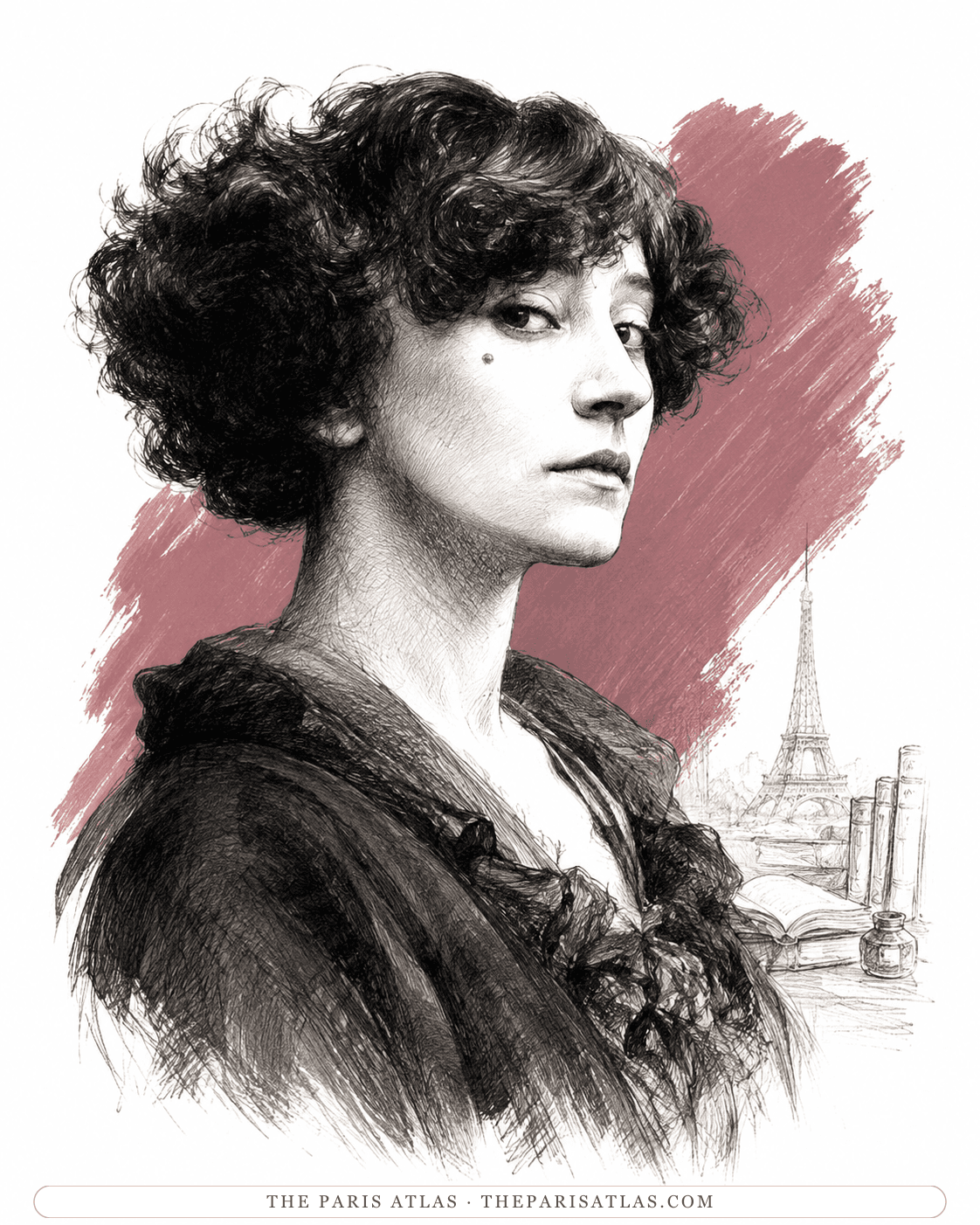
Read our takeThe French novelist Colette. La Vagabonde was published in 1910.
Renée Néré, a thirty-three-year-old divorced woman supporting herself as a music-hall performer, is courted by a wealthy man offering marriage. The novel follows her decision between love and security on one side and hard-won independence on the other.
In atmosphere and profession, strongly. Colette wrote it out of her own years earning a living on the Paris stage after leaving her first husband. Renée is a fictional character, not a literal self-portrait.
Yes. The Shackle (L'Entrave, 1913) continues Renée Néré's story and is usually read after this novel.
'La vagabonde' — the woman vagabond or wanderer. Renée embraces the word for the touring, unsettled, self-supporting life she chooses over marriage.
Explore authors with a similar voice, perspective, and influence.

The Brooklyn dropout who arrived in Paris broke at thirty-eight and wrote the exuberant, banned books that ended American censorship.
View author
The doctor of the Paris slums who wrote the century's blackest, funniest novel — and changed the sound of French prose.
View author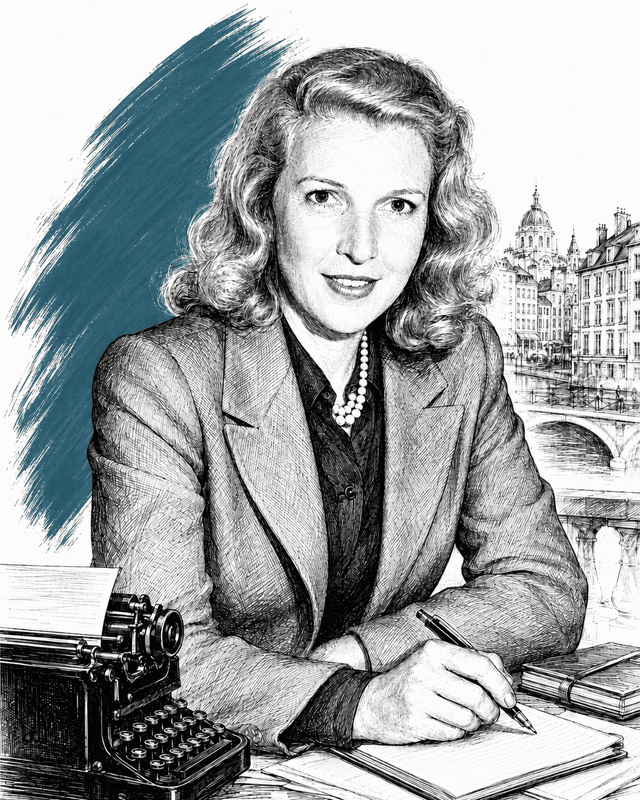
War correspondent who covered the Spanish Civil War, D-Day, and conflicts across five more decades; Hemingway's third wife, 1940–1945.
View authorThe sources below include the primary text, editions, scholarship, archival materials, and other records that informed this page. They document The Vagabond, its publication, and its place in literary history.


Primary French text for Part One, Chapter I and Part Three, Chapter IX. Wikisource identifies the Ollendorff 1910, 57th edition; the new analysis does not claim to compare the first printing, Enid McLeod’s or Frances Egan’s translations, or independently establish events in Colette’s life.
Used to place The Vagabond within Colette's published work and verify its bibliographic context.

Used for independent biographical, archival, or historical context surrounding Colette's career and the period in which The Vagabond appeared.
Used to cross-check authorship, chronology, and the work's place in Colette's wider catalogue.
Used to verify Colette's bibliography and place The Vagabond within the broader chronology of Colette's career.
The primary text is the baseline reference for every book page. Additional references document publication history, interpretation, and historical context where that evidence is available.
 Explore more resources