
The Vagabond
The direct predecessor — the novel whose triumphant solitude this sequel reverses.
Read our take
by Colette
The sequel to The Vagabond reverses its ending: the woman who chose freedom gives herself to a dependent, possessive love.
The Shackle follows Renée Néré, the music-hall performer who chose solitude over marriage at the end of The Vagabond. An inheritance has freed her from the stage, and she drifts on the Riviera among idle acquaintances until an affair with a younger man, Jean, draws her into exactly the emotional bondage she once escaped. The French title, L'Entrave, means a fetter or hobble, and the novel is the darker answer to the earlier book: a study of a free woman consenting to be bound. Published in 1913. (The full plot, including the ending, is below.)
The Vagabond ended with Renée Néré refusing a comfortable marriage to keep her hard-won independence. The Shackle picks her up some years later, released from performing by money she did not have before, and finds that freedom without work or purpose has become its own kind of drift. Colette wrote the sequel to test the earlier book's triumphant solitude against the pull of desire, and she did not let Renée win a second time.
On the Riviera, Renée falls in with May and her lover Jean, and gradually displaces May in Jean's life. The affair that follows is possessive, jealous, and unequal, and Renée — who once guarded her autonomy against a kind and generous suitor — surrenders to a harder man and a smaller life. The novel watches her choose the shackle knowingly, which is what makes it bleaker than its predecessor.
The Shackle is often read as Colette's correction of her own romanticism: the free woman of 1910 shown, in 1913, accepting dependence not because she is deceived but because desire outweighs the freedom she defended. It is a minor-key companion to The Vagabond, and best read after it.
Renée Néré, no longer performing, lives on an inheritance and moves among a loose set of acquaintances on the Côte d'Azur. Idle and restless, she observes the affair between May, a dependent young woman, and Jean, an attractive, self-absorbed man of means. Drawn to Jean and half-bored, half-hungry for feeling, Renée lets an attraction develop that she knows will cost May her place.
Renée and Jean become lovers, and the relationship hardens into something jealous and unequal. The independence Renée defended so fiercely in The Vagabond gives way to a possessive attachment in which she is the one bound. She recognizes the trap as she enters it, measuring her surrender against the freedom she once chose, and goes in anyway.
The novel closes not on escape but on acceptance. Renée stays with Jean and with the dependent, diminished love she has chosen, settling into the entrave — the shackle — that the title names. Where The Vagabond ended with a woman walking away from love to keep herself, The Shackle ends with the same woman consenting to be held, and Colette refuses to sentimentalize the choice or rescue her from it.
Renée begins her stay by congratulating herself on leaving her companions, then admits how actively she sought their admiration. Feeding the gulls redirects that restless attention without simply quieting it. One bird approaches closely but will not permit her touch, sustaining a desire that watching alone cannot satisfy. She imagines painting or sculpting the creatures before searching for language equal to their movement and texture. Her final explanation turns this artistic frustration back toward unused affection. It is her own reading of the hunger she feels, not a settled account of what all solitary women need.
The pen and jade fruit establish a small personal territory inside Jean's house, but ownership does not guarantee freedom of movement or thought. Renée soon repeats his objections to her solitary restaurant visits, absorbing the rule into her own reasoning. During his absence, being alone feels almost like a secret offense. Yet the reflection does not end with an accusation against him: imagining Jean alone in the street makes her consider how little she knows of him beyond desire. The chapter complicates dependence by asking what each lover has failed to recognize in the other.
It takes the free, self-sufficient heroine of the first novel and shows her consenting to the very dependence she escaped.
Renée sees the trap clearly and enters it anyway — Colette's refusal to let independence be a permanent victory.
Written in 1913, it belongs to the run of first-person novels in which Colette worked out her lifelong subject: what women give up for love.

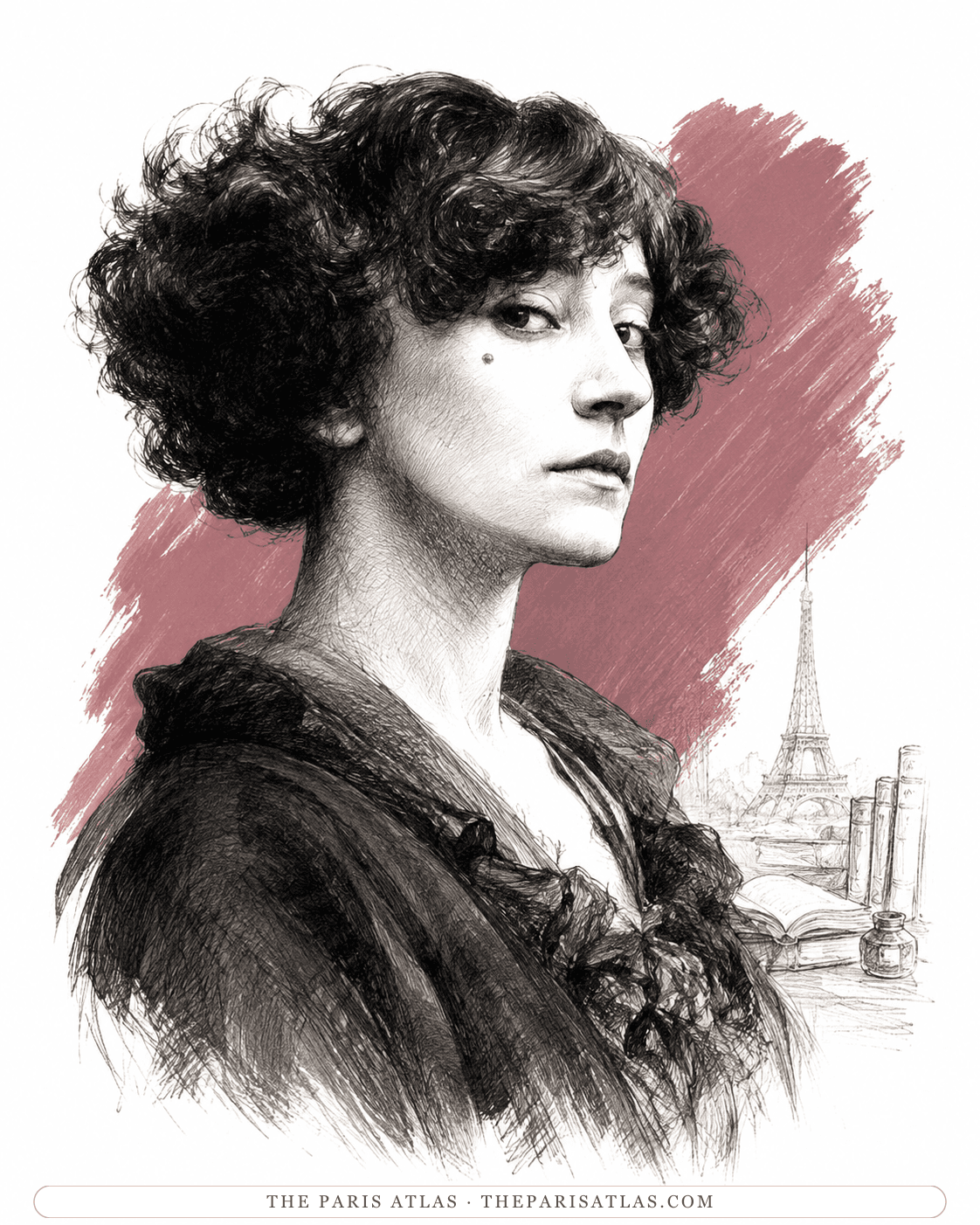
The former music-hall performer of The Vagabond, freed from the stage and drifting — the independent woman who here consents to be bound.
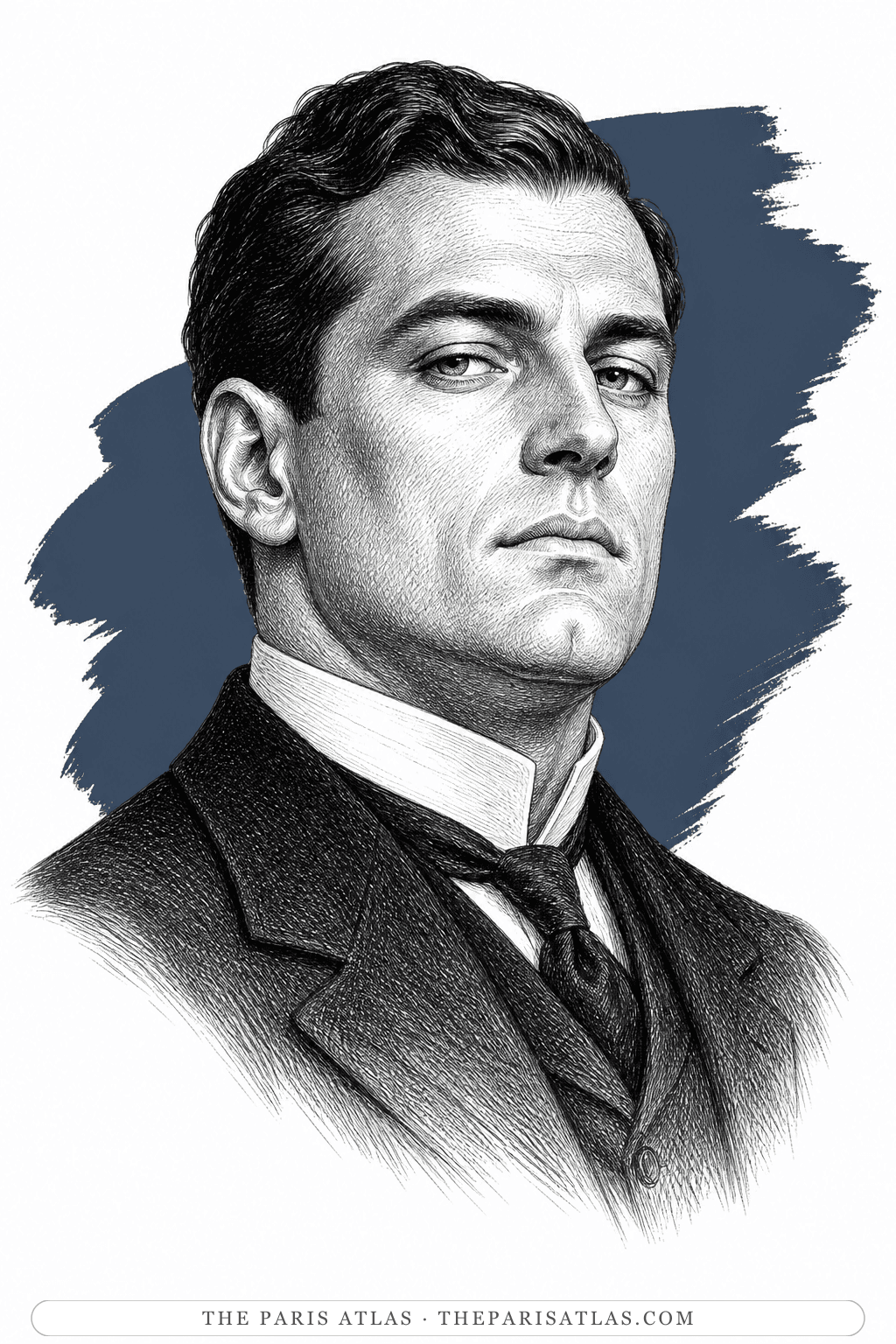
The attractive, self-absorbed younger man Renée takes from May — the possessive attachment that becomes her shackle.
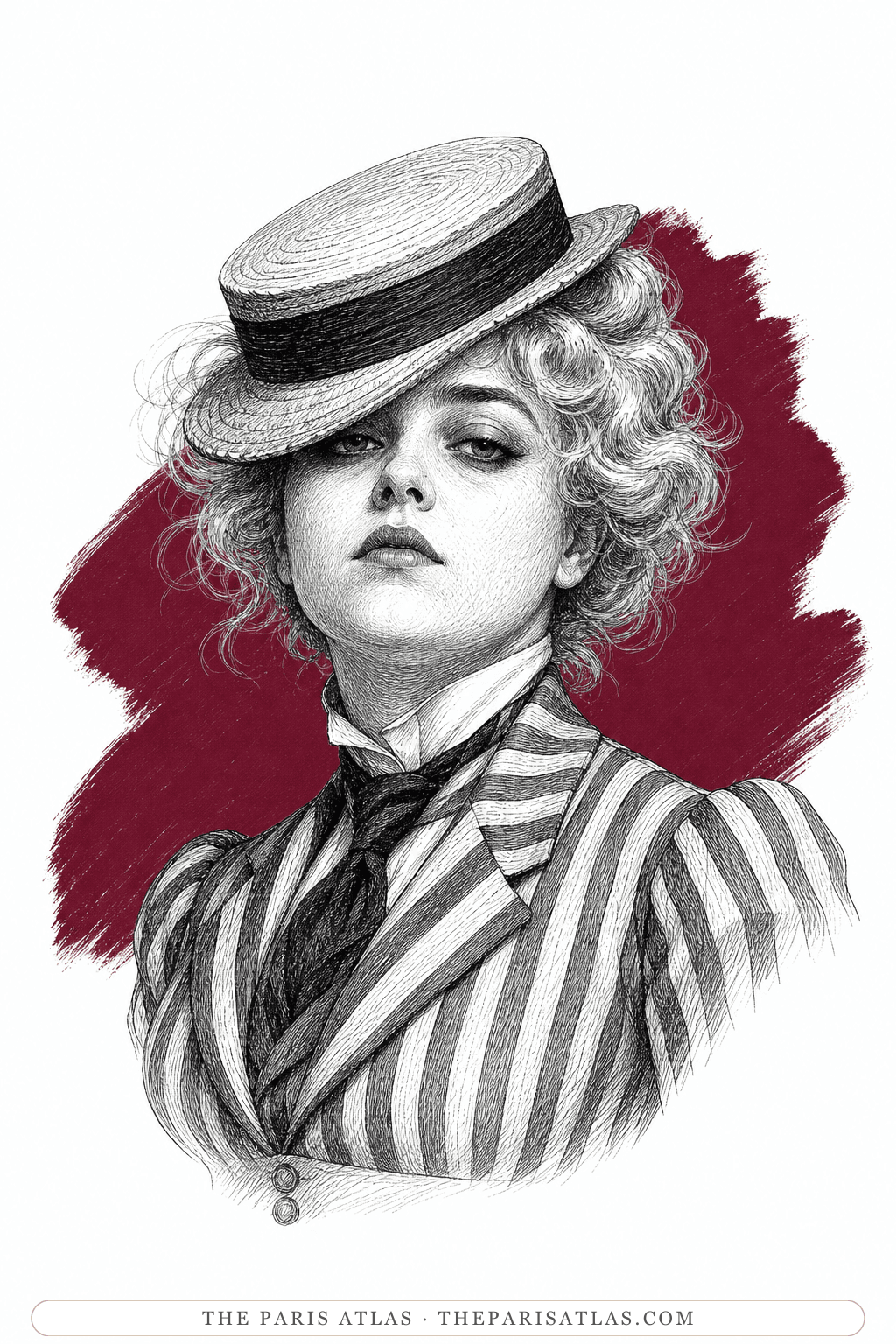
The dependent young woman whose lover Renée displaces — a glimpse of the smaller fate Renée once refused.
1910
The Vagabond introduces Renée Néré’s choice of independence, the decision this sequel will test.
1913
The Shackle (L'Entrave) is published — the sequel to The Vagabond, reversing its ending from freedom to dependence.
1976
Farrar, Straus and Giroux publishes Antonia White’s English translation.

The direct predecessor — the novel whose triumphant solitude this sequel reverses.
Read our take
The later book that returns to the same question and answers it differently, choosing renunciation.
Read our take
Another Colette study of desire, dependence, and the unequal bargains inside love.
Read our takeColette. L'Entrave was published in 1913, the sequel to her 1910 novel La Vagabonde (The Vagabond).
Renée Néré, freed from performing by an inheritance, drifts on the Riviera and falls into a possessive affair with a younger man, Jean — surrendering to the emotional dependence she had escaped in The Vagabond.
It rewards it. The Shackle continues Renée Néré's story and gains most of its force as a reversal of the earlier novel's ending, so reading The Vagabond first is best.
L'Entrave means a fetter, hobble, or shackle. It names the emotional bondage Renée knowingly accepts — the opposite of the freedom she chose at the end of The Vagabond.
Unlike The Vagabond, it ends in acceptance rather than escape: Renée stays with Jean and with the dependent love she has chosen, settling into the shackle the title names.
Explore authors with a similar voice, perspective, and influence.

The Brooklyn dropout who arrived in Paris broke at thirty-eight and wrote the exuberant, banned books that ended American censorship.
View author
The doctor of the Paris slums who wrote the century's blackest, funniest novel — and changed the sound of French prose.
View author
War correspondent who covered the Spanish Civil War, D-Day, and conflicts across five more decades; Hemingway's third wife, 1940–1945.
View authorThe sources below include the primary text, editions, scholarship, archival materials, and other records that informed this page. They document The Shackle, its publication, and its place in literary history.


The primary text represented by this page, used for descriptions of the work’s contents and for any quoted passages shown here.
Primary French text in the Librairie des lettres 1913 transcription. Chapters VI and XVII support the readings of the gulls and the recalled move into Jean’s house. Renée’s judgments are treated as her narrative perspective, not general truths about women; no Antonia White translation comparison is claimed.

The Newark Public Library catalogue verifies Antonia White's translation and the 1976 Farrar, Straus and Giroux edition.
Used to place The Shackle within Colette's published work and verify its bibliographic context.
Used for independent biographical, archival, or historical context surrounding Colette's career and the period in which The Shackle appeared.
Used to cross-check authorship, chronology, and the work's place in Colette's wider catalogue.
Used to verify Colette's bibliography and place The Shackle within the broader chronology of Colette's career.
The primary text is the baseline reference for every book page. Additional references document publication history, interpretation, and historical context where that evidence is available.
 Explore more resources