
The Cat
The same exact attention to appetite and cruelty, turned from adolescence to marriage.
Read our take
by Colette
Two childhood companions on a Breton shore cross into adulthood the summer an older woman intervenes.
Phil and Vinca have spent every summer of their lives together on the coast of Brittany, and are old enough now for their companionship to be turning into something else. Into that slow, unspoken change comes Madame Dalleray, an older woman who takes an interest in Phil. Published in 1923, The Ripening Seed is Colette's novel of adolescence — of sexual initiation, jealousy, and the unequal ways boys and girls are permitted to grow up. (The full plot, including the ending, is below.)
The title — Le Blé en herbe, the green wheat, the crop still ripening — names the book's subject exactly: two young people at the point of change, no longer children and not yet adults. Colette sets them on a Breton summer shore she renders with her usual precision about weather, water, and skin, and lets the season itself supply the rhythm of the story.
Colette knew the situation at the book's center from her own life: the involvement of an older woman with a much younger man. She had recently lived a version of it, and the novel treats the theme without scandal and without apology, as one of the ordinary asymmetries of how desire is learned. The book is often taught for how much it condenses — landscape, bodily perception, and moral ambiguity — into a short, quiet story.
The first fifteen chapters appeared in the newspaper Le Matin before the novel was published in 1923. It was filmed in 1954 by Claude Autant-Lara, an adaptation that caused some controversy for its frankness about adolescent sexuality.
Philippe — Phil — is sixteen, and Vinca, his summer companion since childhood, is fifteen. Their families holiday together on the coast of Brittany, and the two have grown up as near-siblings and near-sweethearts, bound by an intimacy neither has yet had to name. This summer the old ease is charged with something new and uncomfortable, and both feel the childhood between them beginning to close.
Phil meets Madame Dalleray, an older woman staying nearby — the 'lady in white' — who is worldly, self-possessed, and interested in him. Through her, Phil undergoes a sexual initiation that belongs entirely to the adult world Vinca cannot yet enter, and he returns to Vinca changed, carrying knowledge and a secret. The novel follows the pressure this puts on the two young people and on the unequal terms by which each is allowed to grow up.
The two initiations of the summer meet. Changed by Madame Dalleray, Phil turns back toward Vinca, and the childhood bond finally crosses into a physical one. What the novel treats as decisive is less the act than its aftermath: Vinca, now knowing what Phil knows, chooses to go on living rather than be broken by it, quietly absorbing the loss of innocence into an ordinary future. Madame Dalleray leaves, the summer ends, and the buckwheat is threshed with flails in the kitchen garden — the bed the last scene takes place on. The green wheat of the title is never cut; it stays a figure of speech. Colette closes on knowledge gained and childhood spent, without triumph or ruin.
The two nets have different practical uses; Vinca has not brought the second as an invitation to Philippe. His question tries to turn familiar equipment into evidence of her attention to him. Even his offer of a hand across the rocks unsettles a companionship in which she previously needed no assistance. The fishing continues, but their gestures acquire meanings neither can comfortably discuss. Colette makes change visible within an activity they already know well: the shore remains familiar while the balance between independence, cooperation and the wish to be noticed becomes uncertain.
Sorting the worn clothes makes departure a practical task before Philippe is ready to accept it. Vinca handles his belongings as well as her own, but he sees an appearance that disappoints him rather than recognizing the care involved. The narration separates what he calls generosity from the wish to remake her according to his new preferences. Even his apology returns to blaming her for allowing his anger. Her final acceptance of his company is therefore uneasy: being together has become something she preserves by tolerating behavior that causes her pain.
Colette compresses first desire, jealousy, and the end of childhood into a single Breton summer, with no wasted motion.
The sea, the weather, and the skin are written together — Colette's sensory precision doing the emotional work.
It looks directly at teenage sexuality and the unequal rules for boys and girls, and refuses both prudery and titillation.

Sixteen, and Vinca's summer companion since childhood — the boy whose initiation by an older woman changes what he is to her.

Fifteen, Phil's lifelong summer companion — the one left to absorb the summer's knowledge and go on living with it.

The older 'lady in white' who takes an interest in Phil — the adult world arriving in the middle of a childhood.
1923
The Ripening Seed is published, after its first fifteen chapters appeared in the newspaper Le Matin.
October 1947
Colette sells the film-adaptation rights to Claude Autant-Lara, whose screen version follows in 1954.
1954
Claude Autant-Lara's film adaptation is released, and is controversial for its frankness.
The same exact attention to appetite and cruelty, turned from adolescence to marriage.
Read our take


Another young person crossing into the adult economy of desire, with a happier settlement.
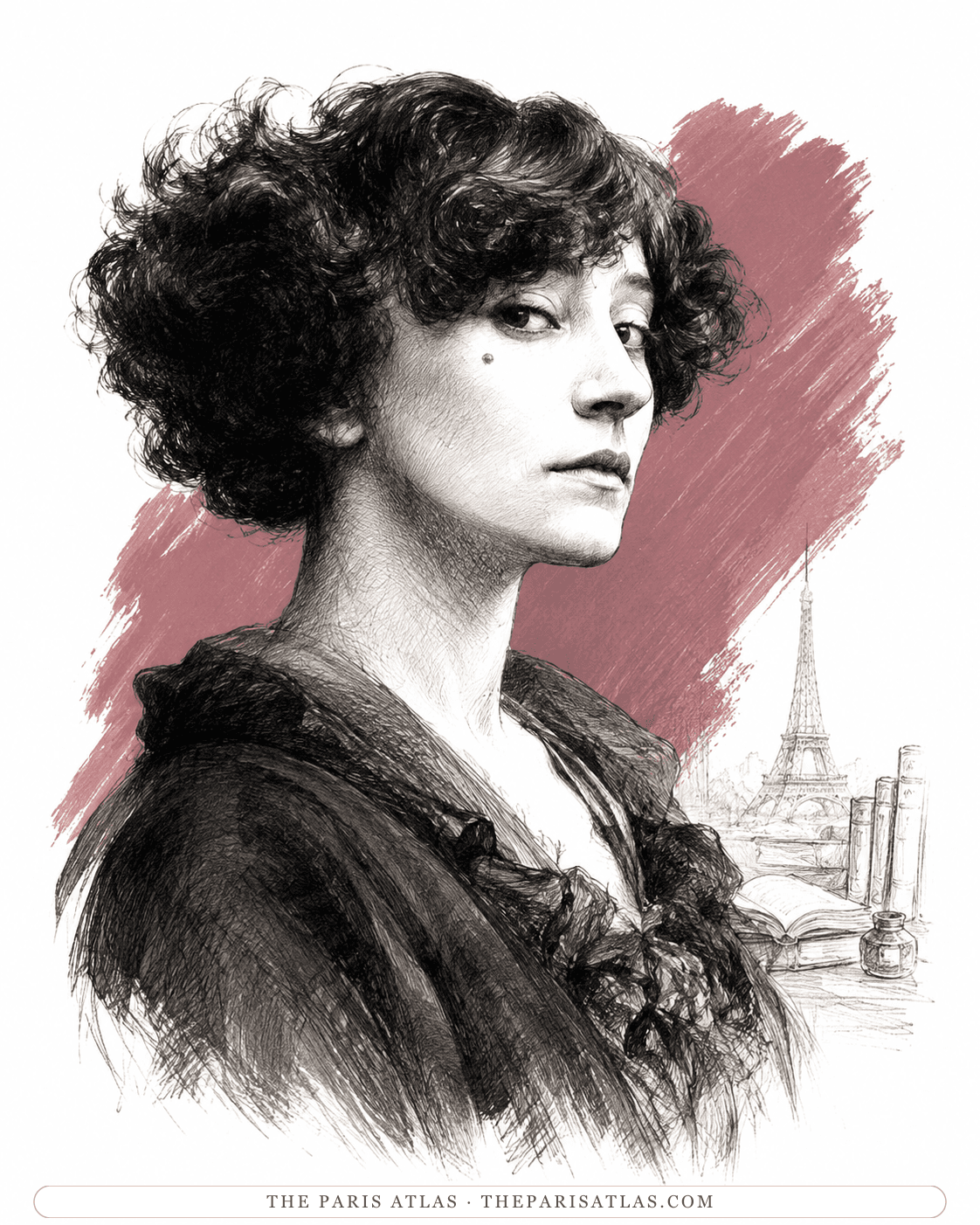
Read our takeThe French novelist Colette. Le Blé en herbe was published in 1923.
Two adolescents, Phil and Vinca, who have spent every summer of their childhood together on the Breton coast, cross into adulthood the summer an older woman, Madame Dalleray, takes an interest in Phil.
Le Blé en herbe means 'the wheat in the blade' — the green, unripe crop. It names the novel's subject: two young people still ripening, no longer children and not yet adults.
Its central situation — an older woman involved with a much younger man — echoes an episode in Colette's own life. The novel is invention, not memoir.
Yes. Claude Autant-Lara directed a 1954 French film adaptation, which drew some controversy for its frankness about adolescent sexuality.
Explore authors with a similar voice, perspective, and influence.
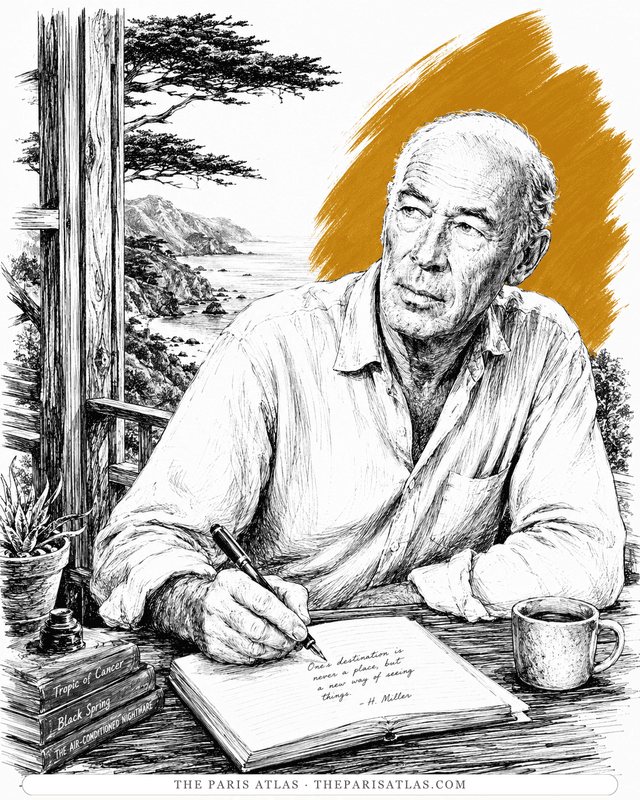
The Brooklyn dropout who arrived in Paris broke at thirty-eight and wrote the exuberant, banned books that ended American censorship.
View author
The doctor of the Paris slums who wrote the century's blackest, funniest novel — and changed the sound of French prose.
View author
War correspondent who covered the Spanish Civil War, D-Day, and conflicts across five more decades; Hemingway's third wife, 1940–1945.
View authorThe sources below include the primary text, editions, scholarship, archival materials, and other records that informed this page. They document The Ripening Seed, its publication, and its place in literary history.


The primary text represented by this page, used for descriptions of the work’s contents and for any quoted passages shown here.
Primary French text in the Flammarion 1923 transcription. Chapters I and XV support the analysis of the two nets, changing companionship and the packing scene. No whole-novel reading or Roger Senhouse translation comparison is claimed; the characters’ unequal behavior is analyzed, not endorsed.
The Société des amis de Colette bibliography verifies the original edition's publisher and publication date.
Used to verify The Ripening Seed's bibliographic context and its place within Colette's published work.

Used for independent archival, institutional, or historical context surrounding Colette and The Ripening Seed.
Used to cross-check chronology, publication history, and the circumstances in which The Ripening Seed appeared.
Used for an additional scholarly or biographical perspective on The Ripening Seed and Colette's wider career.
The primary text is the baseline reference for every book page. Additional references document publication history, interpretation, and historical context where that evidence is available.
 Explore more resources