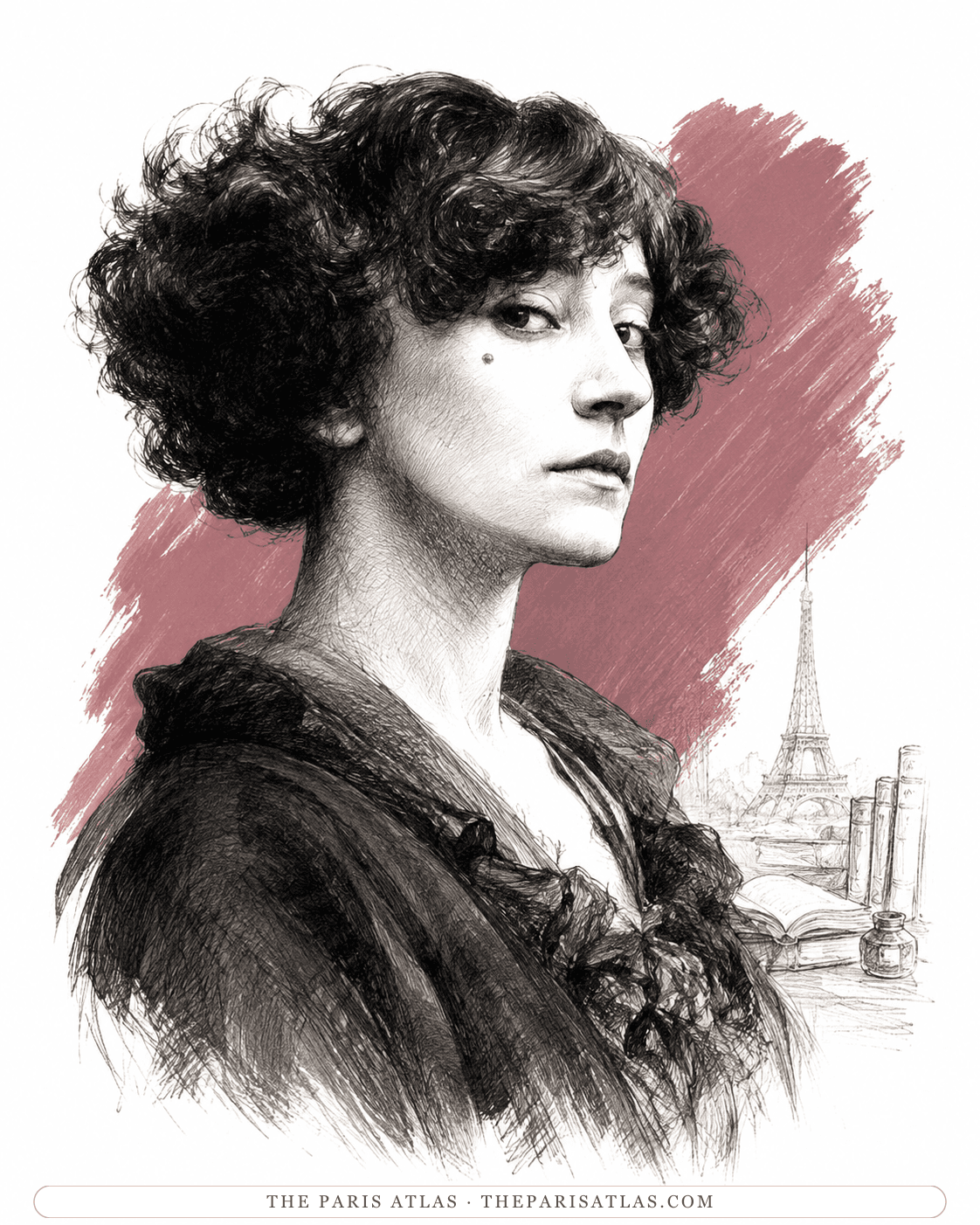


Claudine Married
by Colette
Marriage does not tame Claudine — the third novel takes the series into its most openly erotic and disenchanted territory.
- 1902
About Colette
The story, briefly
Spoiler-freeNow married to Renaud, Claudine discovers that a wedding has settled nothing about desire. The third Claudine novel follows her into an affair with a woman, Rézi — encouraged, it turns out, by a husband with his own designs — and into the jealousy and disillusion that follow. Published in 1902 under Willy's name, it is the most sexually candid book in the cycle and the one that turns Claudine's story from comedy toward hard experience. (The full plot, including the ending, is below.)
The story, in more detail
Claudine Married takes the series past courtship into the reality of a marriage, and finds it more complicated and less free than the wedding promised. Renaud is affectionate and permissive, but his permissiveness has an edge: the novel's central affair, between Claudine and the beautiful Rézi, is one he encourages and, it emerges, shapes for his own satisfaction. What begins as Claudine's own desire becomes something arranged around her.
This is the volume that makes the Claudine cycle feel less like innocent coming-of-age and more like a sustained inquiry into desire, possession, and performance. Its openness about an affair between women, and about the manipulations inside a fashionable marriage, is franker than anything in the earlier books, and it darkens the tone the series ends on.
Published in 1902 under Willy's name, it drew on the sexual milieu into which Willy had introduced Colette, though the novel is invention rather than transcription. It is best read as the pivot of the cycle, where Claudine's clear sight turns from the follies of others to the costs of her own life.
The full plot
Claudine is married to Renaud and living in Paris, and finds that marriage has not simplified her or dampened her appetites. Renaud is indulgent, worldly, and older, and treats his young wife's desires with an interest that is not entirely disinterested. Restless in the settled life she chose, Claudine is drawn to Rézi, a beautiful, sophisticated married woman in their social circle.
The affair between Claudine and Rézi becomes the novel's center. Renaud not only tolerates it but encourages it, and Claudine gradually understands that what she took for her own free adventure has been shaped and enjoyed by her husband — that she has been, in part, arranged. Jealousy, disillusion, and a sense of being possessed rather than loved complicate a relationship she entered as an equal.
How it ends — spoilers ahead
The affair collapses under the weight of Renaud's involvement and Rézi's own conduct, and Claudine, wounded and disenchanted, withdraws — returning in spirit and body toward the Burgundy countryside and the self she was before the city and the marriage. The novel ends not on resolution but on a turn toward disillusion and retreat, the mood that the cycle's final volume, La Retraite sentimentale, takes up in full.
Themes and analysis
A freedom arranged by someone else
Claudine discovers more than a hidden encounter: she also finds that the role of the betrayed wife supplies no reliable script for her own reaction. She recalls how such scenes proceed in books, then admits that neither a grand gesture nor a devastating remark comes to her. Repeating her name becomes a way to summon courage rather than evidence of effortless certainty. Her flight finally protects her from an immediate reconciliation she knows she could accept. The scene turns independence into something difficult to sustain even after recognition arrives.
Montigny, and the terms of return
Montigny restores familiar pleasures without restoring an untouched earlier self. Claudine can lose herself among trees and books, then grow restless for a letter from Renaud. The trunk he sends makes ordinary possessions carry his presence, preparing a reconciliation that is neither complete refusal nor simple return. In her reply she insists on remaining outside Paris, but also asks for his guidance and acknowledges her wish to depend on him. These requests sit together uneasily. The place she chooses becomes a condition of continued attachment, not proof that attachment has ended.
Why we recommend it
The cycle's turning point
This is where Claudine's story stops being comedy and becomes a serious inquiry into desire, jealousy, and possession.
Franker than its era allowed
Its openness about an affair between women, published in 1902, is part of why the Claudine books were both scandalous and durable.
A marriage seen clearly
Colette anatomizes how a permissive husband can arrange his wife's freedoms for himself — a sharp, uncomfortable portrait.
What this book explores
The people in its pages

Claudine
Married now, and discovering that a wedding settled nothing about her desires — the cycle's heroine turning from comedy to hard experience.
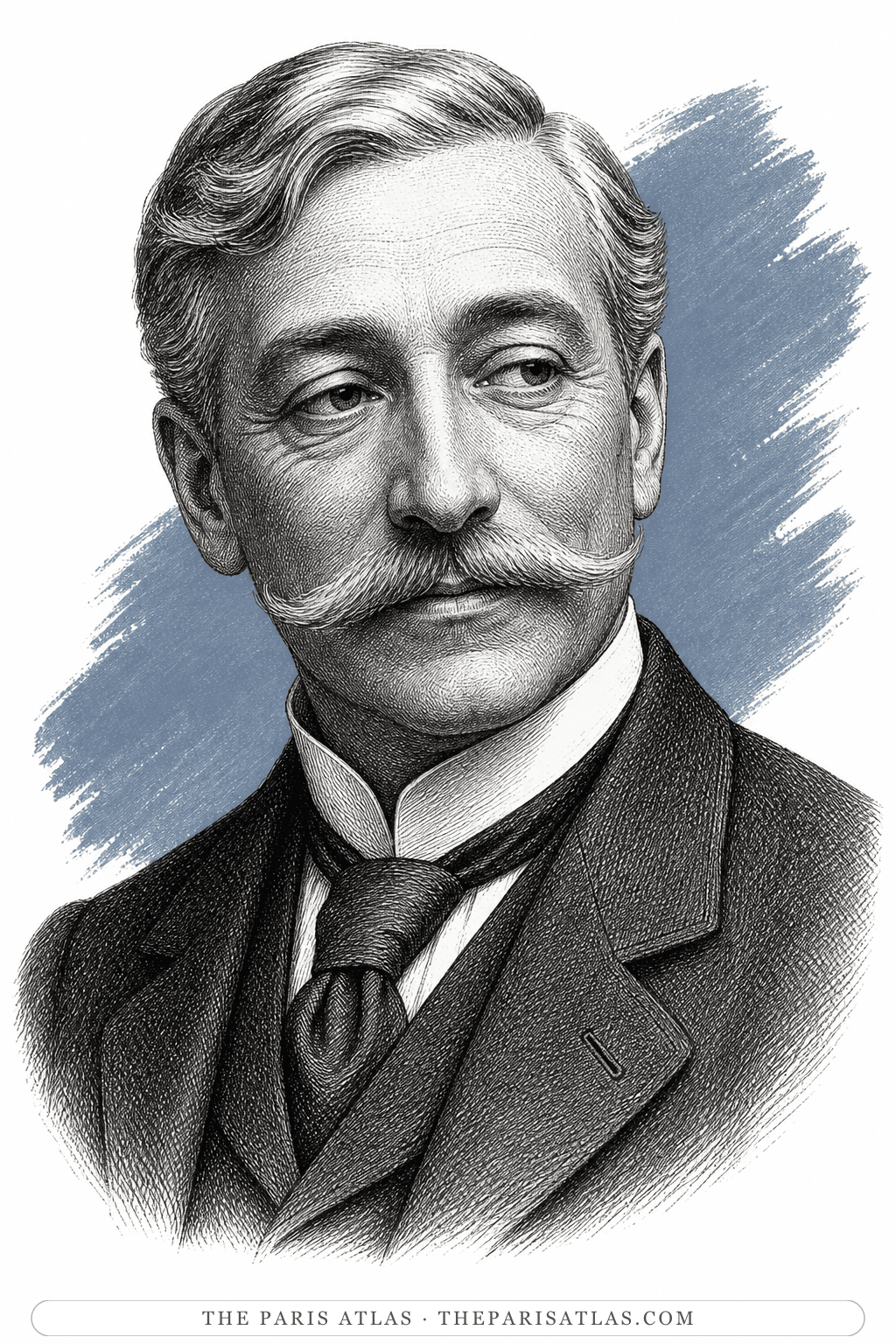
Renaud
Claudine's older, indulgent husband, whose permissiveness turns out to serve his own designs.

Rézi
The beautiful married woman Claudine falls for — the center of the affair, and of the disillusion that follows.
Bring it to book club
- Renaud encourages Claudine's affair with Rézi. Is his permissiveness generosity, control, or both?
- Claudine entered marriage as an equal and finds herself possessed. How does the novel trace that shift?
- The book ends in retreat rather than resolution. What does Colette gain by refusing Claudine a tidy recovery?
Timeline
1901
Claudine in Paris introduces the relationship with Renaud that leads into this novel.
1902
Claudine Married is published under Willy's name — the most openly erotic novel in the Claudine cycle.
1903
Claudine and Annie follows, shifting the cycle’s narration from Claudine to Annie.
Book editions
Hardcover
- Hardcover
- Mercure de France
- 1902
Paperback
- Paperback
- Antonia White
Ebook
- Ebook
Reader reviews
Readers may also like


Claudine and Annie
The next volume, which hands the story to another woman leaving a marriage.
Read our take
The Sentimental Retreat
The cycle's disenchanted finale, weighing the cost of the love examined here.
Read our take
Claudine Married: frequently asked questions
Who wrote Claudine Married?
Colette. The 1902 first edition was published under her husband Willy's name, but Colette is its author.
What is Claudine Married about?
Now married to Renaud, Claudine has an affair with a woman, Rézi — one her husband encourages for his own satisfaction — and confronts the jealousy, disillusion, and sense of being possessed that follow.
Where does it fall in the Claudine series?
It is the third of the four Claudine novels, after Claudine at School and Claudine in Paris and before Claudine and Annie.
Is Claudine Married the most explicit of the Claudine novels?
Yes. Its central affair between Claudine and Rézi, and its candor about desire within marriage, make it the most sexually frank book in the cycle.
Is it based on Colette's own life?
It draws on the sexual milieu of her first marriage, into which Willy introduced her, but the characters and events are invention rather than a record of real people.
If you like Colette
Explore authors with a similar voice, perspective, and influence.

Henry Miller
The Brooklyn dropout who arrived in Paris broke at thirty-eight and wrote the exuberant, banned books that ended American censorship.
View author
Louis-Ferdinand Céline
The doctor of the Paris slums who wrote the century's blackest, funniest novel — and changed the sound of French prose.
View author
Martha Gellhorn
War correspondent who covered the Spanish Civil War, D-Day, and conflicts across five more decades; Hemingway's third wife, 1940–1945.
View author
References
References
The sources below include the primary text, editions, scholarship, archival materials, and other records that informed this page. They document Claudine Married, its publication, and its place in literary history.


1Claudine Married
NovelColette, 1902Used forThe primary text represented by this page, used for descriptions of the work’s contents and for any quoted passages shown here.
2Claudine en ménage — Mercure de France 1903 edition
WebsiteWikisourceUsed forPrimary French text for the discovery in Chapter XXVIII and the final letters in Chapter XXXI. Wikisource identifies a Mercure de France 1903 edition; this reading does not compare the 1902 first edition or Antonia White’s translation, or treat Claudine’s narration as literal Colette biography.
3Société des amis de Colette — Chronology
WebsiteUsed forUsed to place Claudine Married within Colette's published work and verify its bibliographic context.

4Bibliothèque nationale de France — The Worlds of Colette
Exhibition catalogueUsed forUsed for independent biographical, archival, or historical context surrounding Colette's career and the period in which Claudine Married appeared.
5Library of Congress — Colette resource guide
WebsiteUsed forUsed to cross-check authorship, chronology, and the work's place in Colette's wider catalogue.
6Bibliothèque nationale de France — Colette: online resources
WebsiteUsed forUsed to verify Colette's bibliography and place Claudine Married within the broader chronology of Colette's career.
i
Why these sources are here
The primary text is the baseline reference for every book page. Additional references document publication history, interpretation, and historical context where that evidence is available.
 Explore more resources