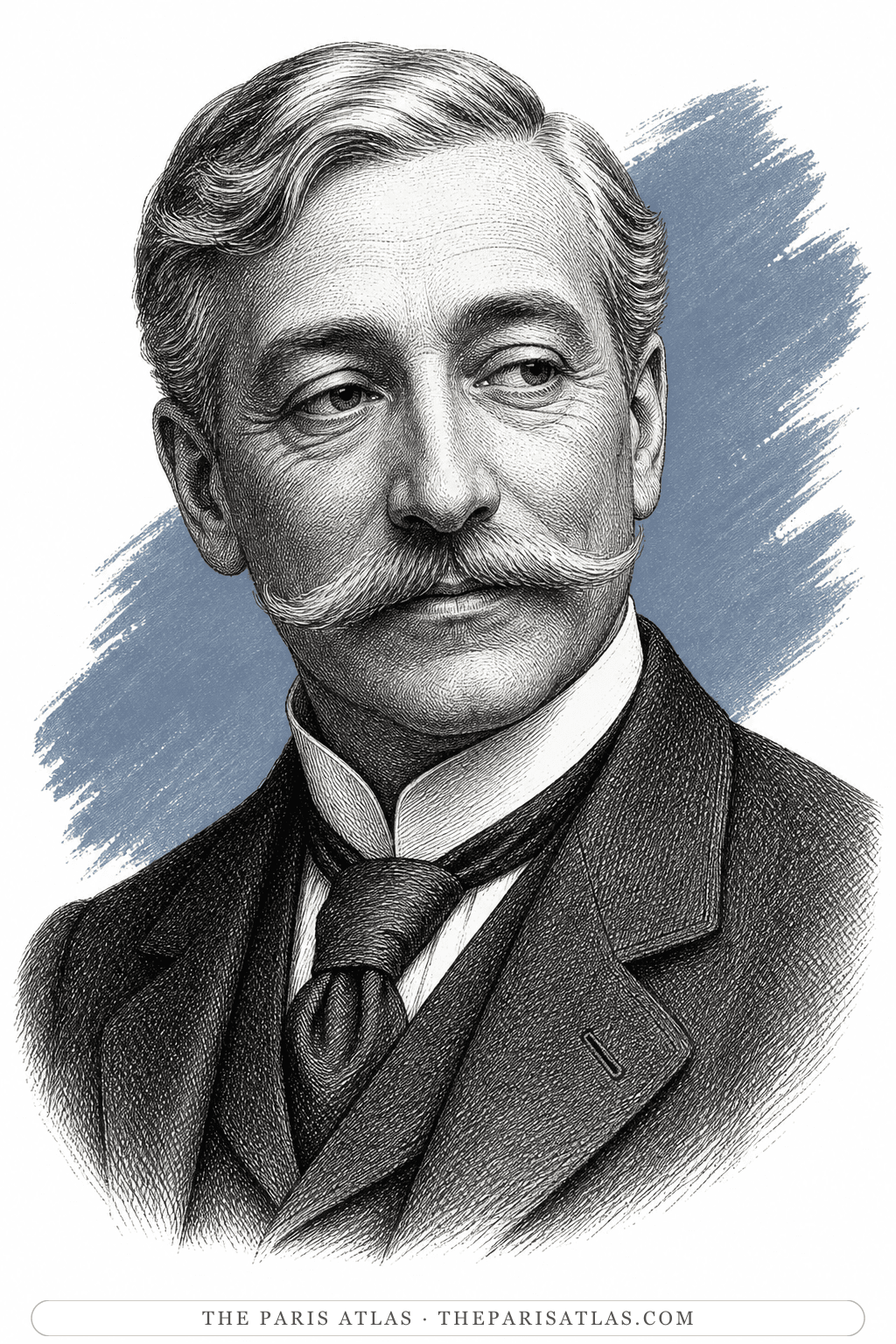
Renaud
Claudine's older, indulgent husband, whose permissiveness turns out to serve his own designs.
To not be old yet. He says he is old whenever the subject comes anywhere near him, counts the lines at the corners of his eyes in mirrors, and treats any evidence that women still look at him as a reprieve.
The book

At a glance
- Claudine's husband, and the second person her diary is about
- Forty-five
- Political and diplomatic writing for serious reviews; an at-home every Friday at four that draws about forty people
- A son, Marcel, about twenty, from an earlier marriage
- An apartment on the rue de Bassano at the time of the wedding; after fifteen months of travel he offers Claudine a choice of two others and she picks one
- A furnished flat at 59 rue Gœthe, for his wife and her lover, and keeps the key himself
Who they are in the book
Spoiler-freeRenaud is the husband of Claudine, the young woman who narrates this novel, and after her he is the person the diary is most about. He is a Parisian of forty-five who writes serious political studies for diplomatic reviews, knows an enormous number of people and can rarely put a name to any of them. He has a grown son, Marcel, from an earlier marriage. Everyone in Paris calls him by his first name and nothing else, which Claudine records as a fact about his standing.
He is affectionate in a way that is half fatherly. He calls Claudine his little girl, dresses her, worries about her health, and gives her what she asks for on the day she asks. She splits him into two people in her own mind, Renaud the father and Renaud the lover, and the complaint that runs through the book is that the father is the one she can talk to and neither of them will ever refuse her anything.
What the novel is finally about is what he does with his wife's affair with Rézi, a married woman in their circle. He is not deceived and does not object. He asks Claudine questions about Rézi's body, tidies her hair and puts flowers in her hands before she leaves for the avenue Kléber, and when the two women can find nowhere private he rents a flat, drives them there himself, pours the tea, and keeps the key.
How Renaud Is Portrayed
- What he looks likeDark-skinned, with a long moustache paler than his face, a curved nose, and light hair that he combs to the left with his fingers on waking. His clothes carry the smell Claudine gives as blond tobacco and lily-of-the-valley with a little Russian leather. She tells him he is beautiful and means it; he answers that he is old.
- He agrees to everythingAsked to break a journey for a day in a village he has no interest in, he says yes at once, and Claudine notes that he says yes at once to everything. He never presses a point and never ends a disagreement without kissing her. She writes that she would have felt something like respect if, just once, he had frowned and told her to drop it.
- The engagement, and the wedding nightThrough three weeks of engagement he keeps them both chaste, although Claudine is willing and tells him so, and she leaves the wedding still untouched. That night he stays fully dressed, holds her down and uses only his hands and his mouth, undresses afterwards, and laughs at her for being astonished. She thanks him for the patience later, and does not forget the laugh.
- He is frightened of getting olderHe studies the small lines at the corners of his eyes in mirrors with what Claudine calls a desperate attention to detail, and breaks off an embrace to tell her he can feel the minutes wrinkling him one at a time. When she objects to a stranger smiling at him in a restaurant, he asks her to let him go on believing that a woman can still look at her old husband without disgust.
- Sweets for the boardersAt Claudine's old school in Montigny he buys out the village confectioner and offers a bag to a fifteen-year-old boarder called Pomme if she will kiss him. She does. Next morning he walks into the dormitory with Claudine and repeats the terms to the room: no more sweets to anyone who will not come and fetch them. Claudine laughs for a while and then tells him the game is starting to annoy her.
- His son, and his rule about adulteryMarcel is about twenty, pencils his eyelids blue, and has affairs with schoolboys. News of the latest leaves Renaud burning papers, throwing an ashtray and telling Claudine these stories fill him with horror. She asks him why, in that case, he smiles almost approvingly at her own schoolfriend Luce and at the prospect of Rézi. Because it is not the same thing, he says: between women it is charming and of no importance. Her conclusion is that for Renaud adultery is a question of sex.
- He dresses his wife to go to her loverAt four o'clock, when Claudine puts down the book she has not been reading, he gets up and sees to her: fingers through her curls to air them, her tie re-knotted, her collar checked, the fur turban set straight, the sleeves of her coat held open. Then he puts a bunch of dark red roses in her hands, because they are the ones Rézi likes. Claudine admits she would not have thought of the flowers. He also asks for details, and is surprised to learn she has not been received in Rézi's bath.
- The flat on the rue GœtheWhen the two women can find nowhere to be alone, Renaud produces a small furnished flat two floors up at 59 rue Gœthe, with tea, sandwiches and black grapes laid out. He will not give either of them the key, on the grounds that they should not be seen going in by themselves, so every meeting begins with Claudine having to ask him to take them. He stays for a cigarette, straightens a picture, gossips, and behaves like the host.
Renaud sleeps with Rézi in the flat he rented for his wife. Claudine catches them there while she is recovering from influenza, having walked to the street without meaning to and seen the curtain move. He opens the door fully dressed, says only that it was rotten luck, and then tells her they were waiting for her. He makes no attempt to stop her leaving.
He writes to Montigny twice. The first letter says she did what she had to do, that nothing but stupid curiosity drove him to it, and that this is not the part he feels guilty about; what he cannot get past is having hurt her. The second is packed inside her trunk, which he has filled himself: linen tied with new ribbon, the pear-shaped ruby he gave her two days before the wedding back in its green case, a silver-gilt box refilled with the soft sweets she likes, and the letter rolled into one of her morocco slippers. It asks her, not now but later, to give him back not his wife but the little girl she took away with her.
Claudine's reply is the last page of the book. She does not forgive him in so many words. She tells him he should have refused her, orders him to come to Montigny and stay, and writes that she loves him for the first time.
If you like Claudine Married


If you like Colette
Explore authors with a similar voice, perspective, and influence.
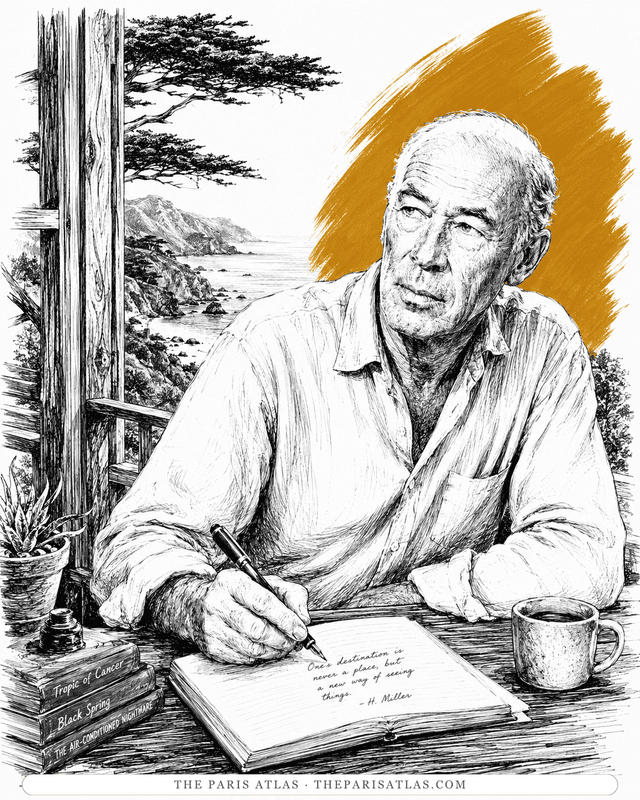
Henry Miller
The Brooklyn dropout who arrived in Paris broke at thirty-eight and wrote the exuberant, banned books that ended American censorship.
View author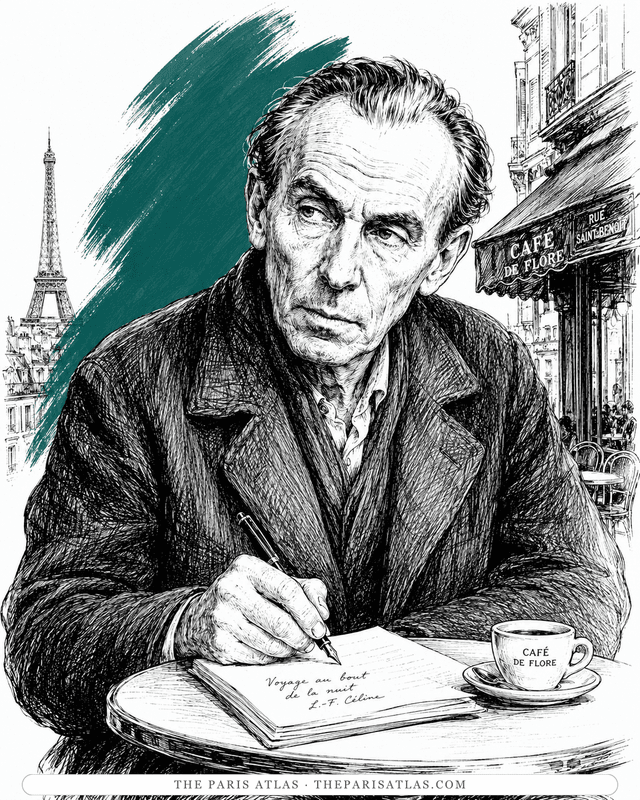
Louis-Ferdinand Céline
The doctor of the Paris slums who wrote the century's blackest, funniest novel — and changed the sound of French prose.
View author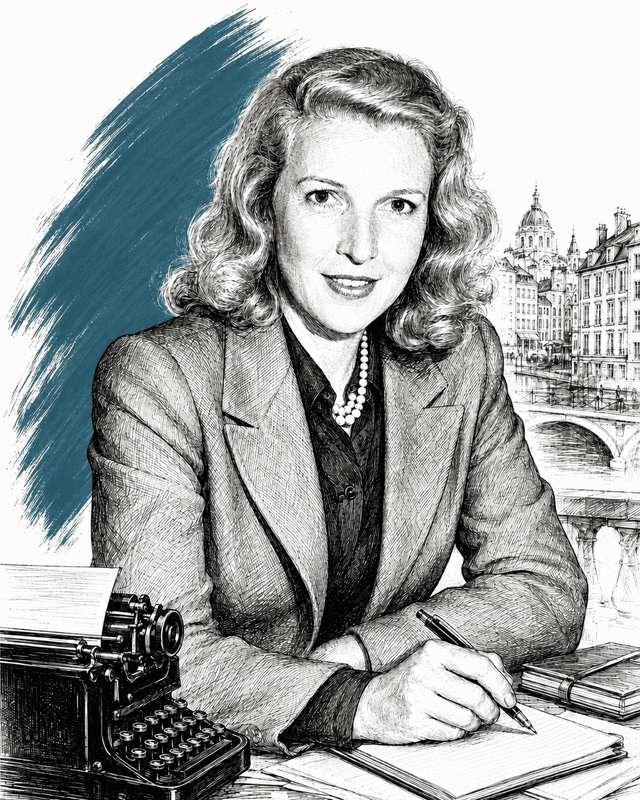
Martha Gellhorn
War correspondent who covered the Spanish Civil War, D-Day, and conflicts across five more decades; Hemingway's third wife, 1940–1945.
View author