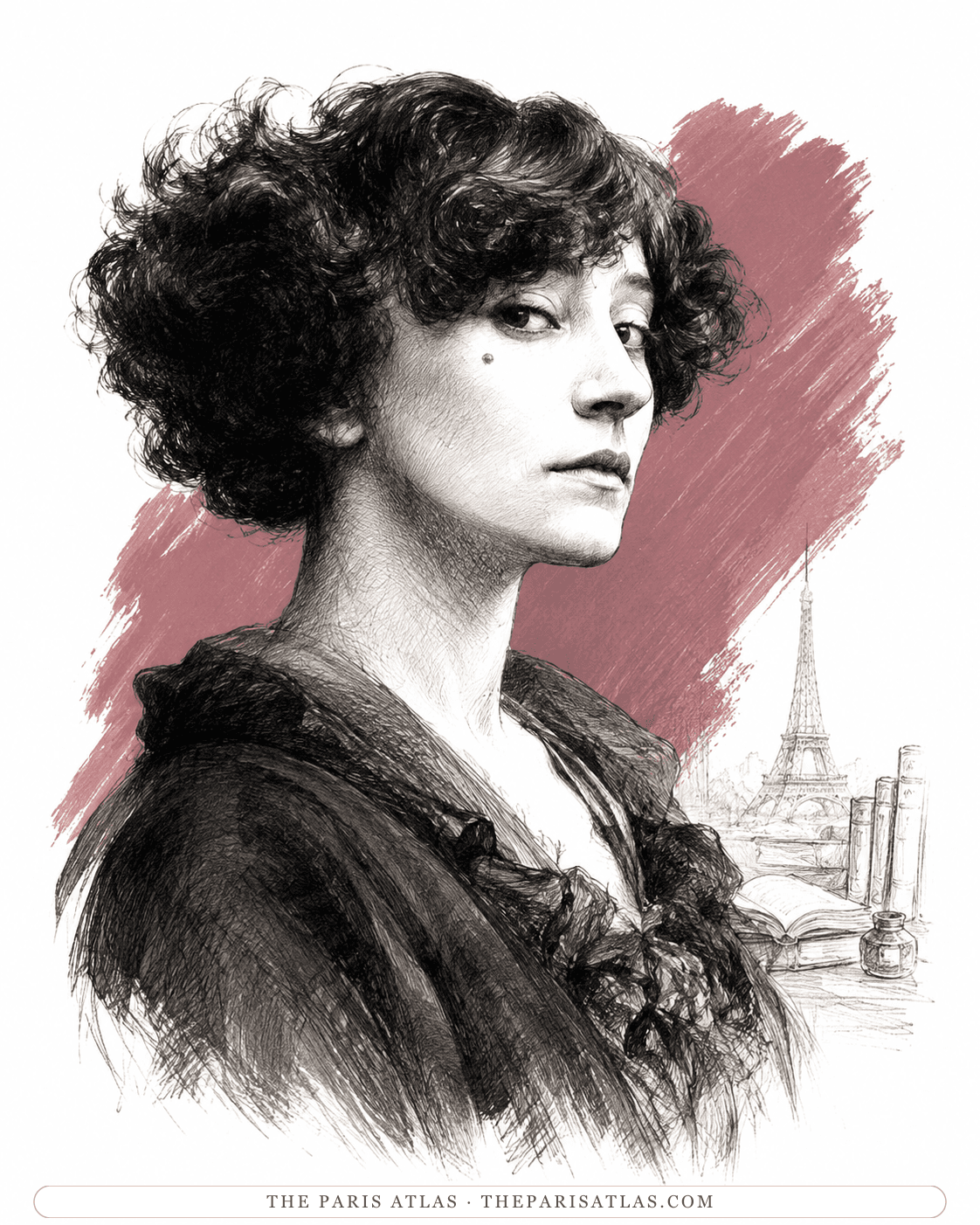

Claudine Married
The direct predecessor — Claudine's own marriage, examined before the series turns to Annie's.
Read our take
by Colette
The fourth Claudine novel hands the story to another woman — Annie, learning to leave a husband who has always decided for her.
The last of the original four Claudine novels performs a quiet trick: Claudine steps to the edge of the frame, and a new heroine takes the center. Annie, married young to the domineering Alain, is left to travel and manage on her own when he departs on a long journey — and, freed of his supervision, begins to see her marriage clearly. Published in 1903 under Willy's name, it turns from Claudine's sharp comedy toward a story of emancipation. (The full plot, including the ending, is below.)
Claudine and Annie is the structural surprise of the series. After three novels narrated by Claudine's unmistakable voice, the fourth largely withdraws her and gives the book to Annie, a quieter, more constrained woman whom Claudine befriends. The shift is deliberate: the title marks not only Claudine's exit but the series' experiment in doubling, setting her flamboyant independence beside another woman's slower, harder route to the same freedom.
The whole novel is Annie's own diary — the French edition prints Journal d'Annie under the title, and there is no other narrator anywhere in the book, which lets the reader watch her understanding grow in real time. Married as a girl to a husband who has organized her whole life, Annie has never had to think for herself; the book is the record of her learning how, once his absence gives her the room.
Published in 1903 under Willy's name, it closes the original Willy-attributed quartet. The later La Retraite sentimentale, written after Colette's separation, completes the cycle in a different key.
Annie is young, gentle, and married to Alain, an exacting husband who has arranged and directed every part of her life since girlhood. When Alain leaves on a long sea voyage, he hands Annie a schedule of instructions for the months of his absence, expecting her to follow them and wait. Instead, released from his daily supervision for the first time, Annie begins to notice how completely she has been managed.
Moving among her husband's relatives and social circle — and drawn into the orbit of Claudine, whose freedom is everything Annie's marriage has denied her — Annie's confidence and self-knowledge grow. She also comes upon evidence about Alain that forces her to see him, and the marriage, without illusion. The novel follows her from obedient wife toward a woman capable of judging her own life.
Annie chooses herself. Rather than keep to the obedient path Alain laid out and resume her place as his managed wife, she resolves to break free of the marriage and live on her own terms. She buys a small revolver at her husband's own gunsmith while she packs, which is what brings Claudine to her hotel door for the last conversation in the book. Colette does not call the departure a liberation: Claudine warns her she will carry the mark of the chain for a long time and may be one of those people born bent, and Annie's own closing list of the women she might become ends with a traveller found murdered in a hotel bed. She goes anyway.
Alain’s timetable extends his presence through apparently ordinary decisions about visits, clothes, servants and reading. Annie initially receives that control as care, blaming her own supposed incapacity rather than questioning the arrangement. Yet the diary already opens a small distance between what she is told to feel and what she notices: his prediction of her sorrow does not quite match her experience before he leaves. Even the notebook has been supplied to record his journey. Her account begins making it a record of her own perceptions instead.
The closing entry announces a departure still to come that evening; it does not narrate a completed escape and secure arrival. Annie knows her first train but not the course of her future, and imagines vulnerability alongside possibility. Her farewell to her own reflection gives that uncertainty a personal form: she can love the hesitant person she sees without pretending to be fearless. The earlier timetable promised that someone else knew what she should do. Now she accepts the burden of not knowing, while recognizing that the break has been forming for months.
Colette sidelines her famous heroine to tell another woman's story of escape — a structural risk that pays off.
Annie's diary lets you follow her from managed wife to independent woman in her own words, decision by decision.
Claudine's flamboyant independence and Annie's slower, harder version illuminate each other — the point of the doubling.

Married young to a controlling husband, and — left alone when he travels — slowly learning to see her marriage clearly and leave it.
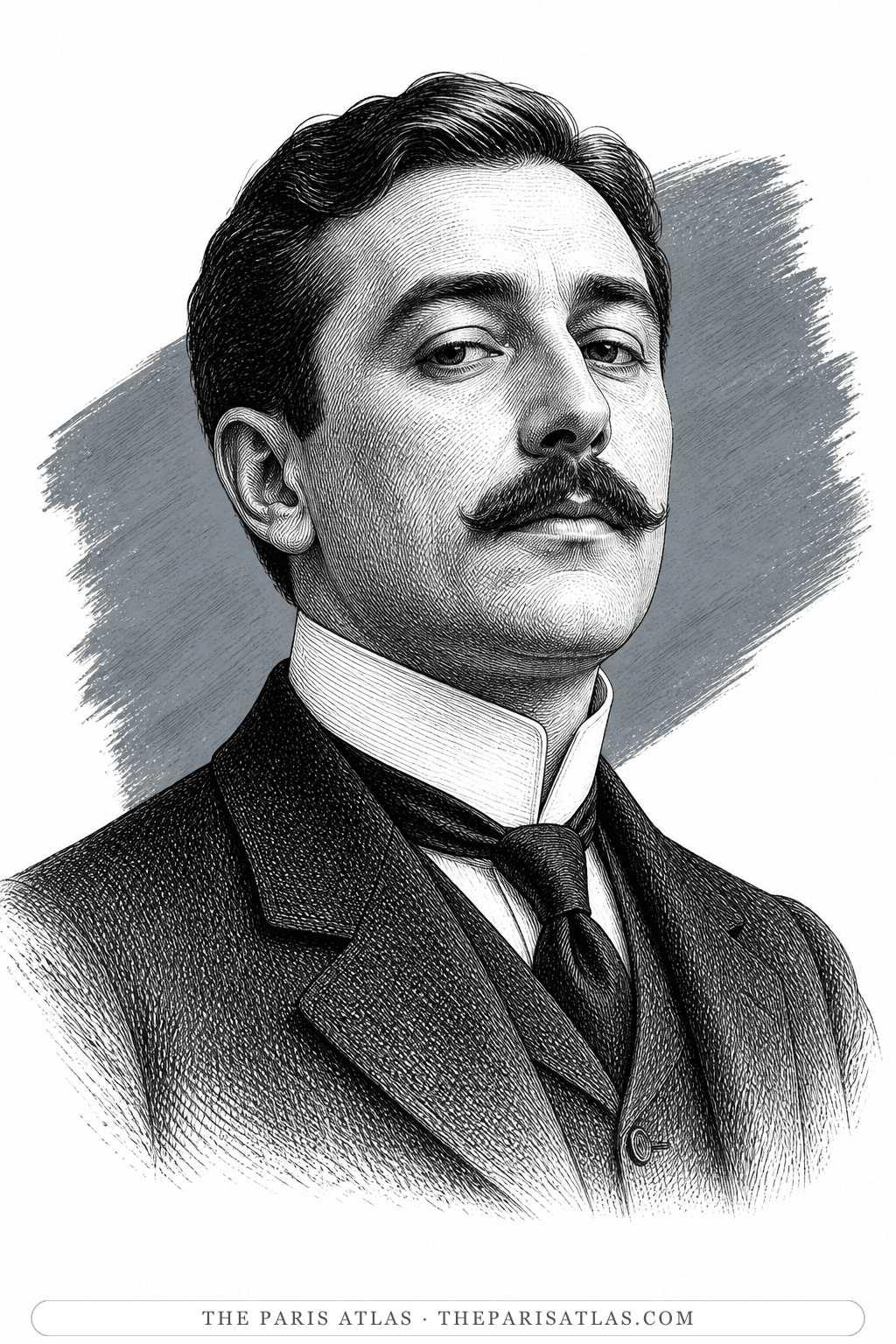
Annie's exacting husband, who has directed her whole life and leaves her a schedule of instructions when he sails.

The series' heroine, here at the margin — her freedom the model against which Annie measures her own captivity.
1902
Claudine Married precedes Annie’s diary, establishing the marriage and friendships carried into the fourth novel.
1903
Claudine and Annie is published under Willy's name, closing the original four-novel Claudine quartet.
1907
The Sentimental Retreat returns to Claudine and Annie, extending the cycle beyond the original quartet.
The direct predecessor — Claudine's own marriage, examined before the series turns to Annie's.
Read our take
The cycle's final volume, completing Claudine's story after this handover.
Read our take
Where the quartet began, and the schoolgirl voice this novel deliberately steps away from.
Read our take
Colette. The 1903 first edition was published under her husband Willy's name, but Colette is its author.
Annie, married young to the controlling Alain, is left on her own when he departs on a long voyage. Freed of his supervision, she comes to see her marriage clearly and resolves to leave it. Claudine appears at the margins.
Colette deliberately shifts the focus. The fourth Claudine book redistributes its weight to Annie, using Claudine's freedom as a foil for another woman's escape from a controlling marriage.
It is the fourth and last of the original Claudine novels, after Claudine Married. The later La Retraite sentimentale completes the cycle.
That is an older English title for the same novel; its French title is Claudine s'en va — 'Claudine goes away.' The standard modern English title is Claudine and Annie.
Explore authors with a similar voice, perspective, and influence.

The Brooklyn dropout who arrived in Paris broke at thirty-eight and wrote the exuberant, banned books that ended American censorship.
View author
The doctor of the Paris slums who wrote the century's blackest, funniest novel — and changed the sound of French prose.
View author
War correspondent who covered the Spanish Civil War, D-Day, and conflicts across five more decades; Hemingway's third wife, 1940–1945.
View authorThe sources below include the primary text, editions, scholarship, archival materials, and other records that informed this page. They document Claudine and Annie, its publication, and its place in literary history.


The primary text represented by this page, used for descriptions of the work’s contents and for any quoted passages shown here.
Primary French text for Alain’s timetable in Chapter I, the last conversation in Chapter XXVIII and the final entry in Chapter XXIX. Wikisource identifies the illustrated Ollendorff 1903 edition. The new analysis distinguishes Annie’s announced departure from an already completed journey; no English-translation or autobiographical comparison is claimed.
Used to place Claudine and Annie within Colette's published work and verify its bibliographic context.

Used for independent biographical, archival, or historical context surrounding Colette's career and the period in which Claudine and Annie appeared.
Used to cross-check authorship, chronology, and the work's place in Colette's wider catalogue.
Used to verify Colette's bibliography and place Claudine and Annie within the broader chronology of Colette's career.
The primary text is the baseline reference for every book page. Additional references document publication history, interpretation, and historical context where that evidence is available.
 Explore more resources