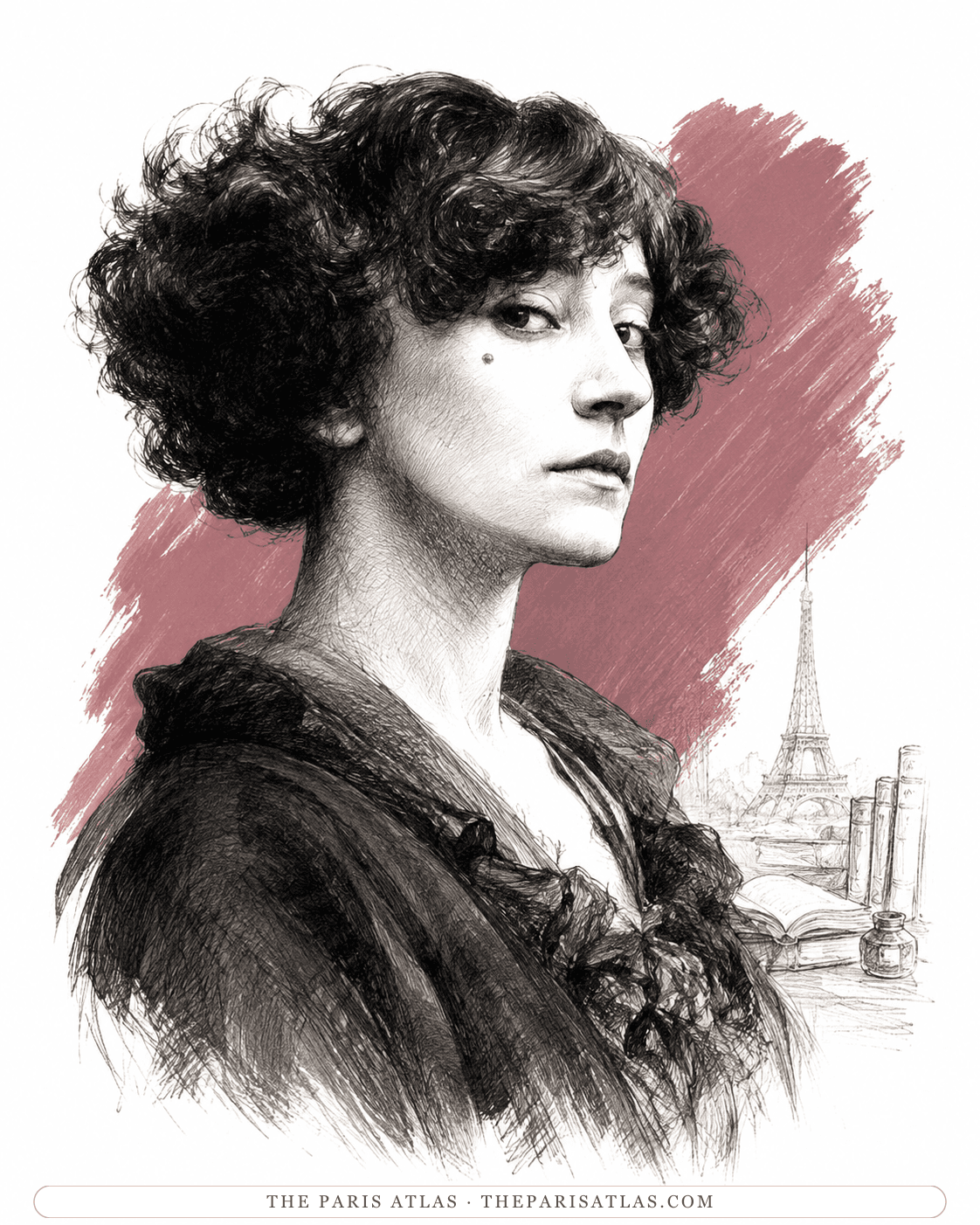

Claudine and Annie
The previous volume, and the source of the Annie who returns here as Claudine's counterpoint.
Read our take
by Colette
The fifth and final Claudine book: Claudine spends a winter in her friend Annie's country house while her husband is away being treated, and the cycle closes in a minor key.
Written after Colette's separation from Willy, The Sentimental Retreat completes the Claudine cycle years after the original quartet. Claudine, older now and worn by love, spends a winter at Casamène, the country house where her friend Annie lives all year round, while her husband Renaud is away in the Engadine being treated. She takes stock of a life of exclusive, dependent passion, and Annie's very different appetites give her something to measure it against. Meditative and disenchanted where the early books were sharp and comic, it reads almost as Colette's own retrospective judgment on the series that made her famous. It first appeared in 1907, and was the first Claudine book published under her own name, as Colette Willy. (What's inside is described below.)
By 1907 Colette had left Willy and begun signing her own work, and The Sentimental Retreat carries the change on its title page: it appeared as by Colette Willy, not under Willy's name alone. The novel it introduces is tonally a world away from the early Claudine books — slower, sadder, and turned inward, more interested in what a life of love has cost than in the comedy of getting it.
There is little plot in the old sense. Claudine, separated for a time from her husband Renaud, goes to stay with her friend Annie in the country and moves through the seasons in a landscape rendered with Colette's close attention to weather, garden, and animal life. Renaud's grown son Marcel moves in for most of the winter, and the two women embody two tendencies the cycle has explored throughout: exclusive, dependent love on one side, freer sensory adventure on the other.
The book is often read as retrospective criticism of the series that precedes it — Claudine looking back on her own flamboyant youth with the disenchantment of experience. It closes the cycle less with an episode than with a mood: retreat, self-recovery, and the turn toward solitude.
Claudine, older and no longer the sharp schoolgirl of the early novels, spends a winter at Casamène, her friend Annie's house in the country, while her husband Renaud is away being treated for his health. The book is the record of that winter: a season of memory and stock-taking, set in a rural landscape Colette renders with her characteristic attention to the physical world. Claudine weighs what a life organized around one exclusive, dependent love has given her and cost her.
The contrast between the two women — Claudine's consuming attachment against Annie's freer, more sensory approach to desire — gives the novel its quiet argument. Rather than resolving in an event, the book settles into a mood of disenchantment and self-recovery, the feminized landscape and the turning seasons carrying the meaning. It is the cycle's afterword: Claudine no longer performing her freedom, but reckoning with the price of her loves, and turning toward a solitude she chooses as much as suffers.
Giving Toby-Chien a voice lets Claudine imagine another way of knowing the changed landscape. She identifies a leaf and a bird; the dog’s supposed replies dwell on what might exist before it can be seen. His dependence also makes her question whether she deserves his trust. By dusk she enters a fear of her own, deliberately enlarging it for the pleasure of an imagined adventure. Their homeward flight joins animal alarm to human invention, and her disappointment at reaching safety reveals how willingly she has prolonged the game.
The worn armchair preserves a bodily trace of Renaud within a household that continues to require Claudine’s care. Animals must eat and plants need attention even when grief seems to claim everything. She first experiences the unchanged seasons with bitterness, then finds reassurance in their persistence. The remembered fireside belongs to this adjustment: books, warmth and familiar objects allow ordinary pleasure to exist beside absence. When the dog’s hunger interrupts her evening reverie, attending to him carries the ending forward without demanding that she put the dead man out of mind.
It reads almost as Colette's own judgment on the Claudine books — the disenchanted afterword to the series that made her name.
Published as by Colette Willy in 1907, it marks the point where authorship of Claudine began, publicly, to come home to her.
With almost no plot, the novel makes weather, garden, and season carry the emotional weight — early evidence of the mature Colette.

Older and disenchanted, withdrawing to the country to reckon with a life of exclusive, dependent love — the heroine at the cycle's close.
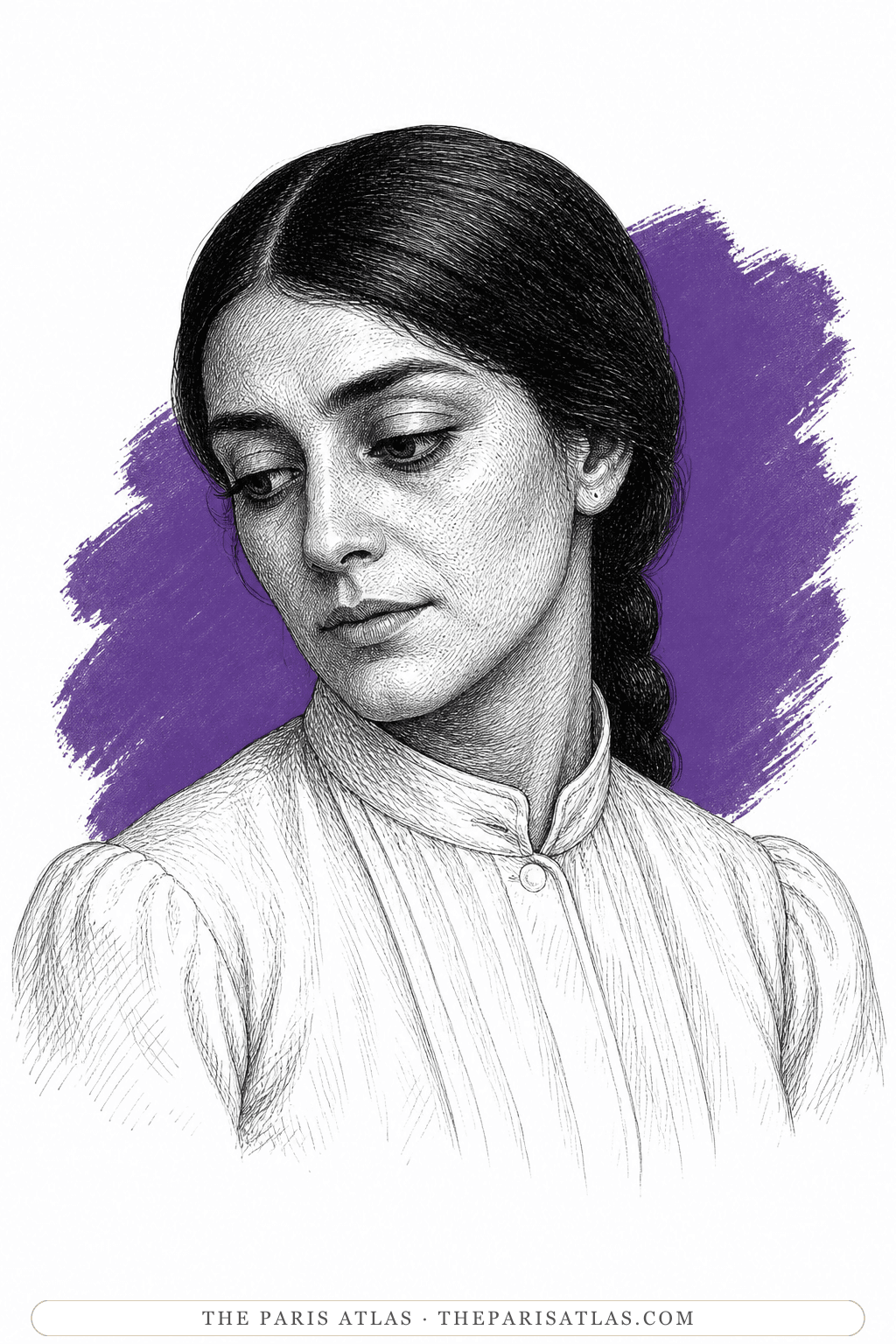
Returning from the previous novel — her freer approach to desire the counterpoint to Claudine's consuming attachment.
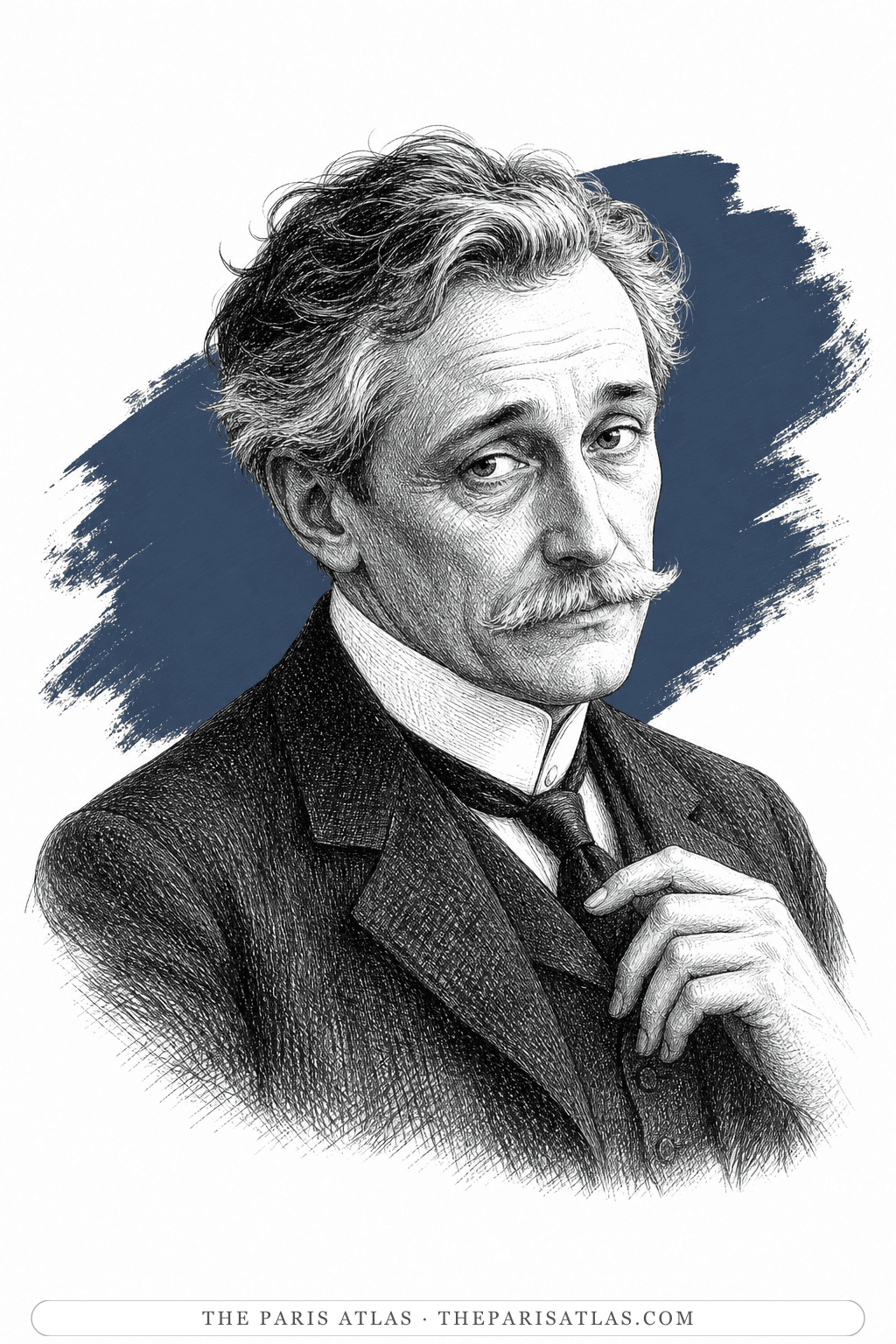
Claudine's husband, ailing and mostly absent — the love whose long cost the novel weighs.
1900
Claudine at School begins the cycle that this final novel brings to a close.
1903
Claudine and Annie introduces Annie’s independent life, which becomes the setting for Claudine’s later retreat.
1907
The Sentimental Retreat is published as by Colette Willy, completing the Claudine cycle — the first of the series under her own name.
The previous volume, and the source of the Annie who returns here as Claudine's counterpoint.
Read our take
Claudine's marriage at its height, against which this novel measures its cost.
Read our take
The later, fuller version of the same move — a woman withdrawing from love toward solitude and the land.
Read our take
Colette. Published in 1907, it was the first Claudine book to appear under her own name, as Colette Willy, rather than under her husband's name alone.
An older Claudine withdraws to the countryside during a time apart from her ailing husband and takes stock of a life shaped by exclusive, dependent love. It is a meditation on aging, love's cost, and chosen solitude more than a plotted story.
Yes. It is the fifth and final book of the cycle, written after the original four novels and closing Claudine's story.
It rewards them. The novel works as a retrospective on the whole cycle, and its power depends on knowing the Claudine of the earlier, sharper books.
That is the title of the standard English translation of La Retraite sentimentale. Both names point to the book's subject: a withdrawal from the entanglements of love.
Explore authors with a similar voice, perspective, and influence.

The Brooklyn dropout who arrived in Paris broke at thirty-eight and wrote the exuberant, banned books that ended American censorship.
View author
The doctor of the Paris slums who wrote the century's blackest, funniest novel — and changed the sound of French prose.
View author
War correspondent who covered the Spanish Civil War, D-Day, and conflicts across five more decades; Hemingway's third wife, 1940–1945.
View authorThe sources below include the primary text, editions, scholarship, archival materials, and other records that informed this page. They document The Sentimental Retreat, its publication, and its place in literary history.


The primary text represented by this page, used for descriptions of the work’s contents and for any quoted passages shown here.
Primary French text for the complete illustrated Chapters XXIV and XXX in the Flammarion 1914 edition transcribed by Wikisource. The source’s parenthetical 1904 label is not adopted as a correction to the book’s existing publication date. No first-edition, Margaret Crosland translation or literal Colette biography comparison is claimed.
The Société des amis de Colette bibliography verifies the original edition's publisher and publication date.
Used to place The Sentimental Retreat within Colette's published work and verify its bibliographic context.

Used for independent biographical, archival, or historical context surrounding Colette's career and the period in which The Sentimental Retreat appeared.
Used to cross-check authorship, chronology, and the work's place in Colette's wider catalogue.
Used to verify Colette's bibliography and place The Sentimental Retreat within the broader chronology of Colette's career.
The primary text is the baseline reference for every book page. Additional references document publication history, interpretation, and historical context where that evidence is available.
 Explore more resources