

Claudine at School
by Colette
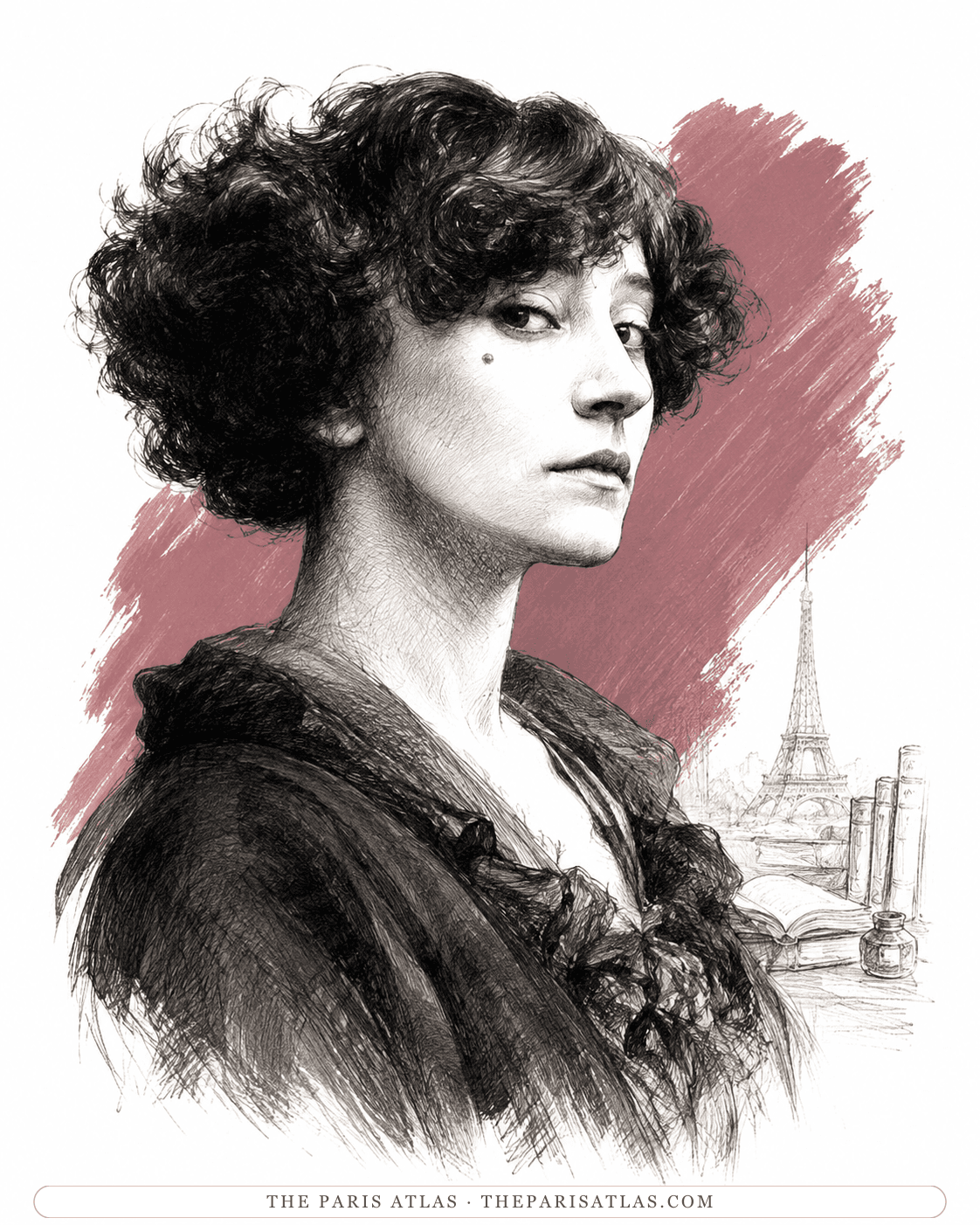
The sardonic Burgundian schoolgirl whose diary made Colette famous — published, at first, under her husband's name.
- 1900
About Colette
The story, briefly
Spoiler-freeClaudine is fifteen, sharp-tongued, and bored by nothing. In her first-person account of a year at a village school in Burgundy, she narrates the teachers, the rivalries, the exams, and the barely hidden attractions among the women around her with a frankness that scandalized and delighted 1900. It was Colette's first book — written at her husband Willy's suggestion and published under his name alone. The Claudine it launched became a national phenomenon. (The full plot is below.)
The story, in more detail
Colette wrote Claudine at School early in her first marriage, turning her own Burgundy girlhood into the diary of a fictional schoolgirl in the invented village of Montigny. Her husband, the literary entrepreneur Willy, recognized what he had, revised and marketed it, and put it out in 1900 under his own name. It became a bestseller and made 'Claudine' a brand — plays, merchandise, a look — while keeping Colette's authorship hidden for years.
The novel's energy is almost entirely voice. There is little conventional plot: Claudine observes, mocks, flirts, and records a school year, and the interest lies in her intelligence and her refusal to be respectable. Its frankness about attraction between girls and women, and about the hypocrisies of provincial authority, is what scandalized readers and what keeps the book alive.
The real village of Saint-Sauveur-en-Puisaye stands behind Montigny, and Claudine's world is a stylized version of the childhood Colette had recently left. She is not a literal self-portrait, but the school, the countryside, and the sharp watching eye are drawn from the life.
The full plot
Claudine is fifteen, motherless, and left largely to herself by a father absorbed in a scholarly study of slugs. She narrates a year at the girls' school in Montigny, a Burgundy village, in the form of a running diary. The school is ruled by the new headmistress, Mademoiselle Sergent, whom Claudine at first despises, and staffed by the young assistant teacher Aimée Lanthenay, to whom Claudine is openly attracted.
The year's events are the ordinary business of school — lessons, jealousies, the looming certificate examinations, the visits of the district doctor and superintendent — but Claudine reads all of it with a satirical, sexually knowing eye. She watches the charged relationship develop between Mademoiselle Sergent and Aimée, contends with her own attractions and rivalries, and tests every adult who claims authority over her. The book's comedy and its scandal both come from how little the narrator will pretend not to see.
How it ends — spoilers ahead
The year ends with the public examinations and the ceremonies that close a school year, occasions Colette uses to bring the village's officials and hypocrisies on stage together. Claudine passes her certificate and steps out of the school world, but the novel resolves nothing about her into docility: it ends on the same anti-authoritarian, clear-eyed note it began with, leaving Claudine's sharpness fully intact and her story open. The sequels follow her to Paris.
Themes and analysis
The woods beyond authority
Claudine begins by disputing her geography manual, replacing its tidy account of Montigny with a place known through movement and sensation. The woods extend that claim to speak for herself: their smells, shadows and dangers resist a description made entirely from outside. Yet her freedom is not simple fearlessness. She admits being frightened by snakes while mocking companions who dislike smaller creatures. This inconsistency keeps the voice lively and self-revealing. The forbidden fire belongs to the same pleasure in testing limits, rather than proving that Claudine stands beyond every rule.
Impertinent rather than stupid
The examination does not simply oppose an intelligent pupil to uniformly foolish adults. Claudine responds gently to Lerouge’s encouragement, then meets Lacroix’s impatience with provocation. Her defense of Michelet turns a test of remembered information into an argument about what makes history worth reading. Lacroix rejects her judgment but values her willingness to maintain it, even as he threatens a low mark on the next question. The scene makes room for recognition within authority without abolishing its power: Claudine can answer back, but the examiner still controls the result.
Why we recommend it
The book that launched her
Colette's first novel and an instant phenomenon — the origin of both her career and the authorship dispute that shadowed its start.
A schoolgirl voice like no other
Claudine is satirical, sensual, and completely unimpressed by authority; the novel runs almost entirely on the pleasure of her narration.
Frank in 1900, and still bracing
Its openness about desire between women and the hypocrisies of provincial power scandalized its first readers and keeps it sharp now.
What this book explores
The people in its pages
Claudine
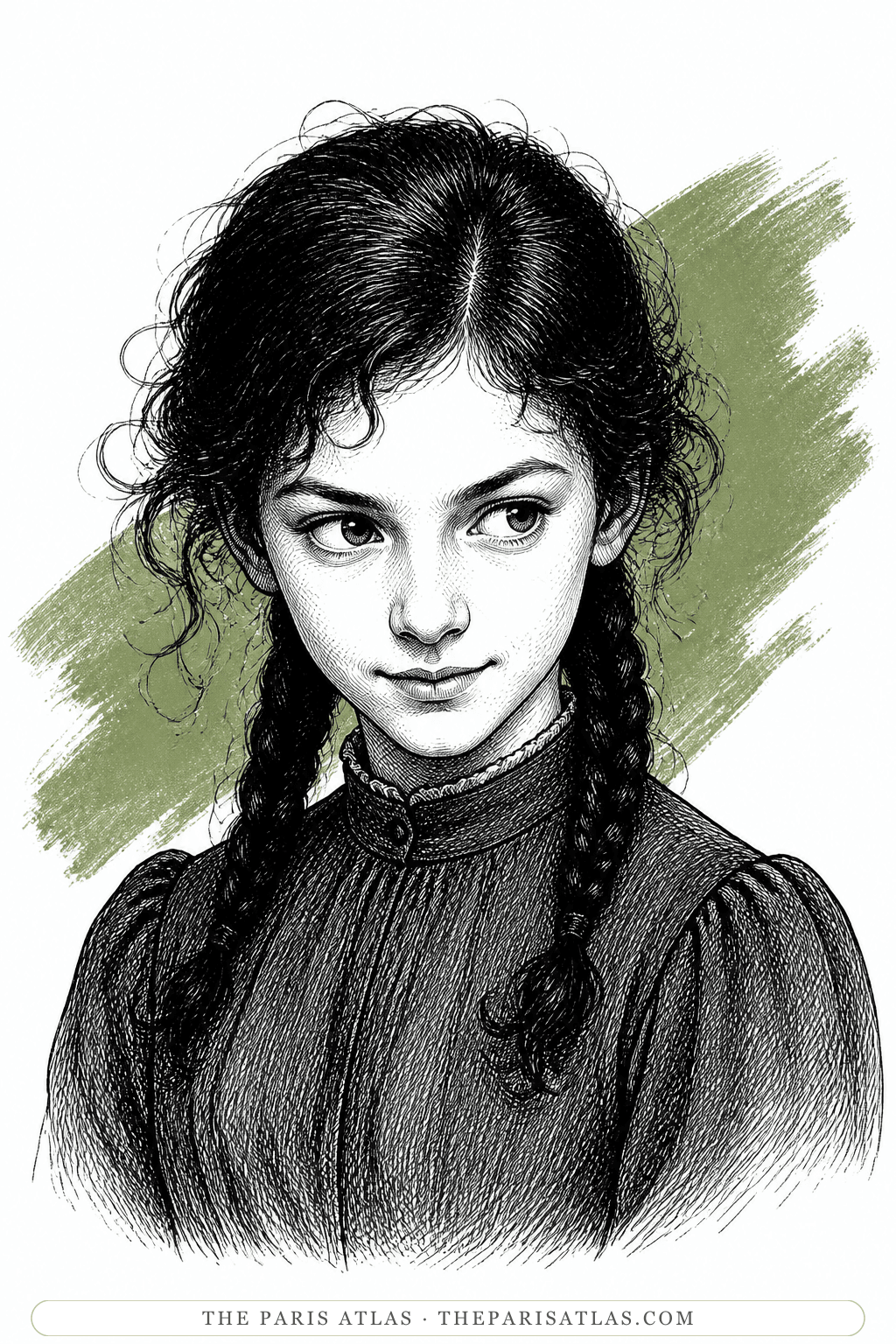
Fifteen, motherless, and merciless in her observation — the sardonic narrator whose voice carries the whole book.
Mademoiselle Sergent
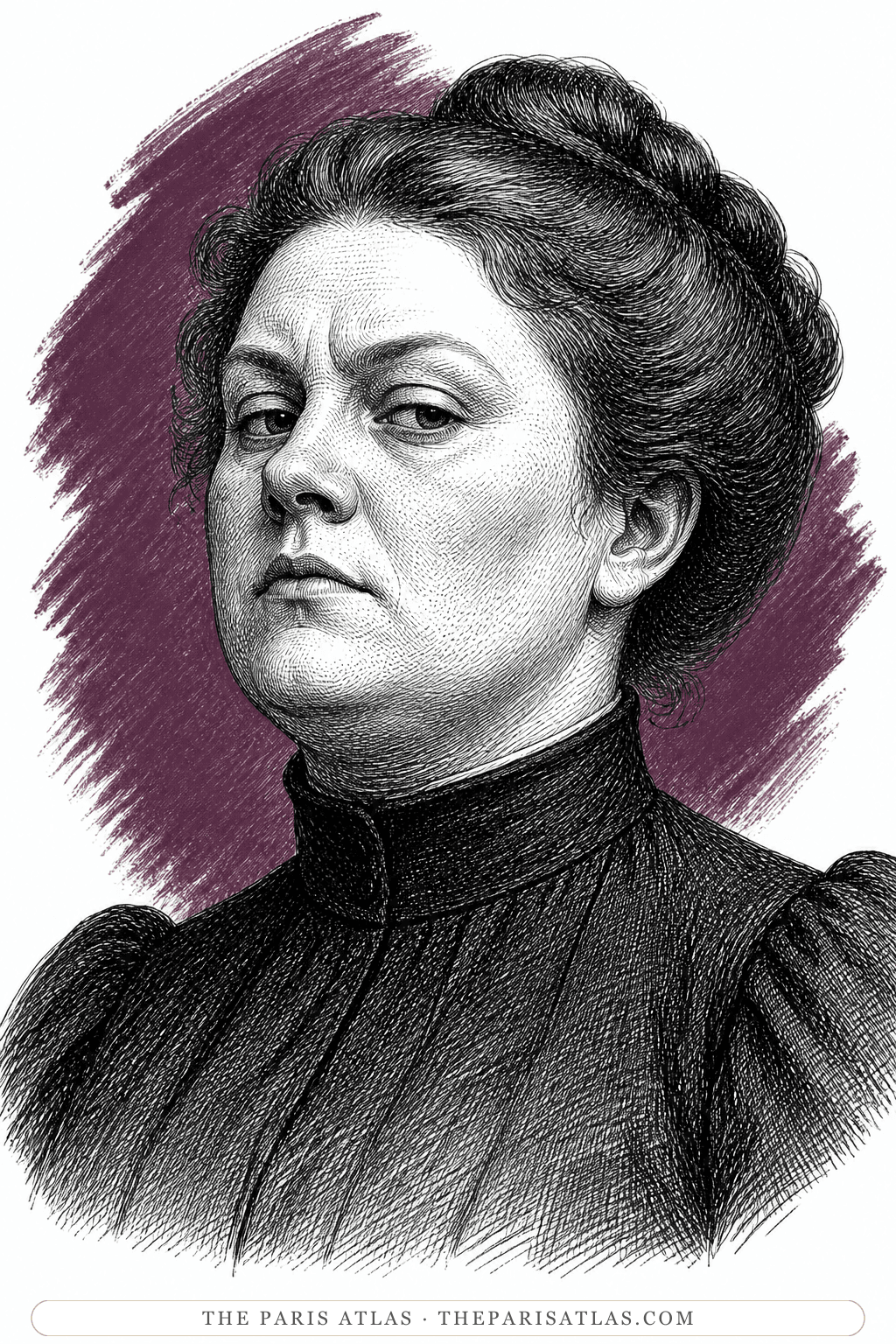
The village school's new headmistress — Claudine's antagonist, and the center of the school's charged adult intrigues.
Aimée Lanthenay
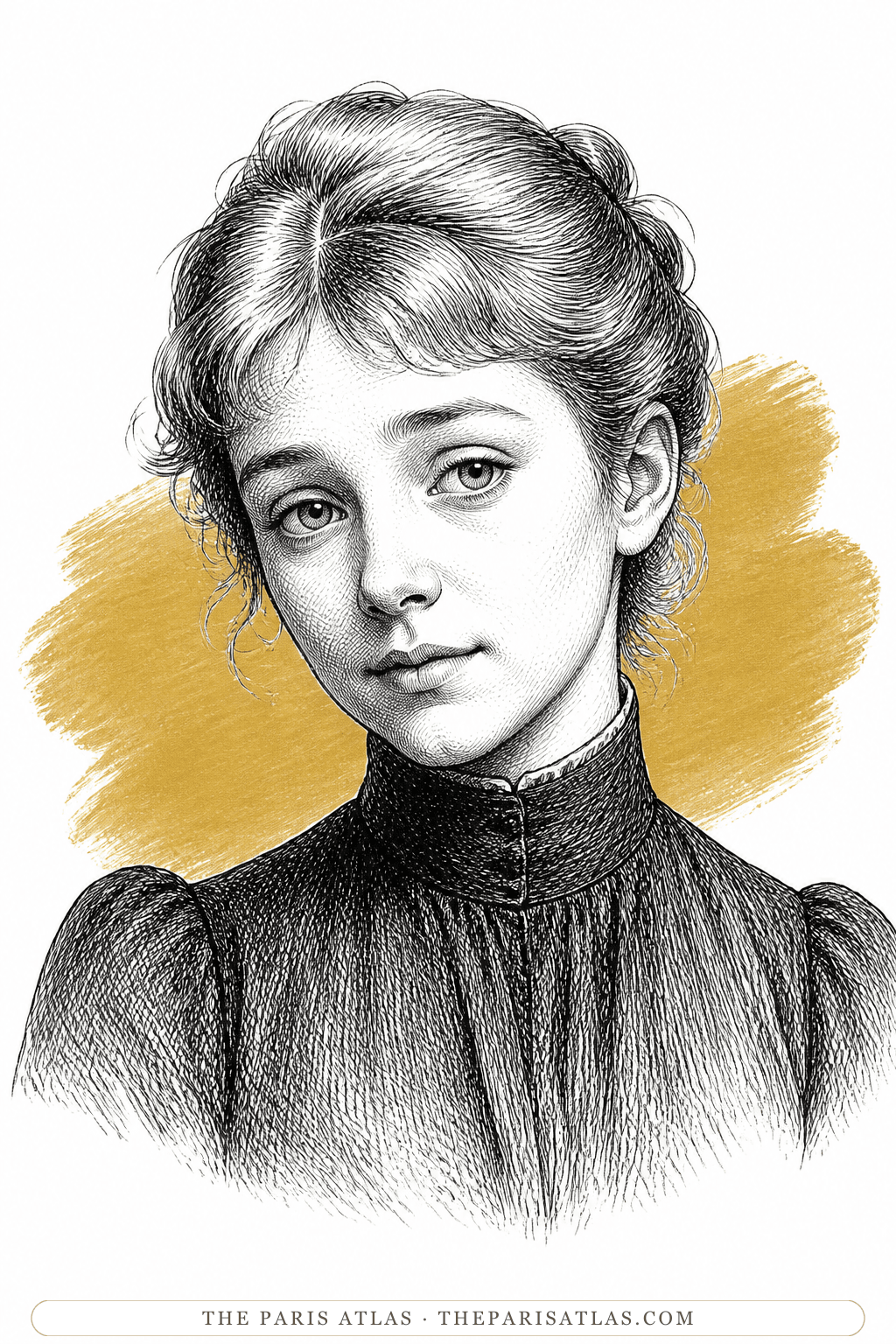
The young assistant teacher Claudine is drawn to — and the object of the headmistress's attentions as well.
Bring it to book club
- The novel was published under Willy's name. How should knowing that change the way we read Claudine's voice?
- Claudine sees through every adult who claims authority. Is her clear sight wisdom, adolescence, or both?
- How does Colette make a book with almost no plot this compelling? What is the voice doing that a story would not?
Timeline
1900
Claudine at School is published under Willy's name and becomes a bestseller, launching the Claudine phenomenon.
1901
Claudine in Paris continues the schoolgirl’s story after her move to the capital.
1937
A loose film adaptation, directed by Serge de Poligny, strips out the novel's frankness about desire between women.
Book editions
Hardcover
- Hardcover
- Ollendorff
- 1900
Paperback
- Paperback
- Antonia White
Ebook
- Ebook
Reader reviews
Readers may also like

Claudine Married
The third Claudine novel, following her into marriage and its disillusionments.
Read our take
Break of Day
Colette's later return to the same Burgundy childhood, in a very different key.
Read our take
Gigi
Another young heroine refusing to be shaped to others' expectations, written at the far end of Colette's life.
Read our takeClaudine at School: frequently asked questions
Who really wrote Claudine at School?
Colette. The 1900 first edition was published under the name of her husband, Willy, alone, but Colette is recognized as the book's author.
What is Claudine at School about?
A sharp, sexually knowing fifteen-year-old, Claudine, narrates a year at a village school in Burgundy — the teachers, the exams, the rivalries, and the barely hidden attractions among the women around her.
Is Claudine at School the first Claudine novel?
Yes. It is the first of four Claudine novels, followed by Claudine in Paris, Claudine Married, and Claudine and Annie, with the later La Retraite sentimentale completing the cycle.
Is it autobiographical?
In setting and tone, closely. Claudine's Montigny is a stylized version of Colette's own Burgundy village, Saint-Sauveur. Claudine is a fictional character rather than a literal self-portrait.
Why was it published under Willy's name?
Willy, Colette's first husband, ran a literary business publishing work under his own recognizable name. He suggested the book, revised and marketed it, and put it out as his own. Colette's authorship was credited only in later years.
If you like Colette
Explore authors with a similar voice, perspective, and influence.
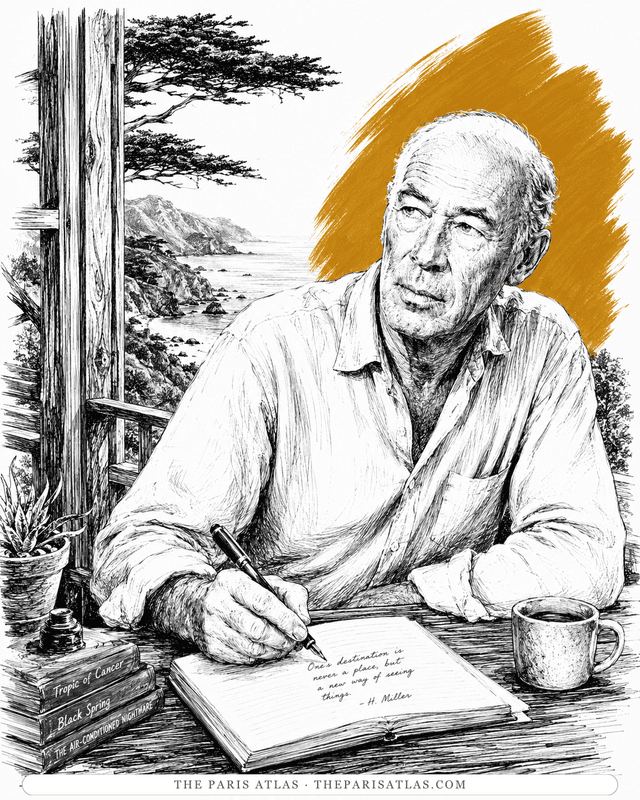
Henry Miller
The Brooklyn dropout who arrived in Paris broke at thirty-eight and wrote the exuberant, banned books that ended American censorship.
View author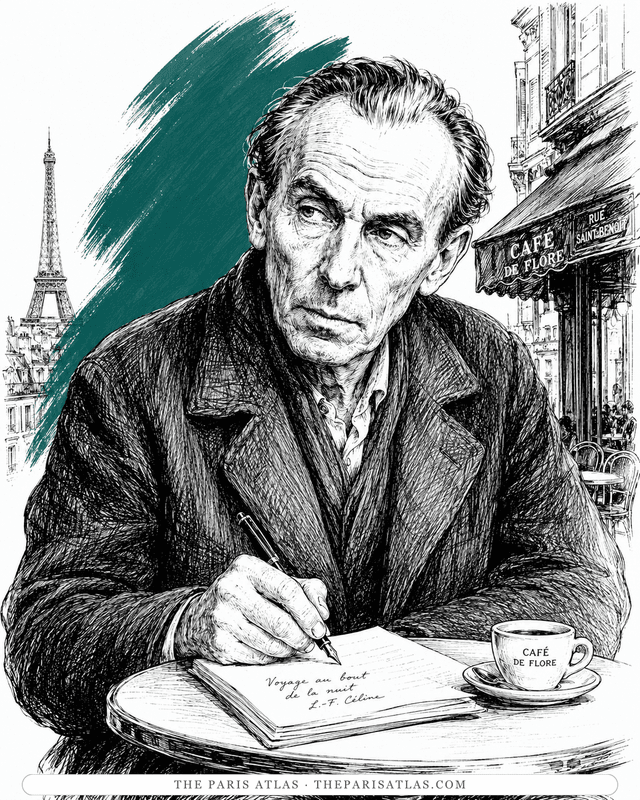
Louis-Ferdinand Céline
The doctor of the Paris slums who wrote the century's blackest, funniest novel — and changed the sound of French prose.
View author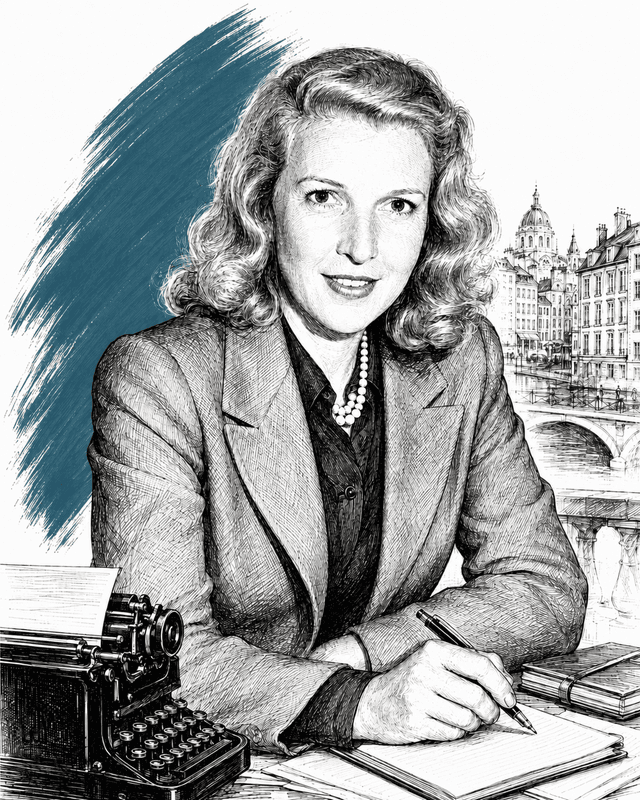
Martha Gellhorn
War correspondent who covered the Spanish Civil War, D-Day, and conflicts across five more decades; Hemingway's third wife, 1940–1945.
View author
References
References
The sources below include the primary text, editions, scholarship, archival materials, and other records that informed this page. They document Claudine at School, its publication, and its place in literary history.


1Claudine at School
NovelColette, 1900Used forThe primary text represented by this page, used for descriptions of the work’s contents and for any quoted passages shown here.
2Claudine à l’École — illustrated Ollendorff 1902 edition
WebsiteWikisourceUsed forPrimary French text for the opening woodland description in Part I and the oral examination in Part III. Wikisource transcribes the illustrated Ollendorff 1902 edition, issued under Willy’s name; this is not a first-edition or Antonia White translation comparison, nor a claim that Claudine’s scenes are literal Colette biography.
3Société des amis de Colette — Chronology
WebsiteUsed forUsed to place Claudine at School within Colette's published work and verify its bibliographic context.

4Bibliothèque nationale de France — The Worlds of Colette
Exhibition catalogueUsed forUsed for independent biographical, archival, or historical context surrounding Colette's career and the period in which Claudine at School appeared.
5Library of Congress — Colette resource guide
WebsiteUsed forUsed to cross-check authorship, chronology, and the work's place in Colette's wider catalogue.
6Bibliothèque nationale de France — Colette: online resources
WebsiteUsed forUsed to verify Colette's bibliography and place Claudine at School within the broader chronology of Colette's career.
i
Why these sources are here
The primary text is the baseline reference for every book page. Additional references document publication history, interpretation, and historical context where that evidence is available.
 Explore more resources