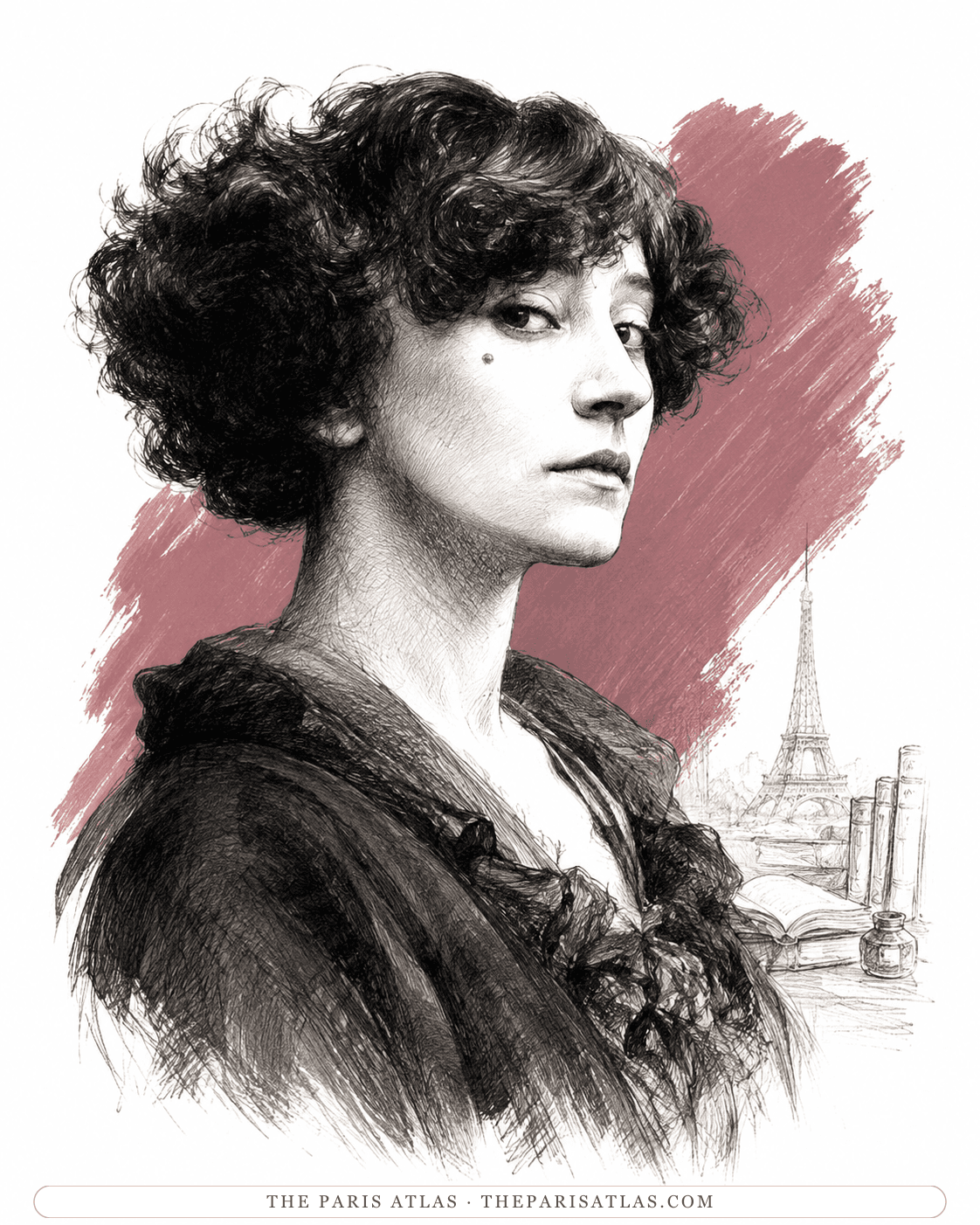

The Tendrils of the Vine
The later collection where Toby-Chien and Kiki-la-Doucette reappear among Colette's short pieces.
Read our take
by Colette
Colette's cat and dog talk over the household — the early book she counted as her first step free of the Claudine machine.
Animal Dialogues is a set of short comic dialogues between Colette's pets — the dog Toby-Chien and the cat Kiki-la-Doucette — that she first published in 1904. In them the two animals discuss the human household from their own points of view, turning heat, travel, illness, a late dinner, or the first fire of autumn into small comedies of temperament. Colette later counted the book as the first real sign of her emancipation as a writer from the Claudine novels she had been producing. It was expanded twice over the following decades. (What's inside is described below.)
The pieces are exactly what the title says: dialogues, staged between a dog and a cat who observe their owners with very different temperaments — the dog eager and devoted, the cat cool and self-possessed. The comedy comes from the gap between their two natures and from the human routines they misread or judge. A storm, a train journey, a delayed meal, a household intruder: each becomes an occasion for the animals to reveal themselves and, obliquely, the people they live with.[1]
The book matters in Colette's development beyond its charm. She had spent her first years as a writer producing the Claudine novels under her husband's direction, and she treated Dialogues de bêtes as the point where she began to write as herself. The 1904 volume was small — four dialogues — and grew: a 1905 edition, prefaced by the poet Francis Jammes, added more, and a 1930 edition brought the total to twelve.[1]
It is worth reading with the later animal books in view. The early dialogues are frankly anthropomorphic, letting the pets speak; Colette's writing about animals would later move toward a harder respect for their otherness, but the affection and precision of observation are already here.[1]
There is no plot. The book is a set of self-contained dialogues in which Colette's dog, Toby-Chien, and her cat, Kiki-la-Doucette, talk over the life of the household. Each piece takes an ordinary domestic event — summer heat, a train journey, an illness, a late dinner, a thunderstorm, the first fire of autumn — and turns it into a small comedy of animal temperament, the devoted dog and the aloof cat reacting in character.[1]
Through their exchanges the human owners come into view sidelong, judged and misread by two creatures who see the household from below. The mode is openly anthropomorphic: the animals speak, reason, and complain. Colette expanded the collection twice after its first appearance, but its nature stayed the same — brief, funny, and exact about the difference between a dog's world and a cat's.[1]
The station announcements become meaningless cries to Toby-Chien, while his own alarm reaches the reader as perfectly intelligible speech. That reversal makes human certainty look less secure: the owners also misread the animals, wondering whether the cat's offended silence means illness. Repetition gradually changes the joke. Toby eventually tires of treating each stop as a disaster, while Kiki abandons his theatrical resistance and enters the basket before anyone can force him. Neither creature simply follows a fixed temperament; both adjust their performance within a journey they cannot control.
Although they share the hearth, the animals address the fire through separate inner speeches. Toby imagines winter as discomfort redeemed by following his mistress and finally returning home; Kiki anticipates a finer coat, rivals and hunting victories. Their elaborate language gives bodily appetites the grandeur of prayer and heroic prediction. Yet each voice exposes its own limits: the dog cannot explain his mistress's actions, and the cat admits that he does not know what she sees in the flames. Shared warmth creates proximity without making their worlds identical.
She treated this small book as the first sign that she was writing as herself, not to her husband's formula.
Toby-Chien's devotion and Kiki-la-Doucette's cool self-regard turn ordinary household events into exact little comedies.
Animals run through Colette's whole body of work; this is where her attention to them first takes literary form.
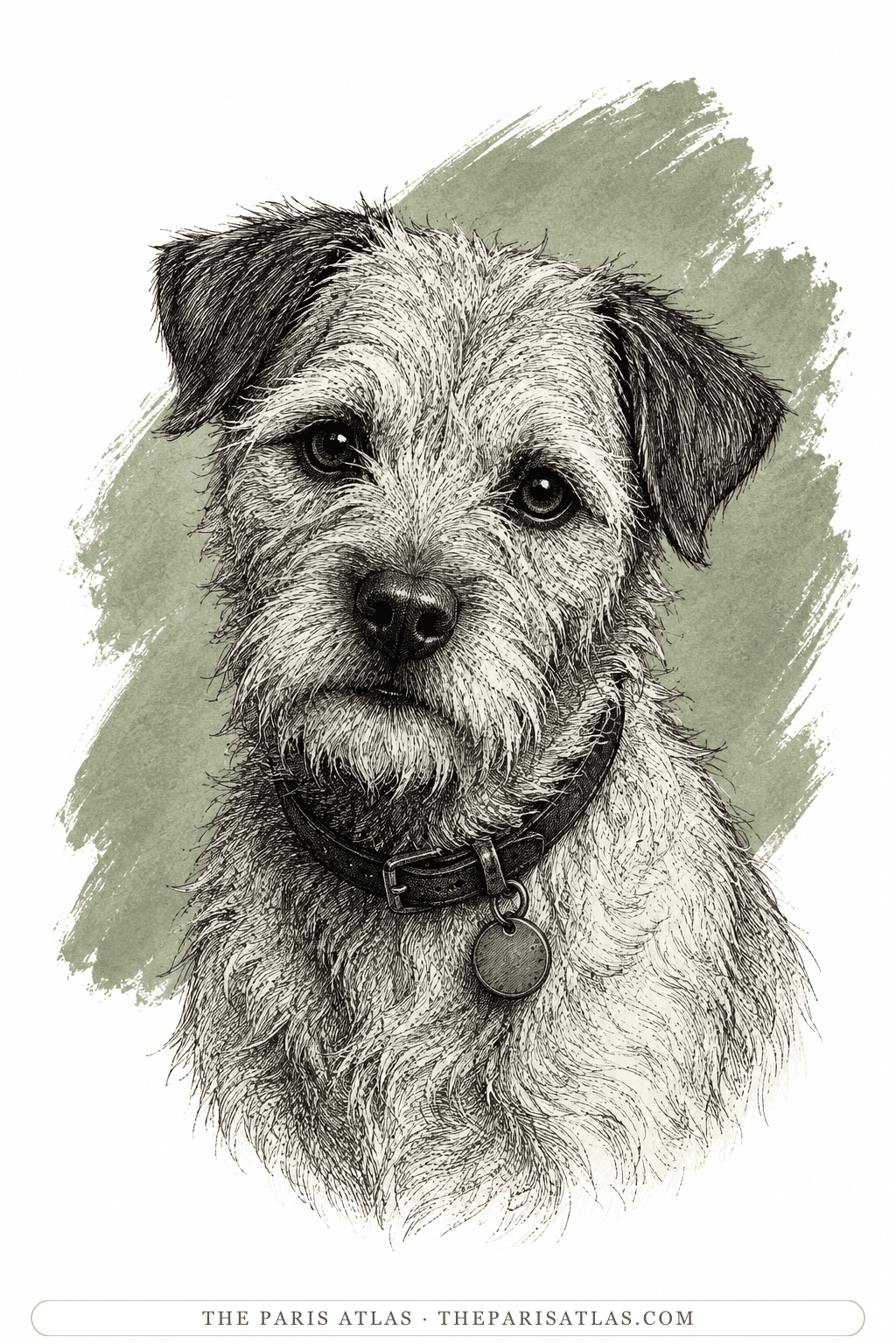
Colette's dog — eager, devoted, and easily wounded, forever trying to make sense of his humans and win their approval.
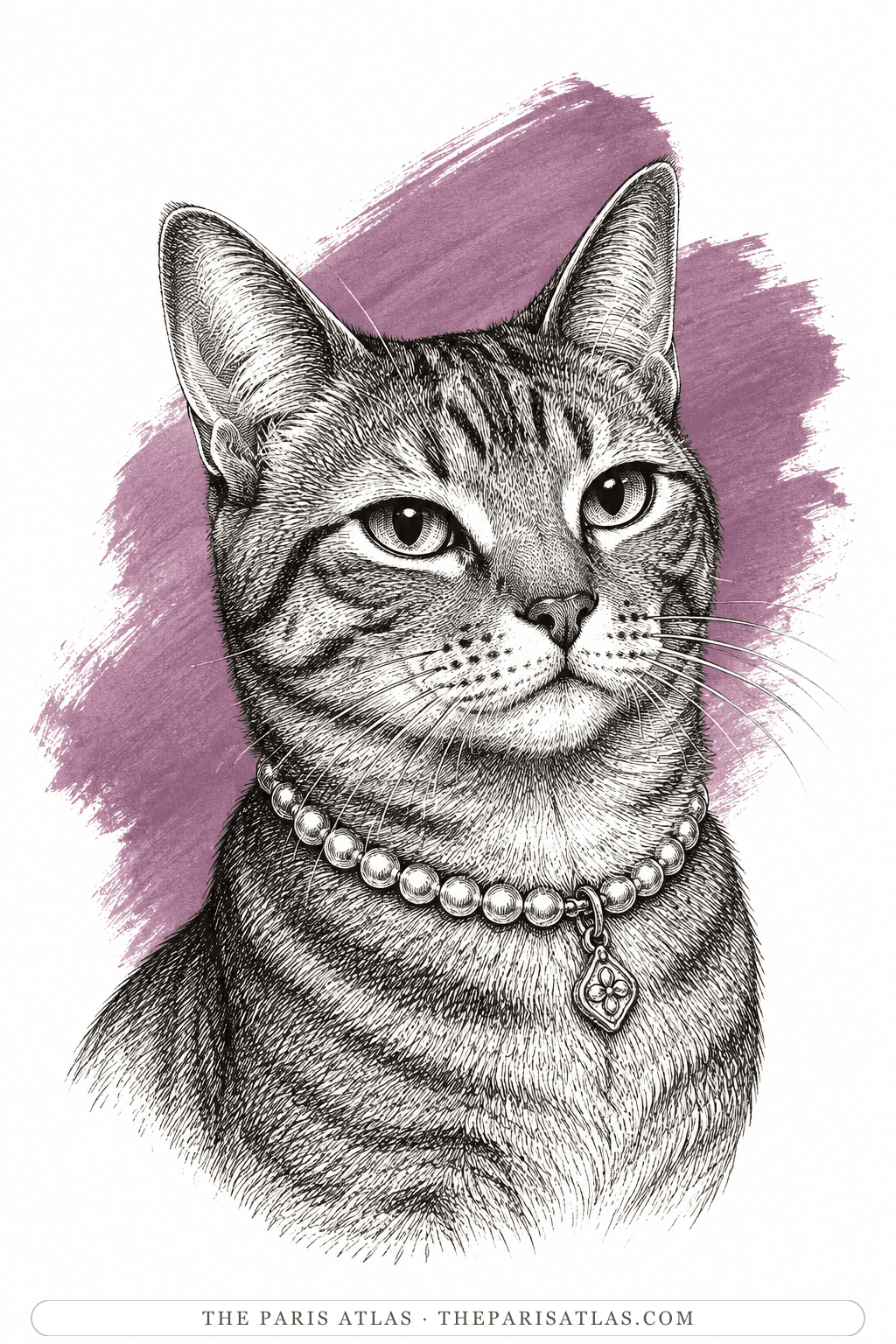
Colette's cat — cool, self-possessed, and unimpressed, observing the household from a height the dog can never reach.
1904
Dialogues de bêtes is published by Mercure de France — four dialogues, which Colette counted as her first step free of the Claudine novels.
1905
An enlarged edition, Sept dialogues de bêtes, appears with a preface by the poet Francis Jammes.
1930
Douze dialogues de bêtes expands the collection to twelve.
The later collection where Toby-Chien and Kiki-la-Doucette reappear among Colette's short pieces.
Read our take
Colette's memoir of a childhood full of animals and gardens, the same attention turned on her family.
Read our take
The first of the Claudine novels this book helped Colette write her way out of.
Read our takeColette. Dialogues de bêtes was first published in 1904, early in her career, and she expanded it in 1905 and again in 1930.
It is a set of comic dialogues in which Colette's dog, Toby-Chien, and her cat, Kiki-la-Doucette, discuss the human household and its routines from their own animal points of view.
Neither, exactly. It is a collection of short dialogues between two animals, without a continuous plot — closer to a series of comic sketches.
She counted it as the first real sign of her emancipation as a writer, the point where she began to write as herself rather than to the formula of the Claudine novels.
Yes. It was published in English as Barks and Purrs, and later retranslations and facsimile editions exist.
Explore authors with a similar voice, perspective, and influence.

The Brooklyn dropout who arrived in Paris broke at thirty-eight and wrote the exuberant, banned books that ended American censorship.
View author
The doctor of the Paris slums who wrote the century's blackest, funniest novel — and changed the sound of French prose.
View author
War correspondent who covered the Spanish Civil War, D-Day, and conflicts across five more decades; Hemingway's third wife, 1940–1945.
View authorThe sources below include the primary text, editions, scholarship, archival materials, and other records that informed this page. They document Animal Dialogues, its publication, and its place in literary history.


Primary French text of “Le voyage” and “Le premier feu” in the Mercure de France 1964 edition of the expanded twelve-dialogue collection. Supports the illustrated-scene analysis, not a collation with the 1904 first edition or Maire Monica Kelly’s translation. The fire scene alternates inner speeches rather than a literal debate.
The Société des amis de Colette bibliography verifies the original edition's publisher and publication date.
Used to place Animal Dialogues within Colette's published work and verify its bibliographic context.

Used for independent biographical, archival, or historical context surrounding Colette's career and the period in which Animal Dialogues appeared.
Used to cross-check authorship, chronology, and the work's place in Colette's wider catalogue.
Used to verify Colette's bibliography and place Animal Dialogues within the broader chronology of Colette's career.
The primary text is the baseline reference for every book page. Additional references document publication history, interpretation, and historical context where that evidence is available.
 Explore more resources