


Le Toutounier
by Colette
The sequel to Duo: widowed Alice returns to her sisters and the battered old couch where the family regroups and survives.
- 1939
About Colette
The story, briefly
Spoiler-freeLe Toutounier picks up after the tragedy of Duo. Alice, newly widowed, goes back to Paris and to the apartment she shared with her sisters — self-supporting, unsentimental working women — and to the toutounier, the family's word for the shabby, oversized divan where the sisters have always piled together for comfort. The novel is a portrait of female resilience and solidarity: how three sisters absorb loss and keep going. Short and warm where Duo was airless, it was published in 1939. (What's inside is described below.)
The story, in more detail
Where Duo confined itself to a marriage and ended in death, Le Toutounier opens the windows onto the world Alice came from. She returns to her sisters' Paris flat and to the toutounier — an old, sagging, much-loved couch that is the emotional center of the household, the place the sisters have retreated to since childhood. The word is the family's private invention, and it gives the book its untranslated title.
The Eudes sisters are working women who earn their own livings and expect little from men, and the novel's texture is their blunt affection, their routines, and the practical tenderness with which they take Alice back in. Colette is interested here less in romance than in the durable bonds among women who have learned not to depend on it.
It is a modest, humane book, and a deliberate counterweight to its predecessor: after the closed tragedy of a marriage, the reopened life of a family. Le Toutounier is best read after Duo, whose aftermath it completes.
What's inside
After the death that ends Duo, Alice returns to Paris and to the apartment she grew up in with her sisters, resuming a life she had partly left behind for marriage. At its heart is the toutounier: the battered old divan where the Eudes sisters have always gathered, and which stands for the shelter and continuity the family offers against loss. Around it, the sisters — self-reliant, hard-working, and plain-spoken about men and money — fold Alice back into their routines.
The book has little conventional plot; its subject is survival and solidarity, the way a household of women closes around one of their own in grief and keeps functioning. Colette writes their affection without sentimentality, and lets the shared couch, the shared history, and the sisters' unshowy competence carry the meaning. It is the quiet, resilient answer to the airless tragedy of Duo.
Themes and analysis
The sisters’ place of shelter
Alice returns to the divan through remembered movements, shared clothes and a language that predates her marriage. These habits make room for feelings that formal condolences cannot easily accommodate, including her anger at being left behind. The sisters' bluntness is not automatically comforting: a joke hurts, and Colombe answers with an apology and a touch. Their shelter depends on such adjustments rather than perfect understanding. When Hermine joins them, the mixture of physical closeness, silence and ordinary talk lets Alice belong without requiring her to perform a consistent version of grief.
The work of making a home
Clearing the dishes and arranging the bedding show a household sustained by practiced cooperation. Alice and Colombe move without colliding, speaking the private vocabulary of their adolescence; the blue paper over the lamp is part of this work, not merely decoration. Yet the closing scene does not promise that the household can remain unchanged. Colombe's plans with Carrine make departure imaginable, and Alice lies awake beside the sleeping sister she may soon miss. The shared divan offers immediate comfort while leaving the future of that comfort uncertain.
Why we recommend it
The answer to Duo
After the closed tragedy of a marriage, Colette reopens the world Alice came from — a deliberate counterweight to the earlier book.
Sisters and survival
A portrait of self-supporting women closing around one of their own in grief, written without a trace of sentimentality.
The famous couch
The toutounier — the sagging family divan the sisters retreat to — is one of Colette's warmest images of shelter and belonging.
What this book explores
The people in its pages

Alice
Widowed after the events of Duo, she returns to her sisters and the family flat — grief absorbed into the household she came from.
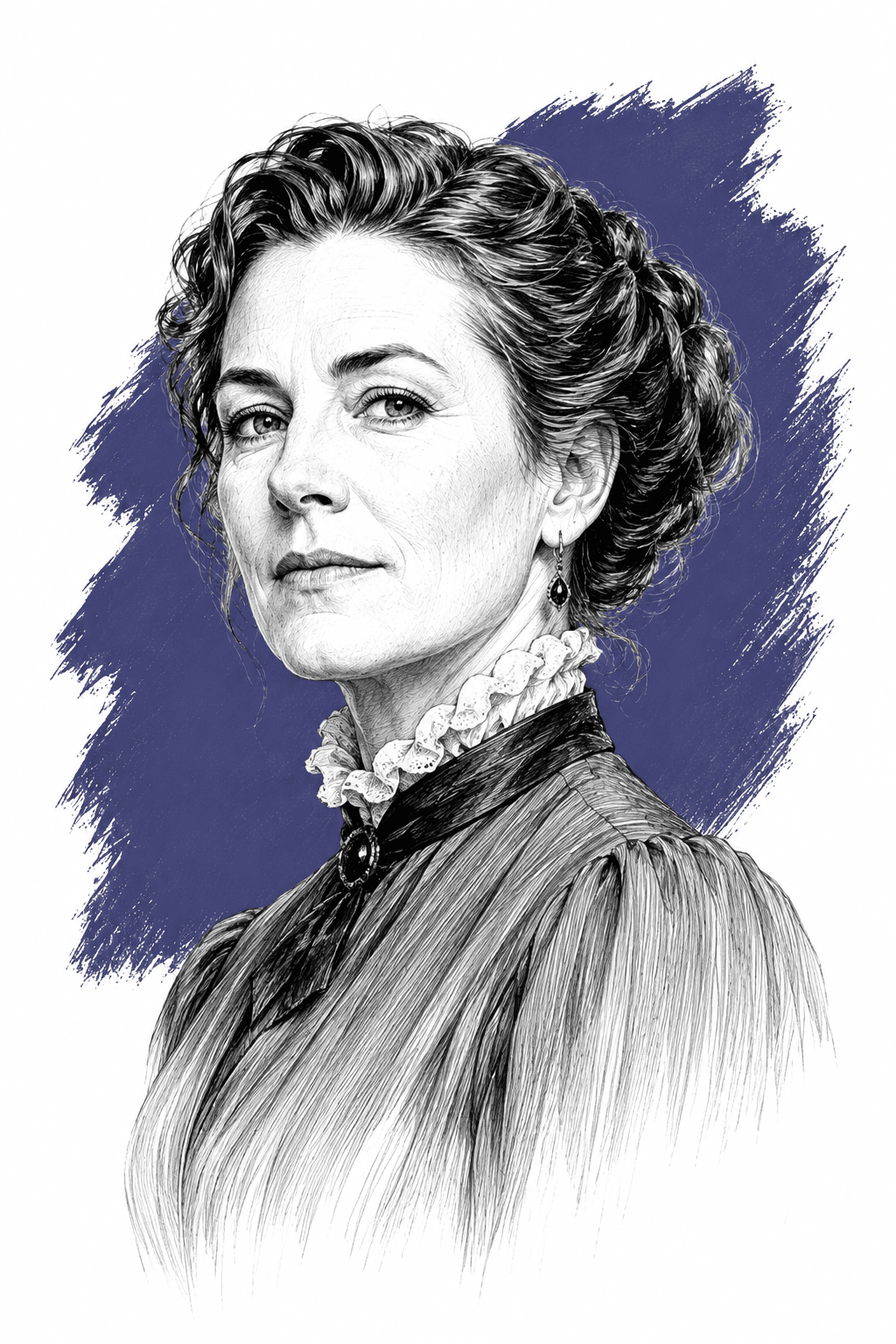
Alice's sisters
The self-supporting, plain-spoken sisters who take Alice back in around the toutounier — the durable female solidarity at the book's center.
Bring it to book club
- Duo ends in death; Le Toutounier reopens a life. What does Colette gain by writing the aftermath rather than ending on the tragedy?
- The sisters expect little from men and rely on each other. How does Colette treat that self-sufficiency — as loss, strength, or simply fact?
- The old couch gives the book its title. Why make a piece of shabby furniture the center of a family's survival?
Timeline
1934
Duo ends with the death that sets up this sequel.
1939
Le Toutounier is published — the warmer aftermath of Duo, following Alice back to her sisters.
1976
Peter Owen publishes Margaret Crosland’s English translation alongside Duo, bringing the two stages of Alice’s story together.
Book editions
Hardcover
- Hardcover
- 1939
Paperback
- Paperback
Ebook
- Ebook

- Paperback
- Peter Owen
- 1976
- 9780720602739
- Margaret Crosland
Reader reviews
Readers may also like

The Other One
The nearby late novel in which Colette again values the bond between women over the men around them.
Read our take
My Mother's House
Colette's other portrait of a household held together by women, drawn from her own family.
Read our takeLe Toutounier: frequently asked questions
Who wrote Le Toutounier?
Colette. Le Toutounier was published in 1939 as the sequel to her 1934 novel Duo.
What is Le Toutounier about?
After the death that ends Duo, the widowed Alice returns to the Paris apartment she shared with her sisters, and the novel becomes a portrait of the sisters' solidarity and survival.
What does the title mean?
The toutounier is the family's private name for the old, oversized couch where the sisters have always gathered for comfort. It is a coined word, left untranslated in English.
Do I need to read Duo first?
It is best read after Duo, whose aftermath it continues. The two are often published together in a single volume.
Is it a sad book?
It begins in grief but is warmer than Duo. Its subject is resilience — how a household of women absorbs a loss and keeps going — rather than tragedy.
If you like Colette
Explore authors with a similar voice, perspective, and influence.

Henry Miller
The Brooklyn dropout who arrived in Paris broke at thirty-eight and wrote the exuberant, banned books that ended American censorship.
View author
Louis-Ferdinand Céline
The doctor of the Paris slums who wrote the century's blackest, funniest novel — and changed the sound of French prose.
View author
Martha Gellhorn
War correspondent who covered the Spanish Civil War, D-Day, and conflicts across five more decades; Hemingway's third wife, 1940–1945.
View author
References
References
The sources below include the primary text, editions, scholarship, archival materials, and other records that informed this page. They document Le Toutounier, its publication, and its place in literary history.


1Le Toutounier
NovelColette, 1939Used forThe primary text represented by this page, used for descriptions of the work’s contents and for any quoted passages shown here.
2Le Toutounier — Hachette 1962 edition
WebsiteWikisourceUsed forFrench primary text: selected opening passages in chapter I and the closing domestic sequence in chapter II support the added readings.

3Duo and Le Toutounier — 1976 edition
Official recordGoogle Books, 1976Used forThe University of Michigan bibliographic record verifies the 1976 Peter Owen edition and its ISBN.
4Duo and Le Toutounier — research catalogue record
Official recordThe New York Public Library, 1974Used forThe New York Public Library catalogue verifies Margaret Crosland's translation of the paired novels.
5Colette — bibliography of original editions
WebsiteSociété des amis de ColetteUsed forThe Société des amis de Colette bibliography verifies the original edition's publisher and publication date.
6Société des amis de Colette — Chronology
WebsiteUsed forUsed to place Le Toutounier within Colette's published work and verify its bibliographic context.
7Bibliothèque nationale de France — The Worlds of Colette
Exhibition catalogueUsed forUsed for independent biographical, archival, or historical context surrounding Colette's career and the period in which Le Toutounier appeared.
8Library of Congress — Colette resource guide
WebsiteUsed forUsed to cross-check authorship, chronology, and the work's place in Colette's wider catalogue.
9Bibliothèque nationale de France — Colette: online resources
WebsiteUsed forUsed to verify Colette's bibliography and place Le Toutounier within the broader chronology of Colette's career.
i
Why these sources are here
The primary text is the baseline reference for every book page. Additional references document publication history, interpretation, and historical context where that evidence is available.
 Explore more resources