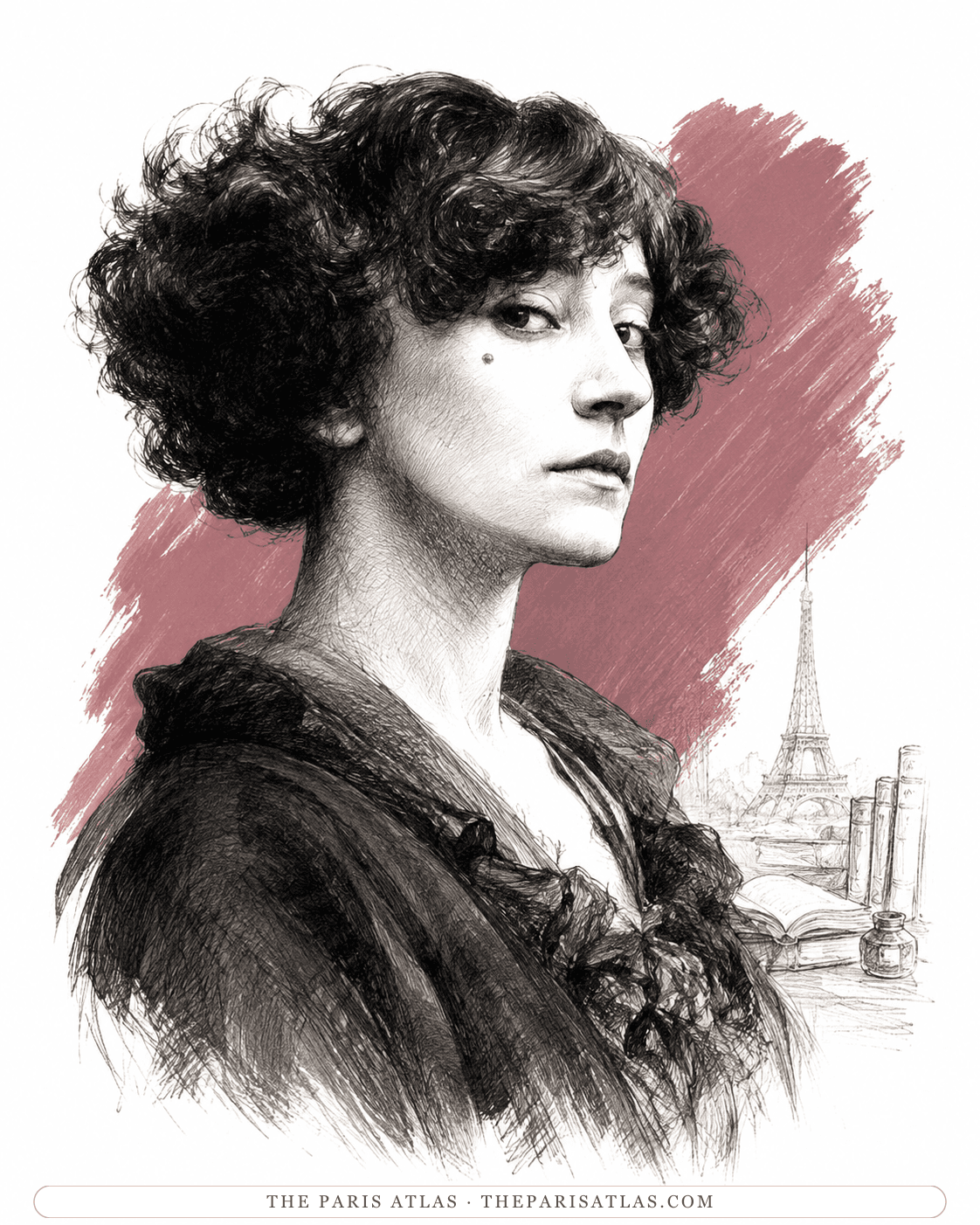

Peace Among the Beasts
The animal book written in the same war years, a refuge set against the same conflict.
Read our take
by Colette
Colette's war album — the First World War seen from hospitals, the rear, and ruined ground, without a word of bombast.
The Long Hours is a collection of Colette's wartime writing, published in 1917. Its French title, Les Heures longues, catches the war as she experienced it: not the front line but the slow, anxious hours behind it. The pieces gather hospital work, a stay near Verdun, correspondence from Italy, ruined faces and landscapes, and the daily texture of a country at war — reported plainly, with a steady refusal of heroic rhetoric. It is one of the strongest answers to the idea that Colette stood apart from history. (What's inside is described below.)
The book is, in Colette's own register, a war album: forty-odd short pieces that record the First World War from the angles available to a woman near it rather than in the trenches. She writes from hospitals and the rear, from a visit to the Verdun sector, and from Italy, and she attends to what is in front of her — a wounded face, a stripped landscape, the endurance of ordinary people — rather than to strategy or glory.
What gives the book its authority is its refusal of bombast. Colette does not inflate the war into epic; she keeps to the exact, the seen, the small human fact, and lets those carry the weight. The result is a record of the conflict that is unusually free of cliché, and that quietly rebuts the notion that she was indifferent to the history of her time.
The Long Hours belongs with Colette's other wartime writing — Peace Among the Beasts, made in the same years, and the later chronicles of the Second World War. Together they show a writer who met each war by looking closely and reporting without heroics.
There is no plot. The book collects more than forty short pieces of wartime reporting and reflection, written during the First World War. Colette draws on hospital work, a visit to the Verdun sector, correspondence from Italy, and the daily life of a country at war, recording ruined faces and landscapes and the endurance of ordinary people.
The angle is deliberately from behind the front rather than in the trenches, and the manner is plain — attentive to the seen and the specific, with a steady refusal of heroic rhetoric. It reads as a 'war album,' a record of the long, anxious hours of the conflict as a woman near it experienced them.
La Nouvelle moves from disbelief in war to recognition of signs already present: a fish seller refusing banknotes, a delivery boy spreading warnings about shortages. The repeated insistence that this was war corrects the narrator's earlier belief that the seaside could remain outside history. At the mobilization announcement, the crowd scarcely listens because the meaning has arrived before the official words. Familiar streets and shared space abruptly change their significance. The closing calm of the sea offers no simple consolation: waiting to leave turns the beautiful landscape into a screen between the narrator and the people she fears for in Paris.
In Les Lettres, Valentine's husband asks for household news and carpet samples instead of more discussion of the war. His attention to a stain at home seems inexplicable to her; the narrator interprets it as attachment to the intimate life he hopes to recover. Ordinary objects become a means of imagining continuity across separation. Yet the long concluding advice is what the narrator wishes to say, not a speech she delivers. Its tenderness also carries a demand: Valentine must remain the companion her husband expects. The piece connects domestic reassurance with the unequal emotional work of maintaining that expectation.
Hospitals, the rear, ruined ground — the angles available to a woman near the war rather than in the trenches.
Colette keeps to the seen and the specific, and the refusal of bombast is what gives the book its weight.
It answers the idea that she was indifferent to history — here she meets it directly, and plainly.
1914
The war begins; Colette writes the pieces gathered here over the following years.
1917
Les Heures longues is published by Fayard — her war album of the First World War.
1969
Crémille republishes the collection with La Paix chez les bêtes and La Chambre éclairée.
The animal book written in the same war years, a refuge set against the same conflict.
Read our take
Colette's chronicles of the next war, meeting the Occupation the way this book meets 1914–18.
Read our take
The near-contemporary book of chronicles, sharing this one's plain observation of wartime life.
Read our takeColette. Les Heures longues was published in 1917, a collection of her writing from the First World War.
It gathers wartime pieces — hospital work, a stay near Verdun, correspondence from Italy, ruined faces and landscapes — recording the war from behind the front, without heroic rhetoric.
No. It is a collection of short wartime pieces — a 'war album' — without a continuous plot.
Yes. It is one of the strongest answers to the cliché that she was indifferent to the events of her time; here she reports the war plainly and directly.
There is no securely verified standalone English edition of the book.
Explore authors with a similar voice, perspective, and influence.
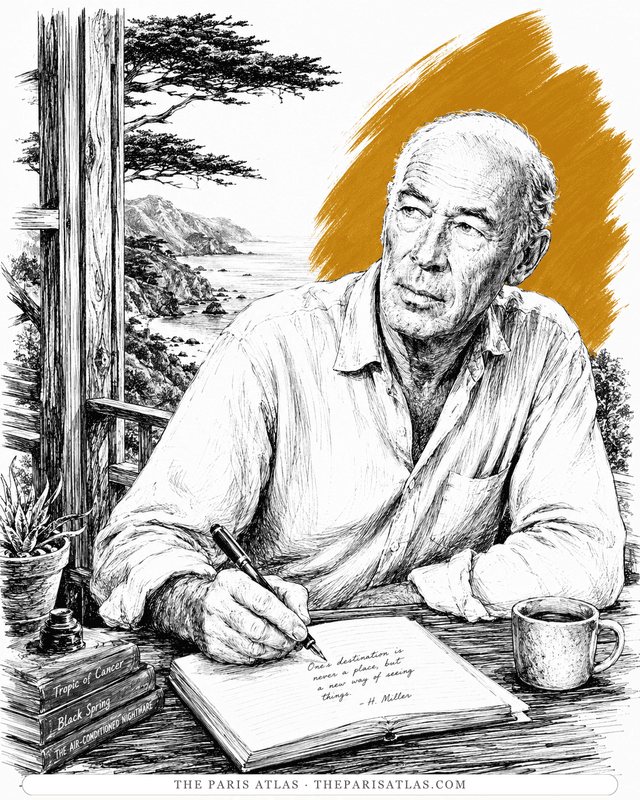
The Brooklyn dropout who arrived in Paris broke at thirty-eight and wrote the exuberant, banned books that ended American censorship.
View author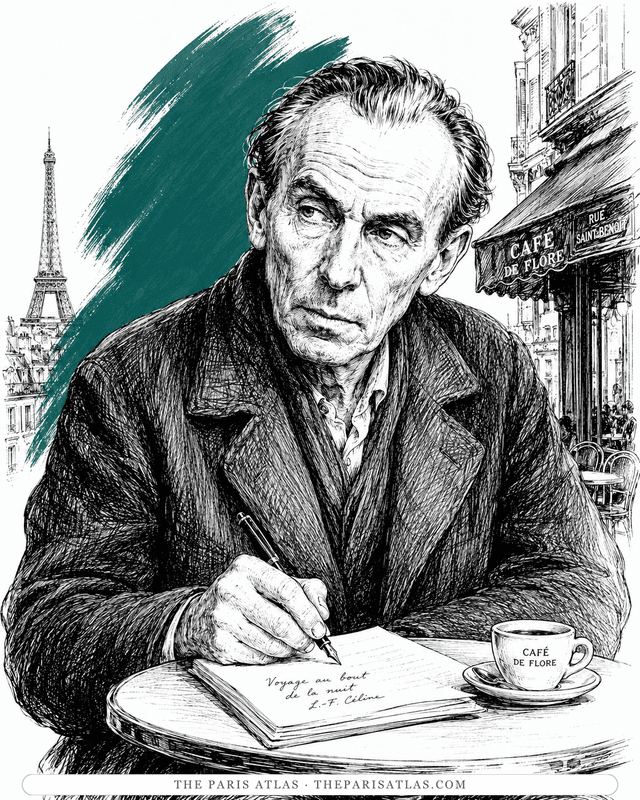
The doctor of the Paris slums who wrote the century's blackest, funniest novel — and changed the sound of French prose.
View author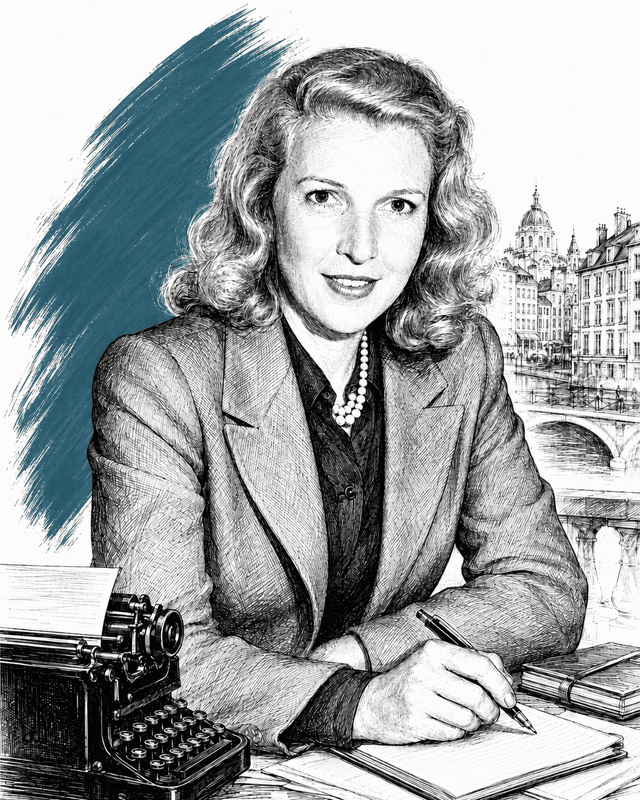
War correspondent who covered the Spanish Civil War, D-Day, and conflicts across five more decades; Hemingway's third wife, 1940–1945.
View authorThe sources below include the primary text, editions, scholarship, archival materials, and other records that informed this page. They document The Long Hours, its publication, and its place in literary history.


The primary text represented by this page, used for descriptions of the work’s contents and for any quoted passages shown here.
French primary text: complete La Nouvelle and Les Lettres support the added readings; no claim to have reviewed every wartime piece.
The Société des amis de Colette bibliography verifies the original edition's publisher and publication date.
Used to place The Long Hours within Colette's published work and verify its bibliographic context.

Used for independent biographical, archival, or historical context surrounding Colette's career and the period in which The Long Hours appeared.
Used to cross-check authorship, chronology, and the work's place in Colette's wider catalogue.
Used to verify Colette's bibliography and place The Long Hours within the broader chronology of Colette's career.
The primary text is the baseline reference for every book page. Additional references document publication history, interpretation, and historical context where that evidence is available.
 Explore more resources