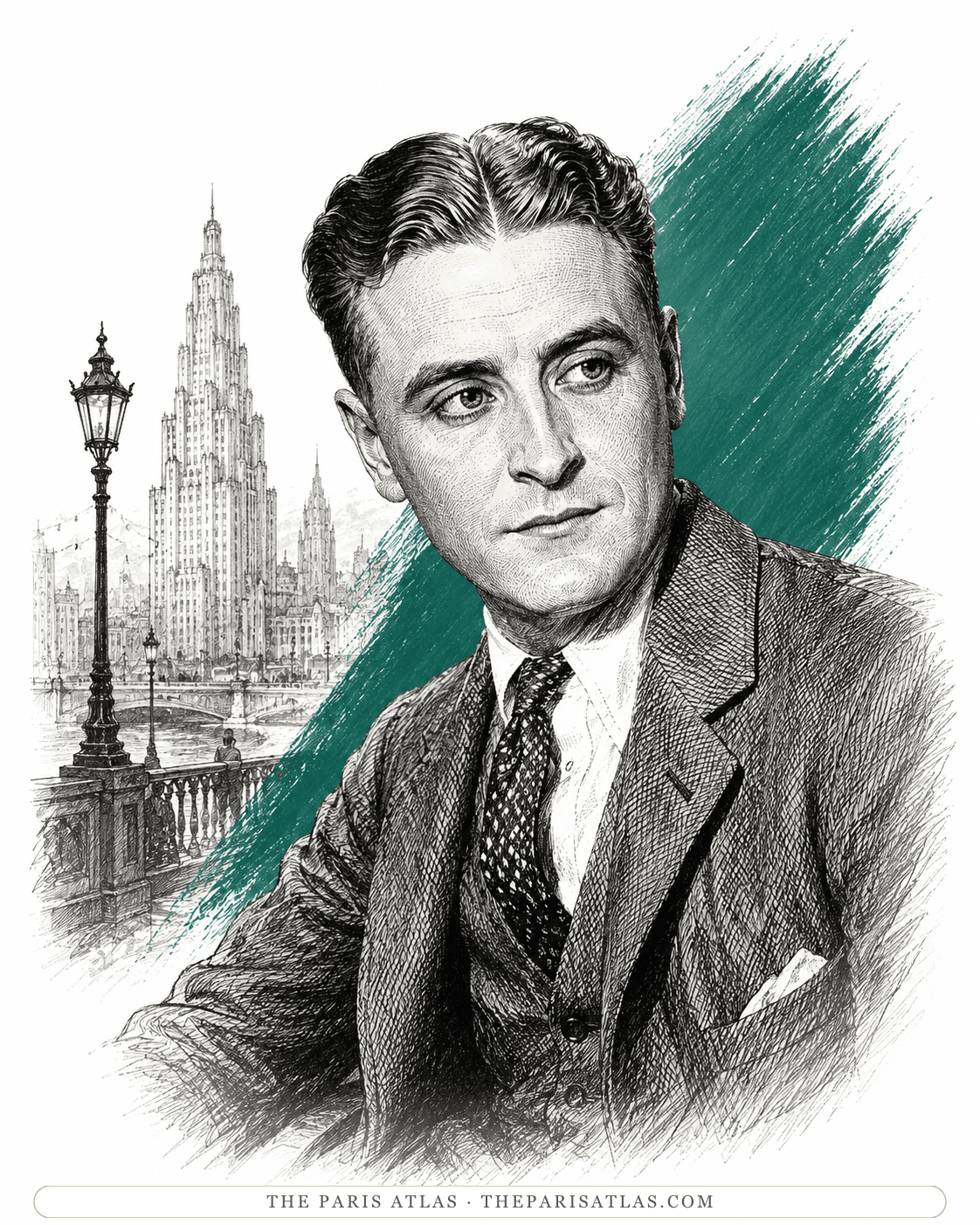

Discussed in
A Moveable Feast
Hemingway recounts reading Fitzgerald's novel and recognizing the scale of his talent, setting that judgment against the personal and financial pressures he believed obstructed Fitzgerald's work.

F. Scott Fitzgerald's 1925 novel of love, money, and the Jazz Age — written mostly in France, and often called the great American novel.
Nick Carraway rents a cottage on Long Island next to a mansion that throws parties nobody is invited to and everybody attends. His neighbor, Jay Gatsby, turns out to have built the entire glittering machine for an audience of one: Daisy, the girl across the bay, married to someone else. What follows is the great American story about the past — wanting it back, buying it back, and what that costs. Fitzgerald wrote most of it in France in 1924; it is the Paris generation's American masterpiece.
He wrote most of it on the Riviera in the summer and fall of 1924 — between the marital crisis the Murphys watched and the parties he was taking notes on — and revised it in Rome that winter, sharpening it under Max Perkins's careful letters. Titles came and went (Trimalchio in West Egg survived almost to press); Cugat's cover painting of eyes over a carnival skyline arrived before the book was done, and Fitzgerald claimed he wrote it in.
Publication, in April 1925, disappointed him badly: about twenty thousand copies sold — respectable, but far below This Side of Paradise, and he had wanted greatness acknowledged. The praise that mattered came privately: T. S. Eliot read it three times and called it the first step American fiction had taken in a generation, and Hemingway, in A Moveable Feast, records reading it and concluding that a man who could write that well had to be forgiven everything else.
Fitzgerald died in 1940 believing the book forgotten; his royalties that year came to a few dollars. The war changed that. The Armed Services Editions shipped over 150,000 copies to soldiers, postwar critics re-read it, and by mid-century the failure of 1925 had become the most widely taught novel in America.
Nick Carraway, a young Midwesterner selling bonds in New York in the summer of 1922, rents a small house on West Egg, Long Island, next door to the mansion of a mysterious host named Gatsby, whose enormous parties run on champagne and rumor. Across the bay live Nick's cousin Daisy Buchanan and her husband Tom — polo money, casual cruelty, and a mistress named Myrtle Wilson, the wife of a garage keeper out along the ash heaps. Gatsby, it emerges, wants exactly one thing from Nick: a tea invitation for Daisy, whom he loved as a young officer five years before and has built the entire glittering apparatus of his life to win back.
For a summer it works. The reunion trembles into an affair; the parties reveal their purpose and then stop; and the shirts, the shore-front lawn, the green light at the end of Daisy's dock all declare Gatsby's single article of faith — that the past can be repeated. Against it moves Tom Buchanan, who digs into where the money actually comes from — bootlegging, and the gambler Meyer Wolfshiem — and forces the confrontation in a stifling Plaza Hotel suite, where Daisy proves unable to say the one sentence Gatsby needs: that she never loved her husband.
Driving home from the Plaza in Gatsby's yellow car, Daisy Buchanan runs down and kills Myrtle Wilson — Tom's mistress, rushing into the road — and does not stop. Gatsby takes the blame without hesitation and stands vigil outside Daisy's house, watching for a signal that never comes, while inside Tom and Daisy compose themselves over cold chicken. The next afternoon Myrtle's husband George, steered by Tom toward the yellow car's owner, walks to Gatsby's pool and shoots him dead, then himself. Almost no one comes to the funeral — not Daisy, not the party hundreds; only Nick, Gatsby's ruined father with a boyhood self-improvement schedule, and one drunk from the library. Nick, done with the East, returns west with the book's closing meditation: the green light, the future receding as we reach it, the boats beaten back ceaselessly into the past.
The green light enters the novel before Nick can explain what Gatsby wants. Watching from a distance, he is unsure even of the trembling he thinks he sees or whether the light marks a dock. The reader first encounters desire through a gesture whose meaning remains unavailable. Gatsby’s earlier air of possession, as though surveying a personal share of the sky, gives way to reaching across darkness. That change makes his wealth look less like fulfillment than a vantage point from which to register something still beyond him.
At the reunion, Gatsby tries to appear casually at ease and nearly knocks over Nick’s stopped clock. Catching it saves the object, not the performance: everyone remains painfully conscious of the mishap. Daisy describes their separation vaguely, while Gatsby supplies the exact span in years and months. The contrast suggests how insistently he has been keeping account of their absence from one another. Time becomes both a fragile household object and an unevenly shared memory, making the imagined perfect meeting stumble over the ordinary present.
So we beat on, boats against the current, borne back ceaselessly into the past.
Whenever you feel like criticizing anyone, he told me, just remember that all the people in this world haven’t had the advantages that you’ve had.
“I wouldn’t ask too much of her,” I ventured. “You can’t repeat the past.” “Can’t repeat the past?” he cried incredulously. “Why of course you can!”
Discussed in
Hemingway recounts reading Fitzgerald's novel and recognizing the scale of his talent, setting that judgment against the personal and financial pressures he believed obstructed Fitzgerald's work.
Fitzgerald at twenty-eight wrote the most quoted prose in American fiction — the parties, the shirts, the green light, and a final page that readers memorize without meaning to.
Written mostly on the Riviera in 1924, published in April 1925 — weeks before its author walked into the Dingo Bar and the era's most famous friendship began.
Gatsby believes the past can be bought back; the novel shows what that belief costs. A century on, it is still the definitive American story about ambition.
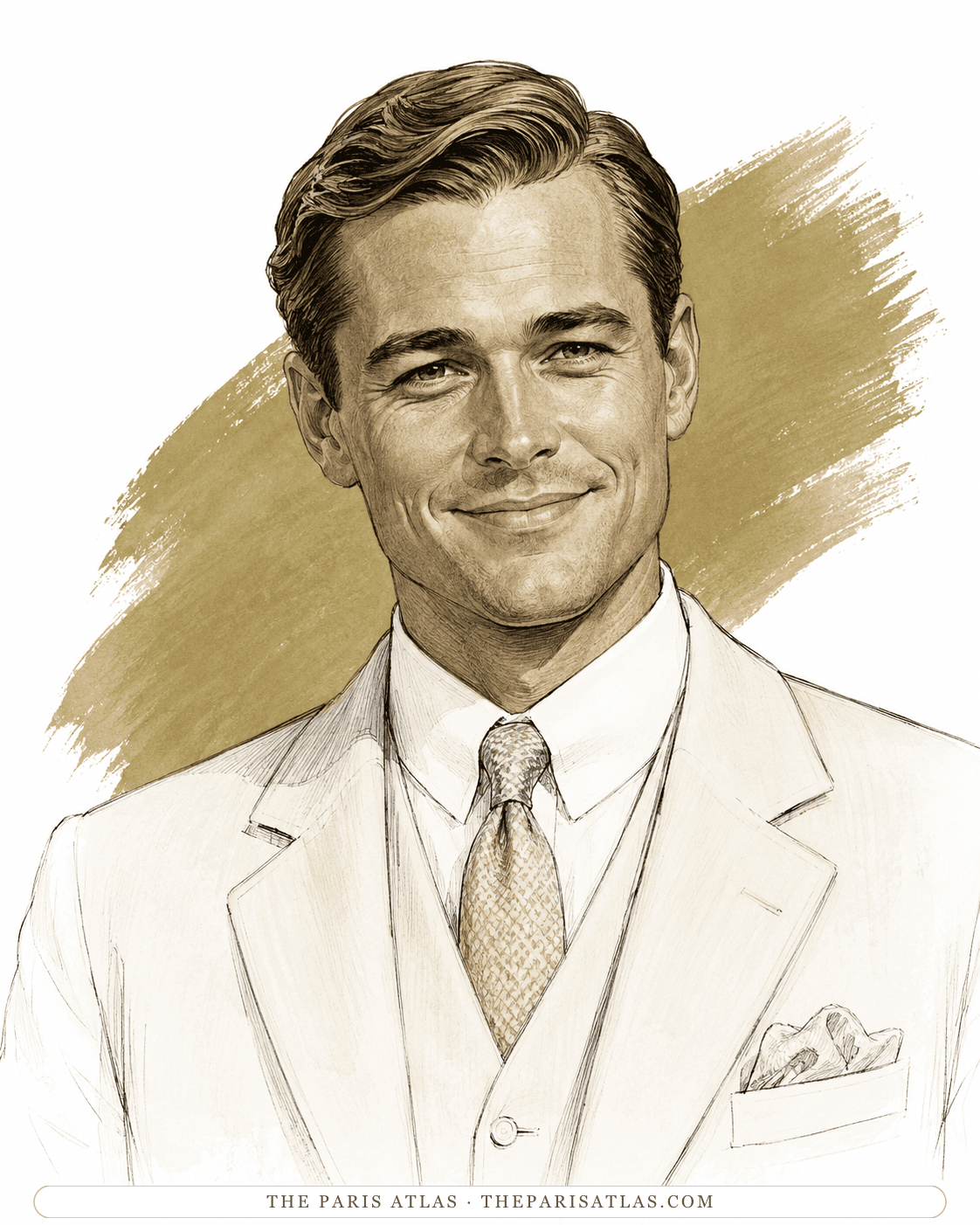
He throws the biggest parties on Long Island. He built all of it to win back Daisy Buchanan, who lives across the bay.
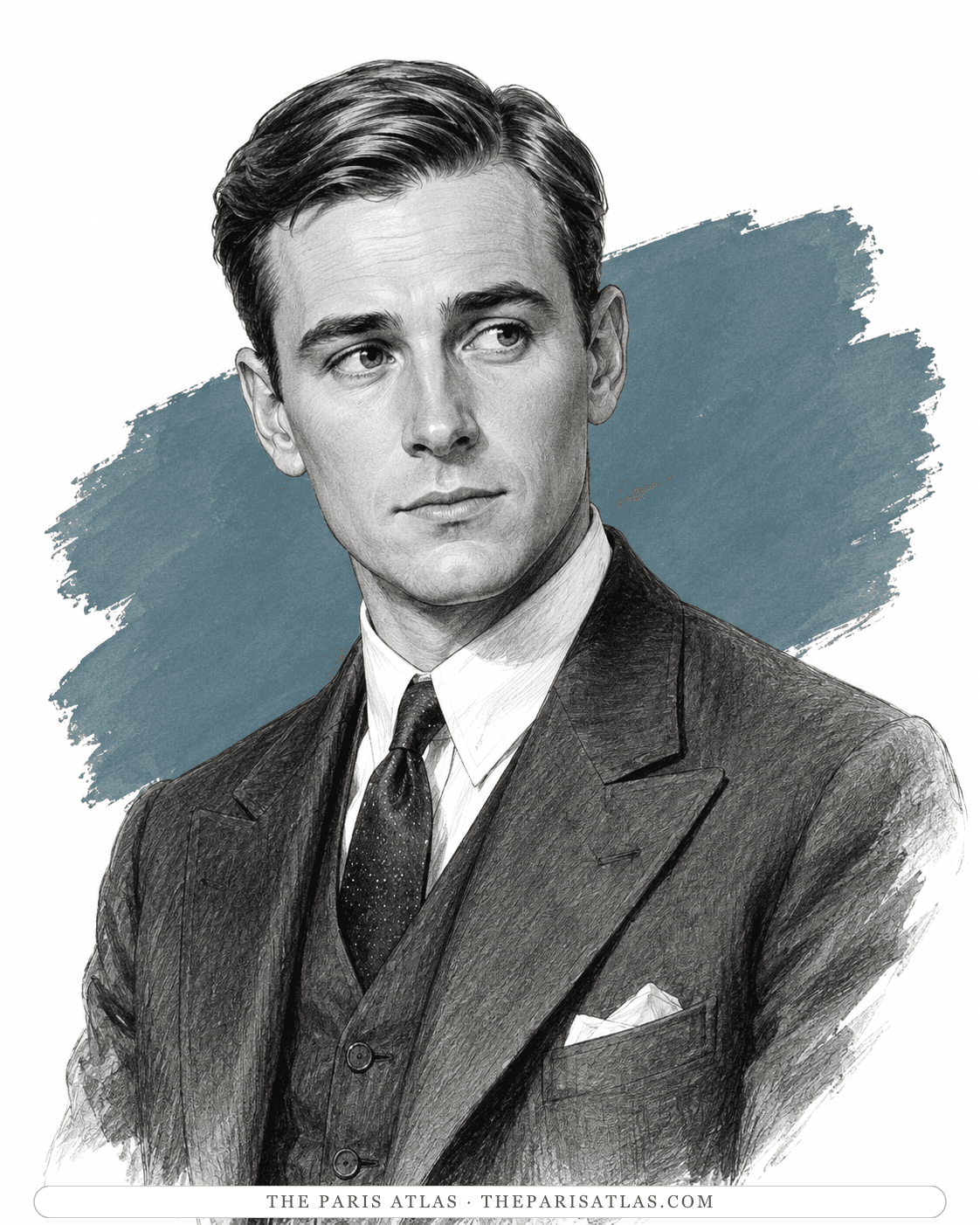
The narrator. A young Midwesterner selling bonds in New York, Daisy's cousin, and Gatsby's next-door neighbour.
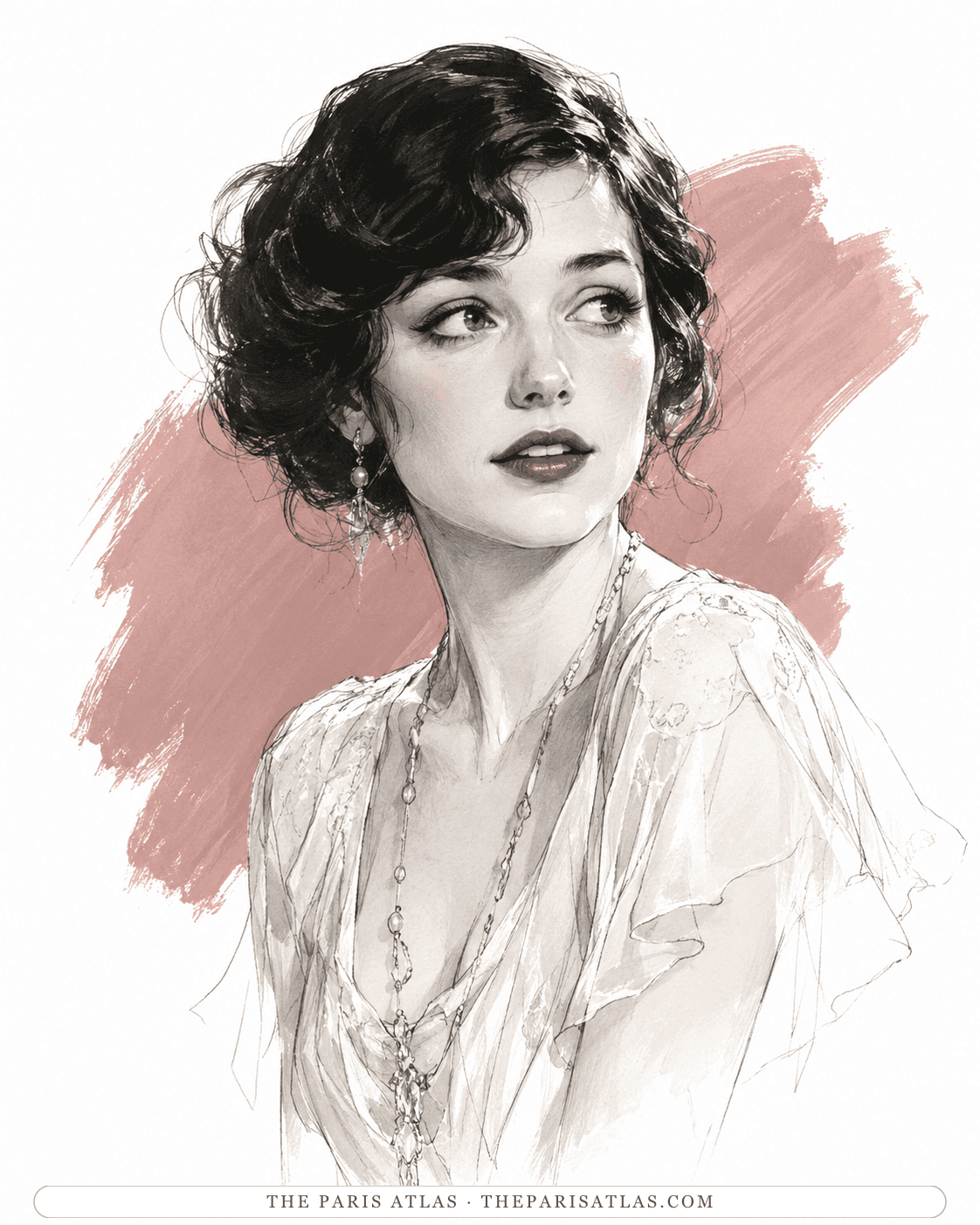
Tom Buchanan's wife and Nick's cousin. Gatsby has been in love with her for five years.
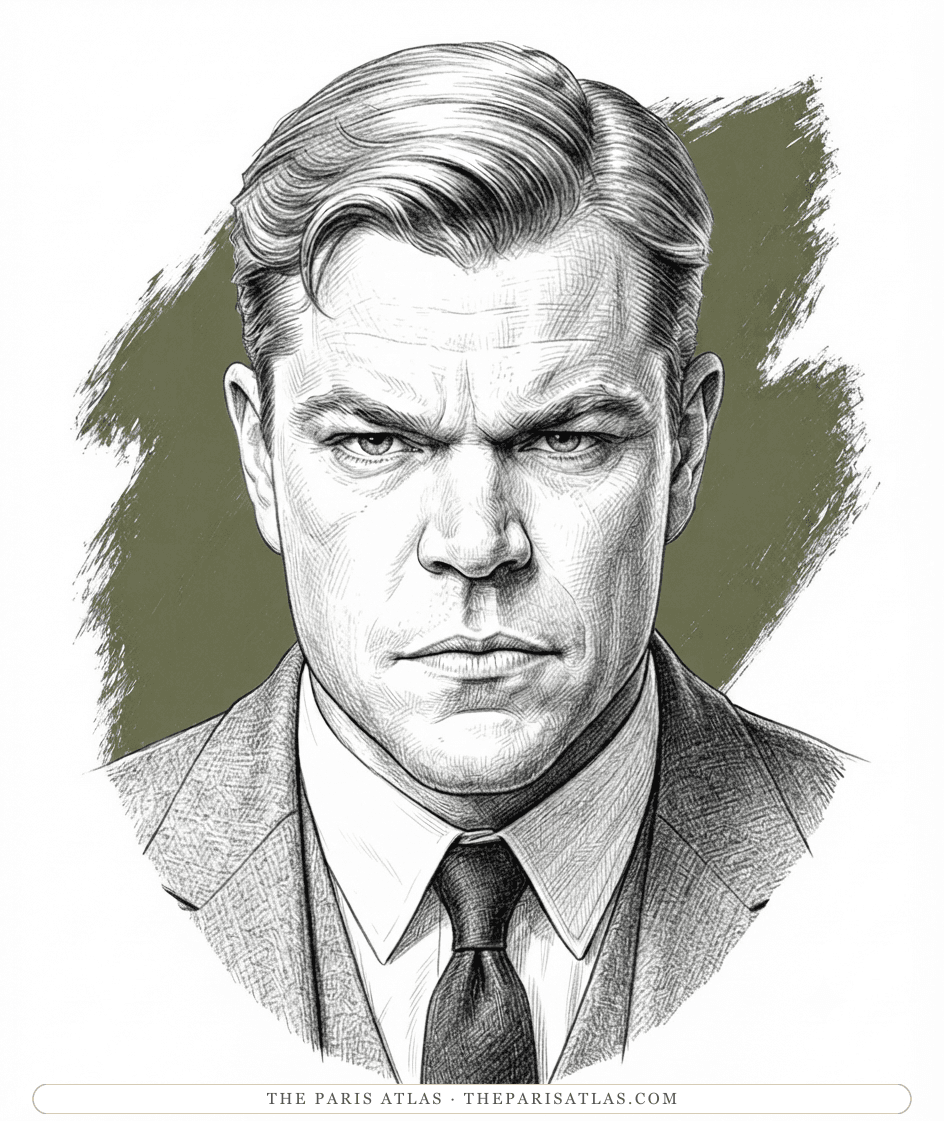
Daisy's husband. Rich, a former college football star, and openly keeping a mistress in the city.
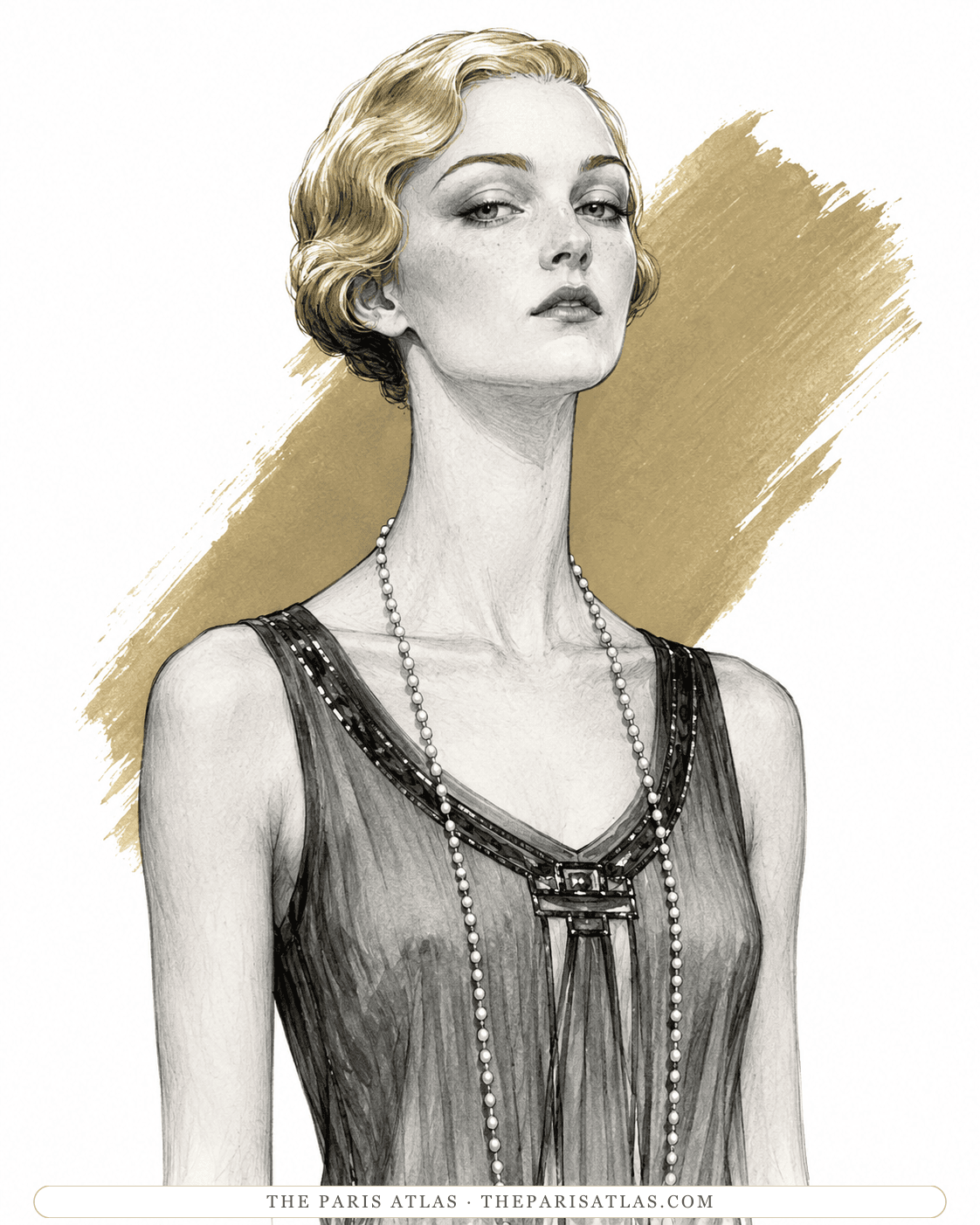
A tournament golfer and an old friend of Daisy's. She spends the summer with Nick, and tells him what Gatsby wants.
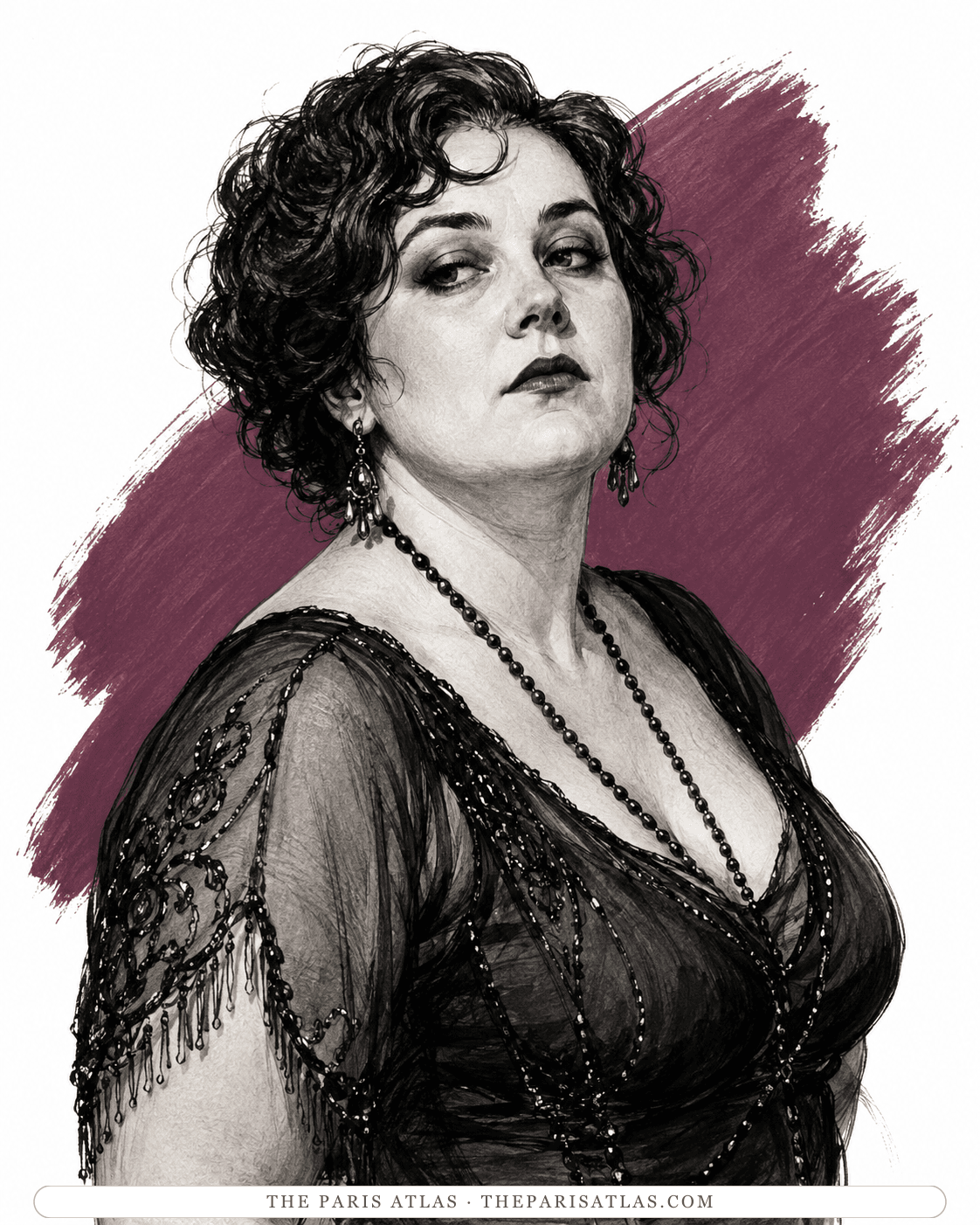
Tom Buchanan's mistress. She is married to a garage keeper out on the ash heaps, and Tom keeps a flat for her in the city.
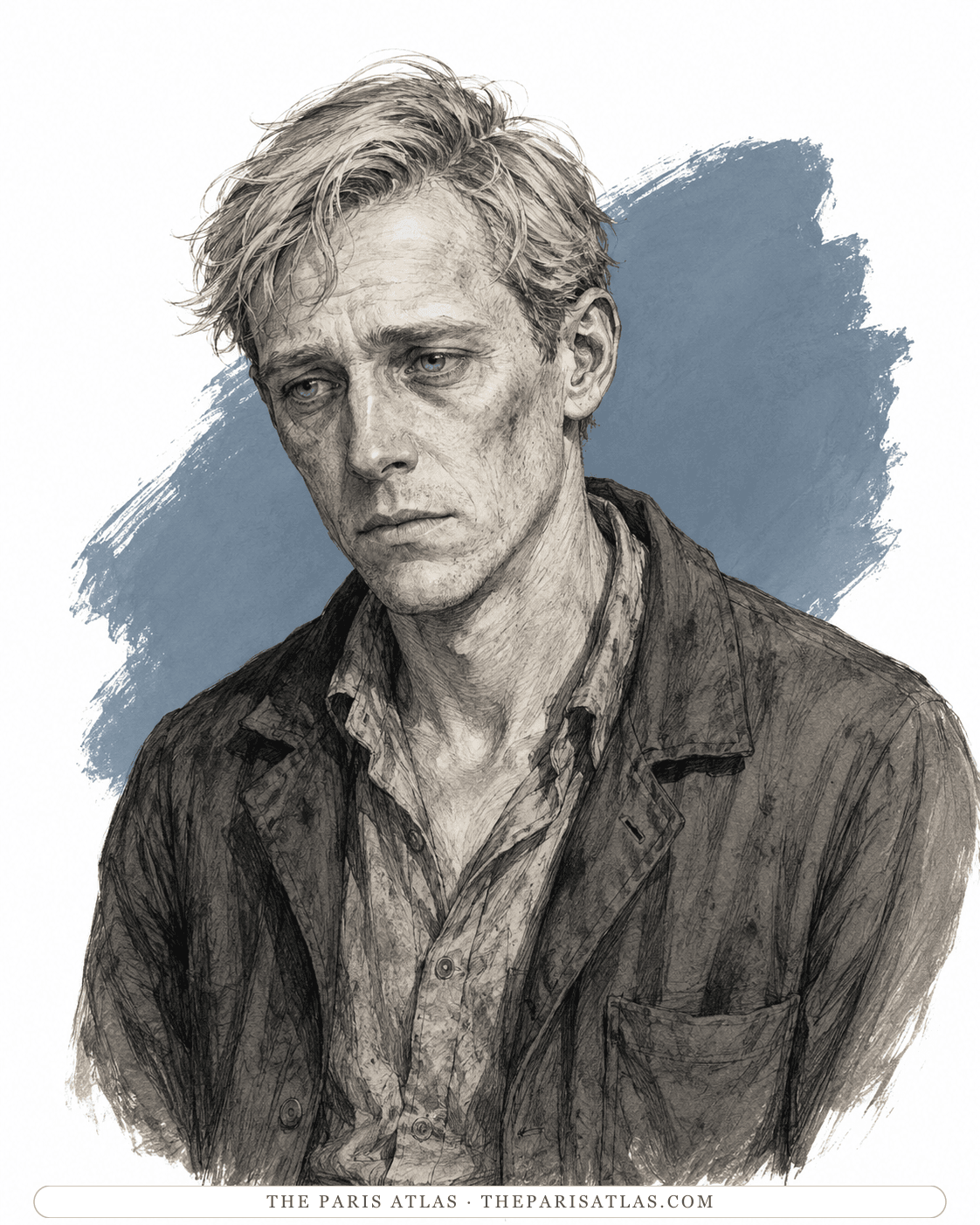
Myrtle's husband. He runs a failing garage on the road into New York.
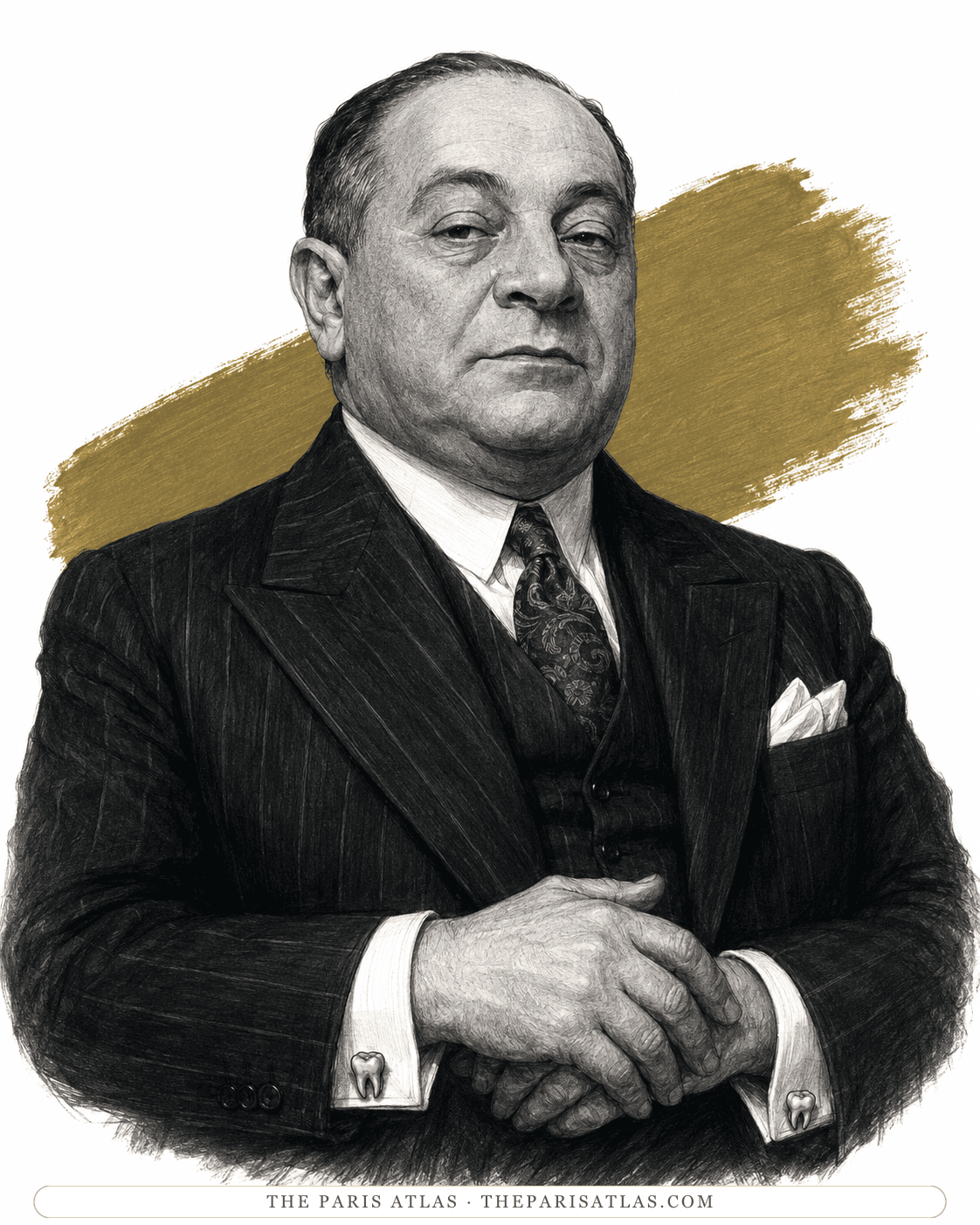
Gatsby's business partner, and a gambler. Gatsby says he is the man who fixed the 1919 World's Series.
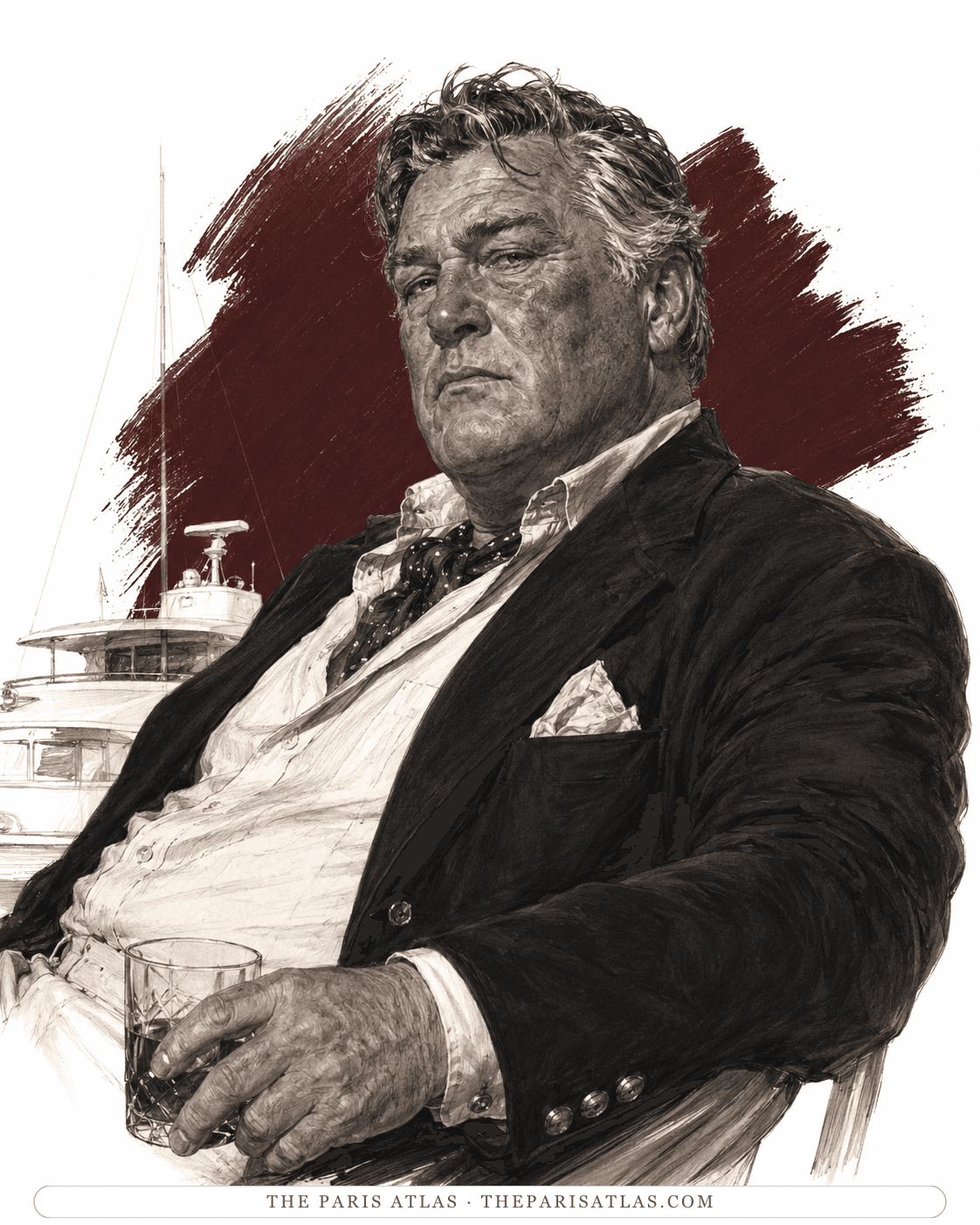
The mining millionaire who took Gatsby onto his yacht at seventeen. He died years before the novel begins.
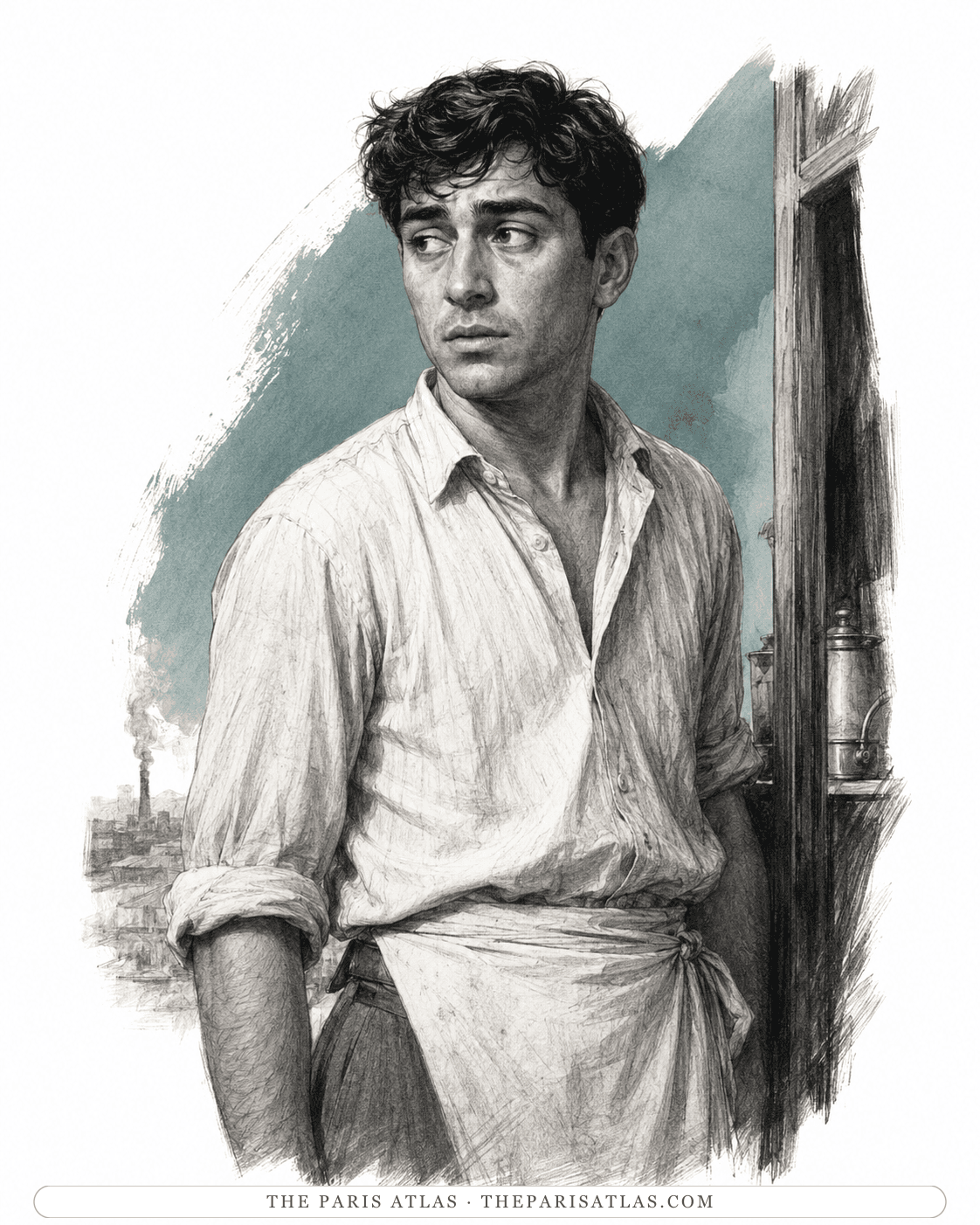
He runs the coffee shop next to Wilson's garage, and has been Wilson's neighbour for four years.
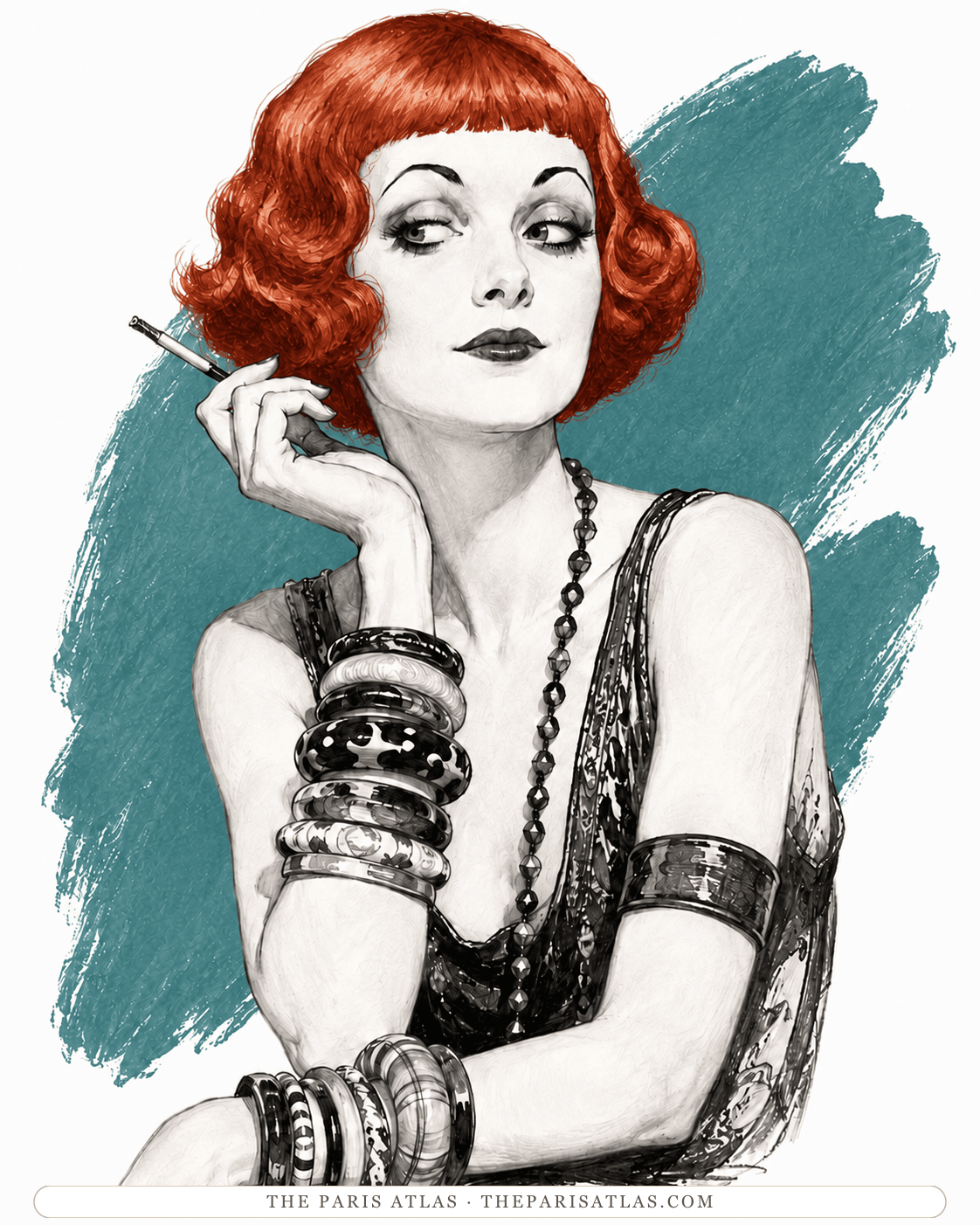
Myrtle's sister. She tells Nick most of what he learns about the affair, and gets a good deal of it wrong.
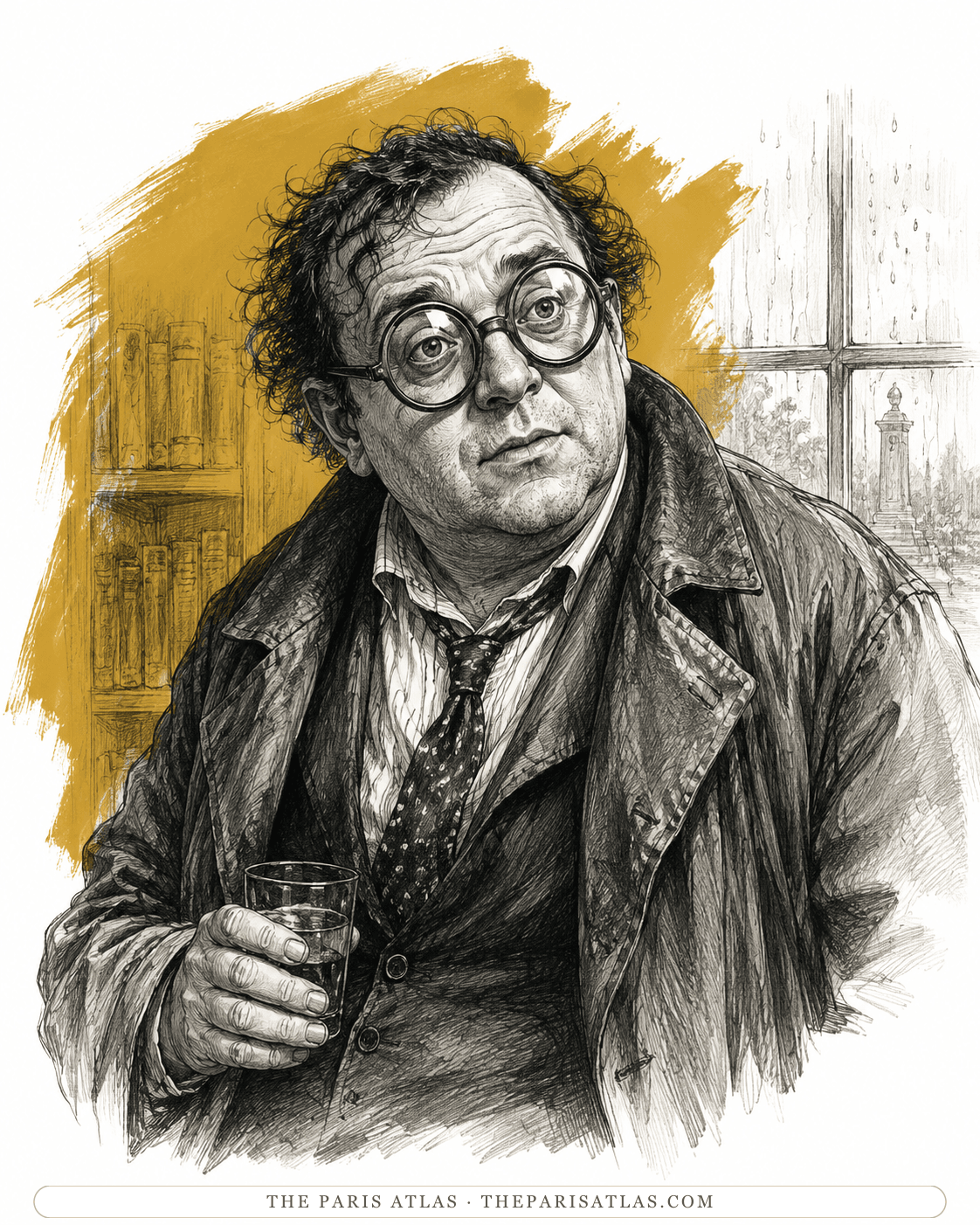
A drunk guest Nick meets in Gatsby's library. He is one of only three people who come to the funeral.
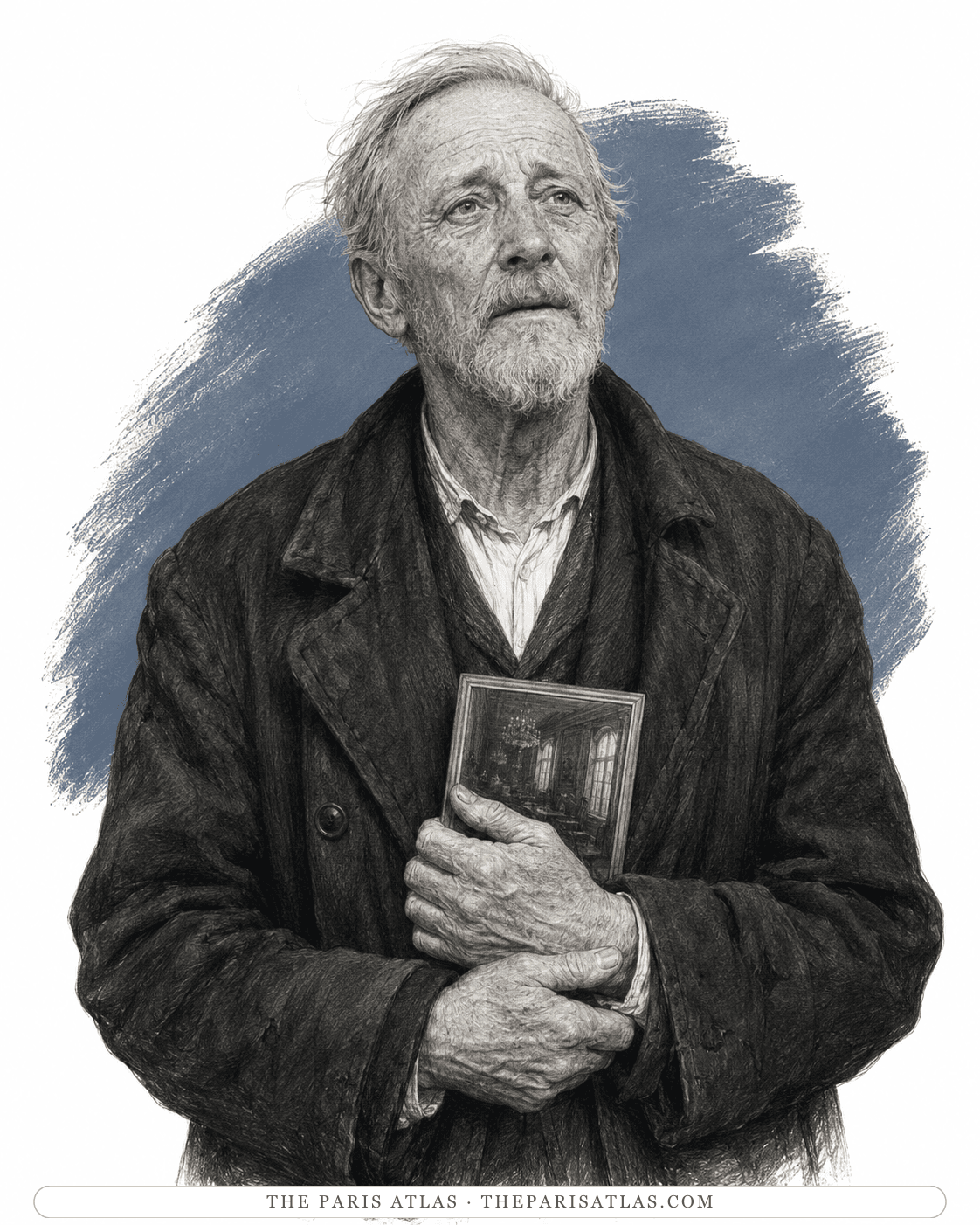
Gatsby's father. He comes from Minnesota for the funeral, carrying a photograph of his son's house.
Inspired by
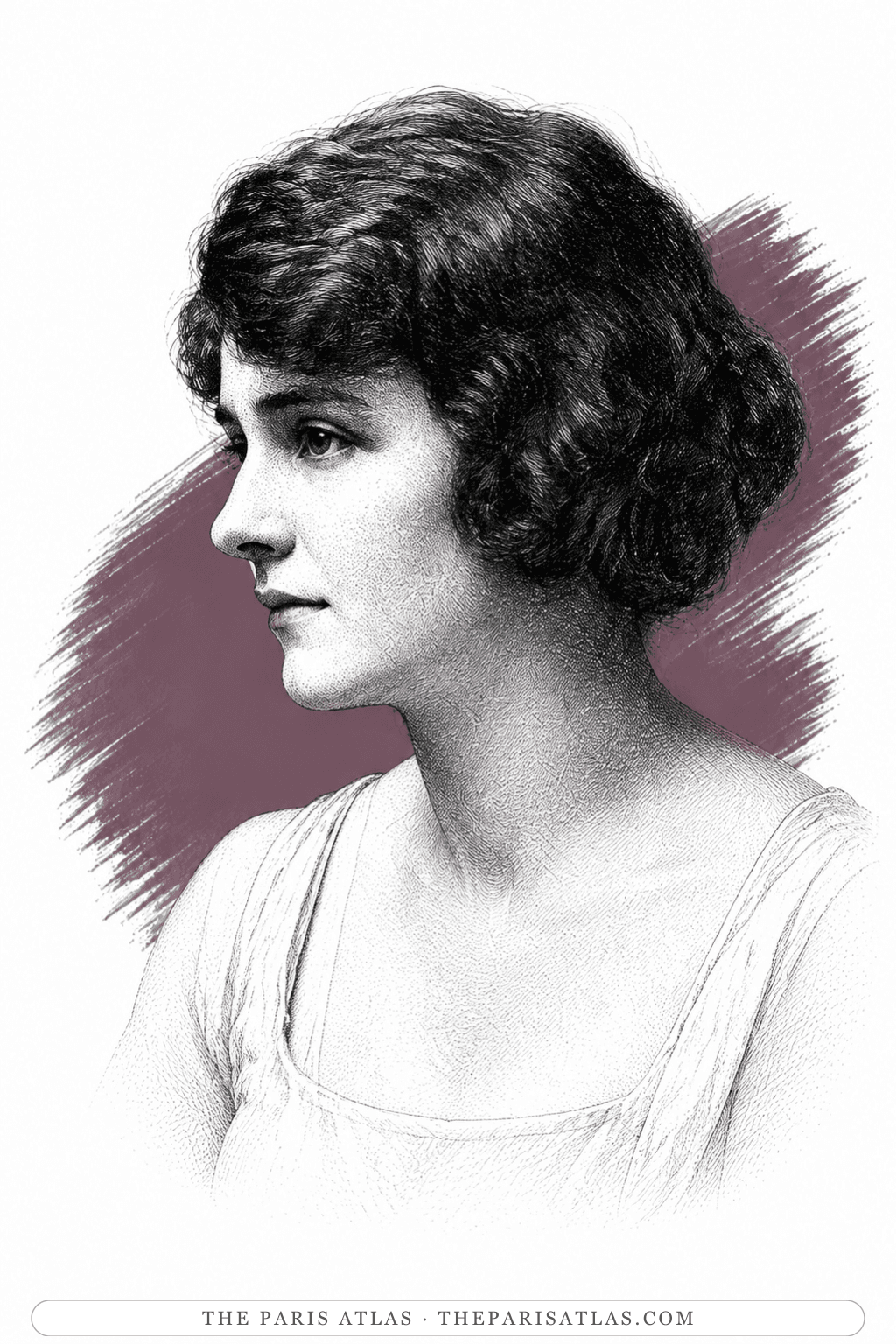
Scholarship traces Daisy Buchanan in part to Ginevra King, the Chicago socialite Fitzgerald courted from 1915. The debt is an interpretive one drawn from his letters and ledger rather than a statement Fitzgerald made about the character.

Inspired by
Fitzgerald's decision to tell Gatsby's story through Nick Carraway, a narrator present at the events but reconstructing them afterwards, follows the method Joseph Conrad built around Marlow.
Weeks after Gatsby published, its author introduced himself to Hemingway at the Dingo Bar — a friendship of vouching, editing, rivalry, and wreckage, told round by round in our journal.
Read the full story in the journal1924
Fitzgerald writes most of the novel on the French Riviera through the summer and fall, then revises it in Rome that winter under Max Perkins's letters.
1925
Scribner publishes it in April. It sells about twenty thousand copies — a disappointment against his earlier success, though T. S. Eliot reads it three times and praises it.
1940
Fitzgerald dies believing the book forgotten; his royalties that year come to a few dollars.
1940s
The war revives it: Armed Services Editions ship over 150,000 copies to soldiers, postwar critics re-read it, and by mid-century it is the American novel.

Published a year apart by the same house — and Fitzgerald's editorial letter persuaded Hemingway to cut the novel's original opening chapters.
Read our takeContains Hemingway's unforgettable, unmerciful chapters on Fitzgerald — the Lyon road trip above all. Read Gatsby first and weigh the portrait against the talent.
Read our take
The Riviera at its most enchanted, and the marriage underneath it — nine years after Gatsby, the deeper, sadder masterpiece.
Read our takeF. Scott Fitzgerald. It was published in 1925 and is his best-known novel.
On Long Island, narrator Nick Carraway watches his mysterious neighbor Jay Gatsby, who built a fortune and throws lavish parties to win back Daisy, a woman married to someone else. It is the great American story about wanting the past back — and what that costs.
Mostly in France, on the Riviera, in the summer and fall of 1924, revised in Rome that winter. It is the Paris generation's American masterpiece.
For its compressed, luminous prose, its symbolism — the green light across the bay — and its portrait of the Jazz Age's glamour and hollowness. It is often called a candidate for the great American novel.
Yes. It entered the United States public domain in 2021 and can now be read and reprinted freely.
Explore authors with a similar voice, perspective, and influence.
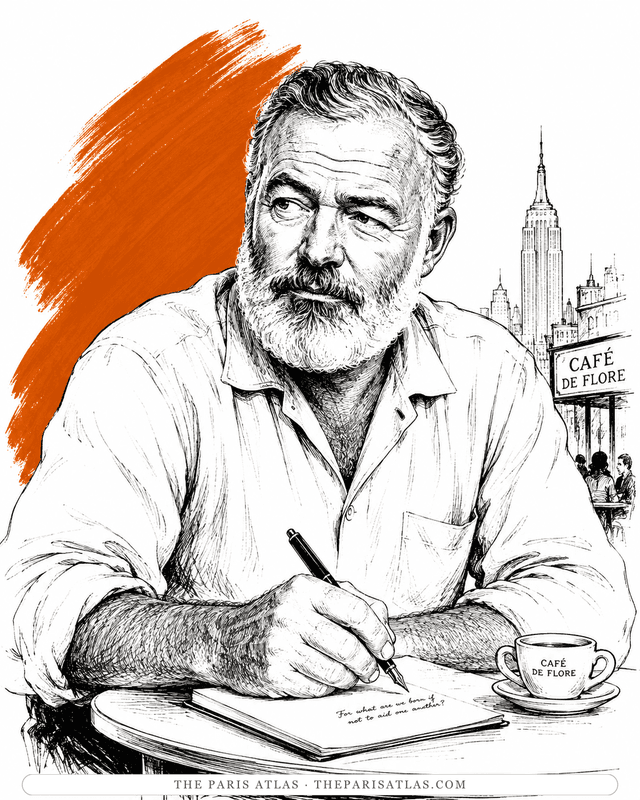
Fitzgerald vouched for him to Scribner's before they had met, then edited him better than he edited himself; the friendship's five rounds are chronicled in our journal.
View author
The Brooklyn dropout who arrived in Paris broke at thirty-eight and wrote the exuberant, banned books that ended American censorship.
View author
The doctor of the Paris slums who wrote the century's blackest, funniest novel — and changed the sound of French prose.
View authorThe sources below include the primary text, editions, scholarship, archival materials, and other records that informed this page. They document The Great Gatsby, its publication, and its place in literary history.


The primary text represented by this page, used for descriptions of the work’s contents and for any quoted passages shown here.
Primary-text transcription used for the end of chapter I and the reunion in chapter V. No manuscript or first-edition collation is claimed.

Archival evidence used to document the historical record connected to The Great Gatsby.
Biographical evidence used to verify chronology, relationships, and historical context connected to The Great Gatsby.
Princeton's Fitzgerald archive documents the autograph manuscript, corrected first edition, galleys and publishing papers for the novel.
The Fitzgerald–Perkins correspondence supplies primary evidence for the novel's drafting, editing and publication.
The primary text is the baseline reference for every book page. Additional references document publication history, interpretation, and historical context where that evidence is available.
 Explore more resources