

A Spy in the House of Love
by Anaïs Nin
Sabina, the woman with five lives, pursued through her own masquerade by a conscience she hired herself — Nin's most read novel.
- 1954
About Anaïs Nin
The story, briefly
Spoiler-freeSabina — the fiery double first glimpsed in House of Incest — moves through New York wearing a different self for each lover, tracked by the mysterious 'lie detector' her own guilt summoned by telephone. The most self-contained and most read of Nin's novels: an anatomy of the divided woman, decades ahead of its market.
The story, in more detail
The novel belongs to Nin's 'continuous novel' project of the forties and fifties — five linked books tracing recurring women — but stands alone by design and by fate: rejected by more than a hundred publishers by Nin's count, it finally appeared in 1954 and slowly became her signature fiction. The premise is pure Nin: in a night of anonymous guilt, Sabina dials a stranger — the 'lie detector' — and spends the novel shadowed by the conscience she invited.
Its afterlife outgrew its reception. The portrait of a woman claiming the sexual mobility men assumed — and paying the interior price of the masks — waited for its readership, which arrived with the sixties and never left; the title alone has been borrowed by songs and shows for decades. Within Nin's shelf it is the fiction that best converts the diary's themes into narrative velocity: one woman, five selves, one long night of reckoning.
The full plot
Sabina lives in New York with Alan, the patient husband who believes she is an actress on tour whenever she vanishes — and she is an actress, though the stages are other men's rooms. The novel follows her circuit of selves: with the opera singer Philip she performs the femme fatale; with Mambo, the drummer who owns the night club, and with John, a pilot grounded by the war, other women entirely; each affair a costume, each costume a partial truth, and the seams between them held — barely — with the capes, the paint, and the fire-colored dress that are her armor.
Above the masquerade circles the lie detector, summoned by her own midnight phone call to a stranger: part fantasy, part conscience, part author, following at a distance and waiting for the performance to exhaust itself. As the affairs begin to collide and the exhaustion mounts, the novel drives toward the only exposure that matters — not being caught, but being seen.
How it ends — spoilers ahead
There is no scandal and no punishment — Nin refuses both. The reckoning happens among friends, at Mambo's night club and upstairs in Djuna's studio: Djuna, the seer of the continuous novel, names what Sabina is — not a deceiver but a woman scattered among her mirrors, guilty above all of never allowing herself to be whole anywhere. The lie detector delivers the book's verdict: she has been arrested not by him but by her own exhaustion; the sentence is not prison but the harder one — to begin the work of becoming one person. The novel leaves her weeping to Beethoven's quartets, emptied of performances: not redeemed, not condemned, but finally, for one page, undivided.
Themes and analysis
The midnight call
Sabina asks a stranger for the comfort of a voice; he immediately turns that request into a demand for confession. The opening creates an imbalance between what she says she needs and what he claims to know about her. Even before identifying her, he interprets the call as evidence of guilt. His subsequent arrival at the bar gives that interpretation a physical presence. The telephone therefore promises anonymity while setting surveillance in motion: reaching beyond her private anxiety brings Sabina an audience, but also someone determined to make her story fit his judgment.
A new self between two stops
Sabina's changes of appearance are not merely disguises placed over an unchanged person. The morning dressing scene presents makeup as an effort to assemble a face, while clothing can impose a role on its wearer. At home, Alan's belief that her absences are theatrical work offers another script: she begins to feel that the woman who was away really was somebody else. Yet the inward account of fragments left in different places resists this reassurance. Nin makes the transition between selves emotionally costly, even when the outward performance convinces the person watching.
Why we recommend it
The divided woman, patented
Decades before the culture had language for it, Sabina's five selves anatomized the cost of living in costumes.
The lie detector
Conscience as a character you dial by mistake at midnight — one of the era's strangest, best devices.
The door to the sequence
If it takes, four more books of the continuous novel are waiting behind it.
What this book explores
The people in its pages
Sabina
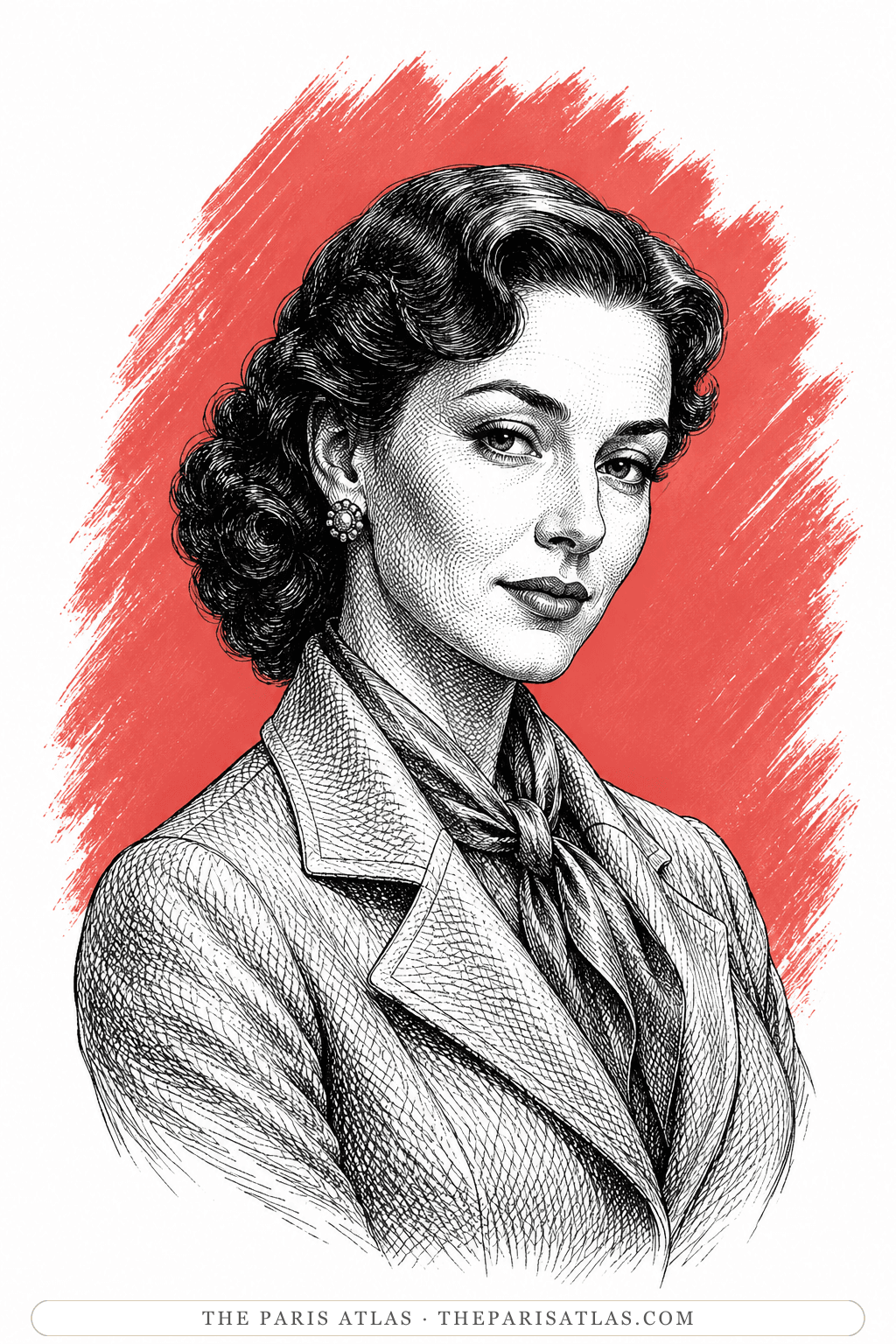
A woman of thirty in New York who keeps several lovers at once and tells her husband she is away on tour with a theatre company. She is not an actress. The novel follows her through the days in which the arrangement starts to come apart.

The lie detector
The man Sabina reaches when she dials a number at random in the middle of the night. He tells her his profession is lie detector, traces the call, and follows her through the rest of the novel. He is never given a name.

Alan
Sabina's husband of ten years, five years older than her and treated by her as a father as much as a spouse. He believes she is an actress touring with a company, and repeats the story back to her as praise.

Philip
An opera singer Sabina meets on a beach, first heard before he is seen. He is handsome, mocking, and interested in women in general rather than in her. She calls the affair an adventure and it defeats her.

Mambo
A drummer who owns the New York night club named after him. He is a composer and a writer, and he accuses Sabina of wanting the drummer and never the artist. The novel's sharpest exchange belongs to him.

John
A pilot who flew all through the war from the age of seventeen and has been grounded. Sabina meets him at a traffic light on Long Island. He cannot bear peacetime and cannot forgive himself for wanting her.

The policeman
A white-haired Irish policeman on Long Island who finds Sabina wandering at two in the morning looking for a chemist. He is the only person in the novel who is simply kind to her, and he is the one who tells her about John.

Donald
A young man who mimics women brilliantly and cruelly, collects empty birdcages, and wants Sabina as a mother rather than a lover. Their affair has no sex in it and changes her more than the ones that do.
Djuna
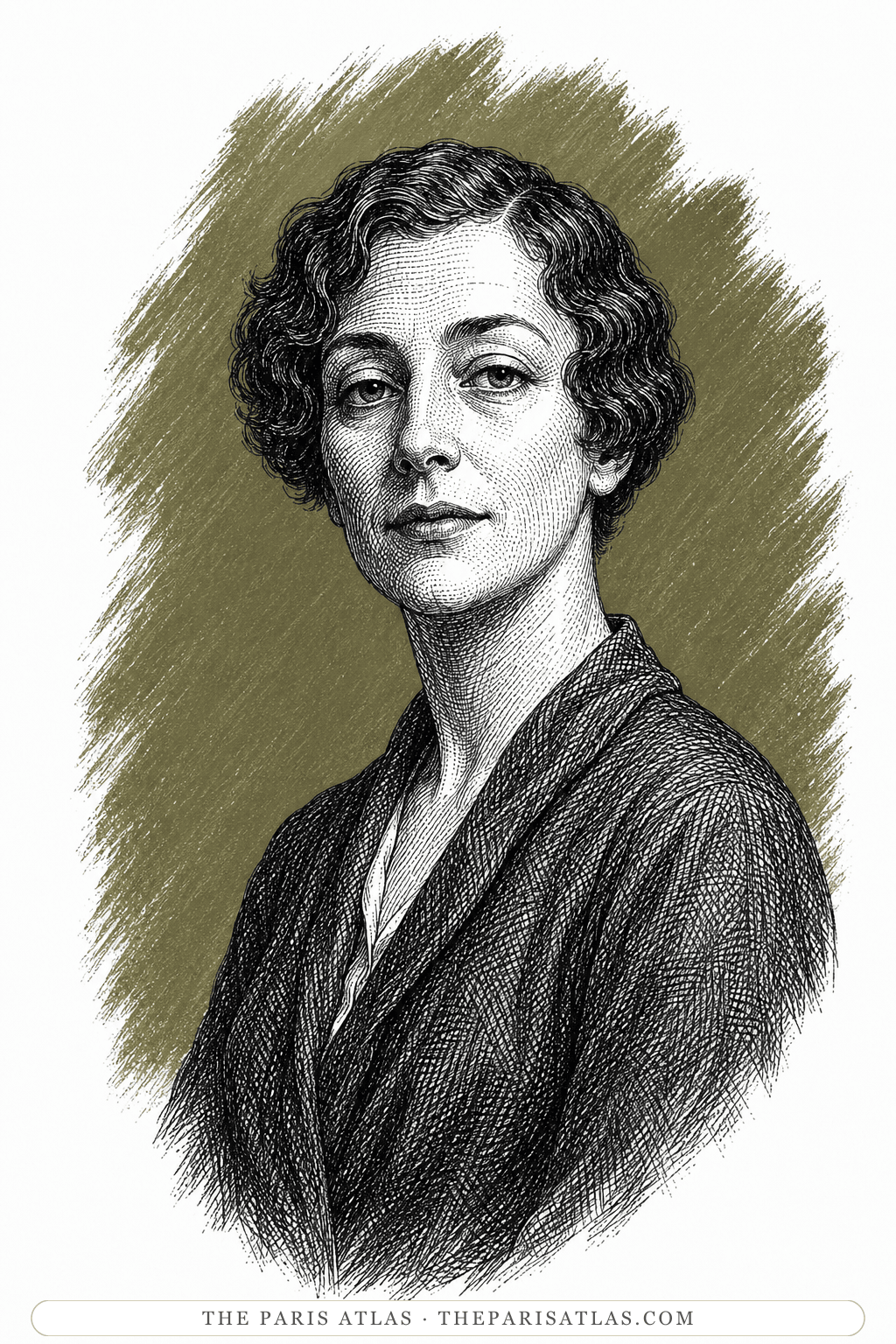
A dancer who lives above the night club and is the only person in the book Sabina can talk to honestly. She tells her that the man following her is her own guilt, and she is right.

Jay
A painter Sabina knew in Paris seven years earlier and slept with, now back in New York because of the war. He dresses Fifth Avenue windows for money and paints Sabina as a woman in fragments.

Cold Cuts
A regular at Mambo's night club who works nights at the city morgue. He announces the day's suicides to the room as entertainment and asks only to be sent one Christmas card a year.
Bring it to book club
- Is the lie detector real, imagined, or something worse — invited?
- Sabina's masks are lies that each tell a partial truth. Which self is the spy?
Timeline
1954
After rejection by more than a hundred publishers, by Nin's count, the novel finally appears and slowly becomes her most read fiction.
1960s
The readership it was decades ahead of arrives and never leaves; the title alone is borrowed by songs and shows for years after.
2013
Swallow Press publishes a new edition with an introduction by Anita Jarczok.
Book editions
Hardcover
- Hardcover
- 1954
Paperback
- Paperback
- Swallow Press
Reader reviews
Readers may also like

The Diary of Anaïs Nin, 1931–1934
The workshop where the divided-woman theme was lived before it was plotted.
Read our take
A Spy in the House of Love: frequently asked questions
Who wrote A Spy in the House of Love?
Anaïs Nin. The novel was published in 1954.
What is A Spy in the House of Love about?
Sabina, who moves through New York wearing a different self for each lover, tracked by a mysterious "lie detector" her own guilt has summoned by telephone — an anatomy of the divided woman.
Is it a standalone novel?
It belongs to Nin's "continuous novel" project of linked books tracing recurring women, but it was designed — and is usually read — on its own.
How was it received?
Rejected by publishers before it appeared, it went on to become the most self-contained and most widely read of Nin's novels, well ahead of its market.
Who is Sabina?
Nin's recurring figure of the divided woman, first glimpsed in House of Incest and given her fullest treatment here.
If you like Anaïs Nin
Explore authors with a similar voice, perspective, and influence.

Henry Miller
The entangled careers of the Villa Seurat: she financed and prefaced his scandal, he detonated her prose — and each wrote the other into the century's record.
View author
Louis-Ferdinand Céline
The doctor of the Paris slums who wrote the century's blackest, funniest novel — and changed the sound of French prose.
View author
Martha Gellhorn
War correspondent who covered the Spanish Civil War, D-Day, and conflicts across five more decades; Hemingway's third wife, 1940–1945.
View author
References
References
The sources below include the primary text, editions, scholarship, archival materials, and other records that informed this page. They document A Spy in the House of Love, its publication, and its place in literary history.


1A Spy in the House of Love
NovelAnaïs Nin, 1954Used forThe primary text represented by this page, used for descriptions of the work’s contents and for any quoted passages shown here.
2A Spy in the House of Love — public publisher excerpt
WebsiteSwallow Press / Ohio University Press; excerpt hosted by AlibrisUsed forPublic publisher excerpt, printed pp. 1–22 visually checked. New analysis uses pp. 1–3 and 7–9/15–18; it does not claim a full-novel reading or independently verify the later ring-changing scene.
3Anaïs Nin — biography
WebsiteThe Anaïs Nin FoundationUsed forUsed to verify A Spy in the House of Love's bibliographic context and its place within Anaïs Nin's published work.

4Anaïs Nin Papers — diary, March–September 1938
ArchiveUCLA Library Special CollectionsUsed forUsed for independent archival, institutional, or historical context surrounding Anaïs Nin and A Spy in the House of Love.
5Anaïs Nin: A Biography
BiographyG. P. Putnam's Sons, 1995Used forUsed to cross-check chronology, publication history, and the circumstances in which A Spy in the House of Love appeared.
6Anaïs: The Erotic Life of Anaïs Nin
BiographyLittle, Brown, 1993Used forUsed for an additional scholarly or biographical perspective on A Spy in the House of Love and Anaïs Nin's wider career.
7a spy in the house of love — edition and reception record
WebsiteOhio University PressUsed forDocuments the dated edition or contemporary reception included in the timeline.
i
Why these sources are here
The primary text is the baseline reference for every book page. Additional references document publication history, interpretation, and historical context where that evidence is available.
 Explore more resources