
Discusses
House of Incest
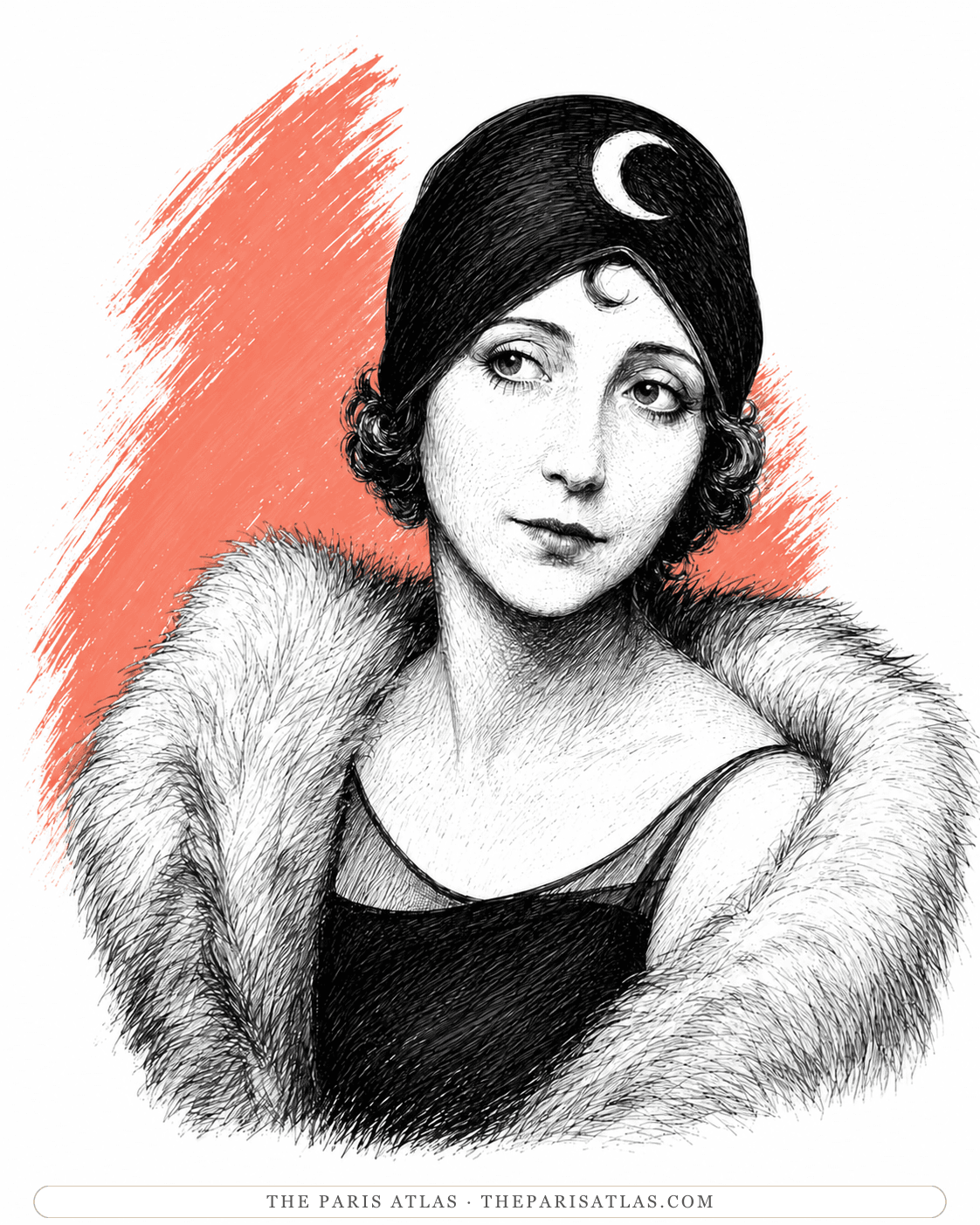
The diary records Nin shaping her experience of June Miller into the prose poem that became House of Incest.

by Anaïs Nin
The century's most famous journal opens on Louveciennes, 1931 — Miller at the table, June in the doorway, and a woman writing it all down as it happens.
The first published volume of the sixty-year diary, and the essential one: Paris and Louveciennes from 1931 to 1934, with Henry Miller arriving poor and volcanic, his wife June trailing enigma, Antonin Artaud burning, Otto Rank analyzing, and Nin's long-lost father returning for the strangest reunion in modern letters. A self-portrait painted in real time, by the era's most watchful inhabitant. (A diary — the endings wait behind the reveal.)
The diary existed forty years before the public saw a page: begun in 1914 as an unsent letter to the father who had abandoned the family, it grew into a daily practice, a confessional, a workshop, and — as Nin's Paris decade filled with remarkable people — a group portrait no novelist could have invented. Publishers had wanted the diary for decades; the problem was the living, and the solution, reached with editor Gunther Stuhlmann in the 1960s, was careful pruning — most consequentially of her husband, Hugh Guiler, edited out at his own request, an absence readers have argued about ever since.[1]
Publication in 1966 was an event beyond literature: the interior life was having its decade, and here were thousands of pages of one woman's, kept against every convention. The Diary made Nin famous at sixty-three, a lecture-hall icon to a generation of readers — and it made Louveciennes, the Villa Seurat, and the winter of 1931 permanent addresses on the map of modern writing. The unexpurgated volumes that followed her death (Henry & June first among them) restored what 1966 couldn't print, and the full project now reads as what it always was: the century's longest, most deliberate act of self-creation.[1]
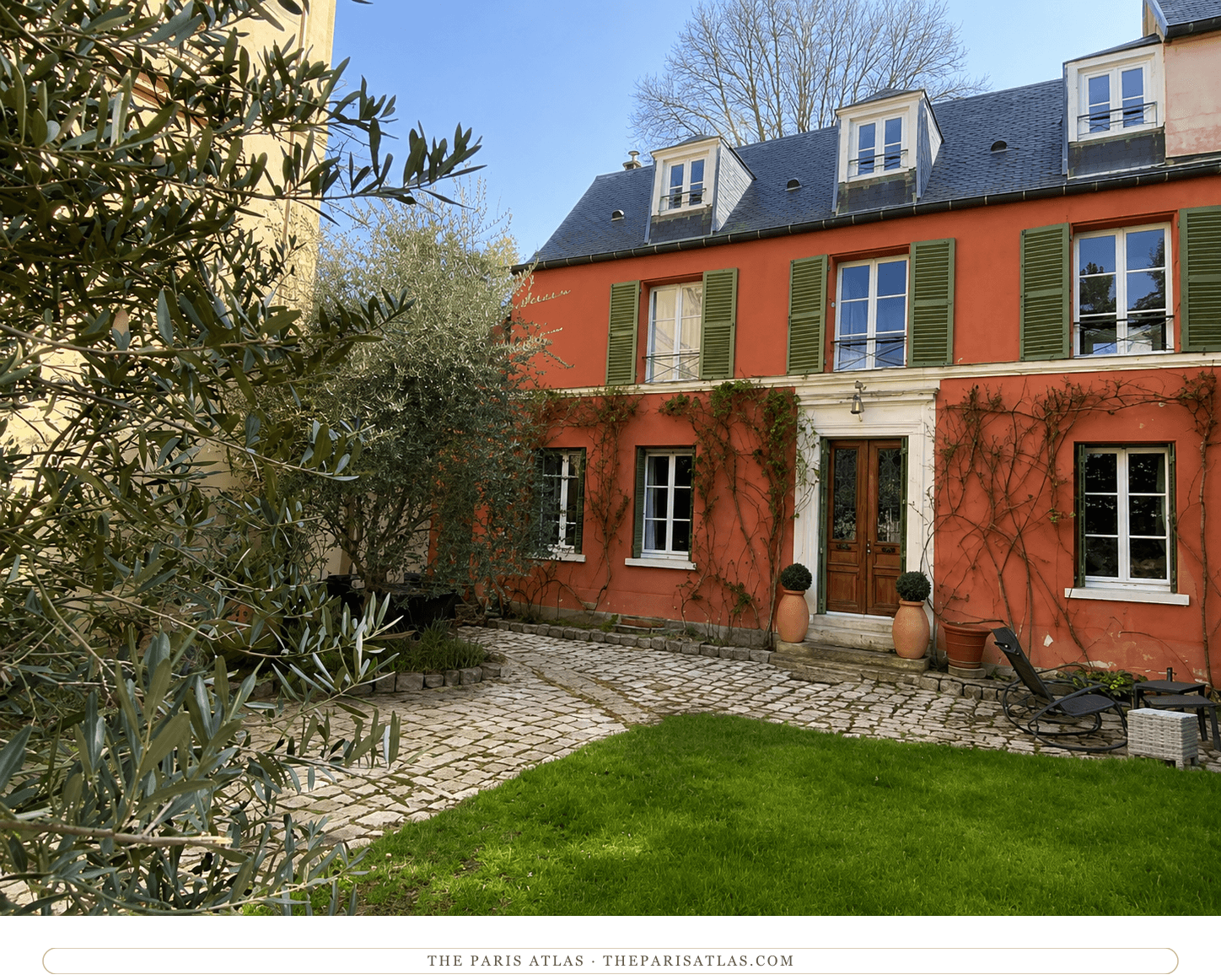
It opens at Louveciennes, the house outside Paris where Nin lives with a banker husband the text keeps offstage, writing and waiting for her real life to start. It starts in the winter of 1931: Henry Miller comes to lunch — broke, voracious, writing an unpublishable book — and behind him his wife June, all mystery and hunger, who fascinates Nin even more. The diary tracks the triangle with a precision no novel would dare: patronage becoming intimacy, June's departures and returns, and the Tropic of Cancer years recorded from the inside — the borrowed money, the preface, the printing.[1]
Around the Millers the cast thickens: Antonin Artaud, incandescent and impossible; the analysts — Allendy, then Otto Rank — as Nin moves from patient to practitioner; and, at the volume's dark center, the return of Joaquín Nin, the father whose leaving started the diary itself, now courting his grown daughter's admiration. The volume's texture is the marvel: dreams, sessions, dinner parties, and drafts, all rendered in present tense, by a writer who has decided that her life is the manuscript.[1]
The volume closes on departures that are also verdicts. The reunion with her father plays out to its strange end and is refused: the enchanter is seen through, and the diary's founding wound closes with terrible quietness. In August 1934 comes the passage readers never forget — the stillbirth of her daughter, written with an unflinching tenderness that stands among the era's greatest pages, whatever shelf it sits on. And in the last entries she sails for New York to join Rank and practice analysis herself: the watcher of the Paris years stepping, finally, into her own profession — with the diary, as always, packed first.
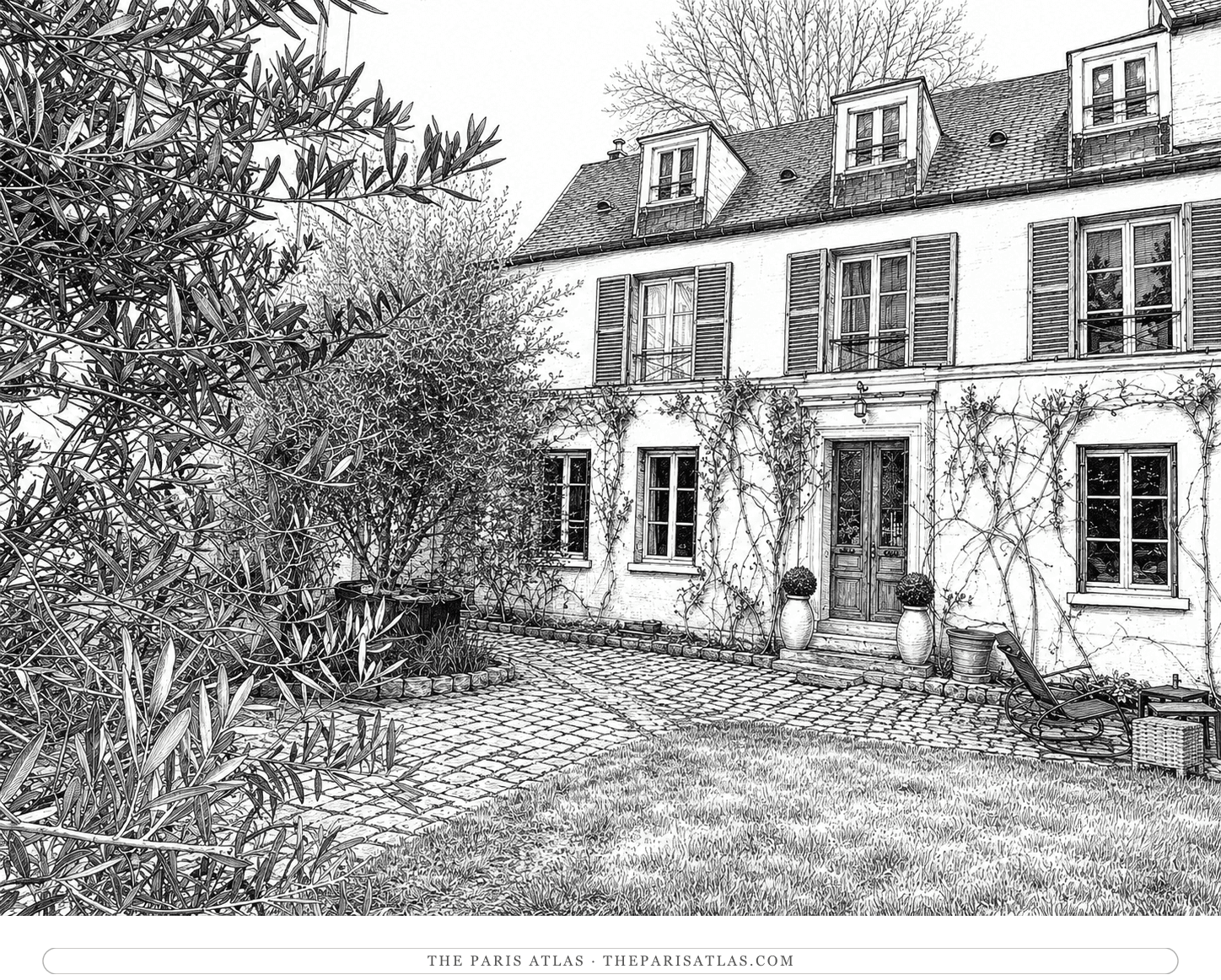
The opening description makes the house both a refuge and a surface for projection. A shutter installed merely for symmetry becomes the entrance to an imagined room; the imposing gate looks like a prison even though Nin knows she can leave. That qualification matters: the diary records a feeling and questions its explanation in the same passage. Beside the large gate, the smaller one seems almost invitingly open. These competing readings of one home make confinement an unsettled interpretation, not simply a fact of architecture.
Nin encounters Miller's prose before she meets him, so the first visit tests an image already formed through reading. His aggressive article and his praise for the delicacy of her Lawrence study suggest contrary temperaments; she imagines their meeting through vessels joined in an alchemical workshop. The metaphor allows both enrichment and danger. When the visitor proves warm and curious, he complicates the violence she associated with his writing. The friendship begins through this difference between a literary impression and a person who exceeds it.
Discusses
The diary records Nin shaping her experience of June Miller into the prose poem that became House of Incest.

Discusses
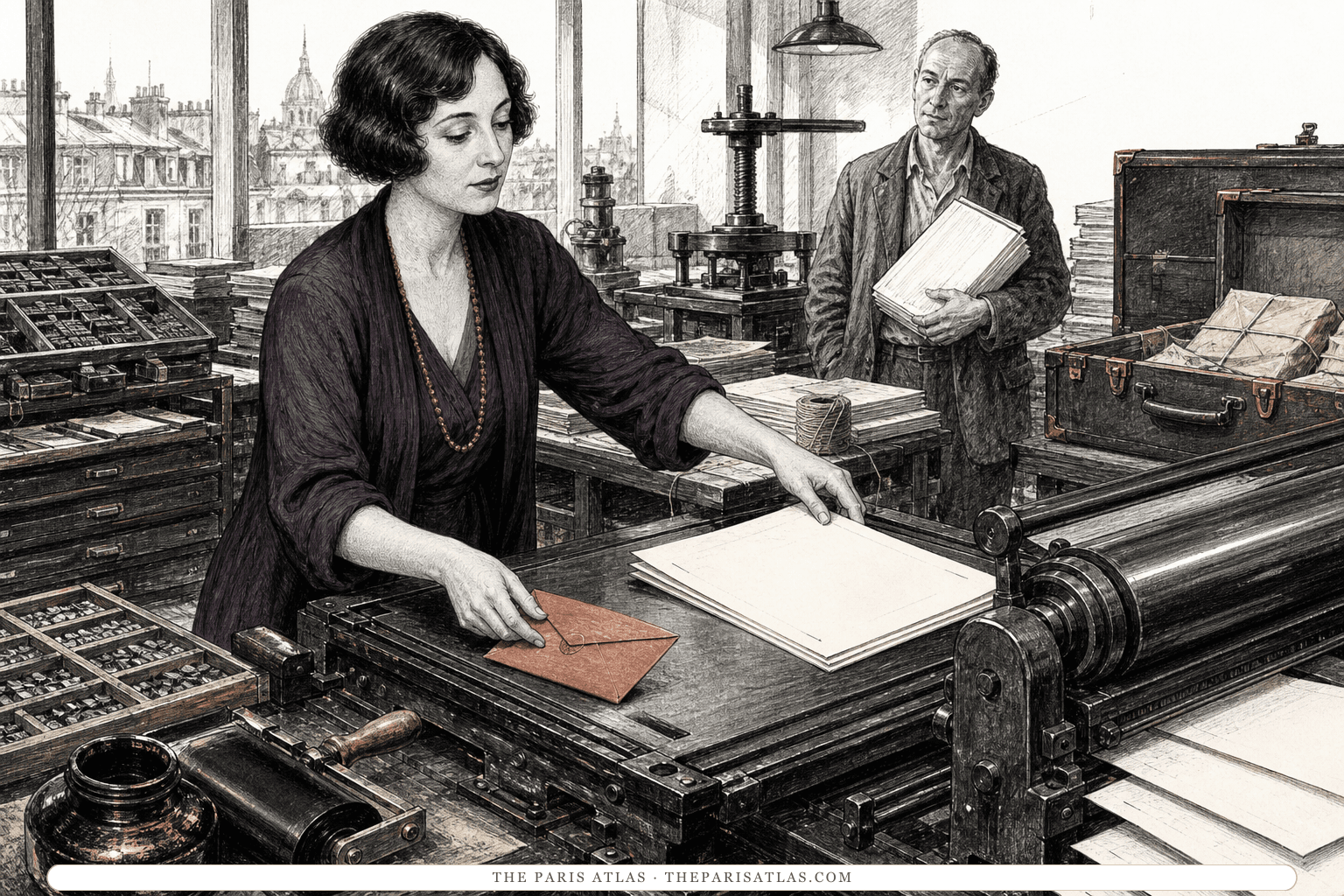
Nin records reading and typing Miller's manuscript, writing its preface, and helping finance the Paris printing that became Tropic of Cancer.
The same winters, dinners, and borrowed francs that Miller mythologized — recorded nightly by the person who paid for the printing.
Not memoir, not autofiction — the diary as a lifelong art form, argued for page by page until a generation agreed.
Miller and June, Artaud, Rank, the returning father — a portrait gallery of the thirties that no novel assembled under one roof.
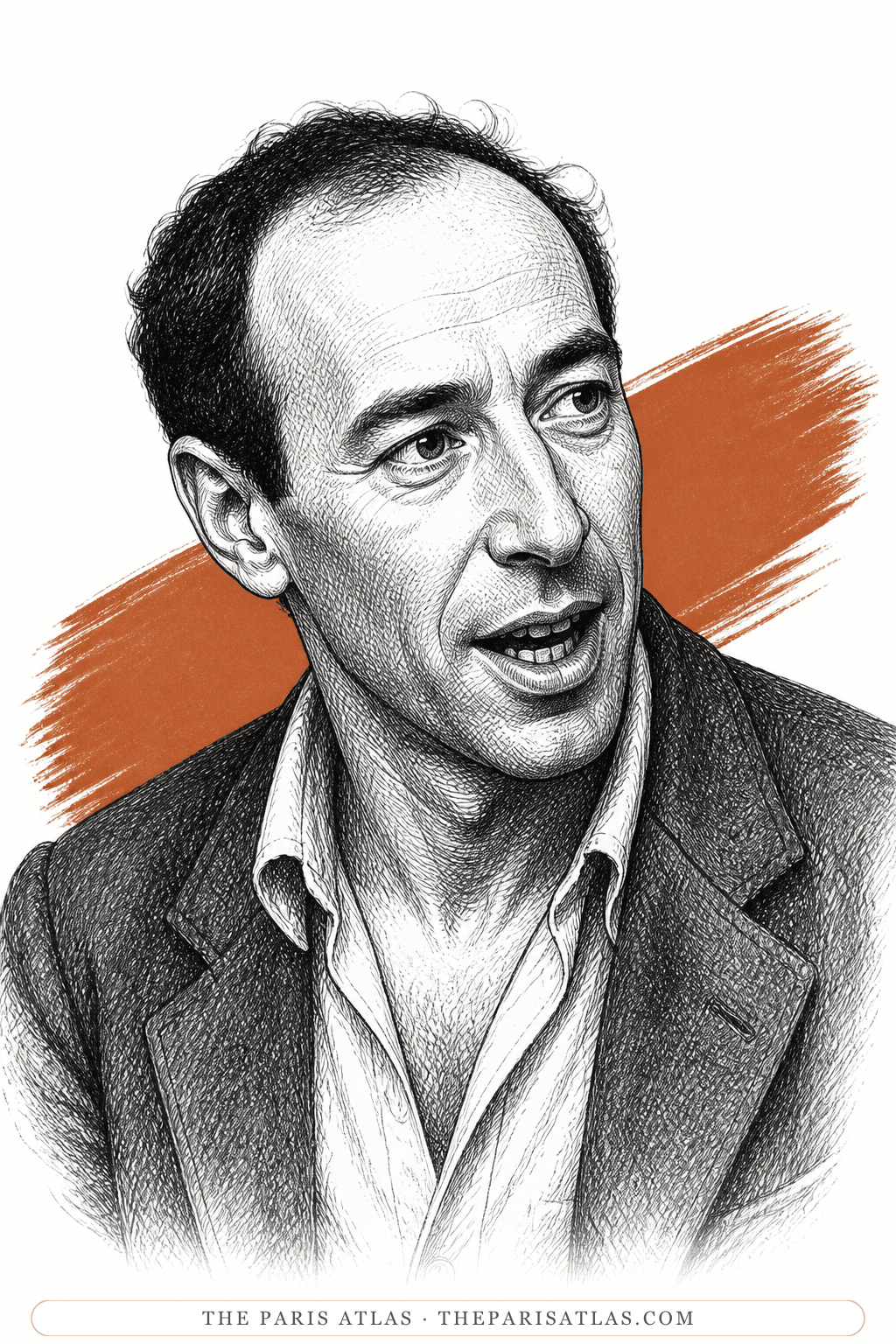
The American writer she met in the winter of 1931, when he was broke and unpublished. He appears in the diary more than anyone else — talking, borrowing, and writing the book that became Tropic of Cancer.
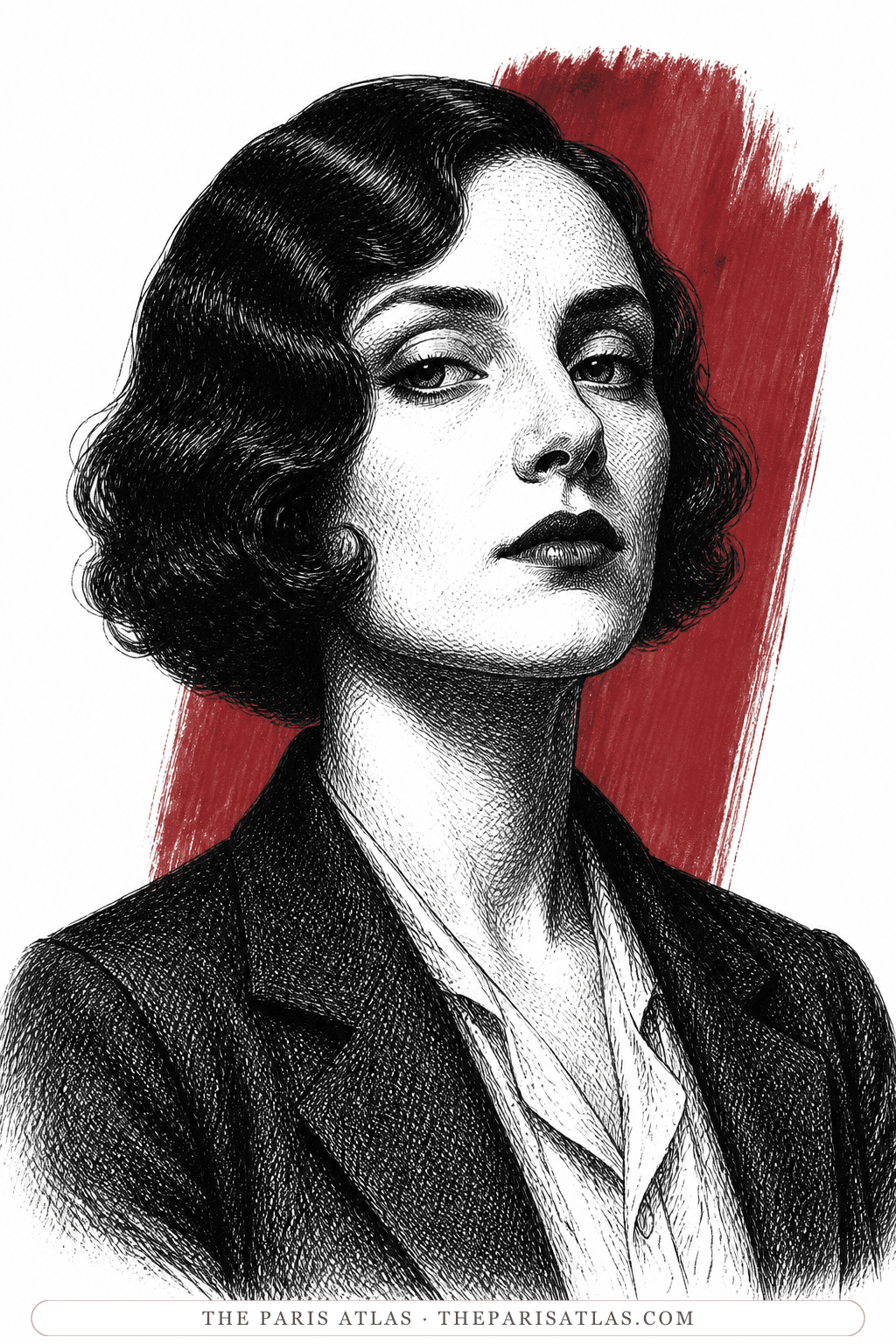
Henry Miller's wife, who crosses from New York and takes over the book. Nin's fascination with her runs a hundred pages and ends badly.

The French poet and theatre director she met in 1933. He wrote her letters for a year, then accused her of never having loved him.
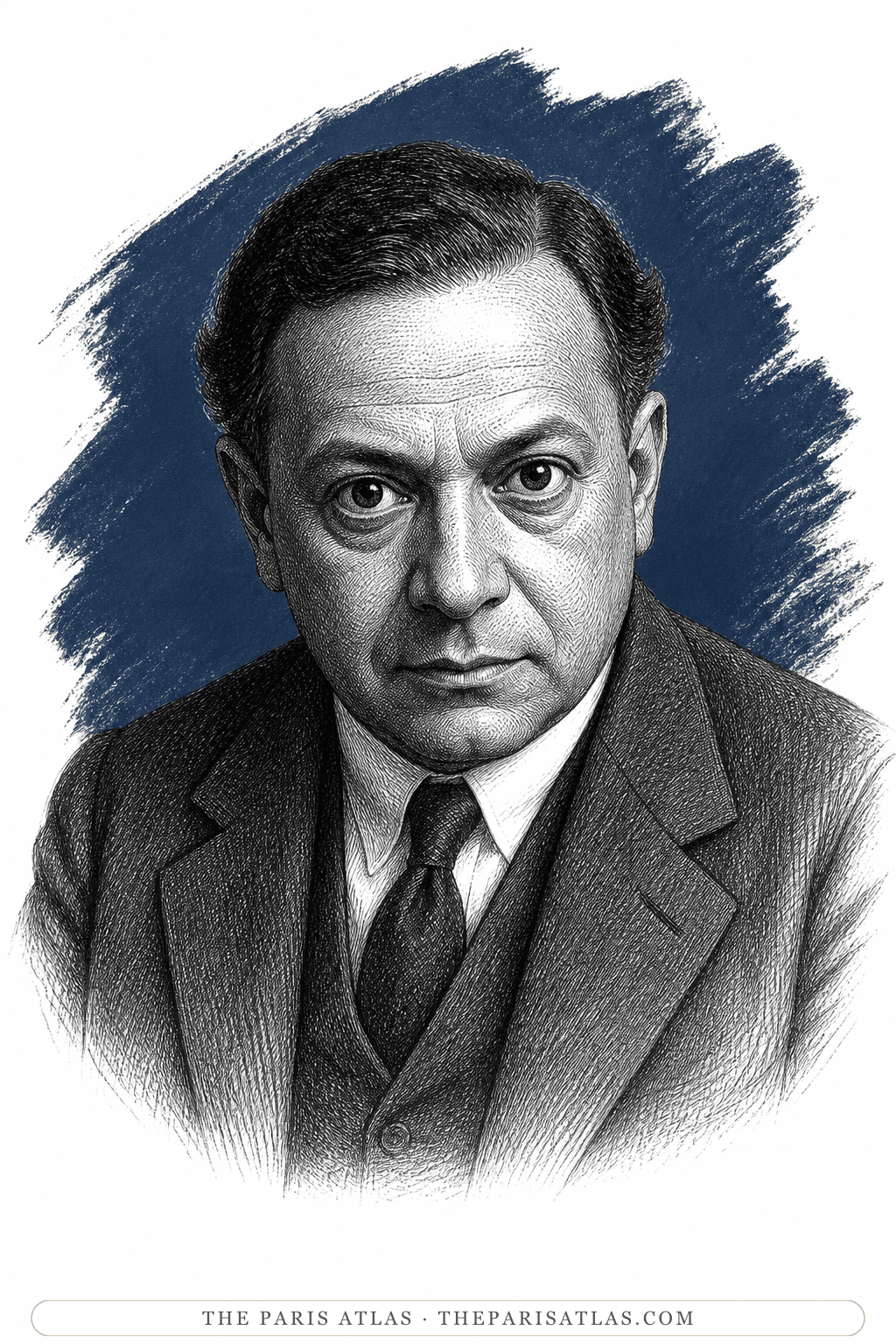
The Viennese psychoanalyst who had been Freud's closest collaborator and then broke with him. He analysed Nin in 1933 and 1934, and she followed him to New York.
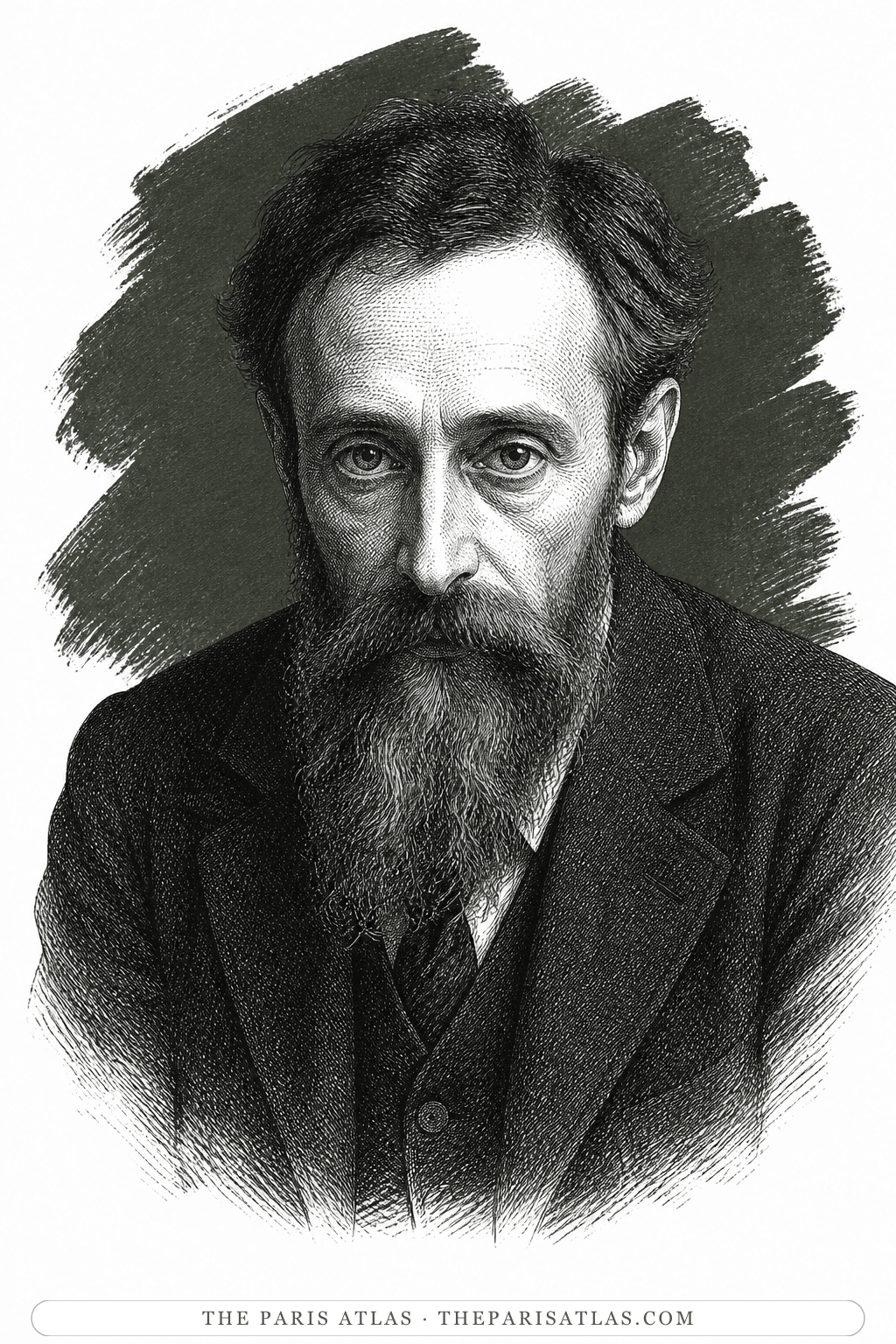
Her first analyst, a Paris doctor who also wrote on astrology and alchemy. He treated her for a year and then stopped being able to stay objective about her.
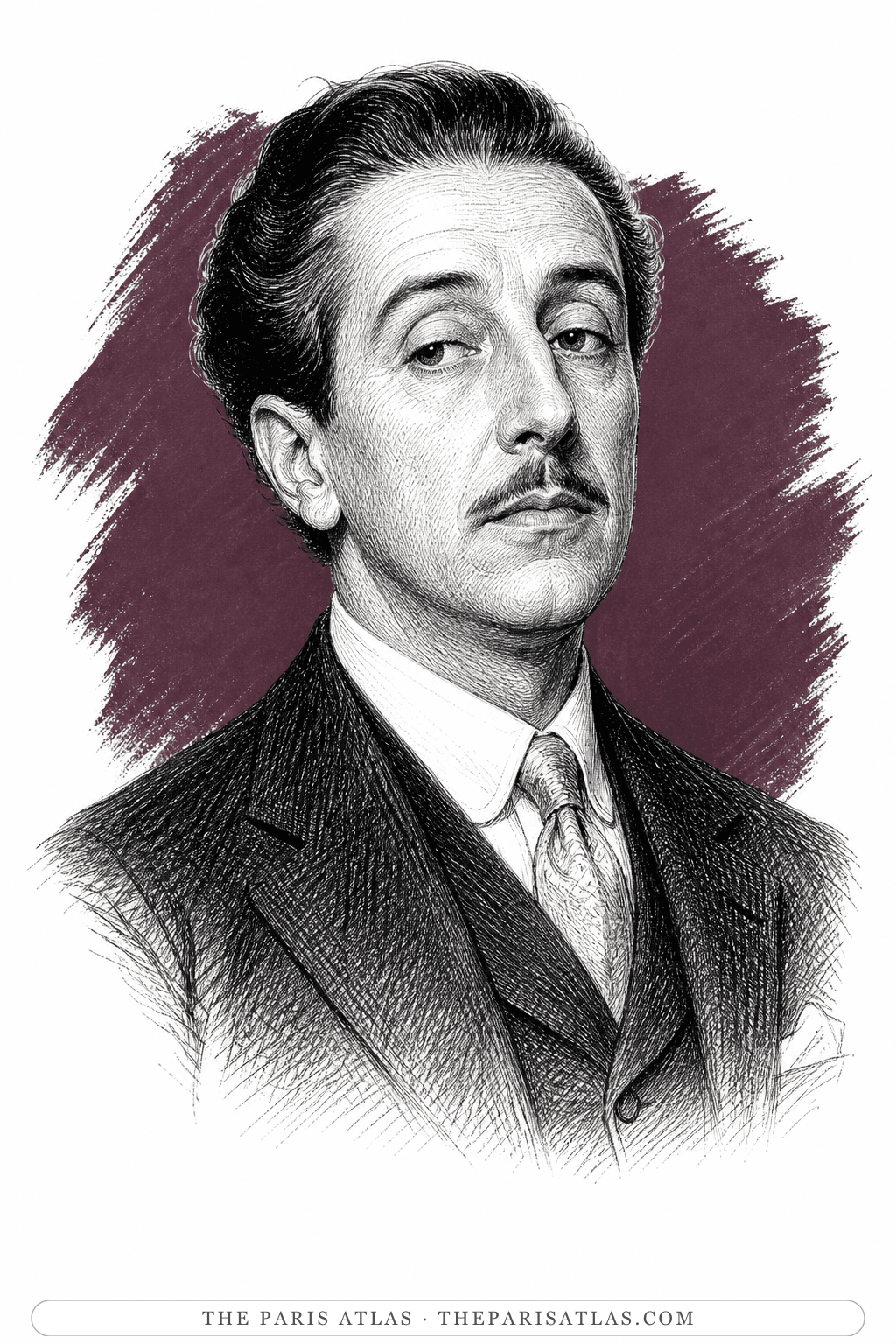
Her father, a Spanish composer and concert pianist, who left the family when she was a child. He comes back in 1933, and the reunion runs through the second half of the book.
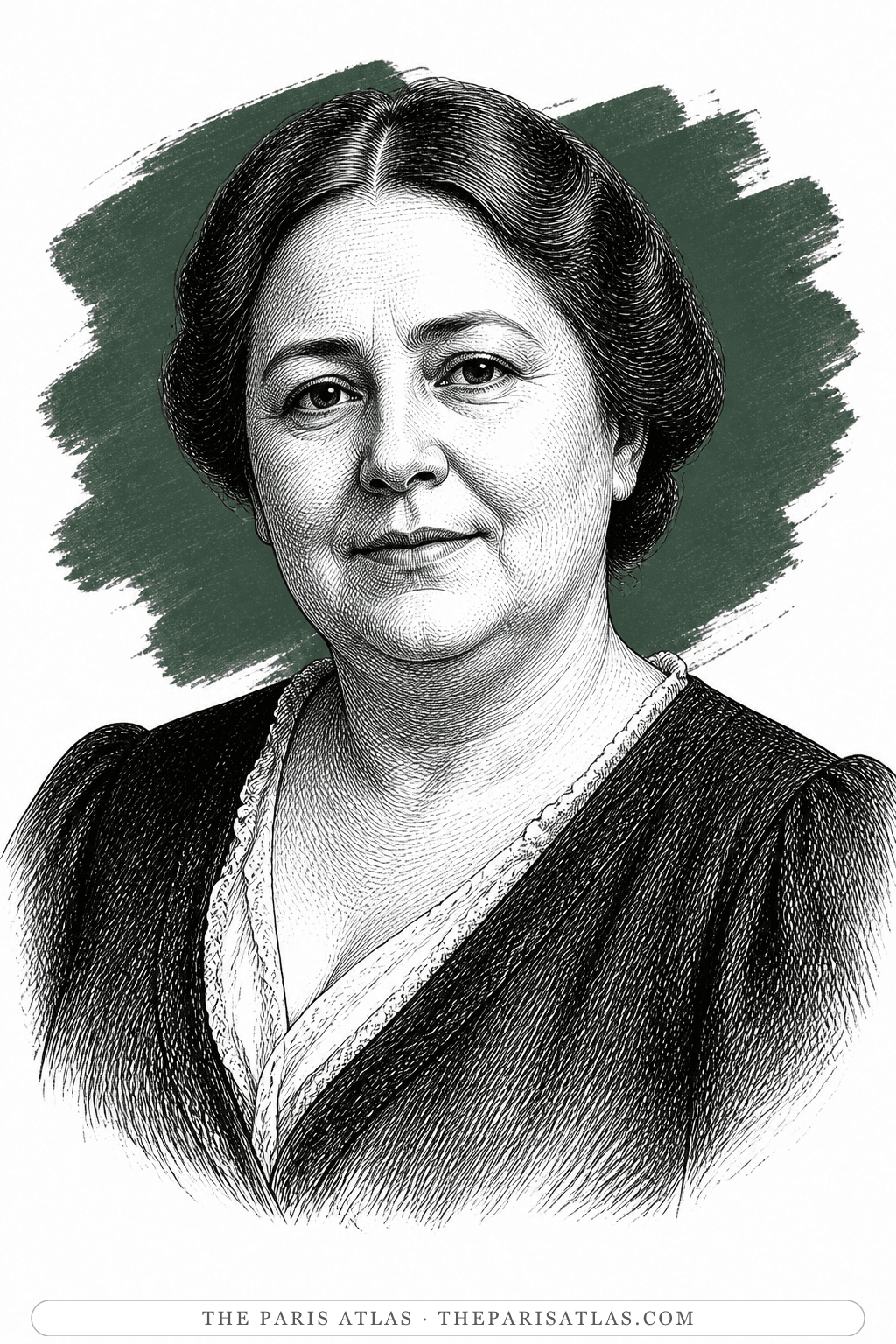
Her mother, who raised the three children alone after her husband left, and who is living in the Louveciennes house all through the diary.
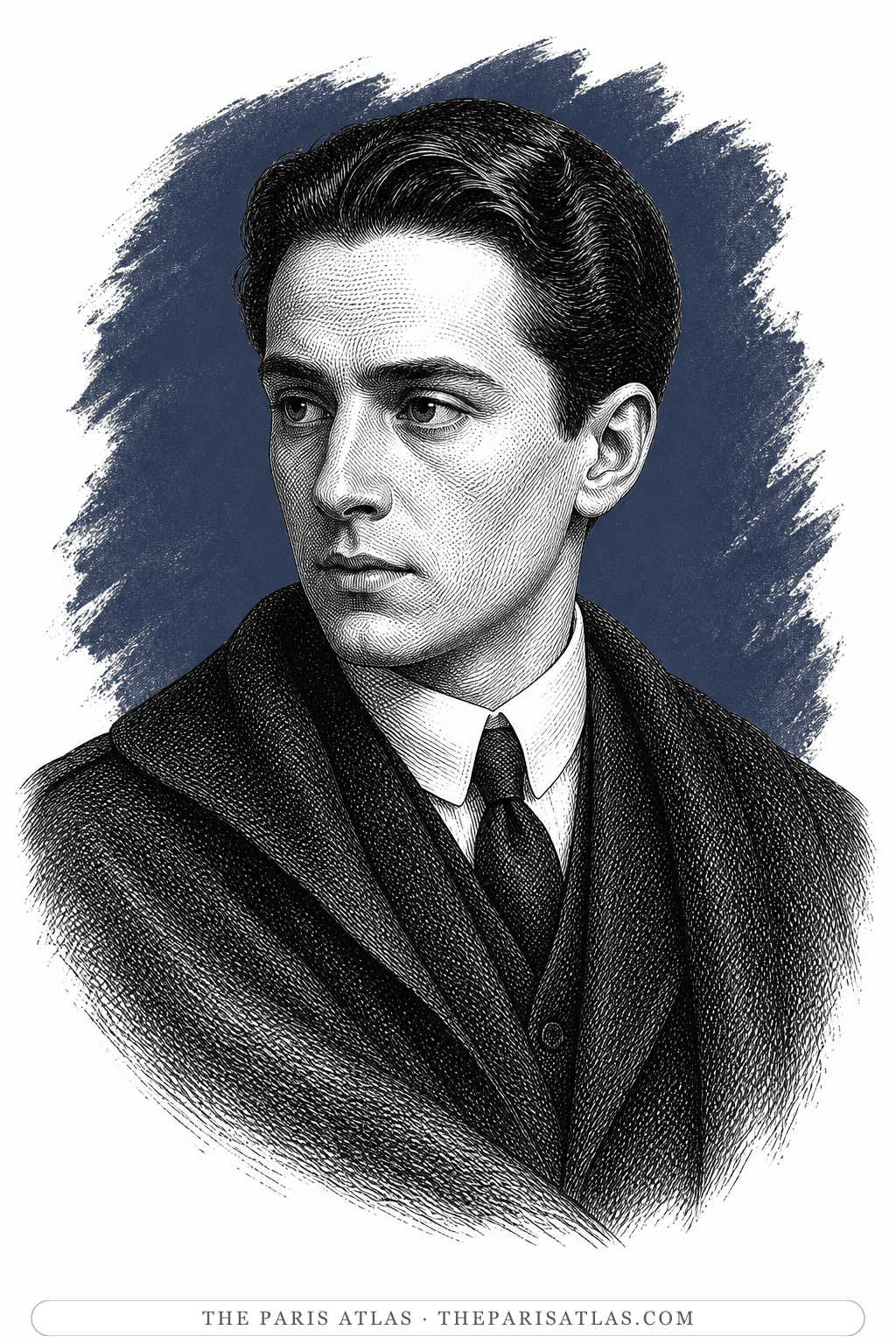
Her younger brother, a pianist and composer living in the same house. He disapproves of Henry Miller and refuses to meet their father.

The Austrian journalist who shared the Clichy flat with Henry Miller. Nin calls him Fred, and he is the gentlest person in the book.
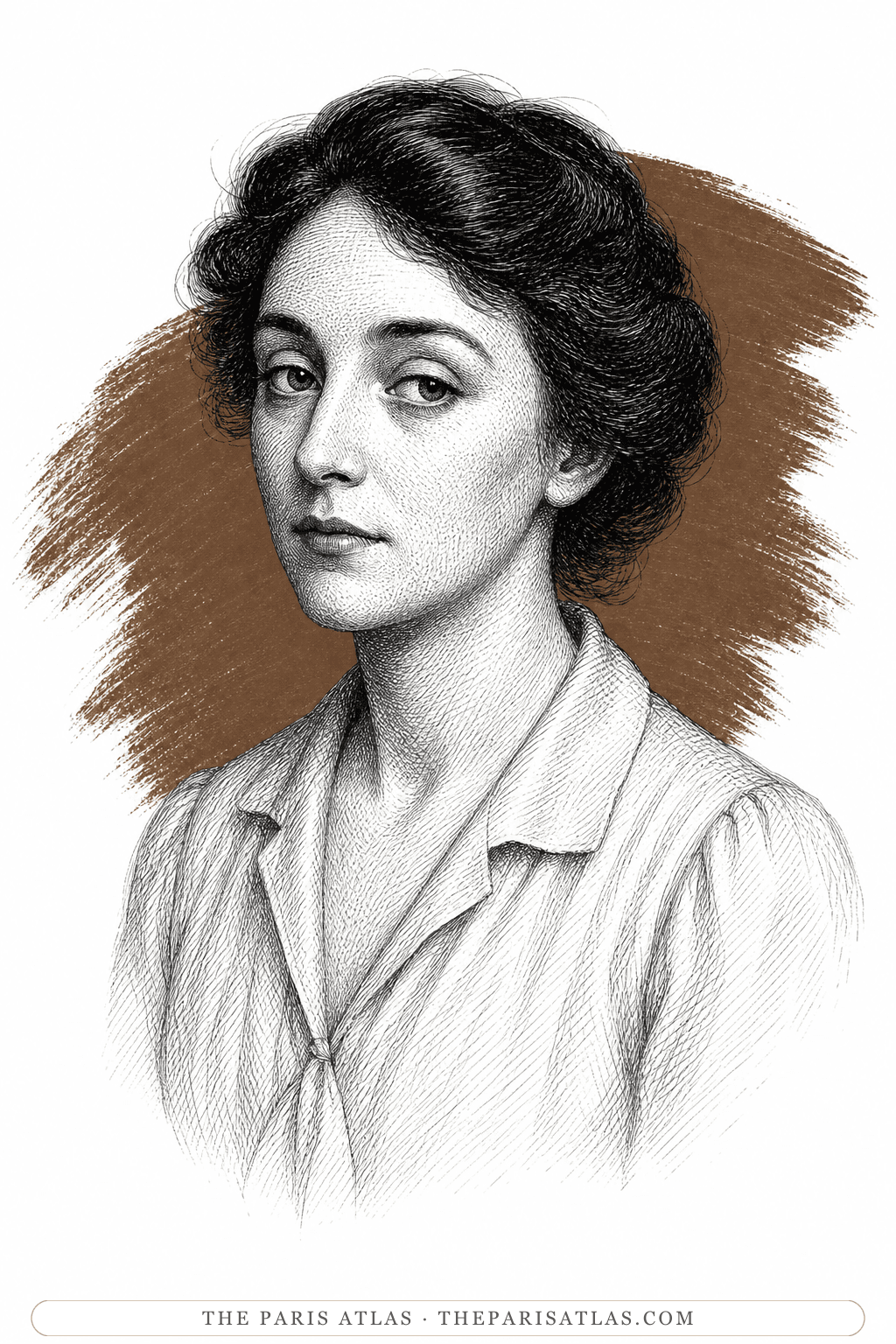
The young translator who typed the diary in the garden at Louveciennes, and who sent Nin to the analyst René Allendy.
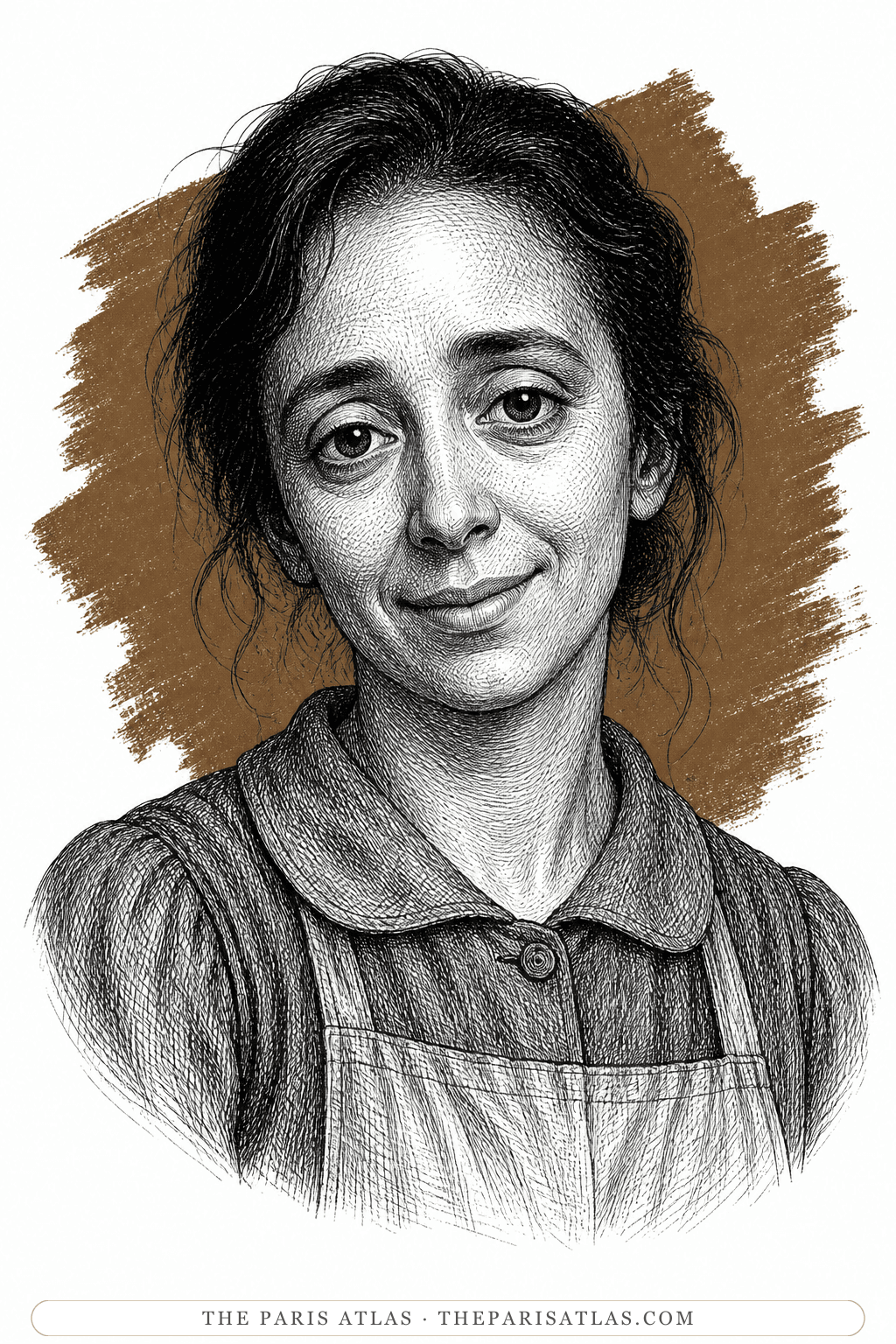
The Spanish maid at Louveciennes. She opens the gate for almost everyone who arrives in this book.
Nin paid for Tropic of Cancer with six hundred dollars borrowed from her psychoanalyst, then wrote its preface. The affair is the part everyone knows. The money is the part that got the book printed.
1914
Nin begins the diary as an unsent letter to the father who had left the family.
1931–1934
The years of the first published volume: Miller and June, Antonin Artaud, the analyst Otto Rank, and her father's return, recorded at Louveciennes and in Paris.
1966
Harcourt, Brace & World publishes the first volume, edited by Gunther Stuhlmann with her husband edited out at his own request, and it makes Nin famous at sixty-three.

The book being written, funded, and prefaced inside these very entries.
Read our takeAnaïs Nin. This first published volume appeared in 1966, drawn from a diary she had kept since 1914.
Paris and Louveciennes from 1931 to 1934 — Henry Miller arriving poor and volcanic, his wife June, Antonin Artaud, the analyst Otto Rank, and the strange return of Nin's long-lost father. A self-portrait painted in real time.
Yes. It is the first published volume and the essential one, covering the early-1930s Paris years at the center of her story.
For sixty years, from 1914 until her death — the great continuous self-portrait of the century, and the trunk from which her other writing was cut.
The published Diary left out the erotic center of these years. That fuller, franker account of Nin's entanglement with Miller and June appeared later, drawn from the uncut journals, as Henry & June (1986).
Explore authors with a similar voice, perspective, and influence.

The entangled careers of the Villa Seurat: she financed and prefaced his scandal, he detonated her prose — and each wrote the other into the century's record.
View author
The doctor of the Paris slums who wrote the century's blackest, funniest novel — and changed the sound of French prose.
View author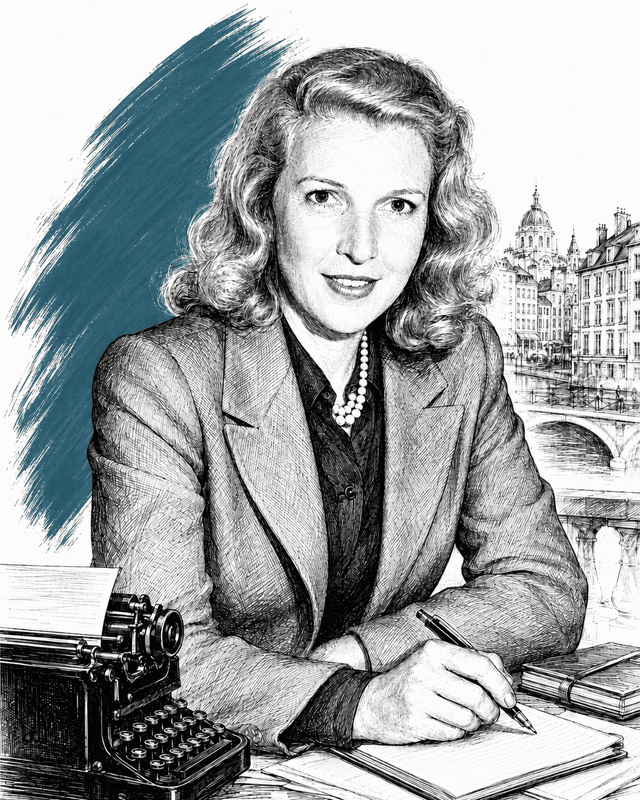
War correspondent who covered the Spanish Civil War, D-Day, and conflicts across five more decades; Hemingway's third wife, 1940–1945.
View authorThe sources below include the primary text, editions, scholarship, archival materials, and other records that informed this page. They document The Diary of Anaïs Nin, 1931–1934, its publication, and its place in literary history.

Used to place The Diary of Anaïs Nin, 1931–1934 within Anaïs Nin's published work and verify its bibliographic context.

Used for independent biographical, archival, or historical context surrounding Anaïs Nin's career and the period in which The Diary of Anaïs Nin, 1931–1934 appeared.
Used to cross-check authorship, chronology, and the work's place in Anaïs Nin's wider catalogue.
Used to verify Anaïs Nin's bibliography and place The Diary of Anaïs Nin, 1931–1934 within the broader chronology of Anaïs Nin's career.
Uses the opening Winter, 1931–1932 passages on the house and Miller's first visit in the public preview. No later scene, complete-volume or manuscript collation is newly claimed.
The primary text is the baseline reference for every book page. Additional references document publication history, interpretation, and historical context where that evidence is available.
 Explore more resources