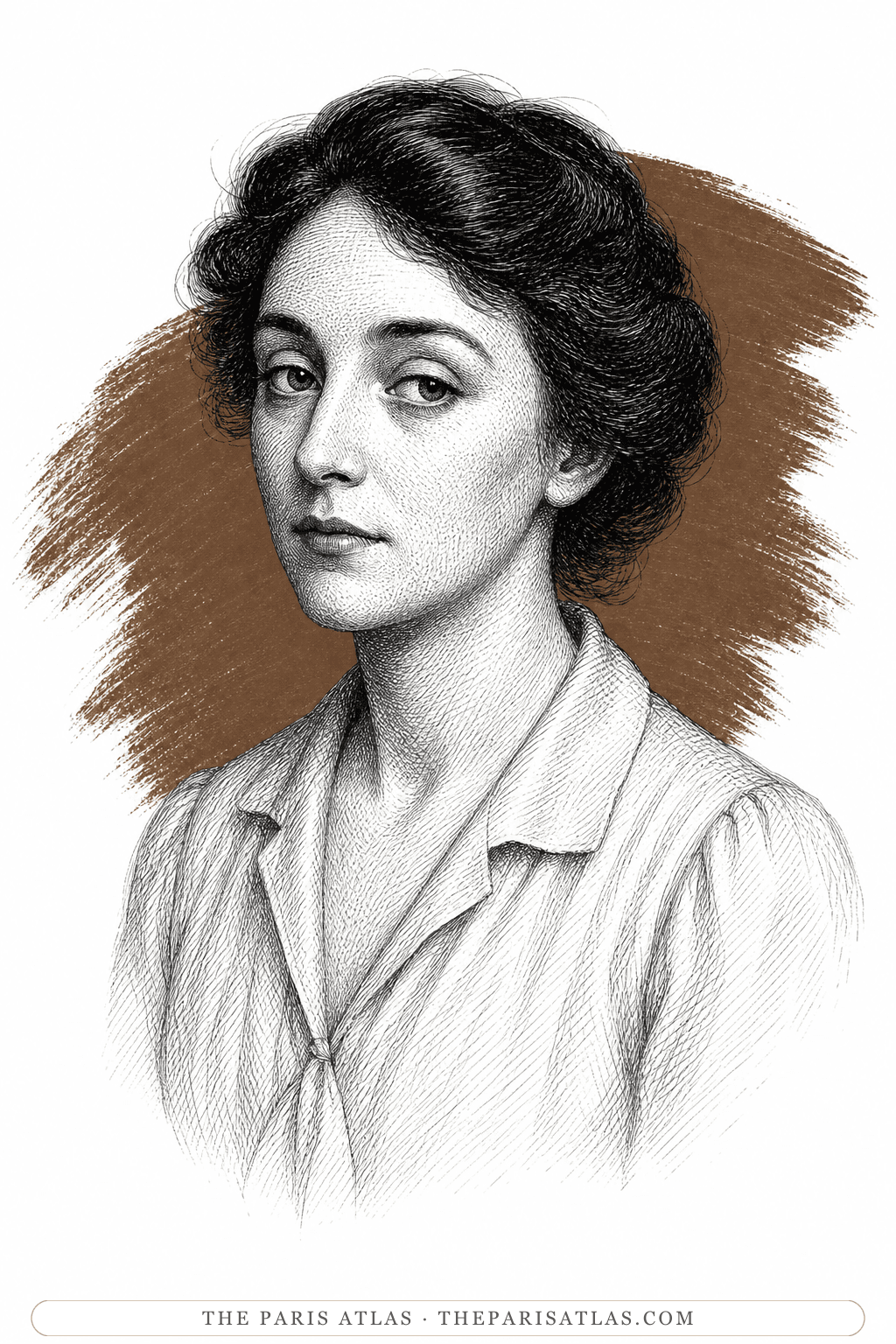
Marguerite S.
The young translator who typed the diary in the garden at Louveciennes, and who sent Nin to the analyst René Allendy.
The book

At a glance
- 'Marguerite S.' — a translator, hired to type the diary; the surname is withheld
- From 1932 to the end, in the Louveciennes chapters
- Copies the diary, and later keeps house and company during her illness
Who they are in the book
Spoiler-freeThe diary gives her name as Marguerite S. and never fills in the surname. She was a young woman who made a living translating from English, the daughter of a writer, and Nin met her at a neighbour's house in 1932. She was hired to type the diary, because Nin could never catch up with the copying herself, and the two of them sat in the garden and talked afterwards.
She matters to the volume for two reasons. She was already being analysed by the doctor René Allendy, and it was she who kept pressing Nin to go and see him, which sets off a third of the book. And she is the one who later told Nin, in her own words and at length, what happened when she tried to end her own affair with him.
How Marguerite S. Is Portrayed
- How she entersMet at the house of a neighbour, Madame Pierre Chareau; a dark-haired translator, well read, whose father is a writer. She is taken on to copy the diary (page 81).
- Her own storyA father who directed a provincial college and demanded perfection, a mother he had subdued completely, and a fear of love and marriage she is trying to live down on her own. She does research in libraries that she will not discuss (page 97).
- The referralShe goes to Allendy once a week, Nin can see the change in her, and she keeps trying to persuade Nin to go too, reminding her of the breakdown she had in New York (pages 81–82).
- The line about NinAfter a long café speech of Nin's on destiny and character, Marguerite adds quietly that she gives you a neat pattern and then slips out of it herself and laughs at you (page 134).
- The afternoon she describesA hotel room in Pompadour blue, a whip taken out of a pocket, and a threat she recognised from the cheap books sold on the quays, which made her laugh out loud. She tells Nin she only ever wanted the flagellations of real passion (pages 204–205).
If you like The Diary of Anaïs Nin, 1931–1934


If you like Anaïs Nin
Explore authors with a similar voice, perspective, and influence.

Henry Miller
The entangled careers of the Villa Seurat: she financed and prefaced his scandal, he detonated her prose — and each wrote the other into the century's record.
View author
Louis-Ferdinand Céline
The doctor of the Paris slums who wrote the century's blackest, funniest novel — and changed the sound of French prose.
View author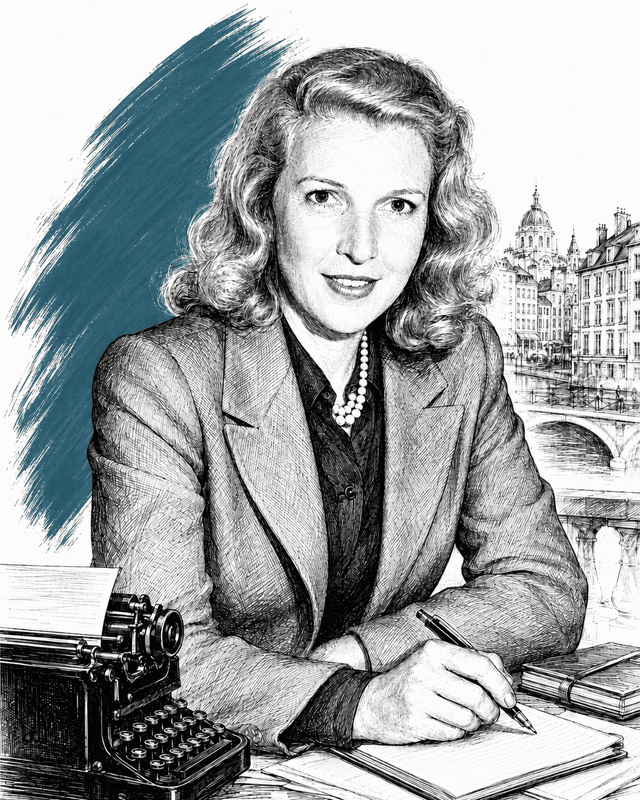
Martha Gellhorn
War correspondent who covered the Spanish Civil War, D-Day, and conflicts across five more decades; Hemingway's third wife, 1940–1945.
View author