
Discussed in
Inside the Whale and Other Essays
Orwell recalls initially judging Black Spring weaker than Tropic of Cancer, then finding that its atmosphere and details remained in his memory too.

by Henry Miller
Ten hallucinatory riffs between Brooklyn's 14th Ward and the Paris streets — Miller at his most purely musical.
Less a narrative than a set of prose arias, Black Spring swings between a Brooklyn boyhood among tailors and saloons and the Paris present of the writing desk — with detours through dreams, Dijon, and a defense of the water closet as literature's true home. It is the Miller book critics most often call his best-written: the scandal quieter, the sentences louder.
Between the two Tropics, Miller wrote his tenderest book. Black Spring (Obelisk Press, 1936, dedicated to Anaïs Nin) drops the Paris present for ten self-standing pieces, half of them time machines: back to the Fourteenth Ward of Brooklyn where he was a boy among tailors, undertakers, and street heroes, before America — as he saw it — went wrong.[1]
It is also his most experimental book: surrealist riffs, a tour of his method ('The Angel Is My Watermark' watches him make a watercolor, step by deranged step), dream sequences, rants that turn into arias. The sex that made Cancer infamous largely sits this one out, which lets the other Miller — the remembering, grieving, hymn-writing one — hold the page alone.[1]
Like its siblings it was banned in the English-speaking world for decades, reaching American readers legally only in 1963 via Grove Press, after Cancer had broken the dam. Connoisseurs regularly name it his best writing sentence for sentence; Miller himself often agreed. The Brooklyn elegies are the proof that the scandalous expatriate was, underneath, a homesick lyric poet.[1]
Ten self-contained pieces, and the tenderest door into Miller. The anchor is memory: 'The Fourteenth Ward' returns to the Brooklyn streets where he was a boy among tailors, veterans, and neighborhood gods, written with an ache that surprises readers who arrive expecting only scandal. Around the Brooklyn elegies the book ranges freely — a day in the life of a Paris street, a burlesque of French plumbing, a tour through the tailor shop of his father's failing trade.[1]
The experimental pieces are the wildest writing he ever published: 'The Angel Is My Watermark' documents, step by step, the deranged creation of a watercolor; dream sequences slide into surrealist free-fall; rants become arias and come back. There is no plot to spoil — the book is a sequence of performances — and connoisseurs of Miller routinely name it his best, the one where the memoirist, the comedian, and the visionary all hold the stage at once.[1]
Miller replaces the usual scale of greatness with the scale of a child's neighborhood: Eddie Carney matters more than Napoleon, and Johnny Paul outdoes the adventures of famous books. The comparison makes memory an argument about value. A later job as a truck driver cannot cancel the grandeur Johnny possessed in childhood. Yet these supposedly unliterary heroes are described through epic and romance. The narrator's rejection of literature depends on literary language to give ordinary street life the importance that official history denies it.
The watercolor episode makes artistic confidence coexist with repeated failure. In her interview about adapting the story, Barbara Beisinghoff draws attention to Miller washing away excess paint and finding a way forward through the damage. The accompanying passage joins mistakes and hesitation to certainty, refusing to make them opposites. Read this way, the apparent chaos at the painting table is not merely comic scenery. The story lets us follow a process of revision that a finished picture conceals, making the artist's willingness to continue more important than an error-free beginning.
Discussed in
Orwell recalls initially judging Black Spring weaker than Tropic of Cancer, then finding that its atmosphere and details remained in his memory too.

Discussed in
Nin records reading Miller's work and filling out subscription forms for Black Spring as their circle tried to build an audience for the book.
The opening Brooklyn chapter is the tenderest thing Miller ever wrote — immigrant streets recalled with a love that makes the later rage legible.
Freed from even Cancer's loose diary shape, the sentences go where they want — surrealist catalogs, dream sequences, sudden aphorisms. This is the book to read aloud.
Between Cancer's Paris present and Capricorn's New York past, Black Spring is the span — and the clearest view of what Miller was actually building across the trilogy.
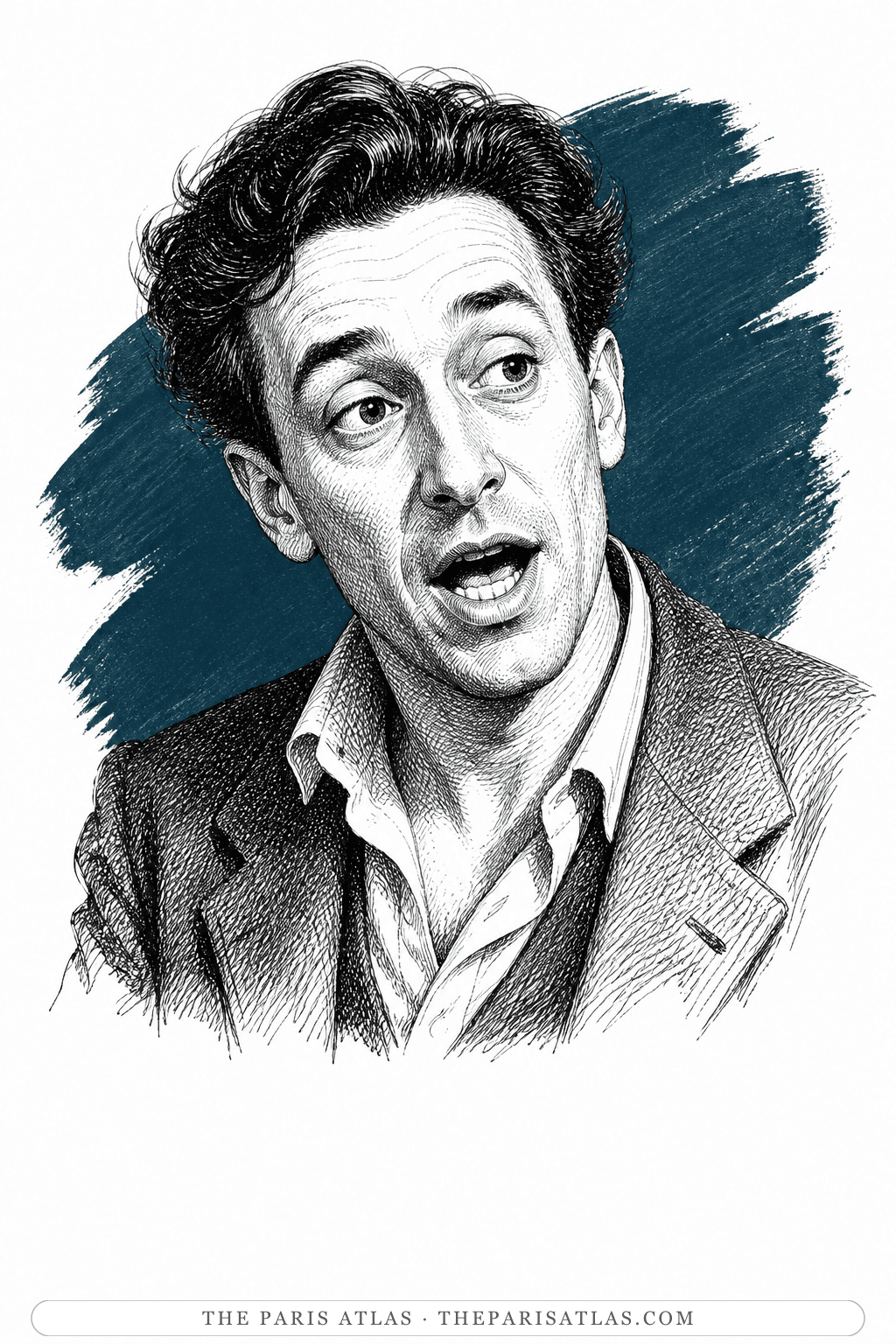
An American poet in Paris who pays for the household by letting apartments to strangers. He hosts the long, drunken dinner that fills the piece named after him, and he talks through all of it.
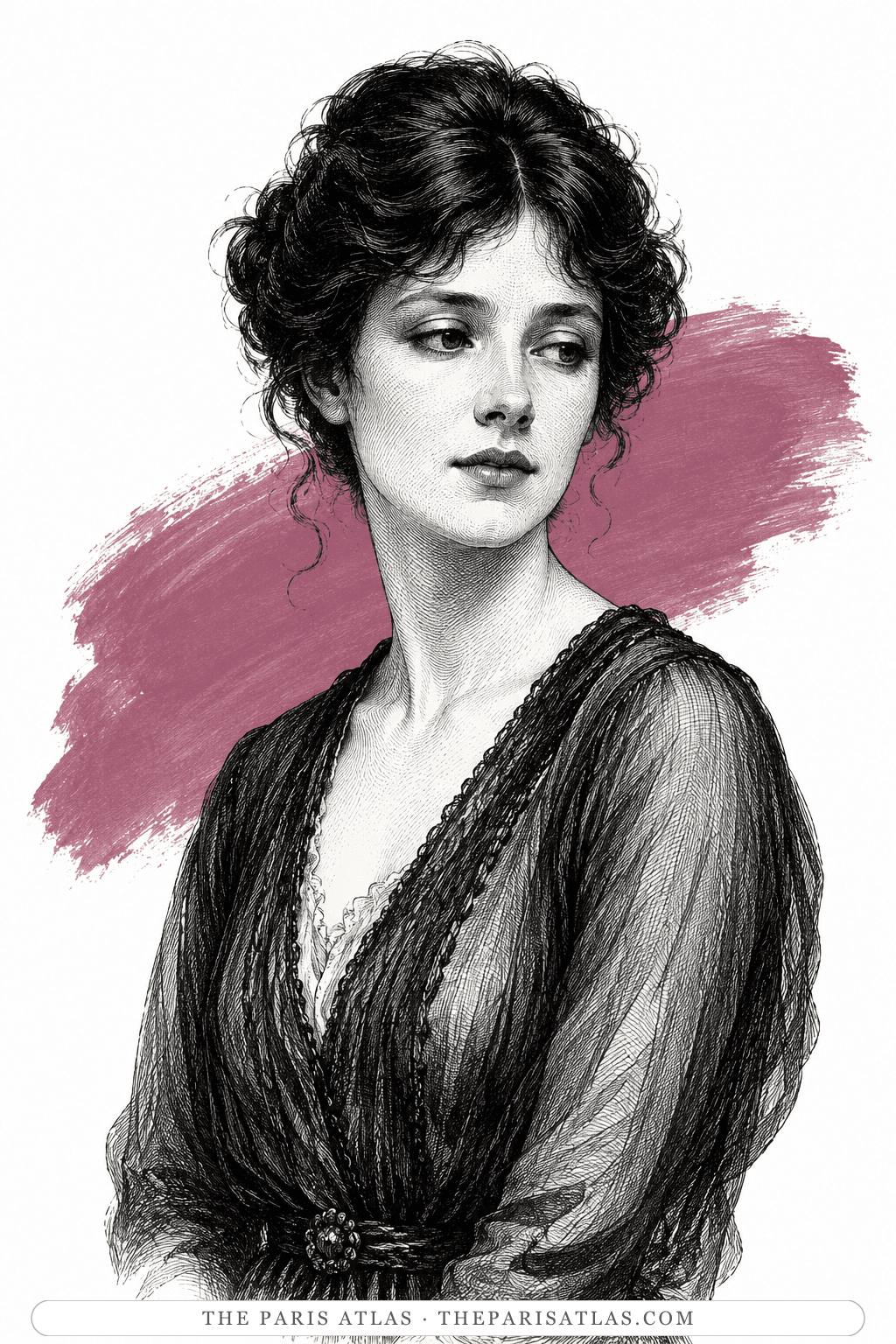
Jabberwhorl Cronstadt's wife, who runs the dinner, counts her husband's drinks and supplies the words he cannot remember. She is expecting a child, which he mentions in passing.
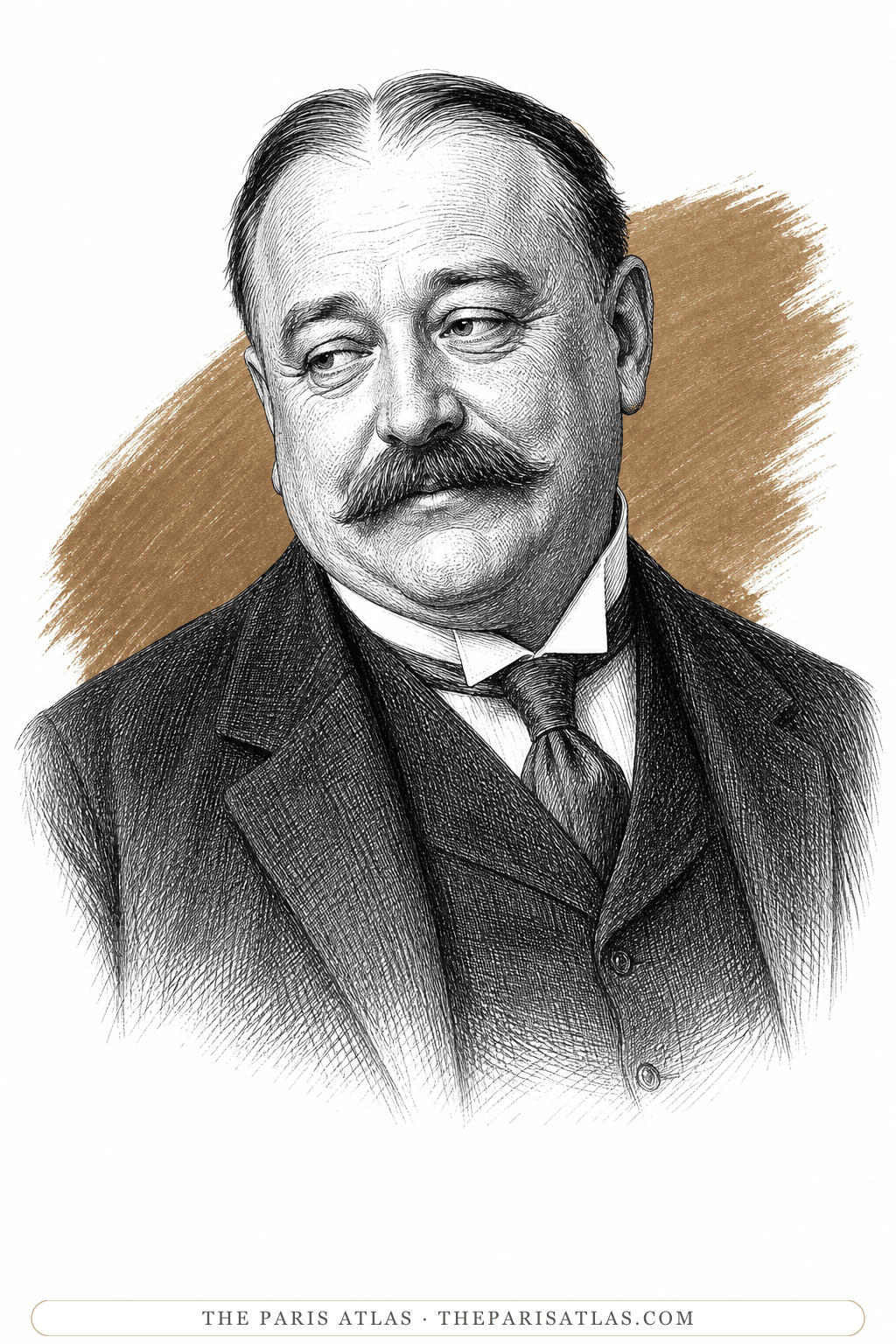
A New York merchant tailor, called "the old man" on nearly every page. He drinks with his customers, cannot collect his bills, and employs his son in the shop. Miller's own father.
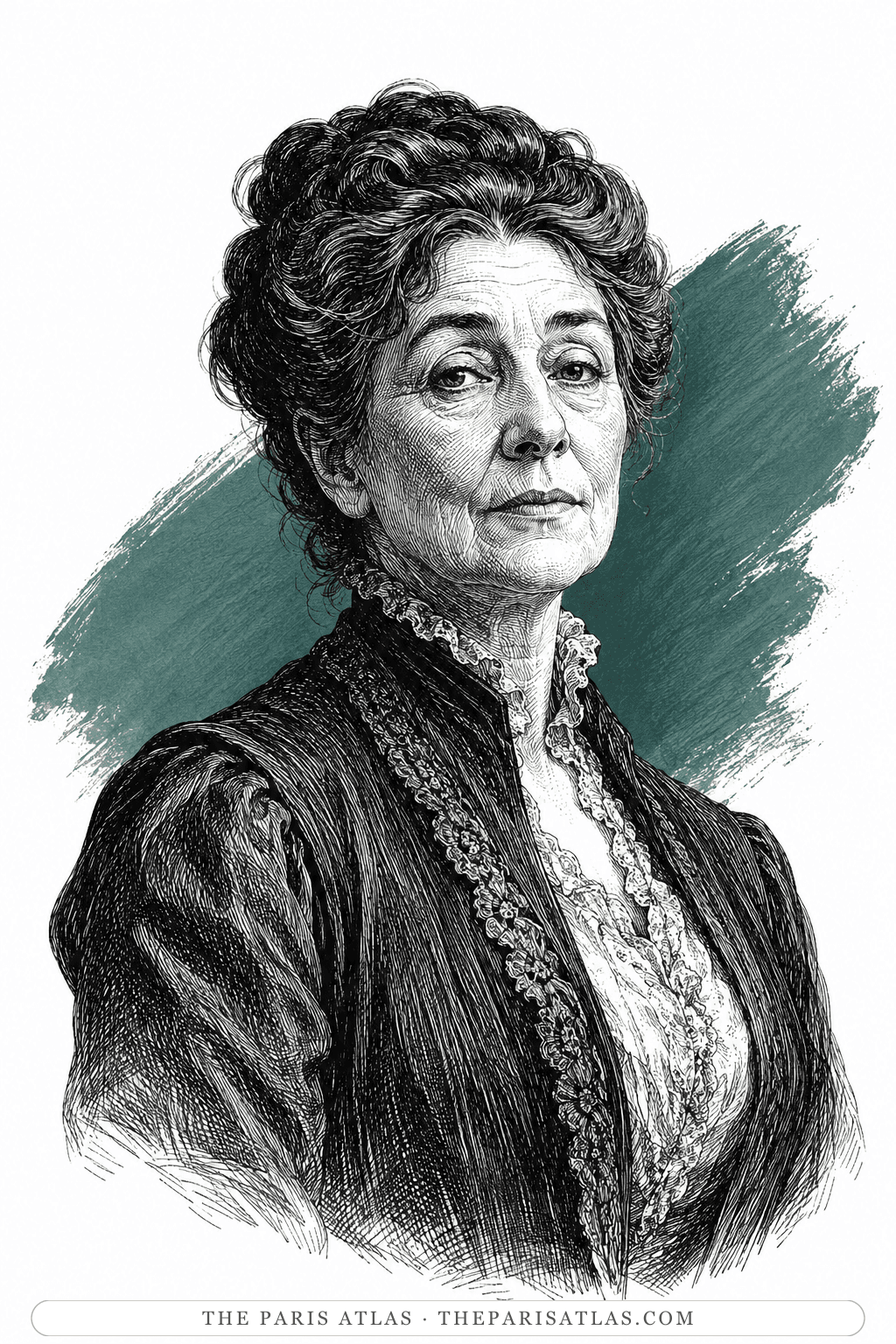
An aunt in the narrator's German-American family in Brooklyn. She loses her mind over the course of the book and ends in a state asylum. "Tante" is German for aunt.

A woollen salesman and the old man's drinking companion, forever in the back of the tailor shop having the stains taken out of his trousers.
1936
The Obelisk Press publishes it in Paris, dedicated to Anaïs Nin, as ten prose pieces set between the two Tropics.
1947
Into the Night Life reworks text from Black Spring as an artist’s book made with Bezalel Schatz.
1963
Grove Press brings it to American readers, after Tropic of Cancer had broken the dam.


The successor, which drops back into the New York these chapters remember.
Read our take
Céline's childhood book, published the same year — the two talk to each other shelf to shelf.
Read our take
The other kitchen-sink modernist experiment: everything the author ever thought, in one form.
Read our takeHenry Miller. It was published in Paris in 1936, between his two Tropics.
Less a narrative than a set of prose arias, it swings between a Brooklyn boyhood among tailors and saloons and the Paris present of the writing desk, with detours through dreams and Dijon.
It sits between Tropic of Cancer and Tropic of Capricorn and is the Miller book critics most often call his best-written — the scandal quieter, the sentences louder.
Anaïs Nin, Miller's champion and companion through the Paris years.
In Paris, by the Obelisk Press, in 1936 — the same house that had published Tropic of Cancer.
Explore authors with a similar voice, perspective, and influence.
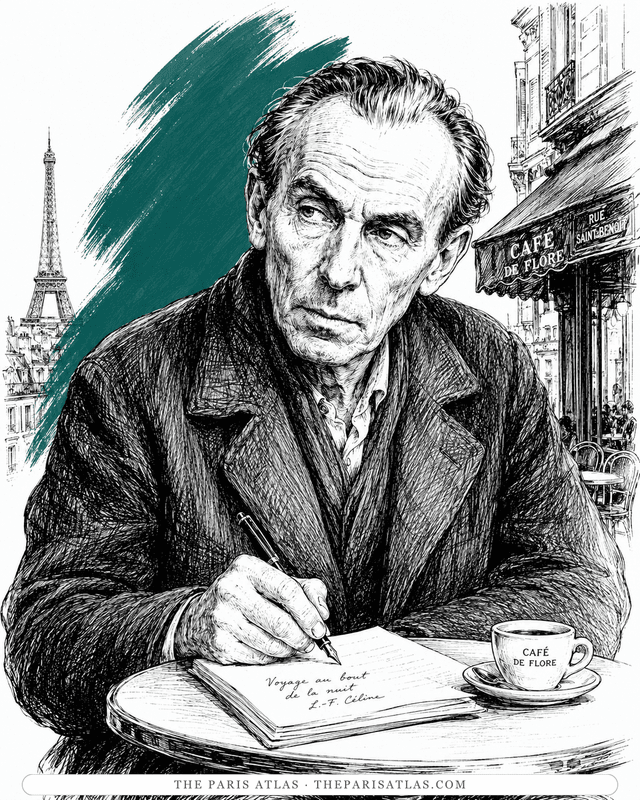
Miller's acknowledged master at making literature out of the gutter. Journey gave him permission; Cancer is what he did with it.
View author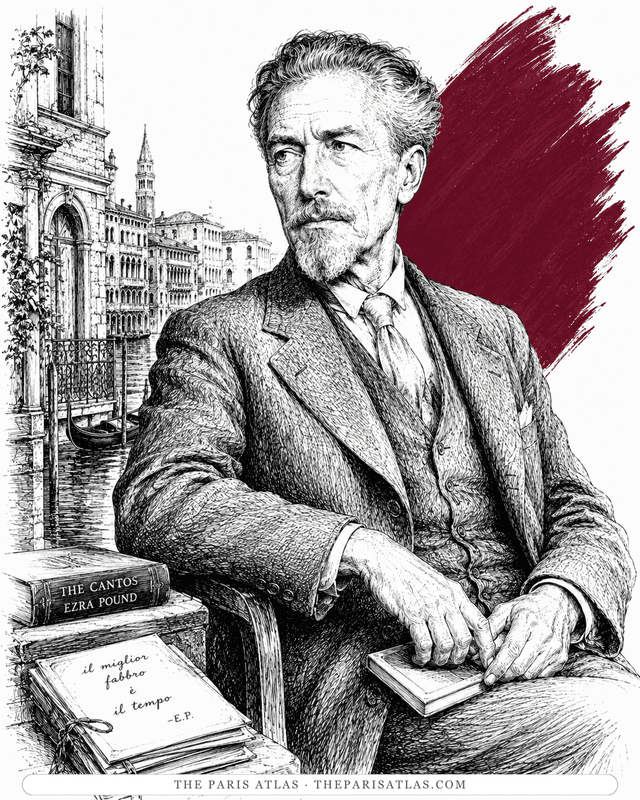
Pound read Cancer and sent Miller a famously backhanded postcard. Both believed literature's job was to wake the reader by any means necessary.
View author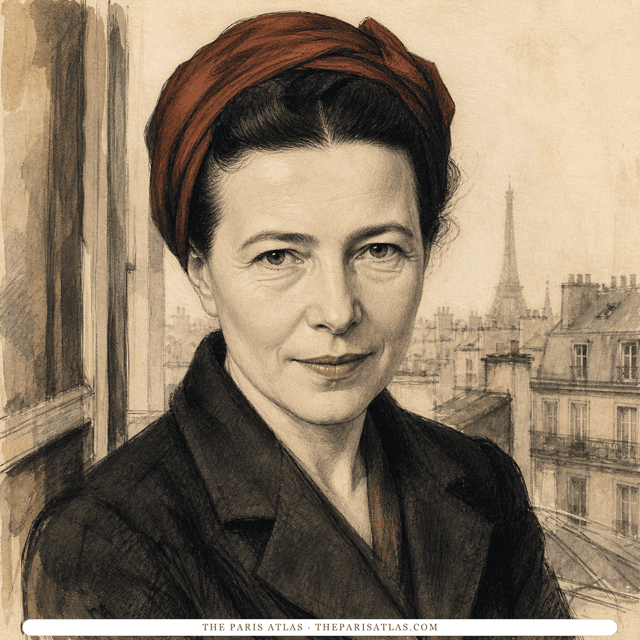
French writer and philosopher whose novels, memoirs, and social analysis examined freedom, gender, responsibility, aging, and the material conditions that shape a life.
View authorThe sources below include the primary text, editions, scholarship, archival materials, and other records that informed this page. They document Black Spring, its publication, and its place in literary history.


Biographical evidence used to verify chronology, relationships, and historical context connected to Black Spring.
Biographical evidence used to verify chronology, relationships, and historical context connected to Black Spring.
Robert Ferguson's biography supplies independent context for Miller's Paris years and the making of Black Spring.

The scholarly essay collection places the book's form and autobiographical method within Miller's larger body of work.
For the neighborhood-heroes analysis of the opening of The Fourteenth Ward, as publicly excerpted by Grove.
For the watercolor analysis, limited to the opening Miller quotation and Beisinghoff's account of mistakes and revision; not a complete-text collation.
The primary text is the baseline reference for every book page. Additional references document publication history, interpretation, and historical context where that evidence is available.
 Explore more resources