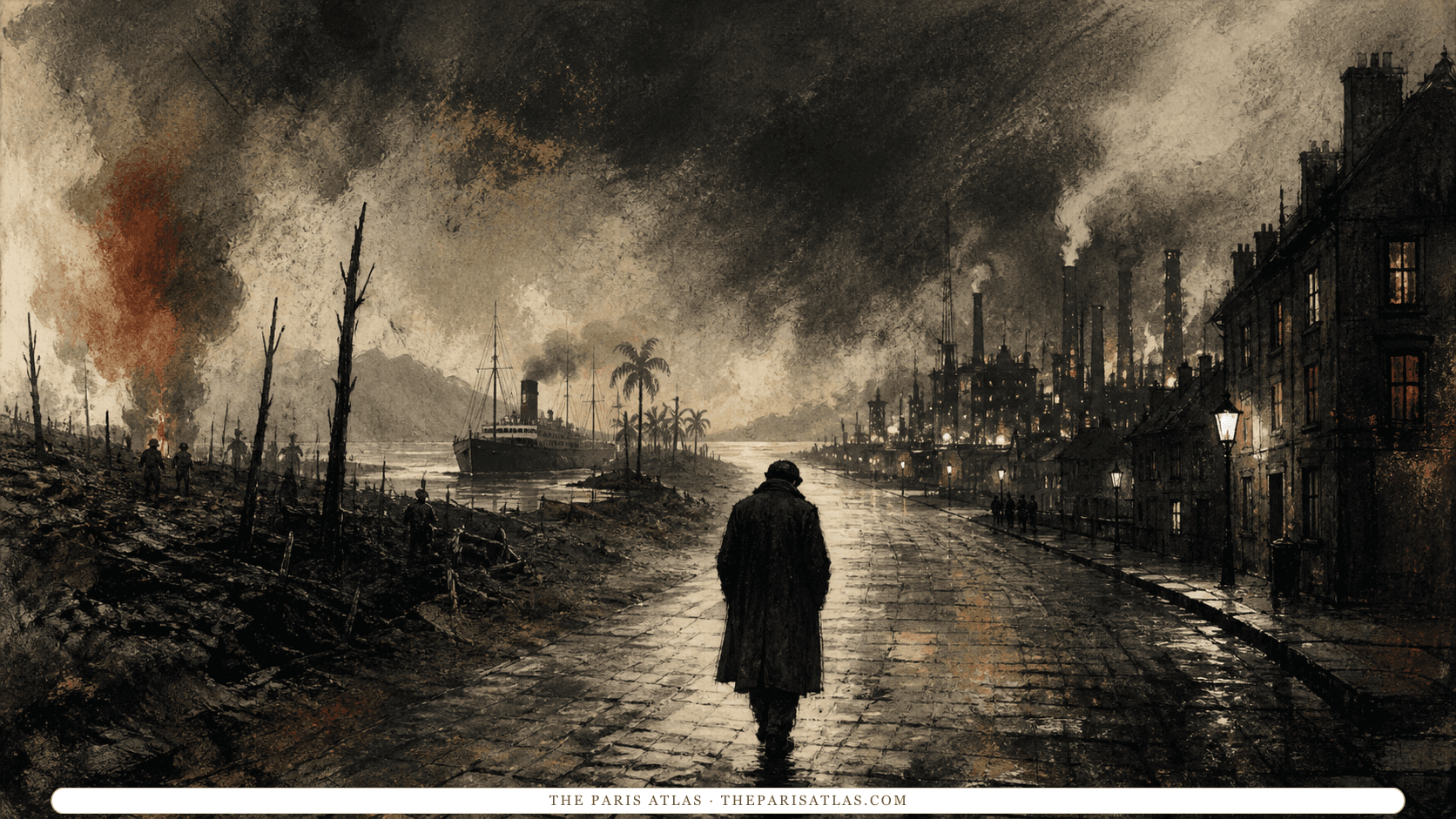

Books like Journey to the End of the Night
Nobody closes Journey wanting something similar — there is nothing similar. But there are books that carry pieces of it: the voice, the war, the night city, the laughter in the wound. Eight directions from the end of the night.
What readers love about Journey to the End of the Night
- The voice — spoken, spat, and impossibly alive
- Black comedy that earns its blackness
- The century's most corrosive war chapters
- Compassion for the poor, buried exactly deep enough to believe

The only true answer: Céline again, reaching back into the shrieking arcade childhood that made Bardamu possible. Wilder in style than Journey and even funnier — the deeper cut for converts.
About the author
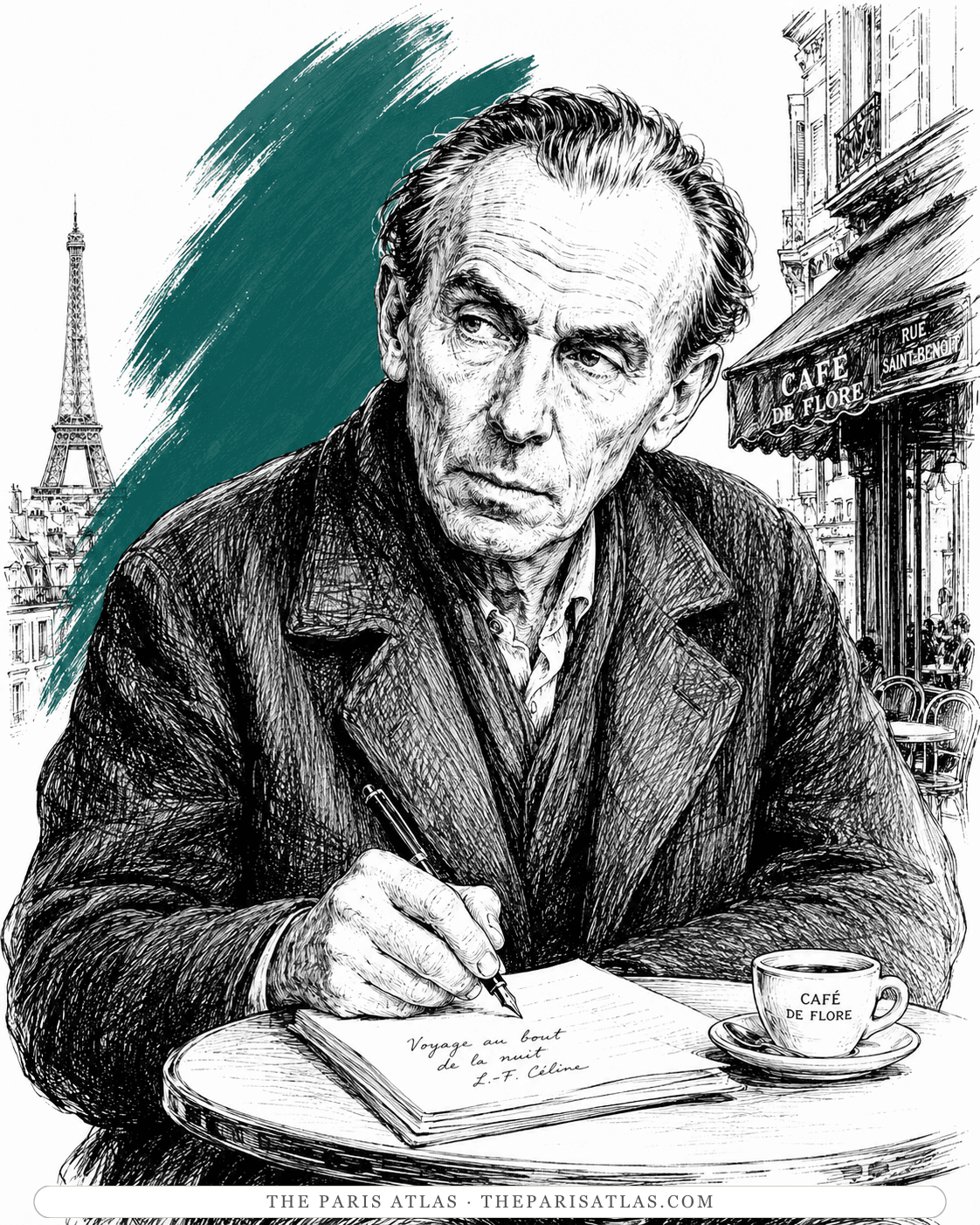
The doctor of the Paris slums who wrote the century's blackest, funniest novel — and changed the sound of French prose.
Read about Céline
Miller read Journey in manuscript while writing it, and it shows: the same gutter-poetics, the same refusal of shame — but keyed to joy instead of despair. The disciple's answer to the master.
About the author
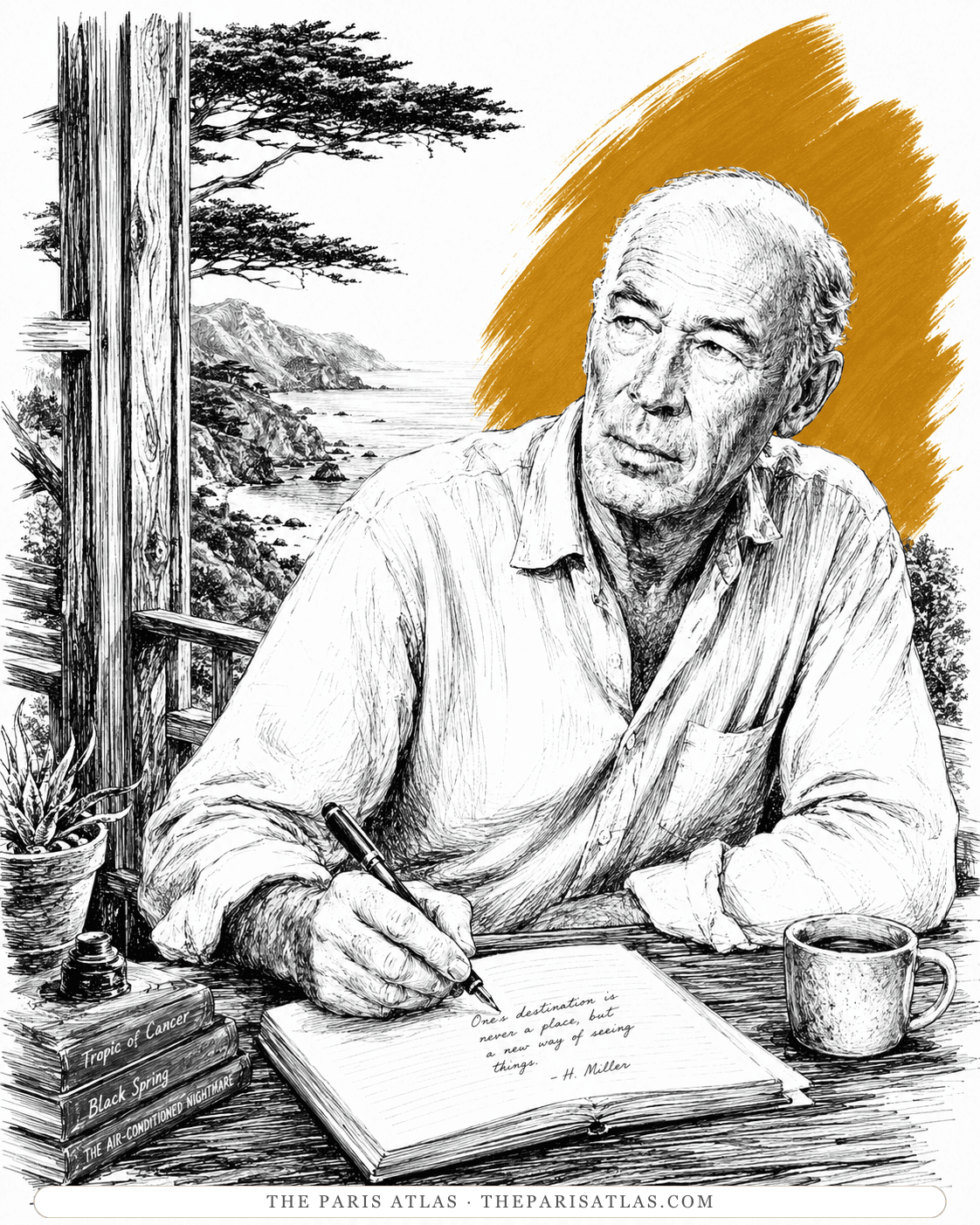
The Brooklyn dropout who arrived in Paris broke at thirty-eight and wrote the exuberant, banned books that ended American censorship.
Read about Miller
The same war Bardamu deserts, grieved instead of sneered at. Reading the two together is the best short course in what the Great War did to literature — and our book clubs' favorite pairing.
About the author
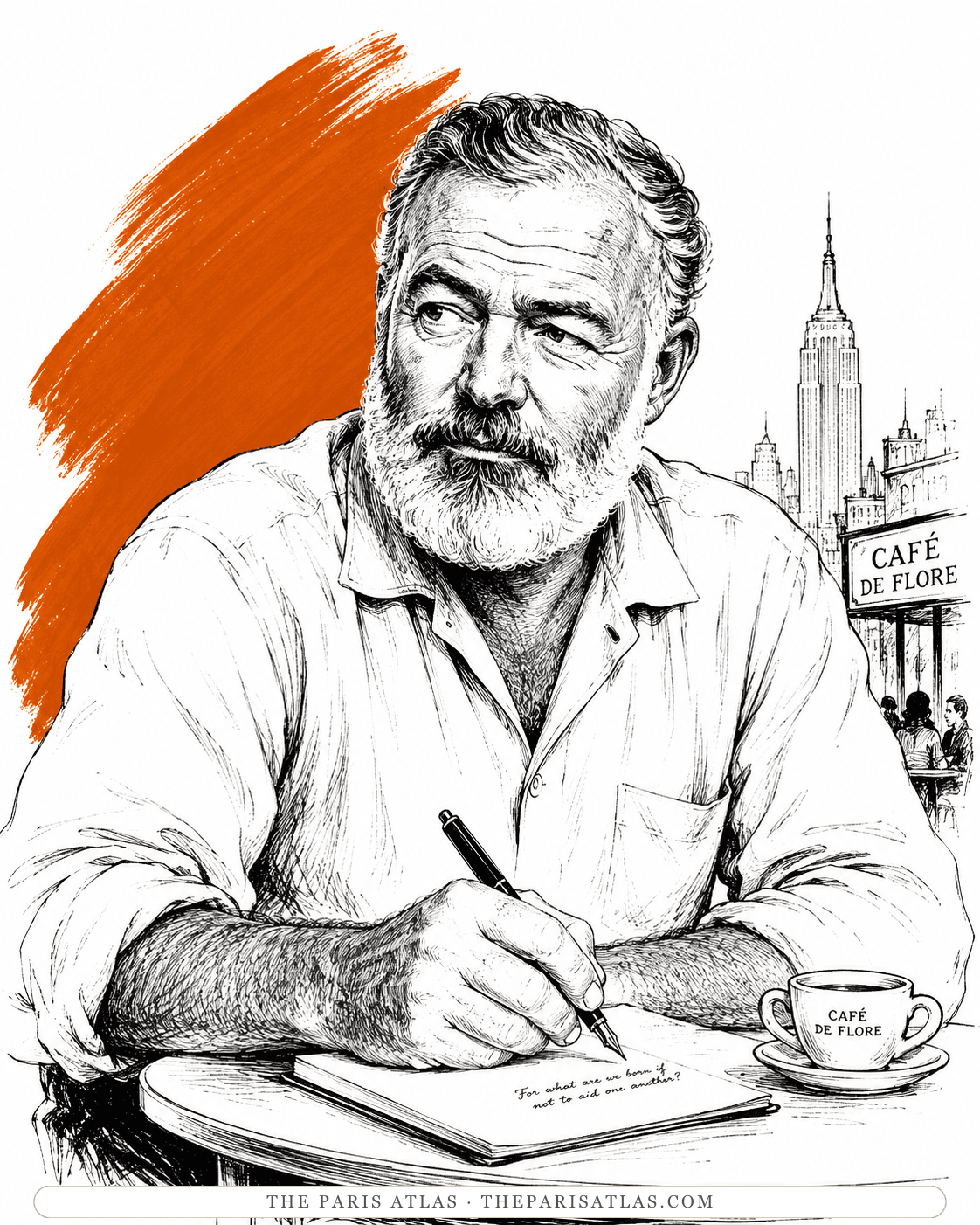
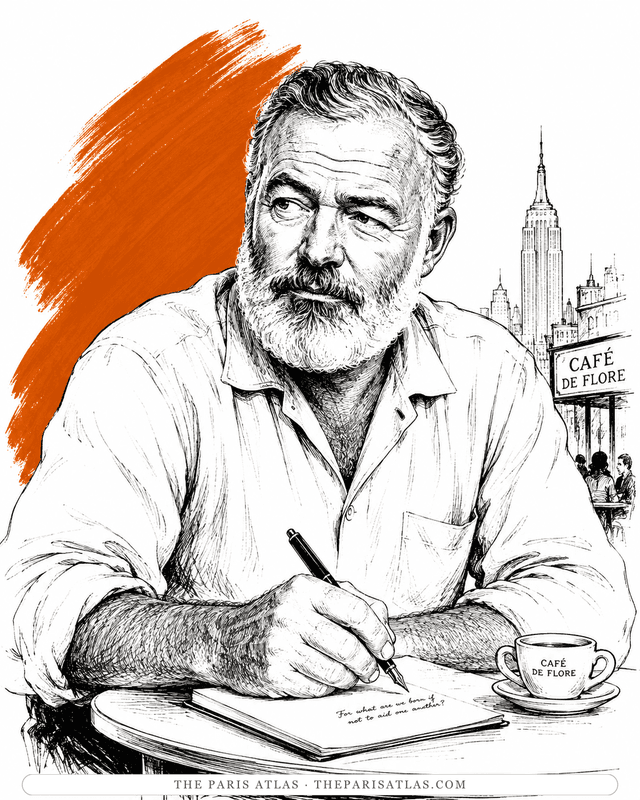
Author of The Sun Also Rises and A Moveable Feast; his pared-down style, developed in 1920s Paris, became the most imitated in American prose.
Read about Hemingway
Bardamu's American chapters, expanded to a full book by a different madman: the machine-city, the soul-grinding job, and the voice pushed to hallucination. Miller's angriest — which is to say, his most Célinean.
About the author
The Brooklyn dropout who arrived in Paris broke at thirty-eight and wrote the exuberant, banned books that ended American censorship.
Read about Miller
The same postwar void, managed with Anglo-Saxon restraint instead of Gallic eruption — the drinking is the same, only the volume differs. The natural palate-cleanser, and the fair comparison.
About the author
Author of The Sun Also Rises and A Moveable Feast; his pared-down style, developed in 1920s Paris, became the most imitated in American prose.
Read about Hemingway
The war rage in eighteen pages of verse. Pound's 'walked eye-deep in hell / believing in old men's lies' is Bardamu's opening chapters, compressed to a stanza.
About the author
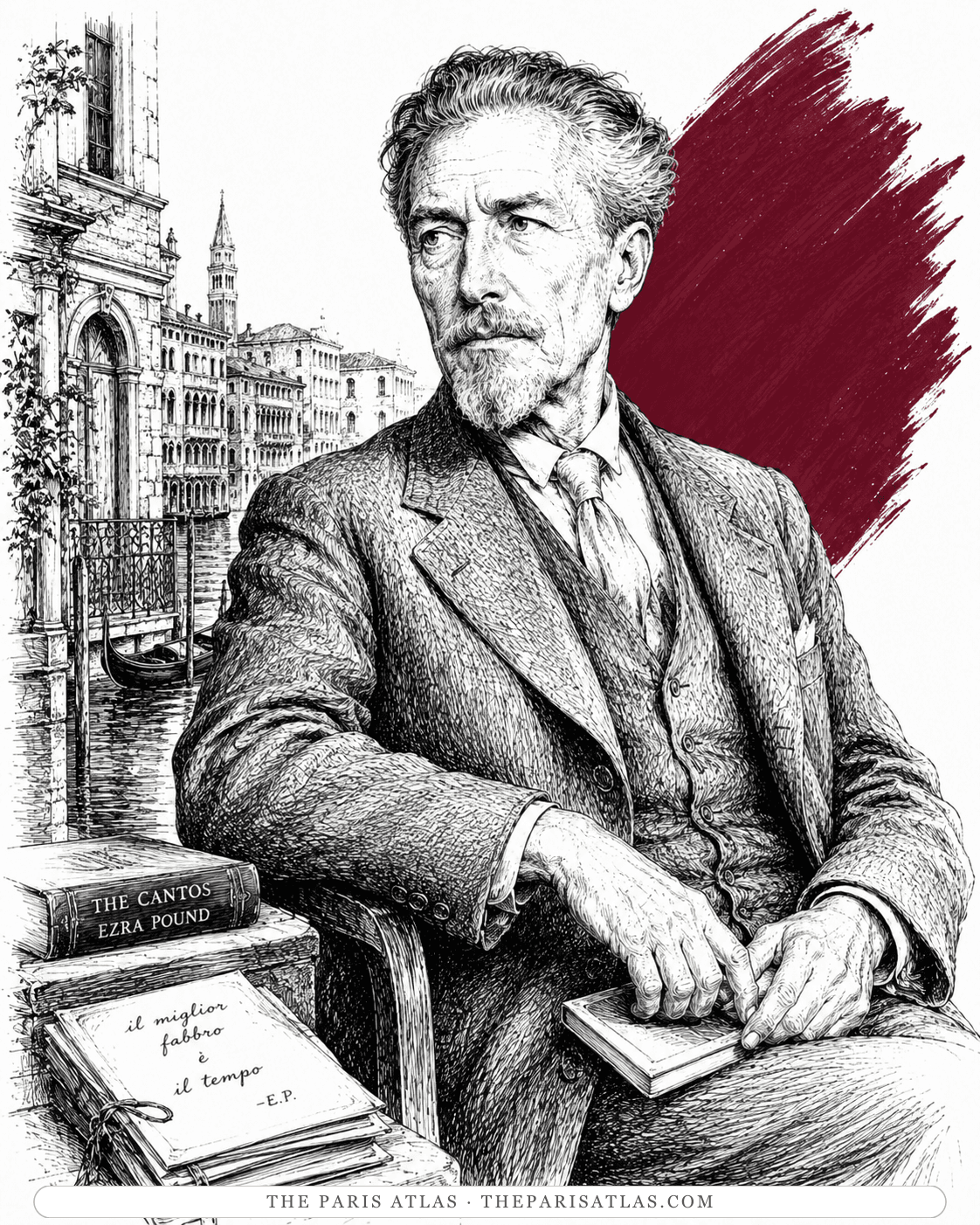
Modernism's impresario — editor of Eliot, publisher of Joyce, Hemingway's line-cutter, and the era's most brilliant, most compromised poet.
Read about Pound
The antidote, prescribed deliberately: endurance with the nihilism removed. After the end of the night, an afternoon at sea — most readers need it, and the book is short enough to take as medicine.
About the author
Author of The Sun Also Rises and A Moveable Feast; his pared-down style, developed in 1920s Paris, became the most imitated in American prose.
Read about Hemingway
The night city as fever dream. Miller's middle book keeps Journey's hallucinatory register and swaps the rage for wonder — proof the style could carry something other than despair.
About the author
The Brooklyn dropout who arrived in Paris broke at thirty-eight and wrote the exuberant, banned books that ended American censorship.
Read about Miller


References
The sources below include the primary text, editions, archives, and critical context used to establish what distinguishes Journey to the End of the Night.


1Voyage au bout de la nuit
NovelLouis-Ferdinand Céline, 1932Used forPrimary text included as part of the documented record for Books like Journey to the End of the Night.

2The Paris Review — The Art of Fiction No. 33: Louis-Ferdinand Céline
PeriodicalUsed forContemporary reporting or criticism used to document the historical reception and context of Books like Journey to the End of the Night.
3Henry Miller: The Paris Years
BiographyBrassaï, 1995Used forBiographical evidence used to verify chronology, relationships, and historical context connected to Books like Journey to the End of the Night.
4Céline: A Biography
BiographyFrédéric Vitoux, 1992Used forBiographical evidence used to verify chronology, relationships, and historical context connected to Books like Journey to the End of the Night.
These references support the guide's description of the comparison book. The read-alike matches themselves are editorial recommendations, explained individually above.
 Explore more resources
Newsletter
Tell us what you loved, and we'll find your next book.
Every Friday: one recommendation, the reasons it earns your time, and what to read after it. Reply with your last favorite and we'll answer.