A Moveable Feast
How Ezra appears in its pages: The most generous writer in the book — founder of Bel Esprit, the subscription fund meant to free T. S. Eliot from his bank job.
The most generous writer in the book — founder of Bel Esprit, the subscription fund meant to free T. S. Eliot from his bank job.
Who they are in the book
Spoiler-freeEzra is the book's saint — the man who, in Hemingway's accounting, spends a fifth of his time on his own poetry and the rest getting his friends published, fed, and out of trouble. He edits, promotes, lends, and founds Bel Esprit, a subscription scheme to free T. S. Eliot from his job at Lloyds Bank so he can write full time. In return Hemingway teaches him to box, with mixed results, in a studio full of Japanese paintings.
What Pound wants is other people's best work in print, and the memoir — so hard on nearly everyone — can find almost nothing to hold against him. He is the friend who taught the narrator to distrust adjectives, and the portrait is the warmest Hemingway ever wrote of another writer.
How Ezra Pound Is Portrayed
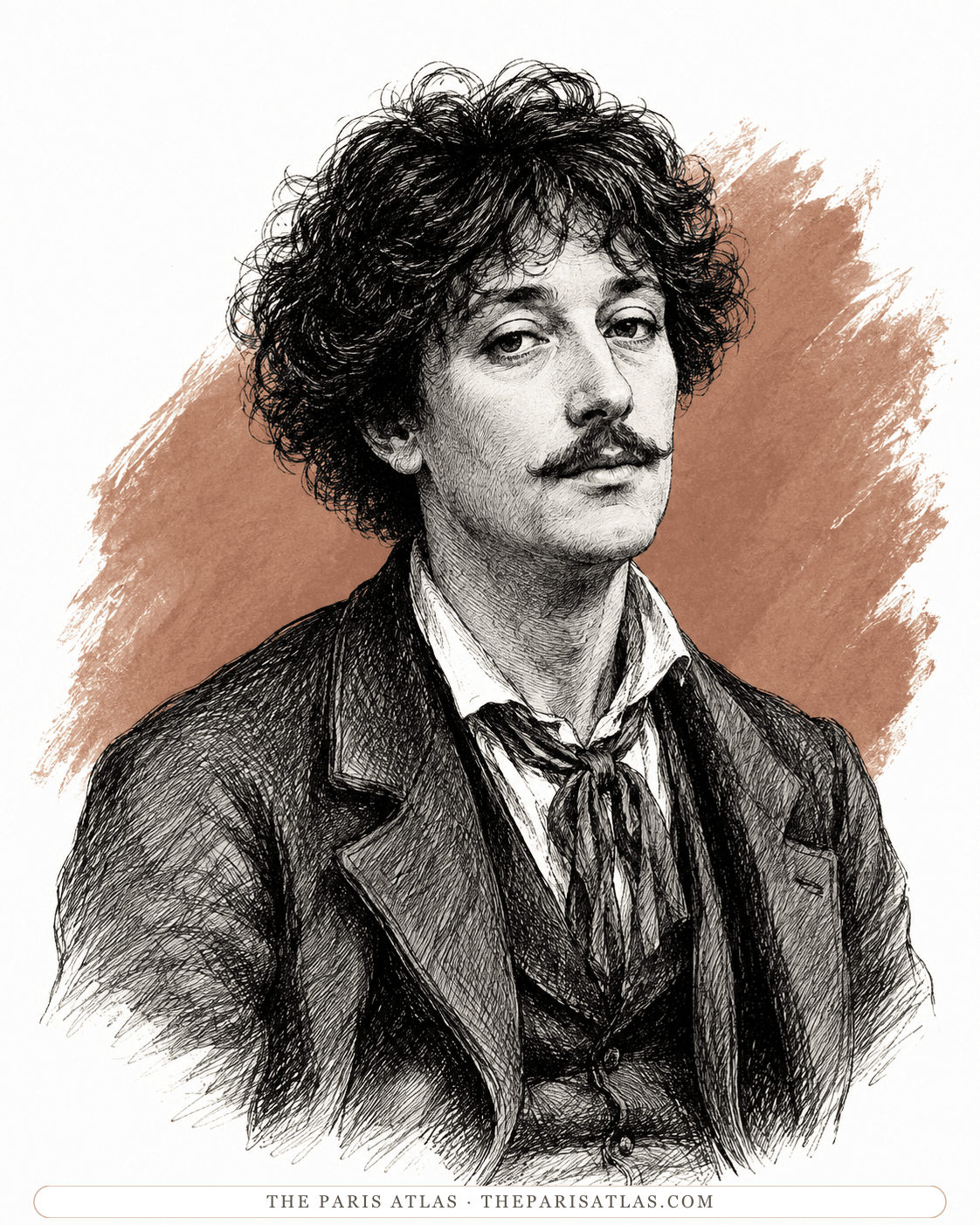
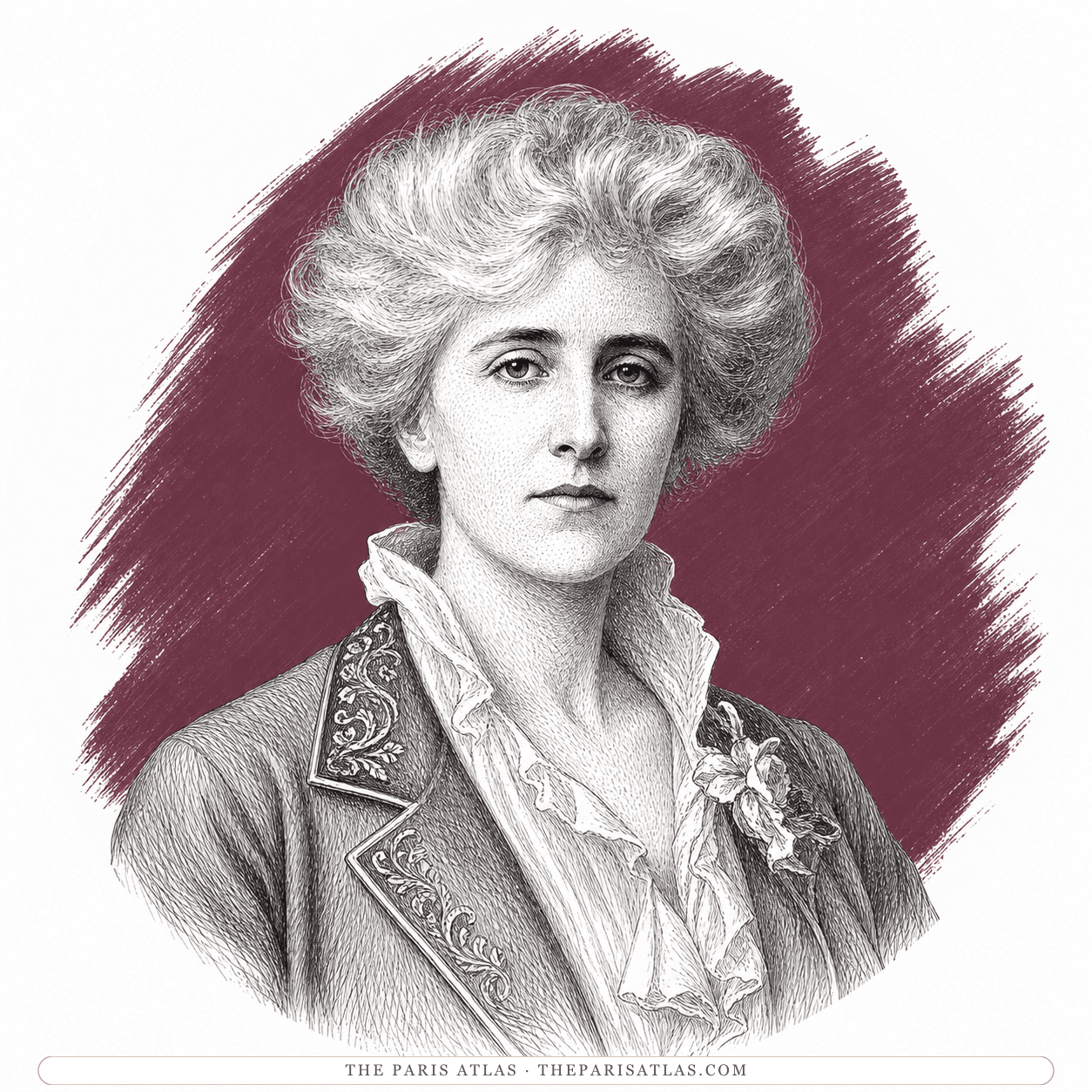
- The sketchThe pointed beard, the unruly hair, the energy of a man forever halfway out of his chair on someone else's errand — the book draws him fast and spends its care on his conduct.
- The boxingAn unpromising pupil who never once quit: willing to be hit, anxious to do it properly, sparring gamely in his own studio while visitors watched.
- The temperamentKinder about people than the narrator can manage, and harder on bad writing than anyone else in the book.
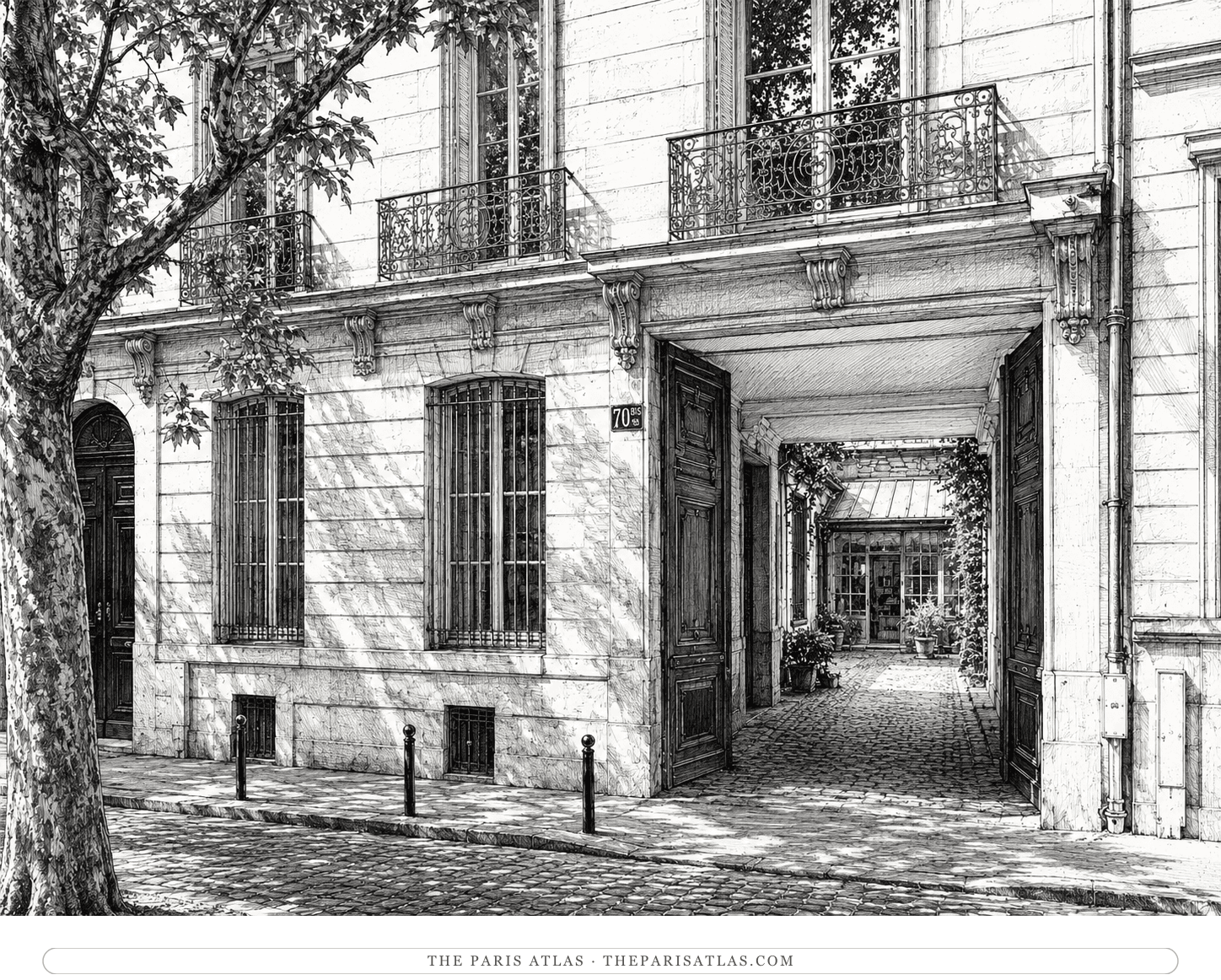
- The studioAs modest as the rue de Fleurus was grand — hung with Japanese paintings, furnished plainly, and doubling as the boxing gym where the lessons happened among the art.
- The lessonThe standing instruction to distrust adjectives — delivered less as a style note than as a moral position, and kept for life.
- The one flawHis taste in people errs, if anywhere, on the side of everyone: he vouches warmly for visitors the narrator dislikes on sight, and the book counts even that against nobody but the visitors.
At a glance
- 'Ezra' — poet, editor, and the era's chief benefactor
- 'Ezra Pound and His Bel Esprit,' with the studio on the rue Notre-Dame-des-Champs
- Ezra Pound · 1885–1972 · Hailey, Idaho
Within the book's frame the ending is gentle: Bel Esprit never quite frees Eliot (The Waste Land's prizes and a patron do it instead, the chapter notes wryly), and Pound leaves Paris for Rapallo, Italy in 1924. The memoir closes its account there, with the generosity intact.
The rest of Pound's life is the era's hardest story, and the memoir — written while Pound was still alive — chooses not to tell it. His wartime radio broadcasts for Fascist Italy, the treason indictment, and the twelve years in St. Elizabeths Hospital are covered on his own page; Hemingway, for his part, publicly supported the campaign for his release in the 1950s. The chapter stands as a deliberate record of the man Pound was in 1922, kept separate from what came after.






















 View source