A Moveable Feast
How F. Scott Fitzgerald appears in its pages: The subject of three chapters, beginning with a rain-soaked drive up from Lyon and ending with a question about measurements settled at the Louvre.
The subject of three chapters, beginning with a rain-soaked drive up from Lyon and ending with a question about measurements settled at the Louvre.
Who they are in the book
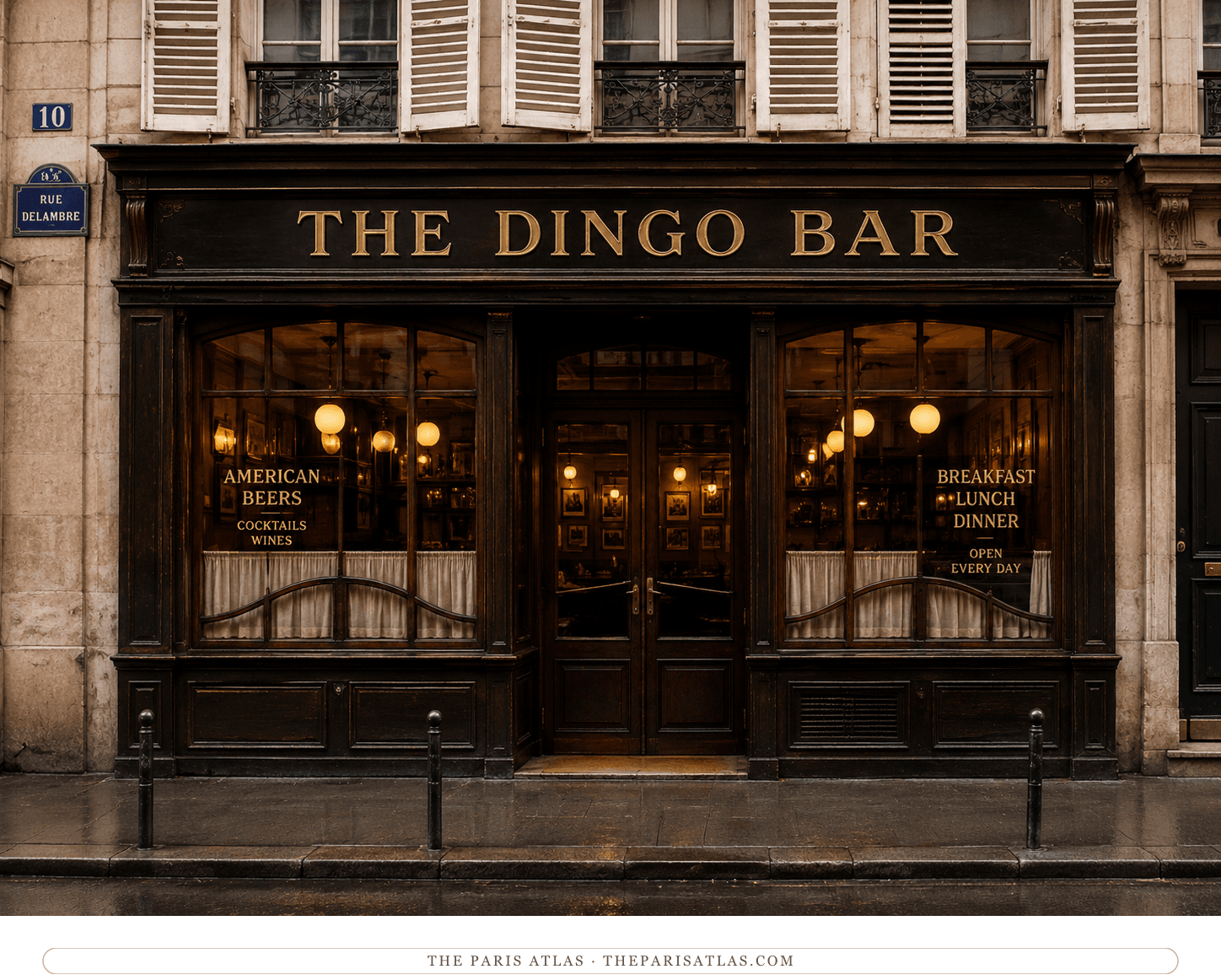
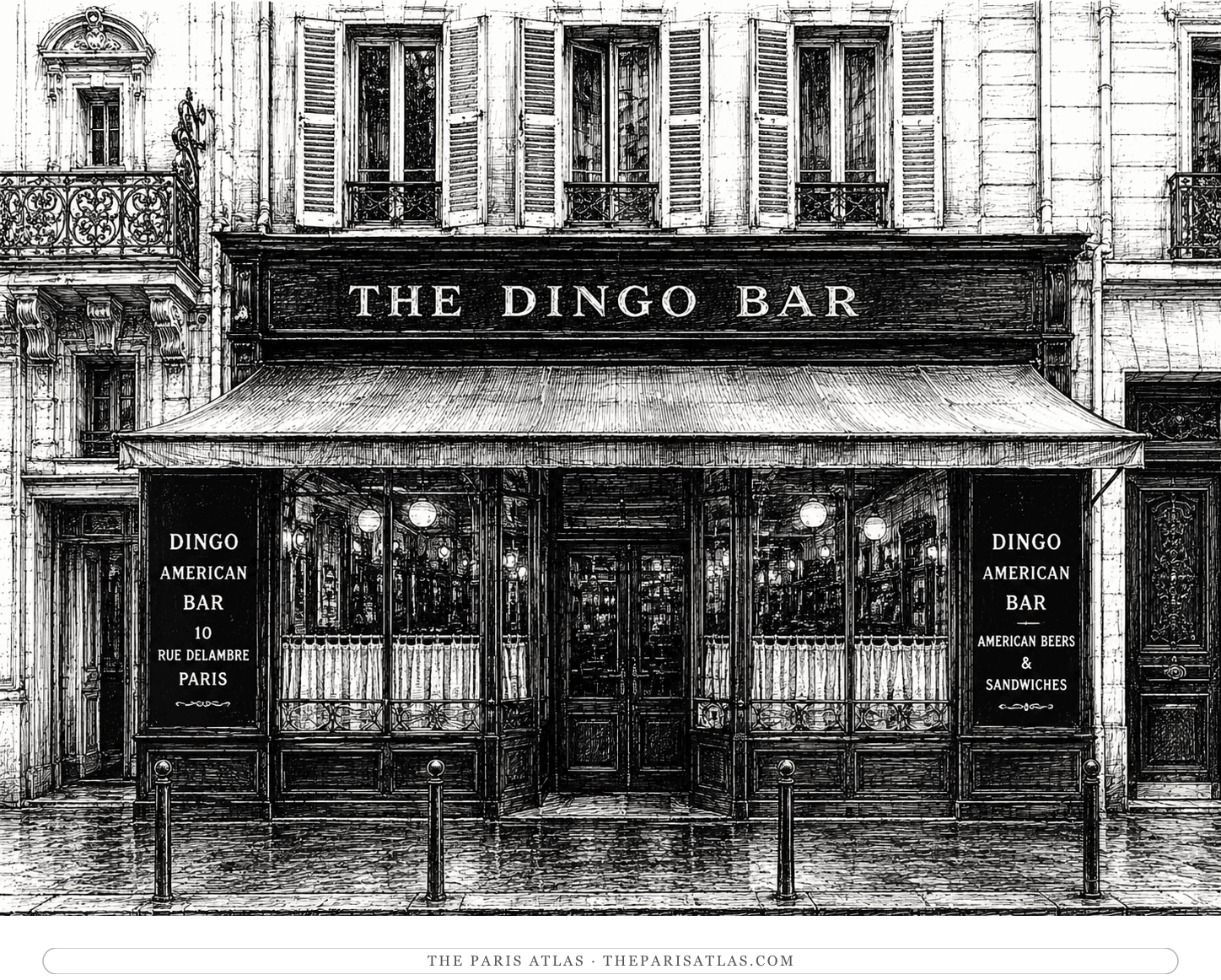
Spoiler-freeScott gets more pages than anyone else in the book — three chapters, opened with an epigraph comparing his talent to the dust on a butterfly's wings. He introduces himself at the Dingo bar in 1925, already famous, and promptly drags Hemingway to Lyon to retrieve a rain-abandoned car, a trip that becomes the memoir's great comic set piece: hypochondria, thermometers, whiskey sours, and a friendship forming in spite of everything.
What Scott wants is to write seriously — and the book takes his talent completely seriously, especially after Hemingway reads The Great Gatsby. What stands in his way, in the memoir's telling, is everything else: the drinking, the parties, the magazine stories written for money, and a marriage that competes with the work. The portrait is affectionate, exasperated, and merciless all at once — often in the same paragraph.
How F. Scott Fitzgerald Is Portrayed
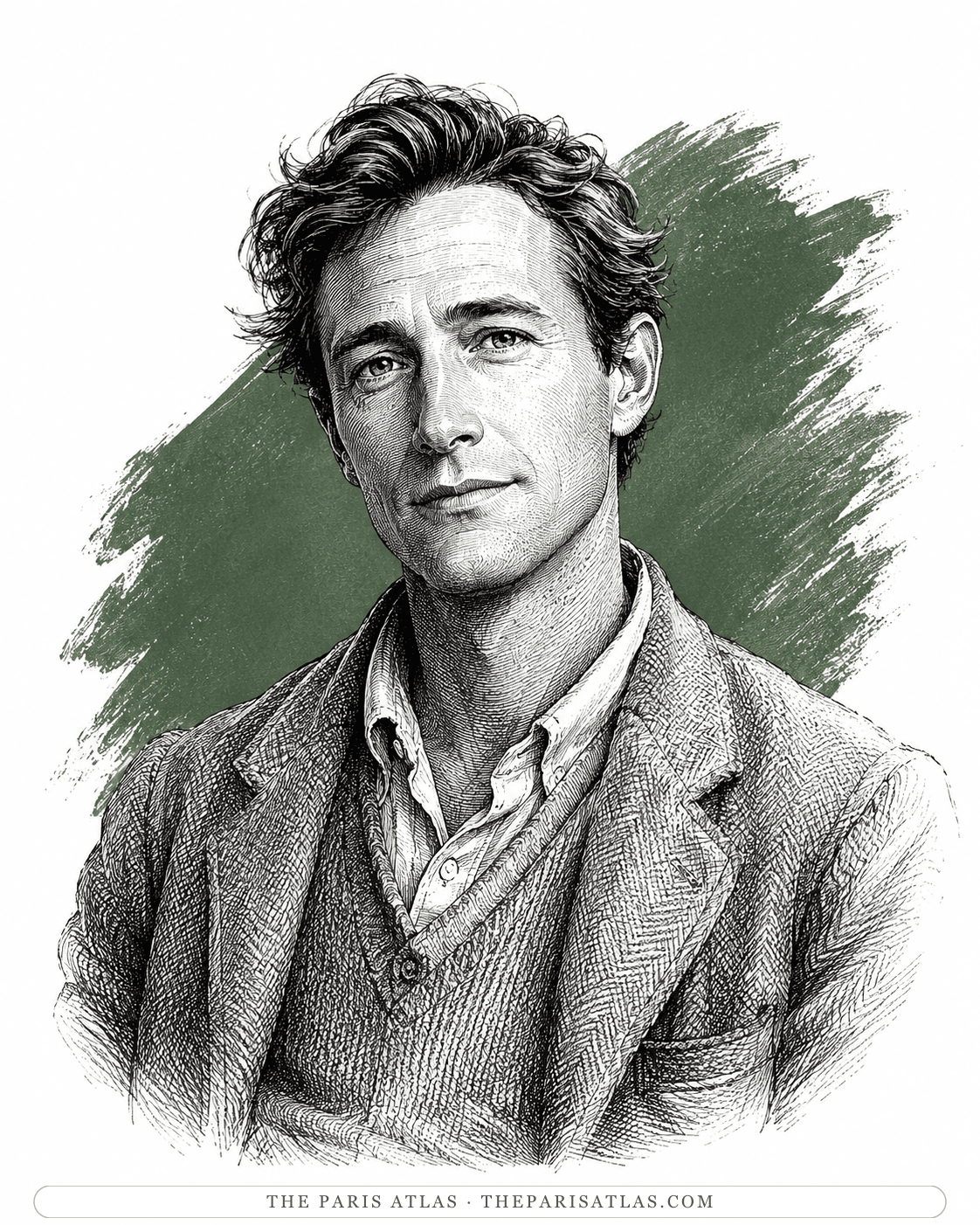
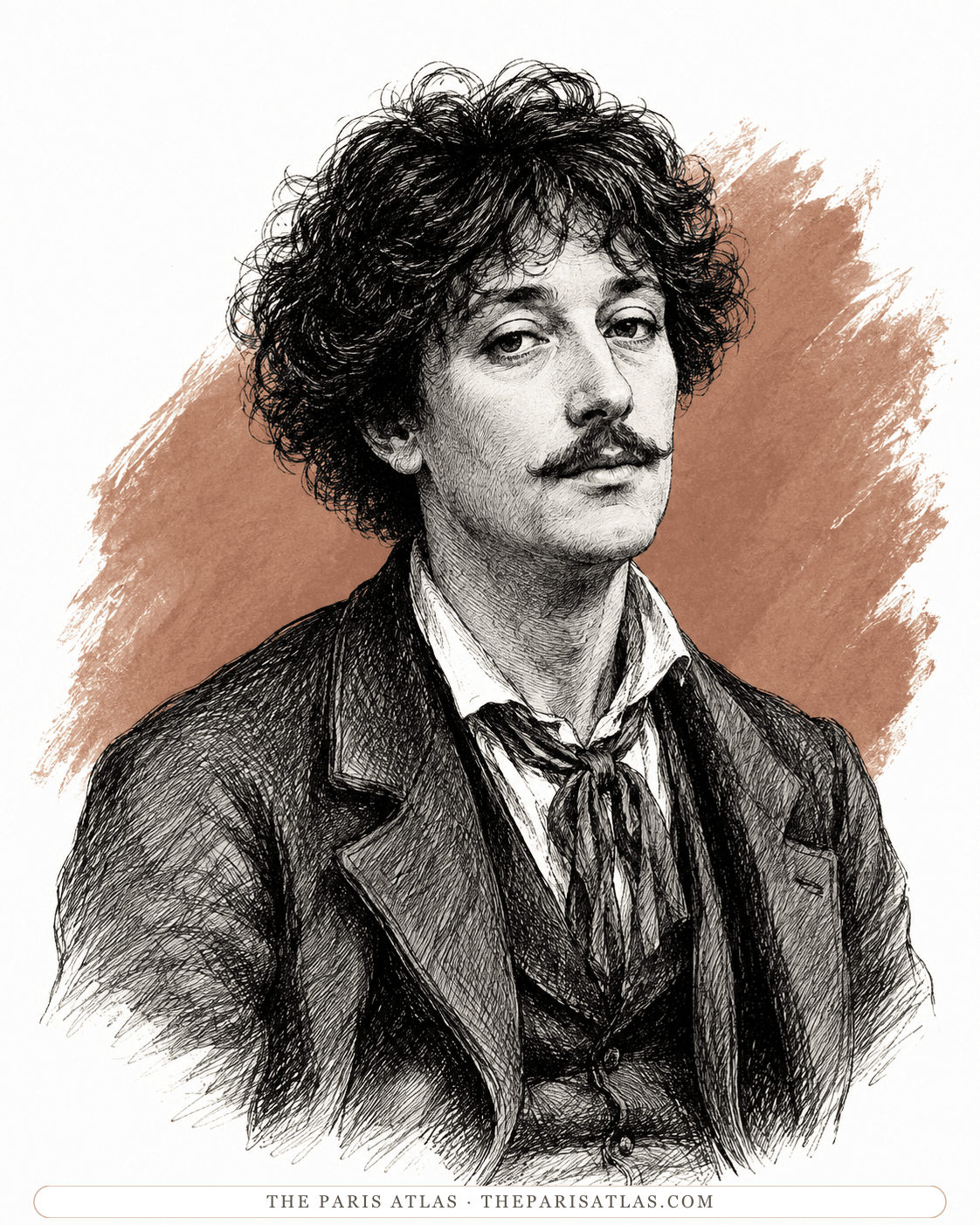
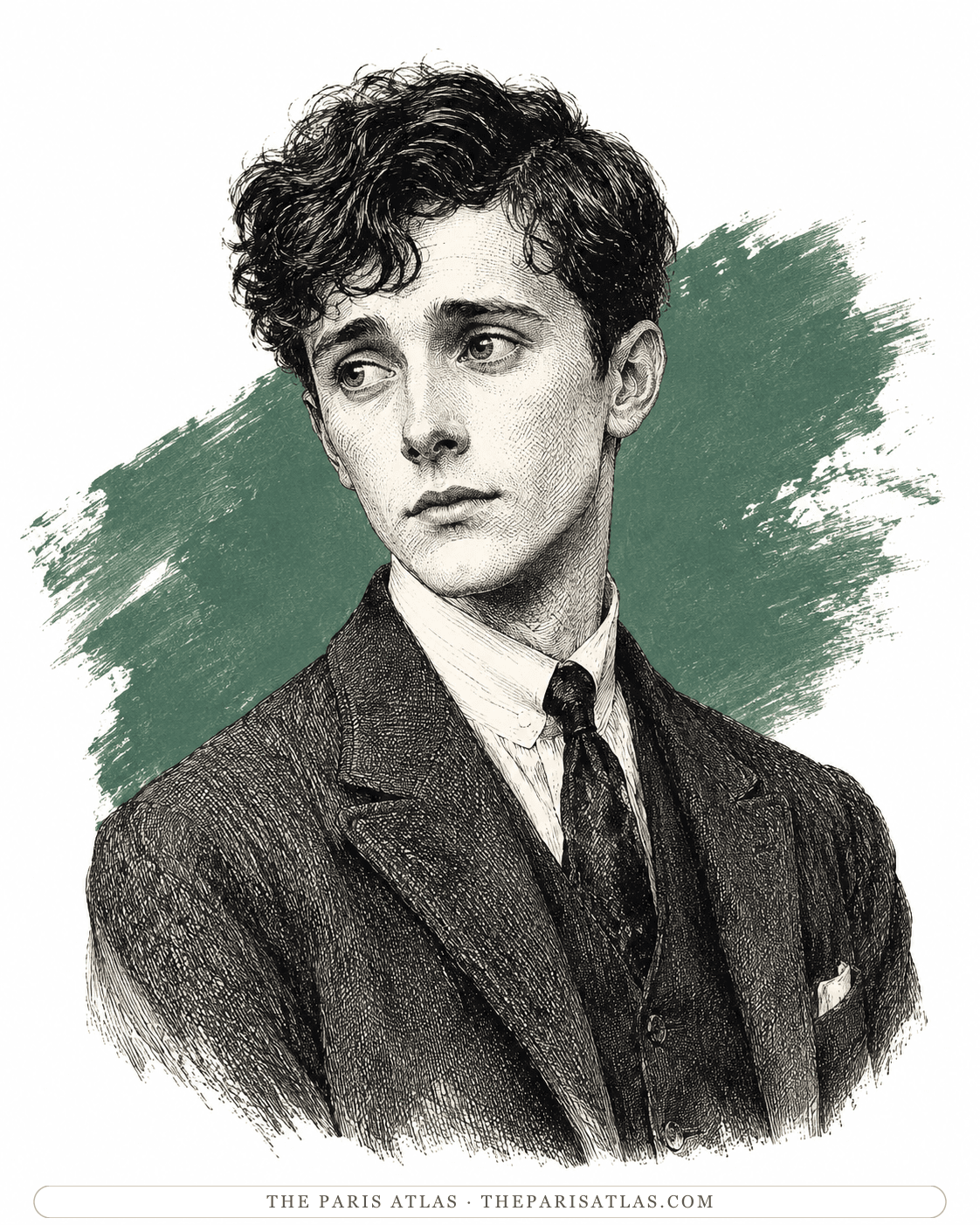
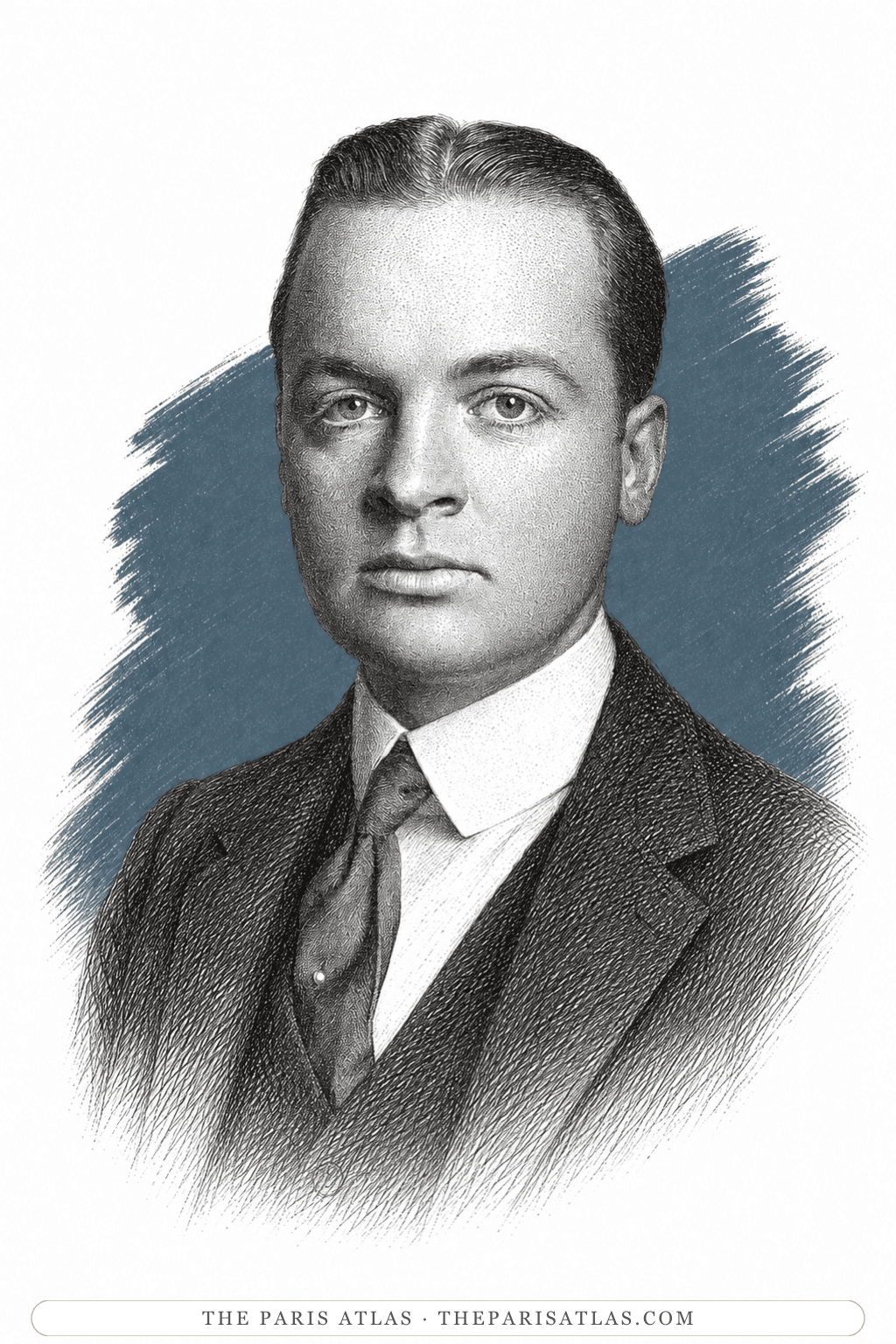
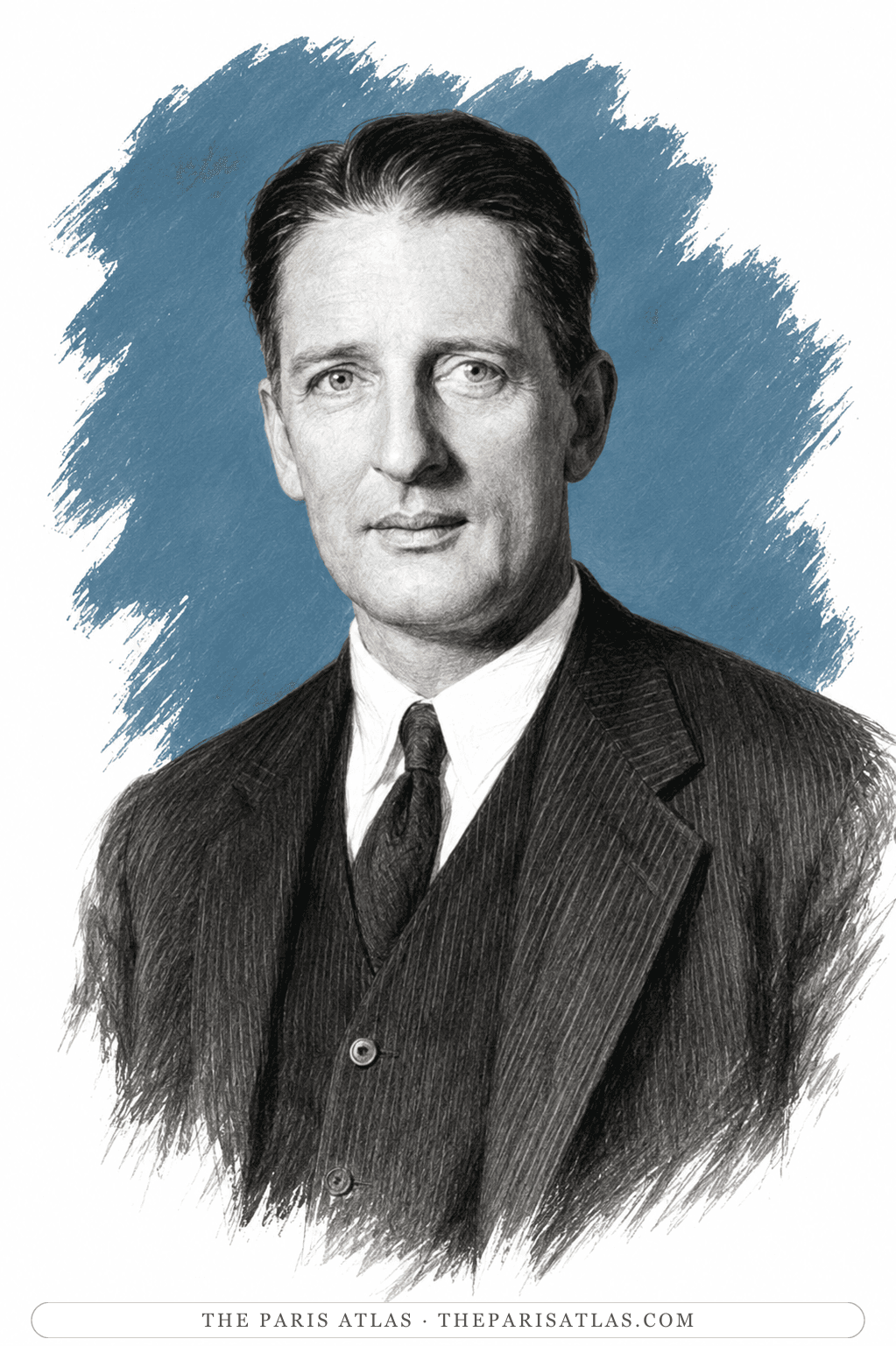
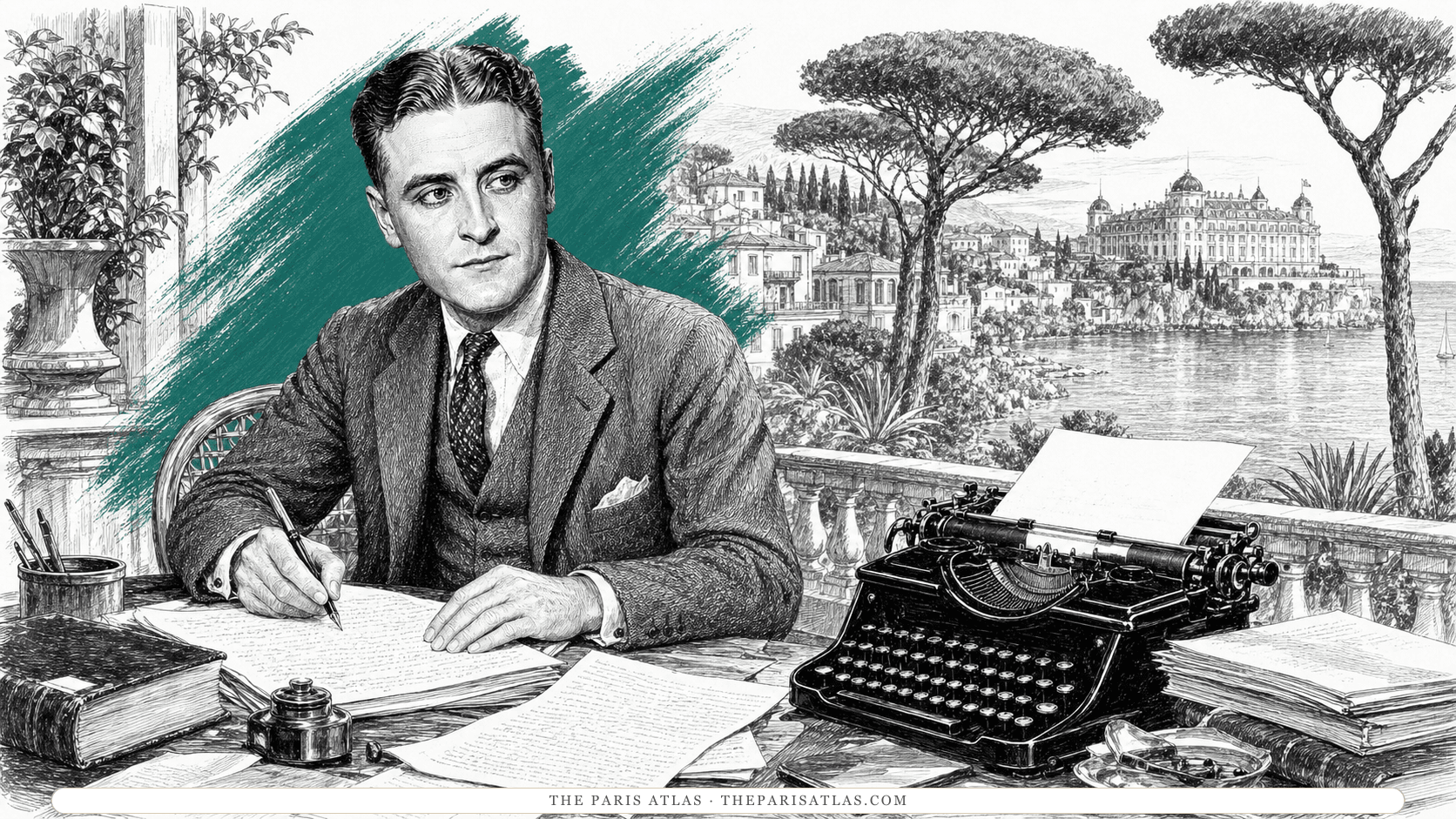
- The faceA boy's face caught between handsome and pretty — wavy hair, a high forehead, friendly excitable eyes, and a delicate mouth that troubled you before you knew him, and more after.
- What drink didThe book watches wine change him in real time — the skin drawing tight, the color going, the face turning waxen — on quantities that shouldn't have moved a grown man.
- The mannerCharm first, always; then the blunt personal questions arrived, and the evening depended on which Scott was ahead.
- The Lyon expeditionA car with no top, driven through rain in stages, with stops for shelter and whiskey sours — then a hotel bed, an imagined fatal congestion of the lungs, and a hunt for a thermometer to confirm it.
- The tradeHe explains, matter-of-factly, how he writes his real stories and then adjusts them into magazine formula for the money — bookkeeping that shocks the narrator more than any of the drinking.
- The Gatsby testWhen the narrator finally reads The Great Gatsby, the friendship re-files itself on the spot: a man who could write that well had to be forgiven the rest, and helped toward the next one.
At a glance
- 'Scott' — the era's famous novelist, met at the Dingo bar
- 'Scott Fitzgerald,' 'Hawks Do Not Share,' and 'A Matter of Measurements'
- Francis Scott Key Fitzgerald · 1896–1940 · St. Paul, Minnesota
The final Fitzgerald chapter, 'A Matter of Measurements,' is the book's most gossiped-about: Scott confides that Zelda has told him he is physically inadequate to make a woman happy, and Hemingway walks him to the Louvre's statues to settle the question in his favor. Fitzgerald's defenders have never forgiven the chapter — Scott was dead more than twenty years and could not answer it.
The memoir leaves Scott before the fall, but flags it: Hemingway notes that when Fitzgerald could write a book as fine as Gatsby, an even better one had to be possible, and the reader in 1964 already knew how the ledger closed. The crack-up years, Hollywood, and his death in 1940 at forty-four — with his masterpiece nearly out of print — all sit just past the book's last page. The revival that made Gatsby the American novel came after the war, too late for him to see it.








 View source