The Paris AtlasCharting the artists, works, and places worth returning to.
  • Editor
· American · 1884–1947

Maxwell Perkins

The Scribner's editor who published F. Scott Fitzgerald, Ernest Hemingway, and Thomas Wolfe — the man behind more of the American 1920s than any writer in it.

Details

Lived
1884–1947
Born
20 September 1884
Birthplace
New York City
Died
17 June 1947 · aged 62
Place of death
Stamford, Connecticut
Nationality
American
Roles
Editor
Also known as
William Maxwell Evarts Perkins · Max Perkins

About Maxwell Perkins

Maxwell Perkins is the reason a great deal of American literature exists in the form it does. He worked for one publishing house for thirty-seven years, published almost nothing under his own name, and is the only book editor most readers can name. Between 1919 and his death in 1947 he signed or edited F. Scott Fitzgerald, Ernest Hemingway, Thomas Wolfe, Ring Lardner, Erskine Caldwell, Marjorie Kinnan Rawlings, and Martha Gellhorn. Four of those names carried the decade these pages begin with.

He was born William Maxwell Evarts Perkins in New York City on 20 September 1884, a grandson of William M. Evarts, who had defended Andrew Johnson at his impeachment trial and served as Secretary of State. He went to St. Paul's School in Concord, New Hampshire, then to Harvard, graduating in 1907 — an economics major who spent his time on literature, studying under Charles Townsend Copeland. He joined Charles Scribner's Sons in 1910 as an advertising manager, married Louise Saunders the same year, and moved to the editorial staff in 1914. They had five daughters. He commuted from Connecticut, wore a hat indoors, and was, by every account, almost pathologically reticent.

His first fight was the one that made him. In 1919 he took on a rejected manuscript by an unknown twenty-two-year-old and pushed it past Scribner's older men, who did not want it. The book was This Side of Paradise, it appeared in 1920, and it made F. Scott Fitzgerald famous within a week. Perkins edited everything Fitzgerald wrote after that, including The Great Gatsby in 1925, whose shape owes a great deal to his letters — he read the draft, told Fitzgerald that Gatsby himself was vague, and got a rewrite that fixed it.

Fitzgerald then did him the largest favour of his career. In the autumn of 1924 he wrote to Perkins about a young American in Paris he had not yet met, misspelling the name with two m's, and urged him to look him up. The pursuit of Ernest Hemingway took two years and was settled by a stunt: Hemingway owed Boni & Liveright a book, wrote The Torrents of Spring as a parody of their own star author, and they refused it exactly as intended. The contract dissolved, and Perkins got both the parody and The Sun Also Rises in 1926. The two men wrote to each other for twenty-two years; the correspondence is published whole as The Only Thing That Counts.

Hemingway cost him a particular kind of trouble, because Perkins had to carry the obscenity arguments to Charles Scribner himself. There is a story, and it is worth labelling as one, that on reading The Sun Also Rises he jotted the offending words on his desk calendar under Things To Do Today, and that Scribner walked in, read the list, and told him he must be exhausted. It is repeated as a fanciful tale rather than as documented fact, and the detail that makes it plausible is real enough: Perkins did not swear. His strongest recorded expression was "My God," and he did not use it often. The fights themselves were real too, and he had them again over A Farewell to Arms in 1929, much of which reached print with dashes where the words had been.

The third of the great relationships was the hardest. Thomas Wolfe delivered a manuscript called O Lost that ran past a thousand pages, and Perkins cut it into Look Homeward, Angel, published in 1929. The second book, longer still, he cut into Of Time and the River in 1935. Wolfe was grateful and then he was not. In 1936 the critic Bernard DeVoto wrote in the Saturday Review that the novels had been hacked into shape by Perkins and the Scribner assembly line, which was the accusation Wolfe most feared, and he left for Harper & Brothers to prove he could do it alone. He died of miliary tuberculosis in 1938, at thirty-seven. The last letter he wrote, from his sickbed before he lost consciousness, was to Perkins.

He kept working through the 1940s. He published Martha Gellhorn's first collection of short fiction, The Heart of Another, in 1941, and he approached a young veteran named James Jones in 1945 about a novel that became From Here to Eternity. In 1947 an unsolicited typescript arrived from South Africa by way of two readers in California, and Perkins accepted it at once. Alan Paton's Cry, the Beloved Country was published on 1 February 1948 and became a worldwide book; its editor never saw it. He had been taken to hospital in Stamford with a fever on 2 June 1947 and died there of pneumonia on 17 June, at sixty-two, as Scribner's editorial director and a vice president of the firm.

The profession he effectively invented has kept his name because he wrote so much of himself into letters. A. Scott Berg's Max Perkins: Editor of Genius, which won the National Book Award in 1978, was built from that correspondence, and it is the reason a book editor is a figure the public can picture at all. What the letters mostly show is not brilliance but patience — a man telling Fitzgerald that a character had not come clear, telling Hemingway which words would survive the front office, and telling Wolfe, at enormous length, what could go.
Life events

  1. 1884

    Born in New York City on 20 September, a grandson of the statesman William M. Evarts.

  2. 1907

    Graduates from Harvard, having studied literature under Charles Townsend Copeland.

  3. 1910

    Joins Charles Scribner's Sons as an advertising manager and marries Louise Saunders.

  4. 1914

    Moves to the editorial staff at Scribner's, where he stays for the rest of his life.

  5. 1919

    Takes on a twice-rejected manuscript by an unknown F. Scott Fitzgerald and forces it past the firm's older men.

  6. 1920

    This Side of Paradise is published and makes Fitzgerald famous. Perkins will edit everything he writes after it.

  7. 1924

    Publishes Ring Lardner's How To Write Short Stories. Fitzgerald writes urging him to find a young American in Paris named Hemingway, misspelling the name.

  8. 1925

    The Great Gatsby is published, rewritten in part on the strength of his letters about the vagueness of Gatsby himself.

  9. 1926

    Lands Ernest Hemingway after The Torrents of Spring breaks his Boni & Liveright contract, and publishes The Sun Also Rises in October.

  10. 1929

    Cuts Thomas Wolfe's thousand-page O Lost into Look Homeward, Angel, and argues A Farewell to Arms past the firm's objections to its language.

  11. 1935

    Cuts Wolfe's second manuscript into Of Time and the River.

  12. 1936

    Bernard DeVoto accuses him in print of manufacturing Wolfe's novels. Wolfe leaves Scribner's for Harper & Brothers.

  13. 1938

    Wolfe dies at thirty-seven. His last letter, written before he lost consciousness, is to Perkins.

  14. 1941

    Publishes Martha Gellhorn's first collection of short fiction, The Heart of Another.

  15. 1947

    Accepts Alan Paton's Cry, the Beloved Country from an unsolicited typescript. Taken to hospital in Stamford on 2 June, he dies of pneumonia on 17 June, aged sixty-two.

People they knew

Documented connections — every one carries its source.

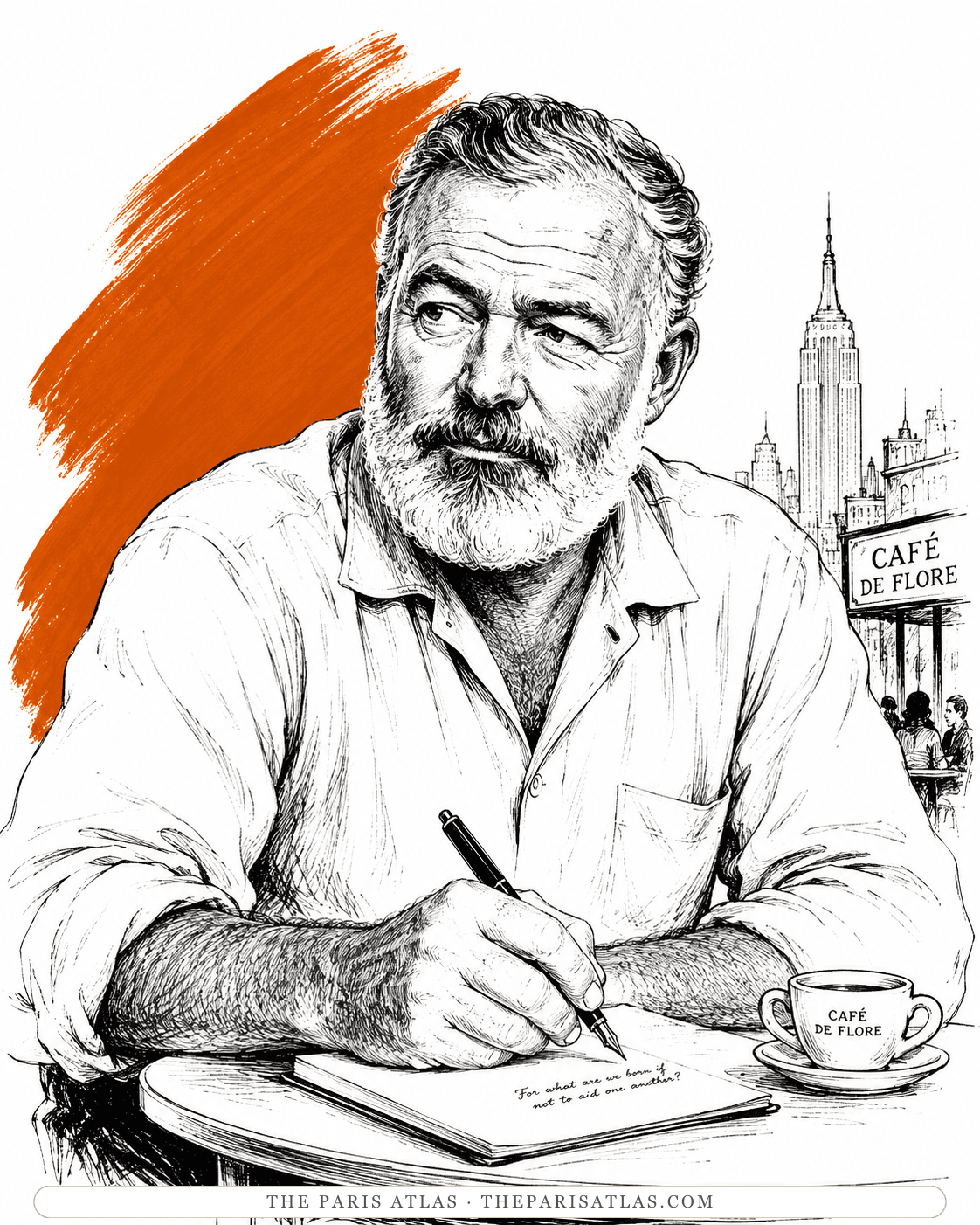
Illustrated portrait of Ernest Hemingway

Ernest Hemingway

  • Author
  • Journalist

Collaborated with

Perkins signed Hemingway for Scribner's in 1926 after The Torrents of Spring broke his Boni & Liveright contract, and edited him for the rest of his life. Their correspondence runs from 1925 to Perkins's death in 1947 and is published in full as The Only Thing That Counts.

A. Scott Berg, Max Perkins: Editor of Genius (1978); Carlos Baker, Ernest Hemingway: A Life Story (1969); Wikipedia — Maxwell Perkins

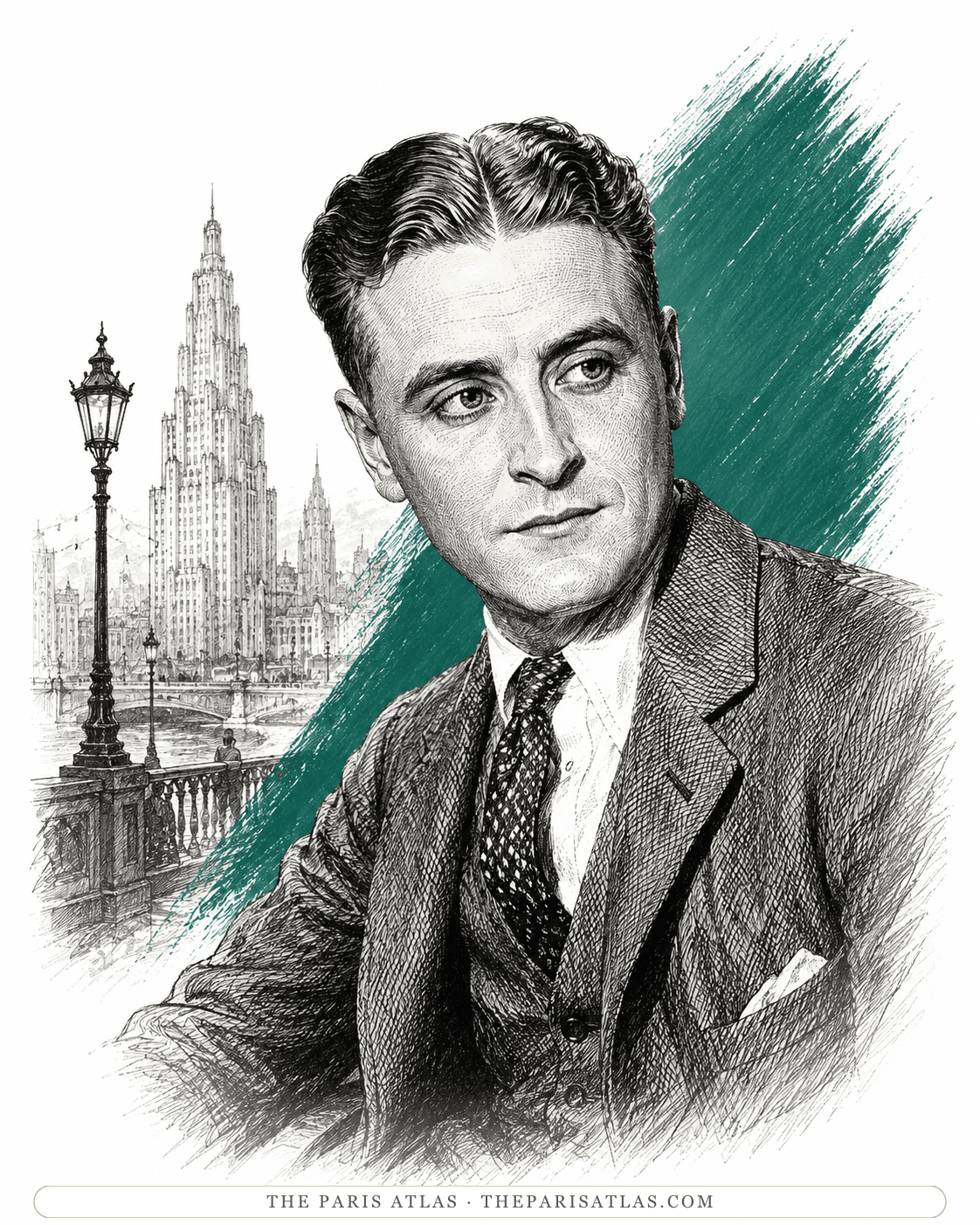
Illustrated portrait of F. Scott Fitzgerald

F. Scott Fitzgerald

  • Author

Collaborated with

Perkins pushed the rejected manuscript that became This Side of Paradise past Scribner's older men in 1919, and edited everything Fitzgerald wrote afterwards. His letters about the vagueness of Gatsby himself prompted the rewrite that produced The Great Gatsby in 1925.

A. Scott Berg, Max Perkins: Editor of Genius (1978); A Fitzgerald Chronology — Matthew J. and Arlyn Bruccoli Collection of F. Scott Fitzgerald

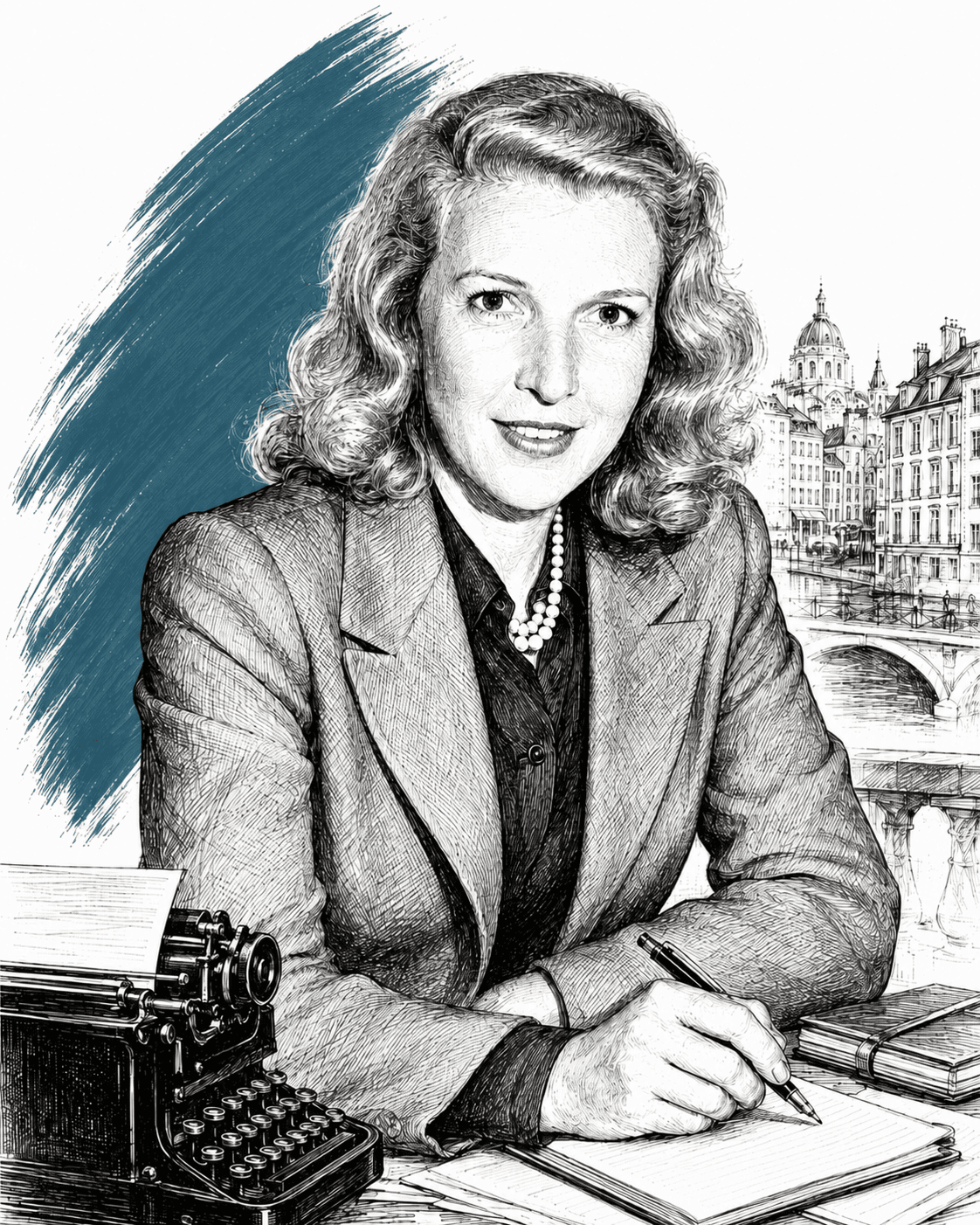
Illustrated portrait of Martha Gellhorn

Martha Gellhorn

  • Journalist
  • Author

Collaborated with

Perkins edited Gellhorn at Scribner's, publishing her first collection of short fiction, The Heart of Another, in 1941. She and Hemingway, married that same year, shared a publishing house and an editor.

A. Scott Berg, Max Perkins: Editor of Genius (1978); Caroline Moorehead, Martha Gellhorn: A Life (2003)

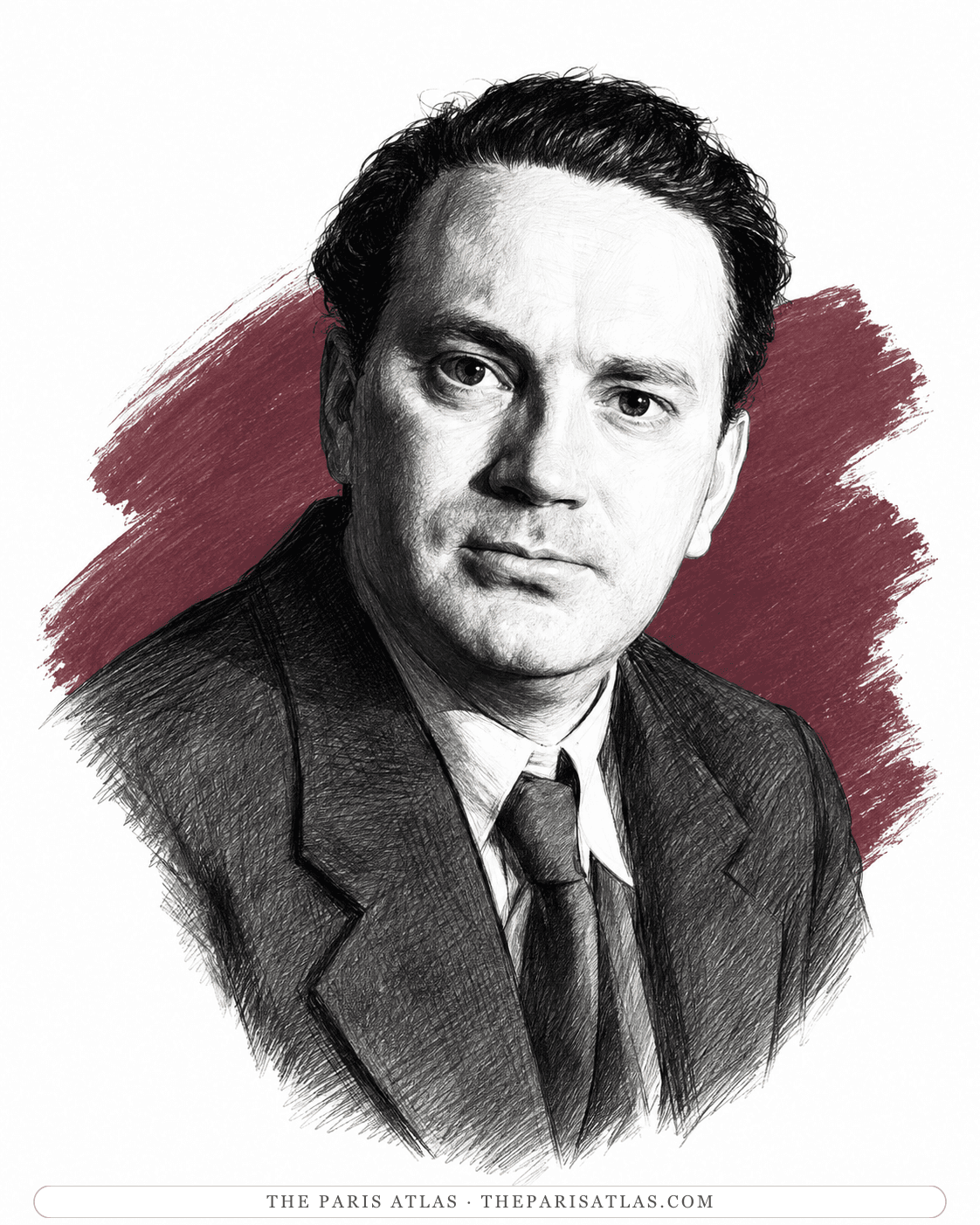
Illustrated portrait of Thomas Wolfe

Thomas Wolfe

  • Author
  • Playwright

Collaborated with · 1928–1937

Perkins cut roughly sixty thousand words from the manuscript called O Lost and published it as Look Homeward, Angel in 1929, then spent two years shaping Of Time and the River. In 1936 Bernard DeVoto wrote in the Saturday Review that the first novel had been made into a book by its editor; Wolfe left Scribner's for Harper & Brothers in 1937. His last letter, written from a Seattle hospital on 12 August 1938, was to Perkins.

A. Scott Berg, Max Perkins: Editor of Genius (1978); Wikipedia — Thomas Wolfe; Biography of Thomas Wolfe — Thomas Wolfe Memorial; Thomas Wolfe (1900–1938), Look Homeward, Angel and its reception in Asheville

Organizations

Worked for · 1910–1947

Charles Scribner's Sons

Perkins joined the advertising department in 1910, moved to the editorial staff in 1914, and stayed until he died in 1947, by then the firm's editorial director and a vice president. Thirty-seven years, one employer.

A. Scott Berg, Max Perkins: Editor of Genius (1978); Wikipedia — Maxwell Perkins; Wikipedia — Charles Scribner's Sons; Wikipedia — Charles Scribner's Sons Building, 597 Fifth Avenue, 597 Fifth Avenue, opened 18 May 1913 — the offices above the bookshop

Questions about Maxwell Perkins

Who was Maxwell Perkins?

An American book editor at Charles Scribner's Sons from 1910 until his death in 1947, and the most famous editor in publishing history. He signed or edited F. Scott Fitzgerald, Ernest Hemingway, Thomas Wolfe, Ring Lardner, Marjorie Kinnan Rawlings, and Martha Gellhorn.

What did Maxwell Perkins actually do as an editor?

Three things, mostly by letter. He found writers nobody had published and argued them past a conservative firm; he told them what was not working in a draft, which is how The Great Gatsby got its rewrite; and he cut. Thomas Wolfe's first manuscript ran past a thousand pages and reached print as Look Homeward, Angel.

How did Maxwell Perkins get Hemingway?

F. Scott Fitzgerald wrote to him in the autumn of 1924 recommending a young American in Paris he had not yet met, misspelling the name with two m's. Hemingway was contractually tied to Boni & Liveright until he wrote The Torrents of Spring, a parody of their own star author Sherwood Anderson, which they refused as he intended. The contract dissolved and Perkins signed him, publishing The Sun Also Rises in 1926.

Did Perkins really write swear words on his desk calendar?

The story is told often and labelled a fanciful one by the sources that tell it, so it should not be taken as documented. The version that circulates has him listing the objectionable words in The Sun Also Rises under Things To Do Today, and Charles Scribner reading the list and remarking that he must be exhausted. What is well attested is the underlying situation: Perkins repeatedly defended Hemingway's language to his employer, and did not use it himself.

Why did Thomas Wolfe leave Maxwell Perkins?

Because the editing became an accusation. Thomas Wolfe accepted deep cuts on his first two novels, then the critic Bernard DeVoto wrote in 1936 that the books had been assembled by Perkins and the Scribner's production line rather than written by their author. Wolfe moved to Harper & Brothers to prove otherwise. He died two years later, and his final letter was to Perkins.

How did Maxwell Perkins die?

Of pneumonia, in Stamford, Connecticut, on 17 June 1947, aged sixty-two. He had been admitted to hospital with a fever on 2 June. He was Scribner's editorial director and a vice president of the firm at the time, and had recently accepted Alan Paton's Cry, the Beloved Country, which was published the following February.

Is there a good book about Maxwell Perkins?

A. Scott Berg's Max Perkins: Editor of Genius, published in 1978, which won the National Book Award and was built on unprecedented access to his correspondence. His letters with Hemingway are published in full as The Only Thing That Counts.

Sourced claims

Every connection the graph holds for Maxwell, with the evidence behind it.

Collaborated with

Ernest Hemingway

Perkins signed Hemingway for Scribner's in 1926 after The Torrents of Spring broke his Boni & Liveright contract, and edited him for the rest of his life. Their correspondence runs from 1925 to Perkins's death in 1947 and is published in full as The Only Thing That Counts.

A. Scott Berg, Max Perkins: Editor of Genius (1978); Carlos Baker, Ernest Hemingway: A Life Story (1969); Wikipedia — Maxwell Perkins

Collaborated with

F. Scott Fitzgerald

Perkins pushed the rejected manuscript that became This Side of Paradise past Scribner's older men in 1919, and edited everything Fitzgerald wrote afterwards. His letters about the vagueness of Gatsby himself prompted the rewrite that produced The Great Gatsby in 1925.

A. Scott Berg, Max Perkins: Editor of Genius (1978); A Fitzgerald Chronology — Matthew J. and Arlyn Bruccoli Collection of F. Scott Fitzgerald

Collaborated with

Martha Gellhorn

Perkins edited Gellhorn at Scribner's, publishing her first collection of short fiction, The Heart of Another, in 1941. She and Hemingway, married that same year, shared a publishing house and an editor.

A. Scott Berg, Max Perkins: Editor of Genius (1978); Caroline Moorehead, Martha Gellhorn: A Life (2003)

Collaborated with · 1928–1937

Thomas Wolfe

Perkins cut roughly sixty thousand words from the manuscript called O Lost and published it as Look Homeward, Angel in 1929, then spent two years shaping Of Time and the River. In 1936 Bernard DeVoto wrote in the Saturday Review that the first novel had been made into a book by its editor; Wolfe left Scribner's for Harper & Brothers in 1937. His last letter, written from a Seattle hospital on 12 August 1938, was to Perkins.

A. Scott Berg, Max Perkins: Editor of Genius (1978); Wikipedia — Thomas Wolfe; Biography of Thomas Wolfe — Thomas Wolfe Memorial; Thomas Wolfe (1900–1938), Look Homeward, Angel and its reception in Asheville

Worked for · 1910–1947

Charles Scribner's Sons

Perkins joined the advertising department in 1910, moved to the editorial staff in 1914, and stayed until he died in 1947, by then the firm's editorial director and a vice president. Thirty-seven years, one employer.

A. Scott Berg, Max Perkins: Editor of Genius (1978); Wikipedia — Maxwell Perkins; Wikipedia — Charles Scribner's Sons; Wikipedia — Charles Scribner's Sons Building, 597 Fifth Avenue, 597 Fifth Avenue, opened 18 May 1913 — the offices above the bookshop