The Paris AtlasCharting the artists, works, and places worth returning to.

Publisher · 1846–1984

Charles Scribner's Sons

The New York house that published Fitzgerald at twenty-three, Hemingway at twenty-seven, and Thomas Wolfe at twenty-nine, on the judgement of one editor.

Founders
Charles Scribner · Isaac D. Baker
Where
New York City
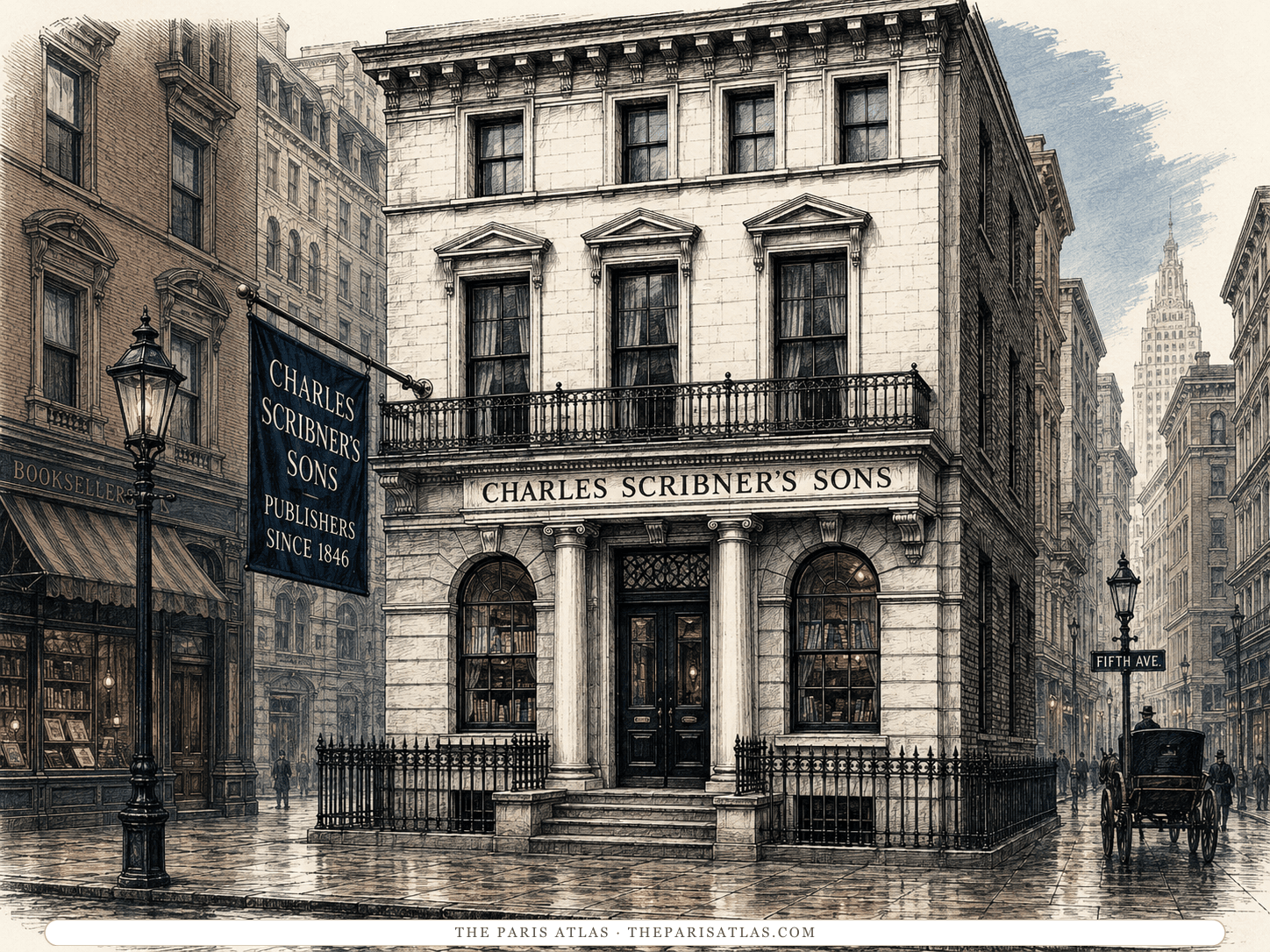
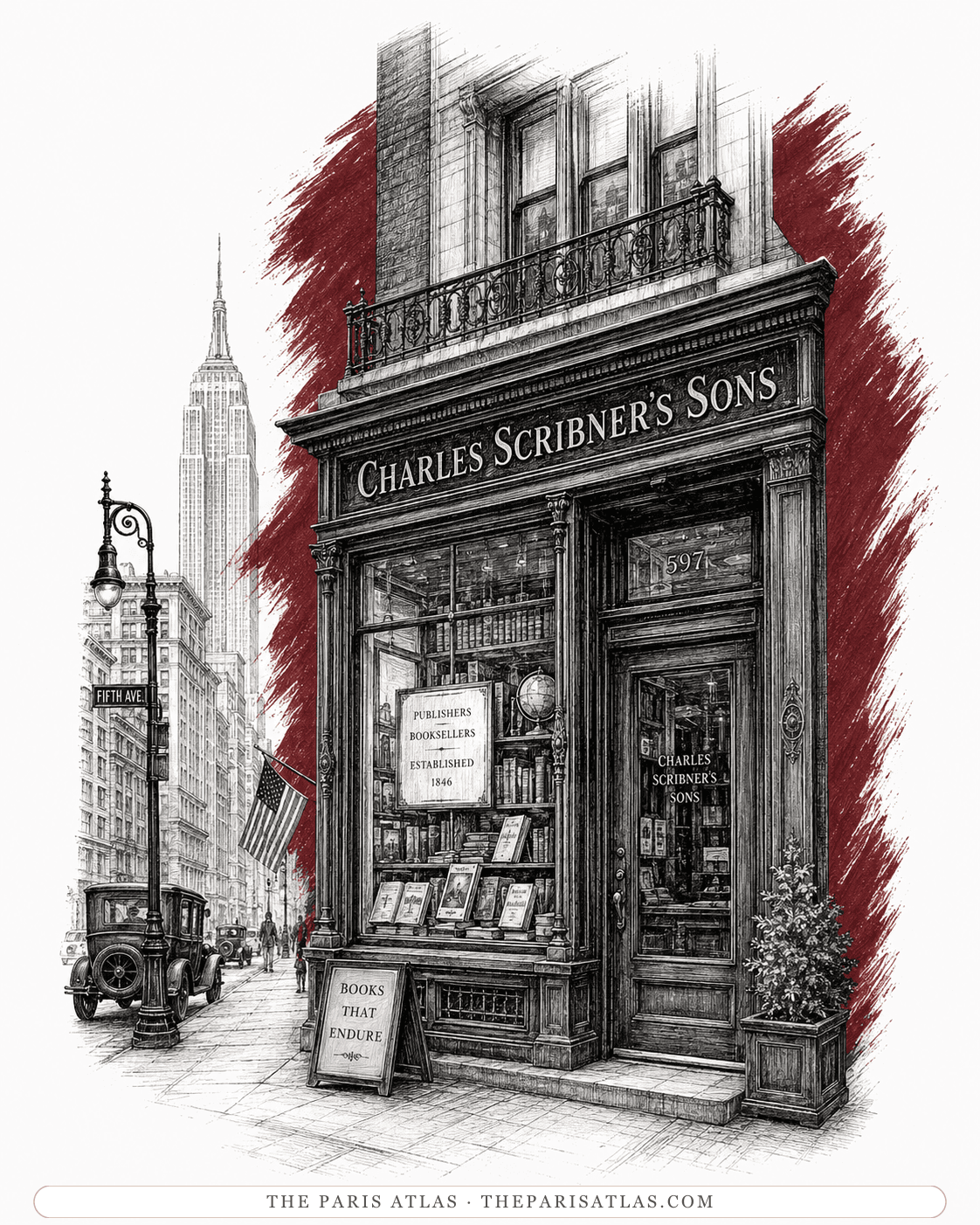
Pen-and-ink illustration of a Charles Scribner's Sons bookshop and publishing house on a wet Fifth Avenue corner, its banner reading Publishers Since 1846
Drawn for The Paris Atlas, and an emblem rather than a record: the firm's Fifth Avenue home was Ernest Flagg's tall glass-fronted building at No. 597, opened in May 1913.

Charles Scribner's Sons was an old and cautious house by the time it became the publisher of the American 1920s, which is most of what makes the story interesting. It was founded in New York in 1846 by Charles Scribner and Isaac D. Baker as Baker & Scribner. Baker died in 1850 and Scribner bought out his share. The firm took its final name in 1878, seven years after the founder's death, when his sons ran it. The second Charles Scribner became president in 1879 and held the job for fifty-one years, publishing Henry James, Edith Wharton, John Galsworthy, and Theodore Roosevelt.

The magazines came first and mattered longer than most publishers' do. Scribner's Monthly began in 1870 and was sold in 1881, becoming The Century Magazine; the sale barred the house from running another magazine for five years. When the bar expired it launched Scribner's Magazine, which published from January 1887 until May 1939 and paid for serial rights on a scale that could decide where a novelist went. In 1929 it gave Ernest Hemingway $16,000 to serialise A Farewell to Arms, reportedly the most it had ever paid for a serial, and then watched the Boston police keep the June issue off the city's newsstands.

The address is part of the identity. In 1913 the house moved into a building of its own at 597 Fifth Avenue, designed by Ernest Flagg, who was the second Charles Scribner's brother-in-law and had built the firm's previous premises downtown. It opened on 18 May 1913, with a bookshop behind a tall vaulted storefront and the editorial offices above it. New York designated the exterior a landmark in 1982 and the shop interior in 1989, the year the bookstore closed. A clothing retailer occupies the shopfront now.

Pen-and-ink illustration of the Charles Scribner's Sons bookstore at 597 Fifth Avenue, New York, its window card reading Publishers Booksellers Established 1846
Drawn for The Paris Atlas. The bookshop sat below the editorial offices at 597 Fifth Avenue; the shopfront here is invented rather than copied from Flagg's building.

Maxwell Perkins joined the advertising department in 1910 and moved to the editorial staff in 1914, and the list he assembled over the next thirty-three years is the reason the house is remembered. He forced through This Side of Paradise in 1919 over the objections of older men in the firm and had F. Scott Fitzgerald for the rest of Fitzgerald's life. He spent two years prising Hemingway loose from Boni & Liveright and published The Sun Also Rises in 1926. He cut Thomas Wolfe's first manuscript into Look Homeward, Angel in 1929. He published Ring Lardner, Marjorie Kinnan Rawlings, and, from 1941, Martha Gellhorn. Several of those books reached print with dashes where words had been, because Perkins had to carry every obscenity argument to his employer in person.

The house did not stop when he died in 1947. Alan Paton's Cry, the Beloved Country, which Perkins had accepted from an unsolicited typescript, appeared the following February; James Jones's From Here to Eternity followed in 1951 and Kurt Vonnegut's first novel in 1952. The Scribner Illustrated Classics, with N. C. Wyeth's paintings, had been selling steadily since before the First World War, and a large reference division ran alongside the trade list.

Independence ended in stages. Scribner's merged with Atheneum in 1978 to form the Scribner Book Companies, and was absorbed into Macmillan in 1984, which ended the family's ownership after a hundred and thirty-eight years. Simon & Schuster acquired Macmillan's American operations in 1994; the reference division and its trademarks were sold separately in 1998 and now sit with Cengage. Scribner survives as a Simon & Schuster imprint, and it is still the American publisher of Hemingway, which is why the paperbacks on this site's shelves carry the name.

The addresses

  1. 597 Fifth Avenue, New York1913–1980s

    Ernest Flagg's building, opened 18 May 1913. The editorial offices sat above the bookshop; the shop closed in January 1989.

  2. 155 Fifth Avenue, New York1894–1913

    Also Flagg's, near 22nd Street, and the house's home before it moved uptown.

Timeline

  1. 1846

    Charles Scribner and Isaac D. Baker found Baker & Scribner in New York.

  2. 1850

    Baker dies. Scribner buys out his share and the firm takes his own name.

  3. 1878

    Renamed Charles Scribner's Sons, seven years after the founder's death.

  4. 1879

    Charles Scribner II becomes president, a post he holds for fifty-one years.

  5. 1887

    Scribner's Magazine begins publication in January. It runs until May 1939.

  6. 1910

    Maxwell Perkins joins the advertising department.

  7. 1913

    The Ernest Flagg building at 597 Fifth Avenue opens on 18 May: bookshop below, editorial offices above.

  8. 1914

    Perkins moves to the editorial staff, where he stays until his death.

  9. 1920

    Publishes This Side of Paradise on 26 March, F. Scott Fitzgerald's first novel.

  10. 1926

    Publishes The Sun Also Rises in October, having taken Ernest Hemingway off Boni & Liveright.

  11. 1929

    Serialises A Farewell to Arms in the magazine for $16,000 and loses the June issue to the Boston police. Publishes Thomas Wolfe's Look Homeward, Angel in October.

  12. 1947

    Perkins dies on 17 June, editorial director and a vice president of the firm.

  13. 1978

    Merges with Atheneum to form the Scribner Book Companies.

  14. 1984

    Absorbed into Macmillan, ending the Scribner family's ownership.

  15. 1989

    The Fifth Avenue bookshop closes in January; its interior is designated a New York City landmark in July.

  16. 1994

    Simon & Schuster acquires Macmillan's American operations. Scribner continues as an imprint.

The people

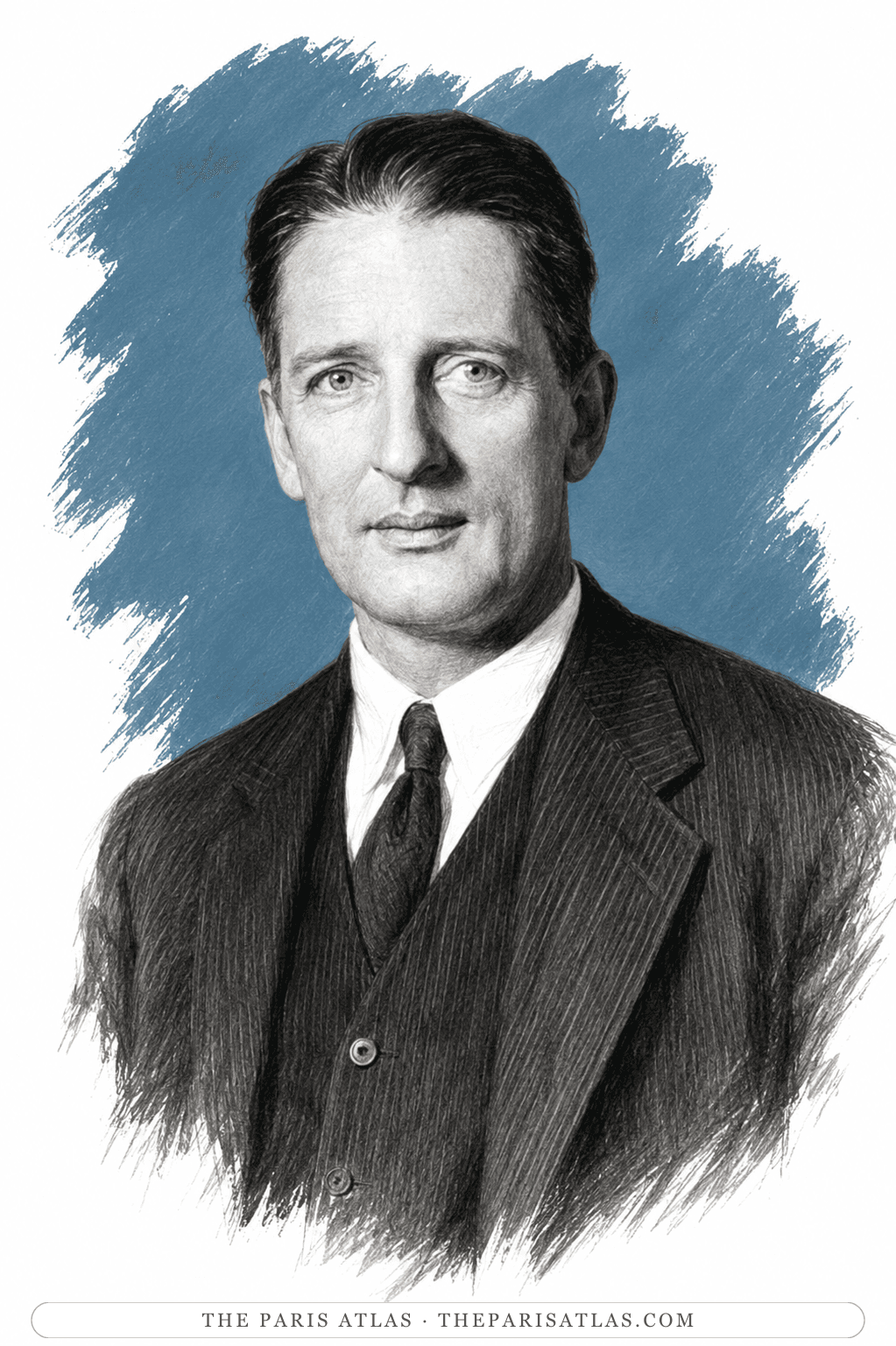
Maxwell Perkins

Editor, 1914–1947

The reason the house owns this period. He signed F. Scott Fitzgerald, Ernest Hemingway, and Thomas Wolfe, and argued their language past his own employer.

Visit their page
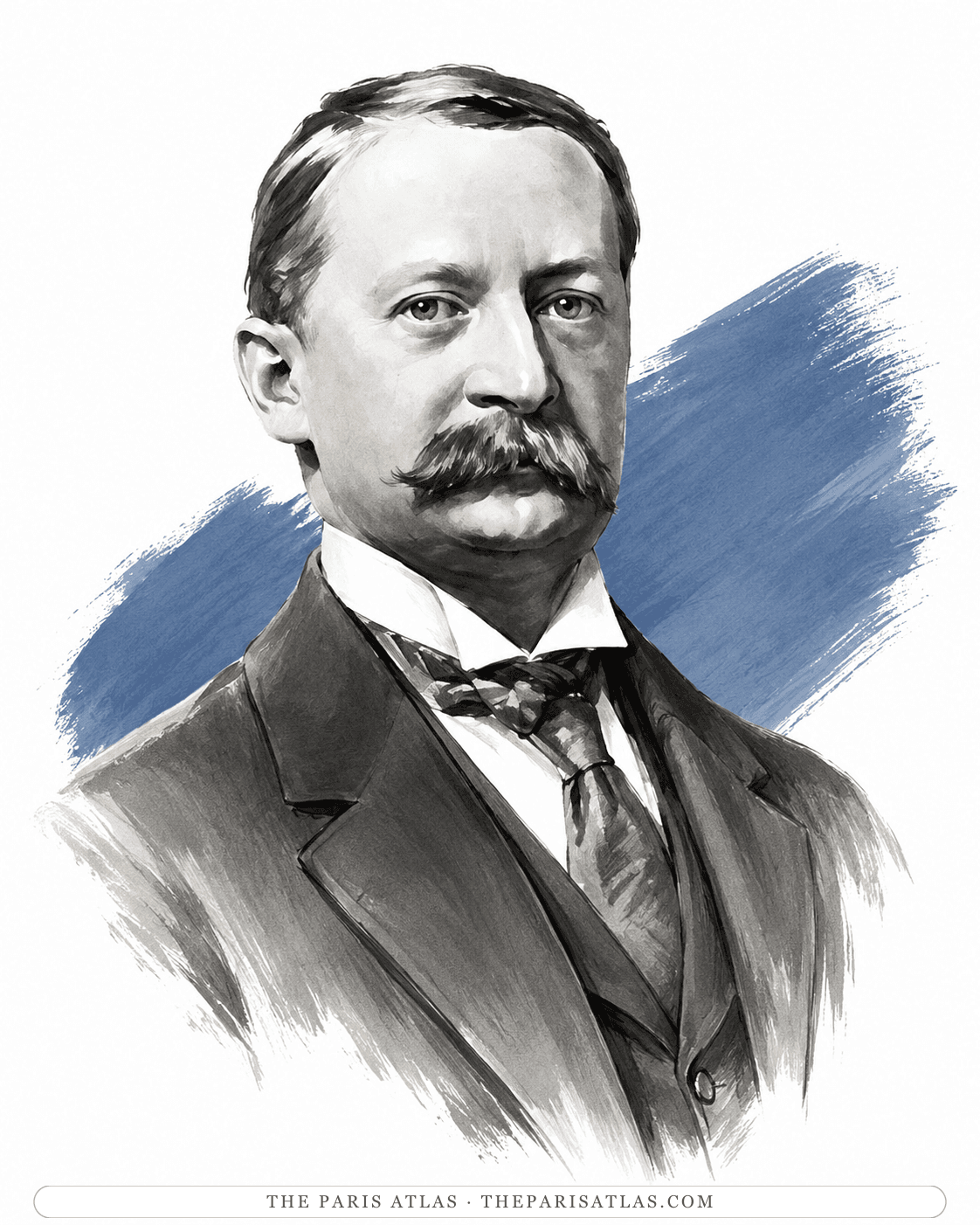
Illustrated portrait of Charles Scribner II

Charles Scribner II

President, 1879–1930

Ran the firm for fifty-one years, founded Scribner's Magazine, built 597 Fifth Avenue, and hired Perkins in 1910.

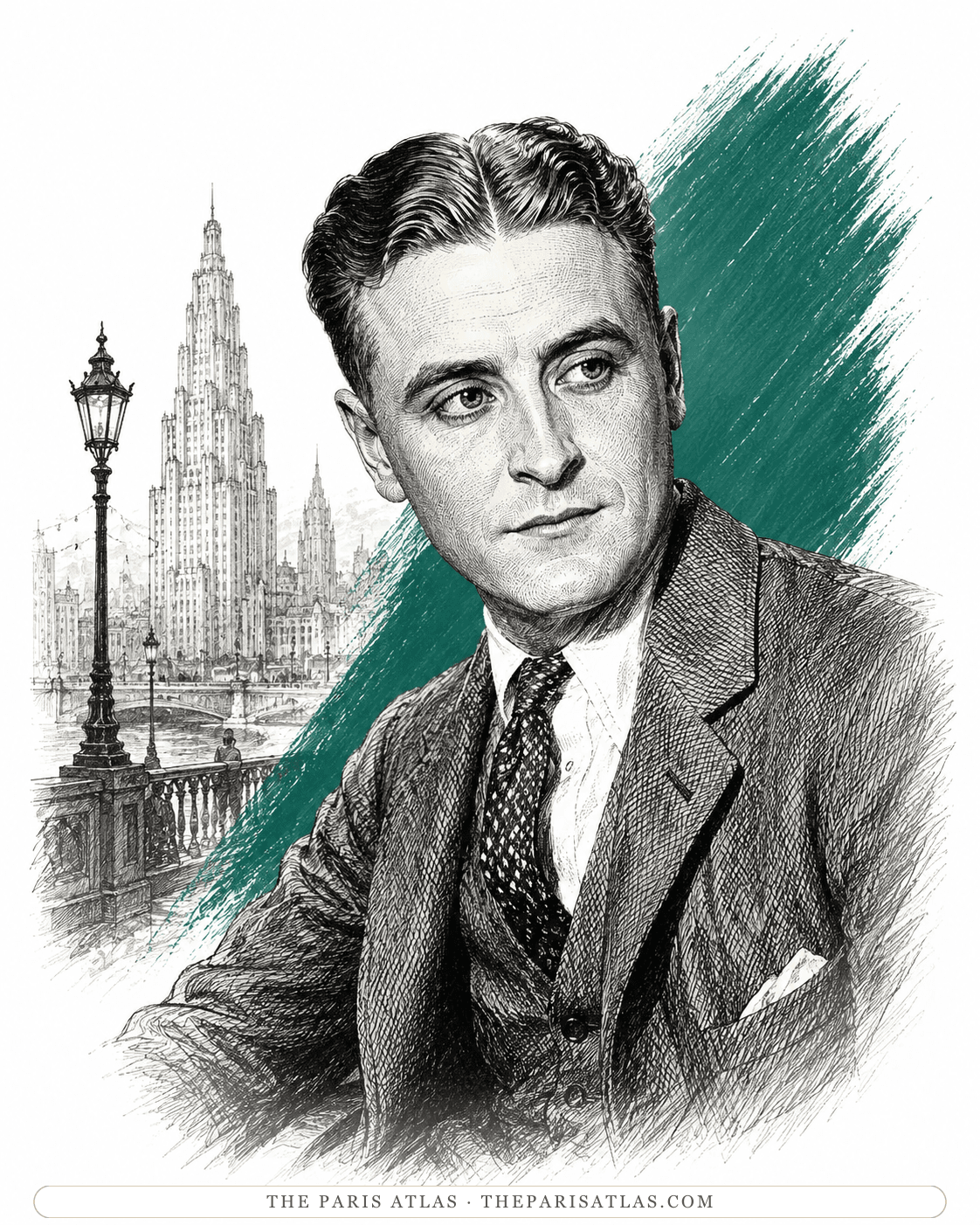
F. Scott Fitzgerald

Author, 1920–1940

Scribner's published every book he finished, from This Side of Paradise at twenty-three to the unfinished Last Tycoon after his death.

Visit their page

Ernest Hemingway

Author, 1926–1961

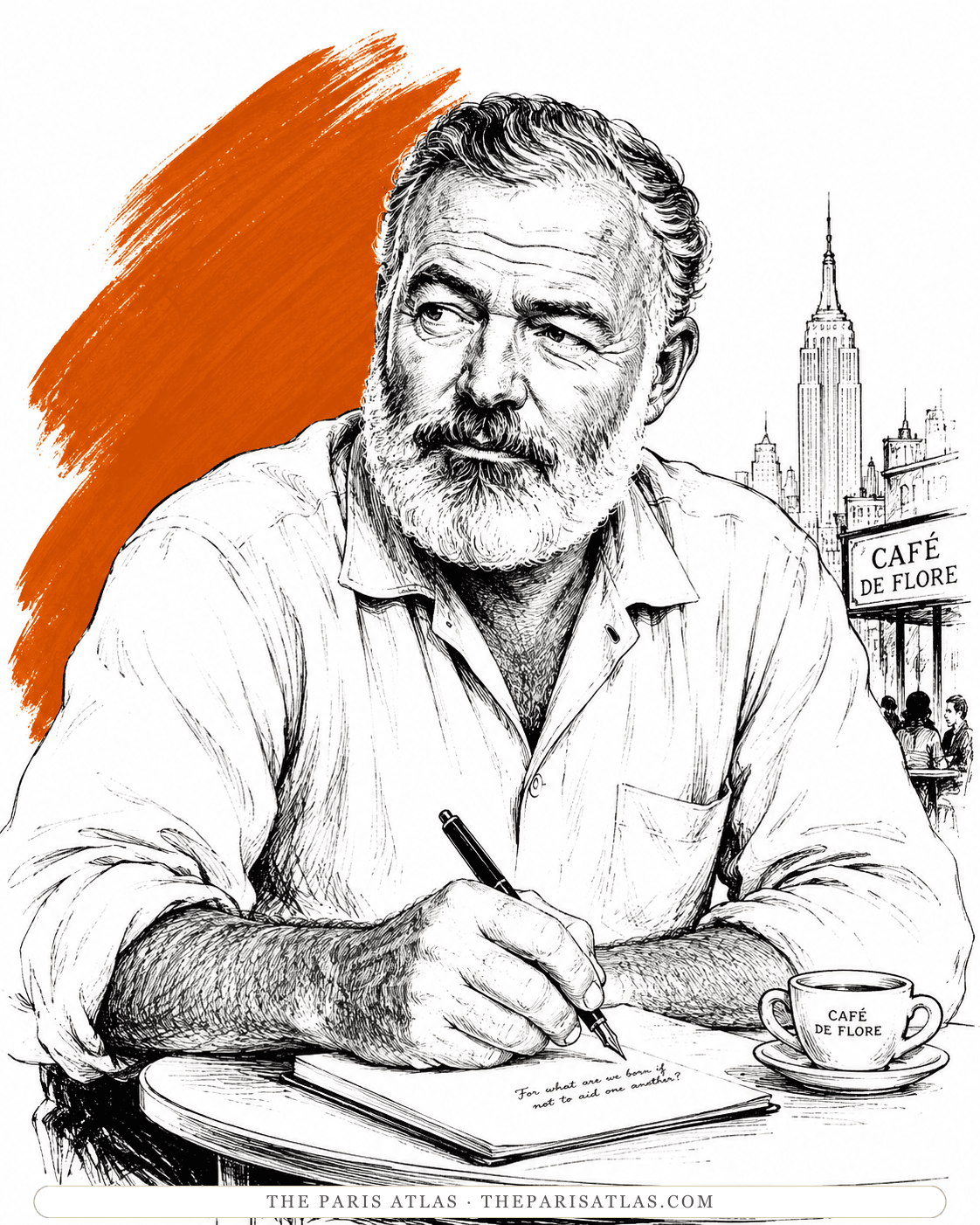
Came over from Boni & Liveright in 1926 and never left. The house still publishes him.

Visit their page

Thomas Wolfe

Author, 1929–1937

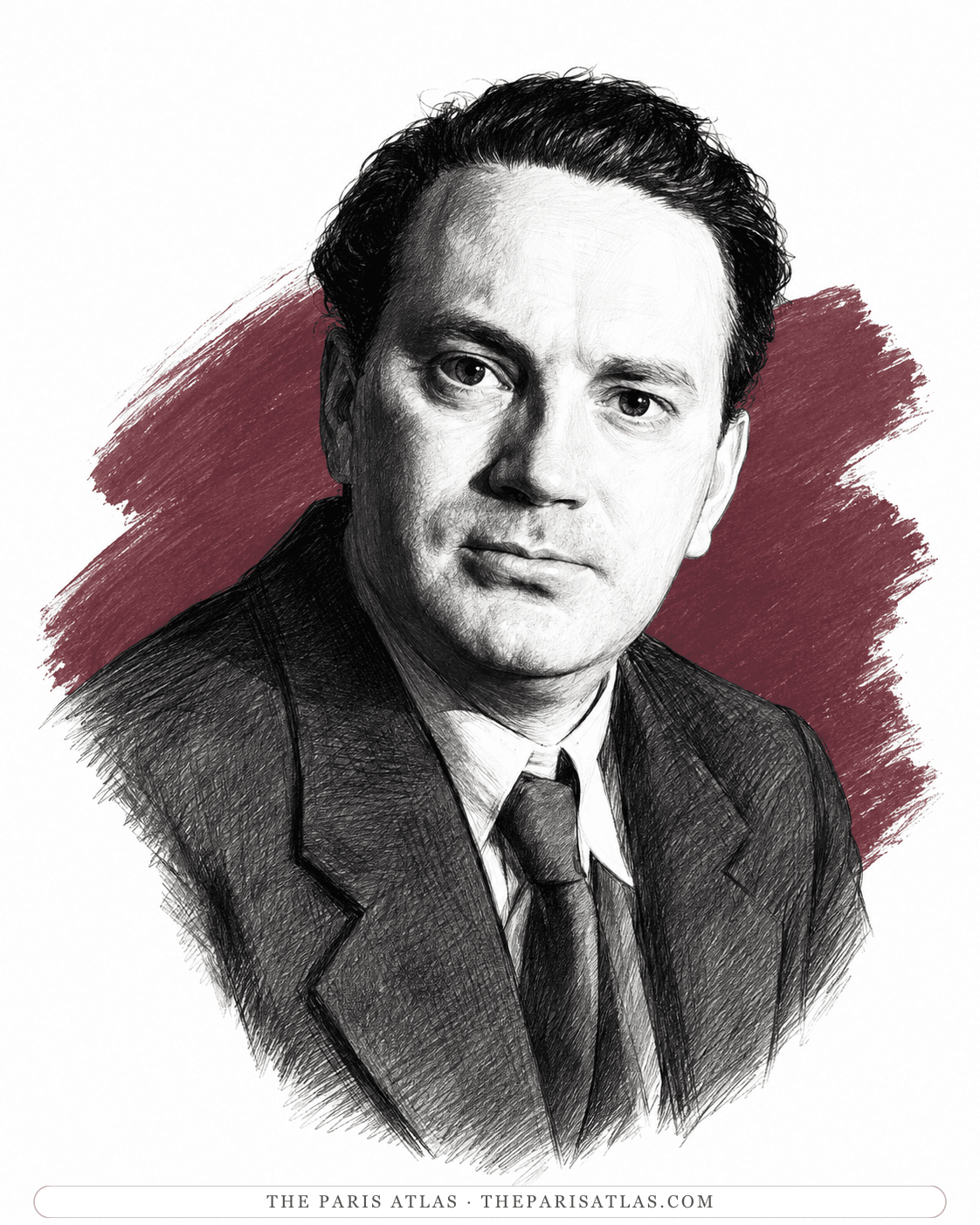
Two novels, both cut heavily by Perkins. He left in 1937 to prove he could publish without him.

Visit their page

Martha Gellhorn

Author, 1941–1948

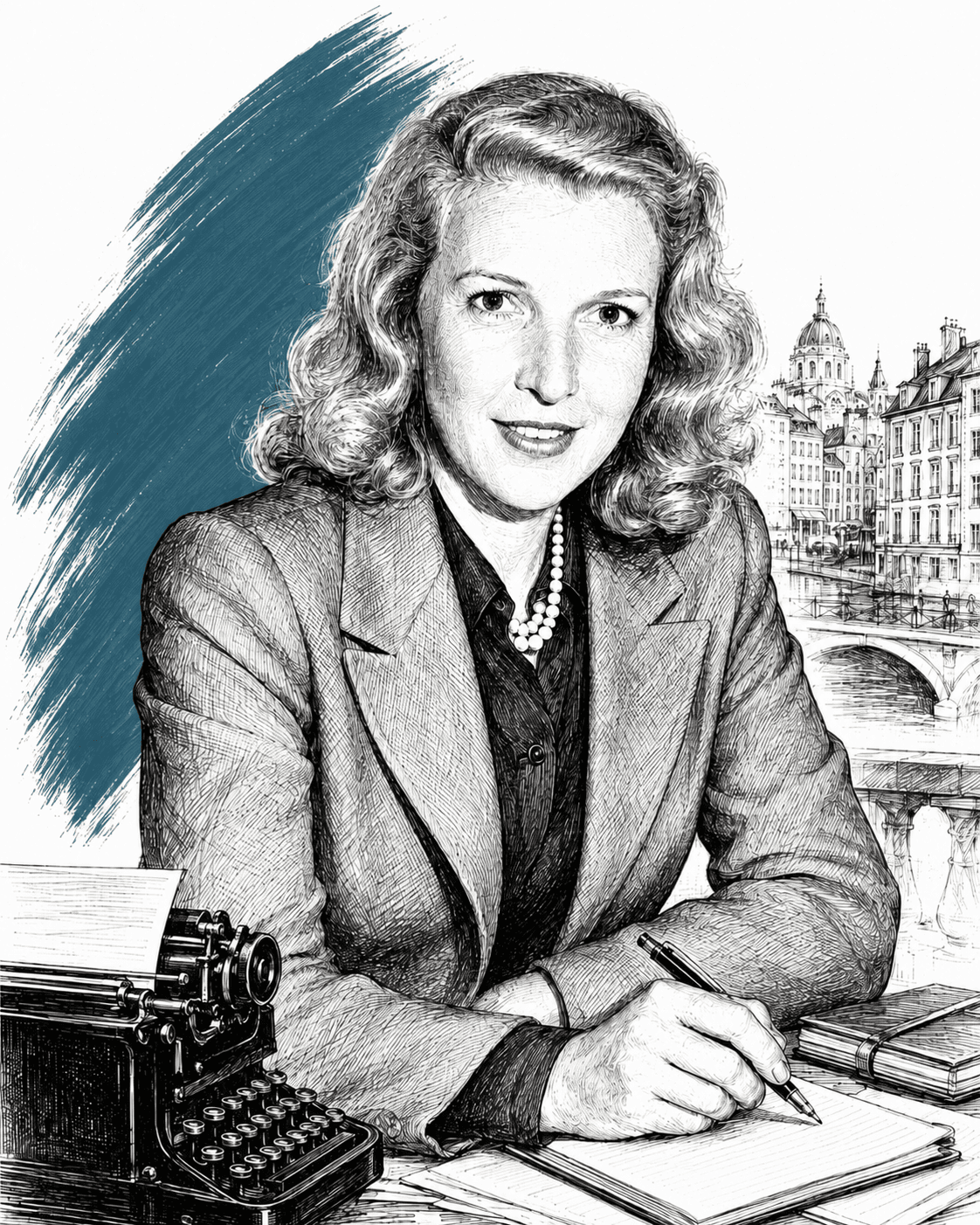
Perkins published her first collection of short fiction in 1941, the year she married Hemingway. For a while the house had them both.

Visit their page

From the Scribner's list

  • Cover of This Side of Paradise by F. Scott Fitzgerald

    This Side of Paradise(1920)

    F. Scott Fitzgerald

    Perkins pushed the rejected manuscript past the firm's older men. It made its twenty-three-year-old author famous in a week.

    On our shelves

  • Cover of The Great Gatsby by F. Scott Fitzgerald

    The Great Gatsby(1925)

    F. Scott Fitzgerald

    Rewritten in part on the strength of Perkins's letters, which told Fitzgerald that Gatsby himself had not come clear.

    On our shelves

  • Cover of The Sun Also Rises by Ernest Hemingway

    The Sun Also Rises(1926)

    Ernest Hemingway

    The book the Torrents of Spring manoeuvre was designed to free. Scribner's first Hemingway novel.

    On our shelves

  • Cover of A Farewell to Arms by Ernest Hemingway

    A Farewell to Arms(1929)

    Ernest Hemingway

    Serialised in Scribner's Magazine before publication, at a price the magazine had not paid before, and banned from Boston's newsstands in the middle of the run.

    On our shelves

  • Look Homeward, Angel(1929)

    Thomas Wolfe

    Cut by some sixty thousand words from a manuscript called O Lost. Asheville, North Carolina banned it from the public library.

  • Cover of Tender Is the Night by F. Scott Fitzgerald

    Tender Is the Night(1934)

    F. Scott Fitzgerald

    Nine years and seventeen drafts after Gatsby, and a commercial failure on publication.

    On our shelves

  • Of Time and the River(1935)

    Thomas Wolfe

    Two years of editing, and the book that made Wolfe's collaboration with Perkins a public argument.

  • The Yearling(1938)

    Marjorie Kinnan Rawlings

    Another Perkins author, and the house's Pulitzer winner of 1939.

  • Cover of For Whom the Bell Tolls by Ernest Hemingway

    For Whom the Bell Tolls(1940)

    Ernest Hemingway

    The Spanish Civil War novel, and Hemingway's biggest seller in Perkins's lifetime.

    On our shelves

  • Cover of The Heart of Another by Martha Gellhorn

    The Heart of Another(1941)

    Martha Gellhorn

    Her first collection of short fiction, published by Perkins in the year she married Hemingway.

    On our shelves

  • Cover of The Old Man and the Sea by Ernest Hemingway

    The Old Man and the Sea(1952)

    Ernest Hemingway

    Published five years after Perkins died, and the book that carried Hemingway to the Nobel.

    On our shelves

Sourced claims

Every connection the graph holds for Charles Scribner's Sons, with the evidence behind it.

Published · 1929

A Farewell to Arms

Serialised in Scribner's Magazine from May to October 1929 before book publication in September. The magazine paid $16,000 for the rights, reportedly its highest price for a serial, and the Boston police kept the June instalment off the city's newsstands.

Wikipedia — Scribner's Magazine; Carlos Baker, Ernest Hemingway: A Life Story (1969); A. Scott Berg, Max Perkins: Editor of Genius (1978)

Published · 1964

A Moveable Feast

The Paris memoir, assembled from Hemingway's drafts by Mary Welsh Hemingway and published posthumously by Scribner's.

Ernest Hemingway, A Moveable Feast (1964), title page, first edition

Published · 1932

Death in the Afternoon

Hemingway's book on the Spanish bullfight, published by Scribner's in September 1932.

Carlos Baker, Ernest Hemingway: A Life Story (1969)

Published · 1940

For Whom the Bell Tolls

The Spanish Civil War novel, and Hemingway's largest seller in Perkins's lifetime.

Carlos Baker, Ernest Hemingway: A Life Story (1969); A. Scott Berg, Max Perkins: Editor of Genius (1978)

Published · 1935

Green Hills of Africa

The safari book, published by Scribner's in October 1935.

Ernest Hemingway, Green Hills of Africa (1935), title page, first edition; Carlos Baker, Ernest Hemingway: A Life Story (1969)

Published · 1944

Liana

Gellhorn's Caribbean novel, published by Scribner's while she was reporting the war in Europe.

Caroline Moorehead, Martha Gellhorn: A Life (2003)

Employed · 1910–1947

Maxwell Perkins

Perkins joined the advertising department in 1910, moved to the editorial staff in 1914, and stayed until he died in 1947, by then the firm's editorial director and a vice president. Thirty-seven years, one employer.

A. Scott Berg, Max Perkins: Editor of Genius (1978); Wikipedia — Maxwell Perkins; Wikipedia — Charles Scribner's Sons; Wikipedia — Charles Scribner's Sons Building, 597 Fifth Avenue, 597 Fifth Avenue, opened 18 May 1913 — the offices above the bookshop

Published · 1927

Men Without Women

The first Hemingway story collection Scribner's published, following the novel by a year.

Carlos Baker, Ernest Hemingway: A Life Story (1969)

Published · 1934

Tender Is the Night

Published on 12 April 1934, nine years after Gatsby, and a commercial failure at the time.

F. Scott Fitzgerald, Tender Is the Night (1934), title page, first edition; A Fitzgerald Chronology — Matthew J. and Arlyn Bruccoli Collection of F. Scott Fitzgerald

Published · 1922

The Beautiful and Damned

Fitzgerald's second novel, published by Scribner's on 4 March 1922.

A Fitzgerald Chronology — Matthew J. and Arlyn Bruccoli Collection of F. Scott Fitzgerald

Published · 1925

The Great Gatsby

Published on 10 April 1925, after a rewrite prompted by Perkins's letters about the vagueness of Gatsby himself.

A Fitzgerald Chronology — Matthew J. and Arlyn Bruccoli Collection of F. Scott Fitzgerald; A. Scott Berg, Max Perkins: Editor of Genius (1978)

Published · 1941

The Heart of Another

Gellhorn's first collection of short fiction, edited by Perkins and published in the year she married Hemingway. For a time the house had both of them.

Caroline Moorehead, Martha Gellhorn: A Life (2003); A. Scott Berg, Max Perkins: Editor of Genius (1978)

Published · 1941

The Love of the Last Tycoon

Published on 27 October 1941 as The Last Tycoon, unfinished at Fitzgerald's death and prepared for print by Edmund Wilson.

A Fitzgerald Chronology — Matthew J. and Arlyn Bruccoli Collection of F. Scott Fitzgerald

Published · 1952

The Old Man and the Sea

Published in September 1952, five years after Perkins's death, and the last novel Hemingway saw into print.

Carlos Baker, Ernest Hemingway: A Life Story (1969)

Published · 1926

The Sun Also Rises

Published in October 1926, the first Hemingway novel to carry the Scribner's imprint.

Ernest Hemingway, The Sun Also Rises (1926), title page, first edition; Carlos Baker, Ernest Hemingway: A Life Story (1969)

Published · 1926

The Torrents of Spring

Hemingway's first Scribner's book, and the parody he wrote to make Boni & Liveright drop him. They did, and Perkins took both it and the novel that followed.

Carlos Baker, Ernest Hemingway: A Life Story (1969); A. Scott Berg, Max Perkins: Editor of Genius (1978)

Published · 1948

The Wine of Astonishment

Gellhorn's novel of the Battle of the Bulge and Dachau, published the year after Perkins died.

Caroline Moorehead, Martha Gellhorn: A Life (2003)

Published · 1920

This Side of Paradise

Maxwell Perkins accepted the manuscript on 16 September 1919 over the objections of older men in the firm; Scribner's published it on 26 March 1920.

A Fitzgerald Chronology — Matthew J. and Arlyn Bruccoli Collection of F. Scott Fitzgerald; A. Scott Berg, Max Perkins: Editor of Genius (1978)

Published · 1937

To Have and Have Not

Hemingway's Key West and Cuba novel, published by Scribner's in October 1937.

Carlos Baker, Ernest Hemingway: A Life Story (1969)

Published · 1933

Winner Take Nothing

The third Hemingway story collection, and another round of the language arguments Perkins had to carry to his employer.

Carlos Baker, Ernest Hemingway: A Life Story (1969); A. Scott Berg, Max Perkins: Editor of Genius (1978)

Operated by · 1879–1930

Charles Scribner II

President of the firm for fifty-one years. He launched Scribner's Magazine in 1887, moved the house into Ernest Flagg's building at 597 Fifth Avenue in 1913, and hired Maxwell Perkins in 1910.

Wikipedia — Charles Scribner's Sons; Wikipedia — Scribner's Magazine

Further reading

  • Max Perkins: Editor of Genius A. Scott Berg, 1978
  • The Only Thing That Counts: The Ernest Hemingway/Maxwell Perkins Correspondence, 1925–1947 Matthew J. Bruccoli with Robert W. Trogdon, eds., 1996

From our shelves

Reading Charles Scribner's Sons's world

All books

The Paris ecosystem

More presses, magazines & shops

The Friday Letter

The history behind the books, every Friday.

Presses, magazines, bookshops, and the writers who haunted them — one story from the Paris ecosystem in every letter.

One email a week. No spam, no selling your address. Unsubscribe anytime.