Hemingway’s Iceberg Theory, Explained Plainly
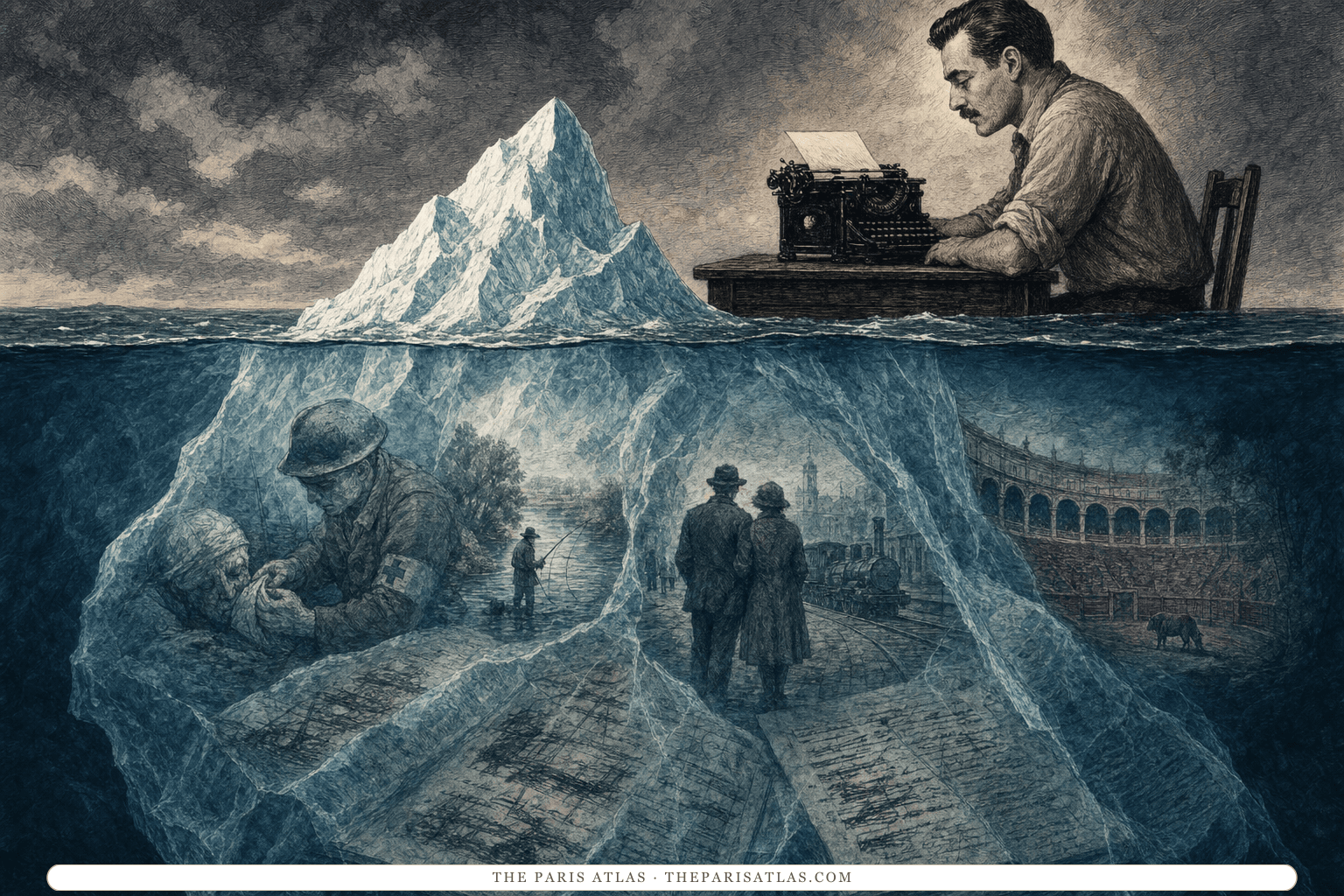
The iceberg theory is writing by informed omission: most of the writer’s knowledge stays below the surface, while selected actions and details let the reader feel it.

The second story collection — 'The Killers,' 'Hills Like White Elephants' — the iceberg method at its coldest and most perfect.
Published in 1927, the year after The Sun Also Rises, this is the collection that fixed the Hemingway short story as a form: fourteen pieces about boxers, bullfighters, hit men, soldiers, and couples talking carefully past the one subject that matters. 'The Killers' and 'Hills Like White Elephants' alone would secure it — two of the most anthologized, imitated, and taught stories in the language. The title is the thesis: men stripped of women, and of everything else that softens. (A collection — nothing here to spoil.)
The collection gathers the stories written in the wake of the first novel's success — Paris, Madrid, and the ski towns, 1926 into 1927, the year his first marriage was breaking on the second. The famous pieces run on omission at full pressure: 'Hills Like White Elephants' never names the operation a couple argues about at a Spanish railway junction; 'The Killers' never explains why the Swede won't run from the men who've come to Summit to kill him. What is left out does the work, and a century of creative-writing classrooms has been unpacking the method since.[1]
Around the two summits stand the professionals: 'Fifty Grand' and its aging welterweight betting on his own crooked fight; 'The Undefeated' and its over-the-hill matador granted one terrible integrity; 'In Another Country' opening on the most imitated first sentence in American prose ('In the fall the war was always there, but we did not go to it any more'); 'Now I Lay Me' with Nick Adams awake in the night, holding off his soul's departure. Critics at the time — Virginia Woolf among them, reviewing it skeptically — worried the manner was hardening into mannerism. The stories outlived the worry.[1]
Fourteen stories. The teaching canon: 'The Killers,' 'Hills Like White Elephants,' 'In Another Country,' 'Now I Lay Me.' The professionals under pressure: 'The Undefeated,' 'Fifty Grand,' 'My Old Man''s successors in the rings and rails. The margins of the war and the marriage: 'A Simple Enquiry,' 'A Canary for One' — the last written as his first marriage ended, with a sting in its final line. Plus the playlet 'Today Is Friday' — three Roman soldiers in a bar after a crucifixion — and 'Che Ti Dice La Patria,' Mussolini's Italy seen coldly from a passing car.[1]
Read 'Hills' and 'The Killers' first if they're somehow still ahead of you; then 'In Another Country,' which Fitzgerald called one of the finest stories he'd ever read.[1]
Jig's move to the end of the station interrupts the man's repeated assurances and opens a different field of vision. The grain, trees and river give her words about a possible life a setting beyond the table. But when he repeats her expansive language, they mean different things by it: his assurance of continued freedom meets her insistence that something may be lost irreversibly. Their matching phrases expose a failure to share a future, not an agreement reached by talking.
The doctor uses photographs to make restoration look visible and predictable, while the major questions whether an industrial injury can answer for his wound. Later, the narrator cannot explain the pictures of supposedly restored hands, since he understood that their group was testing the machines. That uncertainty remains unresolved. The major's bereavement also exceeds the story the pictures tell: he returns to treatment but looks out of the window. Keeping an appointment is not the same as believing that what is lost can be recovered.
'The Killers' and 'Hills Like White Elephants' are the compressed method at its absolute peak — nothing in the language teaches more per page.
Boxers and matadors past their primes, doing the job right anyway — the code, before the novels made it famous.
The wound runs under every story without parading — the collection is the iceberg it preaches.
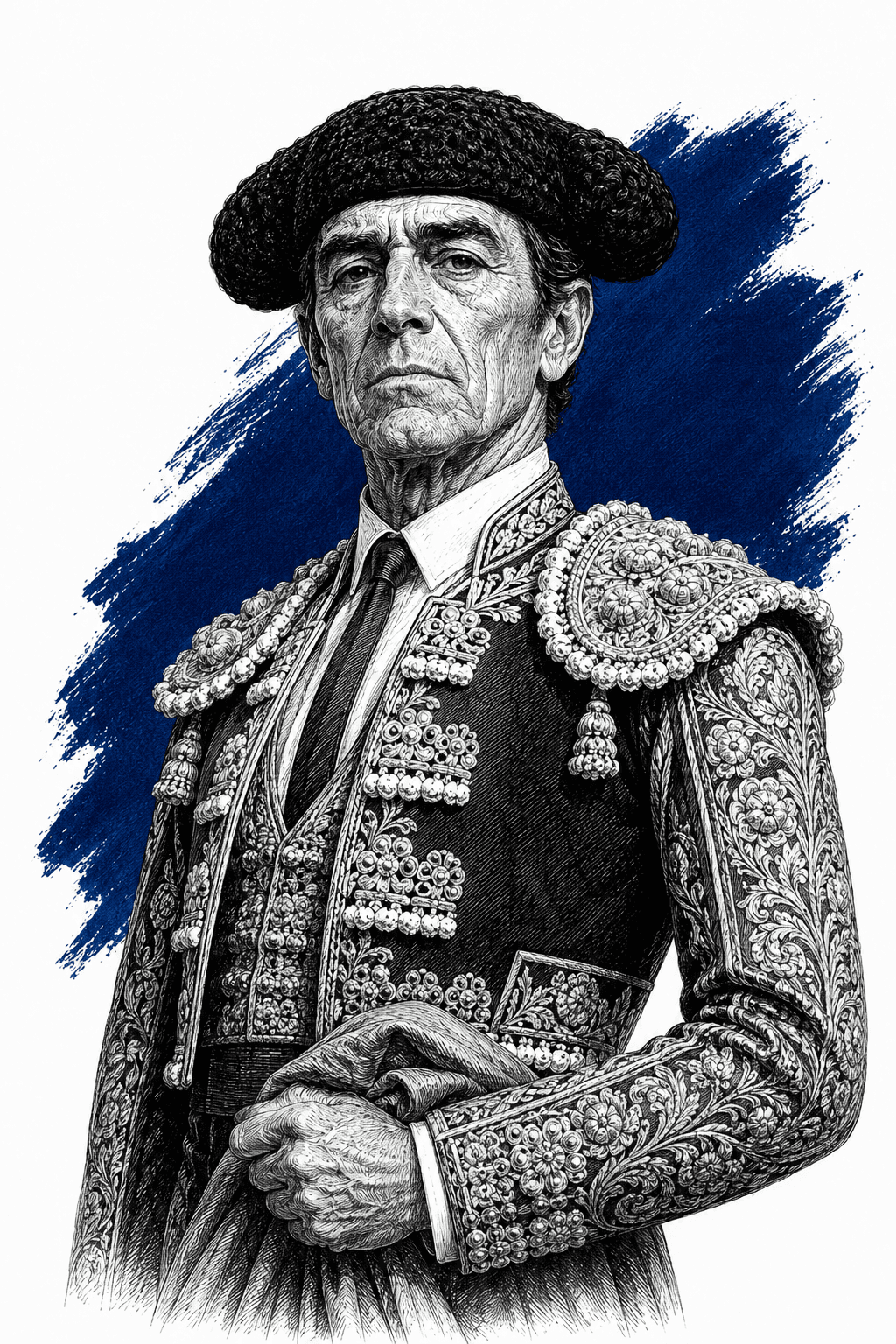
An aging Spanish bullfighter, just out of hospital, who takes the cheapest job in Madrid because it is the only one on offer. From 'The Undefeated'.
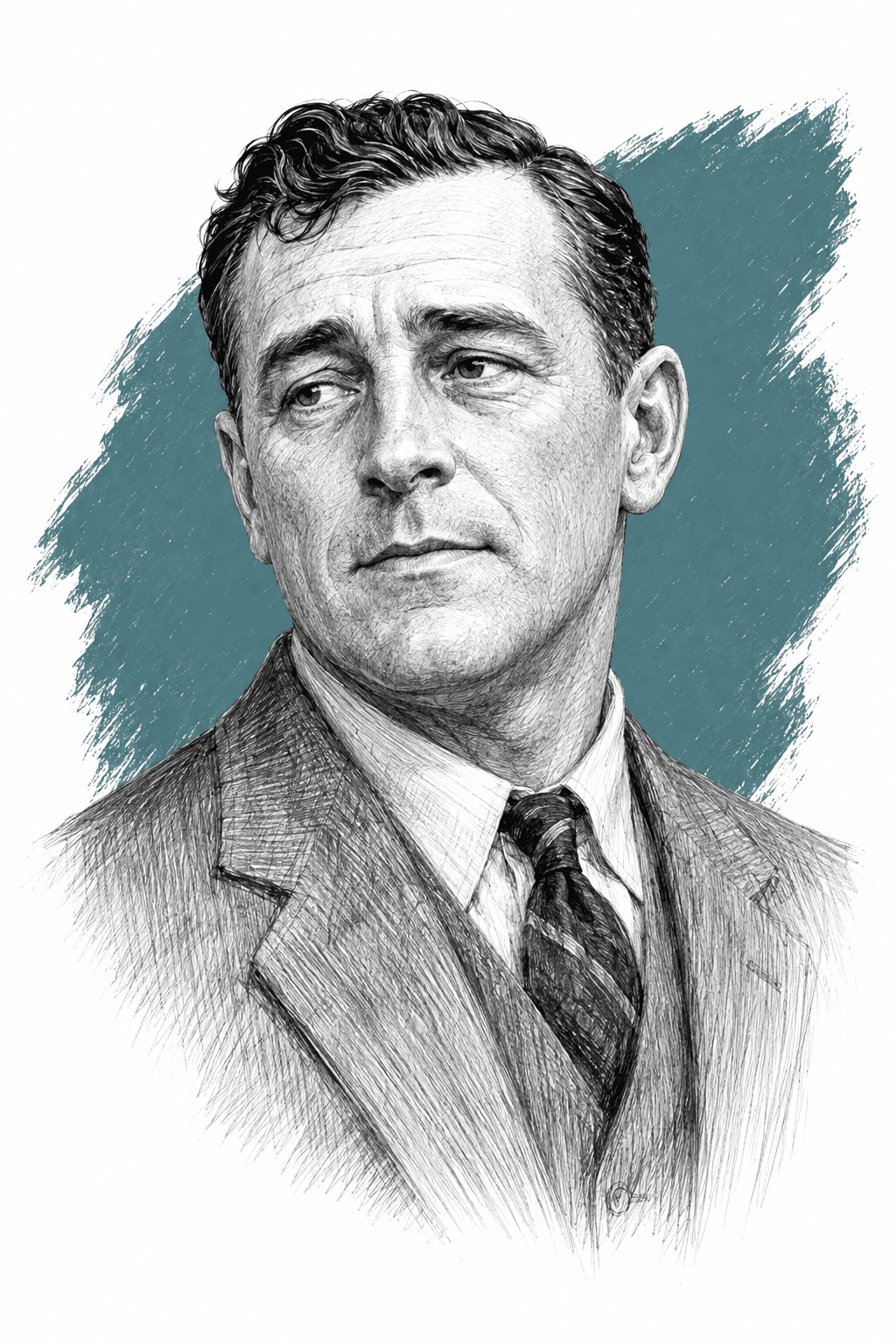
An Irish-American welterweight champion at the end of his career, who bets fifty thousand dollars against himself. From 'Fifty Grand'.

A young man from northern Michigan who turns up in three of the fourteen stories, and in Hemingway's other books as well.
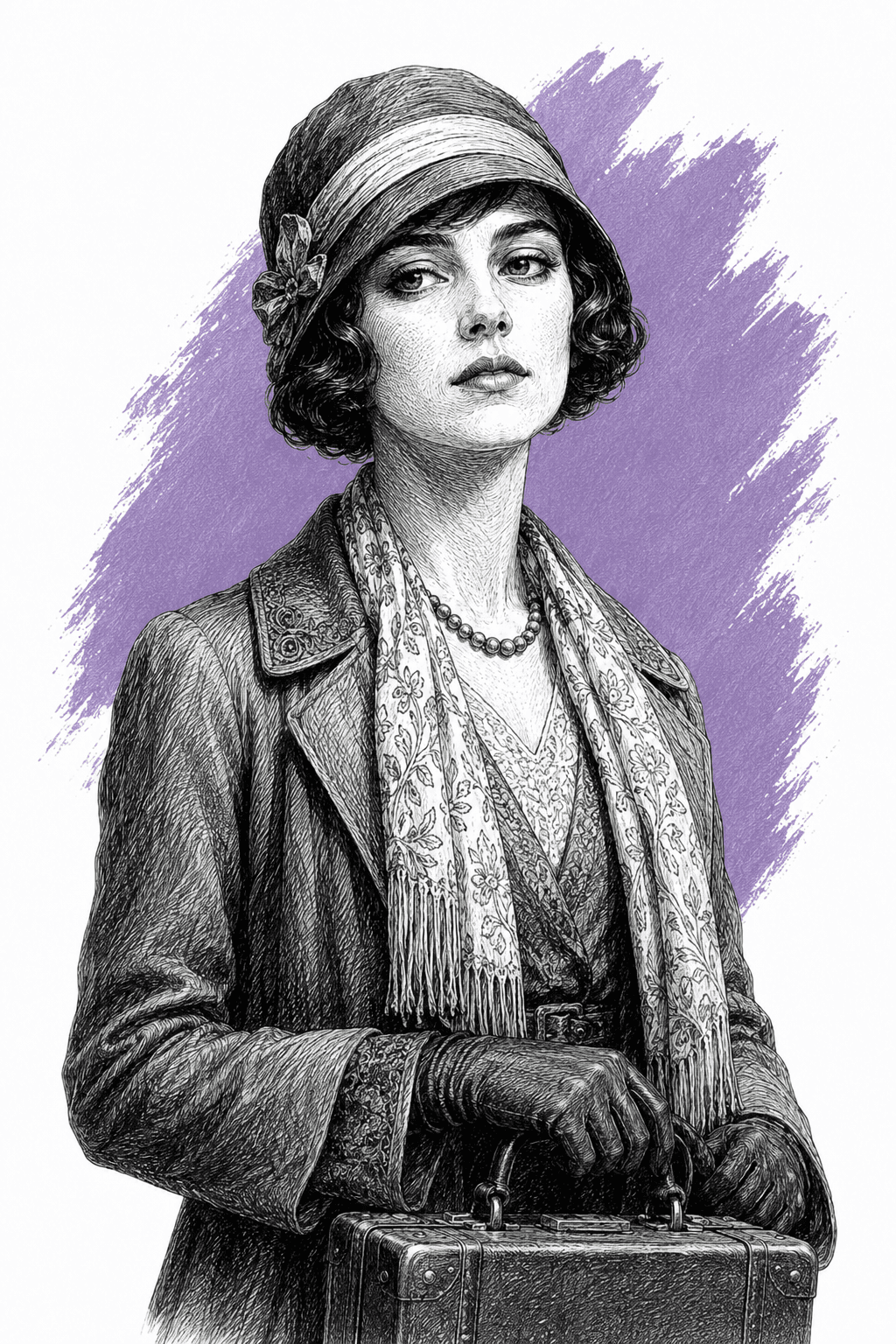
The woman waiting for the Madrid express in 'Hills Like White Elephants', arguing with the man she is travelling with about an operation.
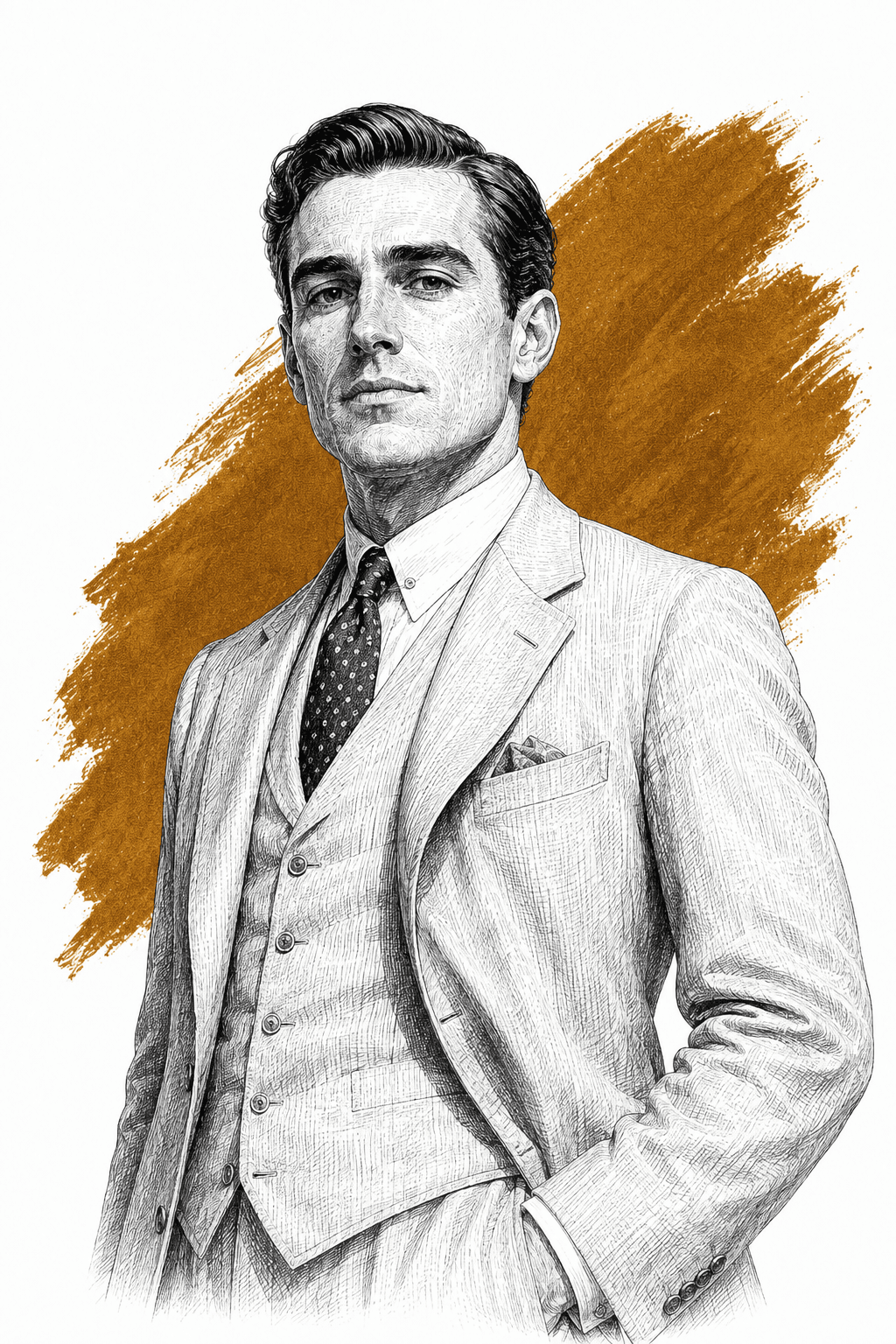
The unnamed man at the Spanish railway station in 'Hills Like White Elephants', talking the woman with him towards an operation.
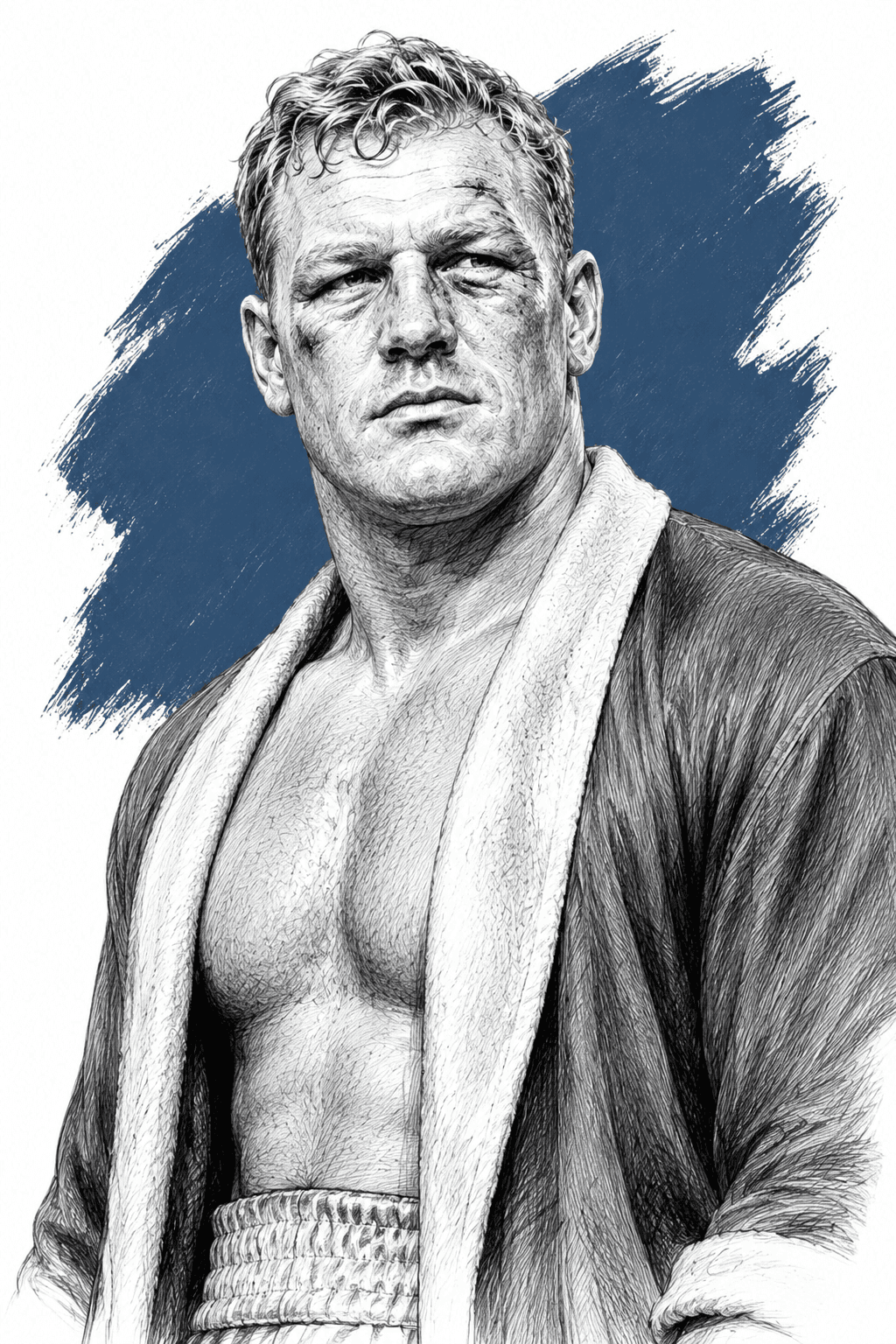
The retired picador Manuel Garcia asks for one last favour in 'The Undefeated' — a big man with enormous hands.
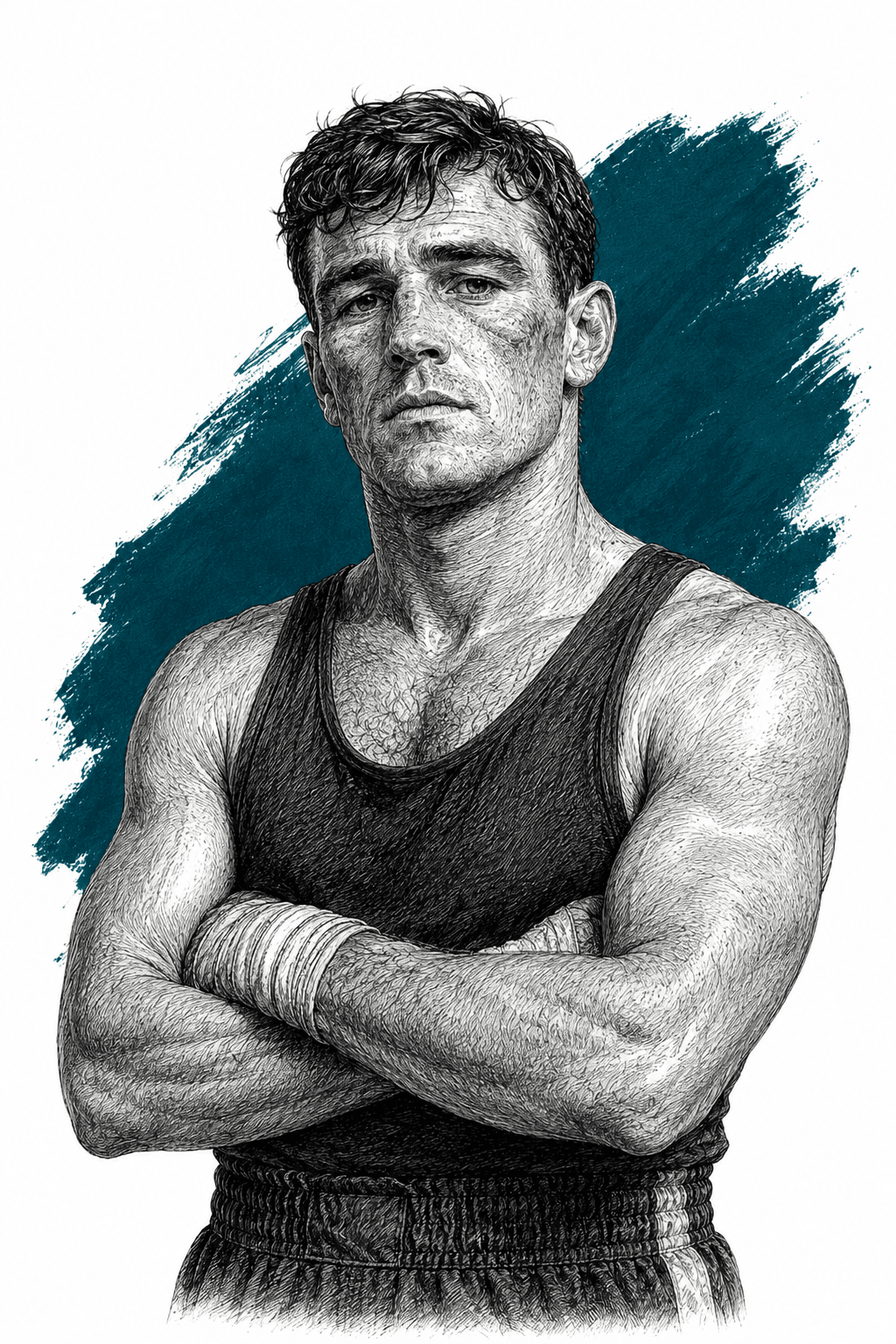
A Swedish former heavyweight boxer whom two gunmen come to a small American town to kill in 'The Killers'. He will not run.
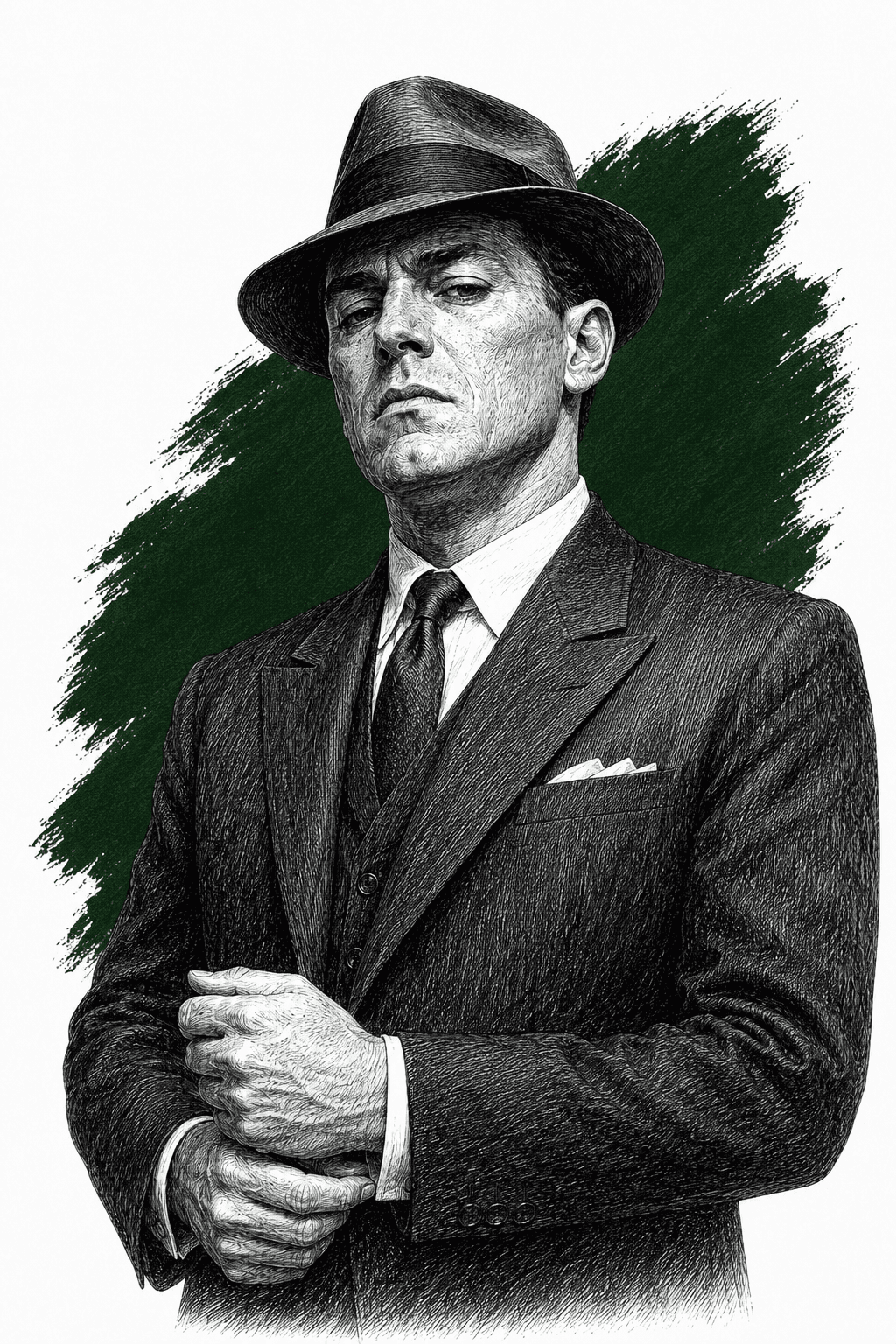
One of the two gunmen in 'The Killers' — the one who takes the kitchen, with the sawed-off shotgun.
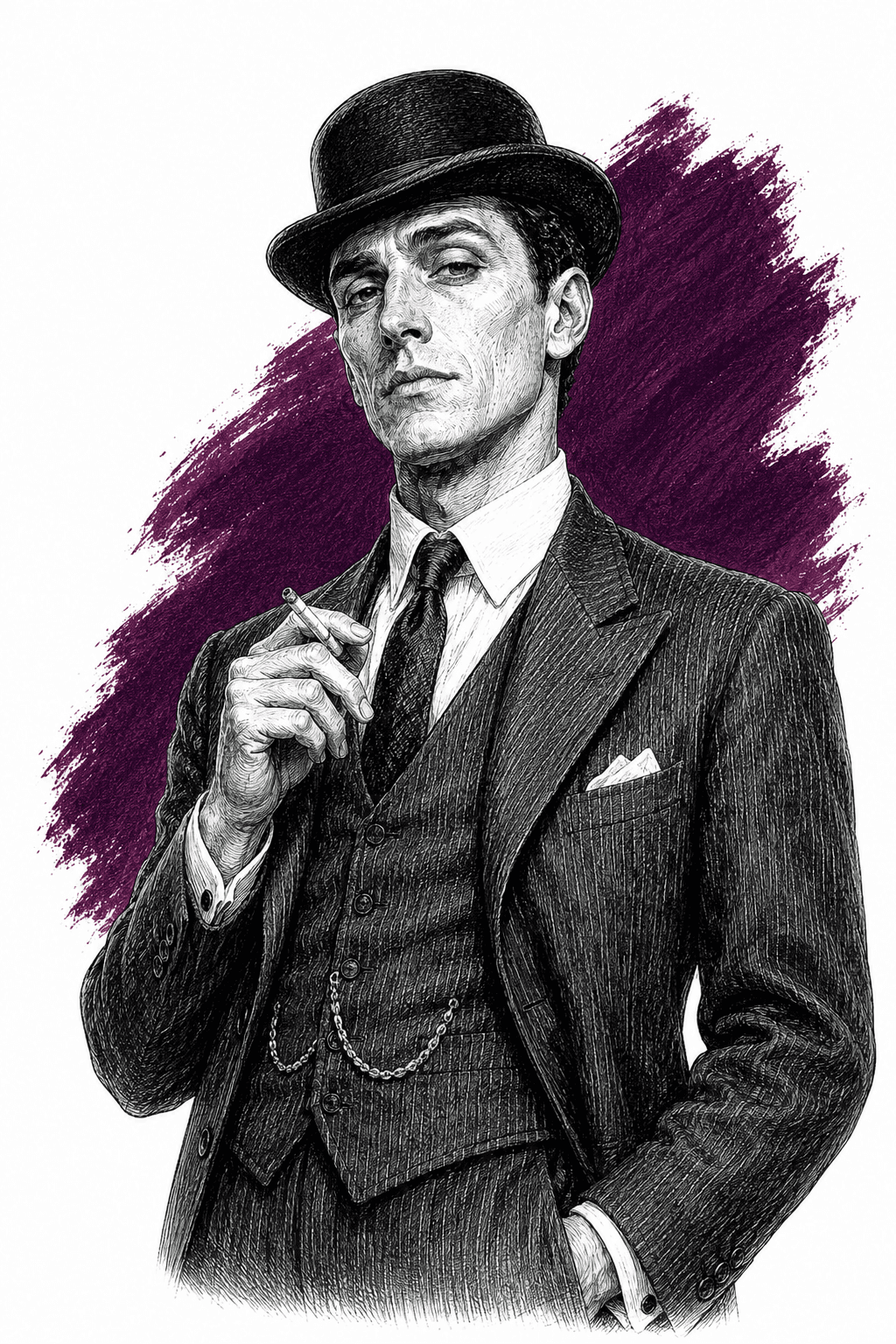
The other gunman in 'The Killers' — he sits at the counter, watches the mirror, and explains what they have come to do.
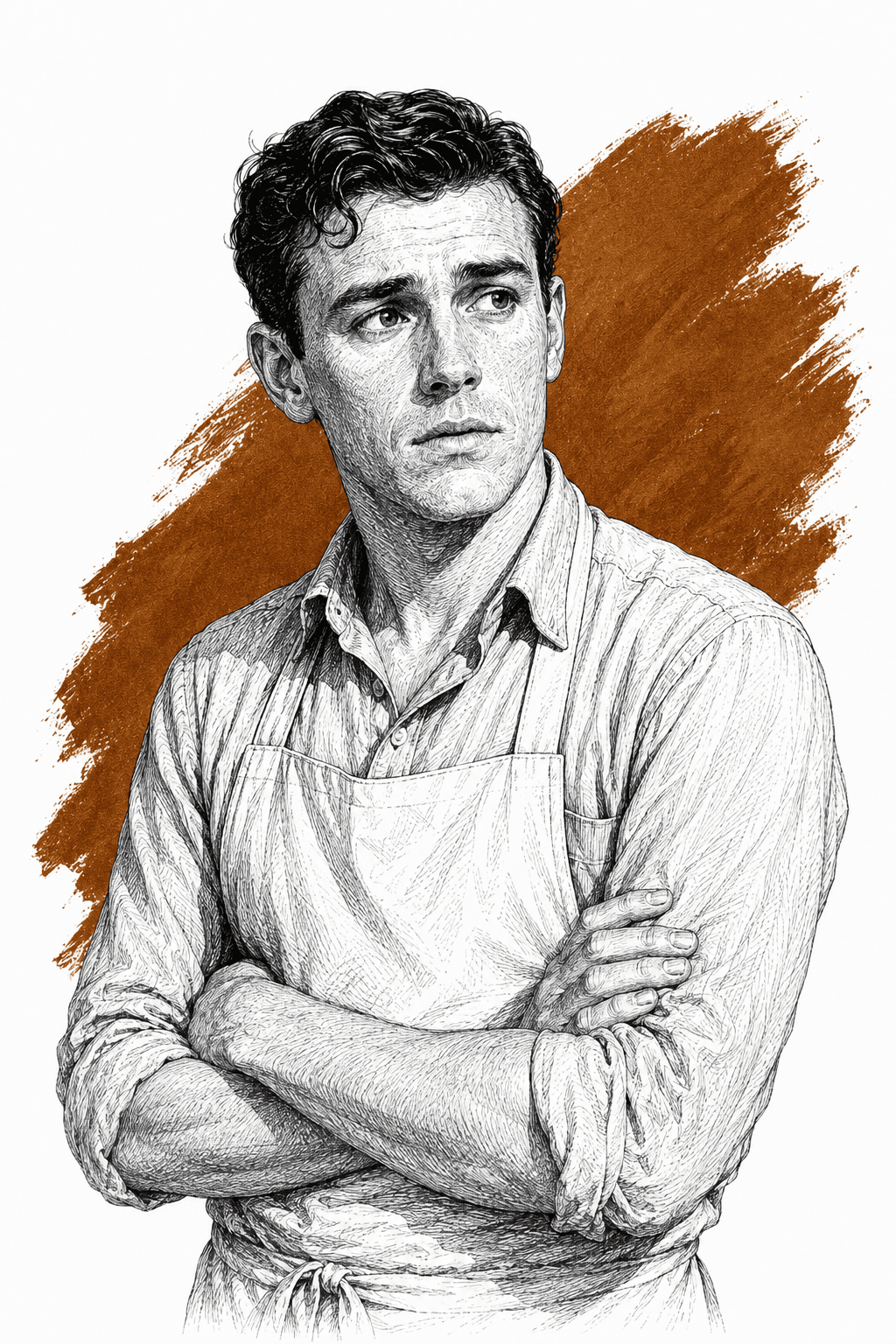
The counterman at Henry's lunch-room in 'The Killers', who keeps two gunmen in conversation for two hours.
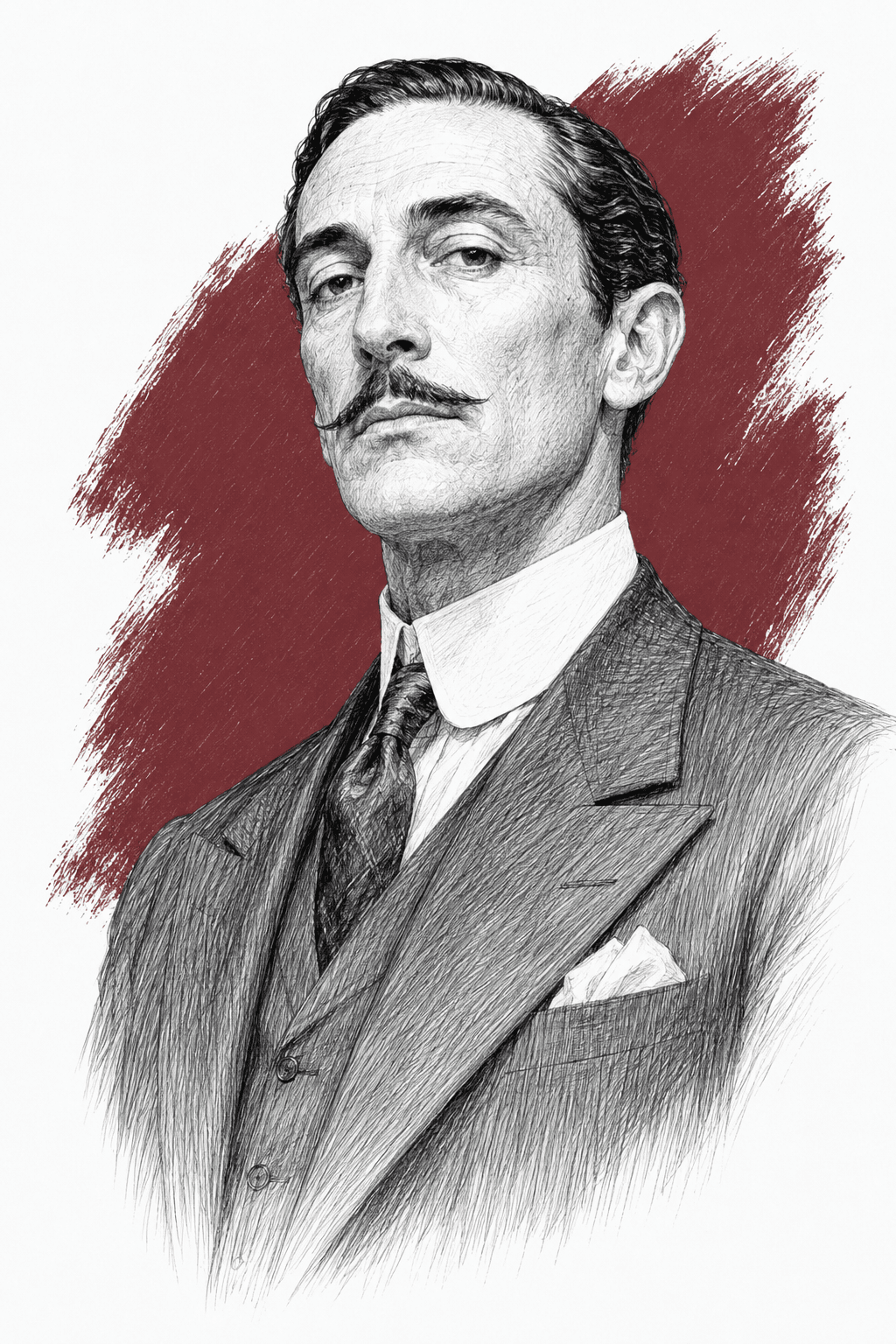
The narrator of 'Fifty Grand' — Jack Brennan's trainer, and the only person the fighter calls a friend.
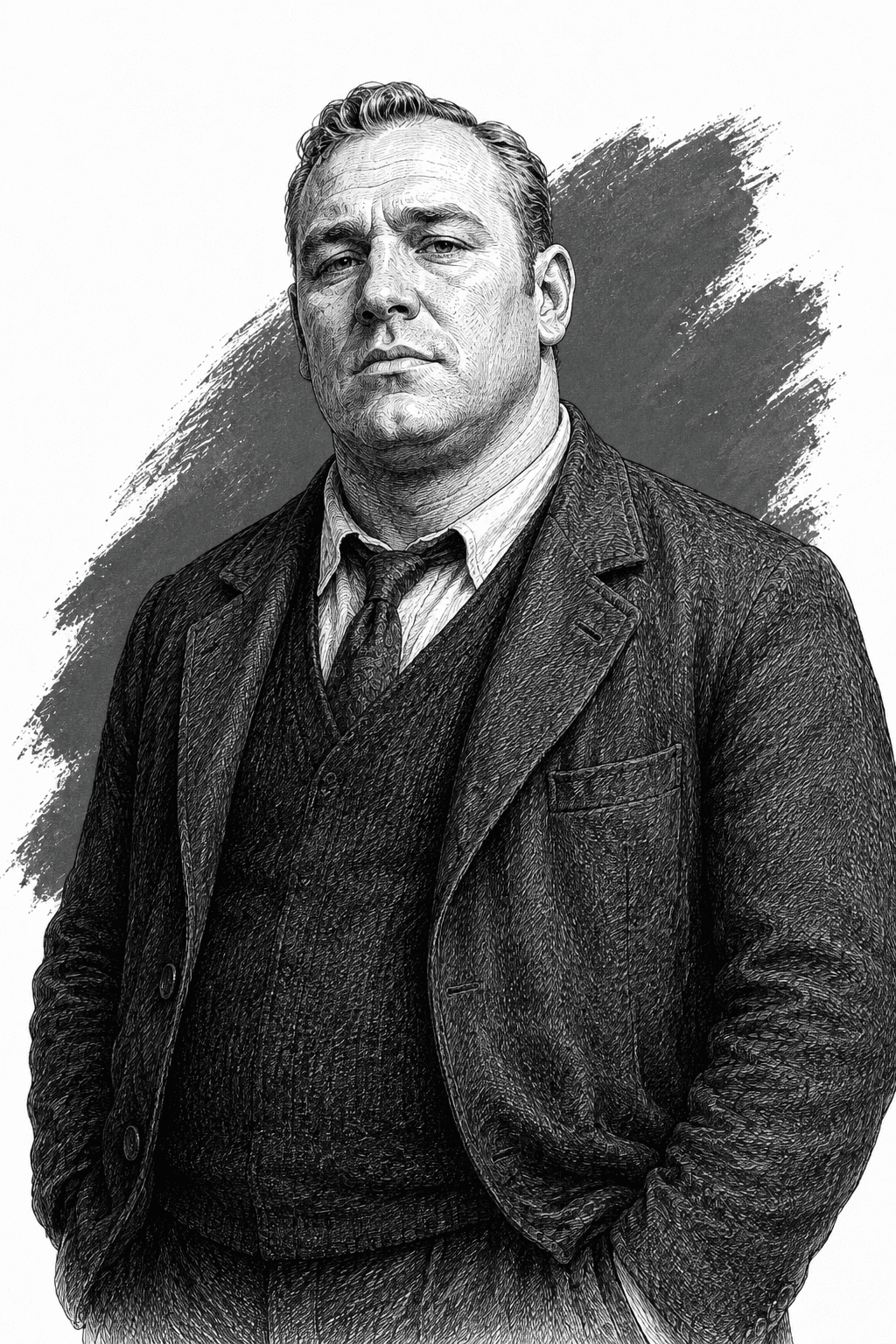
The Madrid bullfight promoter in 'The Undefeated', who gives Manuel Garcia the cheapest job he has.
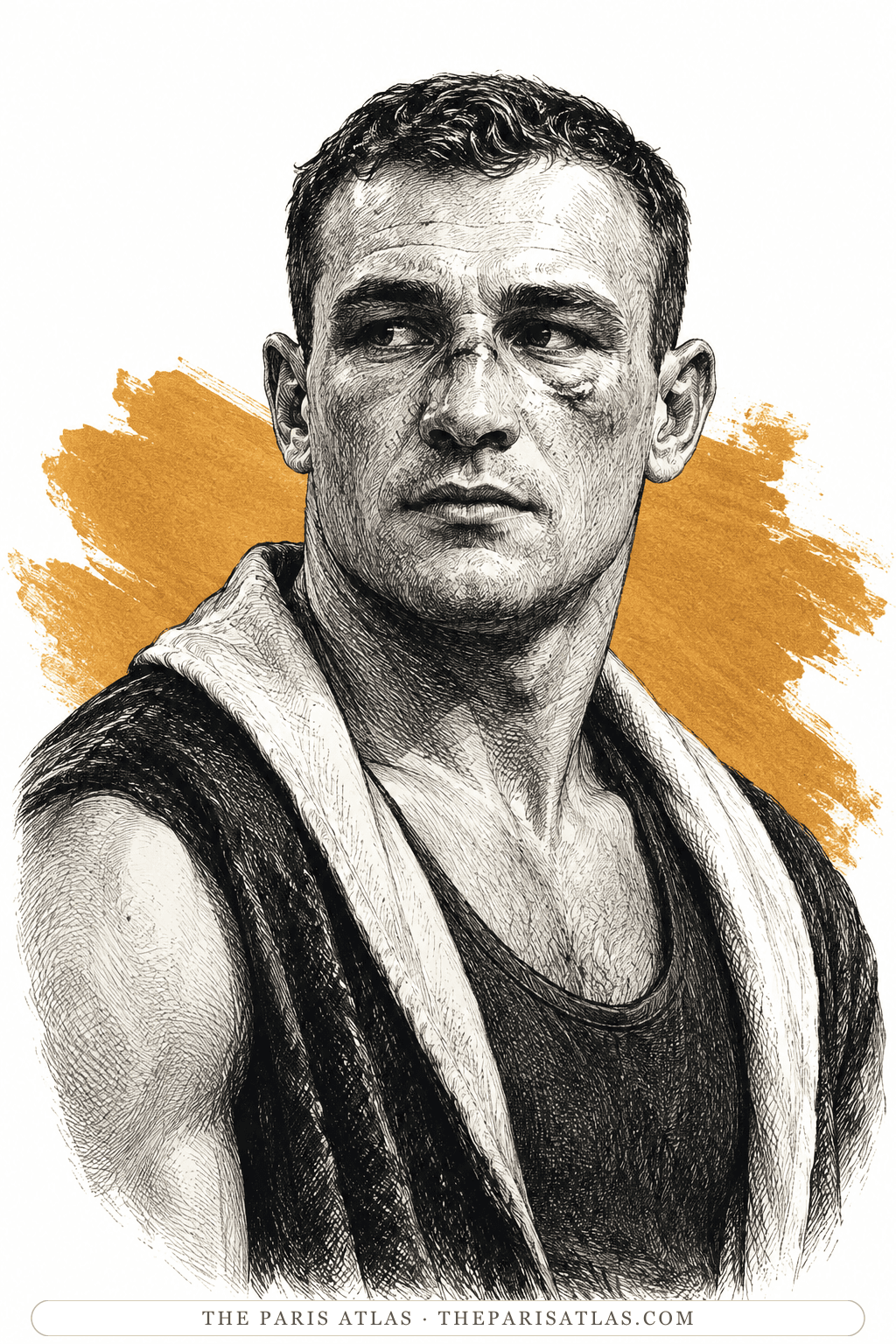
The younger, heavier-hitting fighter Jack Brennan defends his welterweight title against in 'Fifty Grand'.

The owner of the New Jersey health farm where Jack Brennan trains in 'Fifty Grand'.
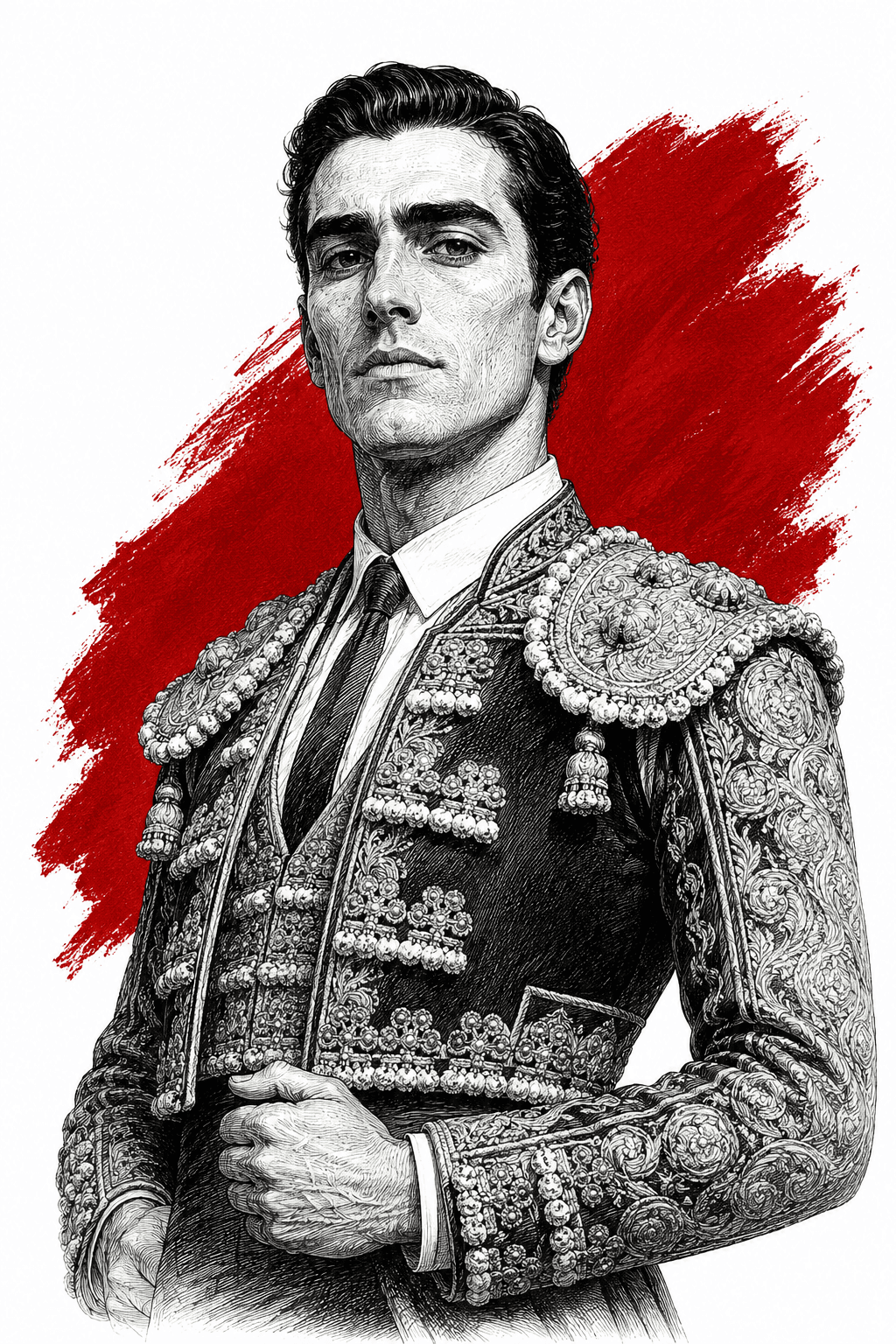
A young banderillero in 'The Undefeated', whose work with the barbed sticks draws the loudest cheers of the night.
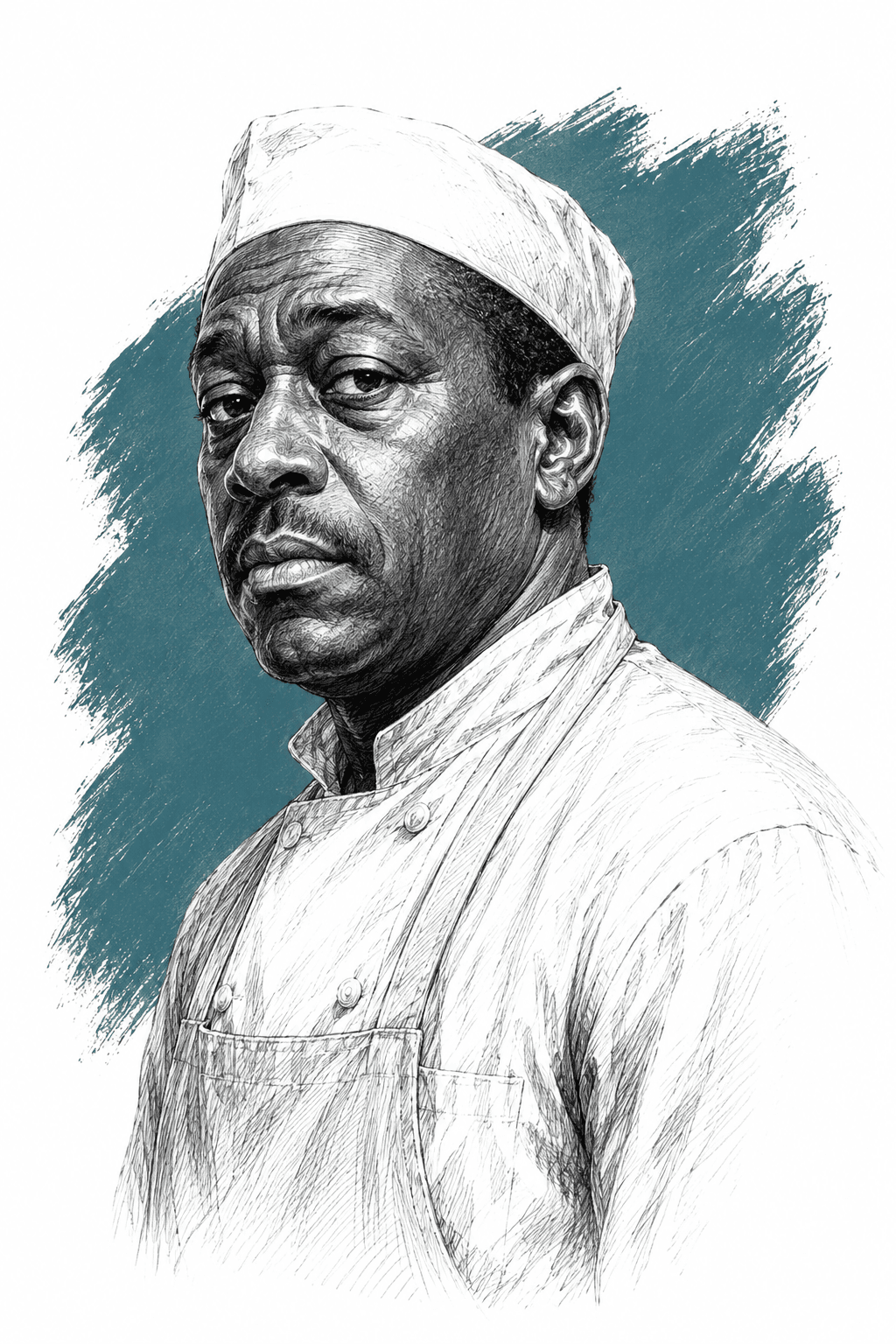
The cook at Henry's lunch-room in 'The Killers', tied up in his own kitchen and wanting no part of what follows.
The iceberg theory is writing by informed omission: most of the writer’s knowledge stays below the surface, while selected actions and details let the reader feel it.
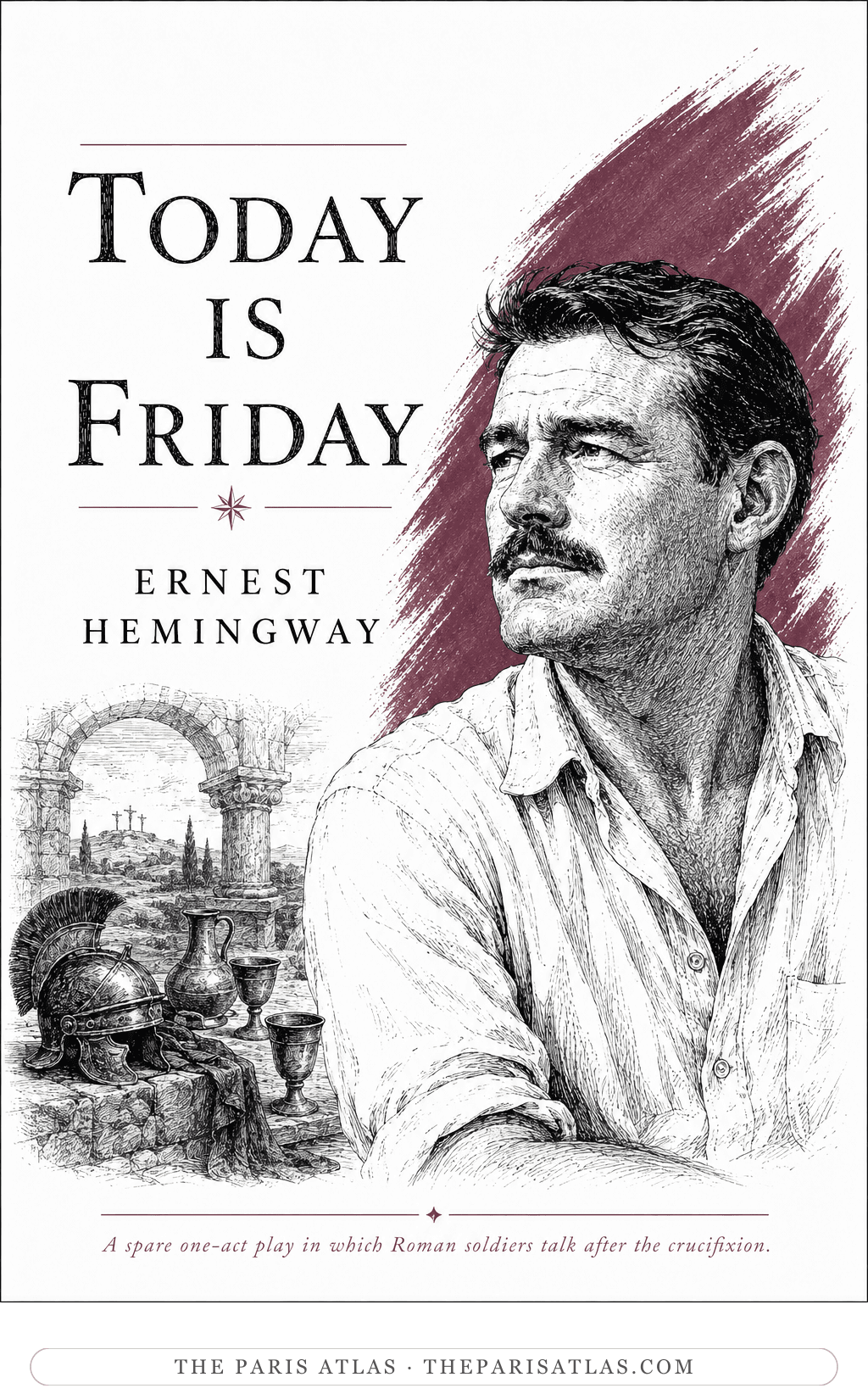
Three Roman soldiers drink in a bar on the evening of the crucifixion and go over the day's work in the flat shop-talk of men after a shift — Hemingway's only venture into scripture, conducted entirely in banter with the ground opening underneath it. The playlet was printed alone in 1926 as a small limited pamphlet, a year before this collection absorbed it.
1926
The crucifixion playlet "Today Is Friday" is printed on its own as a small limited-edition pamphlet.
1927
Scribner publishes the collection, fourteen stories including "The Killers" and "Hills Like White Elephants," the year after The Sun Also Rises.
1927
Virginia Woolf reviews it warily, praising the skill and questioning the swagger.


The first collection — rawer, stranger, with the interchapters this one streamlines away.
Read our take

Ernest Hemingway. This story collection was published in 1927, the year after The Sun Also Rises.
A collection of fourteen short stories about boxers, bullfighters, hit men, soldiers, and couples talking carefully past the one subject that matters.
"The Killers" and "Hills Like White Elephants" — two of the most anthologized, imitated, and taught stories in the language.
It is the book's thesis: men stripped of women, and of everything else that softens them.
It is the book that fixed the Hemingway short story as a form, running on his method of omission — what is left out doing the work.
Explore authors with a similar voice, perspective, and influence.

The other great stylist the Great War produced — where Hemingway cut the language down, Céline set it on fire. The same wound, opposite treatments.
View author
Paris on no money a decade later, with the restraint removed. Miller called Hemingway's Paris a tourist's Paris; readers get to referee.
View author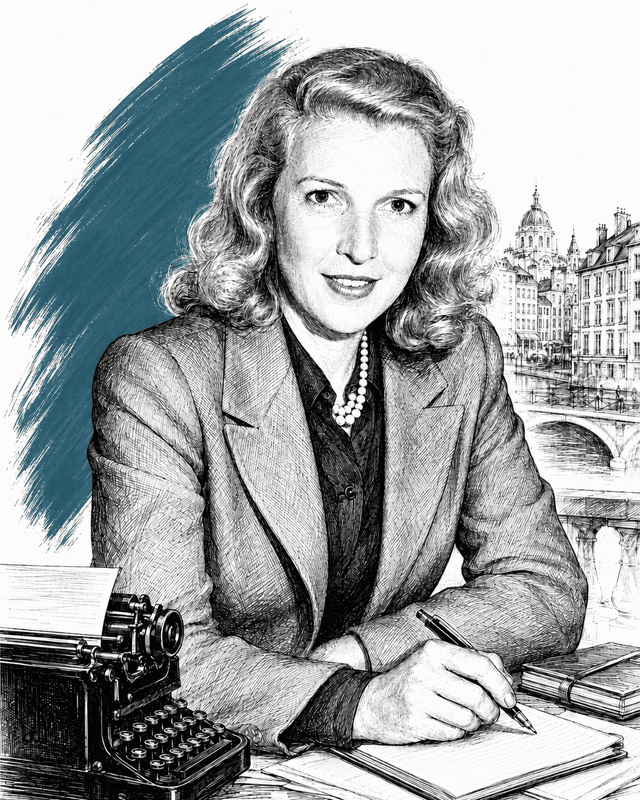
War correspondent who covered the Spanish Civil War, D-Day, and conflicts across five more decades; Hemingway's third wife, 1940–1945.
View authorThe sources below include the primary text, editions, scholarship, archival materials, and other records that informed this page. They document Men Without Women, its publication, and its place in literary history.


Complete Hills Like White Elephants and In Another Country in the 1927 text; no original-magazine or whole-volume collation.
Biographical evidence used to verify chronology, relationships, and historical context connected to Men Without Women.
The Hemingway–Perkins correspondence documents the collection’s Scribner publication context.

Used for Hemingway’s own retrospective account of short-story craft and omission.
The JFK Library’s presentation of Hemingway’s correspondence supplies archival context for the period in which the stories appeared.
The primary text is the baseline reference for every book page. Additional references document publication history, interpretation, and historical context where that evidence is available.
 Explore more resources