
Paris cafés, Pamplona bulls, and a crowd of the beautifully damaged — the novel that named a generation.
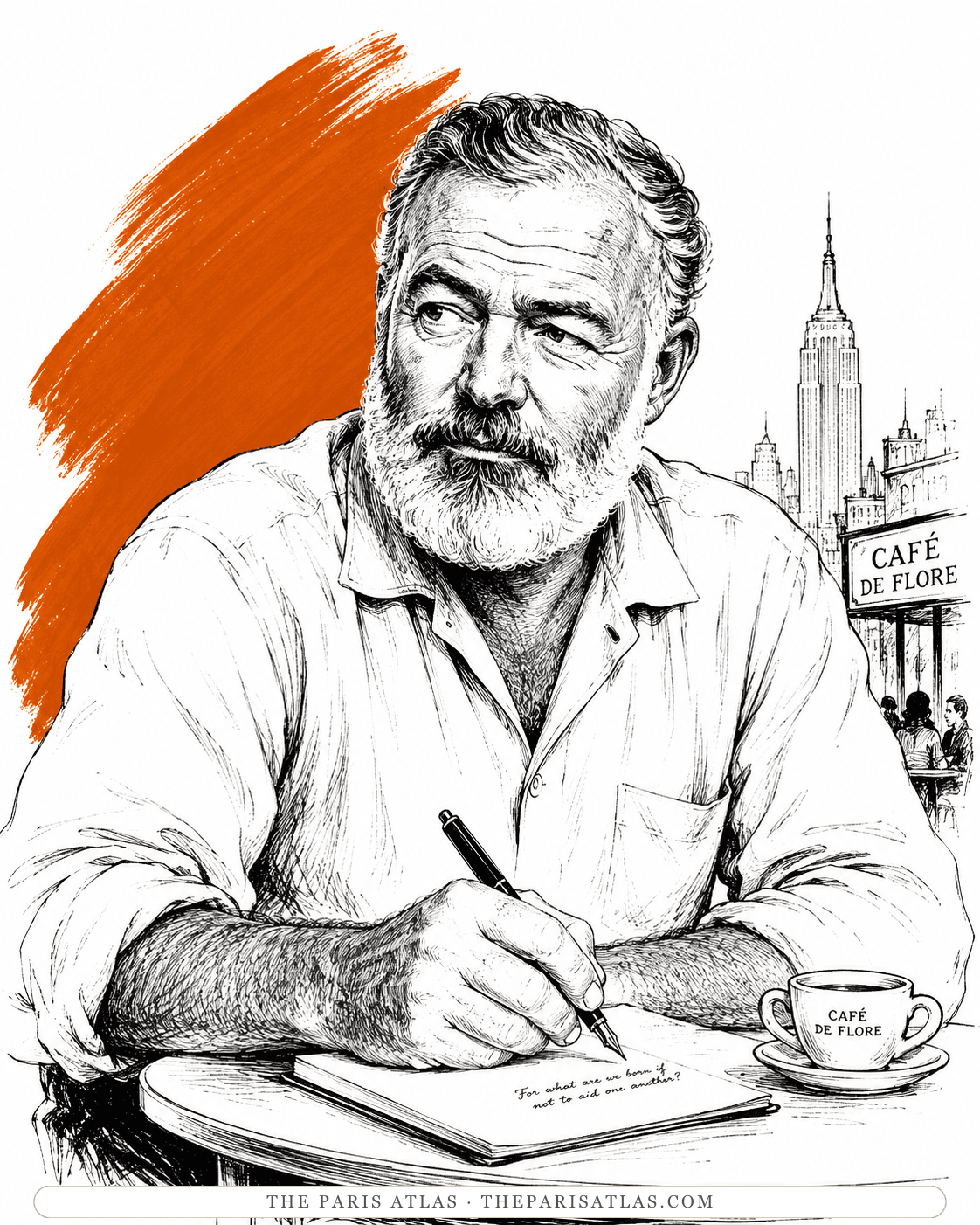
31 Ernest Hemingway titles: 9 novels, 8 story collections, 4 memoirs and travel books, 9 volumes of nonfiction, and 1 book of poems. They are listed below by form, earliest first, and every one links to its own page.
Hemingway's novels are standalones, so publication order is optional. We recommend starting with The Old Man and the Sea (an afternoon's read) or The Sun Also Rises (his defining novel), then A Farewell to Arms, then A Moveable Feast — after which you'll know which corner of the catalog is yours.
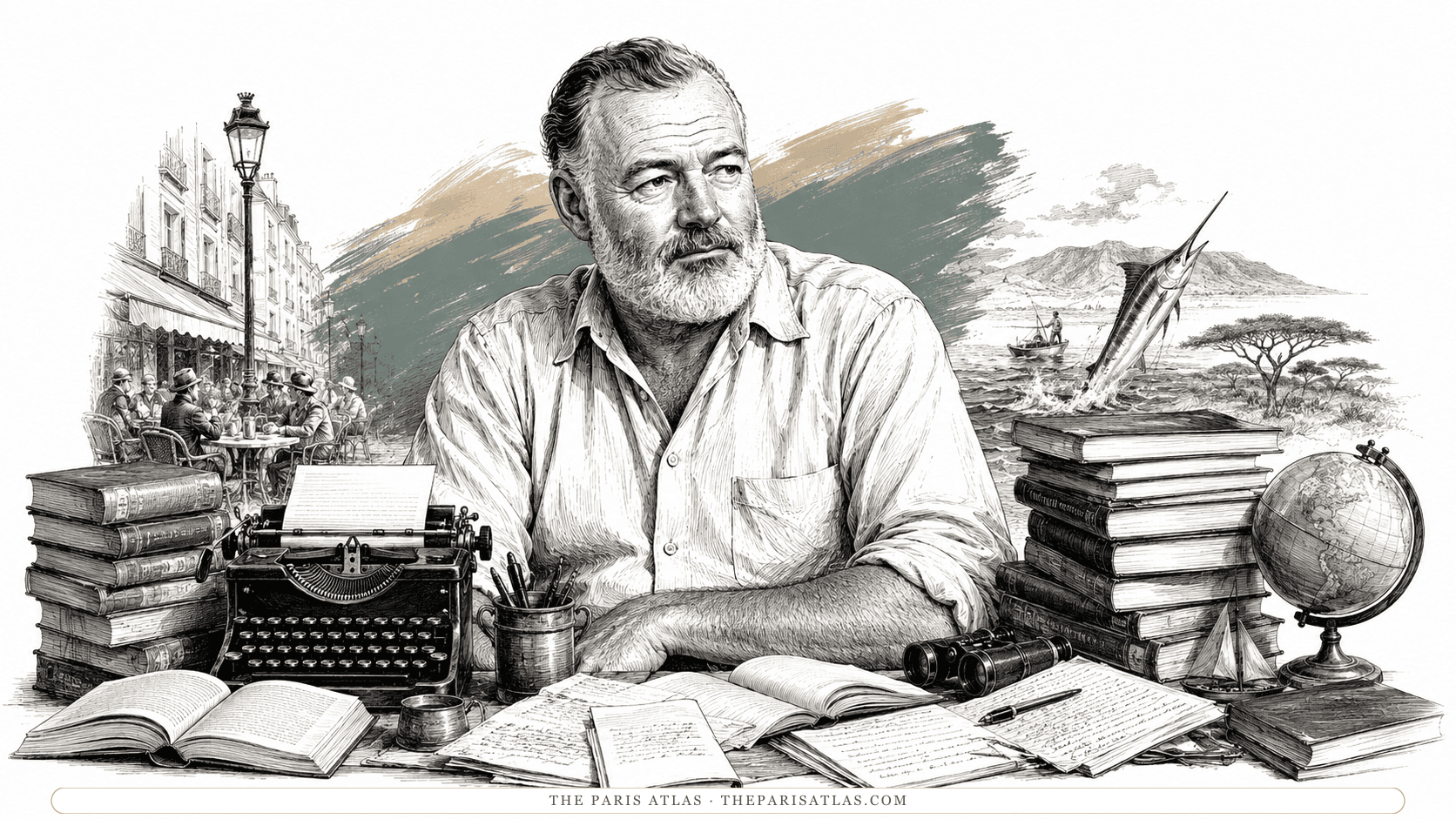
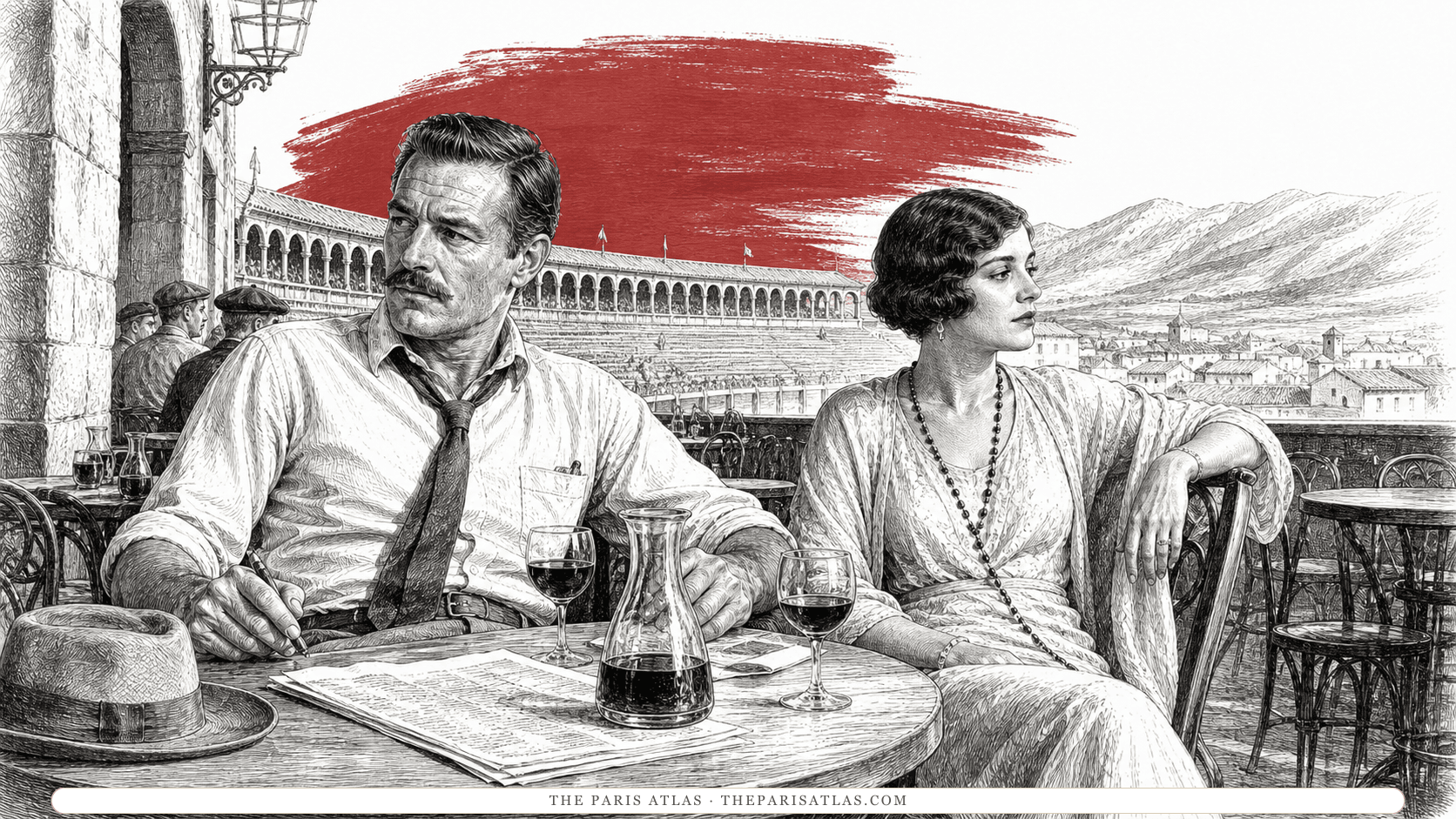
Paris cafés, Pamplona bulls, and a crowd of the beautifully damaged — the novel that named a generation.

The parody that burned a bridge on purpose: Hemingway lampoons his mentor Sherwood Anderson — and breaks a contract doing it.

An American ambulance driver, an English nurse, and the Italian front — the Great War's great love story.

Key West fishing captain, rum-runner, revolutionary — Hemingway's darkest argument about how poor men survive in the Depression.

Three days behind enemy lines in the Spanish mountains — the longest novel, the biggest canvas, and the warmest heart.

A dying American colonel, a winter weekend in Venice, a young countess — the valedictory novel the critics panned and time is slowly rehabilitating.

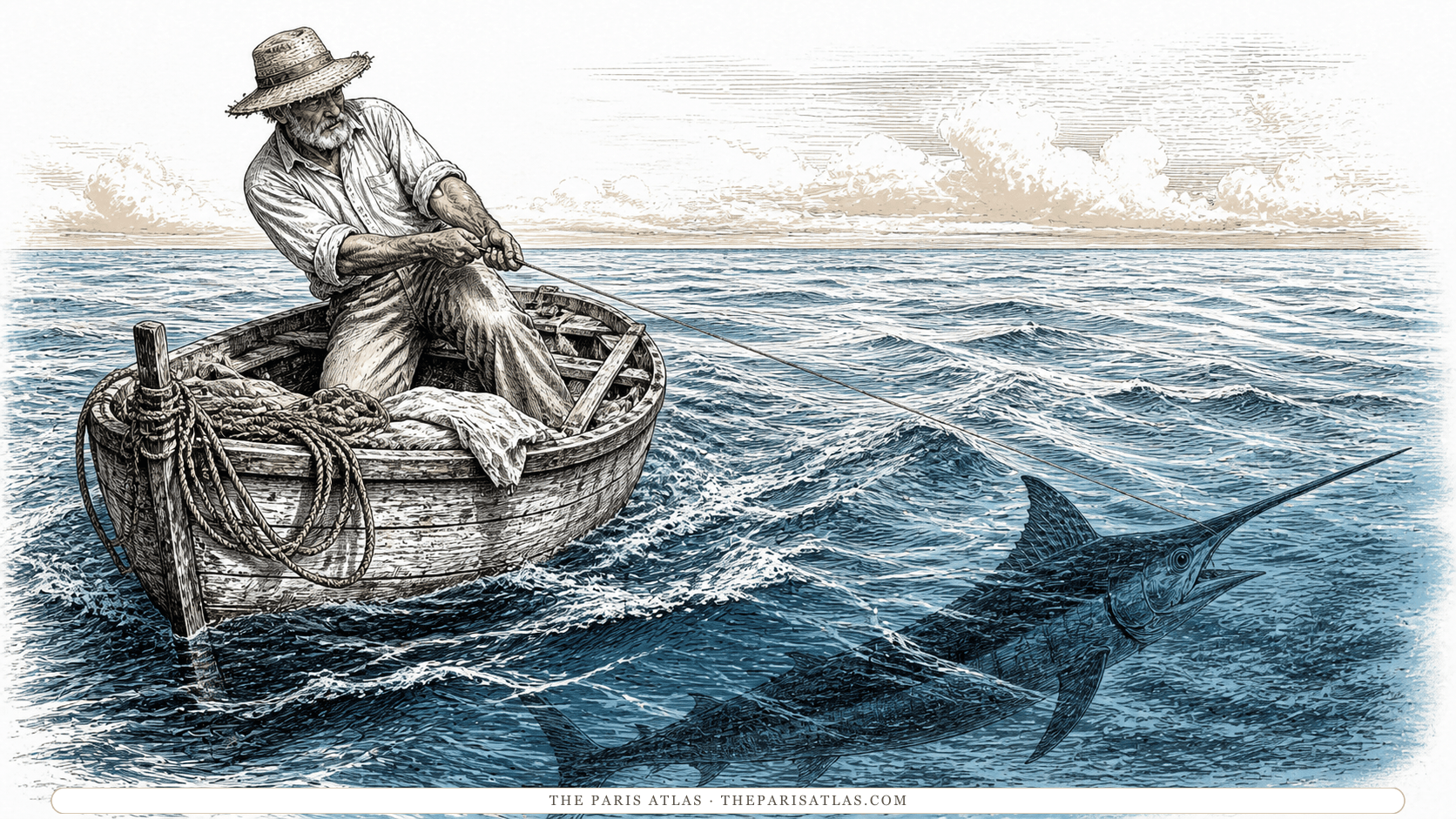
An old Cuban fisherman, eighty-four days without a catch, and the fish of his life — the whole method in one afternoon's read.

A painter, three sons, a war at sea — the unfinished masterpiece that shows what Hemingway was still reaching for.

A young writer, two women, and the summer that unmade a marriage — Hemingway's strangest and most vulnerable novel.
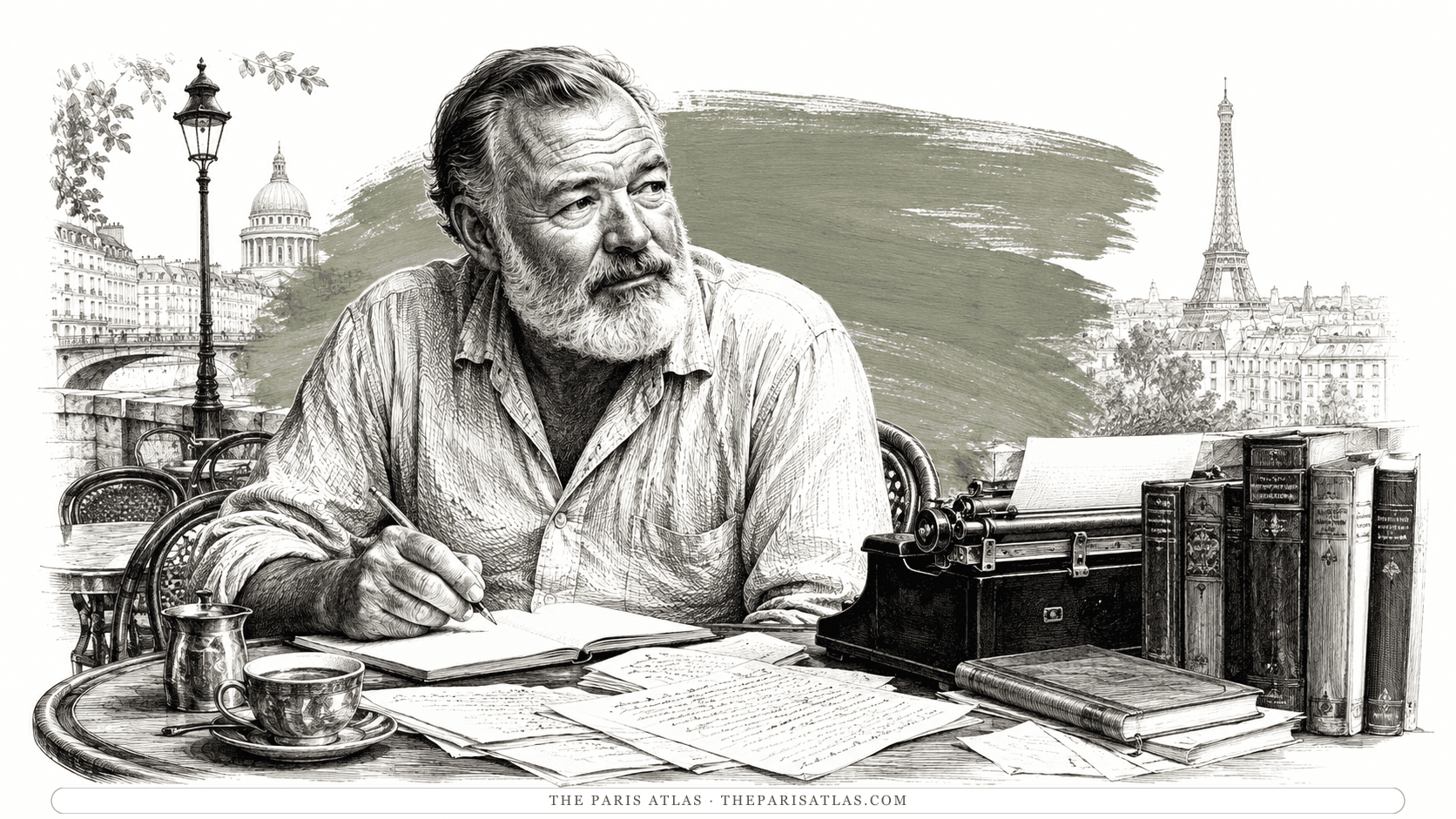

The first book: three hundred copies from a little Paris press, 1923 — everything Hemingway had that the stolen suitcase spared.

The debut story collection where the modern American short story was invented — trout streams, war flashes, and Nick Adams.

The second story collection — 'The Killers,' 'Hills Like White Elephants' — the iceberg method at its coldest and most perfect.

The darkest of the story collections: insomnia, nada, and 'A Clean, Well-Lighted Place' — the code with the lights going out.

One volume, whole arsenal: every story through 1938 — 'Snows,' 'Macomber' — plus the Madrid play written under actual shellfire.

The shadow autobiography assembled: every Nick Adams story in the order of Nick's life, with eight unpublished pieces joining the canon.

Everything after the forty-nine: the 1987 omnibus adds the later stories and the vault's fiction — the whole short-form career, one spine.

Before Paris, before the war, before everything: the school newspaper and literary magazine work of Hemingway, sixteen years old.
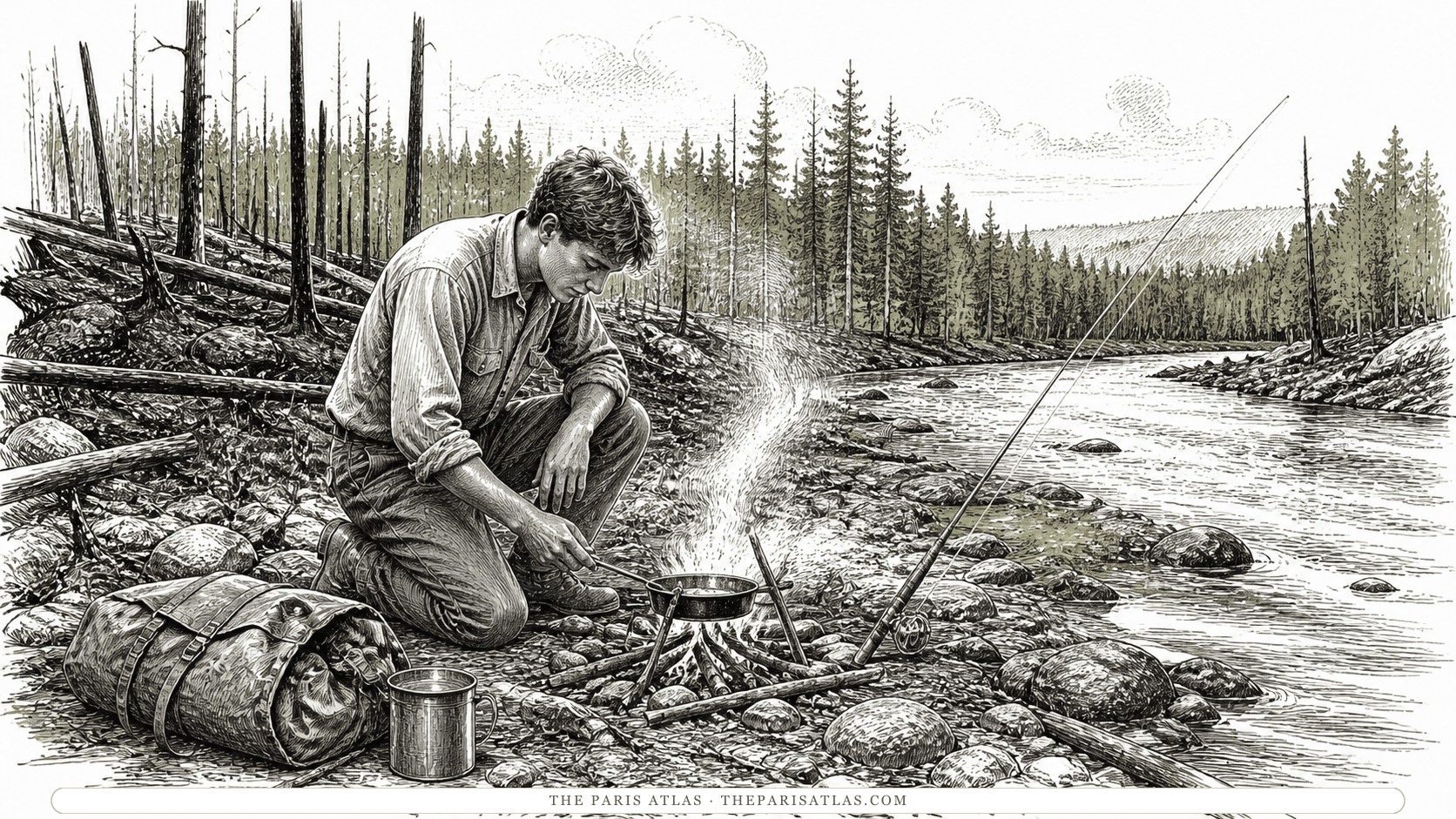
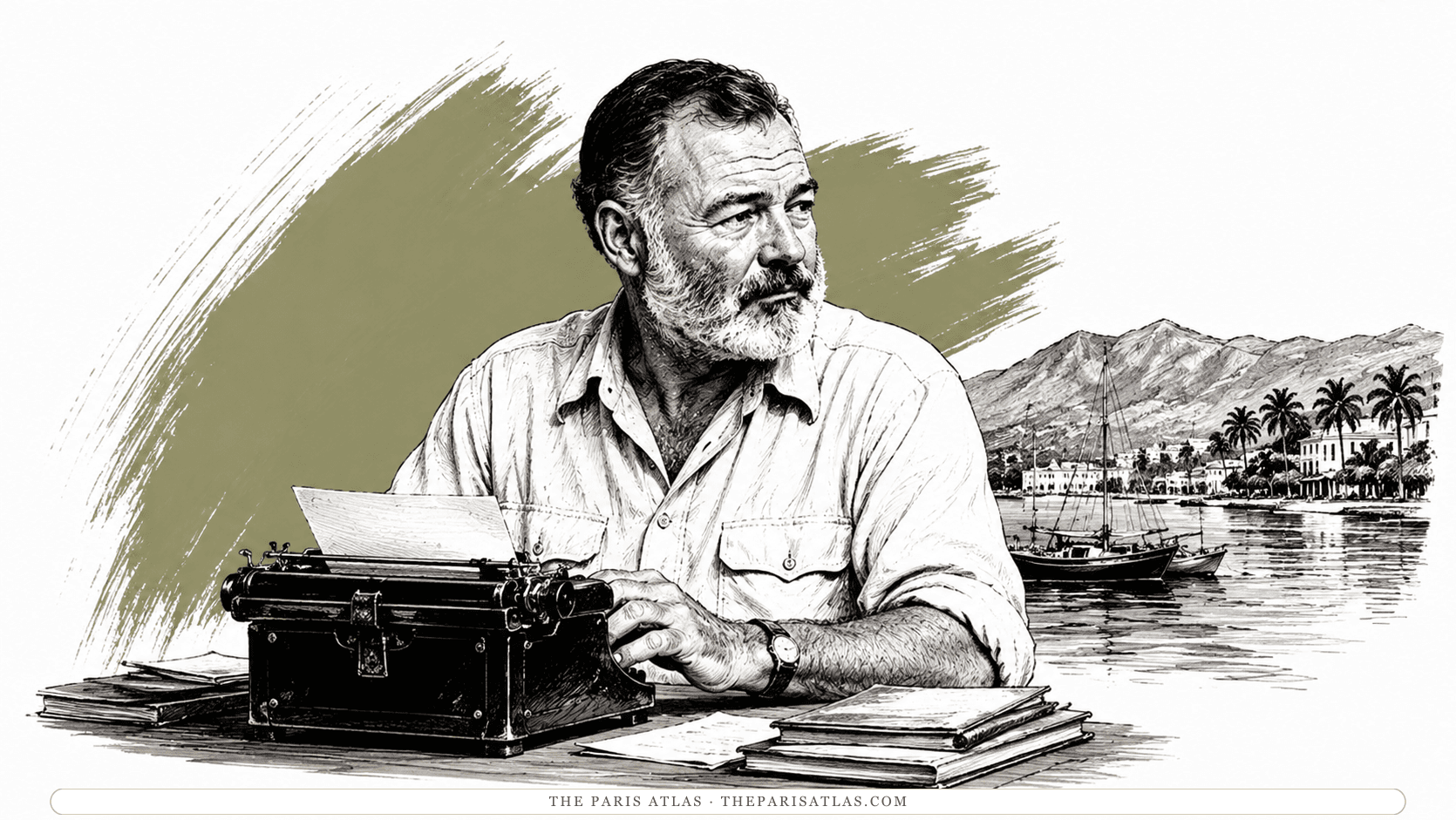

A month on safari, written as an experiment: can a true book, absolutely truthful, compete with the novel? Plus the Huckleberry Finn verdict.

Hemingway's memoir of being young, poor, and absurdly talented in 1920s Paris — the most seductive book ever written about writing.

The last book he worked on: Spain, 1959 — two great matadors, one murderous rivalry, and the old aficionado keeping score a final time.

Kenya, 1953 — the safari that became a marriage story, a meditation on belonging, and Hemingway's most contentious posthumous publication.
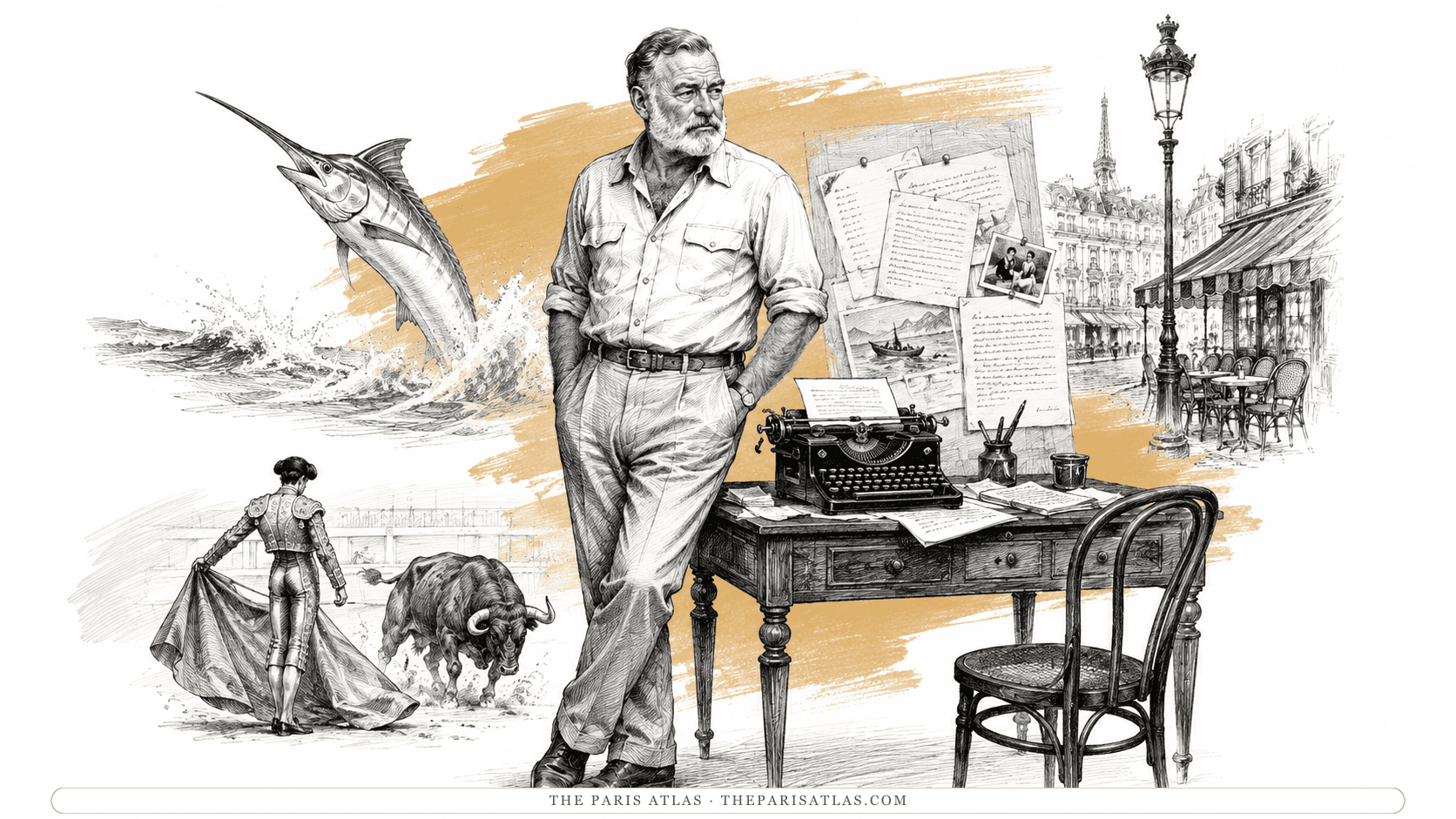

The bullfight book: a full treatise on the corrida that keeps turning into a book about death, Spain, and how to write.

The words he spoke over the war: the narration of Joris Ivens's 1937 documentary, printed as a small, strange book the next year.

Four decades of journalism in one volume — Paris cafés for the Toronto Star, Madrid under shells, the Blitz, the liberation ride to the Ritz.

Six hundred letters he ordered never published — Fitzgerald teased, Perkins courted, wives won and lost — the offstage voice, complete with sins.

The craft doctrine, extracted: every passage where Hemingway explains the work — icebergs, morning hours, and stopping while it's going good.

The complete Toronto Star files, 1920–1924: the twenty-something in Paris, learning the style on deadline for a newspaper an ocean away.

Author and editor, complete: twenty-two years of letters between Hemingway and Maxwell Perkins — the working marriage behind the shelf.

The Paris dispatches alone, in a pocket volume — the city these pages map, reported by its most famous arrival at twenty-two.

Every letter he ever wrote, eventually: the Cambridge edition's decades-long project to publish the complete correspondence — volume by volume.

All of Ernest Hemingway's poems in one scholarly edition — school verse, Paris satires, war poems, and the private jokes he never meant to publish.
Your progress
The whole method in 127 pages, no prerequisites. The gentlest possible introduction to the most imitated style in English.
Or begin at the era's center: expatriate Paris, Pamplona, and the novel that named the Lost Generation.
The memoir of the same years, written at the end of his life. Read after The Sun Also Rises for maximum echo.
The bullfighting treatise — and, smuggled inside it, his fullest statement on the craft of writing.
The posthumous novel that complicated everything readers assumed about him. For last.
Still the one. The voice arrives complete, the era gets its novel, and not a sentence has aged.
The love story and the war in one register — with the famously rewritten last page, worked over until nothing extra survived.
The biggest canvas: three days of the Spanish war carrying a whole novel of ideas without ever reading like one.
The prize-winner — the Pulitzer, then the Nobel citation a year later — and the purest distillation of the method.
The best of the posthumous assemblies; the Bimini section stands with his finest work.
The strangest and most modern thing in the catalog — an unfinished experiment editors carved into a novel.
The Madrid play, plus the collected stories to date.
No. Every novel stands alone. The only ordering that pays real dividends is reading The Sun Also Rises before A Moveable Feast — the memoir covers the years the novel was written, and each deepens the other.
The Old Man and the Sea if you want a single sitting; The Sun Also Rises if you want the essential novel. Avoid starting with the posthumous volumes, which assume you already know the voice.
Memoir, with an asterisk the author supplied himself: 'If the reader prefers, this book may be regarded as fiction.' The addresses and dates check out; the scores being settled are another matter — see our journal piece on the real history.
A Moveable Feast is essential. Islands in the Stream and The Garden of Eden are for committed readers — assembled by editors from unfinished manuscripts, fascinating and uneven in equal measure.
Seven published in his lifetime: The Torrents of Spring, The Sun Also Rises, A Farewell to Arms, To Have and Have Not, For Whom the Bell Tolls, Across the River and Into the Trees, and The Old Man and the Sea. Three more were assembled by editors after his death — Islands in the Stream, The Garden of Eden, and True at First Light.
The Sun Also Rises is our answer and the closest thing to a consensus — the voice, the era, and the discipline arrive at once. The prize committees preferred The Old Man and the Sea, and partisans of For Whom the Bell Tolls have a real case. The ranking above is where we'd start the argument.
The sources below include bibliographies, archives, publisher records, and scholarship used to verify the Ernest Hemingway catalogue and publication order.


Official record used to verify names, dates, institutional details, or other factual information on this page.

Biographical evidence used to verify chronology, relationships, and historical context connected to Ernest Hemingway books.
Contemporary reporting or criticism used to document the historical reception and context of Ernest Hemingway books.
Official record used to verify names, dates, institutional details, or other factual information on this page.
These references document which titles belong in the bibliography and when they appeared. The recommended reading order remains an editorial judgment by The Paris Atlas.
 Explore more resources
Newsletter
We will tell you when this guide adds a book, review, or new reading-order recommendation.