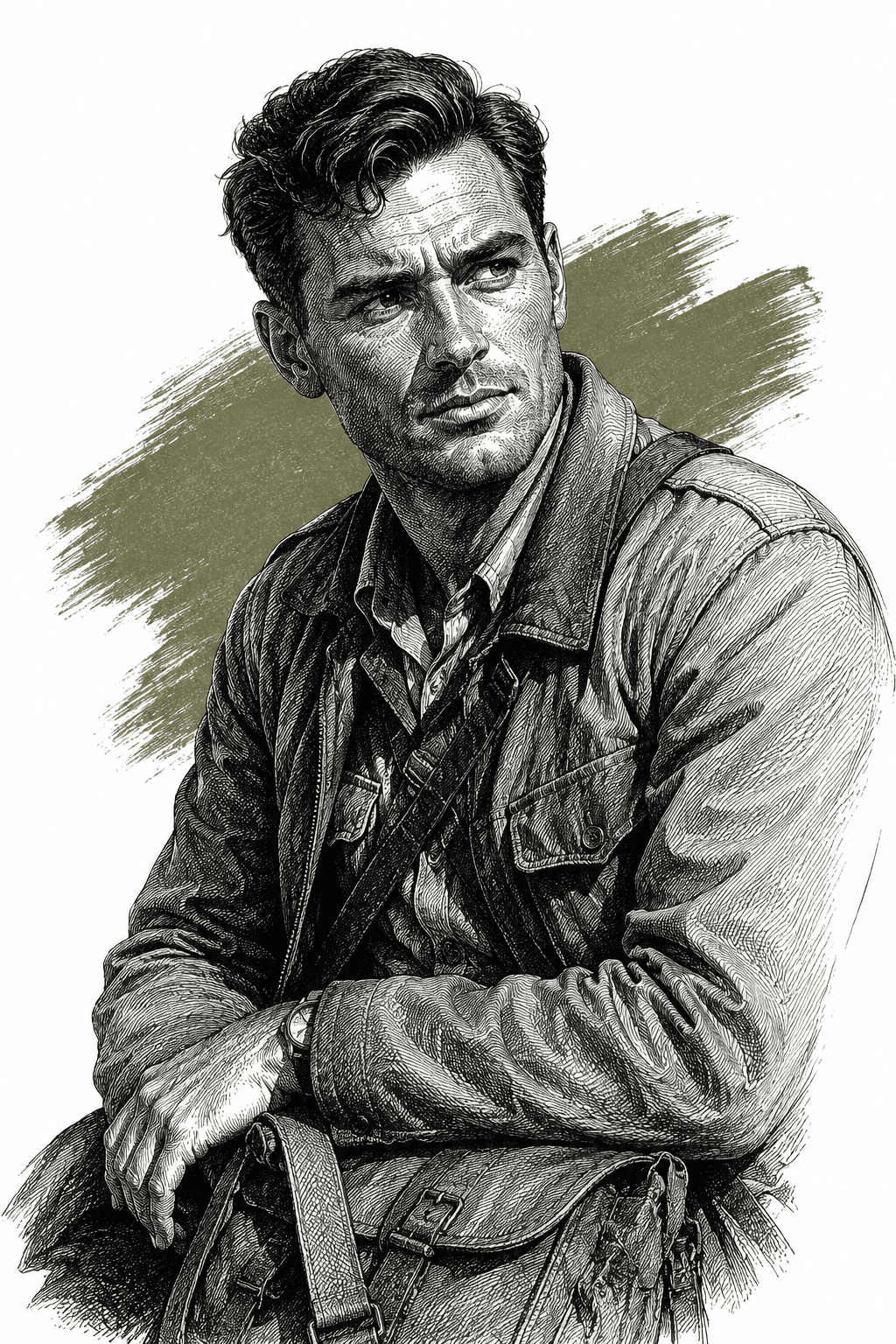
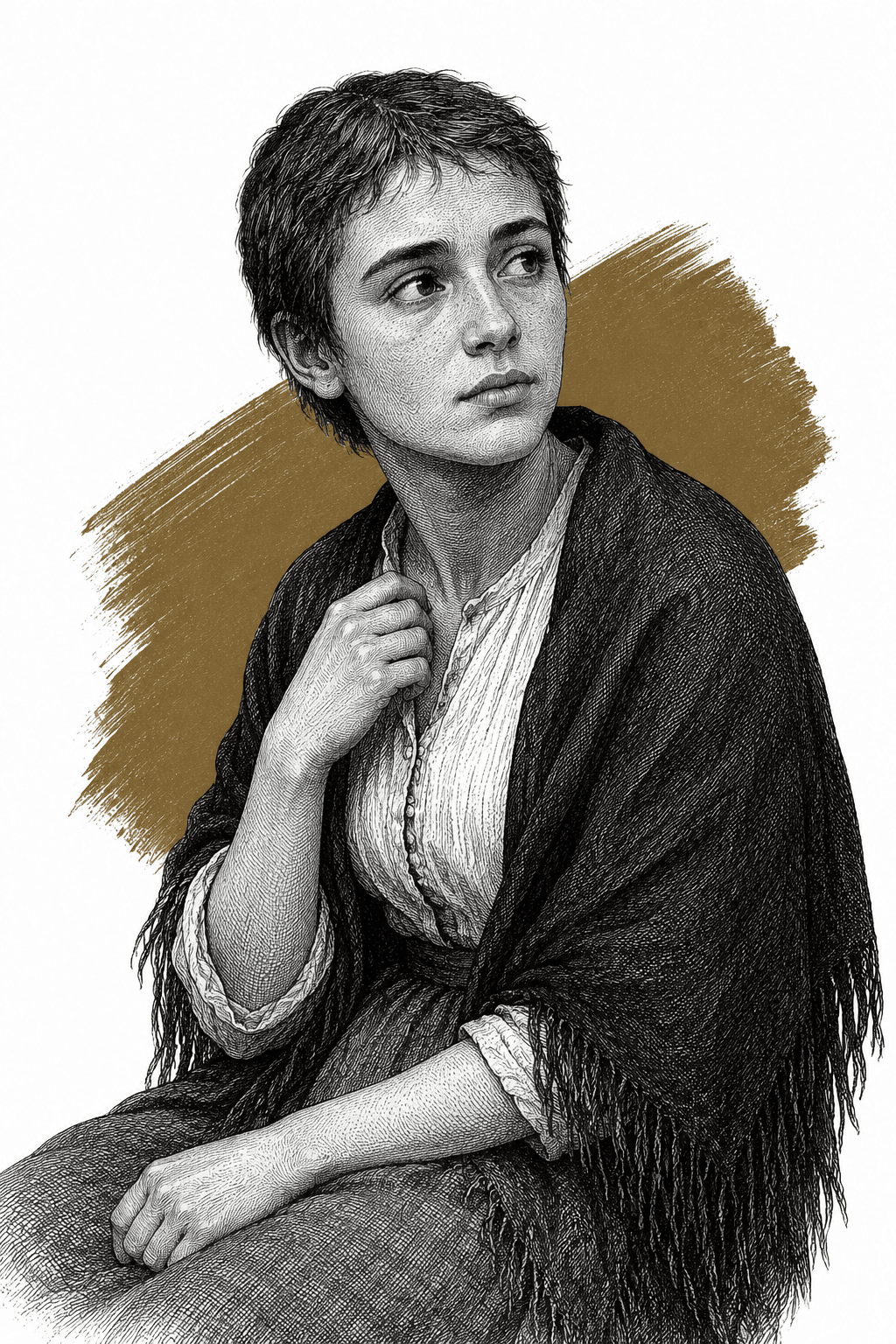
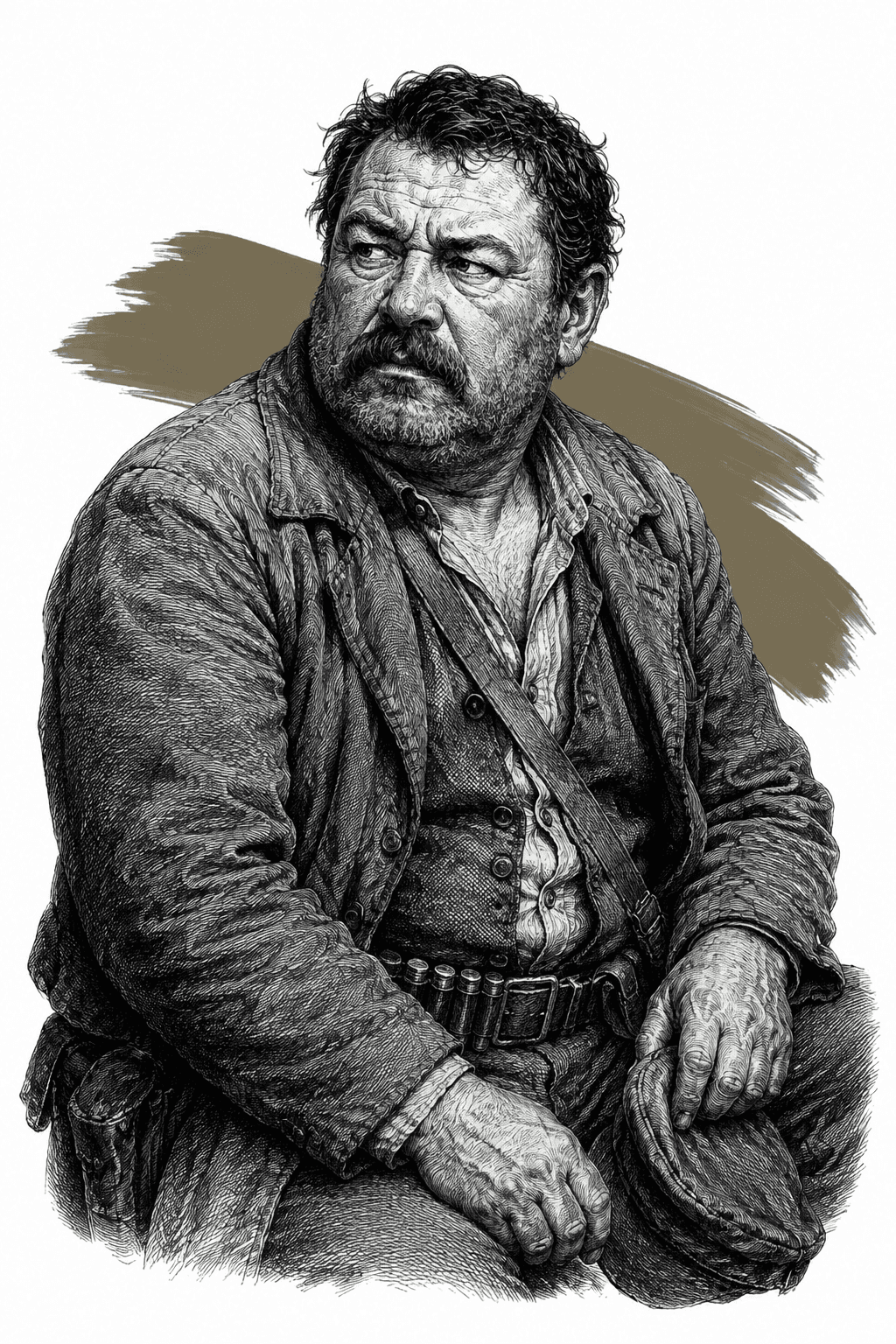
He went to the Spanish Civil War four times as a correspondent between 1937 and 1938, filed dispatches, helped make a propaganda film, and came home with the material for the biggest book he ever attempted: three days, one partisan band, one bridge. He wrote it through 1939 and 1940 in Havana and Sun Valley, took the title from John Donne's meditation — no man is an island — and put an American dynamiter named Robert Jordan in the Guadarrama pines to test the proposition.
Published in October 1940, it was the commercial event of his career: a Book-of-the-Month Club main selection that sold hundreds of thousands of copies within months, a Gary Cooper film deal almost immediately, and a Pulitzer everyone considered settled — until Columbia's president, Nicholas Murray Butler, vetoed the jury and no fiction prize was given at all in 1941.
The politics made everyone angry, which was a kind of proof: the left never forgave the atrocity chapter that showed Republican killings too, or the portrait of the commissar André Marty under his own name, while the right hardly needed reasons. The novel outlasted the arguments — the sleeping-bag romance entered the language, 'the earth moved' became a joke that forgot its source, and the book stands as his longest answer to the question of what dying is worth.








 View source