
Books like A Farewell to Arms
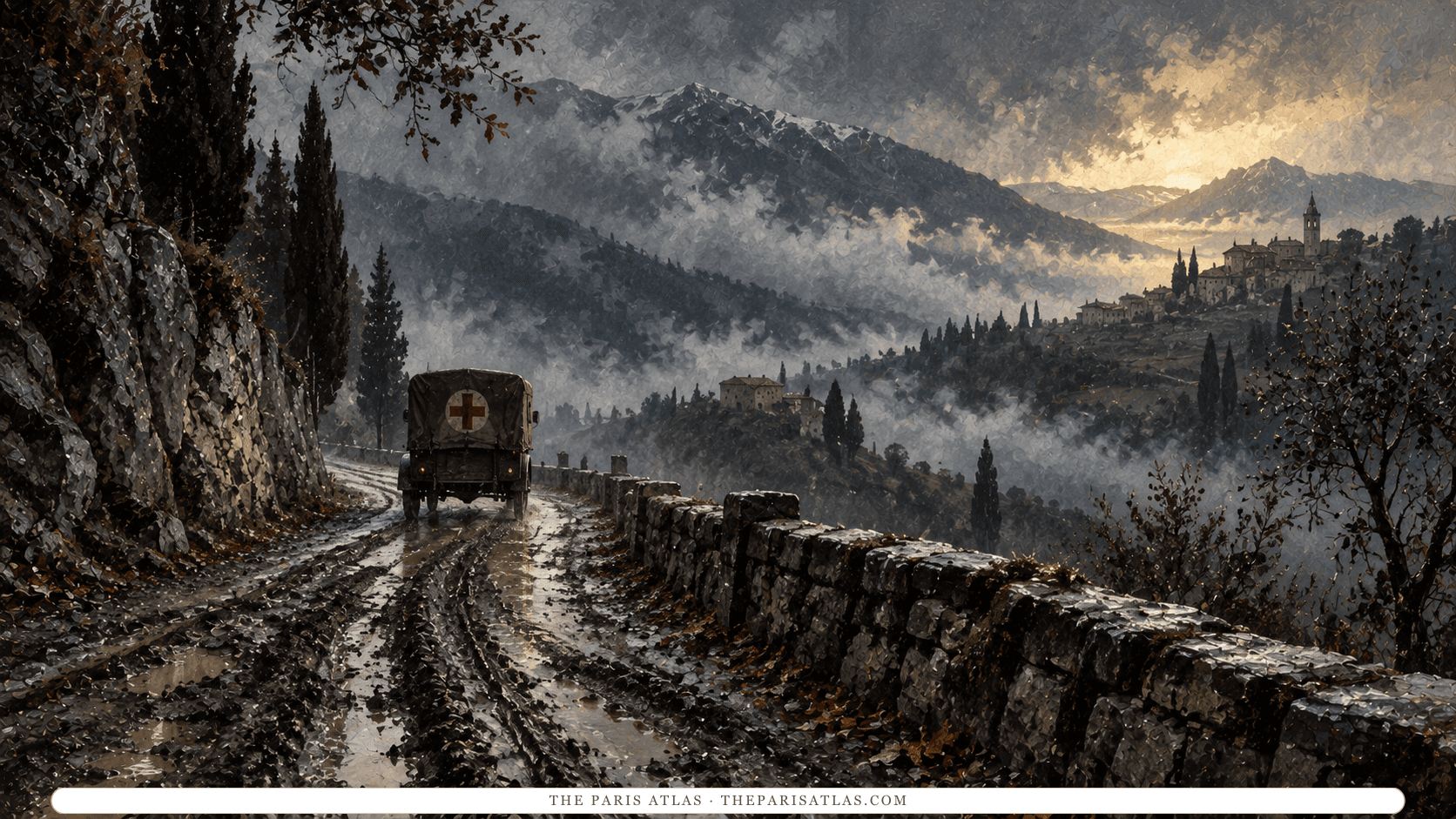
A Farewell to Arms takes a war, a love affair, and an enormous amount of grief and writes about all three without making a show of any of them. Frederic Henry and Catherine Barkley fall in love among hospitals, drinking, military retreats, rain, and death, trying to build a private life while the First World War keeps intruding on it. If you want more books with spare writing, restrained emotion, damaged people, doomed or difficult love, and war stripped of most of its heroics, start here.
What readers love about A Farewell to Arms
- Hemingway’s clean, understated way of writing about enormous emotions
- A love affair made more intense because there may not be much time
- War experienced through exhaustion, hospitals, fear, confusion, and loss
- Characters who feel deeply without constantly explaining what they feel
- The sense that happiness can be real even when it cannot be made permanent

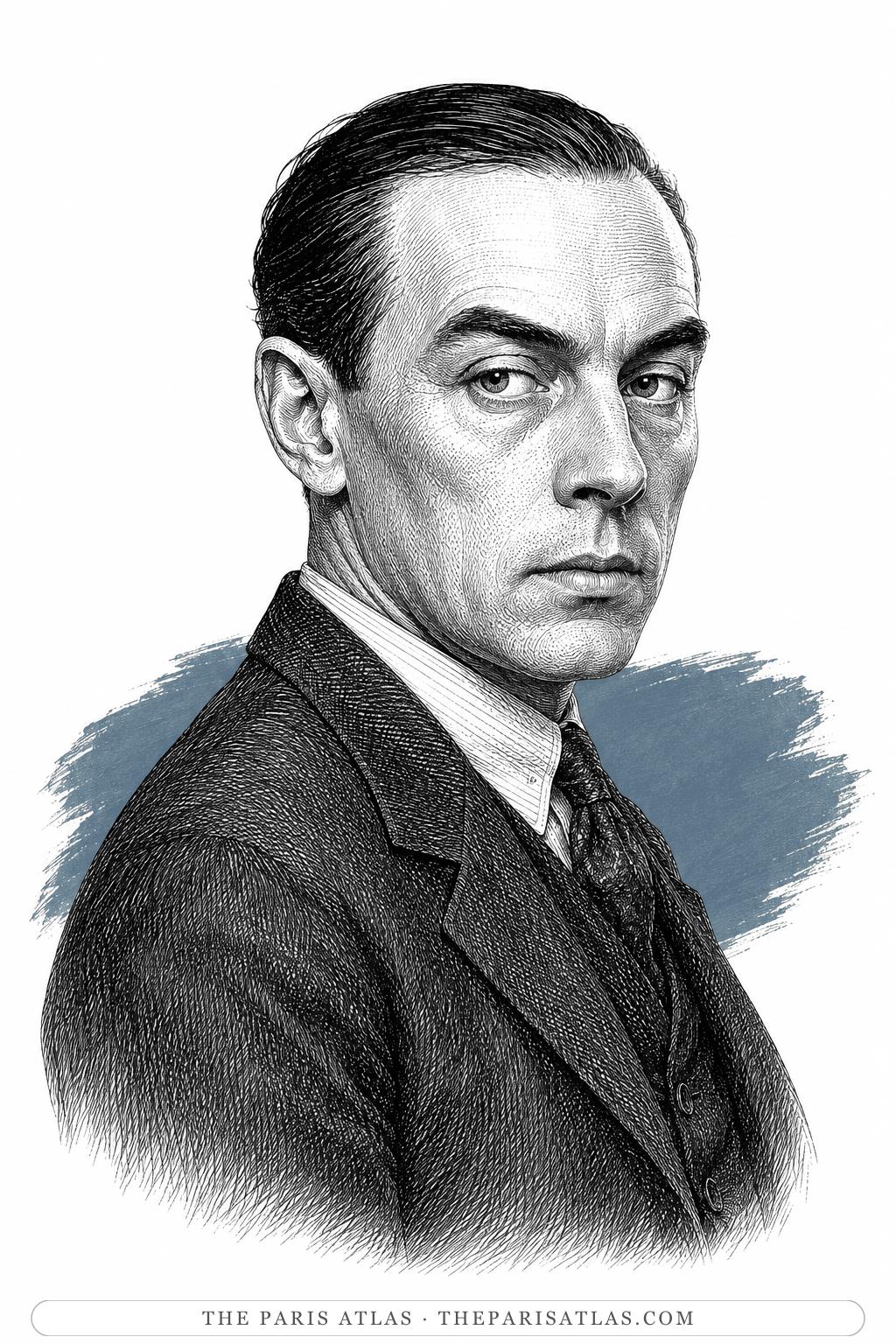
Published the same year as A Farewell to Arms, Remarque follows young German soldiers who discover that all the grand language about courage and patriotism has very little to do with mud, hunger, terror, boredom, and watching their friends die. His prose is direct and unsentimental in a way Hemingway readers usually respond to immediately. There is less romance, but the same conviction that war is mostly something endured by ordinary people rather than something glorious.
About the author
German novelist whose direct, unsentimental fiction follows soldiers and survivors marked by the First World War.
Read about Remarque
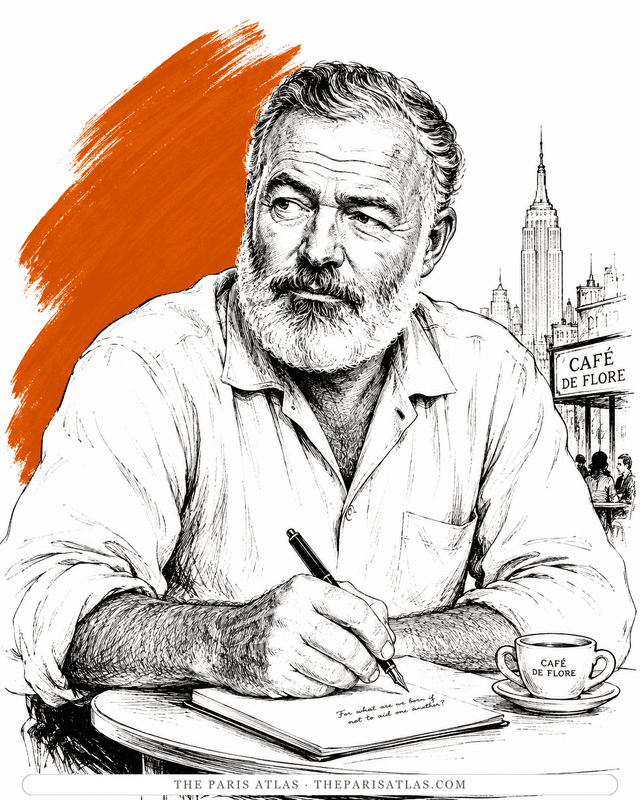
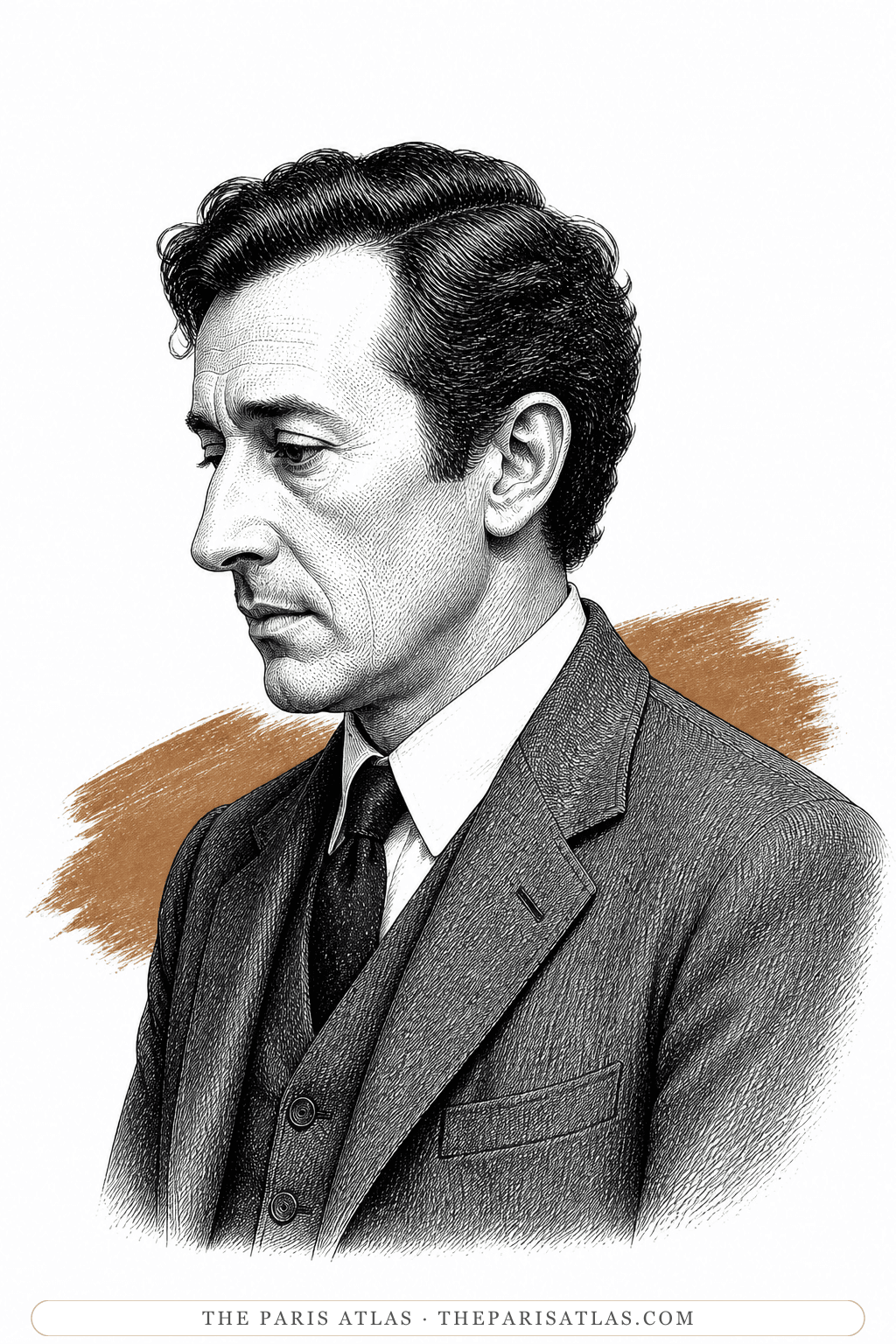
An American fighting in the Spanish Civil War falls in love with Maria while preparing for a mission he knows may kill him. Hemingway returns to many of the things that make A Farewell to Arms hurt: war, sex, fear, courage, drinking, and two people discovering how much a few days together can matter. It is longer and more political, but emotionally it may be the closest novel Hemingway wrote to it.
About the author
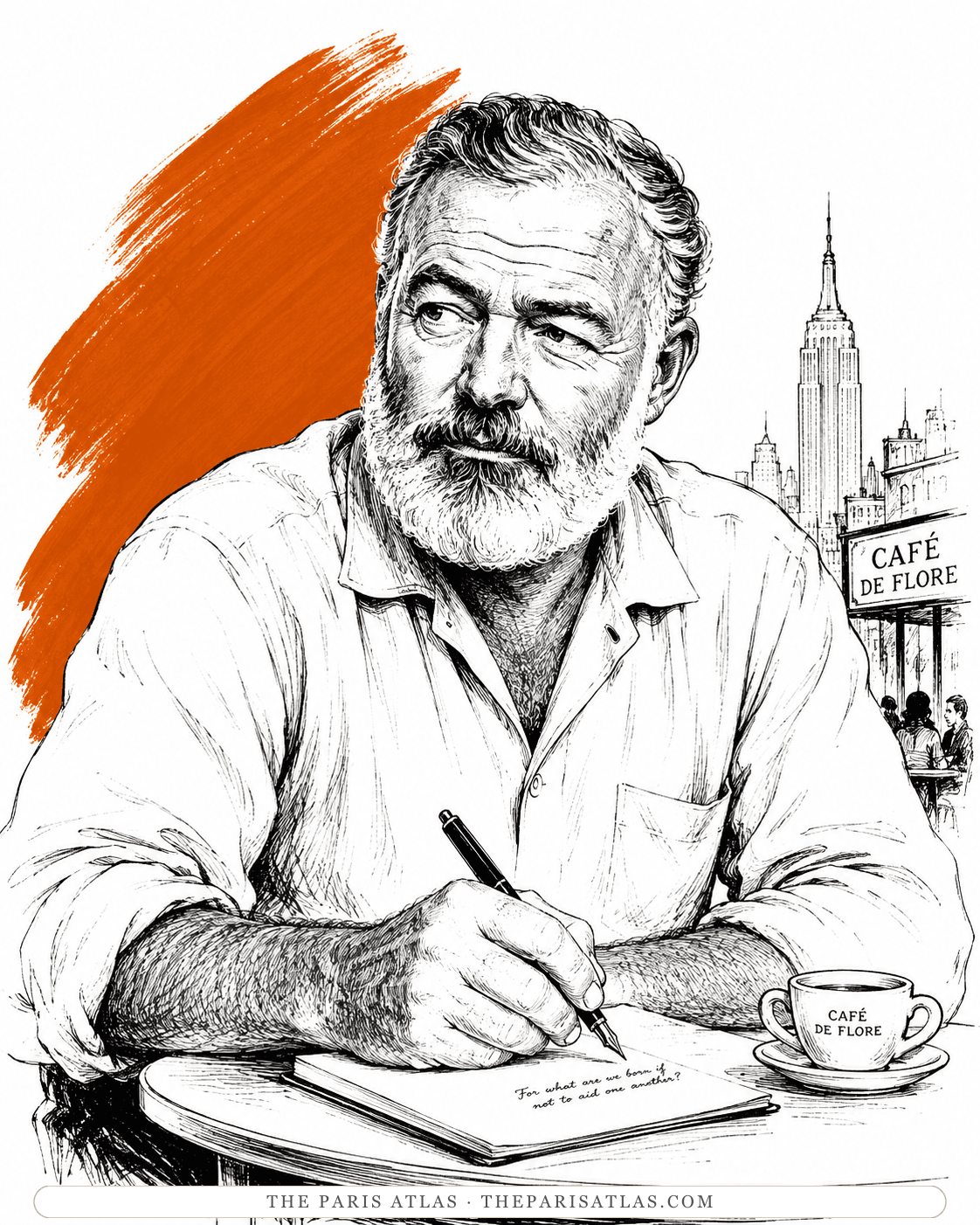
Author of The Sun Also Rises and A Moveable Feast; his pared-down style, developed in 1920s Paris, became the most imitated in American prose.
Read about Hemingway
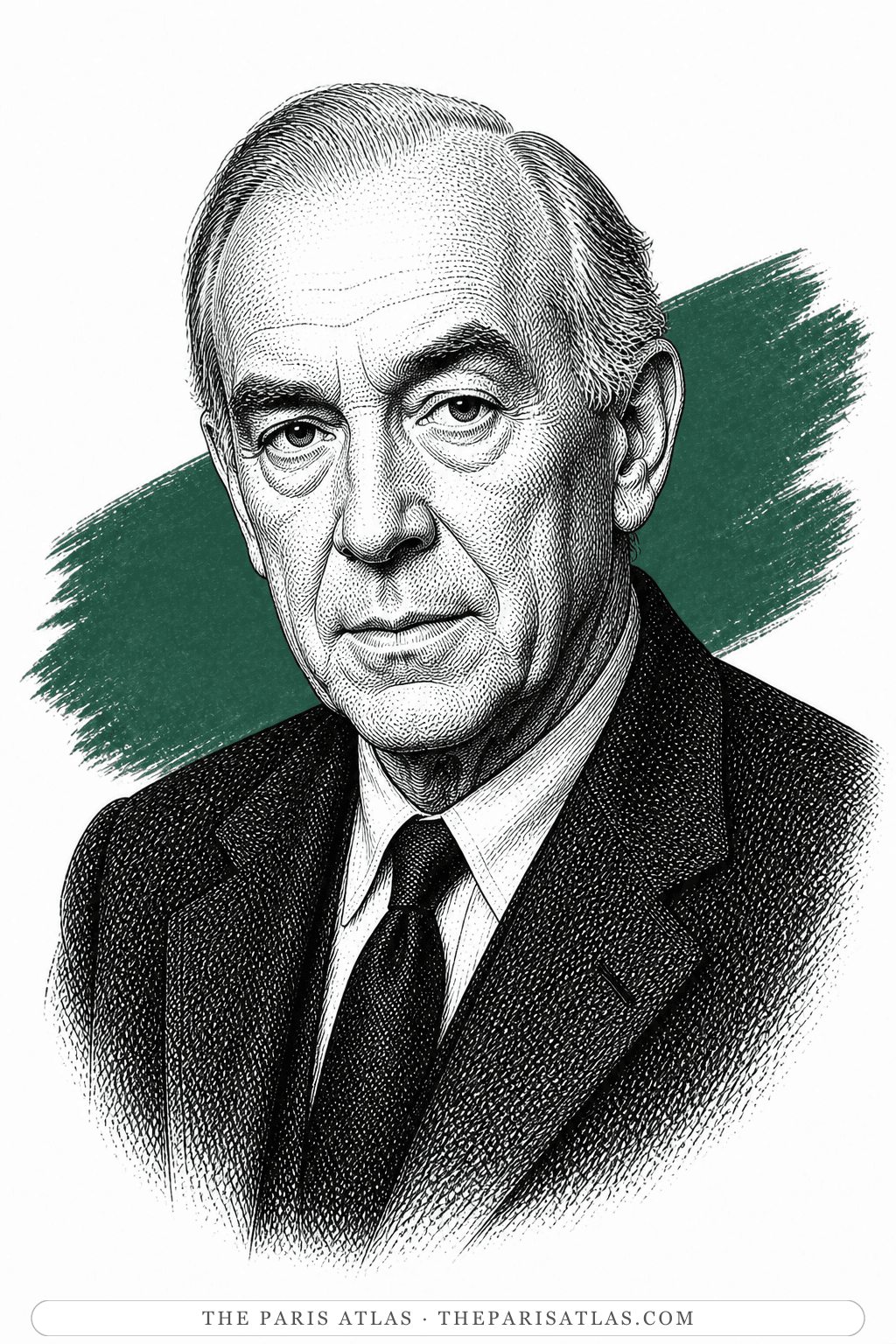
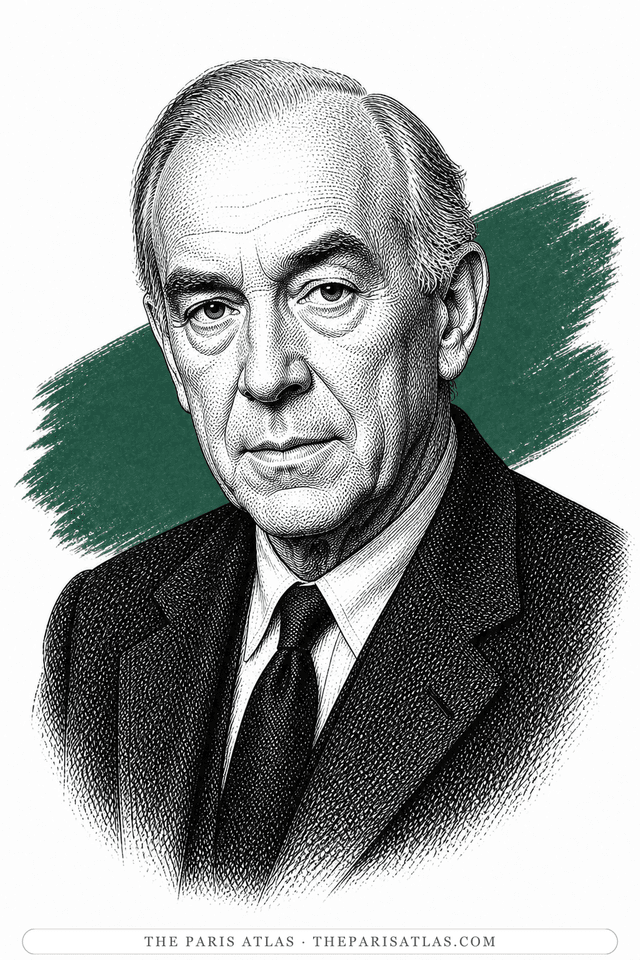
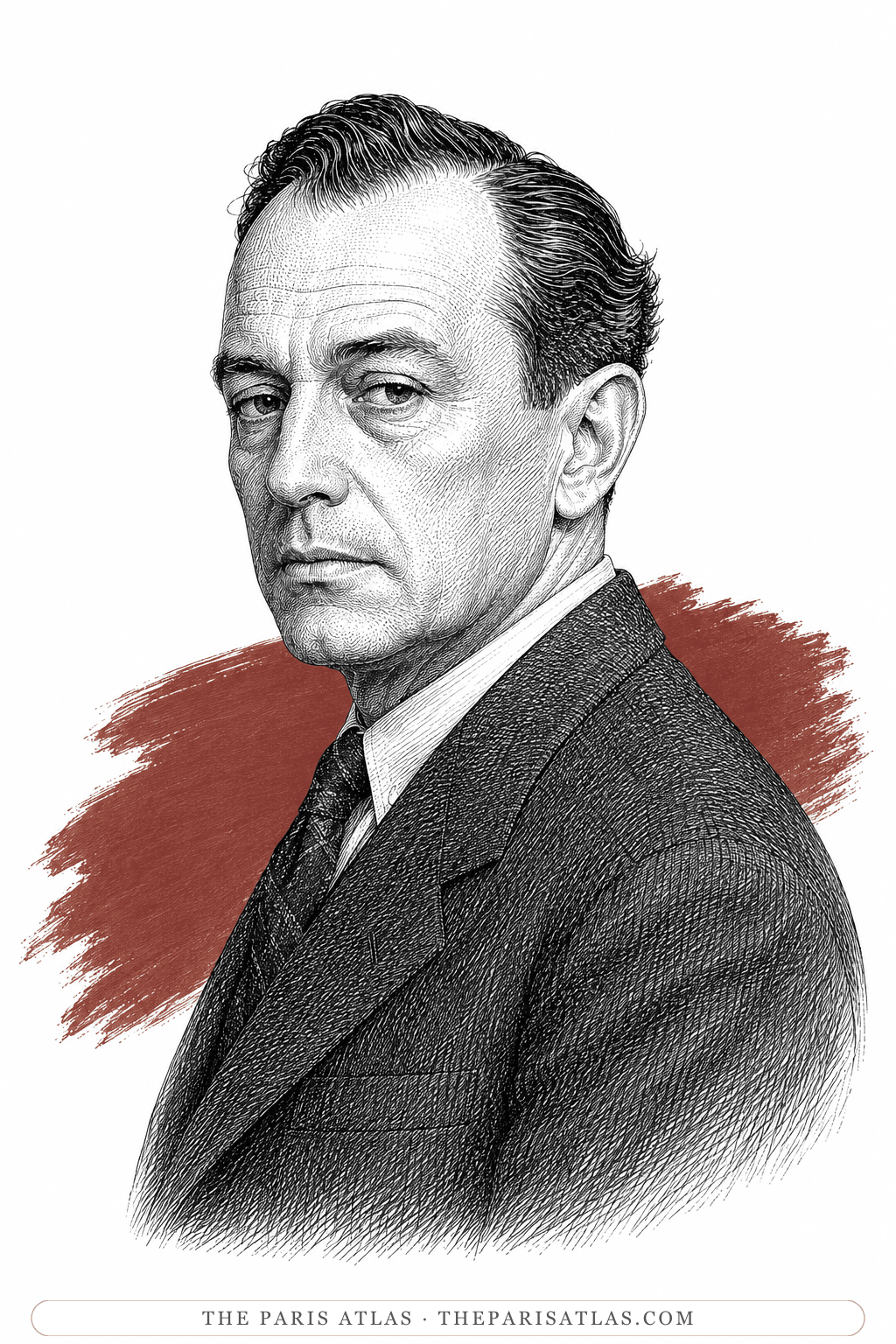
During wartime London, a writer becomes consumed first by his affair with a married woman and then by the question of why she suddenly ended it. Greene is more openly interested in jealousy, faith, and obsession than Hemingway, but he shares Hemingway’s ability to write intense emotion without turning it sentimental. Both novels understand that loving someone becomes frightening once you realize that love gives you no control over whether they stay.
About the author
English novelist of guilt and betrayal — Brighton Rock, The Power and the Glory, The Quiet American — who wrote the screenplay for the 1949 thriller The Third Man, spent the Second World War inside British intelligence reporting to Kim Philby, the officer later exposed as a Soviet agent, and lived for twenty-four years in a fourth-floor flat above the harbour at Antibes on the French Riviera, from which in 1982 he accused the courts and police of nearby Nice of corruption.
Read about Greene
These early stories are full of soldiers, wounded men, failed relationships, drinking, violence, fishing, sex, and people trying not to say the thing that is actually troubling them. They are shorter and more fragmented than A Farewell to Arms, but the style is unmistakably the same: simple sentences carrying much more emotion than they appear to. Read this if the way Hemingway writes mattered to you as much as Frederic and Catherine’s story.
About the author
Author of The Sun Also Rises and A Moveable Feast; his pared-down style, developed in 1920s Paris, became the most imitated in American prose.
Read about Hemingway
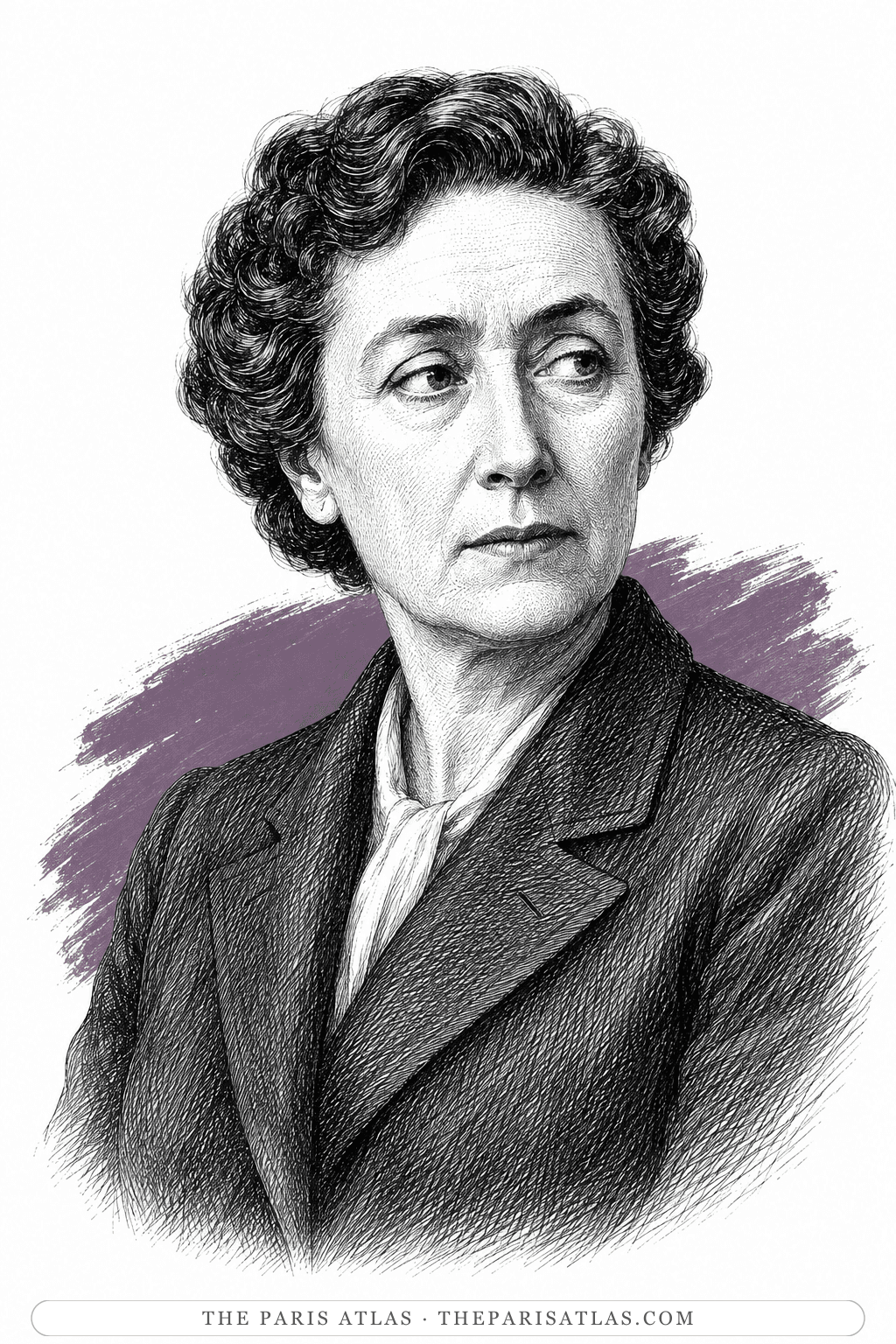
A British officer returns from the First World War with shell shock and no memory of his marriage, believing instead that he is still in love with a woman from his youth. The novel is short, controlled, and much more interested in the emotional damage of war than in combat itself. Like A Farewell to Arms, it lets a huge historical catastrophe reveal itself through a handful of intimate relationships.
About the author
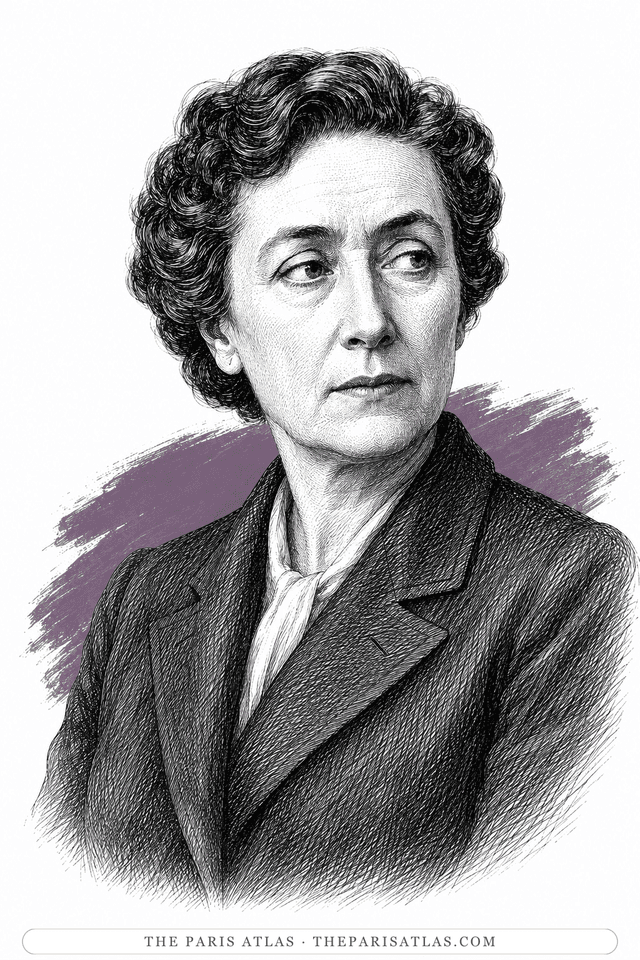 Rebecca West
British novelist, critic, and journalist whose fiction and nonfiction examine war, memory, politics, and private life.

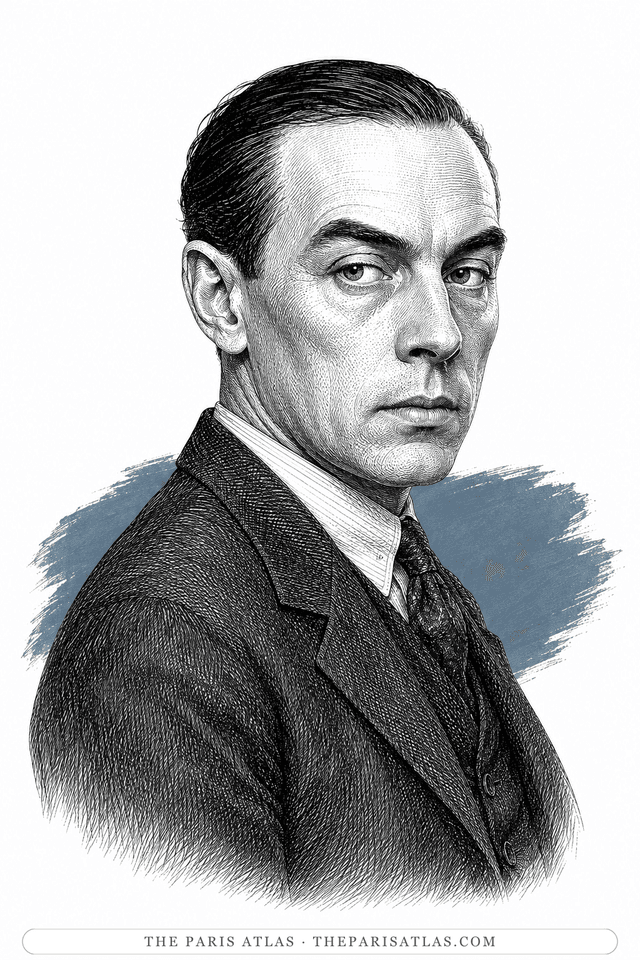
Remarque follows German soldiers after the First World War as they return to jobs, families, relationships, and a civilian society that expects them to become ordinary again. They discover that surviving the battlefield did not restore the people they were before it. The writing is clear and direct, and if Hemingway’s wounded, dislocated men interested you, this shows what happens when the war ends but the damage does not.
About the author
German novelist whose direct, unsentimental fiction follows soldiers and survivors marked by the First World War.
Read about Remarque
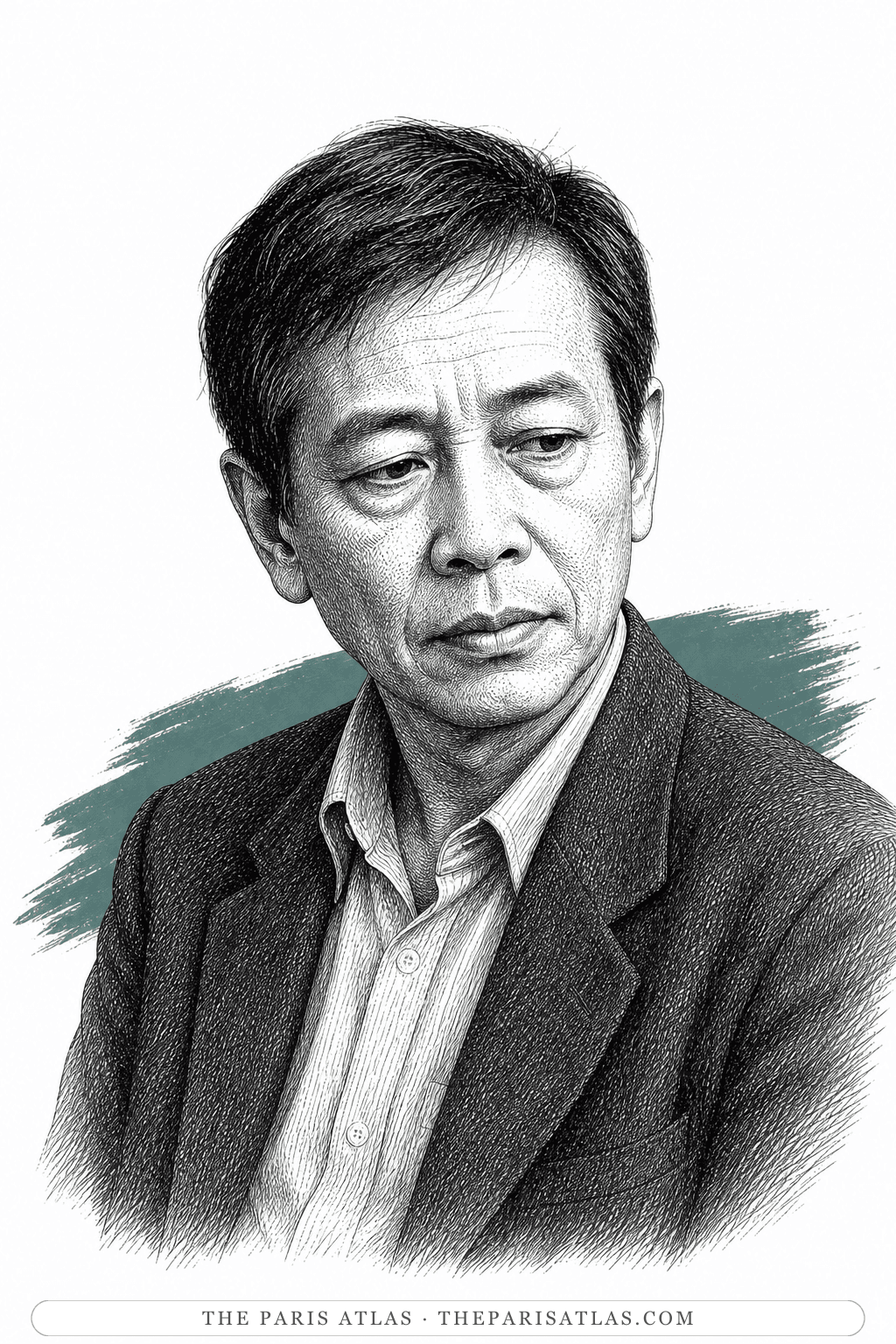
Kien survives the Vietnam War, but his memories of combat, dead friends, and the woman he loved before the war refuse to remain in the past. The novel moves through memory rather than following a straight chronology, but emotionally it is remarkably close to Hemingway: love and war become inseparable because each has permanently changed the way the narrator experiences the other. It is haunting without needing to constantly announce that it is tragic.
About the author
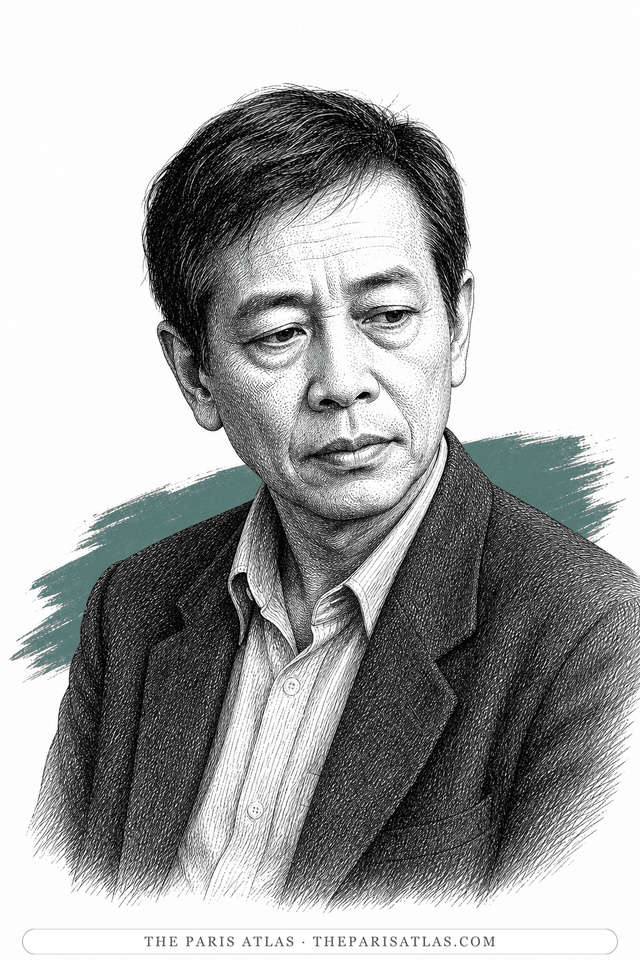 Bảo Ninh
Vietnamese novelist and veteran best known for writing about war through memory, grief, and the lives it permanently alters.

These stories contain boxers, soldiers, killers, husbands, failed lovers, and men who are much better at enduring pain than talking about it. You can feel Hemingway working through the same ideas about masculinity, loss, emotional restraint, and loneliness that become central to A Farewell to Arms two years later. If Frederic’s refusal to explain himself was part of what made him interesting, these stories live in that same silence.
About the author
Author of The Sun Also Rises and A Moveable Feast; his pared-down style, developed in 1920s Paris, became the most imitated in American prose.
Read about Hemingway
A veteran of the First World War spends a summer in a small English village restoring a medieval painting while recovering from the war and a failed marriage. Very little happens in the conventional sense, but beneath the calm surface are trauma, loneliness, attraction, regret, and the knowledge that certain happy moments cannot be kept. Carr’s prose is restrained and precise, and Hemingway readers who love what is left unsaid may find this surprisingly close in spirit.
About the author
 J. L. Carr
British novelist and publisher known for spare, quietly moving books about memory, solitude, work, and fleeting happiness.

Mathilde is told that her fiancé died during the First World War, but the official account does not satisfy her, so she begins reconstructing what happened to him. The book is part love story, part mystery, moving through trenches, letters, bureaucratic records, memories, and people whose versions of the truth do not quite agree. It is more intricate than Hemingway, but it shares his understanding that war separates lovers through confusion and chance as often as through anything meaningful.
About the author
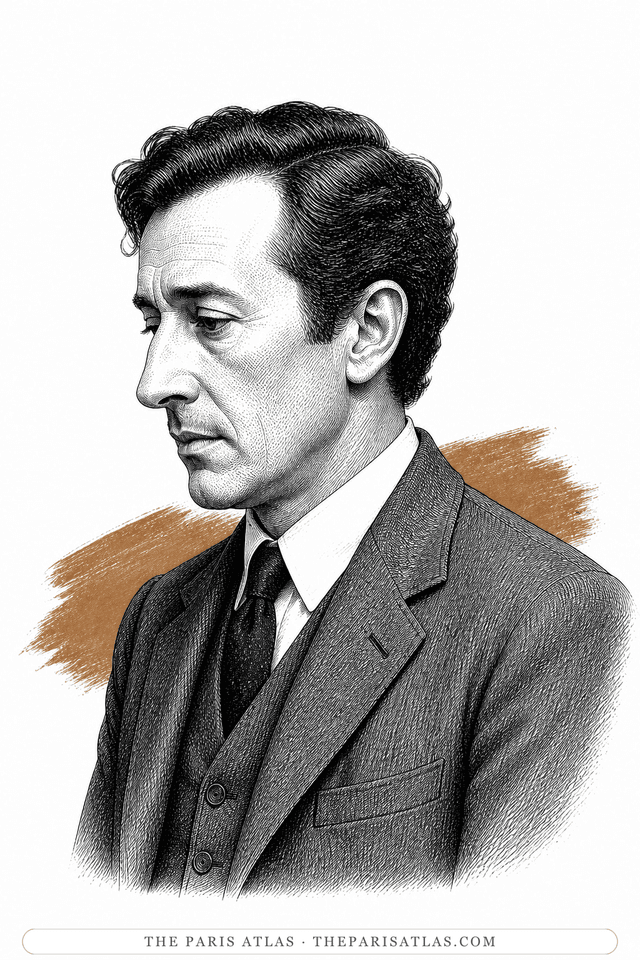 Sébastien Japrisot
French novelist and screenwriter known for intricate literary mysteries shaped by memory, obsession, and uncertain testimony.

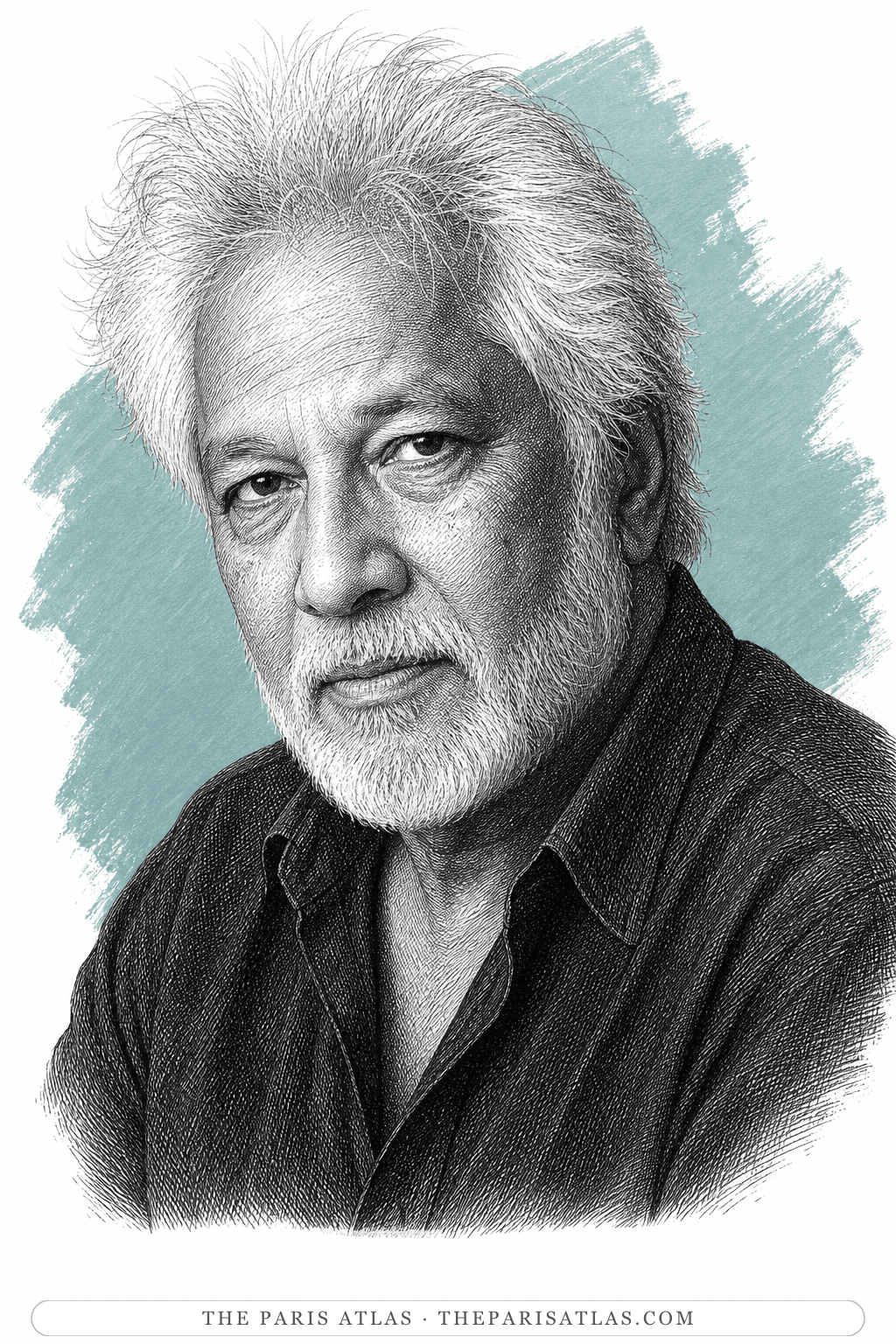
Near the end of the Second World War, several damaged people gather in an Italian villa while the history of a badly burned patient and his catastrophic love affair gradually emerges. Ondaatje’s prose is much more lyrical than Hemingway’s, so this is not a stylistic twin, but the emotional territory is close: Europe at war, hospitals, wounded bodies, forbidden intimacy, and a love that history has already turned into memory.
About the author
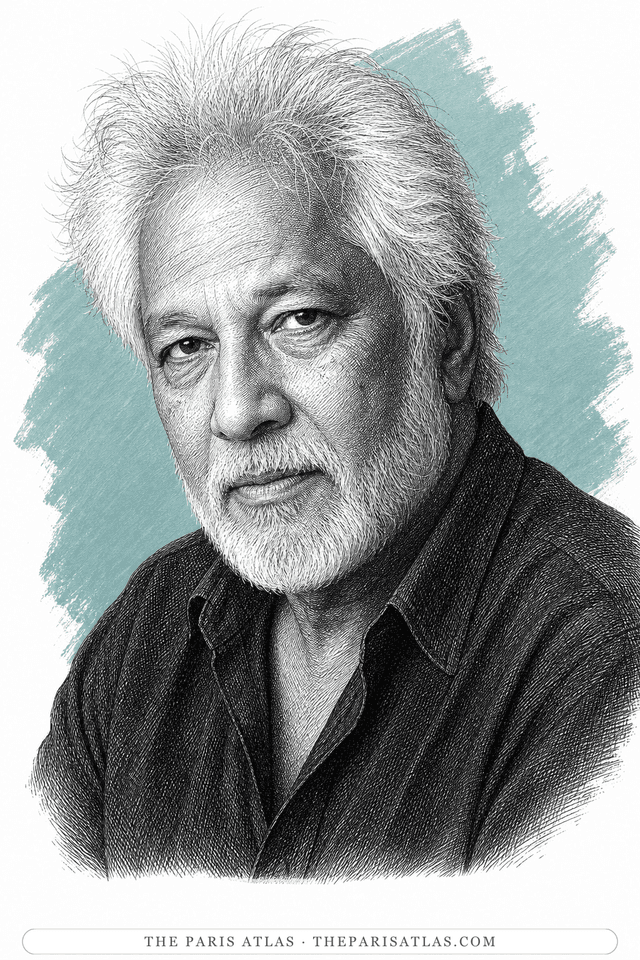 Michael Ondaatje
Sri Lankan-born Canadian novelist and poet whose lyrical fiction moves through war, memory, identity, and fragmented lives.

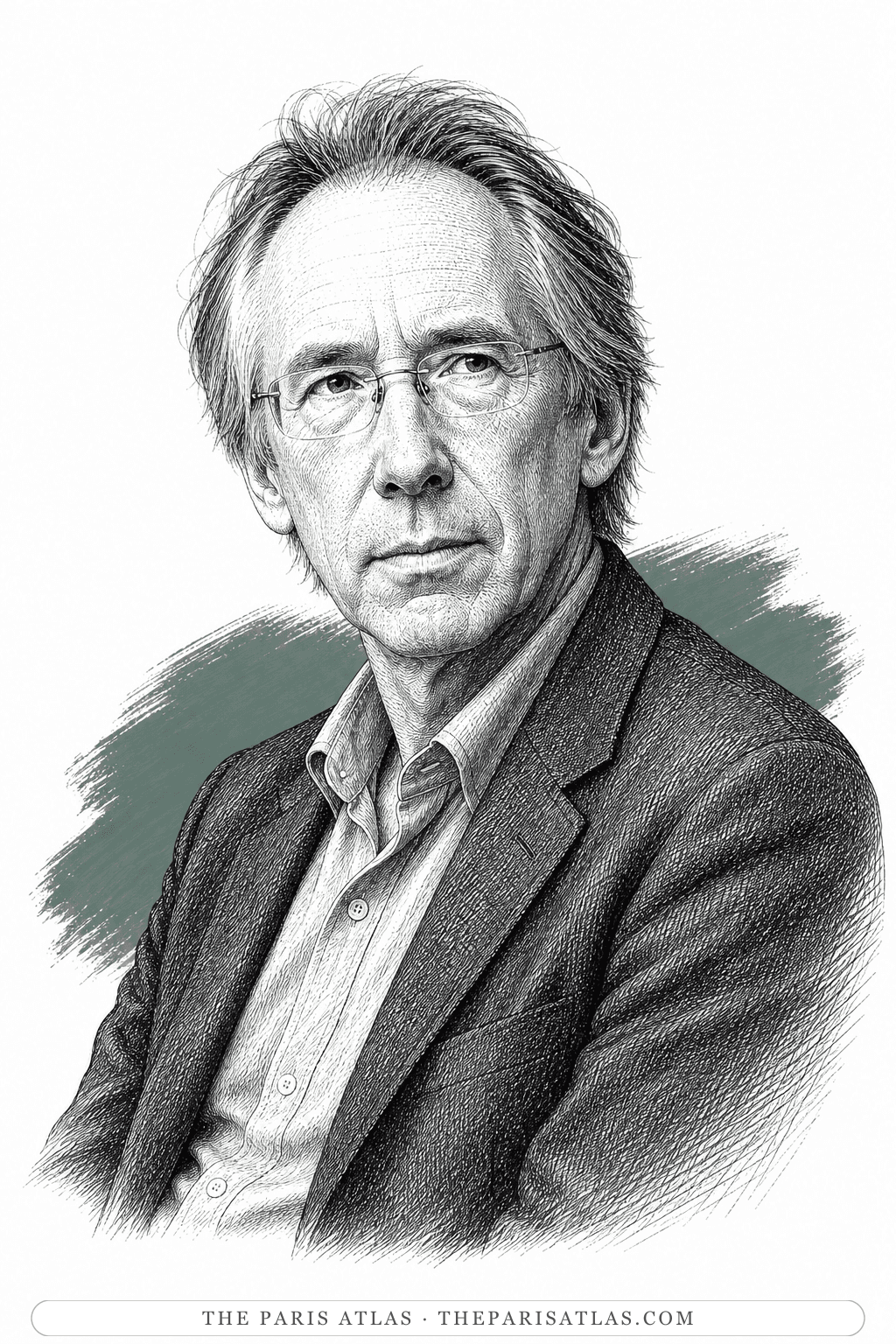
Cecilia and Robbie have barely recognized what they mean to each other when a terrible accusation separates them and the Second World War makes getting back to one another even harder. McEwan writes more elaborately than Hemingway, but the central ache is very similar: two people discover something real between them and then encounter forces far larger than their relationship. Read it if the doomed possibility of a life Frederic and Catherine might have had was what stayed with you.
About the author
 Ian McEwan
British novelist known for precise psychological fiction about guilt, intimacy, chance, and the lasting consequences of single acts.

A drifter falls for a married woman, and their affair quickly becomes something dangerous that neither of them can control. There is no war, but Cain’s short, hard sentences, emotional restraint, sex, fatalism, and sense that happiness is already doomed make this a surprisingly strong match for A Farewell to Arms. If what you loved was Hemingway’s ability to write about desperate love without making the prose romantic, this is one of the closest books on the list.
About the author
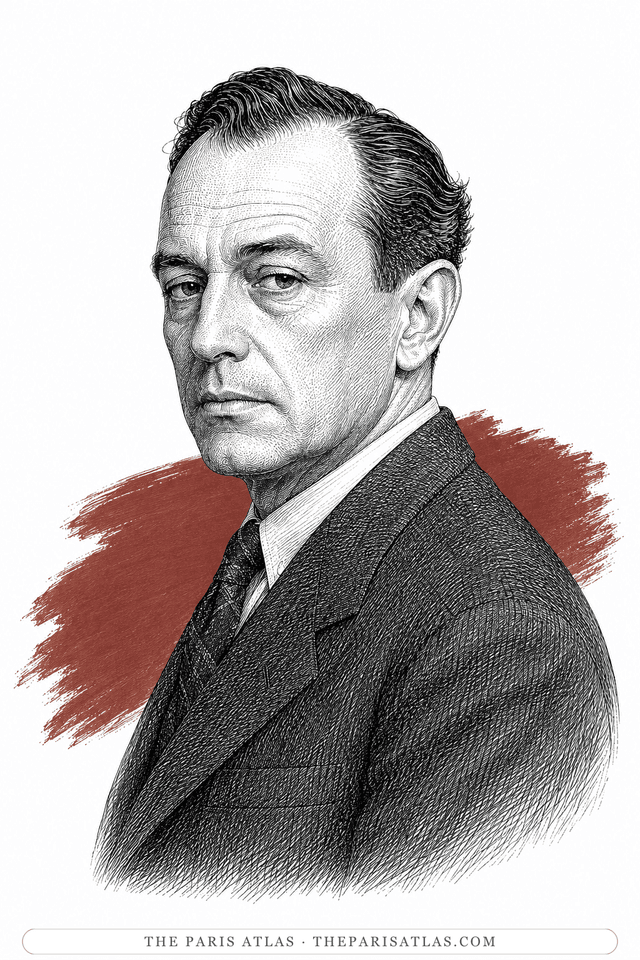 James M. Cain
American novelist and journalist whose hard, economical crime fiction turns desire, violence, and fatalism into stripped-down prose.

This is lean, brutal, and almost allergic to decoration. A young man and woman meet in Depression-era Hollywood and enter a grueling dance marathon because neither has much else going for them. There is no war, but the fatalism, exhaustion, stripped-down prose, and refusal to sentimentalize suffering feel much closer to Hemingway than a lot of the “war novels” I originally gave you.
About the author
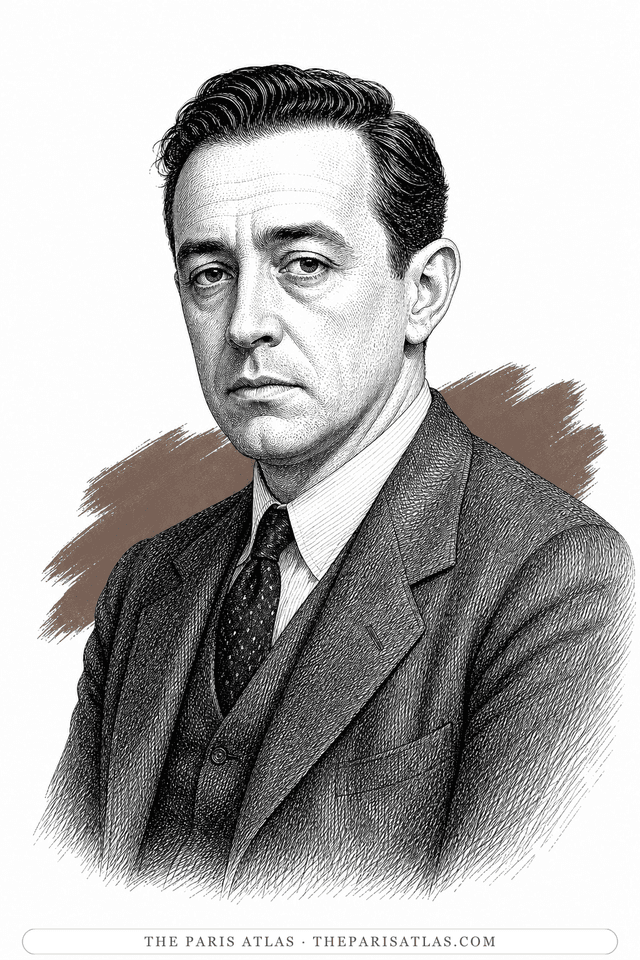 Horace McCoy
American novelist and screenwriter whose Depression-era fiction writes exhaustion, desperation, and fatalism without sentimental decoration.

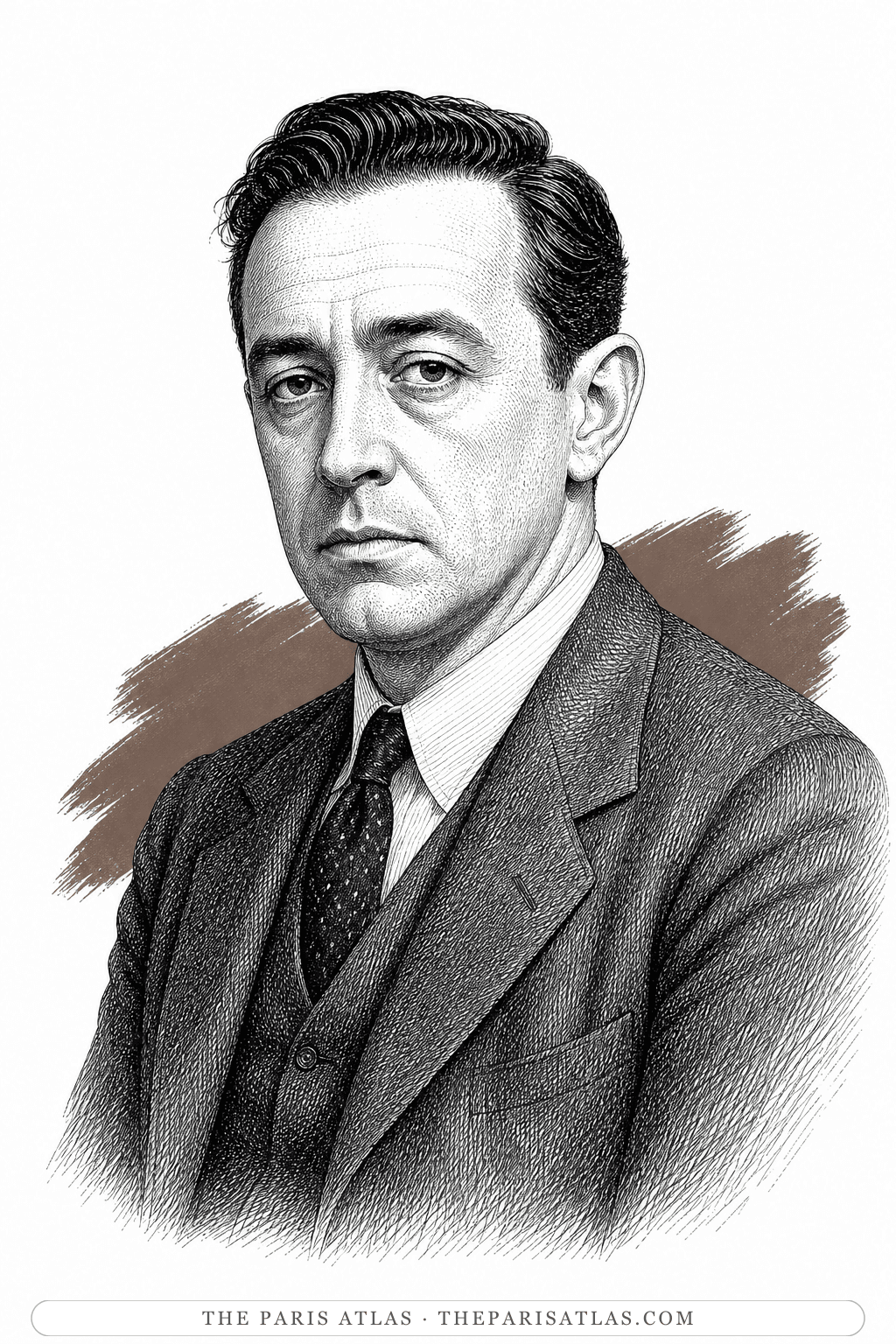
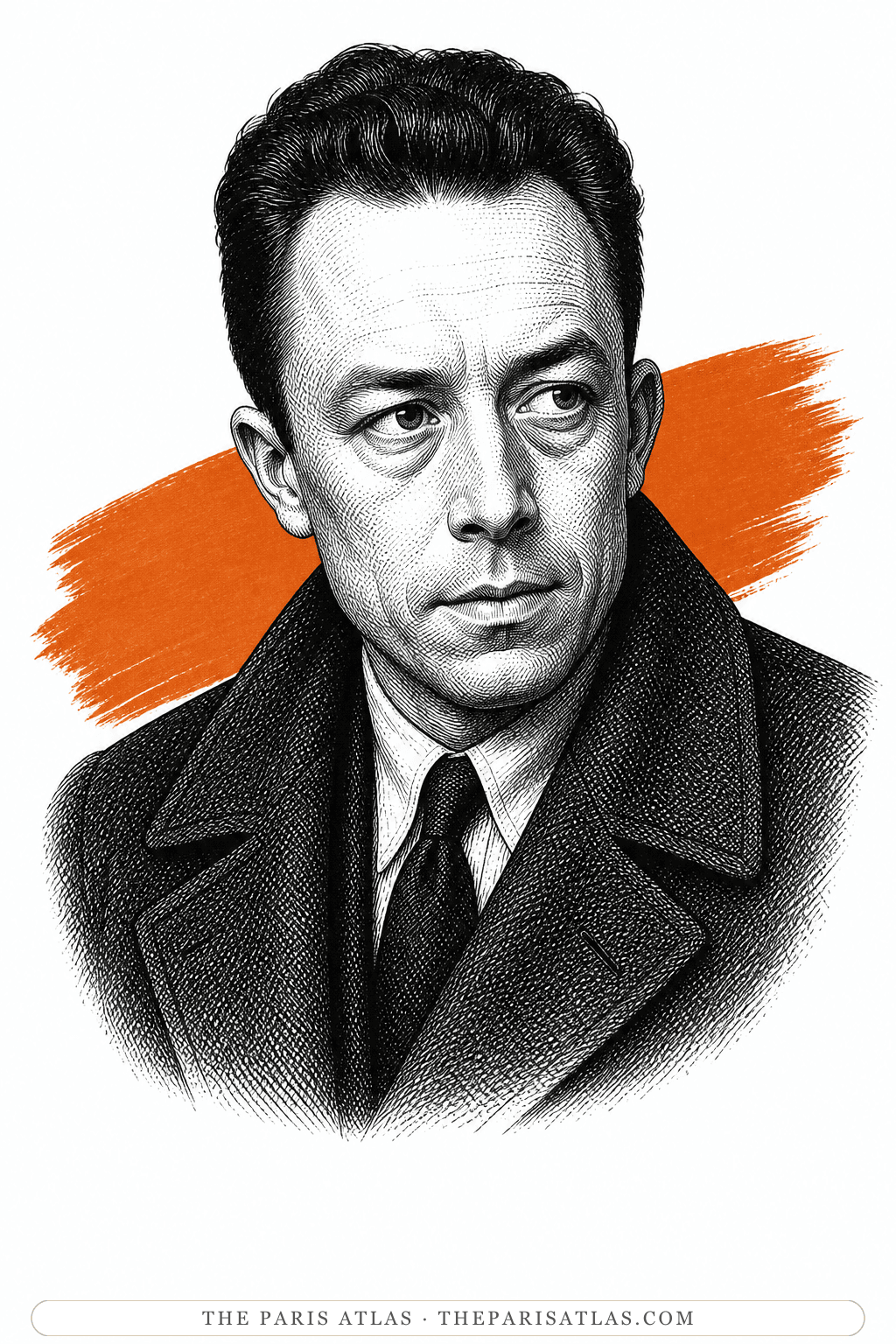
Camus writes in short, plain sentences about a man who seems almost detached from the events of his own life, even when those events become catastrophic. It does not give you Hemingway’s romance or war, but it gives you that powerful feeling of enormous things being described without the prose telling you how enormous they are.
About the author
French Algerian novelist, essayist, journalist and playwright who used the absurd and revolt to ask how people should live without false consolation.
Read about Camus
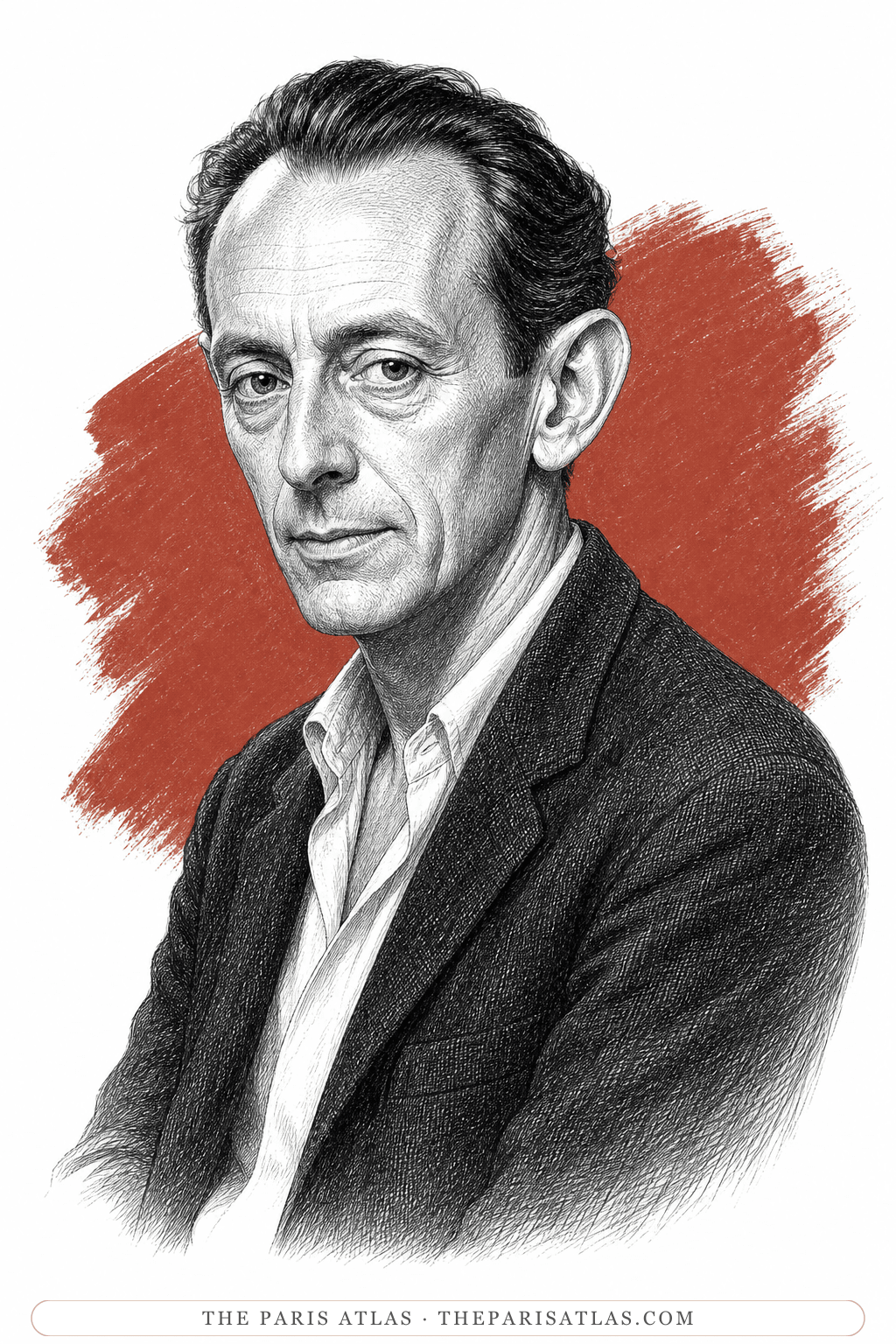
An American couple travel through North Africa while their marriage quietly disintegrates, and the further they move from home, the less stable everything becomes. Bowles is stranger and more atmospheric than Hemingway, but he shares the emotional coolness, expatriate dislocation, fatalism, sex, and sense that disaster can arrive without any moral meaning attached to it.
About the author
American novelist and composer whose expatriate fiction explores dislocation, unstable intimacy, fatalism, and North Africa.
Read about Bowles


References
The sources below include the primary text, editions, archives, and critical context used to establish what distinguishes A Farewell to Arms.

1A Farewell to Arms
NovelCharles Scribner's Sons, 1929Used forPrimary text included as part of the documented record for Books like A Farewell to Arms.

2Scribner's Magazine — serialization of A Farewell to Arms, May–October 1929
PeriodicalCharles Scribner's Sons, 1929Used forContemporary reporting or criticism used to document the historical reception and context of Books like A Farewell to Arms.
3Ernest Hemingway, The Art of Fiction No. 21
PeriodicalThe Paris Review, Issue 18, Spring 1958, 1958Used forContemporary reporting or criticism used to document the historical reception and context of Books like A Farewell to Arms.
4Ernest Hemingway
EssaysCambridge University Press, 2012Used forPublished analysis and historical context used in preparing the Books like A Farewell to Arms page.
These references support the guide's description of the comparison book. The read-alike matches themselves are editorial recommendations, explained individually above.
 Explore more resources
Newsletter
Tell us what you loved, and we'll find your next book.
Every Friday: one recommendation, the reasons it earns your time, and what to read after it. Reply with your last favorite and we'll answer.