The Wrong Side and the Right Side
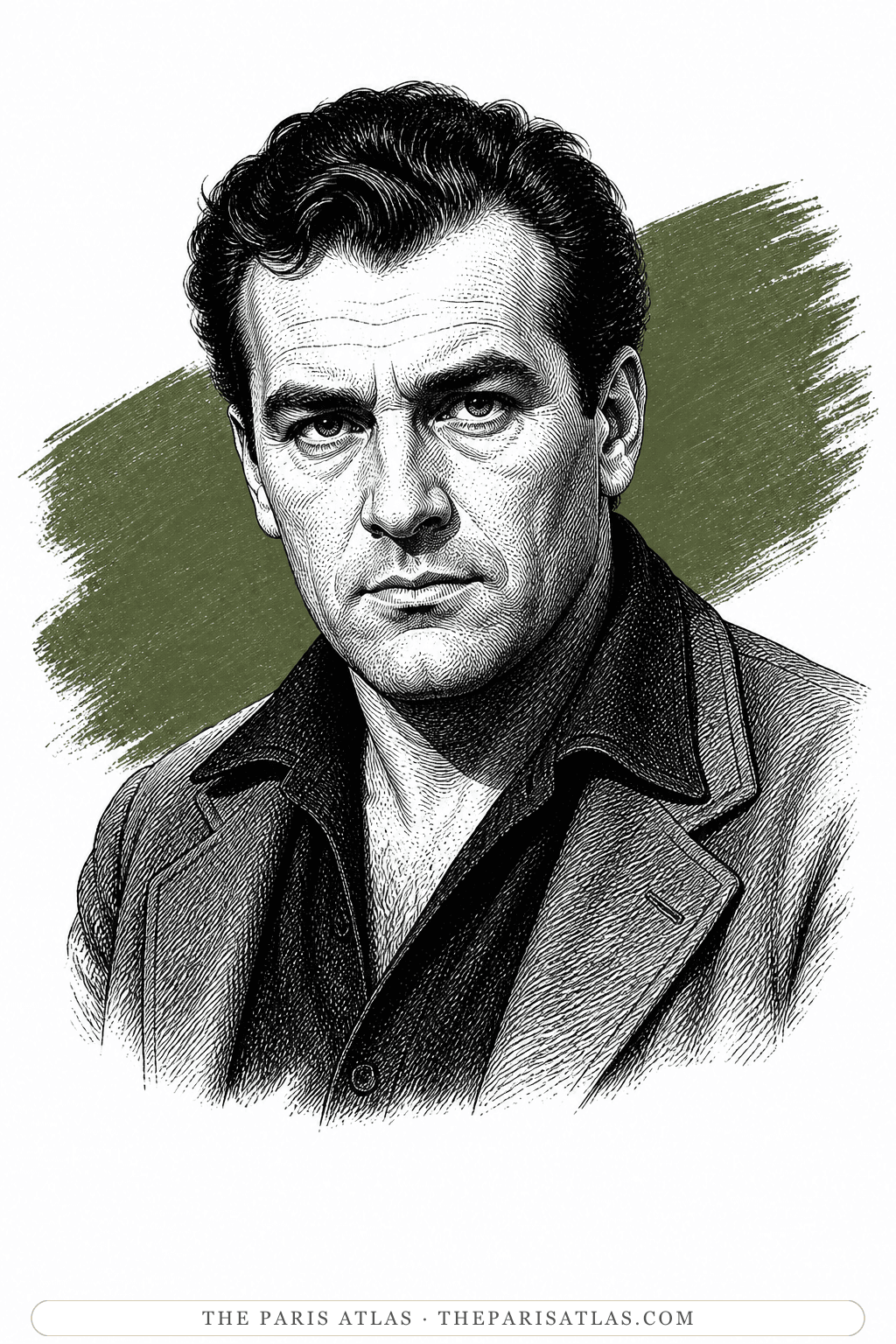
Albert Camus
Five early essays in which poverty, silence, sunlight and death already form the vocabulary of the later books.
French Algerian novelist, essayist, journalist and playwright who used the absurd and revolt to ask how people should live without false consolation.
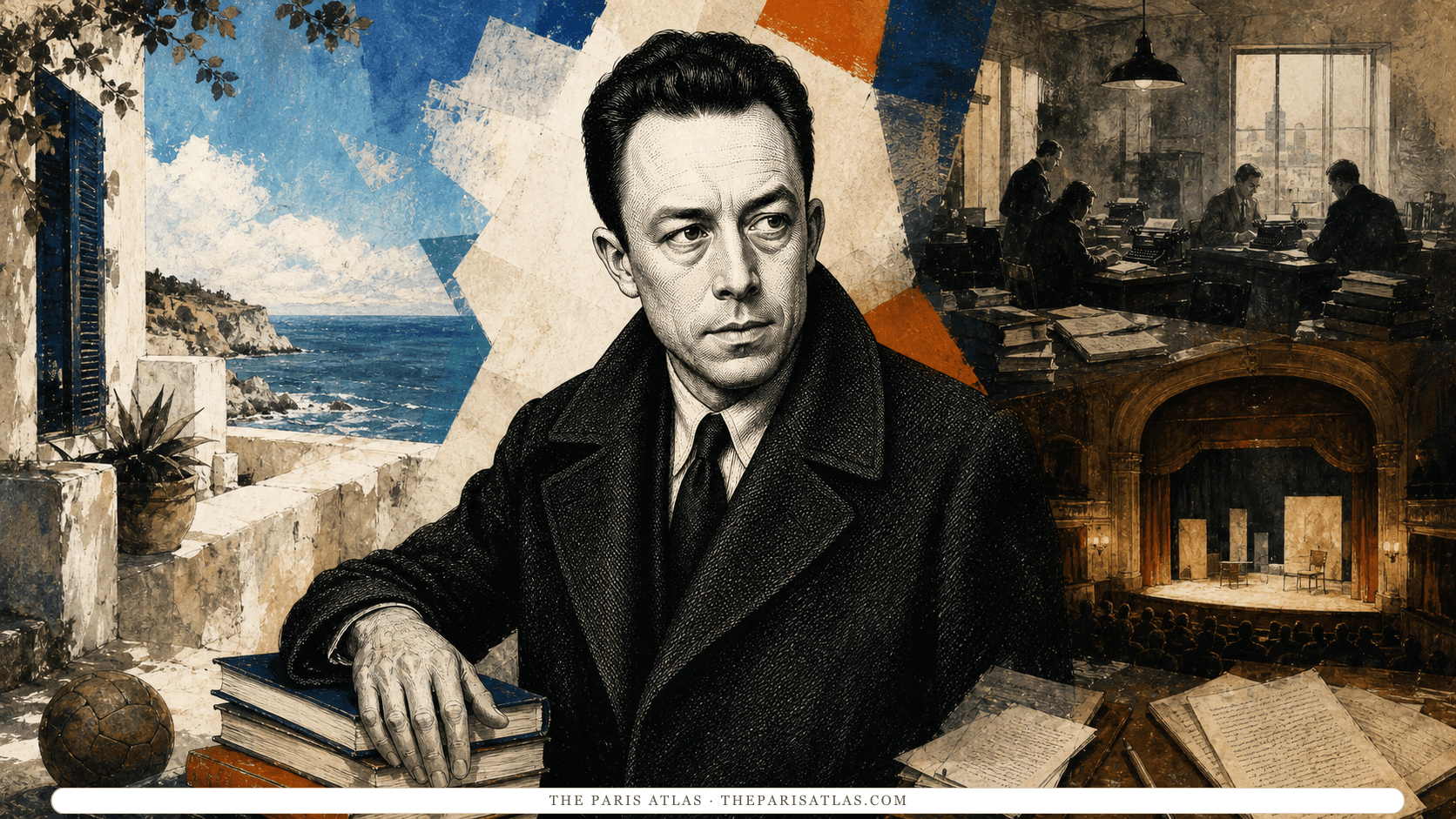
Albert Camus wrote novels, essays, plays and journalism about one persistent problem: how to live honestly when the world does not supply a clear meaning. The Stranger and The Myth of Sisyphus present that problem through fiction and argument; The Plague and The Rebel ask what responsibility to other people follows from it.
Camus is often called an existentialist, but he rejected that label and argued with leading existentialists. The more precise route into his work is through his own terms: the absurd, revolt, limits and solidarity. His books do not offer a system. They test ways of acting when certainty is unavailable.
Camus was born on 7 November 1913 in Mondovi in French-ruled Algeria. His father died from wounds received in the First World War. His mother, Catherine Sintès Camus, raised Albert and his brother in a working-class household in Belcourt, Algiers. A teacher, Louis Germain, helped him continue his education; tuberculosis interrupted the football and academic career he had imagined.
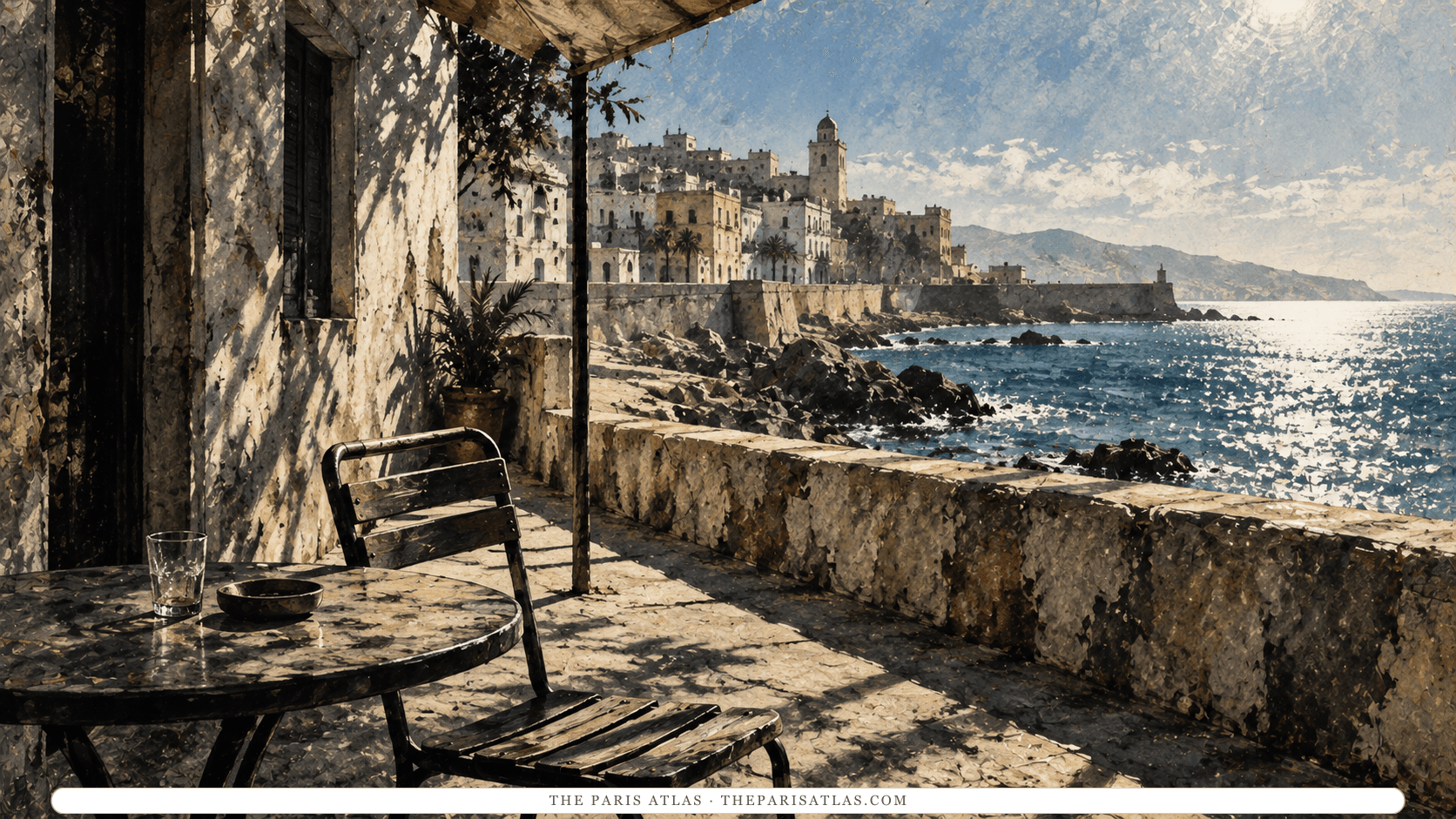
The Mediterranean landscape and the inequality of colonial Algeria both remained central to his writing. The early essay collections The Wrong Side and the Right Side and Nuptials hold sunlight, poverty, physical pleasure and death together without treating any one of them as an answer to the others.
Camus moved to metropolitan France at twenty-five. During the German occupation he joined the Resistance newspaper Combat, first working clandestinely and then becoming one of its best-known editorial voices after the Liberation. The journalism matters to the books: its demand for plain evidence, limited power and individual responsibility runs through his later arguments against political murder.
In 1942 Gallimard published both The Stranger and The Myth of Sisyphus. Camus described fiction, essay and drama as connected cycles rather than isolated titles. Caligula and The Misunderstanding belong to the first, absurd cycle; The Plague, The Rebel and The Just Assassins move toward revolt and the limits placed on violence.
The Rebel, published in 1951, argues that resistance to oppression creates a shared human value but can betray itself when revolution makes murder a method. The book caused a public break with Jean-Paul Sartre's circle. Camus's anti-Communism and his account of revolution remain influential, but they also require scrutiny: critics note the gap between the book's sweeping European history and the colonial violence of his own time.
His position during the Algerian War was especially difficult and contested. He condemned terrorism against civilians and called for a civilian truce, while rejecting both the existing colonial injustice and the full independence program of the National Liberation Front. The position satisfied neither side and cannot be reduced to a slogan without losing the conflict between his attachments, his principles and the political reality.
Camus received the 1957 Nobel Prize in Literature at forty-four. The award cited writing that illuminated problems of the human conscience. By then The Fall had turned his moral inquiry inward through an unreliable confession, and Exile and the Kingdom had returned to Algeria through six stories of isolation and failed connection.
He died on 4 January 1960 in a car crash near Villeblevin. He was forty-six. The manuscript of The First Man was recovered from the wreck and published in 1994. Its direct account of a poor Algerian childhood changed the shape of the finished career: the last book became a return to the life before the theories and public arguments.
Born on 7 November in Mondovi, French Algeria.
Publishes The Wrong Side and the Right Side in Algiers.
Gallimard publishes The Stranger and The Myth of Sisyphus in Paris.
Works with the Resistance newspaper Combat and becomes a prominent post-Liberation editorialist.
Publishes The Plague and serves on the founding patronage committee of Présence Africaine.
Publishes The Rebel, intensifying his public dispute with revolutionary Marxism.
Receives the Nobel Prize in Literature.
Dies in a car crash near Villeblevin on 4 January.
The unfinished autobiographical novel The First Man is published posthumously.
The Stranger
Albert Camus
It is short, direct, and introduces the conflict between human demands for meaning and an indifferent world without requiring philosophical background.
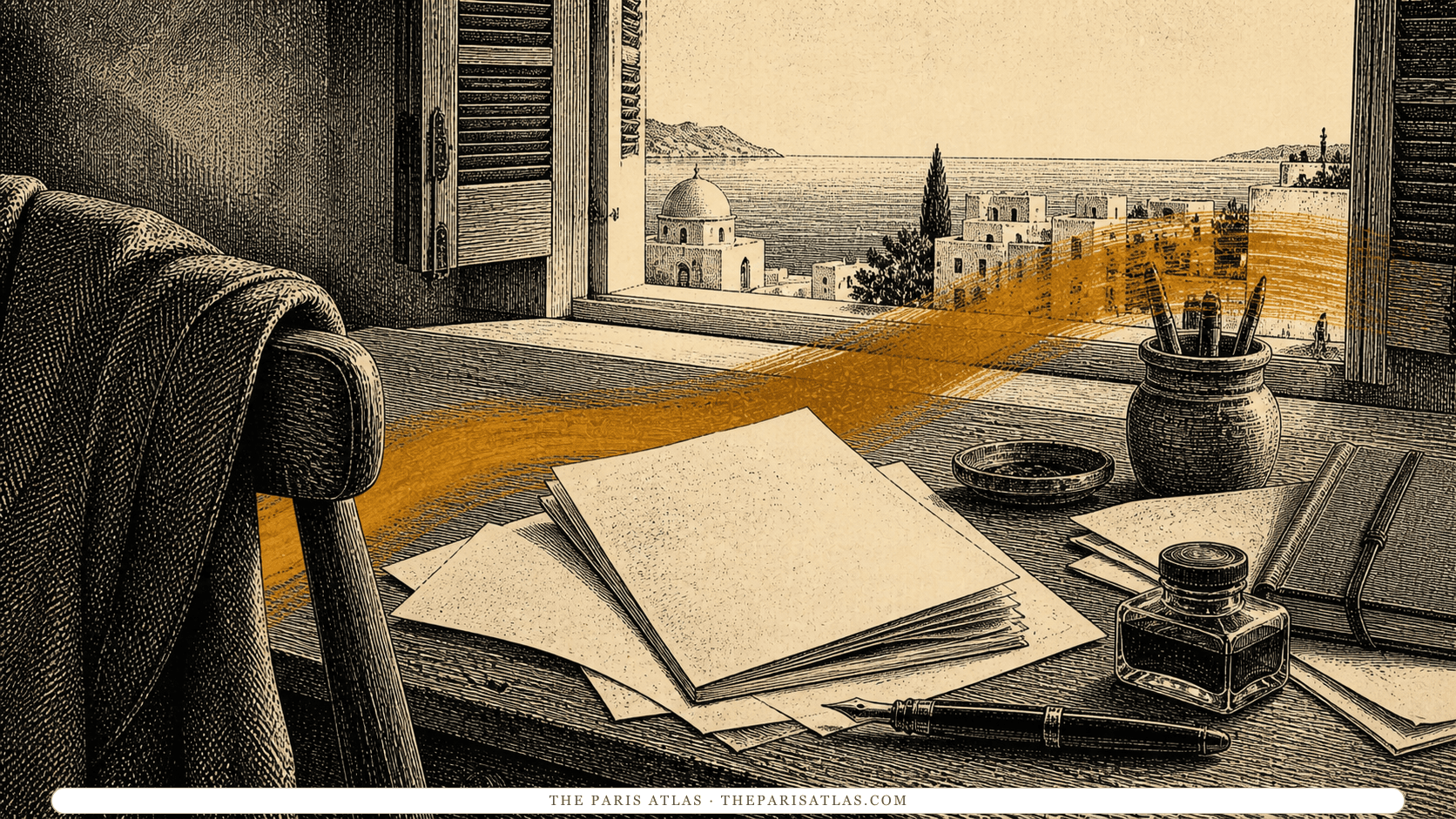
The Wrong Side and the Right Side
Albert Camus
Five early essays in which poverty, silence, sunlight and death already form the vocabulary of the later books.
Nuptials
Albert Camus
Four Mediterranean essays about bodily happiness, ruins, summer and the refusal to postpone life.
The Myth of Sisyphus
Albert Camus
Camus asks whether life is worth living when the universe supplies no final meaning.
The Stranger
Albert Camus
A clerk in Algiers kills a man, then faces a court more interested in his behavior at his mother’s funeral.
Caligula
Albert Camus
An emperor turns the discovery that people die unhappy into a program of unlimited logical cruelty.
Letters to a German Friend
Albert Camus
Four wartime letters distinguish love of one’s country from the nationalism that makes murder a virtue.
The Plague
Albert Camus
When Oran closes against an epidemic, ordinary people decide whether decency is enough.
The Just Assassins
Albert Camus
Revolutionaries planning an assassination discover that a just cause does not settle what they may do.
The Rebel
Albert Camus
A history and critique of rebellion that asks when resistance turns into justified murder.
The Fall
Albert Camus
In an Amsterdam bar, a former Paris lawyer confesses until confession becomes another form of control.
Exile and the Kingdom
Albert Camus
Six stories about people reaching toward belonging and finding that the distance remains.
A Happy Death
Albert Camus
Camus’s abandoned first novel follows a man who believes money can buy the time required for happiness.
The First Man
Albert Camus
The unfinished novel recovered after Camus’s death returns to his father, his mother and a poor childhood in Algiers.
Member of · 1947
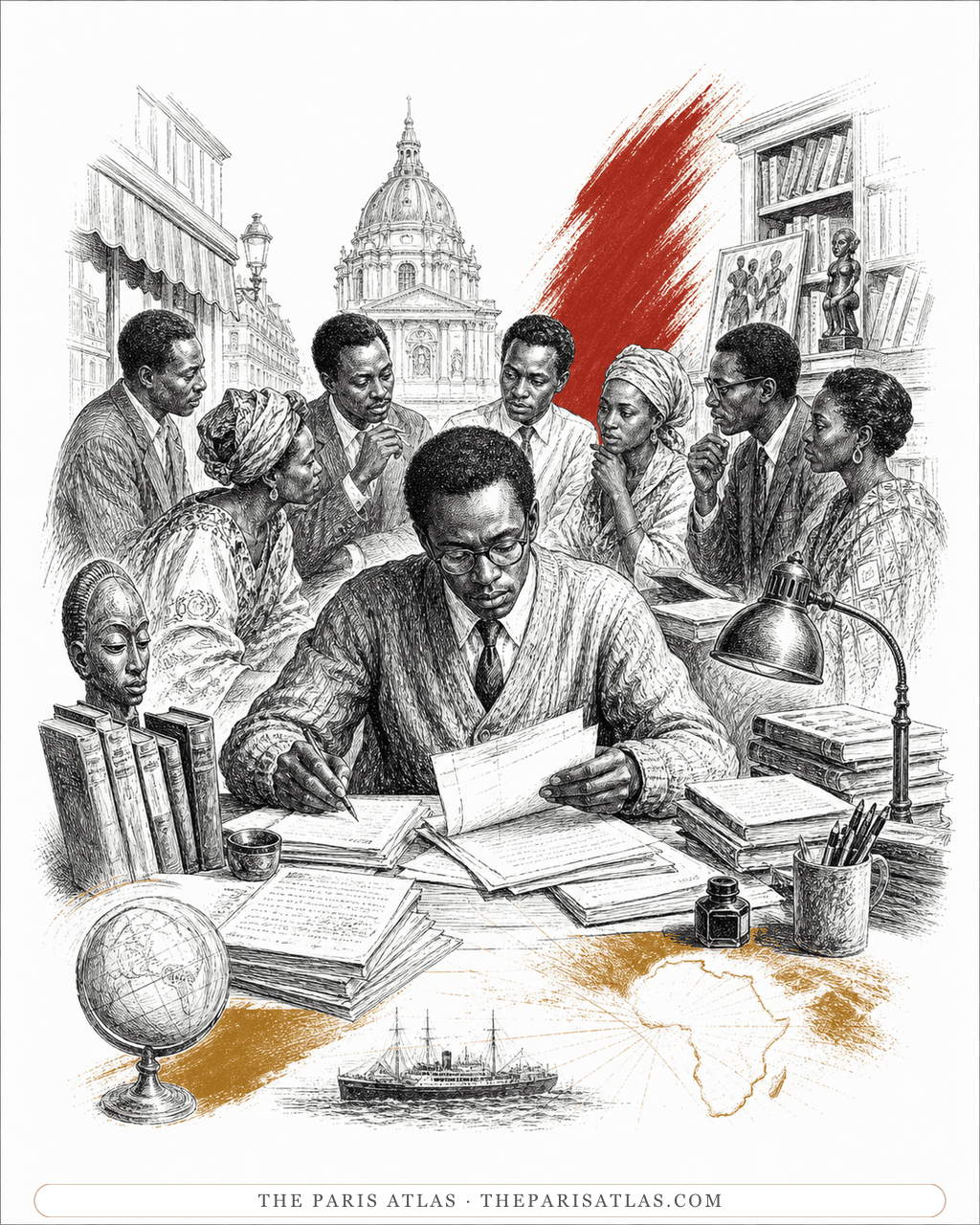
Camus sat on the founding patronage committee Alioune Diop assembled for the Présence Africaine review in 1947. The connection is institutional and documented; it does not imply agreement with every later position of the journal or its contributors.
Albert Camus is best known for The Stranger, The Plague, The Myth of Sisyphus and the idea of the absurd. He received the 1957 Nobel Prize in Literature.
Camus rejected the existentialist label. His work overlaps with existentialist questions, but he criticized existentialist conclusions and built his arguments around the absurd, revolt and limits.
The absurd is the conflict between the human demand for meaning and a world that gives no final answer. Camus argued that the response is not resignation but lucid, fully lived experience without false consolation.
Start with The Stranger if you want fiction or The Myth of Sisyphus if you want the argument directly. The Plague is the best second novel because it expands the problem from one isolated person to a whole community.
Camus died in a car crash near Villeblevin, France, on 4 January 1960. He was forty-six. The manuscript of The First Man was found in the wreck.
Camus was born in Mondovi in French Algeria, now Dréan in Algeria, on 7 November 1913. He grew up in a poor household in the Belcourt district of Algiers.
Member of · 1947
Camus sat on the founding patronage committee Alioune Diop assembled for the Présence Africaine review in 1947. The connection is institutional and documented; it does not imply agreement with every later position of the journal or its contributors.