
A clerk in Algiers kills a man, then faces a court more interested in his behavior at his mother’s funeral.
13 Albert Camus titles: 4 novels, 1 story collection, 2 plays and screenplays, 1 memoir or travel book, and 5 volumes of nonfiction. They are listed below by form, earliest first, and every one links to its own page.
Start with The Stranger, then read The Plague. Pair The Stranger with The Myth of Sisyphus only after you have met the fiction on its own. Continue to The Fall for the strongest late novel, then choose between The Rebel for political philosophy, Exile and the Kingdom for stories, or The First Man for the unfinished return to Camus’s Algerian childhood.
A clerk in Algiers kills a man, then faces a court more interested in his behavior at his mother’s funeral.


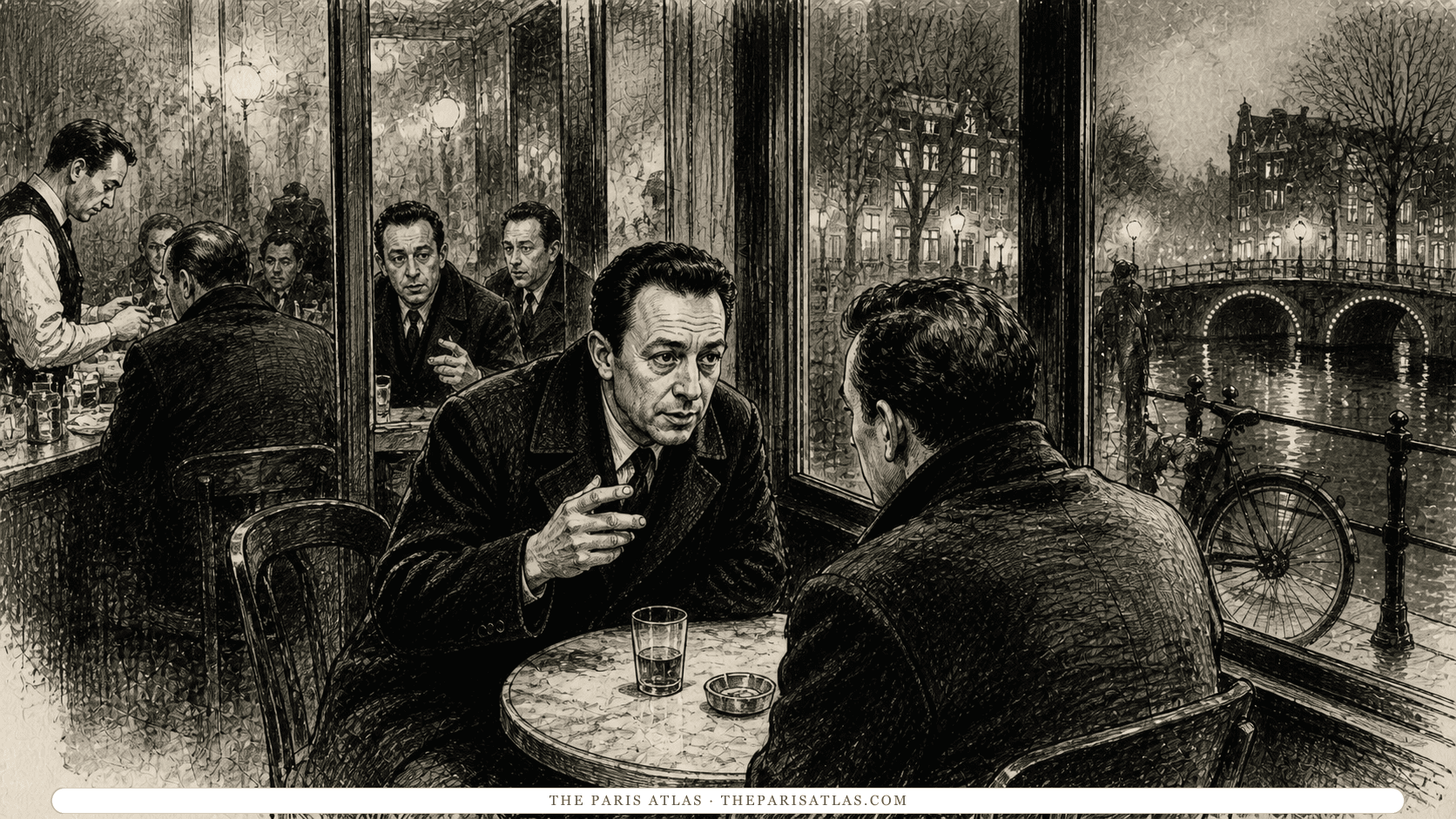
In an Amsterdam bar, a former Paris lawyer confesses until confession becomes another form of control.

Camus’s abandoned first novel follows a man who believes money can buy the time required for happiness.
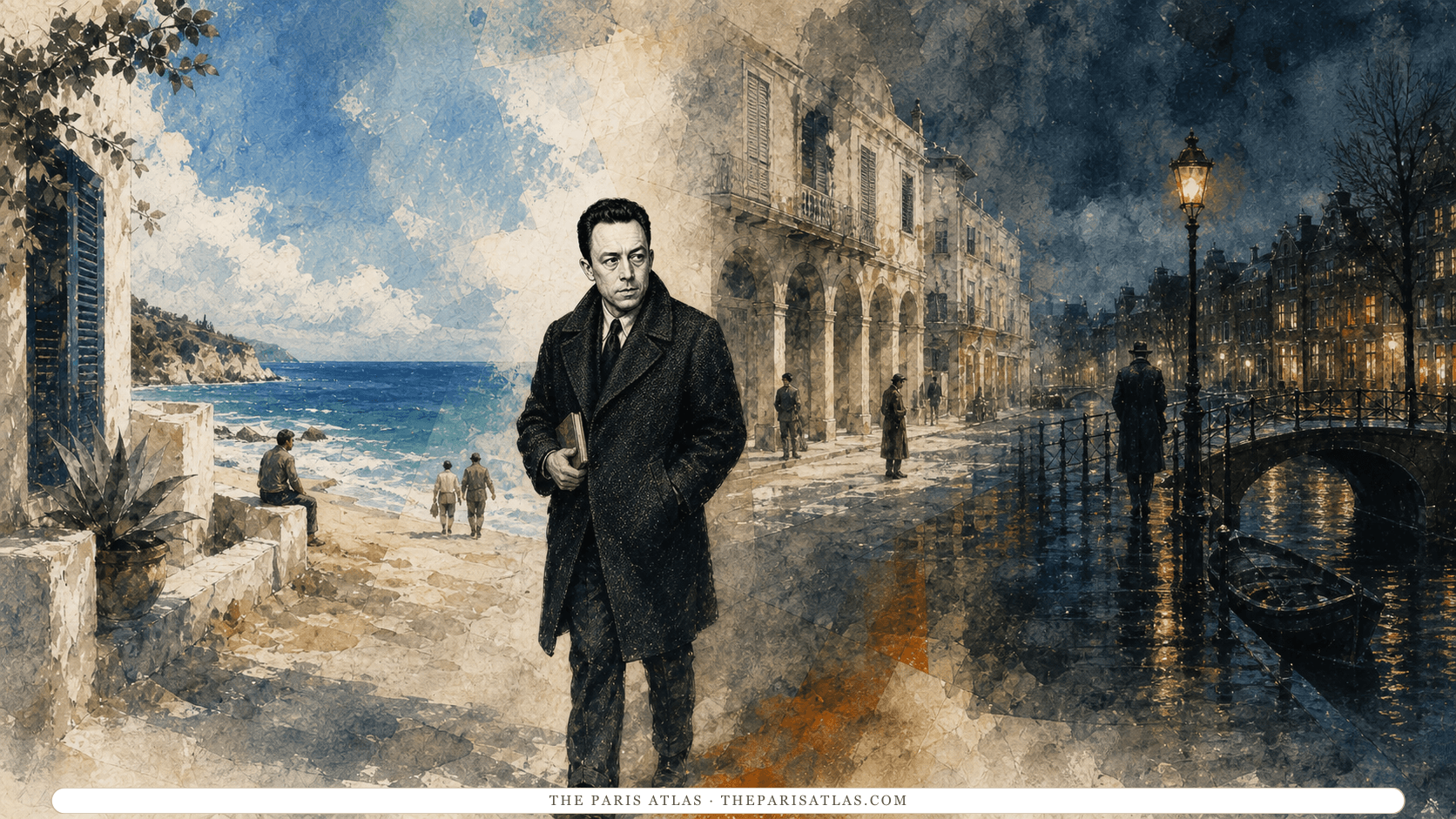

Six stories about people reaching toward belonging and finding that the distance remains.
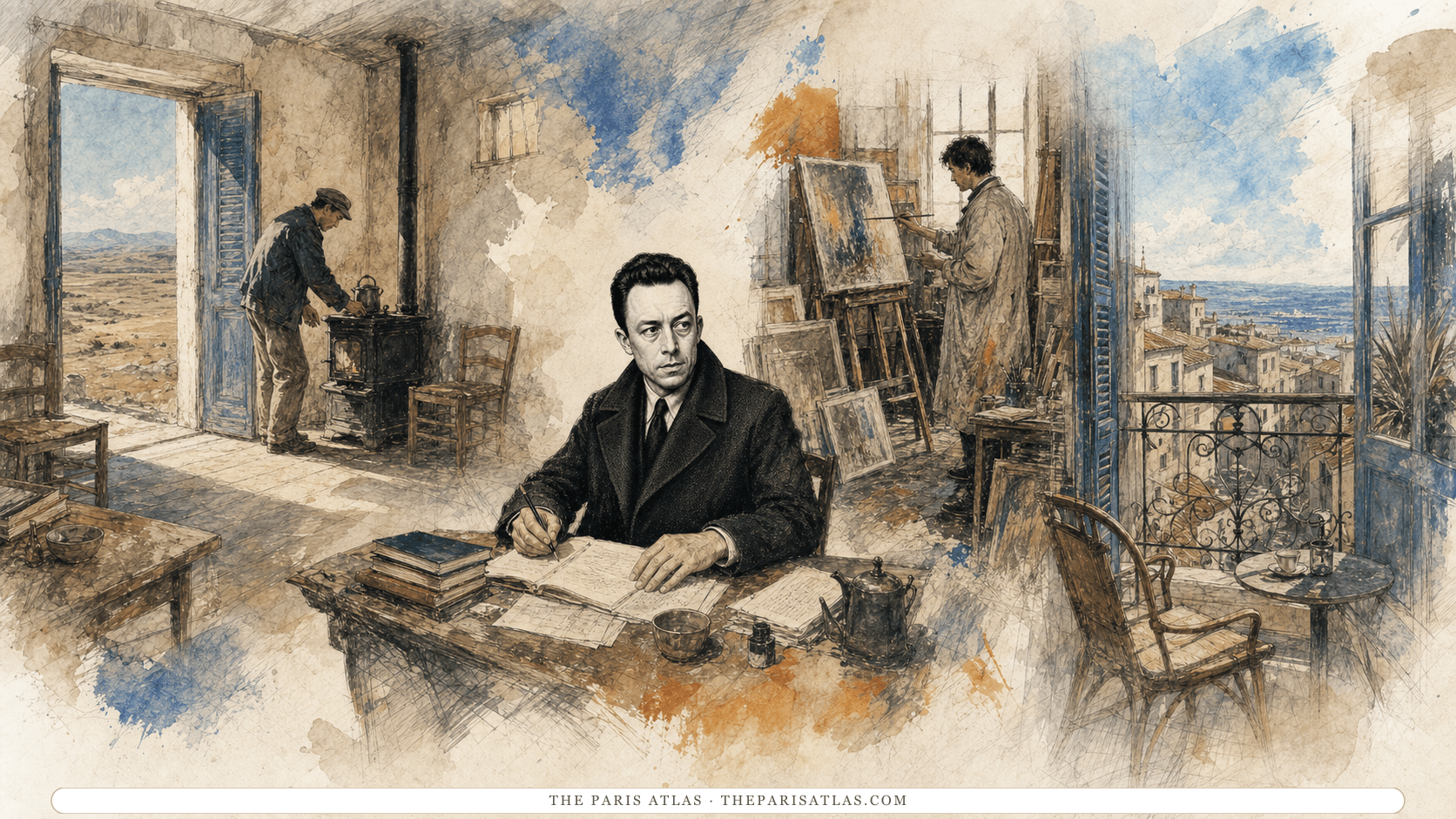

An emperor turns the discovery that people die unhappy into a program of unlimited logical cruelty.

Revolutionaries planning an assassination discover that a just cause does not settle what they may do.
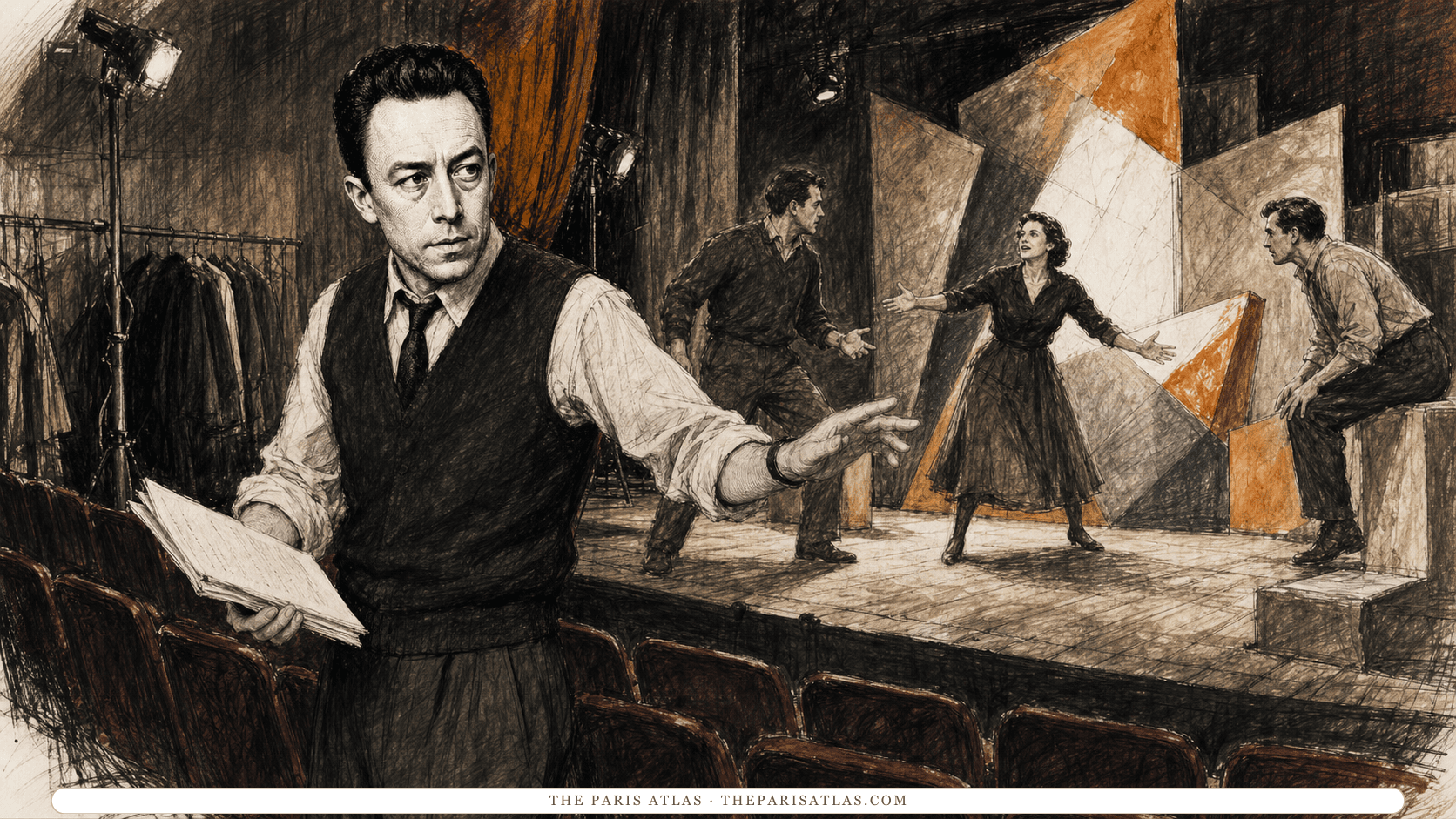

The unfinished novel recovered after Camus’s death returns to his father, his mother and a poor childhood in Algiers.
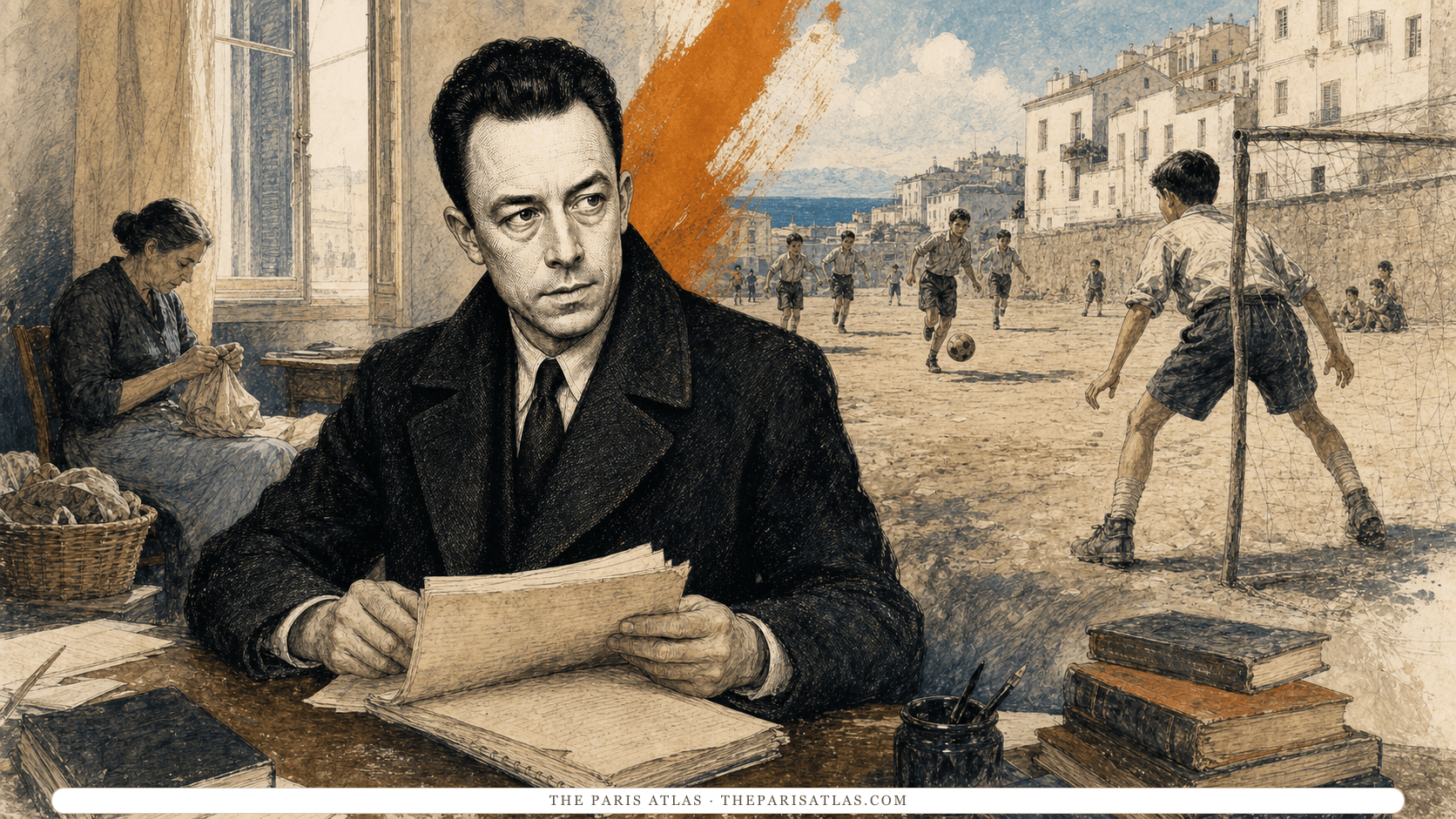

Five early essays in which poverty, silence, sunlight and death already form the vocabulary of the later books.

Four Mediterranean essays about bodily happiness, ruins, summer and the refusal to postpone life.

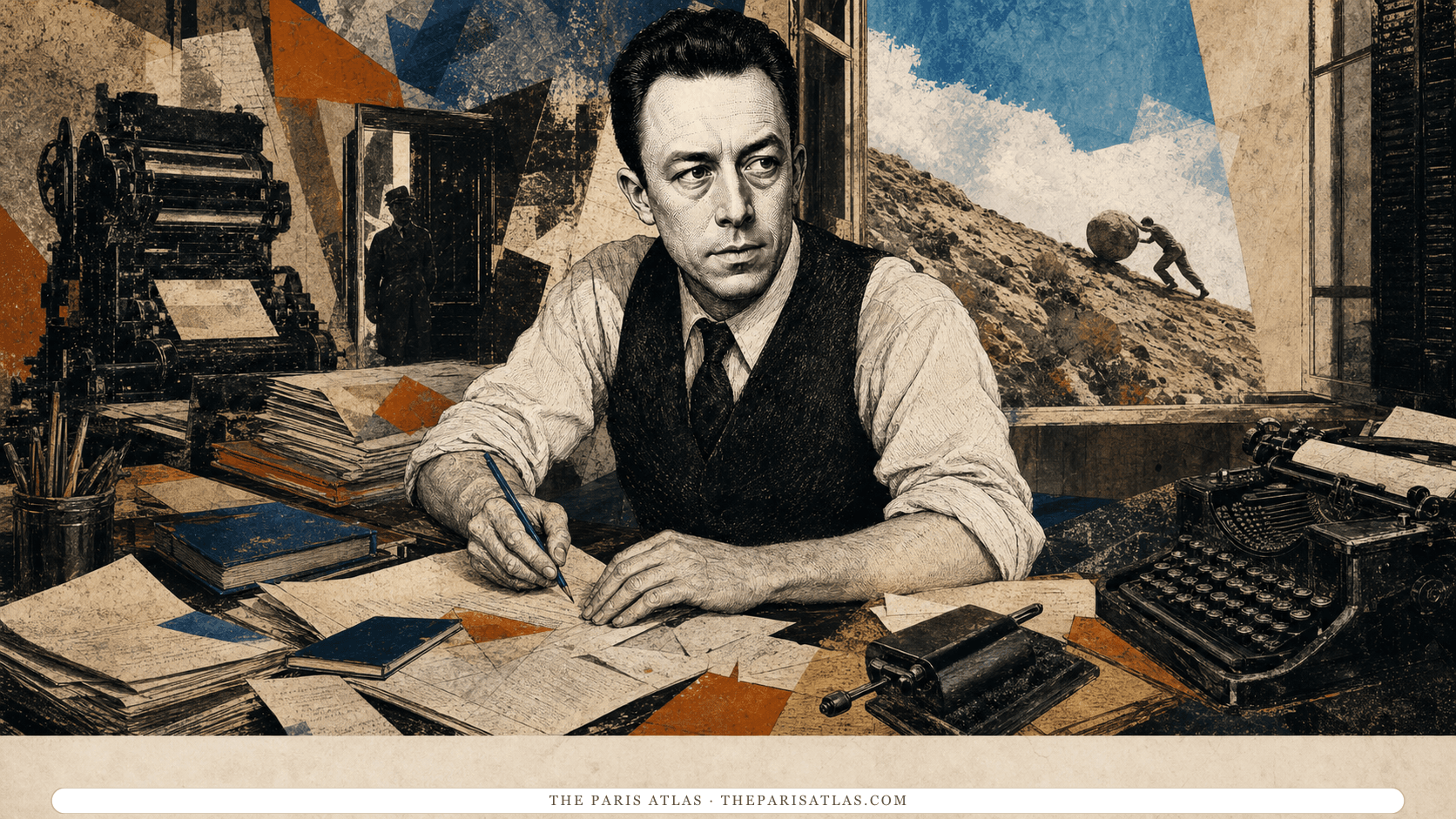
Camus asks whether life is worth living when the universe supplies no final meaning.

Four wartime letters distinguish love of one’s country from the nationalism that makes murder a virtue.

Your progress
The clearest beginning: short, direct and unsettling. Read it before an essay tells you what the absurd is supposed to mean.
The essential second book. One isolated consciousness becomes a whole city deciding what people owe one another.
The difficult sequel in ideas: what follows when saying no creates a shared value and a limit on violence.
The short wartime bridge between the two arguments, written from inside the Resistance.
Unlimited freedom becomes unlimited cruelty when an emperor makes everyone else bear his logic.
Read beside The Rebel: revolutionaries agree on the cause and divide over whether children may be sacrificed to it.
Six late stories and six kinds of distance, best read one at a time after the novels.
The Mediterranean essays correct the false idea that Camus’s absurd is simply a philosophy of gloom.
The rough first collection: poverty, family silence, travel and death before the public vocabulary formed.
Read late. The unfinished autobiographical novel returns to the mother, teacher and working-class Algiers beneath the career.
An abandoned early novel, useful after The Stranger because their shared material makes Camus’s artistic decisions visible.
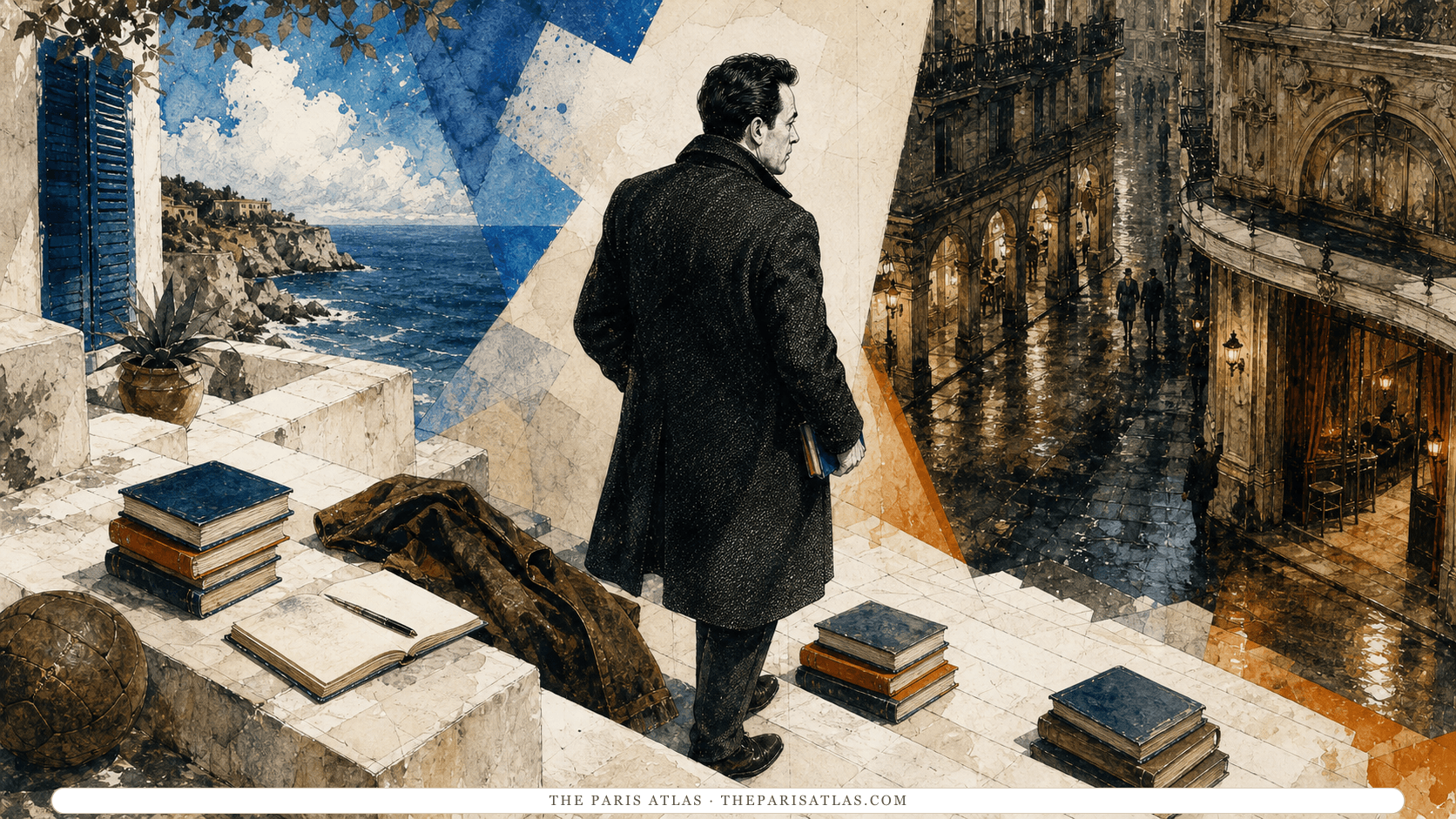
Start with The Stranger, then The Plague and The Fall. Read The Myth of Sisyphus after The Stranger, followed by The Rebel. There is no continuing plot, so the order is about making the ideas easier to follow, not avoiding spoilers between books.
The Stranger is the best first book. It is short, plainly written and introduces Camus’s central problem without requiring prior philosophy. Choose The Plague instead if you prefer a larger cast and a more communal story.
No. The novels and plays stand alone. Publication order helps with the two main idea cycles—the absurd before revolt—but a new reader does not need to begin with the 1937 essays.
Camus rejected the existentialist label. His books overlap with existentialist questions, but The Myth of Sisyphus criticizes philosophical escapes from the absurd and The Rebel argues directly with positions associated with Jean-Paul Sartre and revolutionary Marxism.
Three major novels appeared during his life: The Stranger, The Plague and The Fall. A Happy Death was an abandoned early novel published after his death, and The First Man was the unfinished manuscript recovered after the 1960 crash and published in 1994.
Read The Stranger first. The two books were published in 1942 and address the absurd in different forms, but meeting Meursault without a prefabricated interpretation keeps the novel open. Use The Myth of Sisyphus afterward as an argument, not an answer key.
The major posthumous fiction is A Happy Death, published in French in 1971, and The First Man, published in 1994. His notebooks, correspondence and other early or unfinished writings also appeared after his death.

The sources below include bibliographies, archives, publisher records, and scholarship used to verify the Albert Camus catalogue and publication order.


Web source consulted for documented facts and historical context presented on the Albert Camus books page.

Official record used to verify names, dates, institutional details, or other factual information on this page.
Biographical evidence used to verify chronology, relationships, and historical context connected to Albert Camus books.
Published analysis and historical context used in preparing the Albert Camus books page.
These references document which titles belong in the bibliography and when they appeared. The recommended reading order remains an editorial judgment by The Paris Atlas.
 Explore more resources
Newsletter
We will tell you when this guide adds a book, review, or new reading-order recommendation.