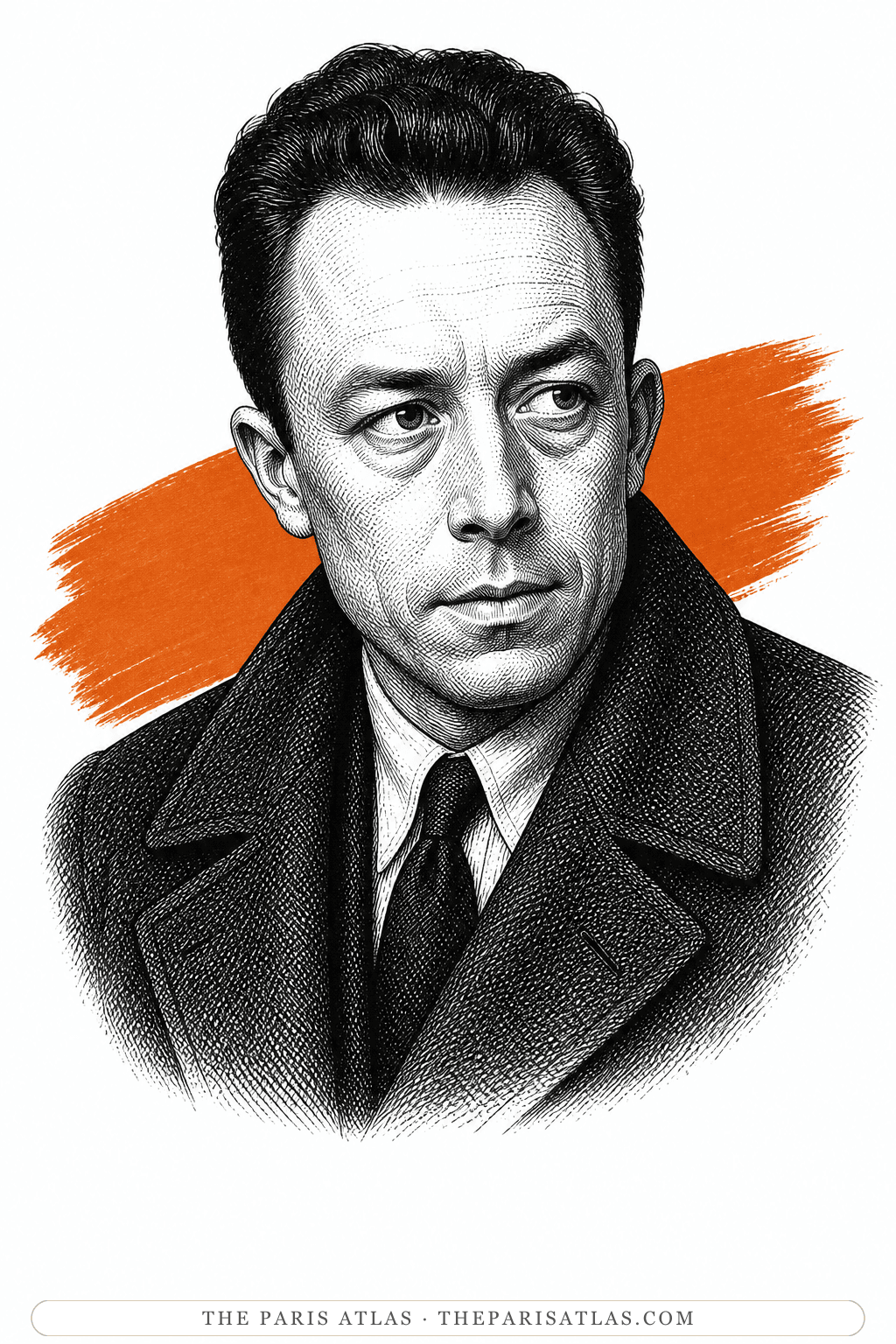

The Stranger
Camus reused settings and a similar surname but replaced this conventional arc with Meursault's radically limited first-person voice.
Read our take
by Albert Camus
Camus’s abandoned first novel follows a man who believes money can buy the time required for happiness.
An early novel written before The Stranger and published posthumously in French in 1971. Patrice Mersault shares a surname and some material with Meursault, but the book is a different experiment: travel, money, deliberate happiness and death arranged in a more conventional narrative. Read it after The Stranger, not as its draft replacement.
Patrice Mersault is a poorly paid office worker in Algiers who believes his job consumes the time he would need to become happy. Roland Zagreus, a wealthy man with a disability, argues that money matters because it can purchase that time.[1]
Mersault kills Zagreus, stages the death as a suicide and takes his money. He travels through Central Europe, but freedom without a structure leaves him ill and isolated. Returning to Algeria, he lives with three women in a shared house above the sea before withdrawing again to seek a happiness he can control.[1]
The novel opens with Mersault shooting Zagreus in his home, taking a suitcase of money and arranging the room to suggest suicide. The story then goes back to Mersault's cramped life, his affair with Marthe and his conversations with Zagreus about wealth, time and happiness.[1]
After the killing, Mersault travels through Prague, Breslau, Vienna and northern Italy. He becomes sick and discovers that escape by itself has not made him happy. Back near Algiers, he joins Rose, Claire and Catherine at the House Above the World, then marries Lucienne without building a conventional married life.[1]
Mersault eventually buys a house near the sea and organizes his days around swimming, weather and solitude. He tries to meet death consciously, treating happiness as sustained attention rather than a reward delivered by money alone.[1]
Zagreus’s argument makes wealth a question of available hours rather than possessions. Mersault wants release from the working day, not simply a richer version of it. That distinction gives his pursuit of happiness a material basis: attention to life requires time that employment can consume. But the opening killing makes the proposed solution inseparable from another person’s death. A reader can accept the complaint about exhausting work without accepting the violent entitlement Mersault builds upon it.
The suitcase therefore carries more than purchasing power. In this reading, it is the unresolved cost of Mersault’s freedom. The novel’s movement toward happiness need not settle that ethical question for us: a successful private experiment is not automatically a defensible way of living among other people. Keeping those two judgments apart makes the apparent simplicity of Zagreus’s proposition much harder to sustain.
The journey through exile, pleasure and deprivation prevents freedom from looking like a single completed transaction. The sea and sun offer a different measure of experience from the money with which Mersault began. Read against the earlier calculation, the coastal landscape suggests happiness as a way of inhabiting the present rather than something acquired once and stored away.
That contrast also sharpens the title’s difficulty. Happiness cannot mean permanent possession if the story must end in death. One way to read the novel is as an attempt to bring intensity of living and acceptance of an ending together. The beauty of that ambition does not erase the troubling origin of Mersault’s independence; the two remain available to the reader at once.
The shared Algerian settings and similar surnames make the differences clear: this protagonist plans, travels and tries to manufacture happiness.
The novel's sharpest question is whether wealth creates happiness or merely provides the free time in which happiness must still be learned.
Travel and deliberate choices make this a useful contrast to the passivity readers encounter in The Stranger.
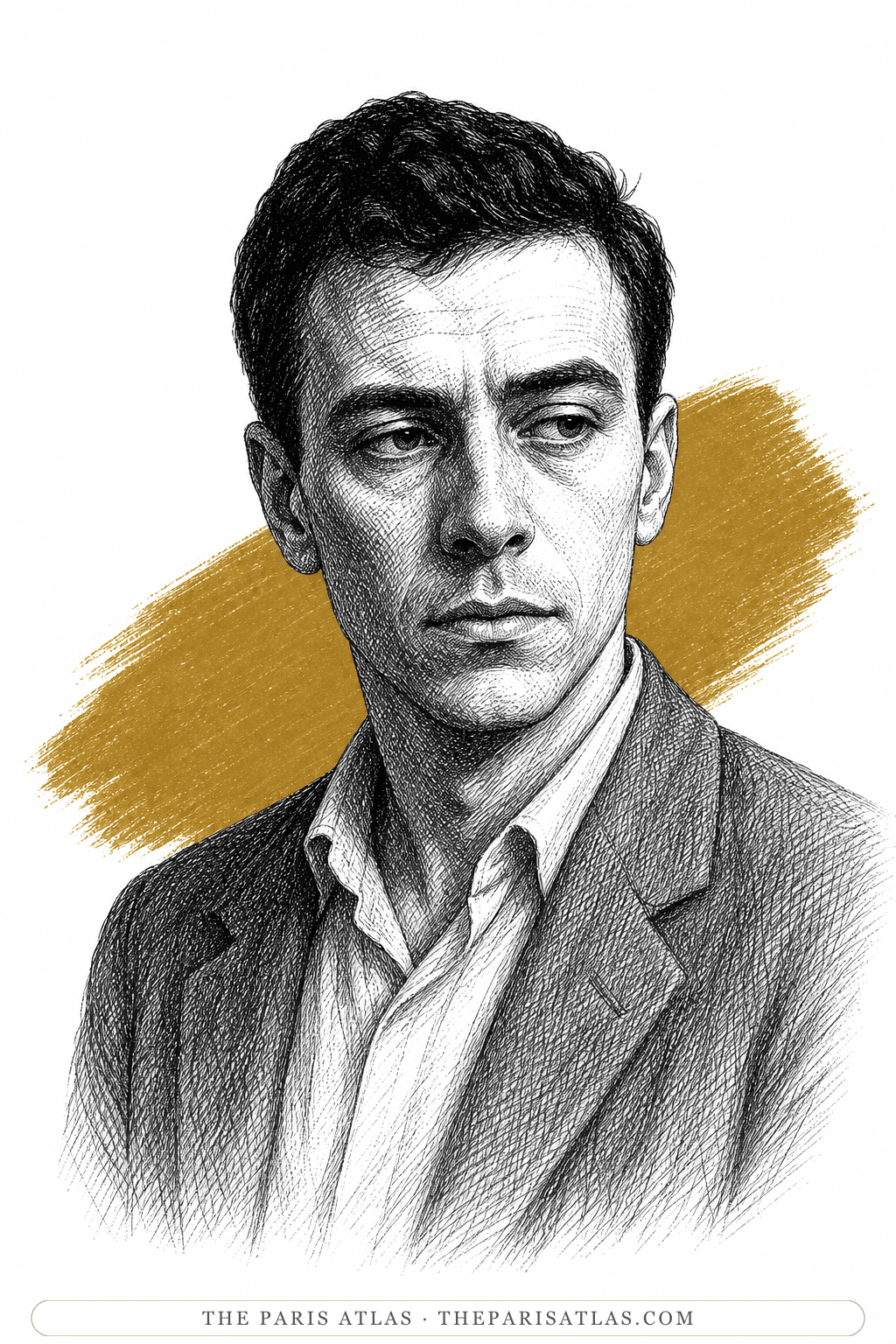
An Algiers office worker who kills for money and then tries to turn purchased freedom into deliberate happiness.
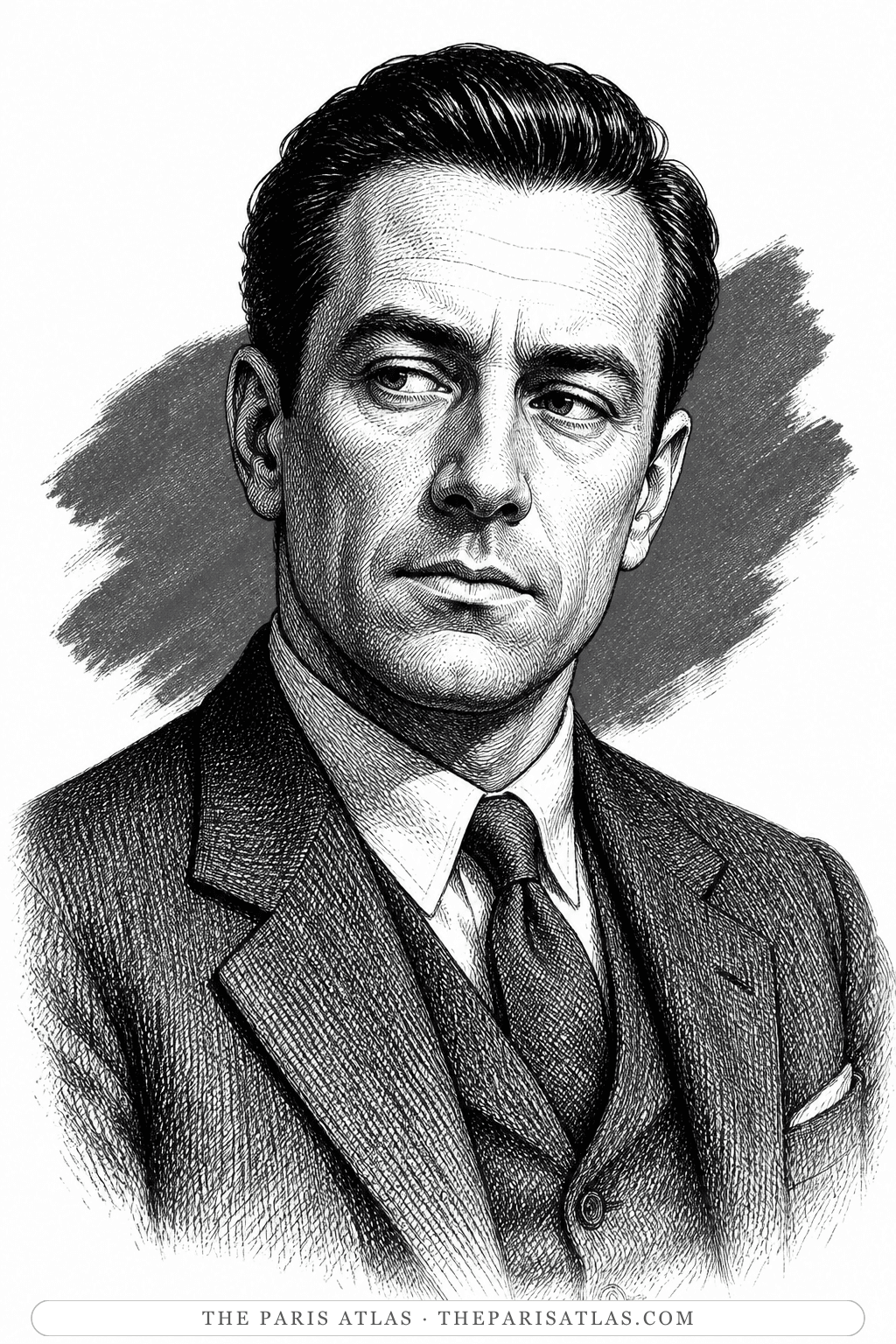
A wealthy man with a disability who tells Mersault that money can buy the time required for happiness.

Mersault's lover, whose former relationships provoke his jealousy and expose his desire for control.

A woman Mersault marries while keeping the emotional and physical distance he believes he needs.
1936–1938
Albert Camus drafts the novel while living and working in Algeria.
Late 1930s
Camus abandons the manuscript and begins developing the work that becomes The Stranger.
1960
Camus dies without publishing A Happy Death.
1971
Gallimard publishes La Mort heureuse posthumously.
1972
Richard Howard's English translation appears as A Happy Death.

Camus reused settings and a similar surname but replaced this conventional arc with Meursault's radically limited first-person voice.
Read our take
Both draw closely on Algerian life, but the late unfinished novel returns to family and poverty rather than a fantasy of escape through money.
Read our take
The early essays share the novel's sun, sea and effort to define a happiness grounded in bodily experience.
Read our takeA Happy Death follows Patrice Mersault, who kills a wealthy man, takes his money and tries to use financial freedom to create a consciously happy life.
Gallimard first published La Mort heureuse in 1971, eleven years after Albert Camus's death.
Usually not. Start with The Stranger, then read A Happy Death when you want this part of Camus’s work.
It is an abandoned earlier novel that shares some material with The Stranger, including a similar protagonist's surname. It has a different plot and should be read as a separate experiment, not as the same novel.
Camus set the manuscript aside and wrote The Stranger instead. The surviving book is an early work, and its posthumous publication does not mean he considered it finished.
It uses Algerian settings and experiences close to Camus's early life, but Patrice Mersault is a fictional character and the murder plot is not autobiography.
Explore authors with a similar voice, perspective, and influence.
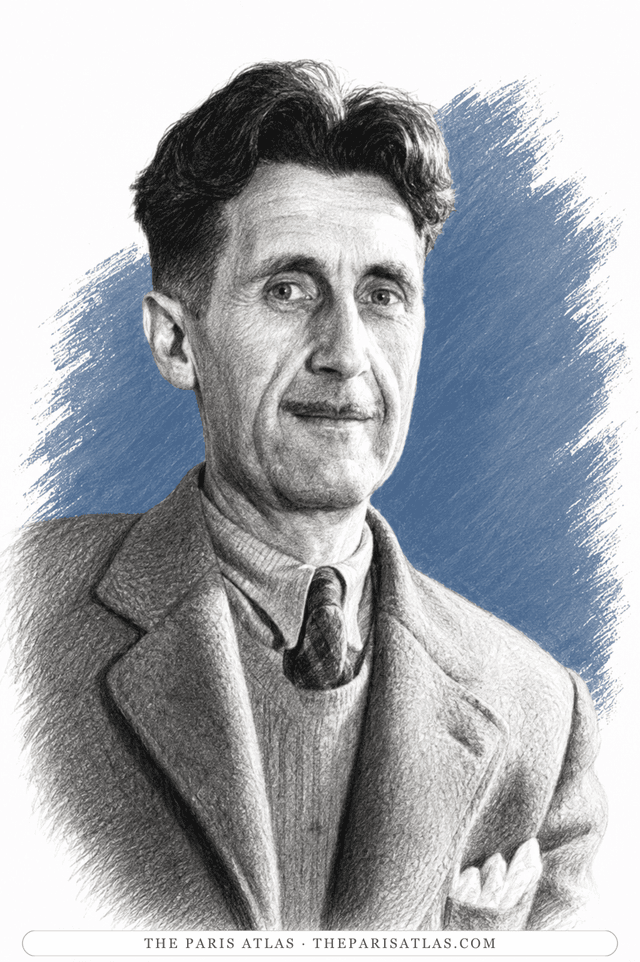
Both joined literary clarity to moral and political argument, and both distrusted systems that excuse present violence with a promised future.
View author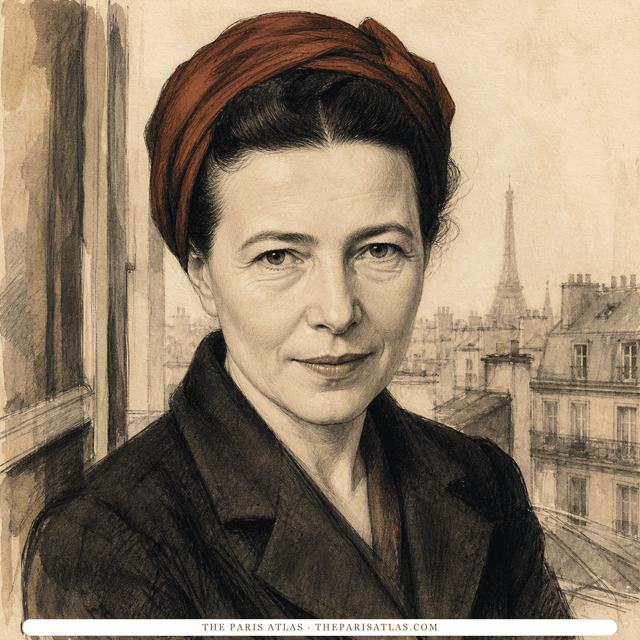
The third figure in the postwar Sartre-Beauvoir circle Camus argued with through the 1940s. Her later memoir Force of Circumstance gives one of the closest first-person accounts of Camus's Paris years and the 1952 break over The Rebel.
View author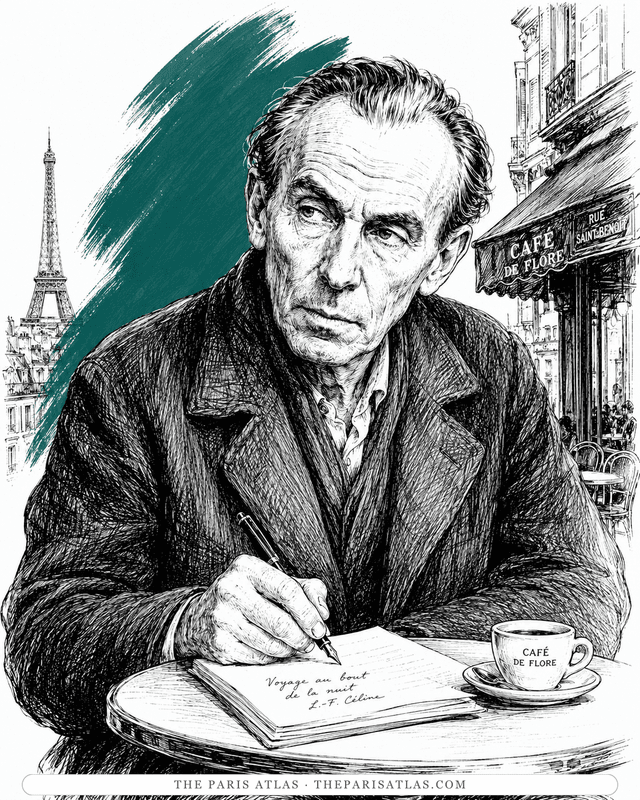
The doctor of the Paris slums who wrote the century's blackest, funniest novel — and changed the sound of French prose.
View authorThe sources below include the primary text, editions, scholarship, archival materials, and other records that informed this page. They document A Happy Death, its publication, and its place in literary history.


Contemporary critical discussion of the novel’s opening and its argument about wealth, time and happiness.

Used to place A Happy Death within Albert Camus's published work and verify its bibliographic context.
Used for independent biographical, archival, or historical context surrounding Albert Camus's career and the period in which A Happy Death appeared.
Used to cross-check authorship, chronology, and the work's place in Albert Camus's wider catalogue.
Used to verify Albert Camus's bibliography and place A Happy Death within the broader chronology of Albert Camus's career.
The primary text is the baseline reference for every book page. Additional references document publication history, interpretation, and historical context where that evidence is available.
 Explore more resources