
Nuptials
The next early collection shifts the emphasis from family poverty and loneliness toward Mediterranean landscape and physical joy.
Read our take
by Albert Camus
Five early essays in which poverty, silence, sunlight and death already form the vocabulary of the later books.
Albert Camus’s first published book, issued in Algiers by Edmond Charlot in 1937. Its five short essays move between a poor home in Algiers, old age, travel in Prague and the Mediterranean landscape. Camus later distrusted the book’s awkwardness but said it contained the source of everything he wrote afterward.
The five essays move between autobiographical memory and travel. Albert Camus writes about an elderly woman whose family listens without hearing her, a silent mother and severe grandmother in a poor Algiers home, and a disturbing stay in Prague marked by illness and isolation.[1]
The final pieces return to Mediterranean light and to the paired conditions named by the title: deprivation and beauty, loneliness and connection, death and the physical world. Camus later wrote that the collection was awkward but contained the source of his later work.[1]
'Irony' presents scenes of old age, family indifference and the young narrator's encounter with death.[1]
'Between Yes and No' returns to the poor Algiers home of a quiet mother and commanding grandmother, establishing the family material Camus later revisited in The First Man.[1]
'Death in the Soul' recounts a lonely, anxious journey through Prague and a release found on reaching Italy.[1]
'Love of Life' joins travel, desire and the recognition of death. The title essay, 'The Wrong Side and the Right Side,' draws the collection's opposites together without pretending they can be separated cleanly.[1]
In the preface, Camus can criticize the early book’s form while remaining faithful to what nourished it. The spring is therefore not a claim that youthful writing needs no improvement. It names an attachment that technical achievement cannot replace. His paired memories of poverty and sunlight keep different pressures alive: deprivation prevents easy satisfaction with the world, while beauty prevents deprivation from becoming the whole account of it. The source sustains an art of both refusal and consent, rather than a choice between bitterness and comfortable approval.
The quicksilver image interrupts a moment of apparent fullness. Light and moving shadows have drawn the narrator into the present, yet the very intensity of his attention makes its passing painful. He cannot preserve the minute simply by declaring it sufficient. The essay moves from wanting happiness toward wanting awareness, then brings other people’s suffering back beside the sunlit window. Its refusal to choose between the world’s two sides prevents this pause from becoming an escape: delight and vulnerability remain visible together, without either cancelling the other.
The mother, grandmother, poor home, travel anxiety and Mediterranean light all return in more developed form across Camus's career.
The young writer has not yet mastered the spare control of The Stranger, so readers can see him discovering the material and contrasts he will keep using.
The five short essays offer a manageable introduction to Camus’s writing about family, poverty, travel, and place.

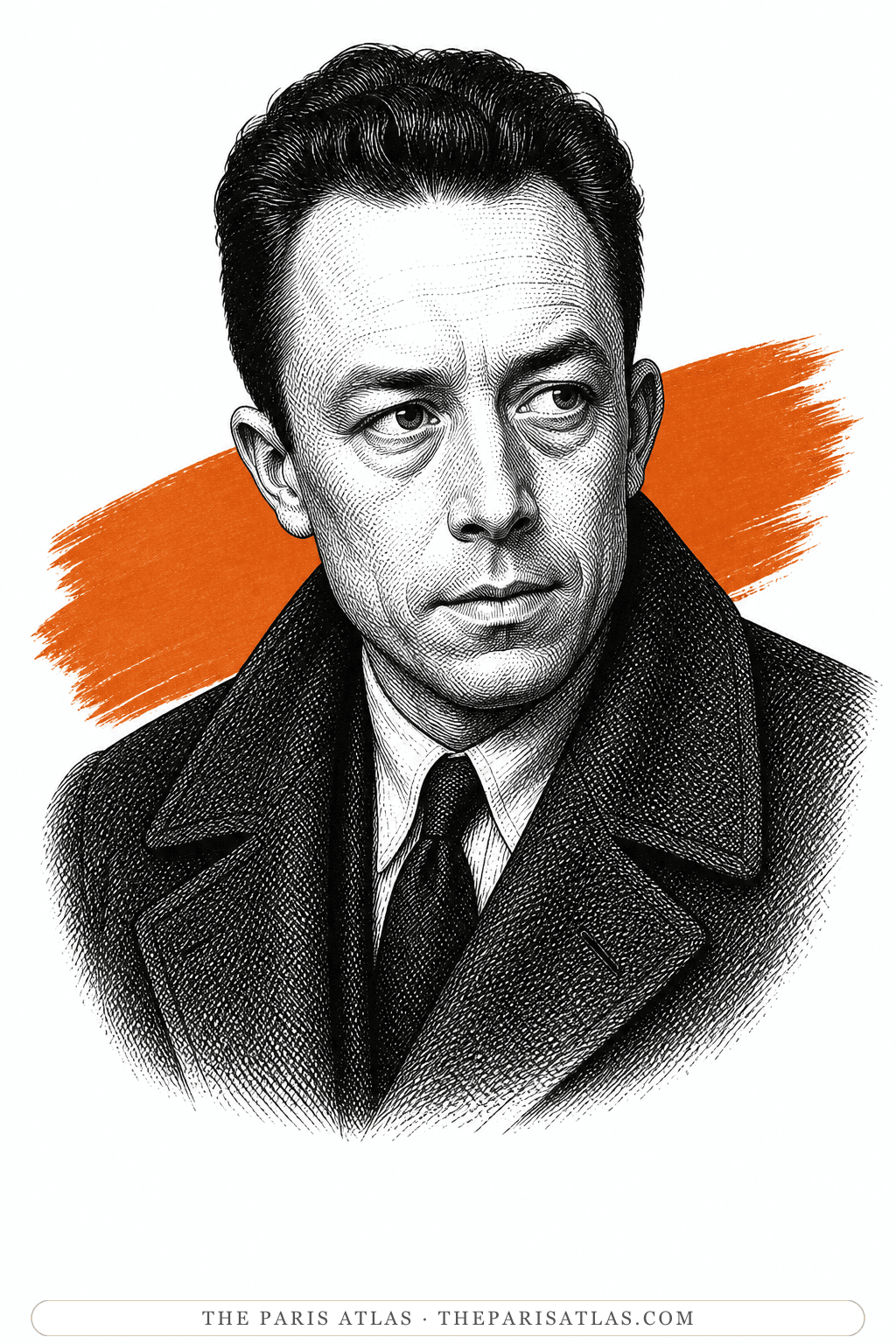
The essays' 'I' — Camus at twenty-three, working as a journalist in Algiers and publishing his first book through his classmate Edmond Charlot's small Algiers press. The five essays draw directly on his own biography.
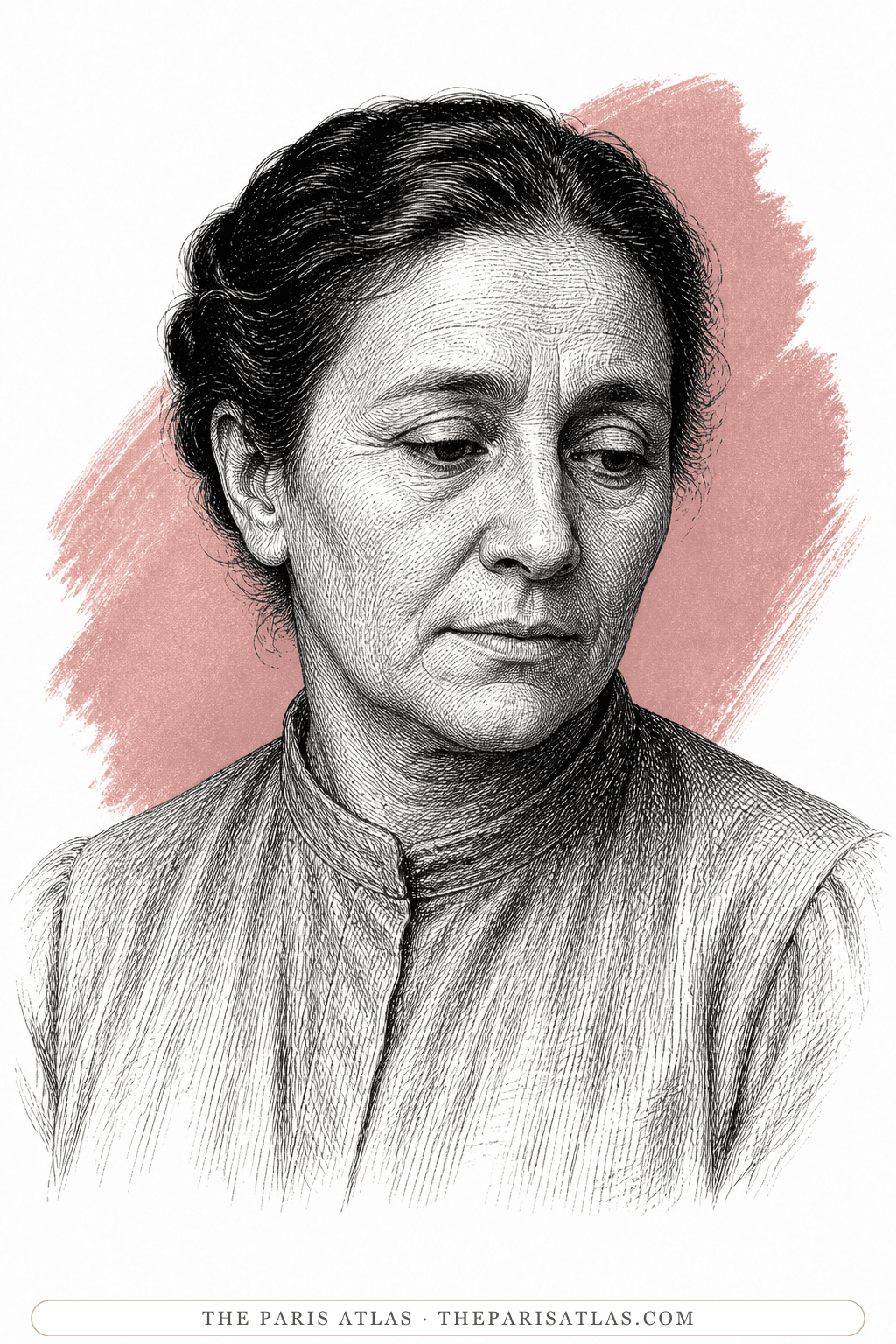
Camus's mother (1882–1960), a partially deaf illiterate Spanish-Algerian cleaning woman who spoke almost no French and raised Albert and his brother in the Belcourt district of Algiers after their father's death in the First World War. She is the silent mother of the 'Between Yes and No' essay. Camus's most sustained portrait of her is the unfinished First Man, which she is the dedicatee of.
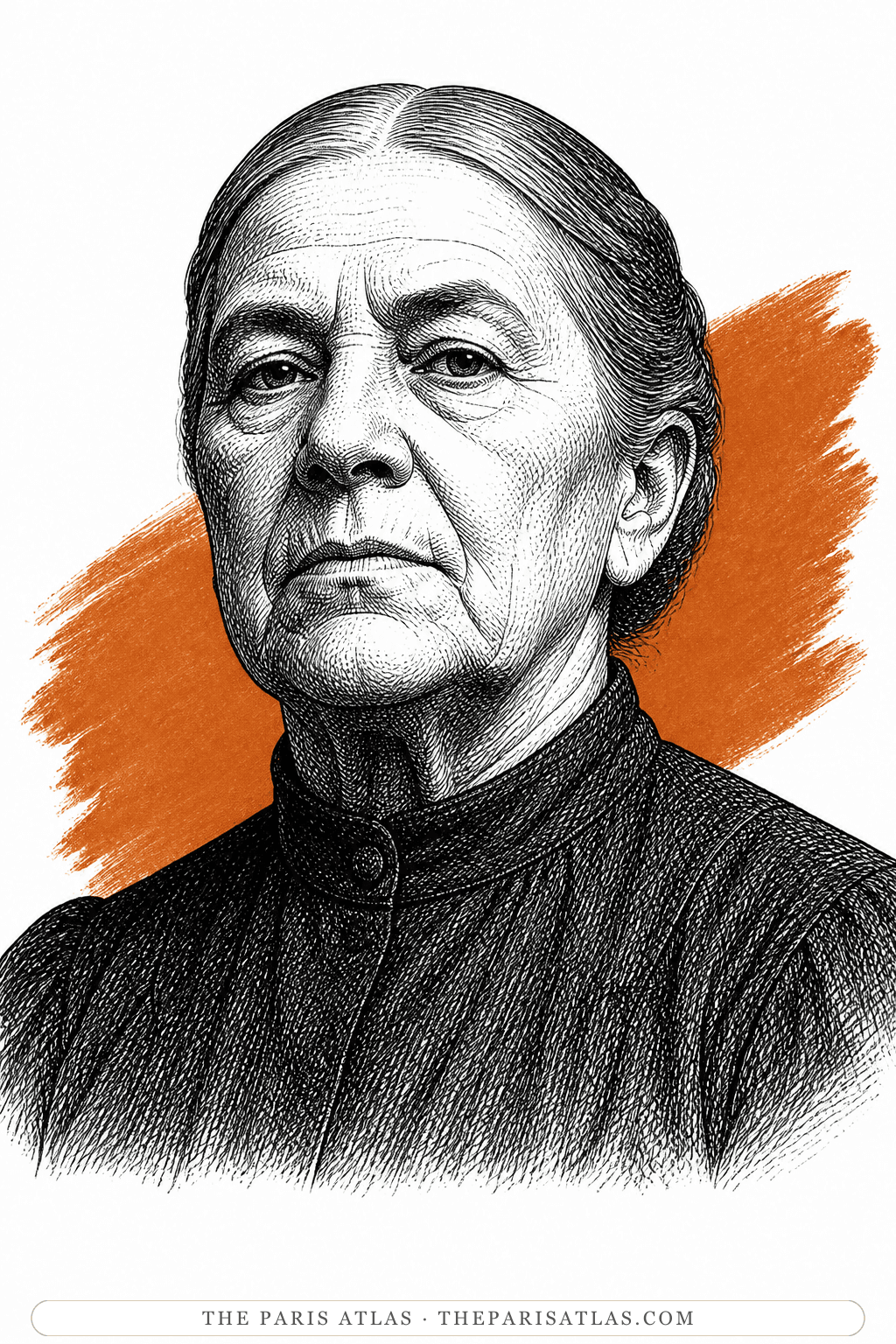
Camus's maternal grandmother (1857–1931), the commanding presence of the Belcourt household who ruled with a whip and dominated Camus's mother. She is the severe grandmother of 'Between Yes and No.' Her death in 1931, when Camus was seventeen, is one of the essays' pivots.

The Algiers publisher (1915–2004) who published L'Envers et l'Endroit in 1937 through his small press Éditions Charlot. Charlot had been Camus's classmate; he would publish Camus's first three books before the war disrupted his Algiers operations.
1935–1936
Camus drafts the essays from family memory and recent travel.
1937
Edmond Charlot publishes L’Envers et l’Endroit in Algiers.
1958
Camus writes a new preface and allows the collection to be reissued in France.
1967
The essays appear in English in Lyrical and Critical Essays.

The next early collection shifts the emphasis from family poverty and loneliness toward Mediterranean landscape and physical joy.
Read our take
The unfinished late novel returns to the same mother, grandmother and Algiers childhood with the scope of a full family history.
Read our takeIt is a collection of five autobiographical and travel essays about poverty, old age, family silence, loneliness, physical beauty and death.
Edmond Charlot first published L’Envers et l’Endroit in Algiers in 1937.
Usually not. Start with The Stranger, then read The Wrong Side and the Right Side when you want this part of Camus’s work.
Yes. It was his first published book, issued when he was twenty-three.
There are five essays: 'Irony,' 'Between Yes and No,' 'Death in the Soul,' 'Love of Life' and 'The Wrong Side and the Right Side.'
Both return to Camus's poor childhood household in Algiers, especially the quiet mother and strict grandmother. The First Man develops that material at much greater length.
Explore authors with a similar voice, perspective, and influence.
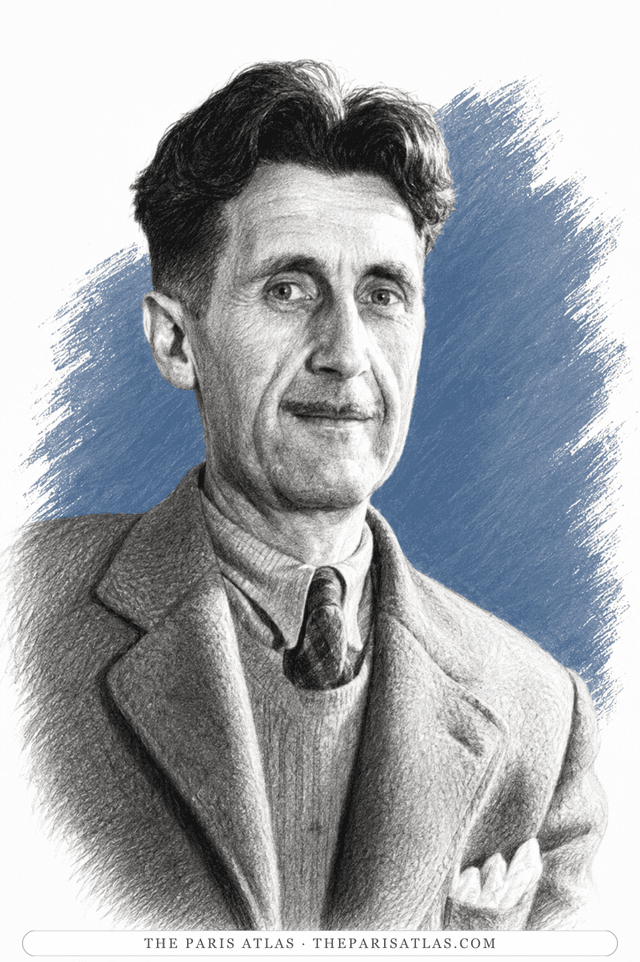
Both joined literary clarity to moral and political argument, and both distrusted systems that excuse present violence with a promised future.
View author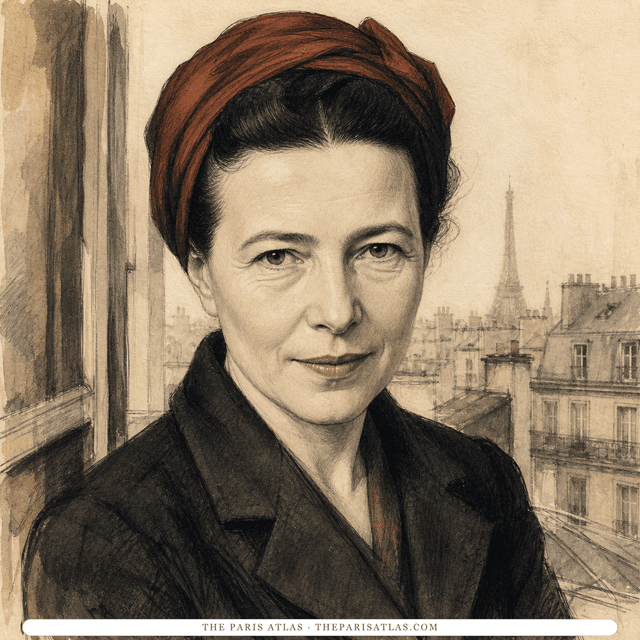
The third figure in the postwar Sartre-Beauvoir circle Camus argued with through the 1940s. Her later memoir Force of Circumstance gives one of the closest first-person accounts of Camus's Paris years and the 1952 break over The Rebel.
View author
The doctor of the Paris slums who wrote the century's blackest, funniest novel — and changed the sound of French prose.
View authorThe sources below include the primary text, editions, scholarship, archival materials, and other records that informed this page. They document The Wrong Side and the Right Side, its publication, and its place in literary history.


Primary English transcription for the opening preface discussion of the artist’s source and the title essay’s closing window meditation. No whole-volume, precise print-edition or manuscript comparison is claimed.
Used to place The Wrong Side and the Right Side within Albert Camus's published work and verify its bibliographic context.

Used for independent biographical, archival, or historical context surrounding Albert Camus's career and the period in which The Wrong Side and the Right Side appeared.
Used to cross-check authorship, chronology, and the work's place in Albert Camus's wider catalogue.
Used to verify Albert Camus's bibliography and place The Wrong Side and the Right Side within the broader chronology of Albert Camus's career.
The primary text is the baseline reference for every book page. Additional references document publication history, interpretation, and historical context where that evidence is available.
 Explore more resources