

The Fall
Both late books study isolation and failed communication, but the collection changes voices and continents instead of remaining inside one monologue.
Read our take
by Albert Camus
Six stories about people reaching toward belonging and finding that the distance remains.
Camus’s only story collection, published in 1957. Its six stories move through Algeria, Paris and Brazil, following a traveler, a missionary, an artist, a teacher and others at moments of estrangement or failed connection. The range makes it a useful late-career survey after the major novels.
The collection contains six separate stories: 'The Adulterous Woman,' 'The Renegade,' 'The Silent Men,' 'The Guest,' 'Jonas, or the Artist at Work' and 'The Growing Stone.' They do not share a plot or recurring cast.[1]
Each protagonist is caught between isolation and some form of community. Janine experiences a private awakening during a trip with her husband; a missionary tells a violent, unstable account of failed conversion; workers return to a barrel-making shop after a strike; a schoolteacher is ordered to deliver a prisoner; a successful painter loses the space to work; and an engineer joins a Brazilian religious procession.[1]
The title names the collection's tension. A person may feel exiled from other people, from a homeland or from a meaningful life, while still sensing a possible 'kingdom' in solidarity, physical experience or creative attention.[1]
'The Adulterous Woman' follows Janine on a sales trip into the Algerian interior with her husband Marcel. A nighttime visit to a desert fort briefly gives her a feeling of freedom that her marriage does not.[1]
'The Renegade' is the fevered monologue of a missionary who tried to impose his faith on a brutal desert city and was captured, tortured and converted to the worship he meant to destroy.[1]
'The Silent Men' follows Yvars and other barrel makers returning after an unsuccessful strike. Their employer's attempt at ordinary contact cannot overcome the anger and shame on both sides.[1]
'The Guest' places Daru, a teacher on an isolated plateau, between a French officer's order and an Arab prisoner's freedom. Daru refuses to choose for the prisoner, but the political conflict does not allow neutrality.[1]
'Jonas, or the Artist at Work' follows a painter whose success fills his apartment with visitors and obligations until he builds a tiny loft in which to work alone. 'The Growing Stone' sends the engineer d'Arrast to Iguape, Brazil, where he takes part in another man's religious promise.[1]
Daru welcomes the arrivals before learning what is being asked of him. Offering tea brings the prisoner’s bound hands into focus, and hospitality becomes a concrete act of loosening restraint. Yet the school is not outside the authority that brought the man there: its supplies come from the administration, and the rivers of France remain drawn on the classroom board. The encounter puts those functions in tension. A place that distributes food and teaches children is being asked to serve the police, while Daru insists that this is not his work.
Jonas builds the loft as though a change of space could repair his relation to work. The arrangement separates him from the household without making him independent: Louise brings food, and Rateau continues both visiting him and helping below. Their practical care complicates the apparent opposition between the solitary artist and other people. Near the end, the family’s ordinary sounds become welcome again, but the uncertain word on the canvas refuses to settle the problem. Physical closeness, withdrawal and affection have not been made to fit a simple formula.
The settings and plots change, but every story tests the distance between an isolated person and a community they may or may not join.
Each piece reaches a moral pressure point quickly, making the collection a varied alternative to the single voices of The Stranger and The Fall.
The movement between Algeria, Paris, and Brazil broadens the collection beyond a single setting or profession.

The traveler at the center of 'The Adulterous Woman,' dissatisfied with her marriage and briefly transformed by the desert night.
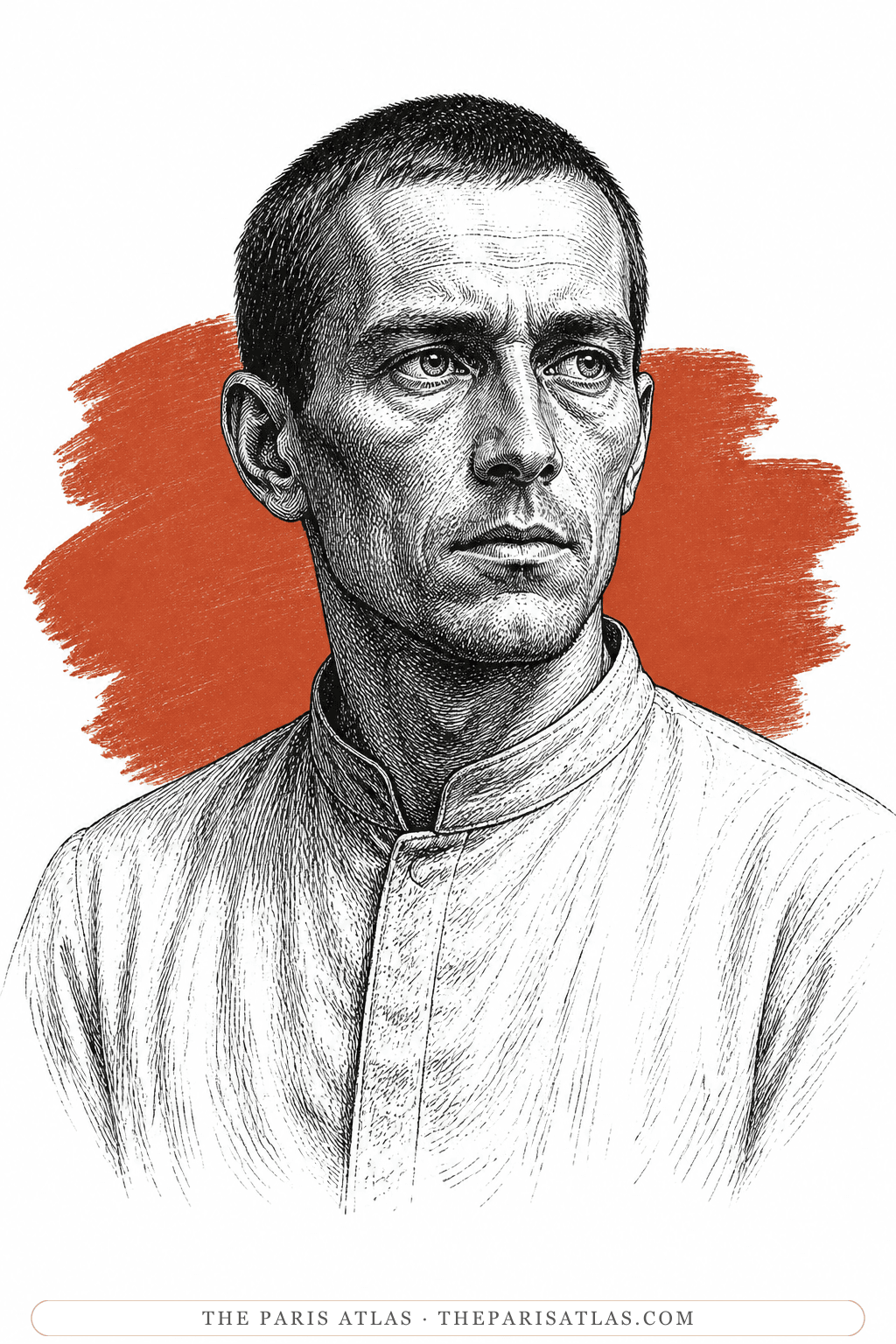
The tortured and unreliable narrator of 'The Renegade,' speaking after his attempt to force a conversion ends in his own.
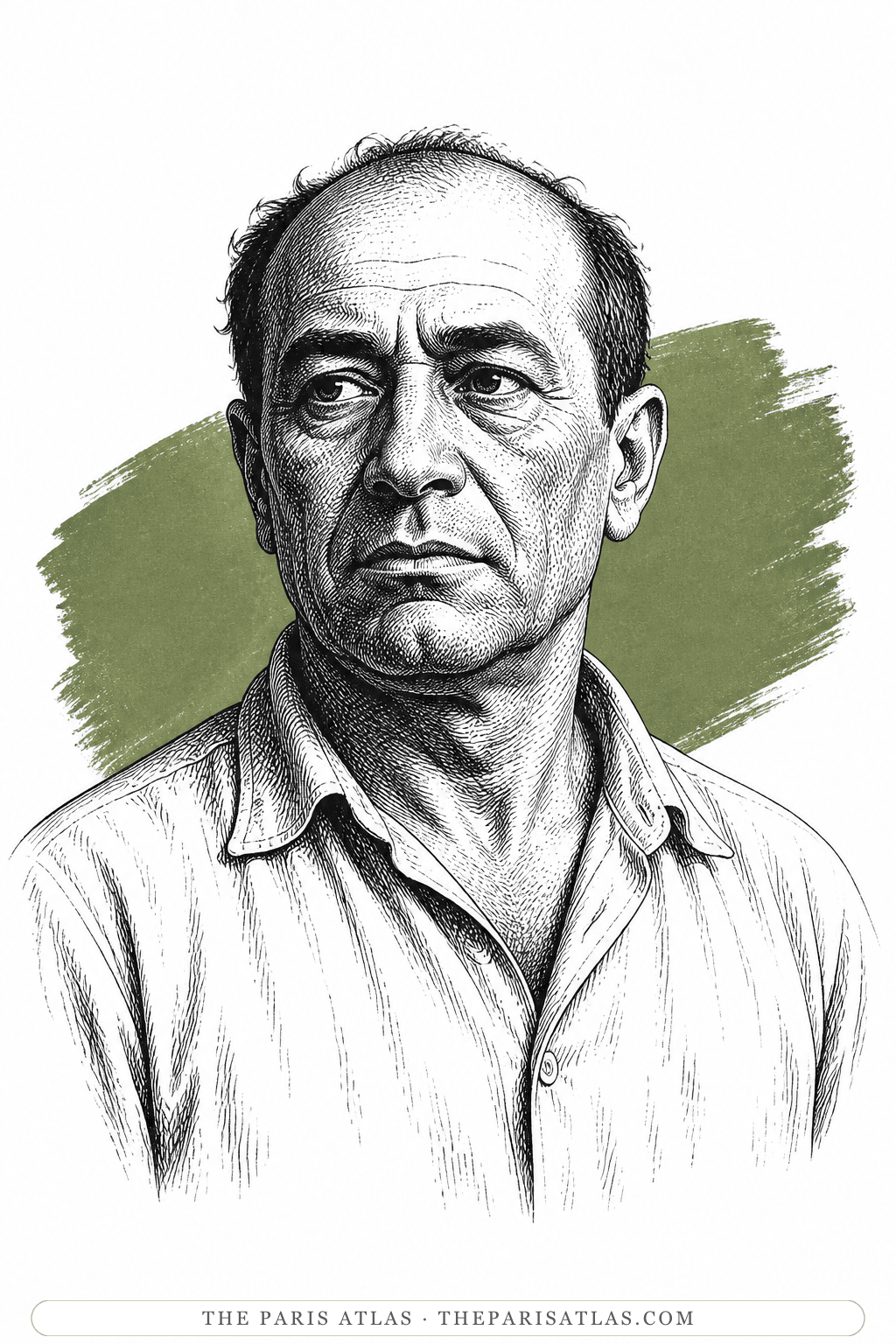
An aging barrel maker in 'The Silent Men' who returns to work after a failed strike.
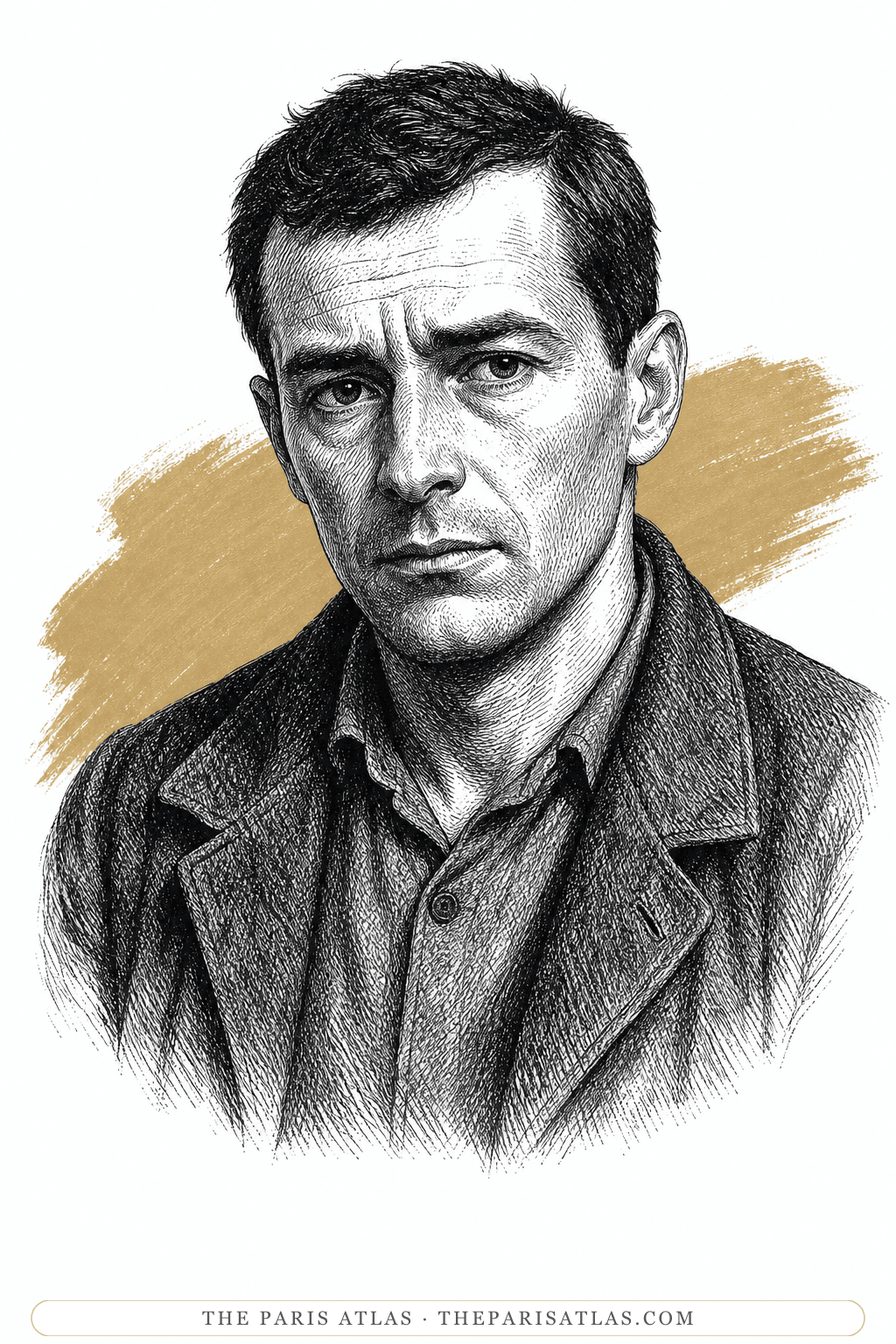
The isolated schoolteacher in 'The Guest,' ordered to escort an Arab prisoner to jail.

The painter in 'Jonas, or the Artist at Work,' whose success steadily removes the privacy needed to paint.

The French engineer in 'The Growing Stone' who joins a Brazilian community through an act of physical solidarity.
1950s
Albert Camus writes and revises the six stories during a period of growing conflict in Algeria.
1957
Gallimard publishes L’Exil et le royaume in France.
1958
Justin O'Brien's English translation appears as Exile and the Kingdom.
1960
Camus dies; this remains the final collection of fiction published during his lifetime.

Both late books study isolation and failed communication, but the collection changes voices and continents instead of remaining inside one monologue.
Read our take
The Algerian settings and the question of belonging lead directly toward the unfinished autobiographical novel.
Read our take
The early essays supply the landscapes and bodily attention that return here under greater political and emotional pressure.
Read our takeThe collection contains 'The Adulterous Woman,' 'The Renegade,' 'The Silent Men,' 'The Guest,' 'Jonas, or the Artist at Work' and 'The Growing Stone.'
Gallimard first published L’Exil et le royaume in France in 1957.
Usually not. Start with The Stranger, then read Exile and the Kingdom when you want this part of Camus’s work.
They share themes of exile, failed connection and possible solidarity, but they do not share a plot or recurring characters.
The Guest follows Daru, a schoolteacher ordered to take an Arab prisoner to jail. Daru gives the man a choice, but the story shows that colonial conflict makes his attempted neutrality impossible.
No. It is Albert Camus's only collection of short fiction and contains six independent stories.
Explore authors with a similar voice, perspective, and influence.
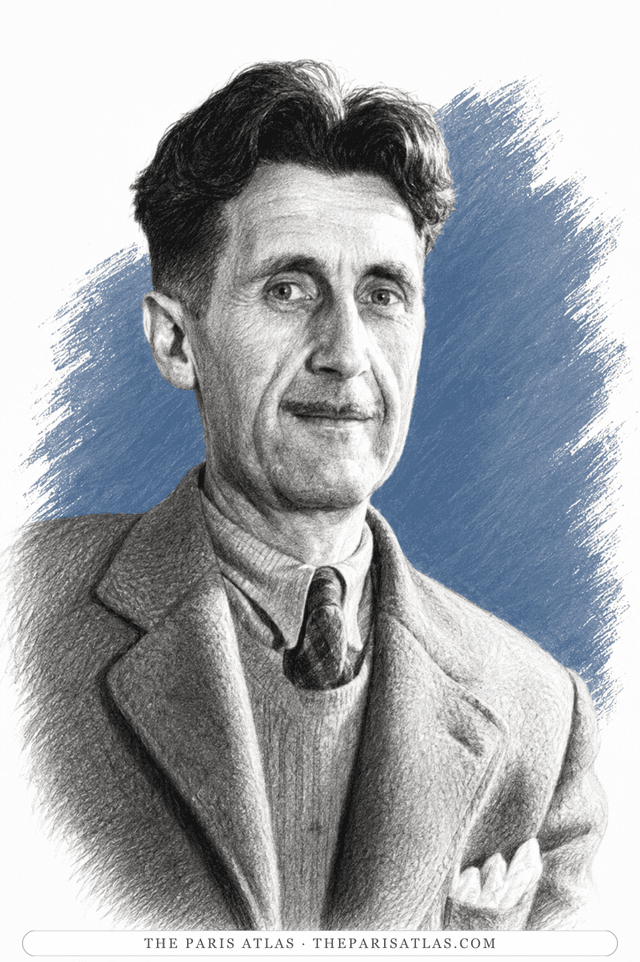
Both joined literary clarity to moral and political argument, and both distrusted systems that excuse present violence with a promised future.
View author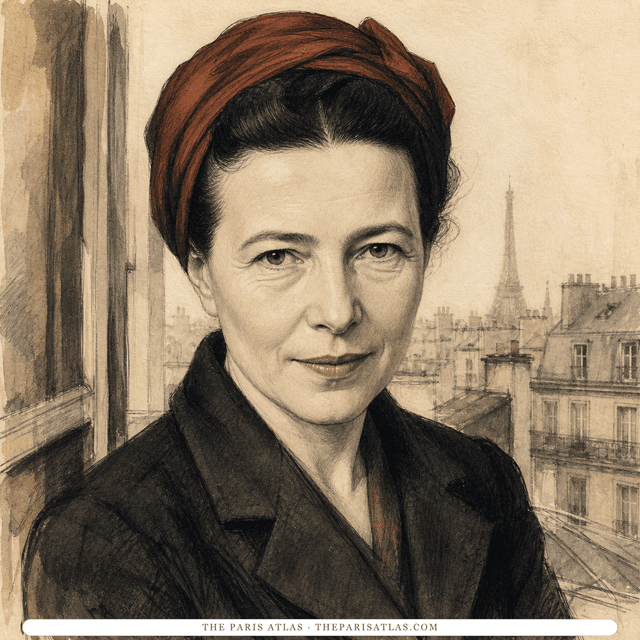
The third figure in the postwar Sartre-Beauvoir circle Camus argued with through the 1940s. Her later memoir Force of Circumstance gives one of the closest first-person accounts of Camus's Paris years and the 1952 break over The Rebel.
View author
The doctor of the Paris slums who wrote the century's blackest, funniest novel — and changed the sound of French prose.
View authorThe sources below include the primary text, editions, scholarship, archival materials, and other records that informed this page. They document Exile and the Kingdom, its publication, and its place in literary history.


Primary English transcription for the illustrated story passage; not asserted to be the Carol Cosman edition listed above.
Primary English transcription for the illustrated story passage; not asserted to be the Carol Cosman edition listed above.
Used to place Exile and the Kingdom within Albert Camus's published work and verify its bibliographic context.

Used for independent biographical, archival, or historical context surrounding Albert Camus's career and the period in which Exile and the Kingdom appeared.
Used to cross-check authorship, chronology, and the work's place in Albert Camus's wider catalogue.
Used to verify Albert Camus's bibliography and place Exile and the Kingdom within the broader chronology of Albert Camus's career.
The primary text is the baseline reference for every book page. Additional references document publication history, interpretation, and historical context where that evidence is available.
 Explore more resources