
The Stranger
The earlier novel isolates one man; The Plague asks how people act when an entire city shares danger.
Read our take
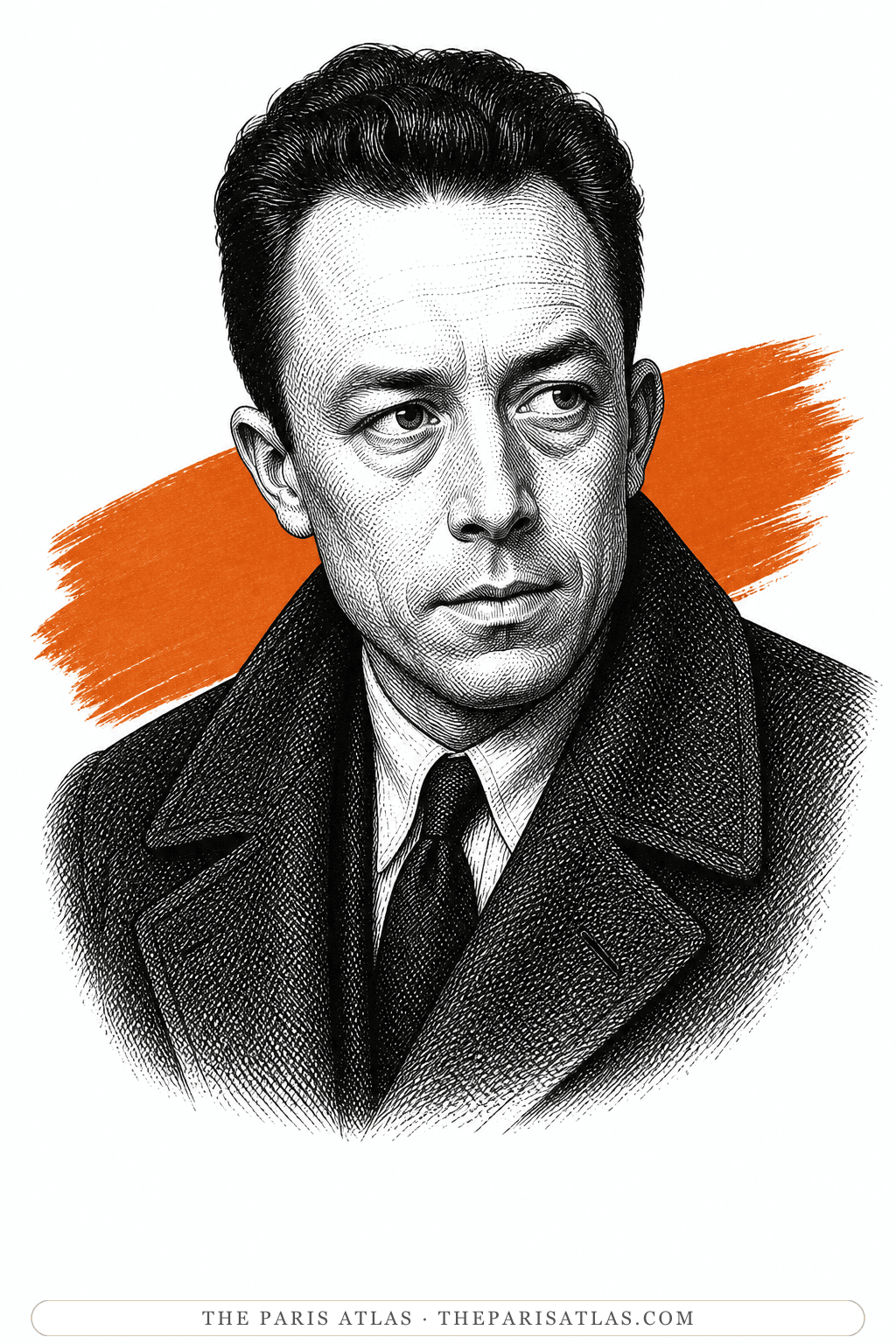
by Albert Camus
When Oran closes against an epidemic, ordinary people decide whether decency is enough.
Camus’s 1947 novel chronicles an outbreak in Oran through the work of Doctor Bernard Rieux and a small group of residents. It is both a literal epidemic story and a novel shaped by occupation and resistance. Its question is practical: when suffering has no satisfying explanation, what do people owe one another?
Dead rats begin appearing in the streets and buildings of Oran, a French colonial city in Algeria. Doctor Bernard Rieux recognizes that the growing number of fever cases may be plague. Officials delay using the word, but the rising death count forces them to close the city gates.[1]
The quarantine separates families and traps visitors. Journalist Raymond Rambert tries to escape so he can rejoin the woman he loves. Jean Tarrou organizes volunteer sanitation teams. Joseph Grand keeps municipal records while endlessly revising the first sentence of a novel, and Father Paneloux tries to explain the epidemic through religion.[1]
The book follows repeated months of heat, separation and death rather than one heroic cure. Its central people make different choices, but the novel places the greatest value on work that reduces suffering without claiming to explain why suffering exists.[1]
In April, Doctor Bernard Rieux finds a dead rat on his landing. Thousands more appear, then people begin dying from fever and swollen lymph nodes. Rieux and the older doctor Castel press the authorities to recognize plague. The prefect finally declares an epidemic and Oran is sealed from the outside world.[1]
Raymond Rambert, a visiting journalist, searches for an illegal route out of the city. Jean Tarrou recruits Rieux, Joseph Grand and others into volunteer sanitation squads. Father Paneloux preaches that the plague is divine punishment, while the criminal Cottard becomes more comfortable because the emergency suspends the ordinary police investigation hanging over him.[1]
A serum developed from the local strain fails to save the magistrate Othon's young son. Paneloux's second sermon is less certain than his first. Rambert reaches the point when he could escape, but decides that private happiness would shame him if he abandoned the people fighting the epidemic. Winter arrives, cases decline and the gates prepare to reopen.[1]
The first rat becomes significant only after Rieux has stepped past it. His return to tell the concierge marks a small change from automatic habit to attention. Michel, by contrast, protects his idea of the building by treating the animal as something an outsider must have planted. The problem is not simply whether either man can see the evidence, but what explanation he will allow it to have. Rieux’s thoughts about his ill wife also interrupt the discovery: public danger enters a life already occupied by private concern.
The swim gives practical form to a friendship that has just been discussed in moral terms. Rieux adjusts his pace to Tarrou’s, and their shared rhythm briefly replaces the divided, exhausted life of the town. This pleasure is not a decision to forget suffering: before they enter the water, Rieux senses a happiness in his friend that still remembers violence. The return past the guard makes the respite temporary. Their work must resume, but the episode preserves something worth working for beyond the emergency itself.
There are more things to admire in men than to despise.
Instead of asking readers to master a theory, the novel shows doctors, clerks, journalists and volunteers deciding what useful work they can do today.
Rieux describes his work as ordinary decency. The novel asks whether sustained, imperfect cooperation matters more than dramatic moral purity.
The colonial setting is not neutral. Reading the named European cast beside the near absence of Arab residents makes the limits of the novel's universal language visible.

A physician who treats plague patients and records the epidemic without claiming that suffering has a higher purpose.
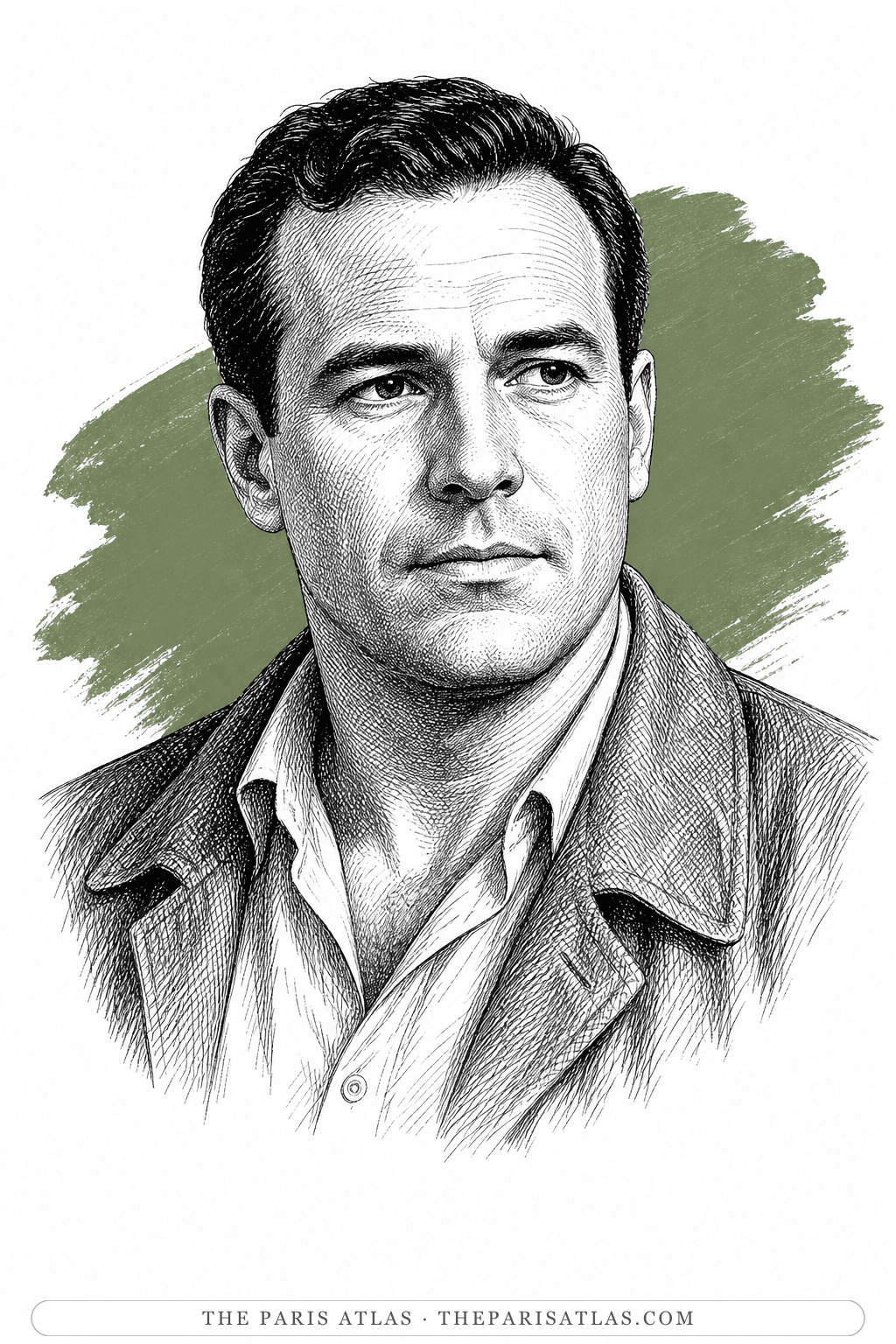
A visitor who keeps notebooks and organizes volunteer sanitation teams.

A Paris journalist trapped in Oran who first tries to escape and later joins the relief work.
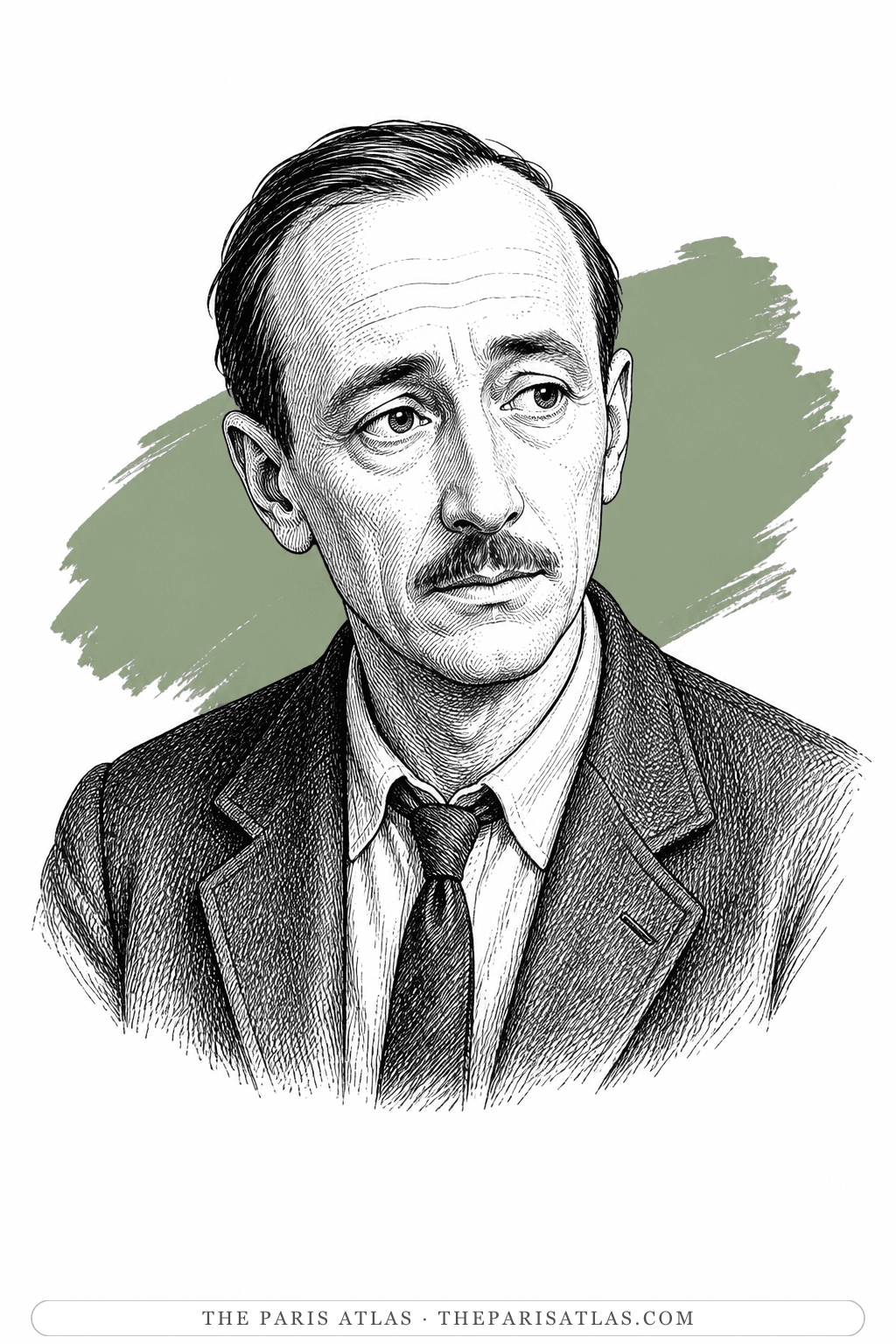
A poorly paid municipal clerk who records cases and spends years revising the opening sentence of a novel.
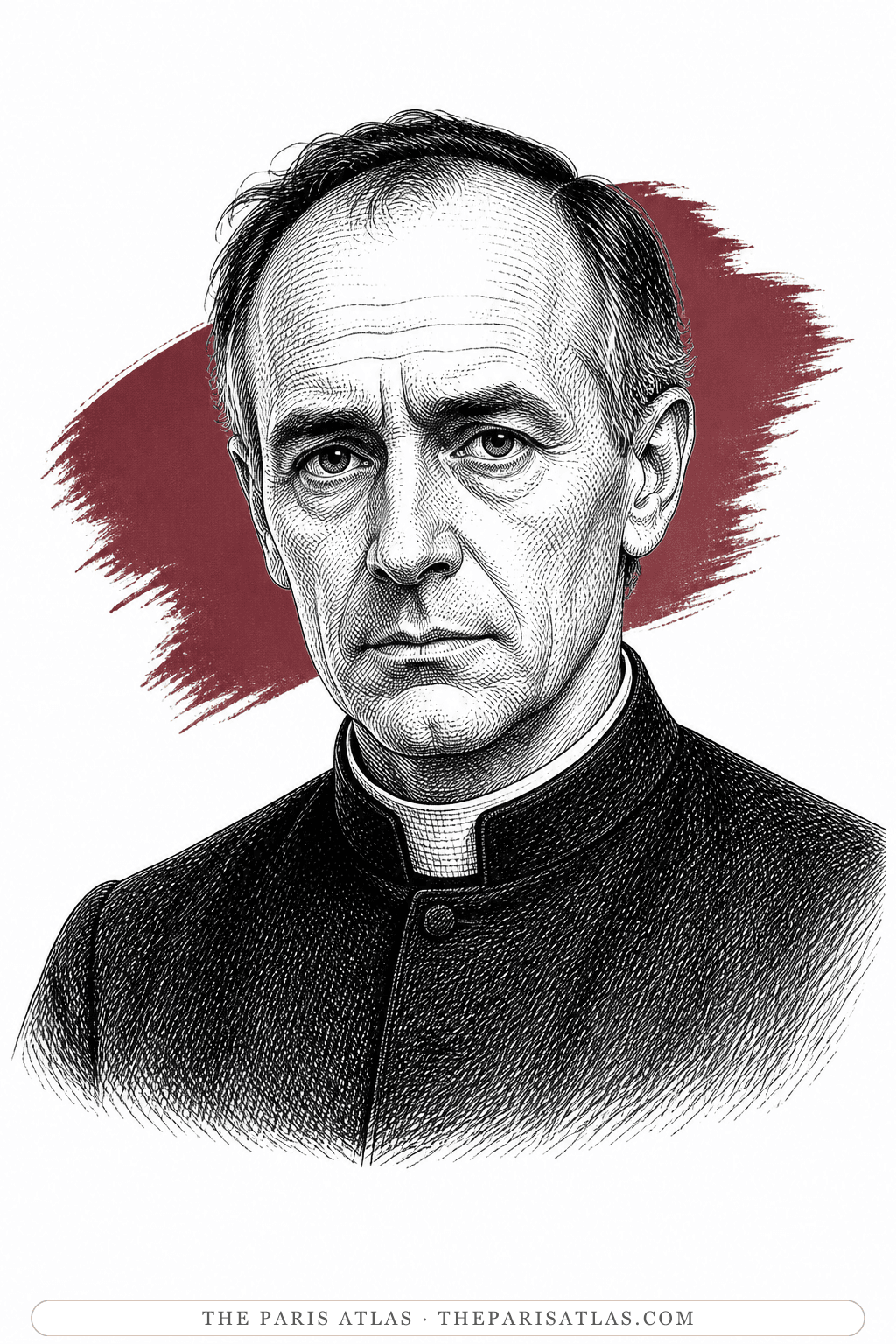
A Jesuit priest whose attempt to explain the plague changes after he witnesses a child's death.
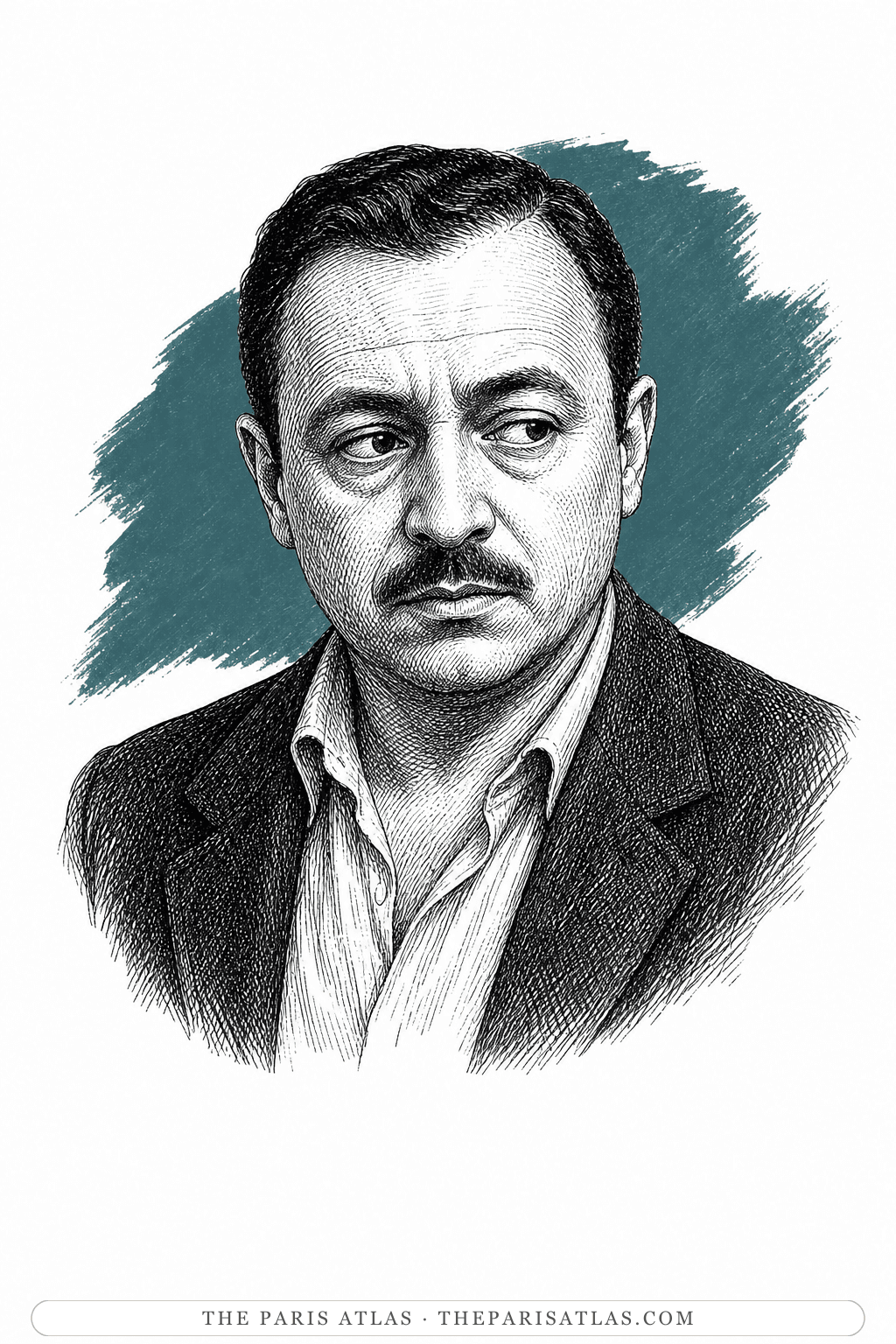
A man under police suspicion who benefits from the disorder and fears the return of normal life.
1941
Albert Camus begins planning a novel about plague while France is under German occupation.
1942–1946
Camus develops the manuscript while working in the Resistance and at Combat.
1947
Gallimard publishes La Peste in France.
1948
Stuart Gilbert's first English translation is published.
2020
The novel returns to bestseller lists during the COVID-19 pandemic as readers revisit its account of quarantine and collective responsibility.


The earlier novel isolates one man; The Plague asks how people act when an entire city shares danger.
Read our take
The later essay states the political and moral defense of solidarity that this novel dramatizes.
Read our take
The wartime essays provide the Resistance-era language of limits and shared duty behind the novel.
Read our takeThe Plague follows Doctor Bernard Rieux and other residents of Oran after an epidemic closes the city. It asks how people should respond to suffering they cannot fully explain or control.
Usually not. Start with The Stranger, then read The Plague when you want this part of Camus’s work.
Gallimard first published La Peste in France in 1947.
The novel was shaped by the Second World War and the German occupation of France, and plague can represent fascism. It also remains a literal epidemic story and a broader study of recurring human suffering.
Doctor Bernard Rieux narrates the book. He withholds his identity until near the end because he wants the chronicle to emphasize shared experience rather than his own heroism.
The novel centers a named European settler cast even though Oran was a colonial Algerian city with a large Arab population. Critics identify this absence as a serious limit in the book's claim to speak for the city as a whole.
Explore authors with a similar voice, perspective, and influence.

Both joined literary clarity to moral and political argument, and both distrusted systems that excuse present violence with a promised future.
View author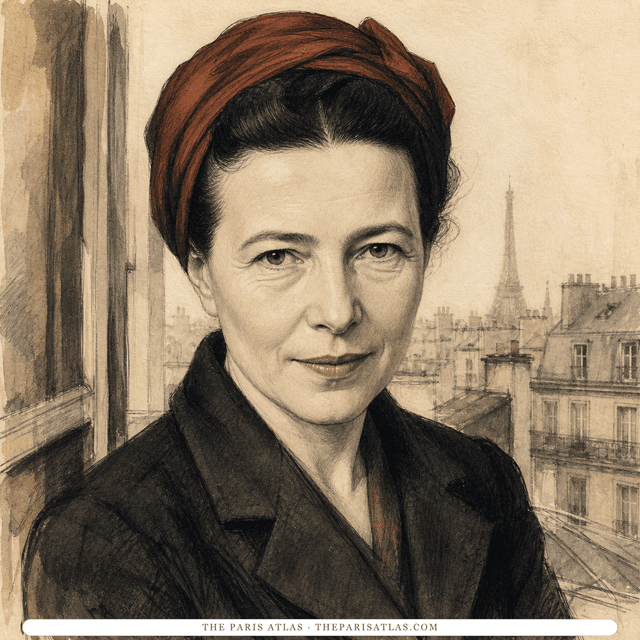
The third figure in the postwar Sartre-Beauvoir circle Camus argued with through the 1940s. Her later memoir Force of Circumstance gives one of the closest first-person accounts of Camus's Paris years and the 1952 break over The Rebel.
View author
The doctor of the Paris slums who wrote the century's blackest, funniest novel — and changed the sound of French prose.
View authorThe sources below include the primary text, editions, scholarship, archival materials, and other records that informed this page. They document The Plague, its publication, and its place in literary history.


Primary-text transcription of Robin Buss’s translation for the first-rat and night-swim passages; distinct from the Stuart Gilbert edition cited elsewhere on this page.
Used to place The Plague within Albert Camus's published work and verify its bibliographic context.

Used for independent biographical, archival, or historical context surrounding Albert Camus's career and the period in which The Plague appeared.
Used to cross-check authorship, chronology, and the work's place in Albert Camus's wider catalogue.
Used to verify Albert Camus's bibliography and place The Plague within the broader chronology of Albert Camus's career.
The primary text is the baseline reference for every book page. Additional references document publication history, interpretation, and historical context where that evidence is available.
 Explore more resources