

Books like The Stranger
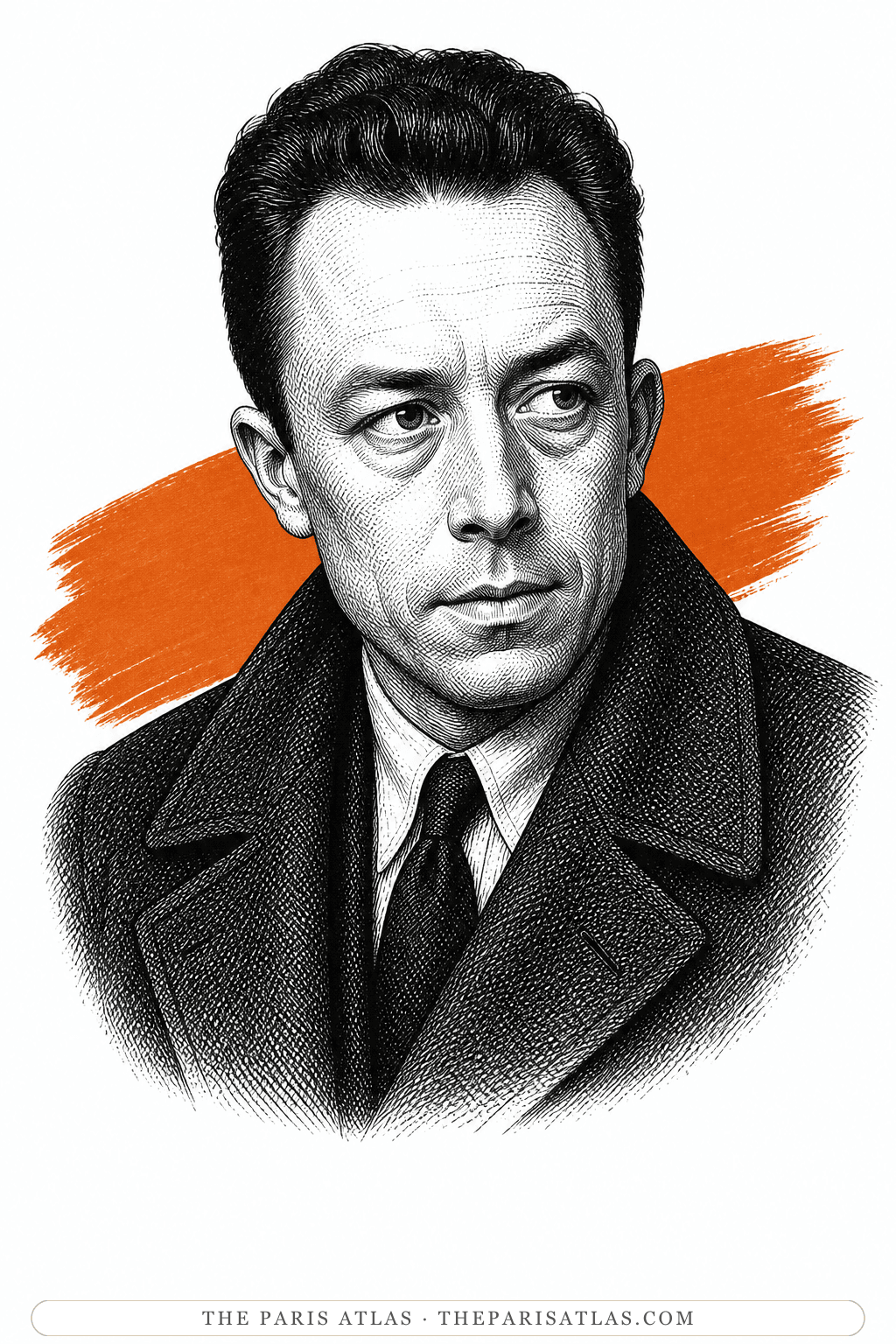
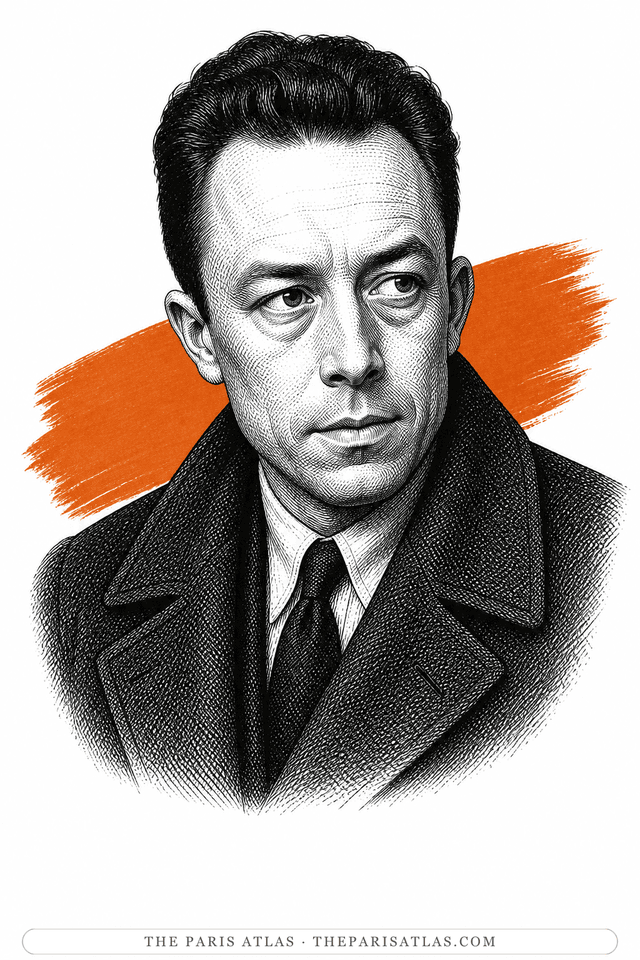
The Stranger follows a man through death, sex, work, heat, violence, and finally judgment without letting him respond in the ways everyone expects him to. Camus writes in clean, exact sentences and leaves enormous things unexplained, so the book feels emotionally cool even when something terrible is happening. If you want more books with exceptional prose, alienated characters, moral uncertainty, existential unease, and writing that trusts you to decide for yourself what any of it means, start here.
What readers love about The Stranger
- Clean, controlled prose that never tells you what you are supposed to feel
- A narrator whose emotional distance makes him difficult to judge
- Sun, heat, sex, exhaustion, and the physical world given unusual weight
- Death treated as both an ordinary fact and an enormous philosophical problem
- A short novel that leaves much more behind than it explains

A former Paris lawyer spends the novel talking to a stranger in an Amsterdam bar, confessing his hypocrisies while gradually making it harder to tell whether he is judging himself, everyone else, or you. The prose is elegant, controlled, and full of dark humor, but the moral questions are even slipperier than they are in The Stranger. If Meursault interested you because Camus refuses to hand you an easy verdict on him, The Fall takes that uncertainty much further.
About the author
French Algerian novelist, essayist, journalist and playwright who used the absurd and revolt to ask how people should live without false consolation.
Read about Camus
Dazai’s narrator feels fundamentally different from the people around him and becomes skilled at performing the version of himself they expect to see. Beneath that performance are fear, drinking, sex, shame, and the conviction that ordinary human life is something everyone else understands naturally and he somehow does not. It is more openly despairing than The Stranger, but the prose is clear and unsentimental, and the sense of being an outsider among people who seem to know the rules is exceptionally close.
About the author
 Osamu Dazai
Japanese novelist whose confessional fiction includes The Setting Sun and No Longer Human.

Josef K. is arrested one morning without being told what he has done and spends the novel trying to defend himself inside a system that refuses to explain itself. Kafka describes increasingly absurd circumstances in prose so matter-of-fact that the nightmare begins to feel ordinary. If the trial at the end of Camus’s novel fascinated you — especially the sense that Meursault is being judged for being the wrong kind of person as much as for his crime — this is essential.
About the author
Prague novelist who worked fourteen years as an accident-insurance official, left three novels unfinished, told his friend Max Brod to burn everything, and was disobeyed. His Paris is a holiday, not an exile: he came twice as a tourist with Brod between 1909 and 1912, and never lived there.
Read about Kafka
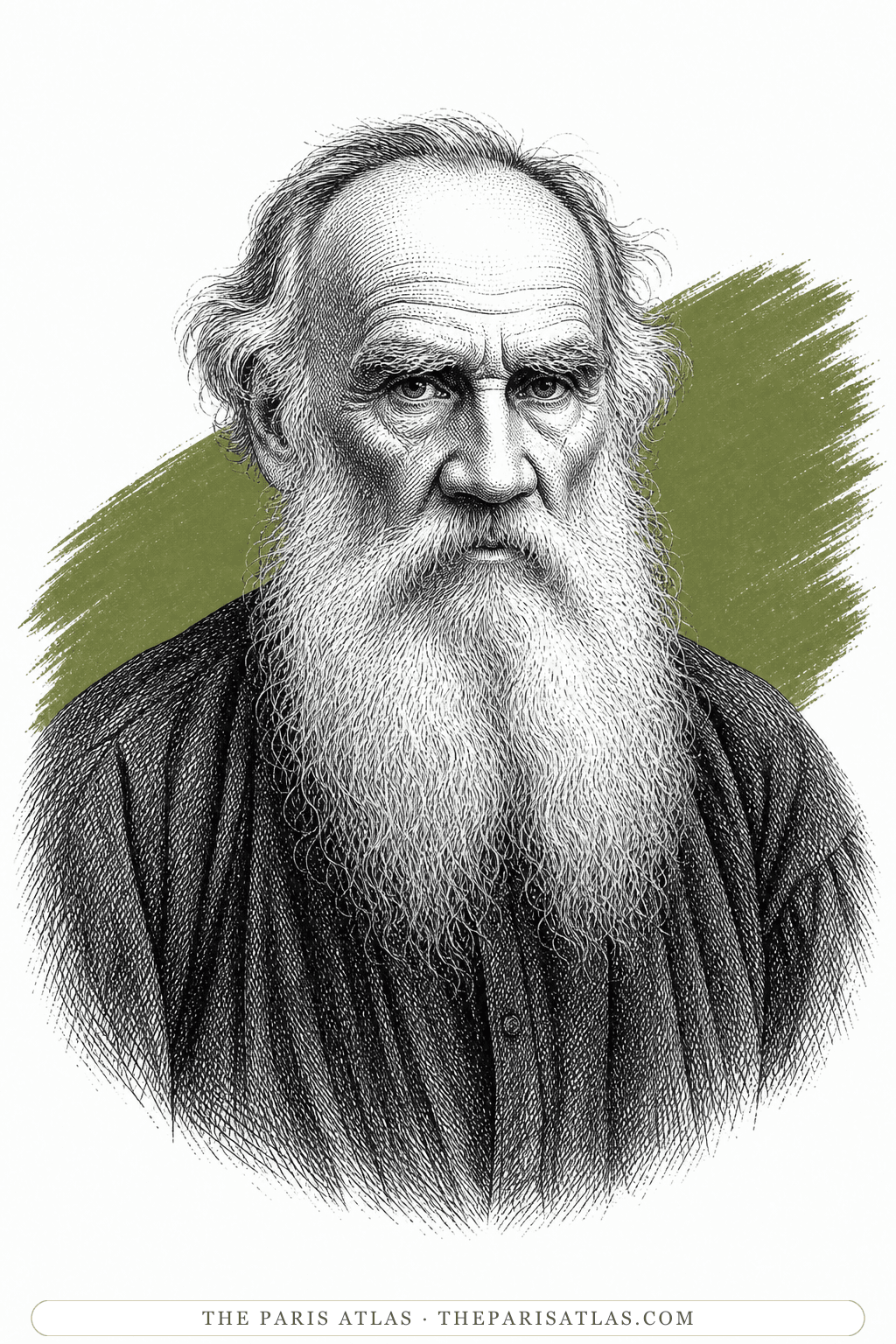
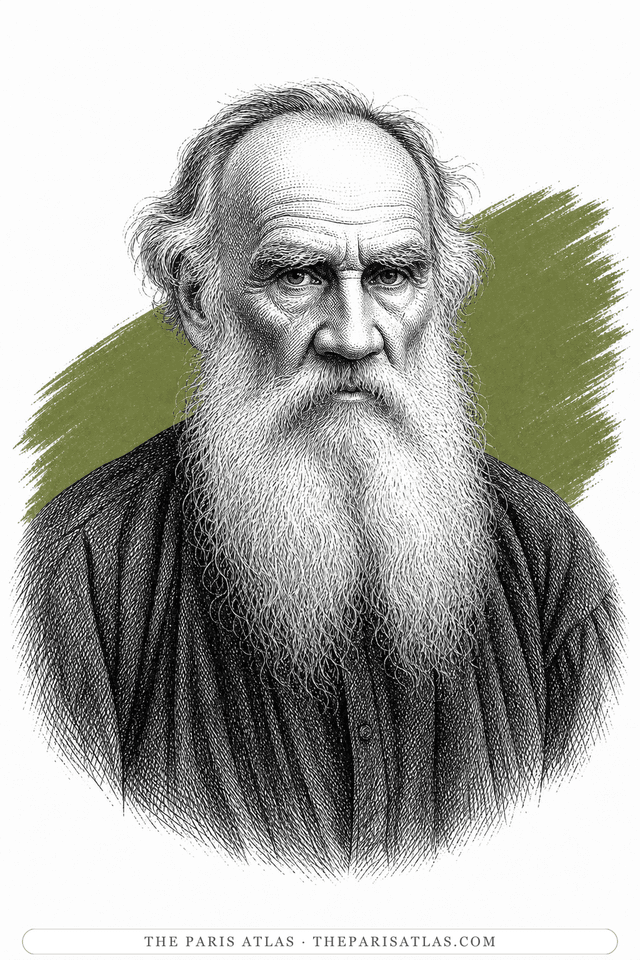
Ivan Ilyich has built exactly the respectable life society told him to want until illness forces him to confront the possibility that almost none of it has mattered. Tolstoy writes about death with extraordinary clarity and very little consolation, watching the social performances around Ivan become increasingly absurd as he gets closer to dying. It is more compassionate than Camus, but just as unwilling to look away from the physical fact that a human life ends.
About the author
Russian novelist who wrote War and Peace and Anna Karenina, then renounced the life that produced them. He spent six weeks in Paris in 1857, and on one April morning went to watch a man beheaded in the street — an hour he said destroyed his belief in progress and in the state, and which he was still writing about twenty-two years later.
Read about Tolstoy
William Stoner becomes a university professor, marries badly, works, falls in love, loses things, grows older, and eventually dies. Nothing about that description sounds dramatic, which is part of what makes the book so powerful. Williams writes in lucid, restrained prose that refuses to inflate ordinary disappointments into grand tragedy, and if you loved how much Camus can make you feel without pushing emotion at you, Stoner is a beautiful next read.
About the author
 John Williams
American novelist and professor whose books include Stoner, Butcher’s Crossing, and the National Book Award winner Augustus.

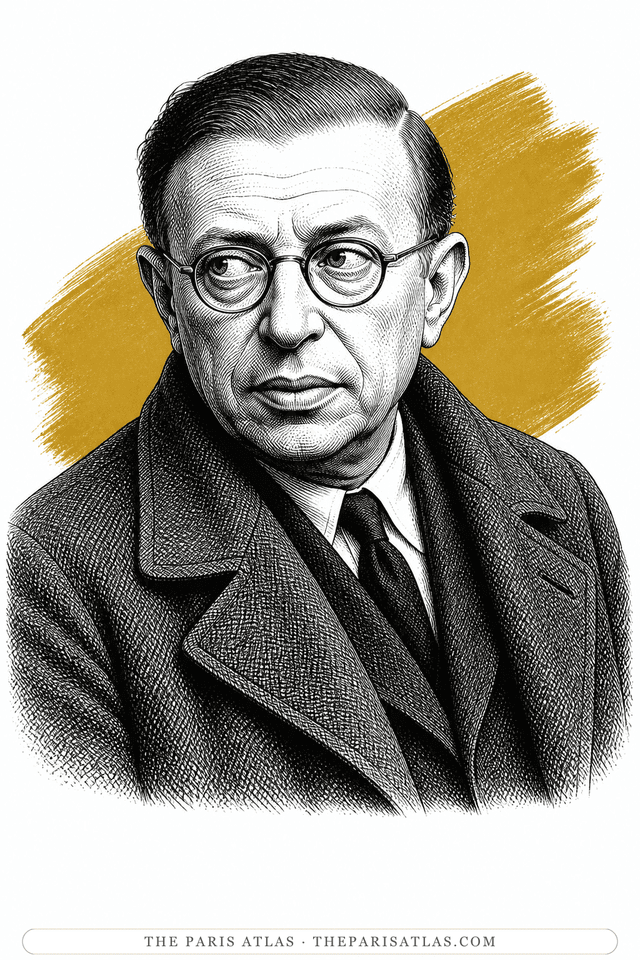
Antoine Roquentin becomes increasingly disturbed by the simple fact that things exist — objects, people, his own body, the world itself. Sartre is more philosophical and much more willing than Camus to let his narrator explain what he is thinking, but the underlying unease is closely related. Read it if The Stranger made you want to stay with the question of what life means once the usual explanations stop feeling convincing.
About the author
French philosopher, novelist and playwright, co-founder of Les Temps modernes, life partner of Simone de Beauvoir, and the central figure of French existentialism whose 1952 dispute with Albert Camus over The Rebel ended their friendship.
Read about Sartre
Gregor Samsa wakes up transformed into an enormous insect, and Kafka spends remarkably little time asking how such a thing could have happened. The story instead becomes about work, family, obligation, shame, and what happens when a person stops being useful to the people around him. Like Camus, Kafka makes the impossible feel disturbing precisely because his prose refuses to become hysterical about it.
About the author
Prague novelist who worked fourteen years as an accident-insurance official, left three novels unfinished, told his friend Max Brod to burn everything, and was disobeyed. His Paris is a holiday, not an exile: he came twice as a tourist with Brod between 1909 and 1912, and never lived there.
Read about Kafka
Everyone in town seems to know that Santiago Nasar is going to be killed except, somehow, Santiago himself. García Márquez reconstructs the murder through memory, gossip, contradictions, and small failures of chance, turning something inevitable into something strangely difficult to understand. His style is richer than Camus’s, but the book shares The Stranger’s fascination with murder, social judgment, absurd circumstance, and the uncomfortable gap between what happened and what people decide it means.
About the author
Colombian novelist whose One Hundred Years of Solitude carried him to the Nobel Prize in Literature in 1982, and who spent 1956 and 1957 stranded in a garret — a top-floor attic room — in the Latin Quarter, the student district of Paris, after the Bogotá newspaper that had sent him to Europe was shut down by a military dictatorship. He lived on credit from his landlady and on the deposit money from returned bottles, and wrote a short novel about a man waiting for a letter that never arrives.
Read about Márquez
When plague closes the Algerian city of Oran, ordinary people have to decide how to live once suffering, separation, and death become part of everyday life. The prose remains lucid and controlled, but where The Stranger concentrates on one man’s distance from society, The Plague asks what people owe one another in a universe that offers no guarantee that goodness will be rewarded. It is Camus on a larger canvas without abandoning the clarity of his writing.
About the author
French Algerian novelist, essayist, journalist and playwright who used the absurd and revolt to ask how people should live without false consolation.
Read about Camus
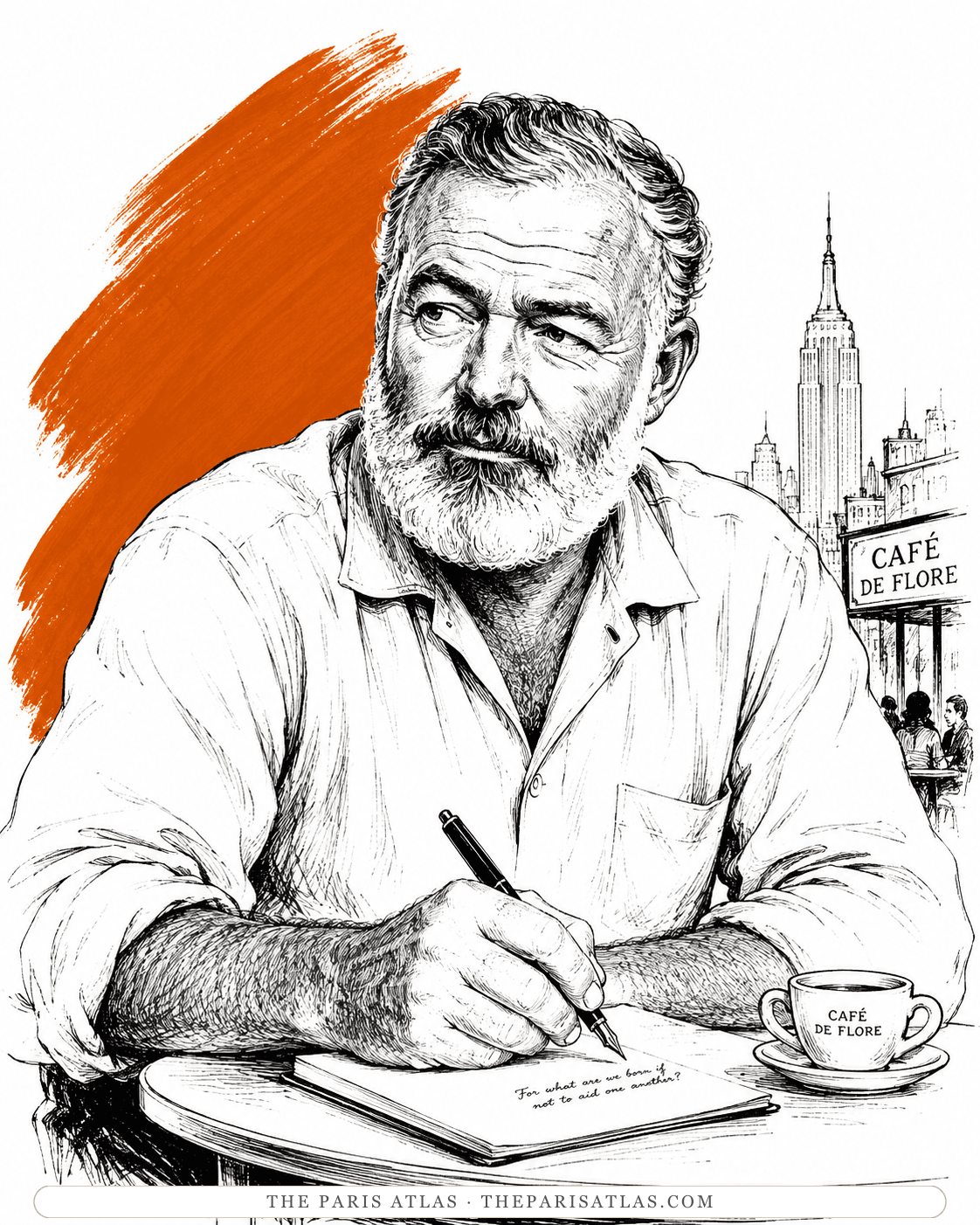
An old fisherman goes far out to sea alone and hooks a marlin that becomes the greatest struggle of his life. Hemingway’s subject is completely different from Camus’s, but his confidence in simple language will feel familiar: physical sensation, exhaustion, suffering, pride, and death are allowed to exist without much explanation around them. Read it if the actual economy of The Stranger’s prose was one of the things you loved most.
About the author
Author of The Sun Also Rises and A Moveable Feast; his pared-down style, developed in 1920s Paris, became the most imitated in American prose.
Read about Hemingway
A woman leaves home for a southern European city and moves through hotels, shops, strangers, and bizarre encounters while the novel quietly reveals that she is heading toward something terrible. Spark’s prose is cold, exact, funny, and frighteningly controlled. Like Camus, she creates unease by refusing to react emotionally on the reader’s behalf, leaving the calmness of the sentences to sit against the violence of what is actually happening.
About the author
Scottish novelist known for cool, exact, darkly comic stories in which catastrophe arrives through controlled prose.
Read about Spark
A veteran of the First World War spends a summer in an English village restoring a medieval painting while carrying injuries from the war and a failed marriage that he rarely discusses directly. Carr writes with extraordinary restraint, letting happiness, loneliness, attraction, and regret emerge through small observations rather than declarations. It is much gentler than The Stranger, but the prose has the same respect for silence.
About the author
 J. L. Carr
British novelist and publisher known for spare, quietly moving books about memory, solitude, work, and fleeting happiness.

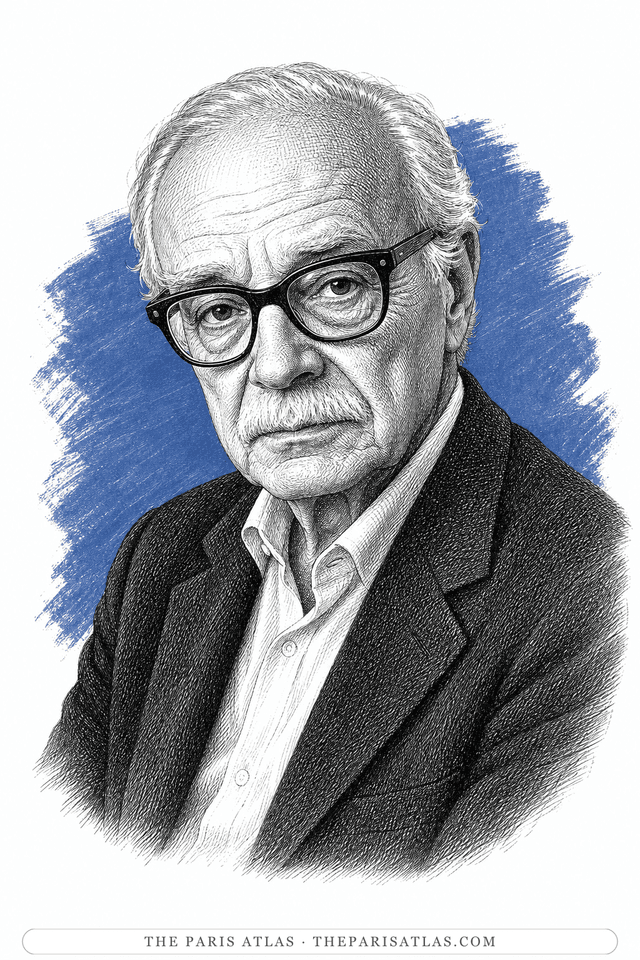
A painter tells us immediately that he murdered a woman and then spends the novel explaining the relationship that led him there. He is intelligent, lonely, obsessive, suspicious, and increasingly trapped inside his own way of interpreting other people. Sabato is more psychologically feverish than Camus, but this is an excellent match if you liked being placed inside the consciousness of a murderer without being given a simple instruction to condemn or excuse him.
About the author
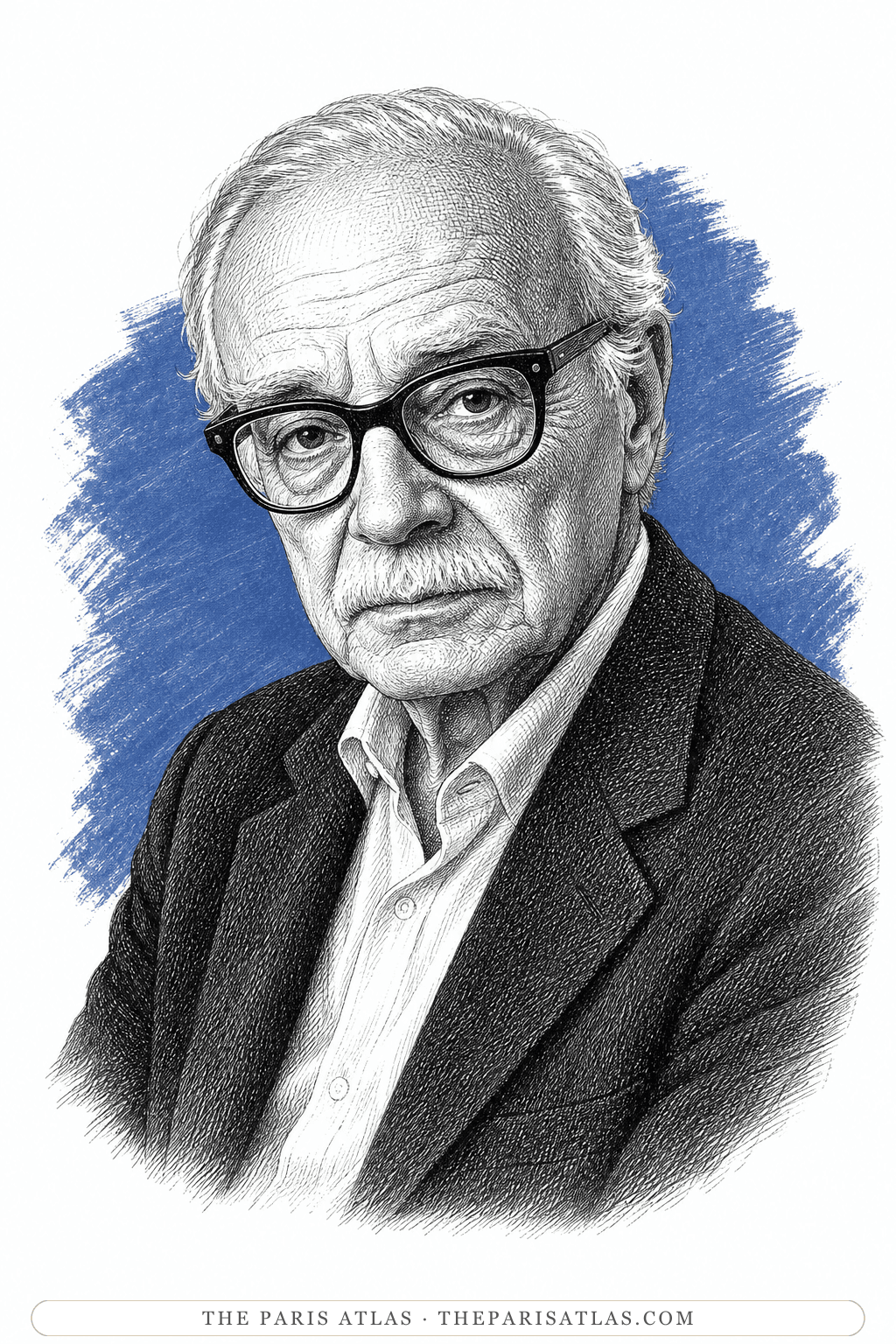
 Ernesto Sabato
Argentine novelist, essayist, and painter whose three novels include The Tunnel and On Heroes and Tombs.

A poor fisherman discovers a valuable pearl and believes it may finally give his family a different life. Instead, hope begins attracting greed, violence, fear, and consequences that seem to gather with the inevitability of a fable. Steinbeck’s prose is simple and deliberate, and like Camus he can take a story that looks almost elementary on the surface and make it carry questions about fate, society, violence, and what human beings believe will save them.
About the author
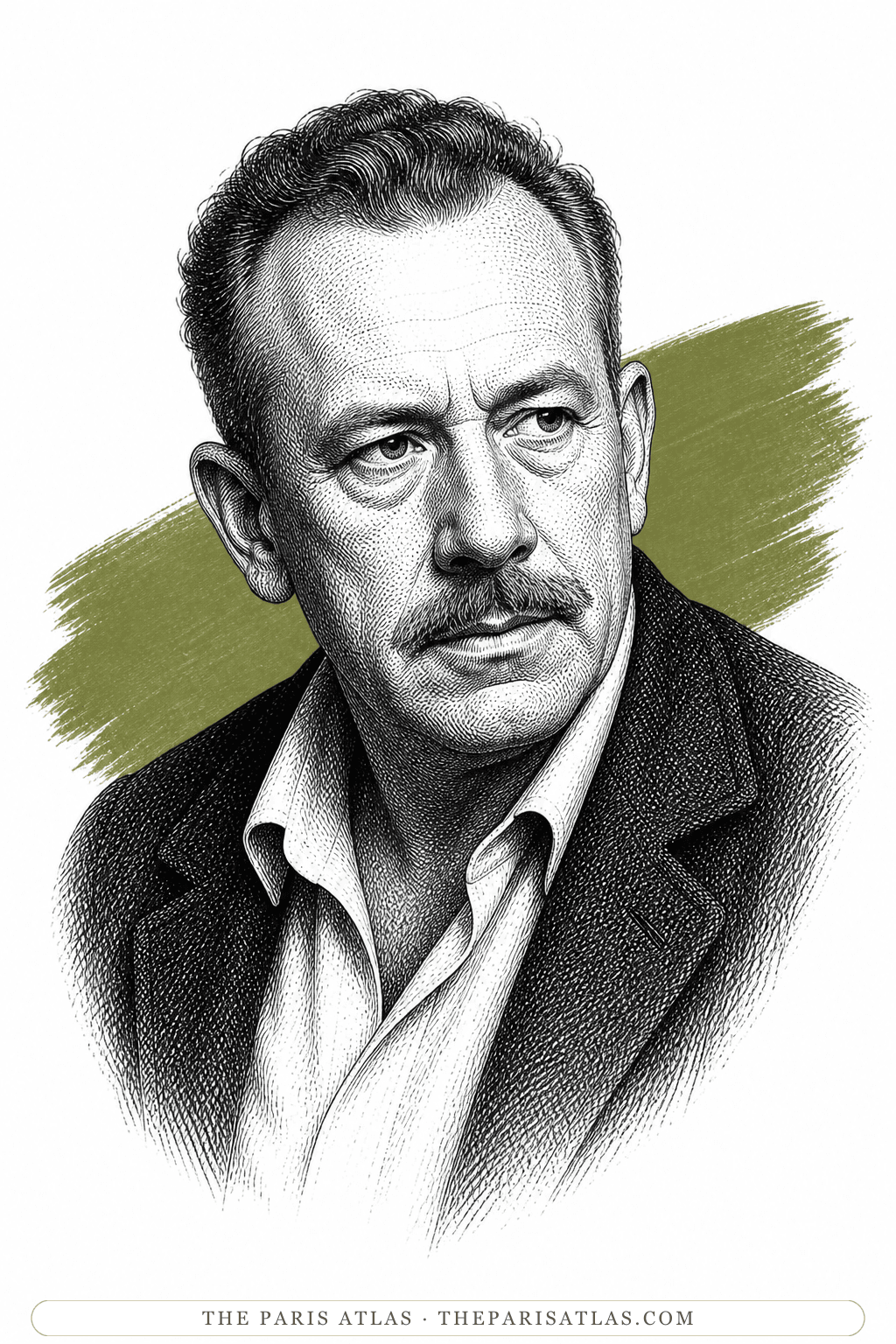
American novelist of the California fields and of the Dust Bowl migration — the exodus of farming families driven off the drought-ruined southern plains in the 1930s — awarded the Nobel Prize in Literature in 1962. In the summer of 1954 he moved into 1 avenue de Marigny in Paris and wrote for the Paris daily newspaper Le Figaro. Some of that work reached French readers in translation long before it was ever printed in his own English: one story waited sixty-five years.
Read about Steinbeck
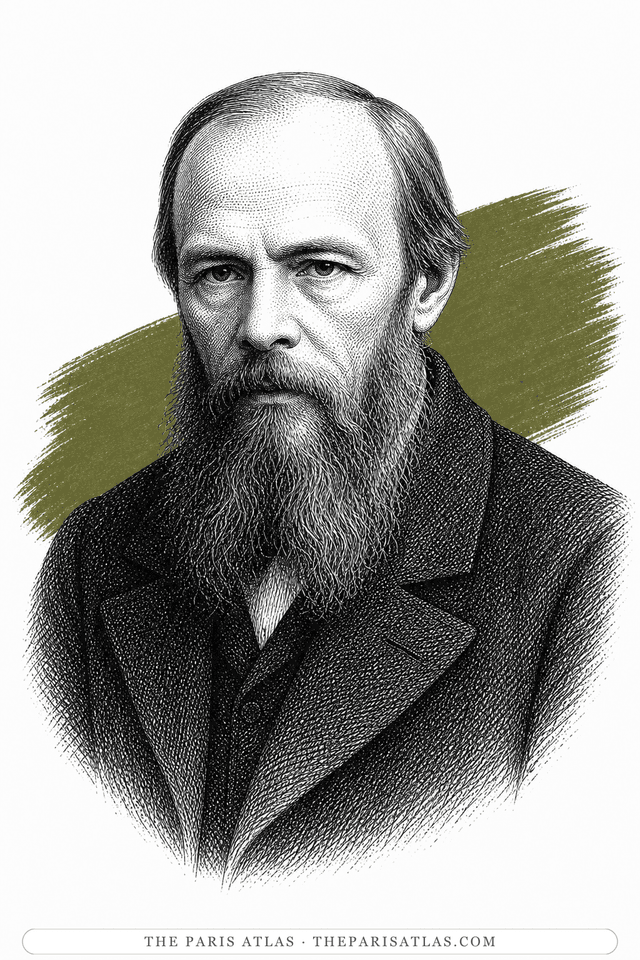
Dostoevsky’s Underground Man is isolated, bitter, intelligent, contradictory, and painfully aware of his own inability to live as other people seem to. Unlike Meursault, he explains almost everything — and then argues with his own explanation. The prose is much more agitated than Camus’s, but the book reaches toward many of the same questions about freedom, social expectations, irrational behavior, and what happens when a person refuses the comforting stories everyone else lives by.
About the author
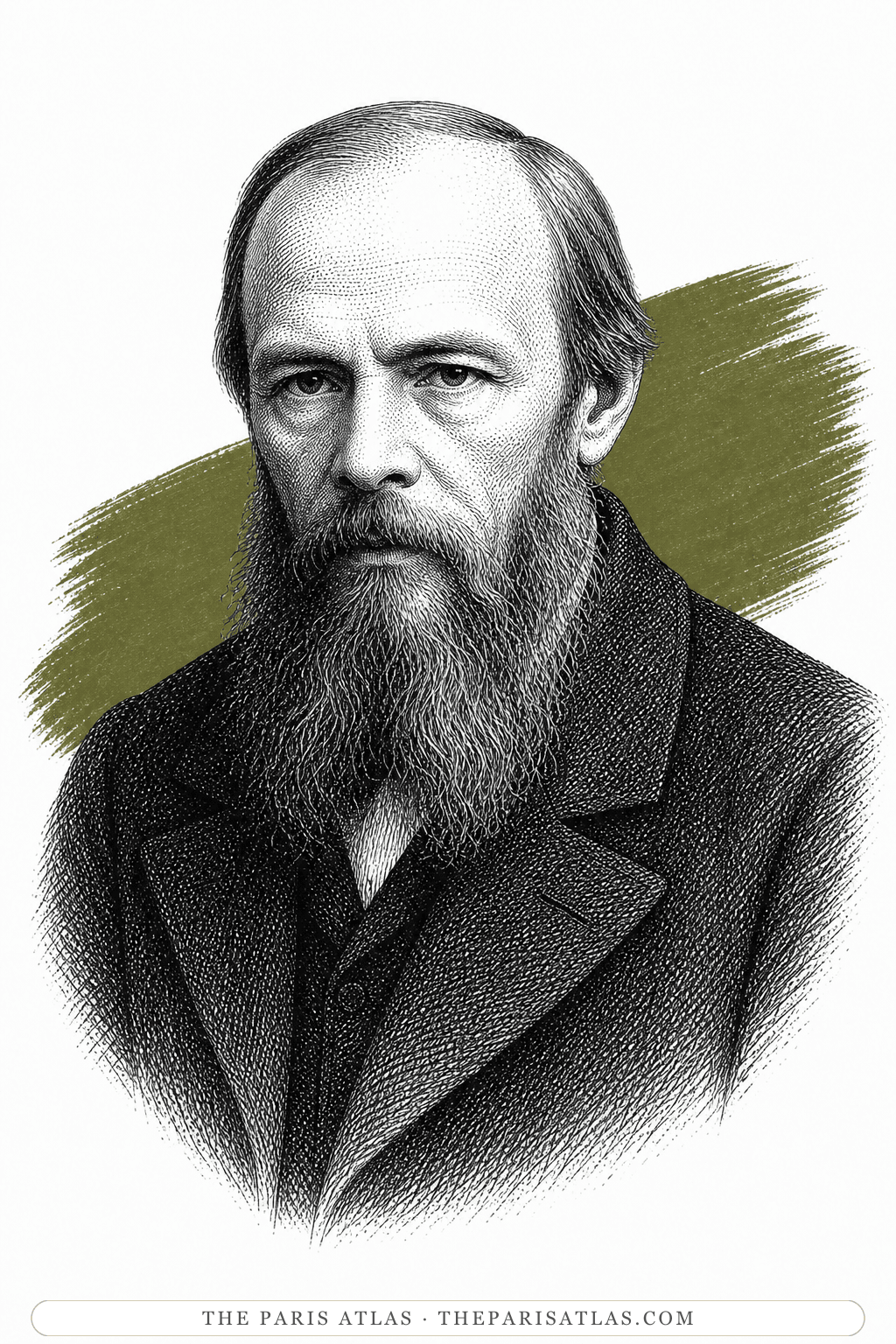
The Russian novelist who came to Paris twice in the 1860s, hated it with unusual precision, and wrote the result up as Winter Notes on Summer Impressions, a short, savage account of the French bourgeoisie that stands as the sharpest case ever made against the city by a writer passing through it.
Read about Dostoevsky
An American couple travel deeper into North Africa while their marriage quietly deteriorates and the familiar structures of their lives begin falling away. Bowles writes about heat, sex, illness, loneliness, landscape, and death with remarkable emotional distance, rarely telling you how frightened you ought to be. If you want the physical atmosphere and existential indifference of The Stranger in a larger, stranger novel, this is one of the strongest matches here.
About the author
American novelist and composer whose expatriate fiction explores dislocation, unstable intimacy, fatalism, and North Africa.
Read about Bowles
After becoming seriously ill while traveling in North Africa, Michel begins discovering desires and impulses that make the respectable identity he has built increasingly difficult to maintain. Gide’s prose is elegant and controlled, and he is far more interested in examining the consequences of freedom than in telling you whether Michel is good or bad. That refusal to provide an easy moral judgment makes it a particularly good companion to Camus.
About the author
French novelist and essayist, Nobel laureate 1947, co-founder of the Nouvelle Revue Française and one of the most influential French writers of the first half of the twentieth century. Camus regarded him as the French moralist whose responsibility-of-the-writer position his own 1957 Nobel lecture deliberately echoed.
Read about Gide
Esther Greenwood looks at work, dating, marriage, ambition, and the future everyone expects her to want and finds herself increasingly unable to participate in any of it. Plath’s prose is sharper, funnier, and more metaphorical than Camus’s, but it is exceptionally good prose, and Esther shares Meursault’s uncomfortable position as someone whose responses do not line up neatly with the behavior society considers normal.
About the author
American poet who came to Paris in the spring of 1956, in the middle of her Fulbright year at Cambridge, to find the man she had been in love with for three years — and found he had gone. She had met Ted Hughes weeks before; she married him that June, and the honeymoon came back through Paris.
Read about Plath
Billy Pilgrim becomes “unstuck in time,” moving between ordinary American life, the bombing of Dresden, and encounters with aliens who experience time very differently from humans. Vonnegut writes mass death in short, deceptively simple sentences and repeatedly refuses the grand emotional language war stories are supposed to use. The humor makes it sound nothing like Camus at first, but underneath it is the same problem: how do you talk seriously about death in a universe that does not explain why anyone dies?
About the author
American novelist whose fiction combines satire, science fiction, and the experience of surviving the bombing of Dresden.
Read about Vonnegut
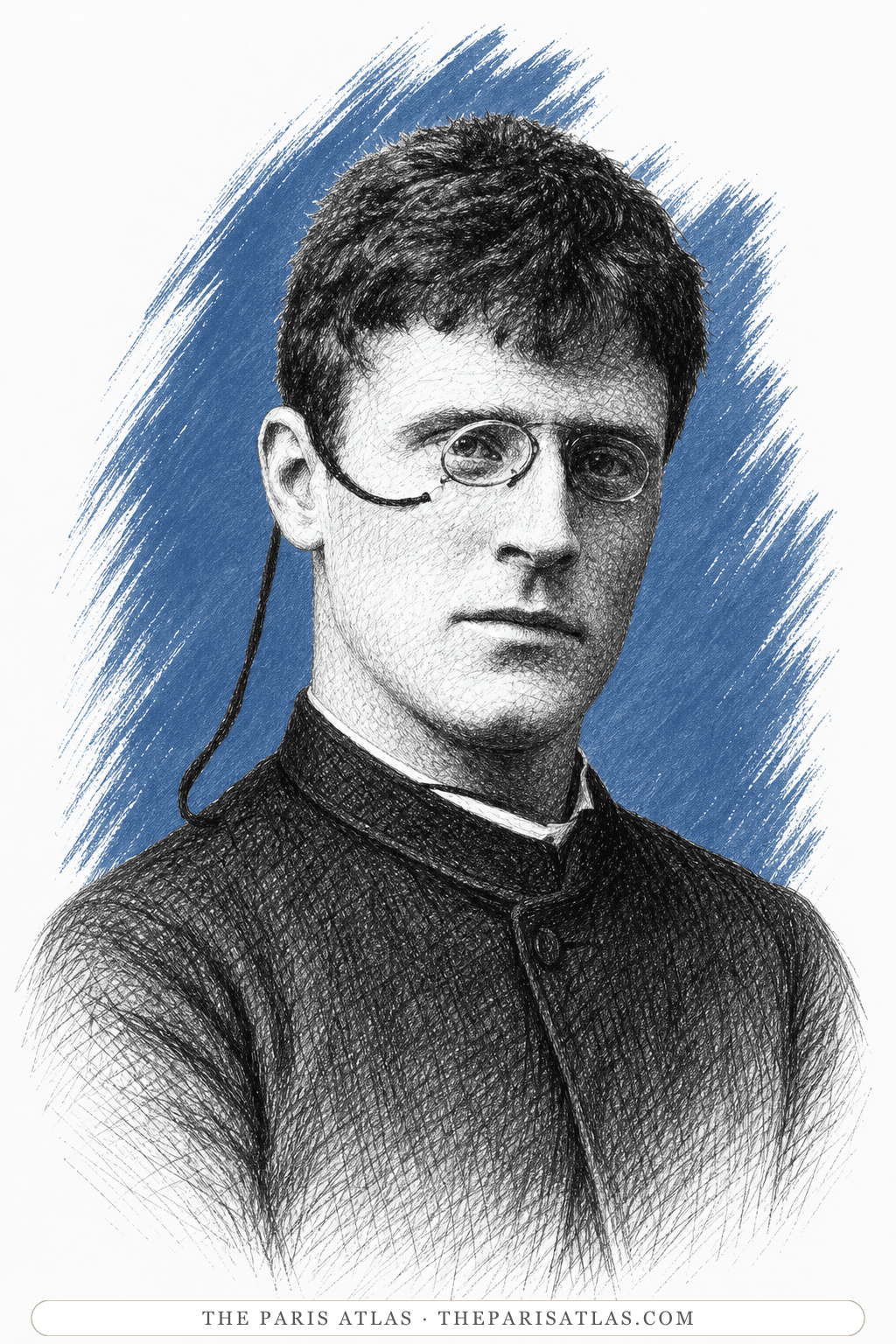
A penniless young writer wanders through the city hungry, proud, irrational, and increasingly detached from the ordinary logic of the people around him. Hamsun is more feverish and psychologically unstable than Camus, but the book is lean, immediate, and extraordinarily good at turning bodily sensation into thought. If the heat, exhaustion, appetite, and physical consciousness of The Stranger mattered to you, Hunger takes that connection between body and mind somewhere much more desperate.
About the author
Norwegian novelist and Nobel laureate whose experiments with consciousness helped anticipate literary modernism—and whose support for Nazi Germany permanently complicated his legacy.
Read about Hamsun
















References
The sources below include the primary text, editions, archives, and critical context used to establish what distinguishes The Stranger.


1Albert Camus – Bibliography
WebsiteNobel Prize OutreachUsed forWeb source consulted for documented facts and historical context presented on the Books like The Stranger page.

2Albert Camus
EssaysStanford Encyclopedia of PhilosophyUsed forPublished analysis and historical context used in preparing the Books like The Stranger page.
3Albert Camus – Biographical
BiographyNobel Prize Outreach, 1957Used forBiographical evidence used to verify chronology, relationships, and historical context connected to Books like The Stranger.
4The Stranger — 1989 Vintage edition
Official recordPenguin Random House, 1989Used forOfficial record used to verify names, dates, institutional details, or other factual information on this page.
These references support the guide's description of the comparison book. The read-alike matches themselves are editorial recommendations, explained individually above.
 Explore more resources
Newsletter
Tell us what you loved, and we'll find your next book.
Every Friday: one recommendation, the reasons it earns your time, and what to read after it. Reply with your last favorite and we'll answer.