The Paris AtlasCharting the artists, works, and places worth returning to.
  • Author
  • Playwright
  • Translator
· French · 1869–1951

André Gide

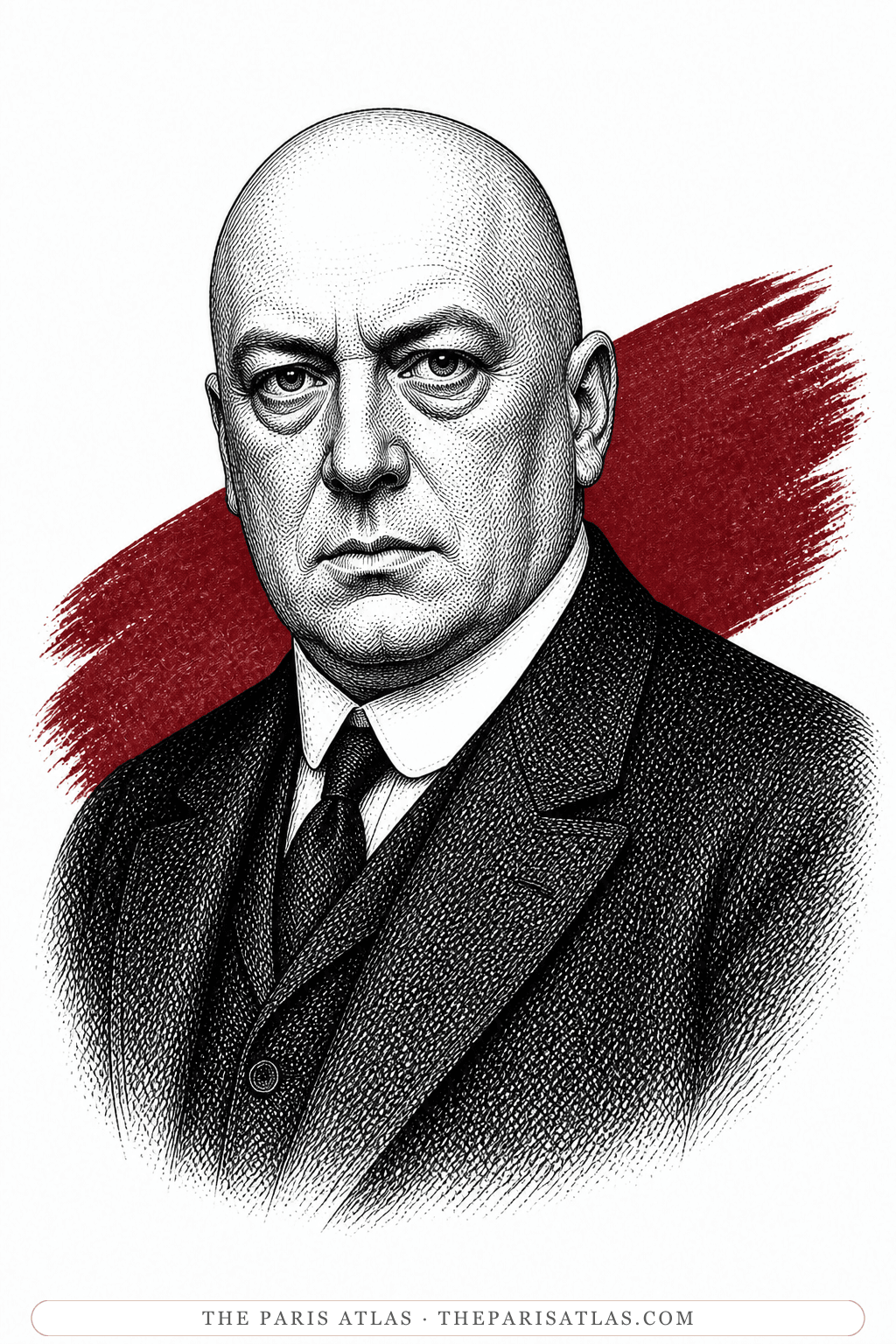
French novelist and essayist, Nobel laureate 1947, co-founder of the Nouvelle Revue Française and one of the most influential French writers of the first half of the twentieth century. Camus regarded him as the French moralist whose responsibility-of-the-writer position his own 1957 Nobel lecture deliberately echoed.

Details

Lived
1869–1951
Born
1869
Died
1951
Nationality
French
Roles
AuthorPlaywrightTranslator
Also known as
André Paul Guillaume Gide

People they knew

Documented connections — every one carries its source.

Antoine de Saint-Exupéry

  • Author

Met · 1929–1944

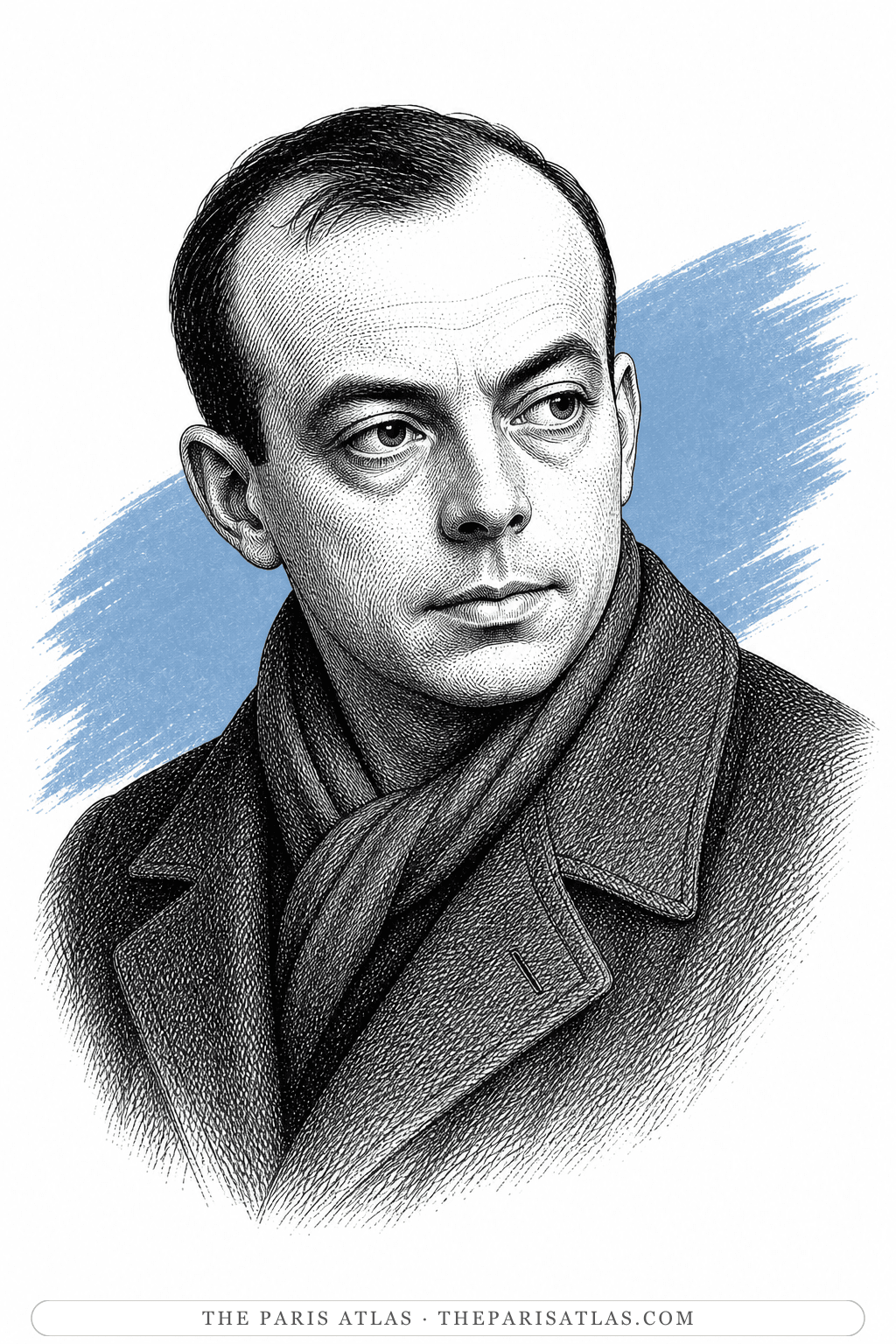
The introduction came through the Paris salons: Gide was a fixture of Yvonne de Lestrange's, and she warmly recommended her cousin Antoine, then trying to write, to him. Saint-Exupéry sent Gide the manuscript of Courrier Sud, and on his return from Argentina gave him Vol de nuit, for which Gide offered to write the preface — the preface Larousse quotes on the novel that took the Prix Femina in 1931. The friendship was close enough to alarm Saint-Exupéry's mother, who thought Gide unfit company, and Antoine defended him to her by letter more than once. Gide told him to reorder the chapters of Terre des hommes and handed him Conrad's The Mirror of the Sea to show that a good book could be made of disparate pieces. They were together at Chitré in August 1938 and again in Algiers in 1943, where they played chess; days before Saint-Exupéry disappeared in July 1944 he offered Gide a flight, and Gide pleaded a cough.

André Gide (1869 – 1951) — Les amis; Antoine de Saint-Exupéry

Who drew from them

Influence running outward — the writers and artists who built on their work.

Illustrated portrait of Albert Camus

Albert Camus

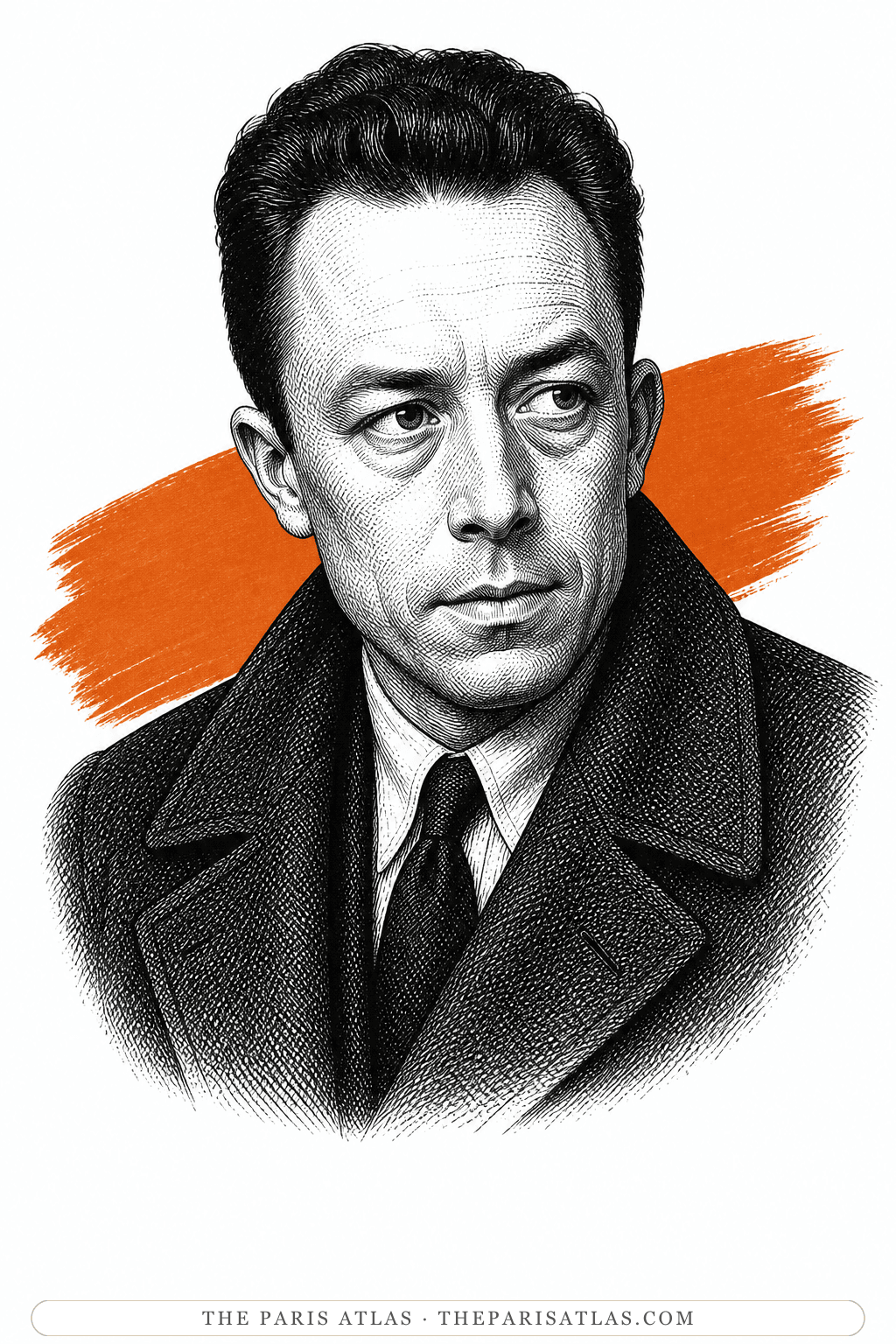
Camus discovered Gide as an adolescent in Algiers and named him repeatedly as the French moralist whose responsibility-of-the-writer position mattered most to his own. Camus's 1957 Nobel lecture in Stockholm — the speech delivered when Camus was, at forty-four, the second-youngest laureate — deliberately echoed the position Gide had taken in his own 1947 Nobel address ten years earlier. Camus met Gide once in Paris shortly before Gide's death in 1951.

Albert Camus – Biographical (1957); Ronald Aronson, Albert Camus

Sourced claims

Every connection the graph holds for André, with the evidence behind it.

Influenced

Albert Camus

Camus discovered Gide as an adolescent in Algiers and named him repeatedly as the French moralist whose responsibility-of-the-writer position mattered most to his own. Camus's 1957 Nobel lecture in Stockholm — the speech delivered when Camus was, at forty-four, the second-youngest laureate — deliberately echoed the position Gide had taken in his own 1947 Nobel address ten years earlier. Camus met Gide once in Paris shortly before Gide's death in 1951.

Albert Camus – Biographical (1957); Ronald Aronson, Albert Camus

Met · 1929–1944

Antoine de Saint-Exupéry

The introduction came through the Paris salons: Gide was a fixture of Yvonne de Lestrange's, and she warmly recommended her cousin Antoine, then trying to write, to him. Saint-Exupéry sent Gide the manuscript of Courrier Sud, and on his return from Argentina gave him Vol de nuit, for which Gide offered to write the preface — the preface Larousse quotes on the novel that took the Prix Femina in 1931. The friendship was close enough to alarm Saint-Exupéry's mother, who thought Gide unfit company, and Antoine defended him to her by letter more than once. Gide told him to reorder the chapters of Terre des hommes and handed him Conrad's The Mirror of the Sea to show that a good book could be made of disparate pieces. They were together at Chitré in August 1938 and again in Algiers in 1943, where they played chess; days before Saint-Exupéry disappeared in July 1944 he offered Gide a flight, and Gide pleaded a cough.
André Gide (1869 – 1951) — Les amis; Antoine de Saint-Exupéry