Marc Chagall
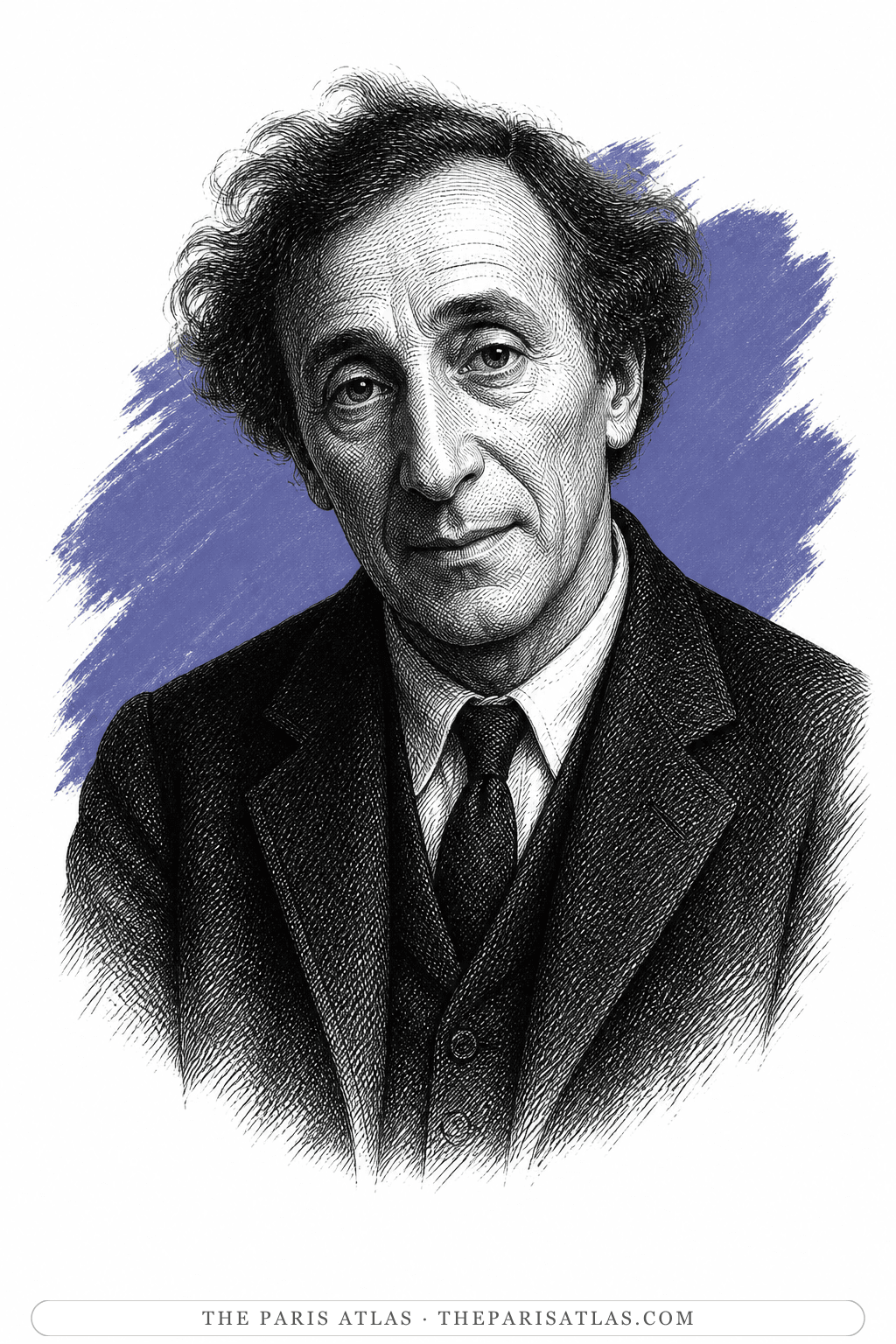
Chagall kept a studio flat inside the gated Villa Montmorency estate in Auteuil in the mid-1930s, with his wife Bella.
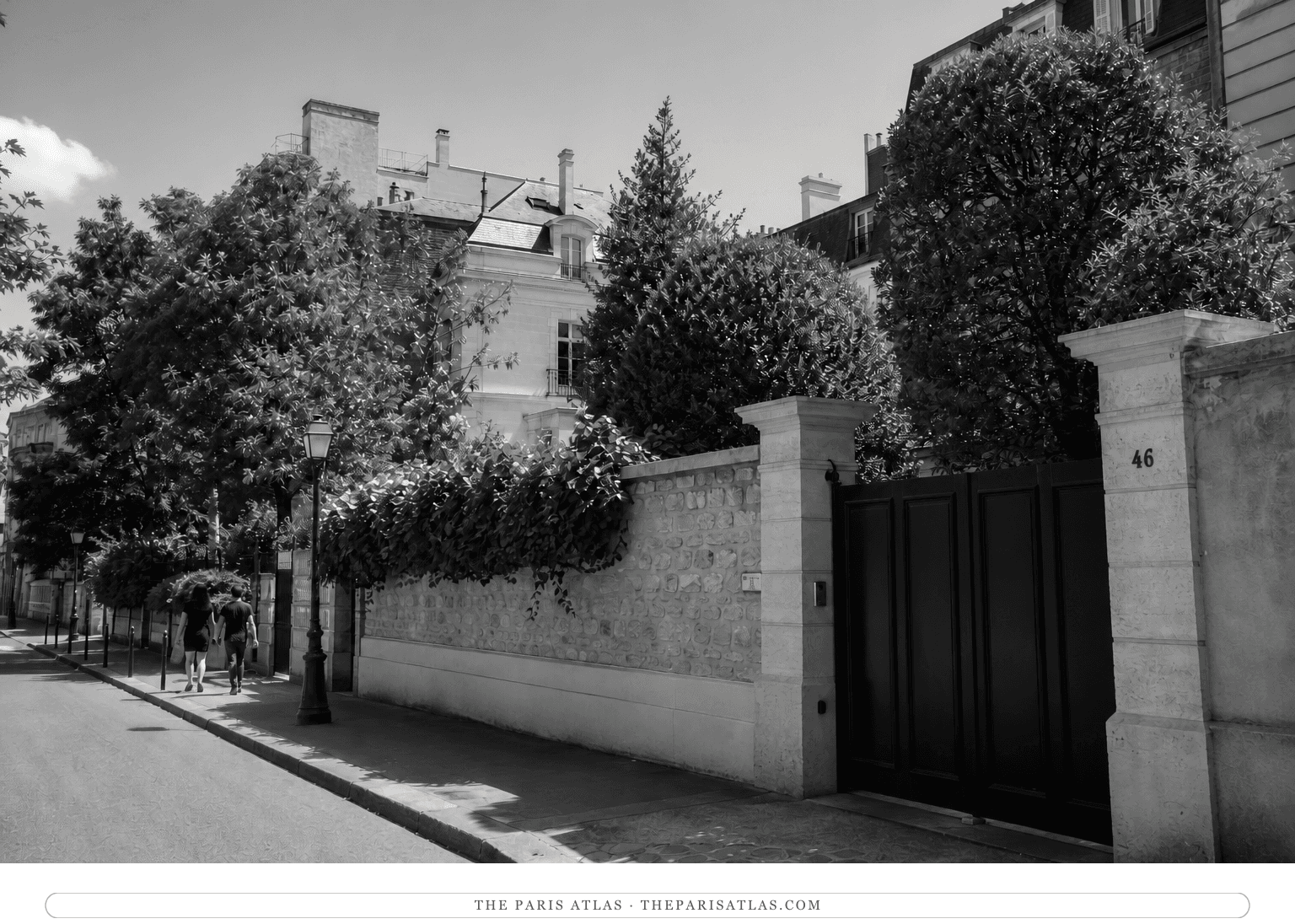
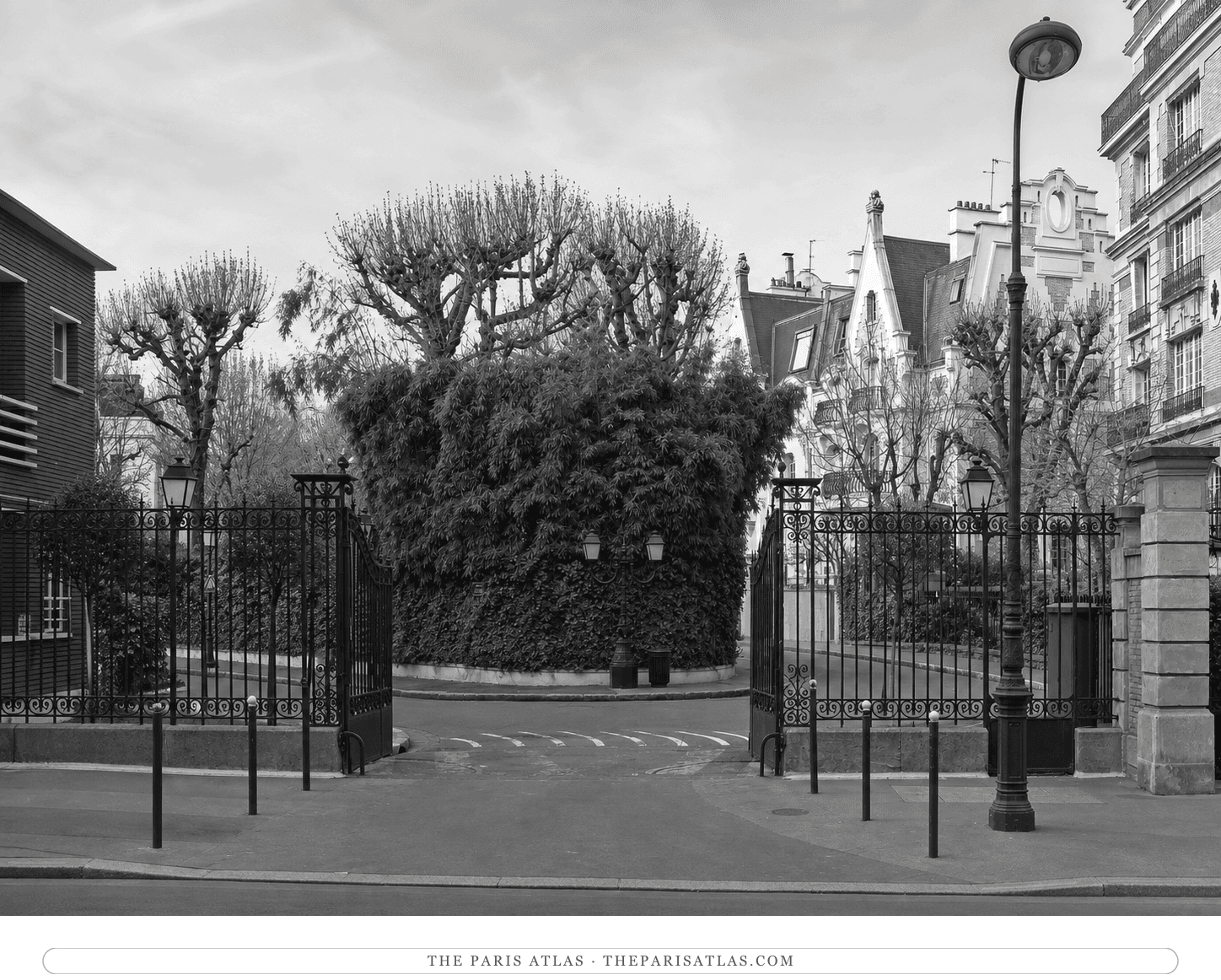
The private gated estate in Auteuil, laid out on the grounds of an eighteenth-century château, where Marc Chagall kept a studio in the mid-1930s before the war forced him out of France.
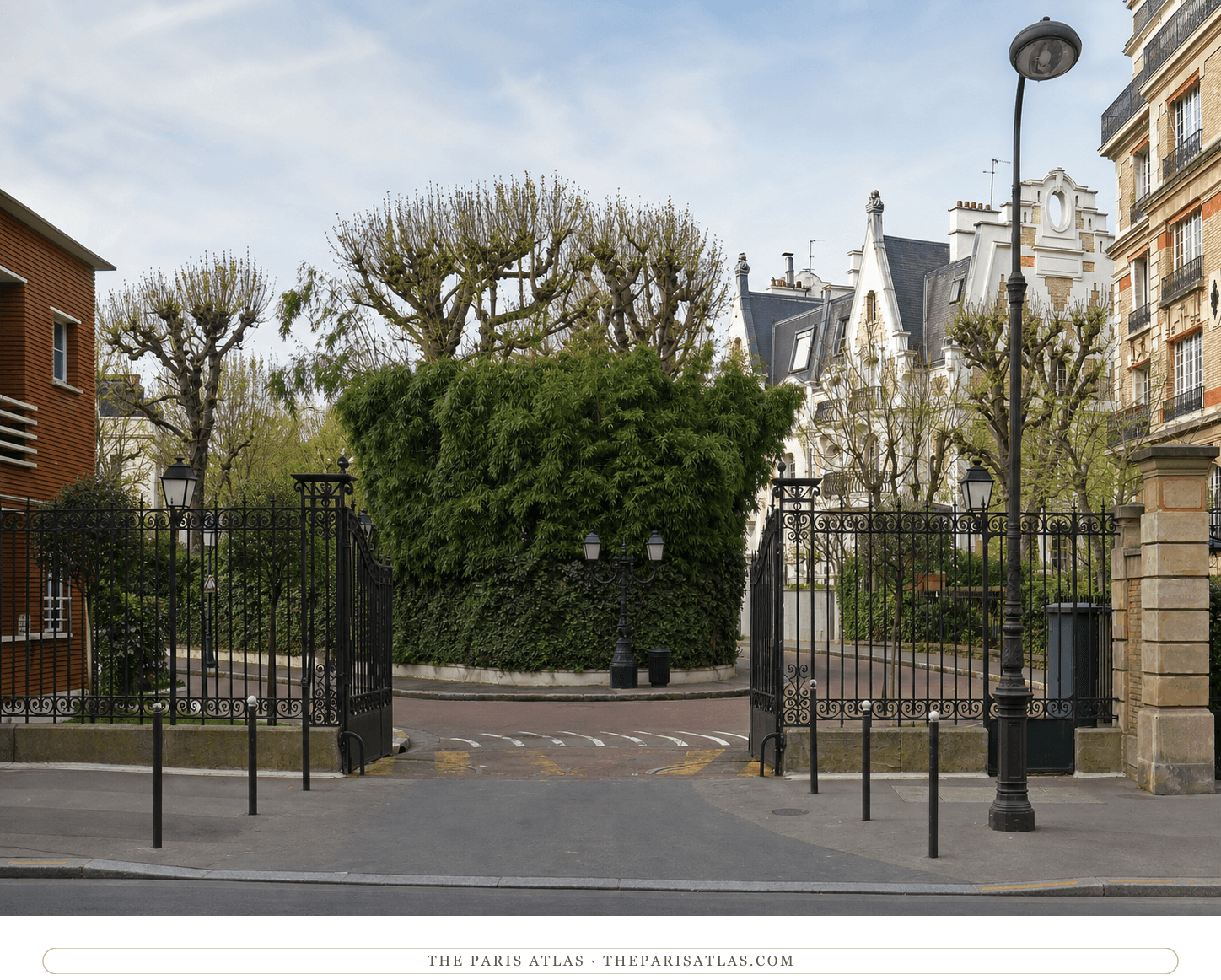
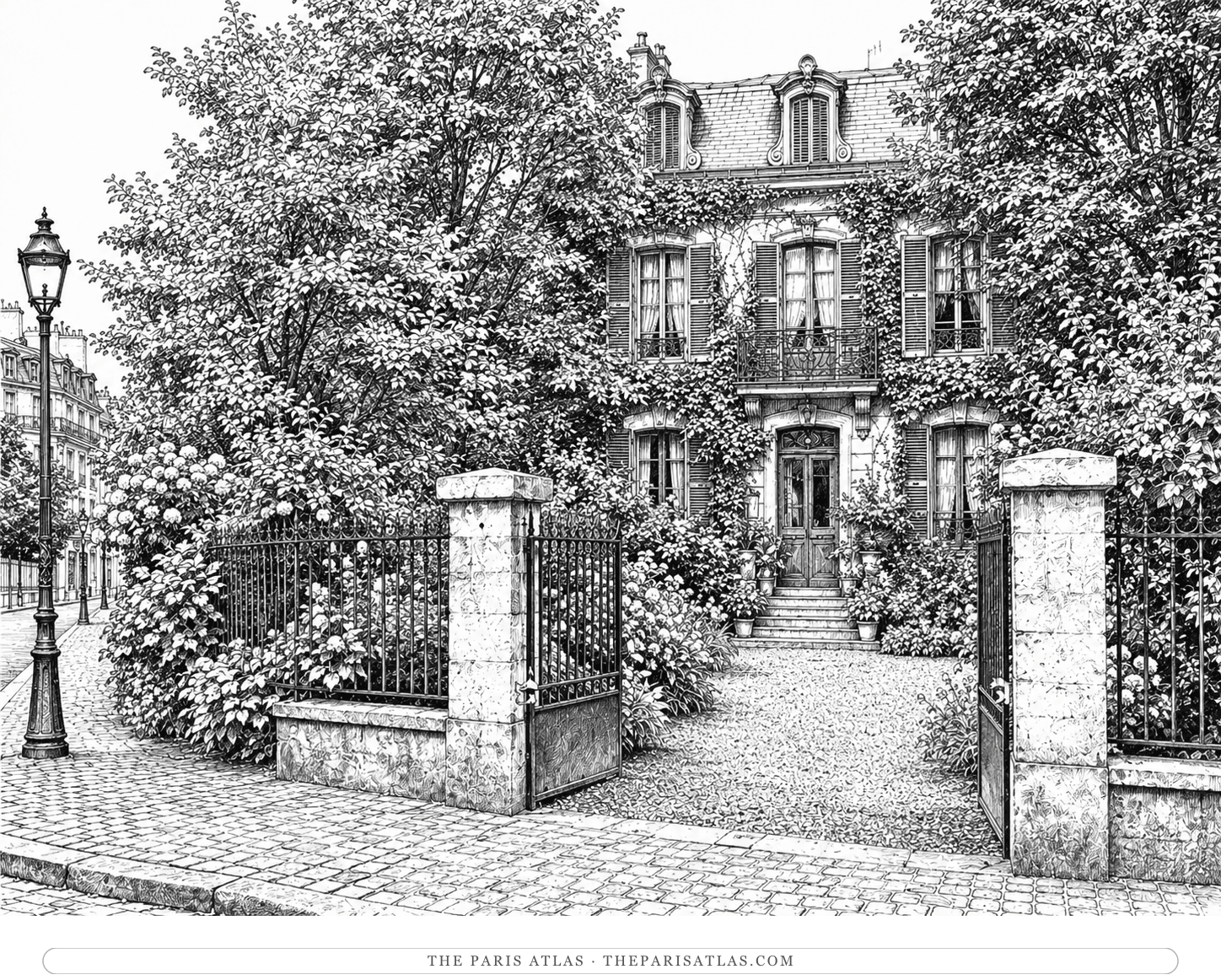
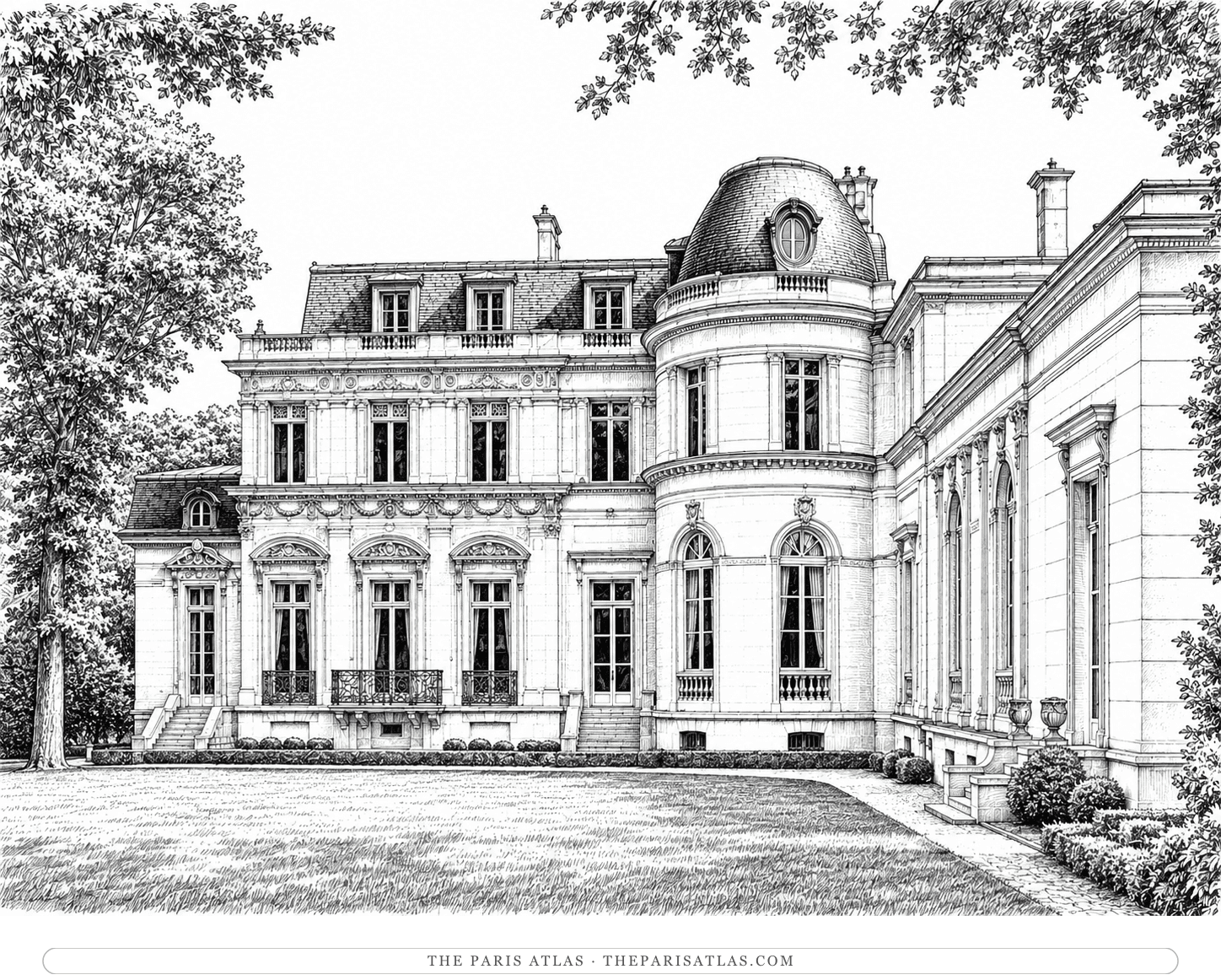
Villa Montmorency is not a villa but a private estate: a grid of leafy lanes in Auteuil, built on the former grounds of a château, gated and guarded and effectively invisible from the surrounding streets. It has been among the most expensive addresses in Paris since the nineteenth century.
The enclave separates itself from the city twice: first through distance in the western 16th arrondissement, then through private streets and controlled entrances. A studio here offered quiet, space and security unavailable in the communal ateliers of Montparnasse. It also signalled that Chagall's work had acquired a market capable of supporting privacy on this scale.
Marc Chagall kept a studio flat inside it in the mid-1930s, with his wife Bella. The Musée Chagall's own record of his studios notes that both his Paris-period workspaces of this decade were built around a large bay window — the same preoccupation with light that runs through the late work.[1]
The studio belonged to an active interwar period. Chagall was working on Vollard's illustrated books, travelling in France and abroad, and developing the biblical imagery that would occupy him for decades. Large drawings, gouaches and painted work required stable light and room for projects that moved between page, canvas and later monumental form.[1]
It is worth setting this beside La Ruche again. Twenty years separate a shared rotunda where painters burned furniture for heat from a guarded estate in Auteuil. Very few careers cover that distance, and Chagall covered it while remaining, in the eyes of the French state under the Occupation, a foreign Jew whose position was not secure at all.[2]
He became a French citizen in 1937, the same decade in which Nazi persecution publicly targeted his work as degenerate. Citizenship recognised a life built in French art but could not protect the household after German occupation. The apparent safety of a controlled residential enclave was political illusion once the state itself became dangerous.[3]
The address therefore holds two opposing facts. It records extraordinary professional ascent from an unheated immigrant studio, and it records how little wealth and reputation guaranteed for a Jewish artist in Europe. By 1941 Chagall and Bella had to leave France, helped by Varian Fry's rescue network and an invitation from the Museum of Modern Art in New York.
The estate is closed. The record exists because he worked there, not because anyone can see it.
That restriction is absolute rather than a challenge to find a better viewpoint. The roads are private, individual houses are not visible from outside and the coordinate marks the estate as a whole. A visitor gains no historical evidence by testing its security; the map is the appropriate way to register Chagall's presence here.
Auteuil's distance from the Montparnasse studios also marks a change in daily artistic networks. Chagall no longer depended on a corridor full of equally poor neighbours for conversation and supplies. Dealers, publishers and collaborators could be reached by appointment while the workroom remained separate and controlled. The move from communal infrastructure to private professional space accompanied the expansion of his reputation.
The bay window links this studio to the Villa Eugène-Manuel address without proving that every late effect came from architecture. It provided steady illumination and room for large projects, practical advantages earned after years of makeshift conditions. Chagall's repeated attention to suitable studio light shows a working artist managing production, not only the dreamlike figure suggested by the paintings.
Marc Chagall lived here in the mid-1930s with his wife, Bella, and in 1941 the two of them left occupied France for New York. A gated estate in Auteuil gave them privacy, space and quiet. It gave them no protection once France was occupied and the French state itself treated Jewish residents as a target.
The current physical answer is not 'someone else.' Villa Montmorency remains a private gated residential estate containing houses, gardens and private roads. Chagall's individual studio cannot be inspected from the public way, and the pin identifies the estate rather than an invitation to approach a residence. Exact language protects both historical accuracy and present occupants.
That limit does not make the page thin or the address meaningless. Documentary sources can explain when Chagall worked there, what kind of studio light he sought, how the location reflected professional ascent and why political danger overwhelmed private security. Present-day description answers a different question: what physically occupies the site and what access is lawful. Keeping those layers separate produces a stronger page than either vague status language or an invented visitor experience. The estate can remain closed while its place in the artist's Paris chronology is fully researched and clearly told.
No individual house should be photographed over gates or approached through private access.
The public boundary is the appropriate stopping point.
Chagall works in a studio flat inside Villa Montmorency.
He leaves occupied France for New York.
No. It is a private gated estate with its own security, and the lanes are not public.
Chagall kept a studio flat inside the gated Villa Montmorency estate in Auteuil in the mid-1930s, with his wife Bella.
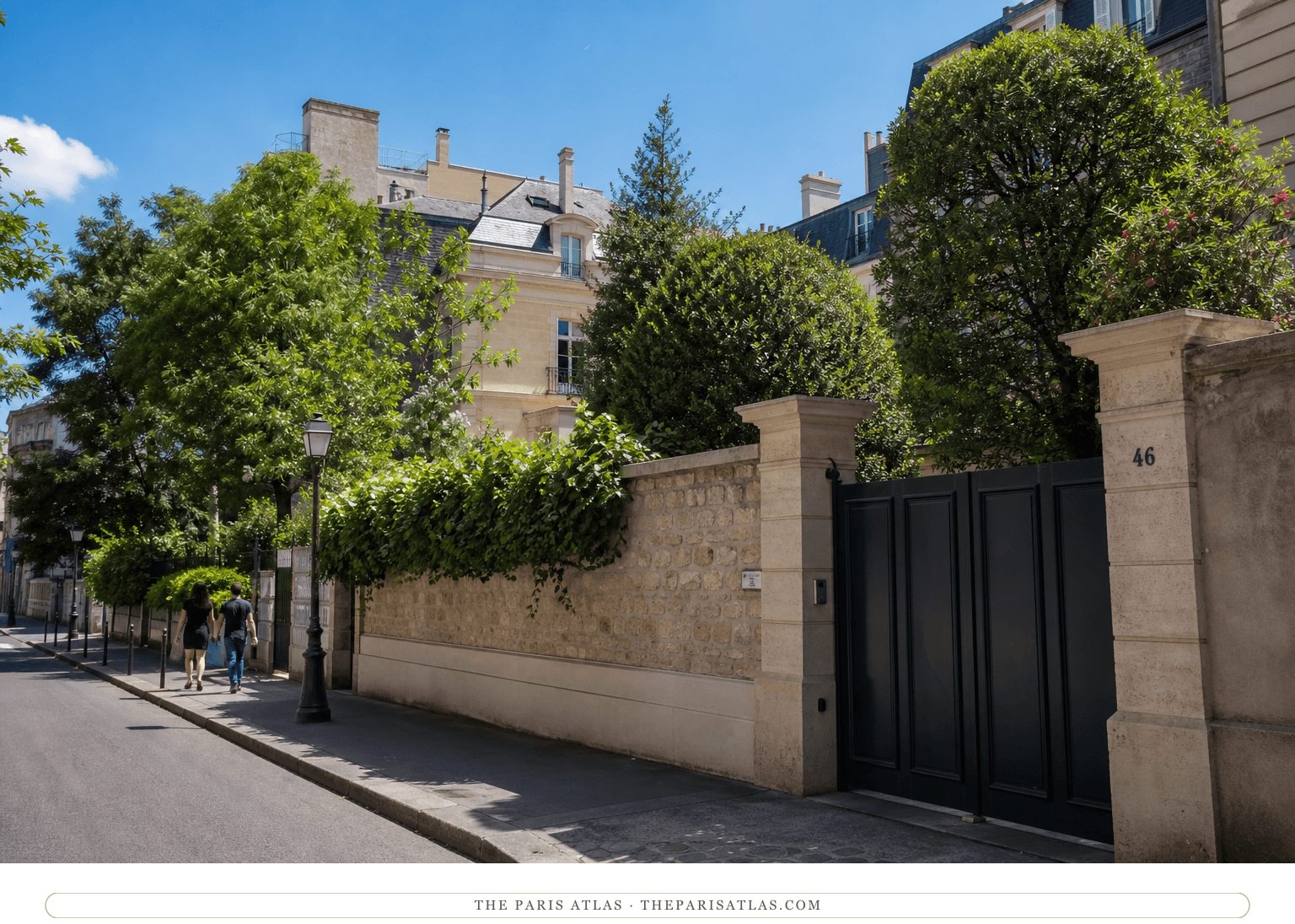
A rest house of the American Hostels for Refugees, the organisation Edith Wharton ran with Royall Tyler for civilians displaced by the German advance into Belgium and northern France.
Visit the place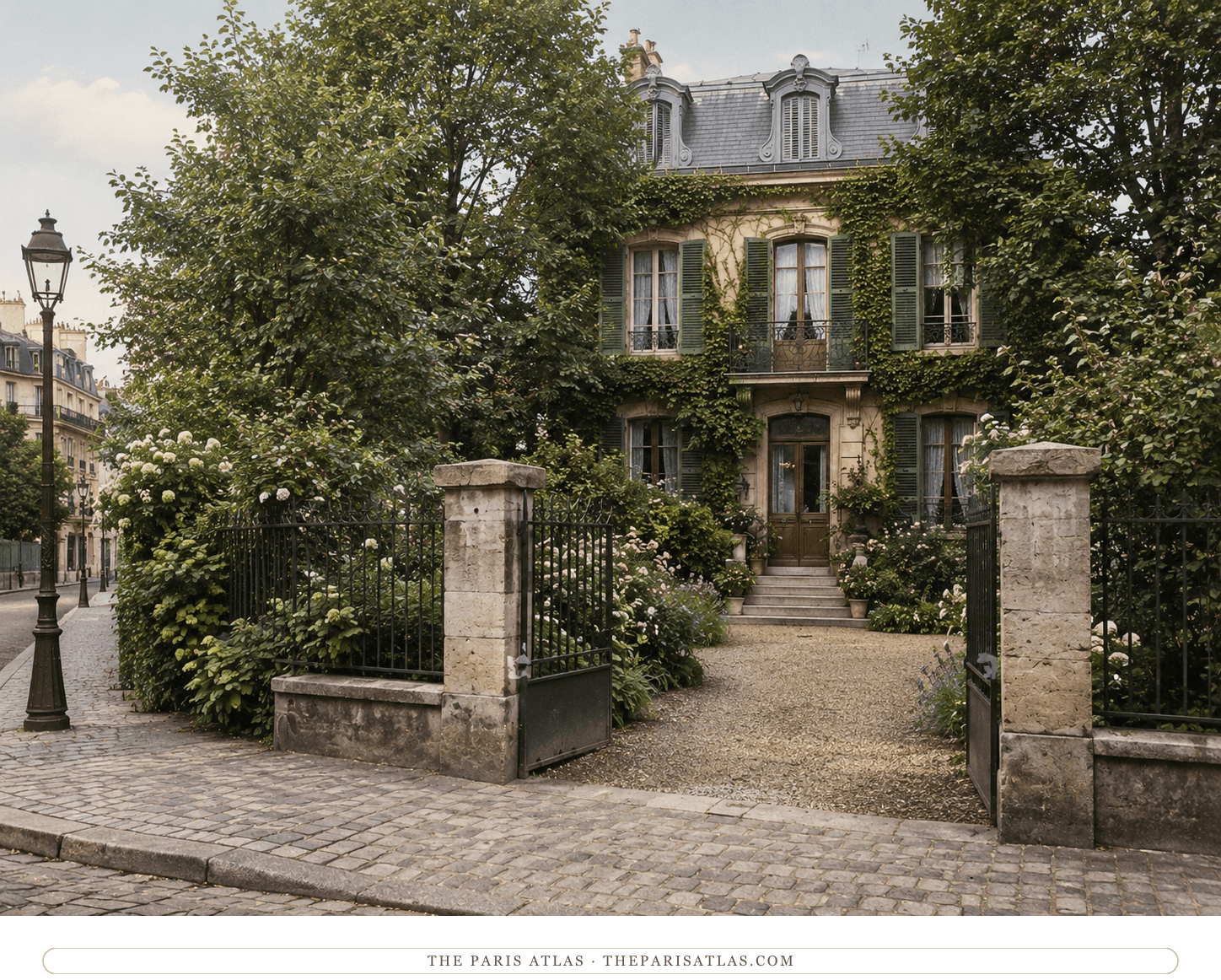
Colette's long Auteuil home through the end of her second marriage — the address just before the Palais-Royal.
Visit the place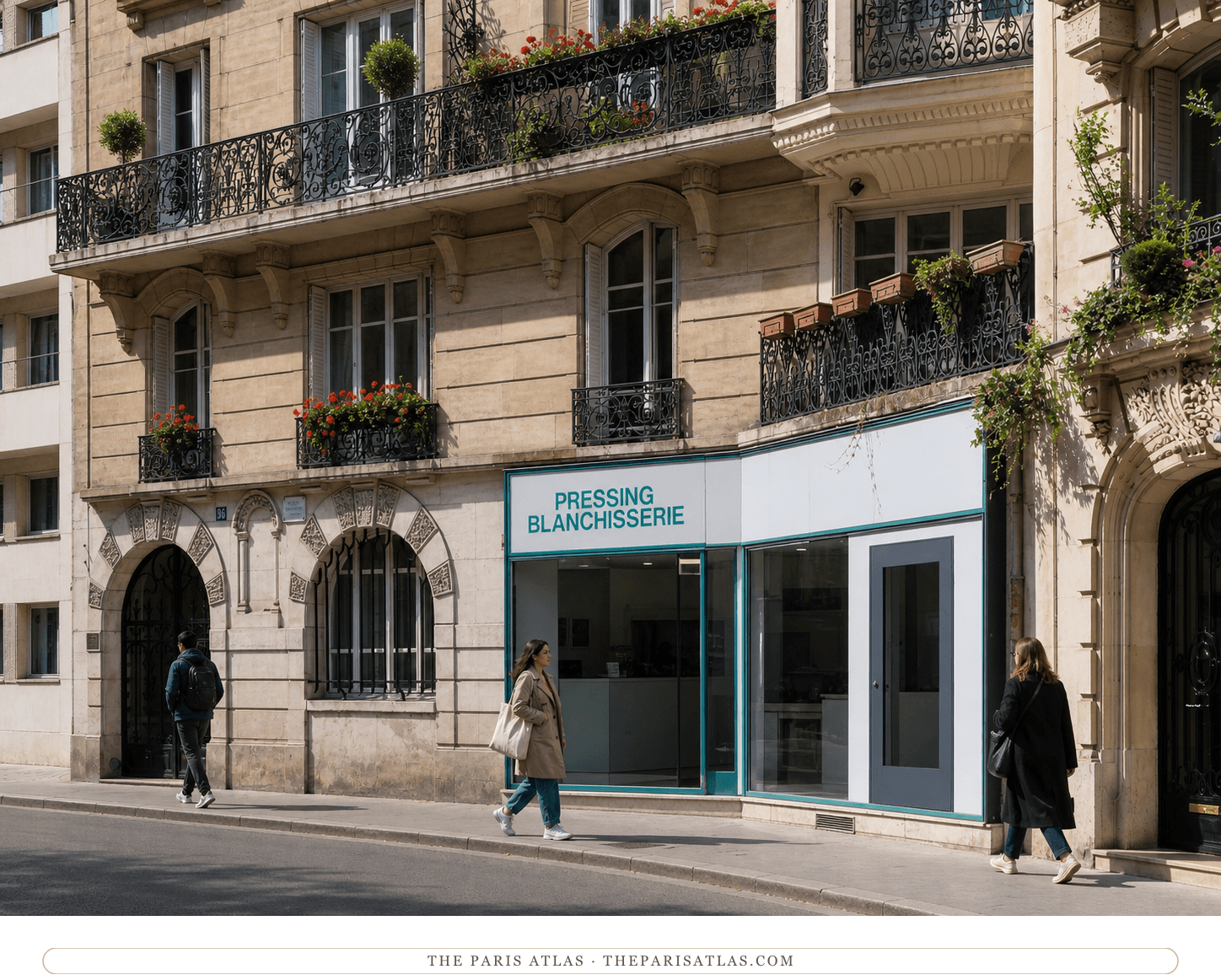
The house in Auteuil where Marcel Proust was born on 10 July 1871 — at the time a village on the western edge of Paris rather than a city street, and the address his family had retreated to during the upheaval of the Commune.
Visit the place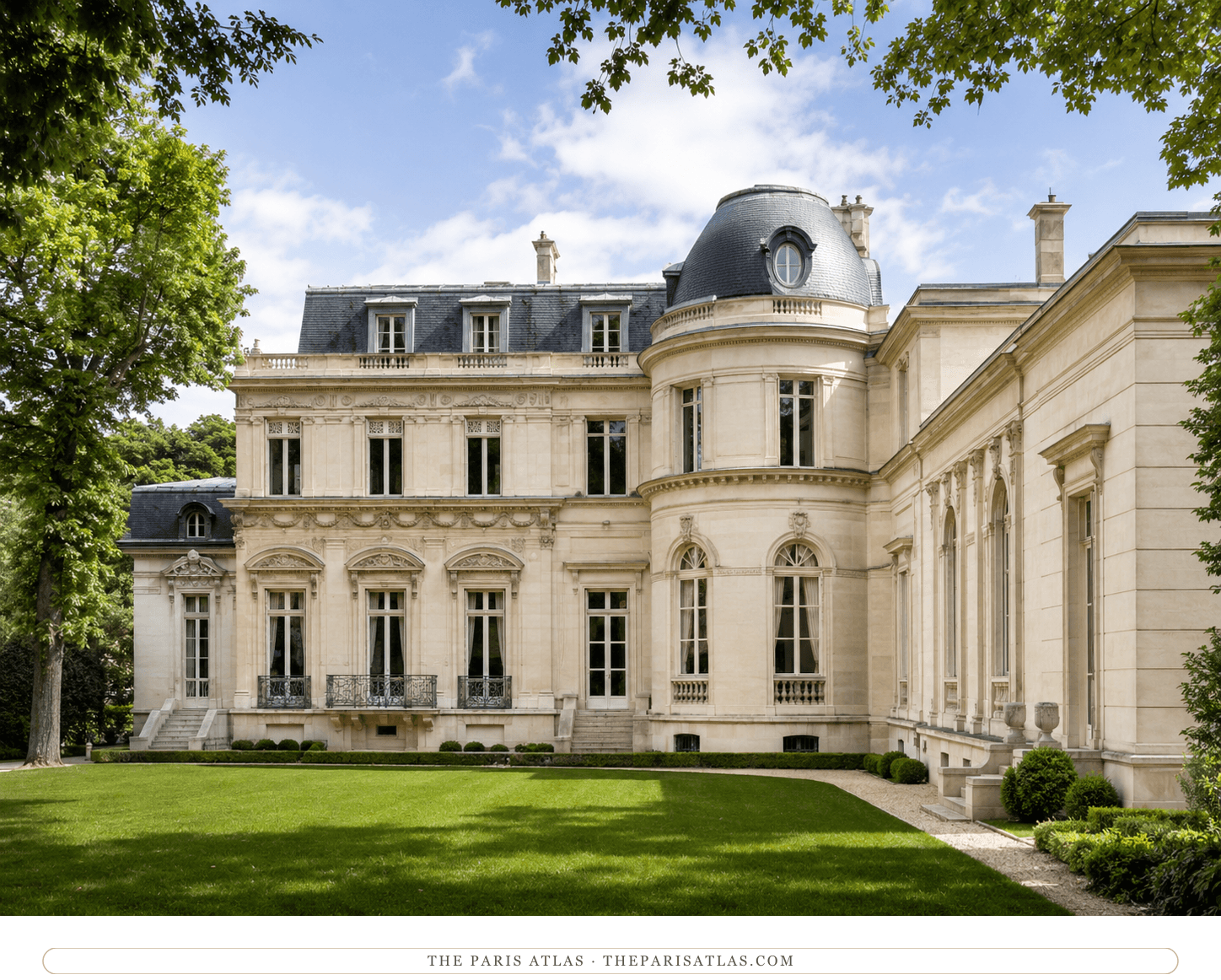
The former townhouse of the Duc de Valmy at the edge of the Ranelagh gardens, bought by Jules Marmottan in 1882 and opened as a museum in 1934.
Visit the placeThe sources below include histories, archival materials, scholarly research, and official records that informed this page. They document Villa Montmorency, the people connected to it, and its place in Paris.

Contemporary reporting or criticism used to document the historical reception and context of Villa Montmorency.

Web source consulted for documented facts and historical context presented on the Villa Montmorency page.
Web source consulted for documented facts and historical context presented on the Villa Montmorency page.
These references provide the documented foundation for this page's history and context. Claim-level citations remain attached to the specific claims they support.
 Explore more resources
Newsletter
The cafés, studios, and walk-up flats where the work was made — one story from the map in every letter.